
fitness diet

A variety of nourishing muscle-building foods arranged on a table

7 Muscle-Building Foods You’re NOT Eating (but should be)

Hidden Gains: 7 Overlooked Muscle-Building Foods

If you’re eating chicken, whey, and rice but still feel like your progress has plateaued, the problem might be the variety — not the effort. These seven underappreciated foods deliver high-quality protein, recovery-boosting micronutrients, and convenient ways to add calories without bloat. Pair them with smart training and mobility work (for example, try some neck and shoulder relief exercises to stay loose after heavy sessions), and you’ll see stronger, more resilient gains.

7 Muscle-Building Foods You're NOT Eating (but should be)

  1. Sardines — Tiny Fish, Big Protein and Fats
  • Why they matter: Sardines are rich in complete protein, omega‑3s (EPA/DHA) and vitamin D — nutrients that support muscle protein synthesis, reduce inflammation, and help recovery.
  • How to use: Toss on whole-grain toast, fold into a salad, or blend into a quick pate. Aim for one 3–4 oz serving twice a week.
  • Quick tip: Because they’re canned, sardines are affordable and shelf-stable — an easy post-workout option when fresh food isn’t available.
  1. Cottage Cheese — Slow-Release Casein for Nighttime Recovery
  • Why it matters: Cottage cheese is high in casein protein, which digests slowly and supplies amino acids overnight to fight muscle breakdown.
  • How to use: Eat 1/2–1 cup before bed with berries or a spoonful of nut butter. Mix into smoothies or use as a savory dip base.
  • Quick tip: Choose full-fat or low-fat based on calorie needs; both supply muscle-building leucine.
  1. Quinoa — A Complete Plant Protein That’s Also Carby Fuel
  • Why it matters: Unlike many grains, quinoa supplies all essential amino acids and provides complex carbs for glycogen replenishment.
  • How to use: Use quinoa as a rice swap for bowls, salads, or breakfast porridge. A 1-cup cooked serving gives ~8 g protein plus fiber and minerals.
  • Quick tip: Rinse before cooking to remove bitterness; toast lightly for extra flavor.
  1. Pumpkin Seeds — Small Snack, Mighty Micronutrients
  • Why they matter: Pumpkin seeds provide plant protein, magnesium (critical for muscle contraction and recovery), zinc (immune and testosterone support), and healthy fats.
  • How to use: Sprinkle 2–3 tbsp on yogurt, salads, or oatmeal; add to trail mix for a portable snack.
  • Quick tip: Lightly roast with spices for a crunchy, satiating post-workout bite.
  1. Beef Liver — Nutrient-Dense Powerhouse (Use Sparingly)
  • Why it matters: Liver is extremely high in bioavailable iron, vitamin A, B12, and folate — micronutrients that support energy, red blood cell formation, and overall recovery.
  • How to use: Start small (1–2 oz) and mix into ground beef dishes or pâté. A little goes a long way.
  • Quick tip: If you dislike the flavor, try freeze-dried liver capsules or blend tiny amounts into burgers.
  1. Tart Cherries (or Tart Cherry Juice) — Recovery and Sleep Support
  • Why they matter: Tart cherries contain anthocyanins and antioxidants that reduce exercise-induced muscle soreness and may improve sleep quality — both important for muscle growth.
  • How to use: Drink 8–12 oz tart cherry juice post-workout on hard training days or snack on dried cherries. A small serving daily around training helps recovery.
  • Quick tip: Combine tart cherries with a post-workout protein source to speed repair and consider gentle mobility or stretches to speed recovery after intense sessions.
  1. Edamame — Whole Soy, Whole Gains
  • Why it matters: Young soybeans (edamame) are a complete plant protein with fiber, iron, and B vitamins. They’re a great vegetarian-friendly muscle food.
  • How to use: Steam a cup as a snack, add shelled edamame to stir-fries or grain bowls, or blend into hummus-style dips.
  • Quick tip: Frozen edamame steams in minutes for a fast, protein-rich side.

Practical pairing and portion ideas

  • Post-workout bowl: quinoa + sardines or edamame + veggies = carbs + protein + healthy fats.
  • Before bed: cottage cheese with a tablespoon of pumpkin seeds and berries for slow-release protein and micronutrients.
  • Recovery day: tart cherry juice + light stretching or mobility work to reduce soreness.

Small changes, big difference
Adding just a couple of these foods regularly can improve recovery, nutrient status, and muscle-building potential without radically changing your diet. Rotate choices across the week, and match intake to training intensity and goals.

7 Muscle-Building Foods You're NOT Eating (but should be)

Conclusion

For a broader look at dietary choices that support overall health while complementing fitness goals, see this helpful perspective from a cardiovascular dietitian’s heart-healthy tips.

7 Muscle-Building Foods You’re NOT Eating (but should be) Read More »

, , , ,
Healthy foods to eat after a workout for recovery and energy replenishment

10 Best Foods to Eat After a Workout

Refuel Right: Top 10 Post-Workout Foods

Recovering well after a workout helps your muscles rebuild, restores energy, and keeps you ready for the next session. Aim for a mix of protein and carbohydrates within 30–60 minutes when possible, and choose whole-food options that also provide vitamins, minerals, and healthy fats. If you want to pair what you eat after exercise with what you eat before, check out best natural pre-workout foods for complementary fueling strategies.

10 Best Foods to Eat After a Workout

  1. Greek Yogurt with Berries
  • Why: High-quality protein (casein and whey) supports muscle repair; berries add antioxidants and carbs to refill glycogen.
  • Tip: Add a drizzle of honey or a handful of granola for extra carbs and flavor.
  1. Grilled Chicken and Quinoa
  • Why: Lean protein from chicken and complex carbs from quinoa provide sustained recovery nutrients and essential amino acids.
  • Tip: Toss with veggies and a squeeze of lemon for added vitamins and electrolytes.
  1. Chocolate Milk
  • Why: An easy, tasty option that delivers a near-ideal carb-to-protein ratio for recovery and rehydration.
  • Tip: Choose low-fat or regular depending on calorie needs; great for post-endurance sessions.
  1. Cottage Cheese and Fruit
  • Why: Cottage cheese is rich in casein protein, which digests slowly and helps with overnight muscle repair; fruit supplies quick carbs.
  • Tip: Pineapple or peaches pair well for flavor and vitamin C.
  1. Salmon and Sweet Potato
  • Why: Salmon supplies protein and anti-inflammatory omega-3s; sweet potato provides complex carbs and potassium to replace lost electrolytes.
  • Tip: Bake or grill with herbs to keep it light and nutrient-dense.
  1. Turkey Wrap with Whole-Grain Tortilla
  • Why: Turkey is a lean protein that rebuilds muscle; whole-grain wraps add complex carbs and fiber for steady energy.
  • For balanced training days, match this recovery meal to your session type and volume — for example, after full-body strength work, you might prefer the meals recommended for full-body workouts.
  • Tip: Add leafy greens and avocado for micronutrients and healthy fats.
  1. Protein Smoothie with Banana and Spinach
  • Why: Quick to make and easy to digest; combines whey or plant protein with carbs from banana and nutrients from spinach.
  • Tip: Blend with water or milk and a spoonful of nut butter for extra calories if needed.
  1. Eggs and Whole Grain Toast
  • Why: Eggs are a complete protein and provide essential amino acids; toast gives the carbs needed to top up glycogen.
  • Tip: Add a side of tomatoes or sautéed greens for antioxidants.
  1. Hummus and Pita with Veggies
  • Why: A plant-based combo giving protein, fiber, and carbs; chickpeas provide both protein and complex carbs.
  • Tip: Use whole-wheat pita and include cucumber, carrots, and peppers for crunch and vitamins.
  1. Oatmeal with Protein Powder and Fruit
  • Why: Oats are a slow-digesting carb source; stirring in protein powder boosts muscle-repairing potential while fruit supplies quick carbs.
  • Tip: Prepare with milk for added calories and calcium if desired.

Practical plating and timing tips

  • Aim for a 3:1 to 4:1 carb-to-protein ratio after endurance workouts; for shorter strength sessions, a 2:1 ratio often suffices.
  • Hydrate alongside food—water is usually enough, but include electrolytes for long or very sweaty workouts.
  • Prioritize whole foods most of the time; convenience options like smoothies or chocolate milk are useful when you’re short on time.

10 Best Foods to Eat After a Workout

Conclusion

For a deeper dive into what to eat after different types of workouts and evidence-based recommendations, read this guide on Post-Workout Nutrition: What to Eat After a Workout.

10 Best Foods to Eat After a Workout Read More »

, , , ,
Healthy meal prep for workout nutrition before and after exercise

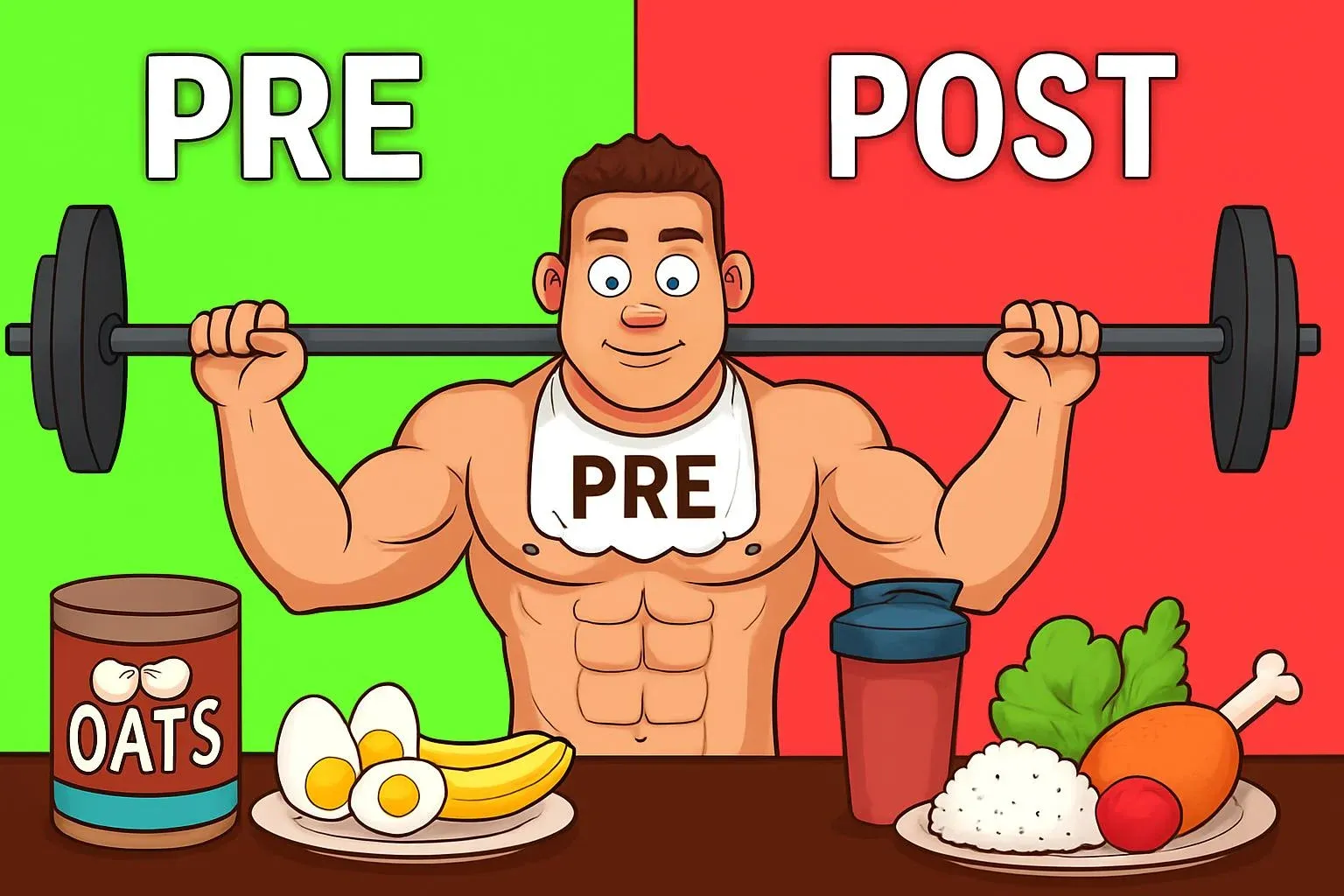
What To Eat Before & After EVERY Workout

Fuel Every Workout: Pre & Post Nutrition

Eating the right foods around your workout powers performance, speeds recovery, and helps you hit fitness goals — whether you’re lifting heavy, sprinting, or doing a steady-state session. Small choices before and after exercise make a big difference in energy, muscle preservation, and how quickly you can get back to training. For practical tips on boosting the protein in every meal to support recovery, check this guide: increase your protein intake.

What To Eat Before & After EVERY Workout

What to eat depends on workout length, intensity, and your goals. Below is a simple, flexible plan you can adapt.

Pre-workout: Fuel for Performance

  • Timing: 30–90 minutes before shorter, higher-intensity sessions; 2–3 hours before long or intense workouts.
  • Focus: Easily digestible carbs + a little protein. Avoid heavy fats and excessive fiber right before exercise.
  • Quick options (30–60 min before):
    • Banana with a tablespoon of nut butter
    • Yogurt with a drizzle of honey
    • Rice cake topped with turkey or almond butter
  • Larger pre-workout meals (2–3 hours):
    • Oatmeal with fruit and Greek yogurt
    • Chicken, sweet potato, and steamed veggies
  • Hydration: Drink 8–16 oz (250–500 ml) of water in the hour before exercise.

During longer workouts (60+ minutes)

  • Keep fueling with small amounts of carbs and fluids to maintain energy:
    • Sports drink, diluted juice, or electrolyte water
    • Energy gels, chews, or a banana for endurance sessions

Post-workout: Recover Faster and Build Muscle

  • Timing: Aim to eat within 30–90 minutes after training to replenish glycogen and start repair.
  • Focus: Carbs + high-quality protein (roughly a 3:1 or 4:1 carb-to-protein ratio for endurance; 2:1–3:1 for strength). Add fluids and electrolytes if you sweated heavily.
  • Easy recovery bites:
    • Chocolate milk (classic combo of carbs + protein)
    • Protein shake with a banana
    • Grilled chicken, quinoa, and mixed greens
    • Cottage cheese with pineapple or berries

Sample plans by goal

  • Strength/hypertrophy:
    • Pre: Whole-grain toast, scrambled eggs, and fruit
    • Post: Protein shake + a rice bowl with lean meat or tofu
    • (For routine ideas that pair well with strength work, see full workout plans that burn fat and build strength: full-body workout routines.)
  • Endurance/cardio:
    • Pre: Oatmeal with banana 2–3 hours before; sports drink during long efforts
    • Post: Bagel with nut butter + yogurt, or a recovery drink with carbs and protein
  • Quick gym visit / busy days:
    • Pre: Small snack like Greek yogurt or a smoothie 30–60 minutes prior
    • Post: Ready-made protein bar or a sandwich with lean protein

Special considerations

  • If you train fasted: Keep post-workout nutrition a priority to prevent excessive muscle breakdown — a balanced meal with protein and carbs within an hour helps.
  • Vegetarians/vegans: Use plant proteins (pea, soy, lentils) and pair with whole grains for complete amino acid profiles.
  • Weight loss goals: Prioritize adequate protein to protect muscle while creating a calorie deficit; time carbs around workouts for performance.

Practical tips

  • Prep simple combos (grilled chicken + rice, overnight oats, pre-portioned smoothies) so you always have the right food ready.
  • Listen to your stomach — practice pre-workout meals during training so you know what sits well.
  • Hydration matters as much as food: replace fluids lost through sweat and include electrolytes for longer or very hot sessions.

What To Eat Before & After EVERY Workout

Conclusion

For a concise slideshow of smart pre- and post-workout food choices and visual examples, see this guide on What to Eat Before and After a Workout.

What To Eat Before & After EVERY Workout Read More »

, , , ,
A selection of 17 muscle building foods for fast gains

17 Muscle Building Foods (BULK UP FAST!)

Bulk Boost: 17 Power Foods for Fast Muscle Gains

Building muscle is as much about what you eat as how you train. This guide breaks down 17 high-impact foods to help you bulk up faster while staying healthy and strong. If you’re exploring how nutrition pairs with recovery, consider also checking out best supplements for muscle preservation to complement your plan.

17 Muscle Building Foods (BULK UP FAST!)

Why these foods? They deliver high-quality protein, essential fats, calories when you need them, and nutrients that support recovery and hormone balance. Combine these choices with progressive overload in training and adequate sleep for the best results.

Top 17 muscle-building foods (quick benefits)

  1. Lean beef — Complete protein, rich in creatine and iron to support strength and red blood cell function.
  2. Chicken breast — High in protein, low in fat; perfect for frequent meals.
  3. Salmon — Protein plus omega-3s to reduce inflammation and support recovery.
  4. Eggs — Complete amino acid profile and nutrient-dense yolks for hormones and vitamins.
  5. Greek yogurt — High-protein dairy that’s great for snacks or post-workout.
  6. Cottage cheese — Casein-rich slow-digesting protein ideal before bed.
  7. Tuna — Lean protein with minimal calories; great for volume eating.
  8. Whole milk — Calorie-dense, good source of protein and healthy fats for clean bulking.
  9. Quinoa — Plant-based complete protein and complex carbs for energy.
  10. Oats — Slow carbs for sustained energy and great as a breakfast or pre-workout meal.
  11. Brown rice — Clean carbohydrate source for glycogen replenishment.
  12. Sweet potatoes — Nutrient-rich carbs with vitamins and fiber.
  13. Almonds — Calorie-dense healthy fats and vitamin E for recovery.
  14. Peanut butter — High-calorie, tasty source of fats and protein for added calories.
  15. Lentils — Fiber-rich plant protein that supports digestion and steady energy.
  16. Chickpeas — Versatile plant protein with carbs for meal variety.
  17. Whole eggs + egg whites combo — Balance between yolk nutrients and lean protein.

Practical meal ideas

  • Power breakfast: Oats topped with Greek yogurt, sliced almonds, and a scoop of peanut butter.
  • Post-workout: Tuna or chicken with brown rice and steamed greens.
  • Bedtime recovery: Cottage cheese with a handful of berries.
  • Calorie-dense snack: Whole milk smoothie with banana, oats, and peanut butter.

Portion and calorie tips

  • To bulk, aim for a modest calorie surplus (200–500 kcal/day) rather than uncontrolled overeating.
  • Prioritize protein: 1.6–2.2 g/kg bodyweight per day for most lifters.
  • Distribute protein across 3–6 meals to maximize muscle protein synthesis.
  • Use energy-dense foods like nuts, whole milk, and starchy carbs to reach surplus without feeling overfull.

Training and nutrition synergy
Pair consistent progressive resistance training with these foods. Plan workouts around larger meals: solid carbs + protein before and after training for best performance and recovery. If you’re planning workouts and want guidance on targeting specific areas, see this helpful guide on which muscle groups will you train to structure your routine.

Quick workflow to start bulking today

  • Calculate maintenance calories, add 200–300 kcal to start.
  • Hit protein targets and include 2–3 energy-dense meals daily.
  • Train heavy 3–5x per week with compound lifts.
  • Track progress and adjust calories every 2–3 weeks.

17 Muscle Building Foods (BULK UP FAST!)

Conclusion

For a focused list and deeper breakdown, check the full guide: 17 Muscle Building Foods (BULK UP FAST!) – Gravity Transformation.

17 Muscle Building Foods (BULK UP FAST!) Read More »

, , , ,
Scroll to Top