8 Things Nobody Tells You About Belly Fat
Belly fat is more than an aesthetic concern; it affects health, hormones and how your body responds to diet and exercise. Many common beliefs about belly fat are oversimplified or misleading; understanding the lesser-known facts helps you form smarter, sustainable strategies rather than chasing quick fixes. For a reality check on common exercise myths, see this clear explanation about why targeting fat in one spot rarely works: https://arnellavanilla.com/spot-reduction-is-a-myth-why-you-cant-burn-belly-fat-with-crunches/.
Visceral and subcutaneous fat are very different
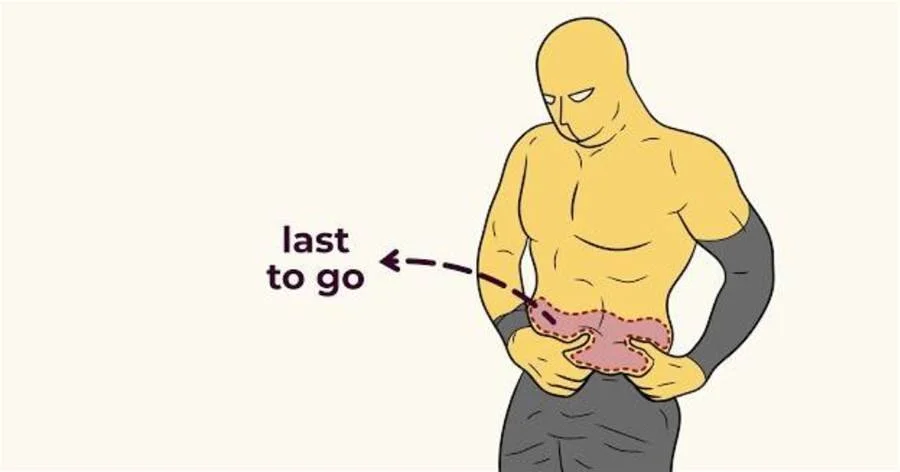
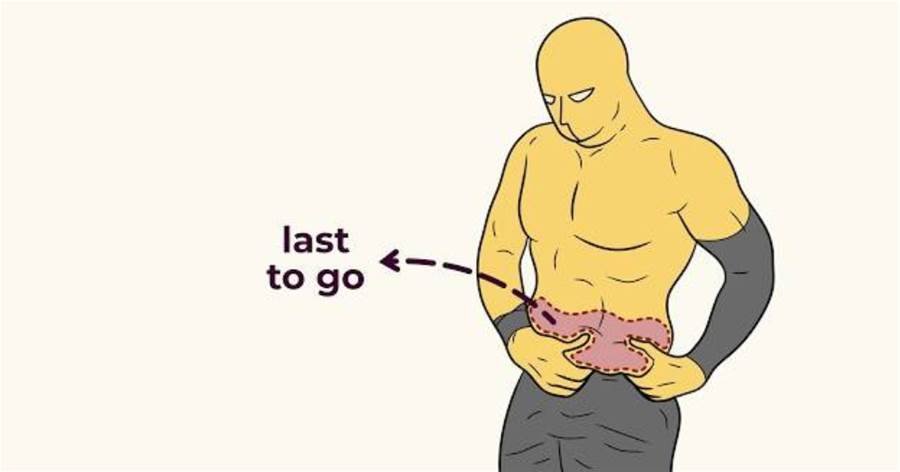
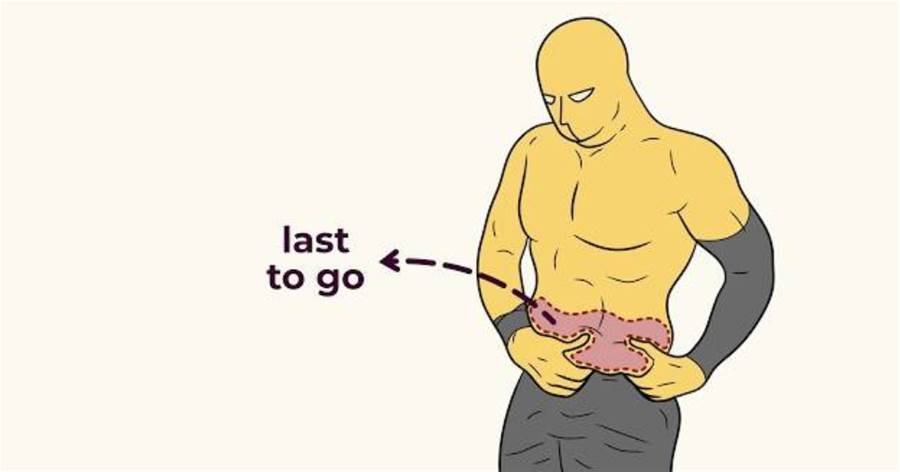
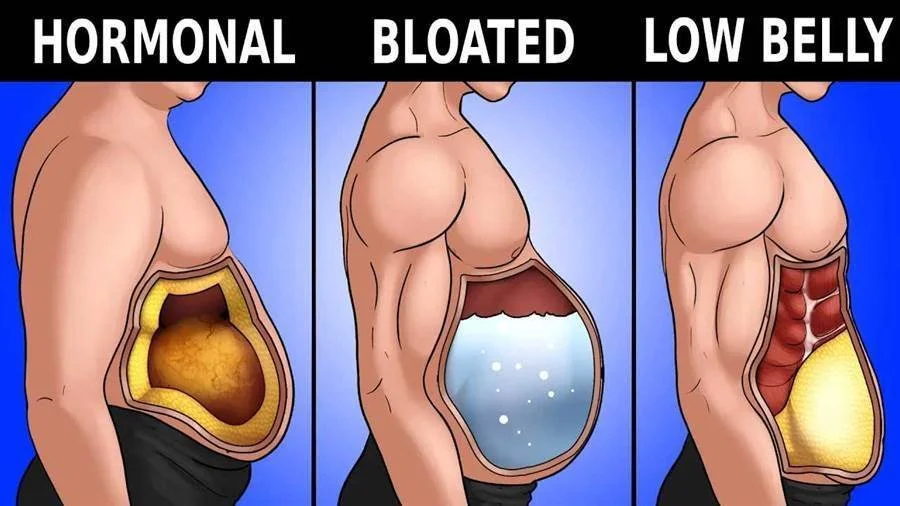
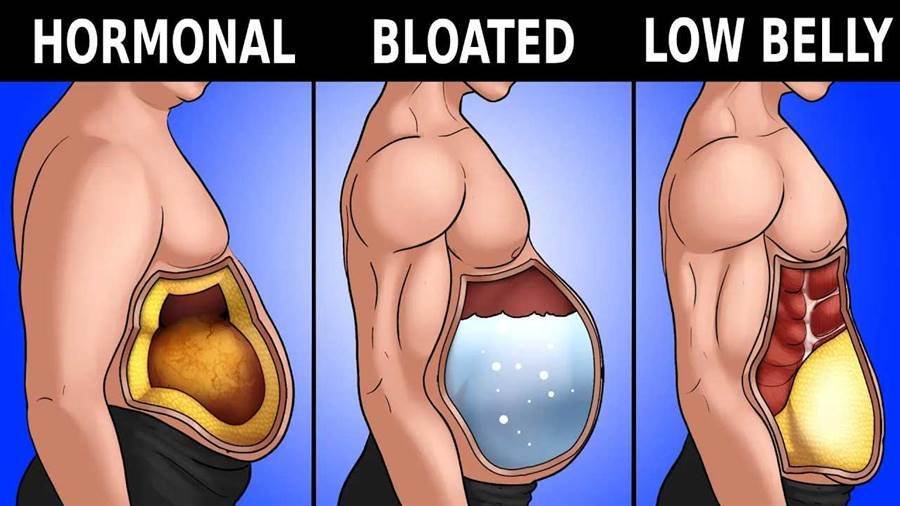
- Subcutaneous fat sits under the skin and is what you pinch. Visceral fat wraps around organs and is metabolically active — it releases inflammatory signals and raises disease risk. Reducing waist circumference typically targets visceral fat through overall lifestyle change rather than spot exercises.
Genetics and where you store fat matter
- Your genes influence whether you store excess energy around your midsection. That doesn’t mean you’re stuck, but it explains why two people with the same weight can look very different and respond differently to the same regimen.
Stress and sleep drive stubborn belly fat
- Chronic stress elevates cortisol, which encourages abdominal fat storage. Poor or short sleep disrupts hunger hormones (ghrelin/leptin) and insulin sensitivity, both of which favor fat gain around the waist. Managing stress and prioritizing sleep are as important as diet and activity.
Cardio helps, but resistance training is crucial
- Steady-state cardio burns calories, but building or preserving muscle through resistance training raises resting metabolic rate and improves body composition. For practical clothing or gear ideas that support an active routine, check out this resource on apparel to fuel your journey: https://arnellavanilla.com/apparel-to-fuel-your-odyssey-28-club-uk/.
Diet quality beats gimmicks
- Extreme diets or “belly-blasting” supplements rarely produce long-term results. Focus on protein for satiety and muscle preservation, fiber-rich vegetables and whole grains, and moderate healthy fats. Consistent caloric balance over time is the main driver of fat loss.
Alcohol is underestimated
- Alcohol supplies empty calories, impairs judgment (leading to overeating), and can increase visceral fat storage when consumed in excess. Cutting back or choosing alcohol-free days helps reduce abdominal fat.
Inflammation and gut health play a role
- Diets high in processed foods can promote low-grade inflammation, which is linked to abdominal fat. A varied, fiber-rich diet supports healthy gut bacteria and metabolic health — small improvements here can make belly fat easier to lose.
Patience and tracking beat obsession
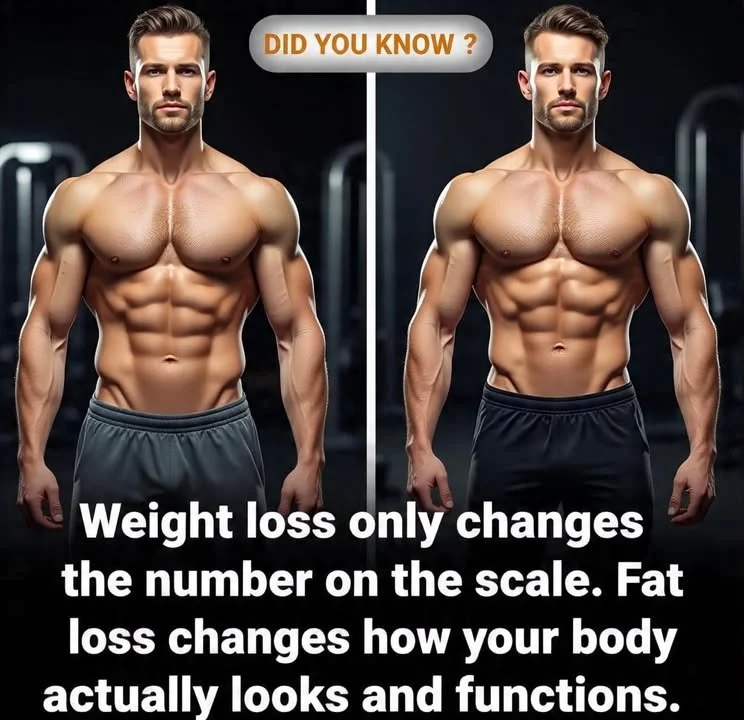
- Fat loss happens slowly and unevenly. Track trends (measurements, clothes fit, progress photos) rather than daily weight. Sustainable small habits — consistent strength work, protein at meals, sleep routines — compound into meaningful change.
Conclusion
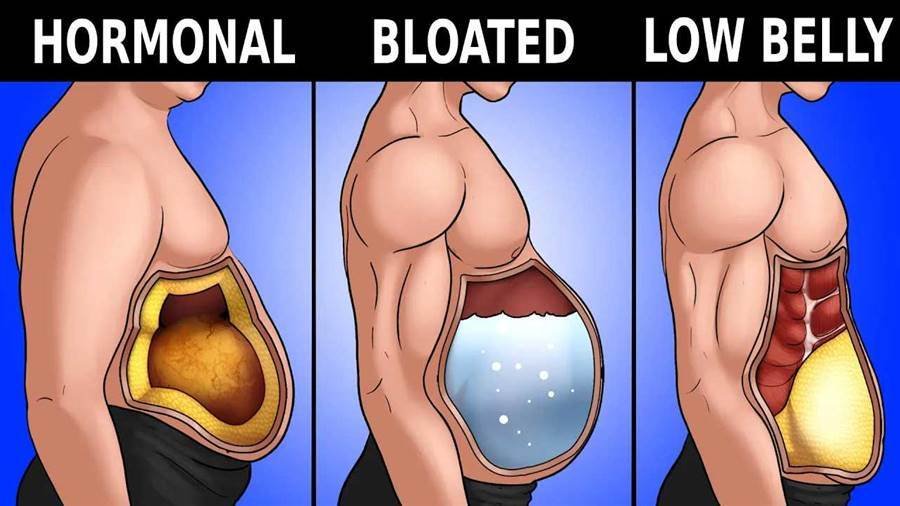
Belly fat is influenced by hormones, genetics, lifestyle and habits; not just crunches or crash diets. For deeper reading on realistic expectations and practical strategies for losing weight, see Things Nobody Tells You About Losing Weight Part 1: Things Nobody Tells You About Losing Weight Part 1.