exercise tips

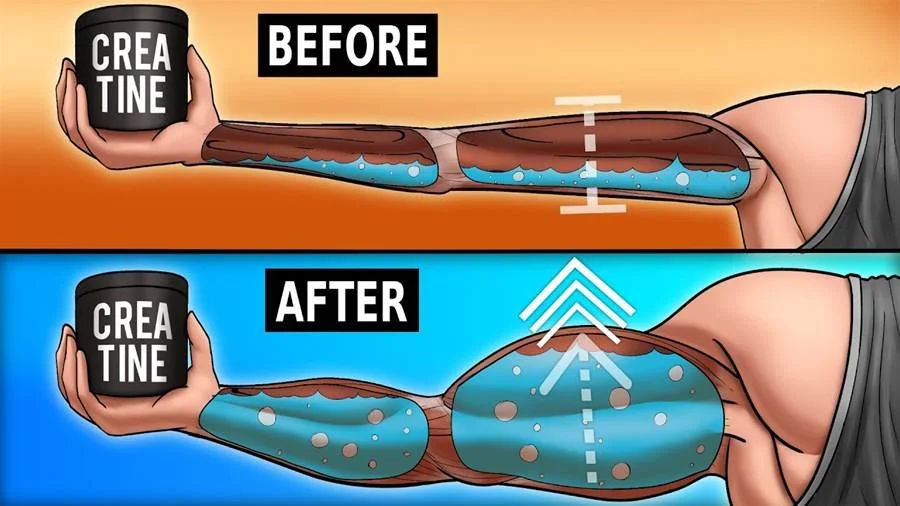
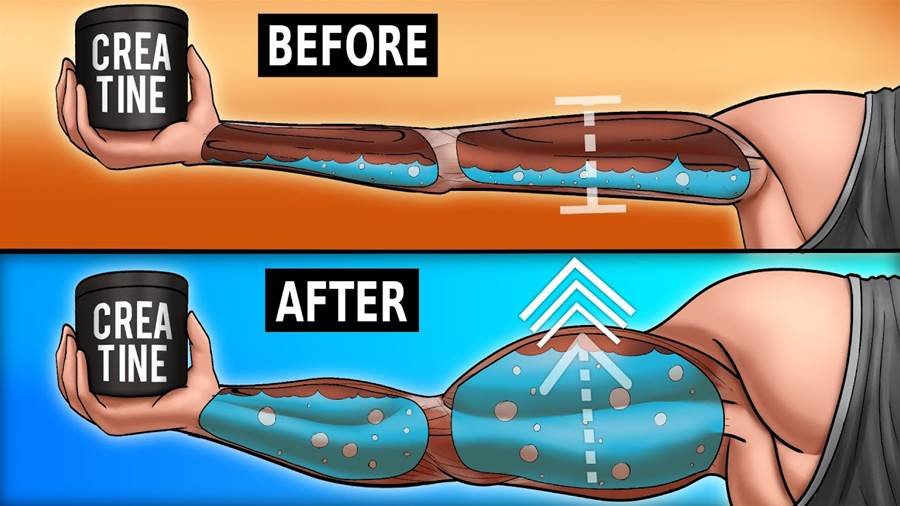
Infographic illustrating 10 surprising facts about creatine and its benefits

10 Things Nobody Tells You About Creatine

Creatine Uncovered: 10 Hidden Truths

Creatine is one of the most researched supplements in sports and health, yet many nuances about how it works and who benefits remain under-discussed. Whether you’re a lifter, an athlete, or someone curious about cognitive perks, these ten lesser-known facts will help you use creatine more smartly and safely. For practical ways to support muscle-building alongside supplementation, consider these helpful tips on increasing your protein intake — small changes can amplify creatine’s benefits.
10 Things Nobody Tells You About Creatine

  1. Creatine helps more than just strength
  • While it’s famed for boosting strength and power, creatine also supports short-term high-intensity performance, recovery, and may improve brain energy metabolism during demanding mental tasks.
  1. Your response varies — "responders" vs "non-responders"
  • Genetics, baseline muscle creatine content, muscle fiber type, and diet (especially meat intake) influence how much benefit you see. Vegetarians often see bigger gains because their starting creatine stores are lower.
  1. Loading isn’t required, but it accelerates results
  • A typical loading phase (20 g/day split into 4 doses for 5–7 days) saturates muscles faster. Skipping loading and taking 3–5 g/day still works, it just takes 3–4 weeks to reach the same muscle saturation.
  1. Timing is flexible
  • The window for taking creatine is broad. Consistency matters more than precise timing, though some data suggest taking it around workouts (pre- or post-) can slightly improve gains when paired with protein and carbs.
  1. Hydration myths — creatine doesn’t dehydrate you
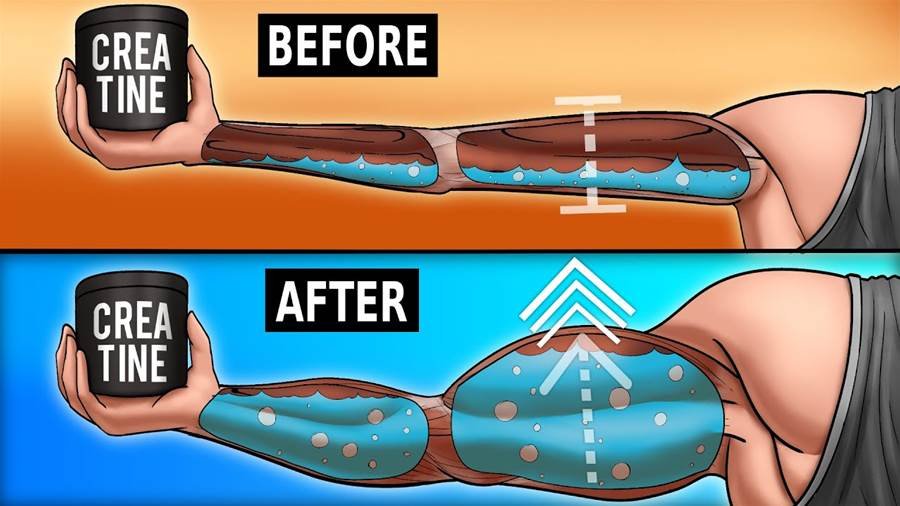
  • Creatine pulls water into muscle cells, which is often misconstrued as systemic dehydration. Adequate daily fluids are important, but creatine does not inherently increase dehydration risk in healthy people.
  1. It can support body composition beyond muscle mass
  • By improving training quality and recovery, creatine indirectly helps reduce body fat over time. Pairing creatine with habits that promote fat loss — such as the right nightly routine — can amplify results; for ideas on passive fat-loss habits, see how to burn fat while you sleep.
  1. Cognitive and neurological promise
  • Preliminary studies suggest creatine may help with mental fatigue, memory under stress, and recovery in certain neurological conditions. The evidence is promising but still emerging for broad clinical claims.
  1. It’s safe for most people when used correctly
  • Long-term studies (years) in healthy adults show creatine is well-tolerated. Common minor side effects include stomach upset if taken in very high single doses. People with kidney disease or on certain medications should consult a clinician first.
  1. Quality matters — but most monohydrate is the same
  • Creatine monohydrate has the strongest evidence base and is inexpensive. Micronized versions may mix more easily, but efficacy is comparable. Avoid proprietary blends that add unproven ingredients.
  1. Cycling isn’t necessary, but some prefer it
  • There’s no scientific requirement to cycle creatine. Continuous daily use at maintenance doses (3–5 g/day) is common and supported by research. Some choose periodic breaks based on personal preference.

Practical tips to get the most from creatine

  • Take a consistent daily dose (3–5 g) once loading is complete, with a meal or around your workout.
  • Combine with adequate protein and carbs to support muscle repair and growth.
  • Maintain regular hydration and monitor any unusual symptoms, especially if you have pre-existing health conditions.
  • Choose a reputable brand with third-party testing to ensure purity.
10 Things Nobody Tells You About Creatine

Conclusion

Creatine is a versatile, well-researched supplement that offers more than just strength — from cognitive support to better training quality. If you want further conversations about smart supplementation and training approaches, check out this episode on Scale with Tom Ashcroft | Podcast on Spotify.
10 Things Nobody Tells You About Creatine Read More »

, , , ,
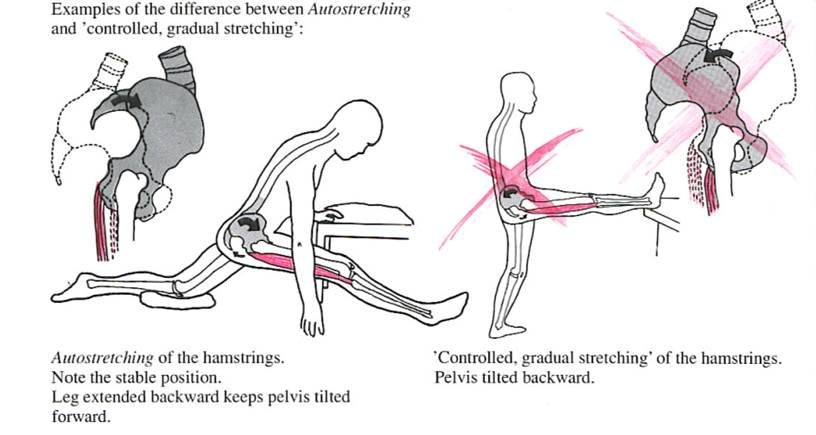
Person stretching after workout to improve recovery and flexibility

Stretching After Your Workout? The Brutal Truth Science Doesn’t Want You to Know

After-Workout Stretching: The Uncomfortable Science

Most gym-goers reach for a long static stretch after training because it feels like the responsible thing to do — we assume it speeds recovery, prevents soreness, and lowers injury risk. The real picture is messier: stretching has benefits, but they’re specific, limited, and sometimes counterproductive if used as a catch-all solution. If recovery and muscle maintenance are your priorities, don’t overlook basic nutrition — for example, learn practical ways to increase your protein intake to support repair and growth.

Stretching After Your Workout? The Brutal Truth Science Doesn’t Want You to Know

Why we stretch: the common beliefs

  • Stretching after exercise is supposed to reduce muscle soreness (DOMS) and lower injury risk.
  • Many people equate longer stretches with “better recovery.”
  • It’s also a ritual: finishing a workout with 10–15 minutes of static stretching feels like finishing strong.

What the research actually shows

  • Static stretching does improve immediate flexibility, but the effect is short-lived unless you do it consistently over weeks.
  • Multiple studies find static stretching post-exercise does not meaningfully reduce delayed-onset muscle soreness (DOMS) or prevent most acute injuries in recreational athletes.
  • Doing long static stretches right before or immediately after heavy strength work can temporarily reduce maximal strength and power output — not ideal when the goal is to build or maintain strength.
  • The greatest protective benefits against injury and functional decline come from progressive strength training and movement quality, not from static stretching alone.

Where stretching helps

  • Long-term flexibility and range-of-motion improvements: regular, targeted stretching can change tissue tolerance and joint mobility over weeks to months.
  • Rehabilitation and mobility training: in clinical settings, stretching is useful as part of a plan to restore specific ranges of motion.
  • Nervous-system calming: gentle stretching and breath work can help with relaxation and perceived recovery after intense sessions.

Practical recommendations you can use today

  • Prioritize strength and movement training. Strength work builds resilience, improves tissue health, and lowers real-world injury risk more than passive stretching.
  • Warm up with dynamic, movement-based mobility rather than long static holds when preparing for strength or power work.
  • Use short, targeted static stretches when you need to regain a specific range of motion, and plan them consistently (several times per week) for lasting change.
  • Consider alternatives for recovery and soreness reduction: active recovery, light aerobic activity, sleep, hydration, and proper protein intake.
  • If balance or technique limits certain exercises (like split squats), choose simpler strength alternatives to build the foundation first — for example, explore single-leg alternatives that remove the balance challenge while strengthening the same muscles.

A final, evidence-based playbook

  • For immediate post-workout recovery: cool down with light movement and focus on nutrition and sleep.
  • For long-term mobility: schedule consistent stretching and mobility sessions, not just the few minutes tacked onto a workout.
  • For injury prevention and durability: invest your time most in progressive strength training and movement competency.

Stretching After Your Workout? The Brutal Truth Science Doesn’t Want You to Know

Conclusion

If your priority is building resilience and healthier bodies over the long term, strength training — combined with smart mobility work and nutrition — is the evidence-backed route. Read more on how strength training helps aging bodies stay stronger and healthier here: How can strength training build healthier bodies as we age …

Stretching After Your Workout? The Brutal Truth Science Doesn’t Want You to Know Read More »

, , ,
Man demonstrating a pushup, showcasing strength training techniques.

You CAN do pushups, my dude (feat. Hybrid Calisthenics)

Pushups Unlocked

Get off the sidelines — you CAN do pushups, my dude. Whether you’re just starting or coming back after a break, pushups are a scalable, effective movement that builds strength, posture, and confidence. This guide breaks down progressions, common mistakes, and simple programming so you can progress without overthinking it. Spot reduction myths won’t stop your gains; consistency will.

You CAN do pushups, my dude (feat. Hybrid Calisthenics)

Why pushups matter
Pushups train the chest, shoulders, triceps, and core while reinforcing good shoulder mechanics. They’re accessible, require no equipment, and transfer to many daily activities and sports. More than aesthetics, pushups improve posture and resilience against common upper-body injuries when done with control.

Getting started: regressions and setup

  • Wall pushups: stand facing a wall, hands shoulder-width, lean and push back. Great for absolute beginners.
  • Incline pushups: use a table or bench to reduce load.
  • Knee pushups: keep a straight line from knee to head; build confidence with full range of motion.

Key setup cues:

  • Hands under shoulders, fingers spread.
  • Tight core, neutral spine, glutes engaged.
  • Lower chest toward the floor as a unit; avoid letting hips sag.

Progressions to full pushup

  • Negative (eccentric) pushups: slowly lower for 3–5 seconds, then reset at the top.
  • Tempo sets: slow lowering, controlled pause, then explosive push.
  • Partial-to-full reps: start with partial range and gradually increase depth.

Programming tips

  • Start with quality over quantity: 3–5 sets of 5–12 controlled reps, 2–3 times per week.
  • Use a simple progression: if you can do 3 sets of 10 reps with good form, increase difficulty (reduce incline or add tempo).
  • Rest and recovery are part of the plan — muscles grow between sessions.

Common mistakes and how to fix them

  • Hips sagging: engage the core and glutes; imagine a straight plank line.
  • Flaring elbows: aim for elbows at ~45 degrees to protect shoulders.
  • Too fast: slow, controlled reps build strength and reduce injury risk.

Pushups and the core: what to expect
Pushups are a compound movement that challenges the core isometrically. Don’t expect pushups alone to reveal abs; overall diet and targeted training matter — beware of fitness myths like those about spot reduction. For a deeper dive into abdominal training misconceptions, check out myths about six-pack and how they relate to functional strength.

Adding variety once you’re strong

  • Diamond pushups for triceps emphasis.
  • Decline pushups to overload the shoulders.
  • Explosive/clap pushups for power.
  • Weighted or tempo variations for further progression.

Sample 8-week mini-plan
Weeks 1–2: Wall/incline work, focusing on form (3x/week).
Weeks 3–4: Move to knee/negative pushups, add eccentric control.
Weeks 5–6: Full pushup attempts, 3 sets of 5–8 reps.
Weeks 7–8: Introduce variations (tempo, decline, plyo) and increase volume slowly.

Troubleshooting plateaus

  • Deload for a week if progress stalls.
  • Track rep quality, not just numbers.
  • Add accessory work: plank holds, shoulder mobility, and triceps strengthening.

Motivation and mindset
Start where you are, not where you want to be. Small wins compound — celebrate the first full pushup, the first unbroken set, and the way you feel stronger and more capable.

You CAN do pushups, my dude (feat. Hybrid Calisthenics)

Conclusion

If you’re ready to translate bodyweight progress into pulling strength and complementary skills, read the guide You CAN Do Pullups, My Friend! — Hybrid Calisthenics for practical, progressive advice that pairs well with your pushup journey.

You CAN do pushups, my dude (feat. Hybrid Calisthenics) Read More »

, , , ,
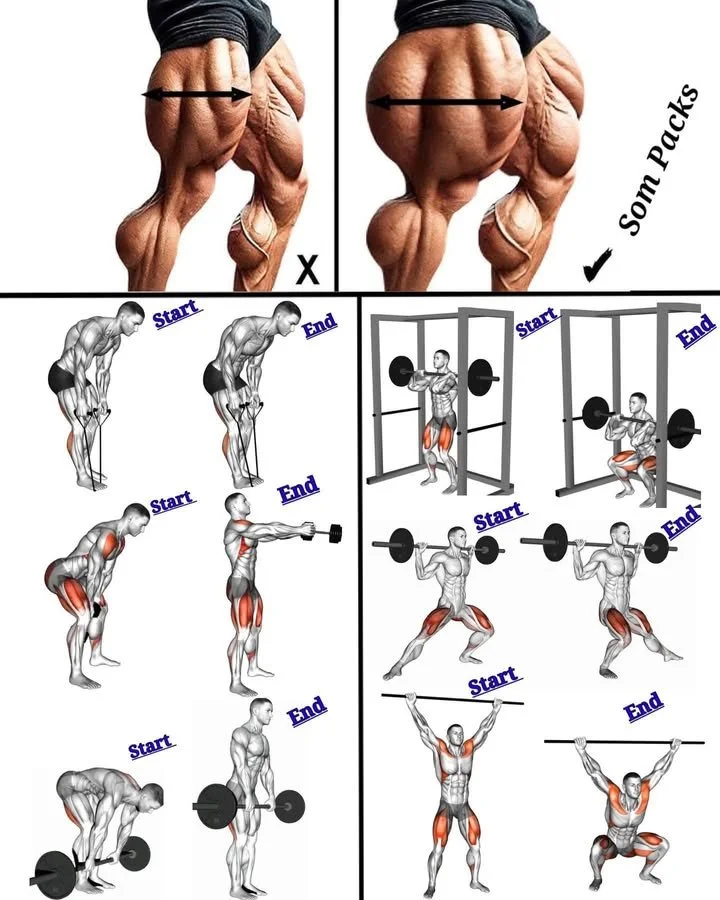
Muscular full legs exercise routine for strength and toning

Muscular full legs exercise 💪🔥

Unlocking the Power of Muscular Full Legs: Your Ultimate Exercise Guide 💪🔥

When it comes to building a well-rounded physique, having strong and muscular legs is essential. Not only do powerful legs enhance your athletic performance and support your daily activities, but they also contribute to a balanced and proportionate body. This article explores effective exercises and strategies to help you achieve those muscular legs that command attention and power.

Why Strong Legs Matter

Leg strength is vital for numerous reasons:

  • Performance: Whether you’re a runner, cyclist, or engage in sports like basketball and soccer, strong legs improve your overall performance.
  • Injury Prevention: Muscular legs provide stability and support to the knee and ankle joints, helping to prevent injuries.
  • Metabolism Boost: Bigger muscles burn more calories, even at rest. Building leg muscles can help elevate your metabolic rate.
  • Functional Movement: Everyday activities like walking, climbing stairs, or lifting heavy objects become easier with strong legs.

Key Muscular Leg Exercises

Here’s a list of powerhouse exercises you can incorporate into your leg workouts to build muscle and strength:

1. Squats

Muscles Targeted: Quadriceps, hamstrings, glutes, calves

  • How to Do It: Stand with your feet shoulder-width apart. Bend your knees and lower your body as if sitting back into a chair, keeping your chest up and knees in line with your toes. Return to the starting position.

2. Deadlifts

Muscles Targeted: Hamstrings, glutes, lower back

  • How to Do It: Stand with your feet hip-width apart and a barbell in front of you. Bend at the hips and knees to lower your body, grip the barbell, and lift it by extending your hips and knees until you are standing straight.

3. Lunges

Muscles Targeted: Quadriceps, hamstrings, glutes

  • How to Do It: Step forward with one leg and lower your hips until both knees are bent at a 90-degree angle. The back knee should hover above the ground. Push through the front heel to return to standing and switch legs.

4. Leg Press

Muscles Targeted: Quadriceps, hamstrings, glutes

  • How to Do It: Sit on the leg press machine and place your feet shoulder-width apart on the platform. Press the platform away while extending your legs, then slowly return to the starting position.

5. Calf Raises

Muscles Targeted: Calves

  • How to Do It: Stand on the edge of a step with your heels hanging off. Push through the balls of your feet to raise your body, then slowly lower back down.

Structuring Your Workout

To maximize your muscular leg development, aim for 2-3 leg workouts per week. Here’s an example of a structured workout plan:

Sample Leg Day Workout

  1. Warm-up: 5-10 minutes of light cardio
  2. Squats: 4 sets of 8-12 reps
  3. Deadlifts: 3 sets of 6-10 reps
  4. Lunges: 3 sets of 10-12 reps per leg
  5. Leg Press: 3 sets of 8-12 reps
  6. Calf Raises: 4 sets of 12-15 reps
  7. Cool down: Stretching focusing on your legs

Tips for Success

  • Focus on Form: Prioritize correct technique over heavy weights. Proper form minimizes injury risk and maximizes effectiveness.
  • Progressive Overload: Gradually increase the weight or resistance as you become stronger.
  • Rest and Recover: Allow adequate recovery between workouts to enable muscle repair and growth.
  • Nutrition: Consume a balanced diet rich in protein to support muscle development.

Conclusion

Building muscular legs not only enhances your physique but also provides functional strength for various activities. By incorporating these effective exercises and following the provided workout structure, you’ll be well on your way to achieving powerful, strong legs that will not go unnoticed. Embrace the journey, stay consistent, and feel the burn! 💪🔥


Now that you have the tools to build muscular legs, it’s time to hit the gym and make your goals a reality! Remember, the road to leg greatness is paved with hard work and dedication. Let’s get started!

Muscular full legs exercise 💪🔥 Read More »

, , , ,
Scroll to Top