
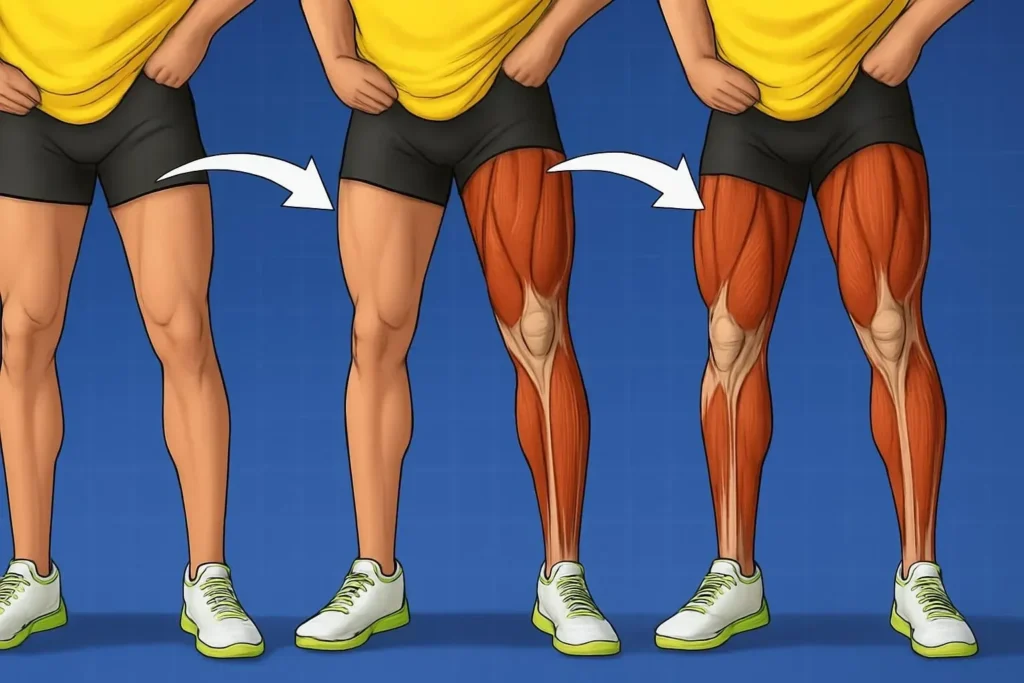
Squat Like a Pro — 7 Secrets That Instantly Upgrade Your Lower‐Body Strength
Instant Squat Upgrades: 7 Pro Secrets
Squats are the foundation of lower-body strength — when done right they build power, muscle, and real-world function. Below are seven focused, actionable secrets that will instantly raise your squat performance and reduce injury risk. For best results, combine these technical fixes with solid nutrition — starting with easy protein boosts before and after training (see this guide to increasing protein with every meal).

- Master your setup: stance, toes, and pressure
- Find the stance that lets your hips descend without your heels coming off the floor. For most people this is shoulder- to slightly wider-than-shoulder width with toes turned out 10–30°.
- Think “tripod” foot pressure: heel, big toe, little toe. Drive through the whole foot as you ascend.
- Depth with control, not ego
- Aim for breaking parallel where your hip crease is just below the top of the knee unless your mobility or goals require otherwise. If depth costs stability, use a box to train consistent depth and build comfort with confident touch-and-go or pause reps.
- Tension before descent: brace and breathe
- Take a big belly-breath (diaphragmatic) and brace your core like you expect a light punch in the stomach. This intra-abdominal pressure protects the spine and transfers force more efficiently. Learn to breathe and brace with lighter reps first, then carry it into work sets.
- Hinge first, knees second
- Initiate the squat by sending your hips back slightly — this engages the hamstrings and glutes and lets the knees track forward without collapsing. Cue “hips back, then down” or practice slow tempo squats to reinforce the pattern.
- Fix common weak links with targeted accessory work
- If your knees cave, use banded lateral walks, clamshells, and single-leg Romanian deadlifts to strengthen the glute medius and posterior chain. If your upper back rounds, add chest-supported rows, face pulls, and shorter ROM paused squats to build bracing and upright posture.
- Program smart: tempo, variety, and fueling
- Rotate squat variations (high-bar, low-bar, front squat, goblet, paused, box) across weeks to teach movement while avoiding overload. Use tempo sets (e.g., 3-second descent) to build control. Also, fuel short, intense squat sessions with a light pre-workout snack — something that combines carbs and a bit of protein to sustain power and recovery; quick ideas are covered in this pre-workout snack guide.
- Progression and recovery rules everyone skips
- Track effort: increase weight, reps, or quality of reps gradually. Use deload weeks every 4–8 weeks based on volume and fatigue. Prioritize sleep, mobility (ankle and hip drills), and soft-tissue work to keep your squat pain-free and progressing.
Quick cues to use in a session
- “Chest up, hips back” for descent control.
- “Push the floor away” to initiate drive.
- “Brace and breathe” before every rep.
Short weekly plan (beginner-intermediate)
- Day 1: Heavy squat day (3–5 sets × 3–6 reps), pause squats 2 sets × 3 reps.
- Day 2: Accessory day (lunges, RDLs, core holds).
- Day 3: Technique/light day (3 sets × 8–12 reps at 60–70% with tempo).
Monitor recovery and adjust volume rather than constantly chasing heavier loads.

Conclusion
If you want a different loading option to reduce shoulder or spinal stress while still building lower-body strength, consider learning more about the safety squat bar as a tool for training — The Safety Squat Bar: The Middle-Aged Man’s Secret Weapon for …
Apply these seven secrets consistently, and you’ll see faster, safer progress in strength and size.
Squat Like a Pro — 7 Secrets That Instantly Upgrade Your Lower‐Body Strength Read More »