exercise science

Muscles showing true strength beyond biceps

These 3 Muscles Signal STRENGTH (It’s Not Biceps)

Hidden Strength: 3 Muscles That Prove Power

We obsess over biceps when we think "arm strength," but real functional power and athletic presence come from other muscles that rarely get the spotlight. These three muscle groups not only perform heavy lifting and dynamic movement — they also signal true strength in posture, athleticism, and everyday tasks. If you want to look and move powerful, start paying attention beyond the curl rack. Try a focused challenge to see the difference in weeks.

These 3 Muscles Signal STRENGTH (It's Not Biceps)

Why these muscles matter

  • They contribute to big, compound movements (deadlifts, sprints, carries).
  • They influence posture and how force transfers through the body.
  • Visual cues from these areas often make someone look more powerful than bulky biceps alone.
  1. Gluteus Maximus — the engine for power
    The glutes are the body’s largest and most powerful hip extensors. Strong glutes mean better sprinting, jumping, and force production for lifts like squats and deadlifts. Underactive or weak glutes force surrounding muscles and the lower back to overcompensate, reducing performance and increasing injury risk. Train them with heavy hip hinges, single-leg work, and explosive moves to both build size and functional strength.

  2. Latissimus Dorsi — width and pulling strength
    The lats create the classic “V-taper” that telegraphs upper-body power and also drive pulling strength for rows, pull-ups, and stabilization during overhead work. Well-developed lats help you control heavy loads and produce a stronger, more athletic silhouette. Incorporate varied grip pulls, weighted pull-ups, and horizontal rows to target different fibers. For targeted shoulder and back shaping techniques, check practical methods like the Get 3D Shoulders approach that complements lat development.

  3. Forearms and grip — small muscles, big message
    Grip strength is a tiny but telling indicator of overall strength and work capacity. Strong forearms mean you can hold more weight longer, translate force through chains (bar, kettlebell, implement), and resist fatigue during compound sets. Farmers carries, dead-hang holds, and heavy bar holds are straightforward ways to test and build a grip that commands respect. Improved grip also protects you in many sports and manual tasks where control matters more than isolated arm size.

How to prioritize these muscles in a program

  • Focus on compound lifts first (deadlifts, squats, rows) to leverage systemic strength gains.
  • Add unilateral work to fix imbalances (single-leg Romanian deadlifts, single-arm rows).
  • Use loaded carries and grip-specific drills at the end of sessions for durability.
  • Progressive overload still rules: increase load, reps, or time under tension gradually.

Performance and injury considerations
These muscles work in chains; neglecting any link can reduce power or raise injury risk. Balanced programming and attention to movement quality are essential. Address mobility, ensure proper loading, and consider working with a coach if you’re rehabbing or working through chronic pain.

These 3 Muscles Signal STRENGTH (It's Not Biceps)

Conclusion

If you want to understand why the biceps aren’t the whole story — and how injuries or tendon issues can complicate things — this resource on Distal Biceps Tendon Rupture Elbow offers clear clinical insight into how arm-focused problems relate to broader strength and function.

These 3 Muscles Signal STRENGTH (It’s Not Biceps) Read More »

, , , ,
Protein supplements and foods for effective muscle growth

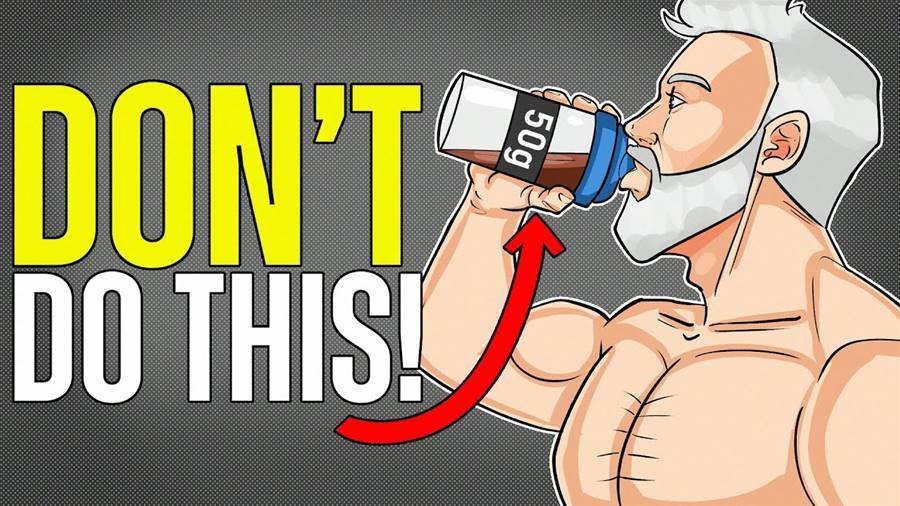
The Best Way to Use Protein for Muscle Growth (science-based)

Protein Blueprint for Muscle Growth

Consistent, well-distributed protein intake is the single most important nutritional factor for building and preserving muscle. Aim for a daily target based on bodyweight, spread across meals that each contain enough essential amino acids — especially leucine — to trigger maximal muscle protein synthesis. For a deeper dive into how food choice affects post-workout protein use, consider how lean meat beats high-fat meat for faster post-workout muscle protein synthesis in practical settings.

The Best Way to Use Protein for Muscle Growth (science-based)

Why this matters

  • Muscle protein synthesis (MPS) is the process of building new muscle. You stimulate MPS with resistance training and dietary protein; you reduce net muscle loss by minimizing breakdown with adequate energy and protein.
  • The goal is to maximize the response to each meal so that total daily MPS is as high as possible.

Daily protein targets

  • Evidence-based range: 1.6–2.2 g/kg bodyweight per day for most people seeking muscle growth (higher end if you’re in a calorie deficit or older).
  • Example: a 75 kg person should target roughly 120–165 g/day depending on training status and goals.
  • Calories and overall energy still matter — protein won’t build muscle if you’re severely underfed.

Per-meal protein and the leucine threshold

  • Per-meal doses of ~0.4–0.55 g/kg (roughly 20–40 g for many people) effectively stimulate MPS when evenly distributed.
  • Leucine, an essential branched-chain amino acid, acts as a key trigger. Aim for ~2.5–3 g leucine per meal (commonly reached with ~25–40 g of high-quality protein).
  • Spread protein evenly across 3–5 meals to repeatedly stimulate MPS instead of front-loading all protein in one sitting.

Timing around training

  • Post-workout protein is valuable, but the “anabolic window” isn’t a narrow 30-minute slot for most people. If you’ve eaten a protein-containing meal within a few hours before training, post-workout urgency is reduced.
  • Practical rule: consume a quality protein-containing meal within 1–3 hours after resistance training if your previous meal was several hours earlier.
  • Pre-sleep protein (30–40 g casein or whole-food protein) can support overnight MPS and recovery, especially on hard training days.

Protein quality and choices

  • Prioritize high-quality sources with complete amino acid profiles: whey, eggs, dairy, lean meats, poultry, fish, and soy.
  • For convenience or caloric control, whey and lean protein sources are efficient choices; they digest quickly and deliver leucine efficiently.
  • If you’re plant-based, combine complementary sources and aim for slightly higher daily protein to offset lower digestibility.

Practical strategies to hit targets

  • Distribute protein: aim for similar protein amounts at breakfast, lunch, dinner, and at least one snack or shake.
  • Simple swaps: add an extra egg or Greek yogurt at breakfast, include a lean meat or tofu portion at lunch, and finish dinner with a solid protein portion.
  • Use protein-rich snacks after training or between meals to keep per-meal intake sufficient — for more tips, check these ways to increase your protein intake.
  • Track totals for a few days and adjust: focus on meeting the daily and per-meal numbers rather than obsessing over timing.

Special populations and considerations

  • Older adults: may need the higher end of the protein range (2.0–2.4 g/kg) and larger per-meal protein to overcome anabolic resistance.
  • During fat loss: keep protein at the upper range (2.0–2.4 g/kg) to minimize muscle loss.
  • Athletes with heavy training loads: maintain adequate calories and lean toward the higher end of the recommended range.

Sample daily plan (75 kg lifter aiming ~150 g/day)

  • Breakfast: 30 g protein (eggs + Greek yogurt)
  • Midday meal: 35 g (lean chicken, rice, veg)
  • Post-workout snack: 25 g (whey shake + banana)
  • Dinner: 40 g (fish or steak with sides)
  • Optional bedtime casein: 20 g (cottage cheese)
    This distribution keeps each meal in the effective per-meal range and provides regular MPS stimulation.

The Best Way to Use Protein for Muscle Growth (science-based)

Conclusion

Consistent daily protein intake, distributed across several meals with sufficient leucine per meal, is the most science-supported approach to maximizing muscle growth. For a thorough, science-based guide to optimizing protein timing and doses, see The Smartest Way To Use Protein To Build Muscle (Science …).

The Best Way to Use Protein for Muscle Growth (science-based) Read More »

, , , ,
A fitness trainer demonstrating effective ab exercises for a stronger core.

The 5 Best Ab Exercises, According to Science⬇️⬇️

The 5 Best Ab Exercises, According to Science

A strong core improves posture, reduces back pain, and boosts performance in almost every sport and daily activity. Scientists assess abdominal exercises by measuring muscle activation (EMG), movement quality, and functional carryover — and some movements consistently come out on top. If you want efficient, evidence-based choices, start with these five.

If you’re new to structured core training or want male-specific progressions, see this guide on ab workouts for men for sample routines and progressions.

  1. Plank (and Progressions)
  • Why it works: Planks develop core endurance and anti-extension control across the rectus abdominis, transverse abdominis, and obliques without excessive spinal flexion.
  • How to do it: Keep a straight line from head to heels, engage glutes and ribs-down, breathe steadily. Hold on forearms or hands.
  • Progressions: Add single-leg lifts, shoulder taps, or move to weighted/plank-to-push-up variations.
  • Programming: 3–4 sets of 20–90 seconds depending on ability.
  1. Ab Wheel Rollout (or Rollouts from Knees)
  • Why it works: Rollouts produce high rectus abdominis activation and challenge anti-extension strength in a dynamic pattern. EMG studies show strong recruitment when performed correctly.
  • How to do it: From knees (or standing for advanced), roll the wheel forward with a neutral spine until you hit your stability limit, then retract without sagging the low back.
  • Cues: Keep hips tucked slightly, avoid overarching; stop short of loss of form.
  • Programming: 3–5 sets of 6–12 controlled reps.
  1. Hanging Leg Raise (or Captain’s Chair)
  • Why it works: Targets the lower rectus abdominis and hip flexors; variations can emphasize pelvic tilt and lower-ab control, which is often neglected in standard crunches.
  • How to do it: Hang from a bar, keep the torso stable, lift legs with a controlled pelvic tilt. Progress from bent knees to straight-leg raises.
  • Programming: 3–4 sets of 8–15 reps.
  1. Bicycle Crunch
  • Why it works: Among common crunch variations, the bicycle produces high rectus and oblique activation due to combined trunk flexion and rotation, making it efficient for abdominal development.
  • How to do it: Lie on your back, hands lightly behind your head, cycle opposite elbow to knee with controlled tempo — avoid pulling on the neck.
  • Programming: 3–4 sets of 20–40 total reps (10–20 per side), focusing on quality over speed.
  1. Pallof Press (Anti-Rotation Cable/Band Press)
  • Why it works: Core stability isn’t just about generating movement — resisting rotation is equally important. The Pallof press builds anti-rotational strength in the obliques and deeper stabilizers with low spinal load.
  • How to do it: Stand perpendicular to a cable or band anchored at chest height, press the handle straight out and hold/slowly return while resisting rotation.
  • Programming: 3–4 sets of 8–15 reps per side, or tall-kneel variations for progression.

Programming Tips (Putting It Together)

  • Frequency: Train core 2–4 times per week. Mix endurance (planks) with dynamic strength (rollouts, hanging leg raises) and anti-rotation work (Pallof).
  • Volume: Choose 2–4 exercises per session: one plank/hold, one dynamic flexion/rollout, one anti-rotation, and an accessory rotational movement or bicycle crunches.
  • Form over reps: High EMG doesn’t help if the movement is done poorly. Progress by improving control and increasing load or range.
  • Recovery: Core muscles recover relatively quickly but require progressive overload like any other muscle group.

Pairing Core Work with Full-Body Training
A strong core supports heavy lifts and leg work, so pair abdominal sessions with lower-body training for better transfer. If you want leg-focused options that reduce balance demands while still building strength, check this set of Bulgarian split squat alternatives. Pairing compound leg work with targeted core exercises enhances overall stability and athleticism.

Common Mistakes to Avoid

  • Overemphasizing flexion: Too many crunches can stress the spine; mix with anti-extension and anti-rotation work.
  • Using momentum: Especially on rollouts and hanging raises, control matters more than range.
  • Ignoring breathing: Breath control (exhale on effort) helps maintain intra-abdominal pressure and spinal support.
  • Neglecting progressive overload: Increase difficulty via reps, tempo, range, added weight, or harder variations.

Sample 20–30 Minute Core Session (Intermediate)

  • Plank: 3 x 60 seconds (30–60s rest)
  • Ab wheel rollout: 4 x 8–10 reps
  • Pallof press: 3 x 12 reps per side
  • Hanging knee-to-chest raises: 3 x 12–15 reps
  • Bicycle crunches: 3 x 30 seconds (light tempo, controlled)

Conclusion

Choosing the most effective ab exercises comes down to movement quality, balanced programming, and progressive overload. For a supportive group fitness environment in Boston focused on core strength and full-body conditioning, consider visiting Barre Groove: Boston’s Best Fitness Studio for Women | Cardio You to explore classes that integrate core stability with cardio and strength training.

The 5 Best Ab Exercises, According to Science⬇️⬇️ Read More »

, , , ,
Scroll to Top