99% of Ab Workouts Are a Waste — Do This Instead
Title: Ditch the Crunches: Core Work That Actually Works
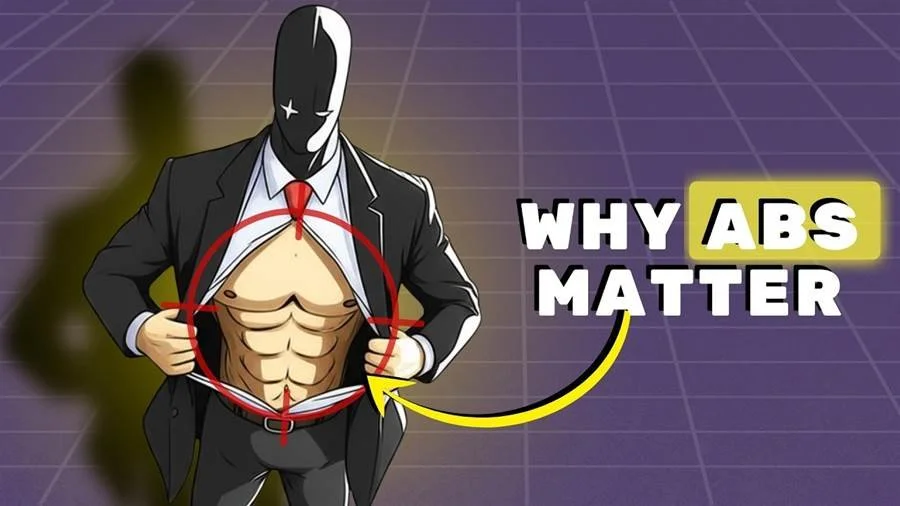
Most people spend hours doing endless crunches, sit-ups, and isolated core machines believing they’ll sculpt a visible six-pack. The truth is simple: spot-reducing fat with targeted ab exercises is a myth, and most ab routines miss the point of what the "core" actually does — stabilize, transfer force, and protect the spine during real movement. Explore immersive training options if you want programmed guidance that teaches this properly.
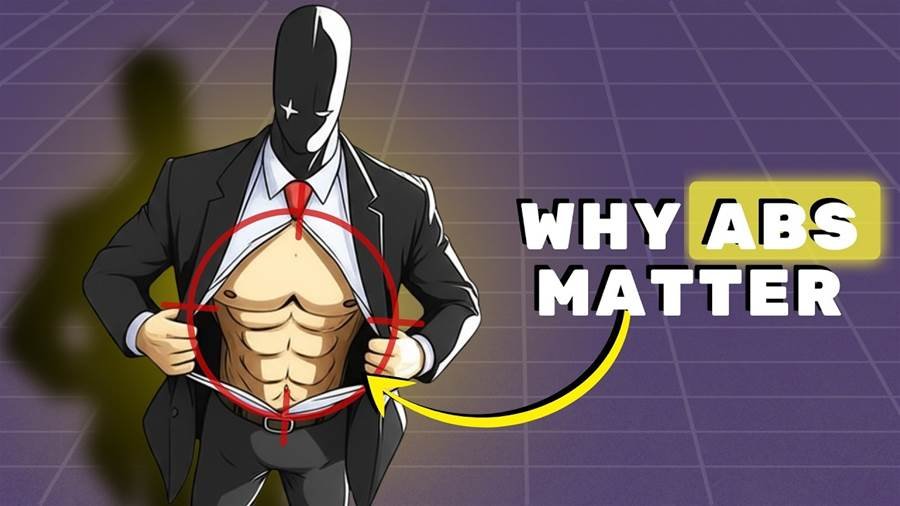
Why 99% of ab workouts are wasted time
- Isolation over integration: Traditional ab workouts focus on flexing the spine (crunches) rather than training the core to resist movement (anti-extension, anti-rotation). The core’s primary job is to stabilize the torso while limbs move.
- Visibility ≠ strength: Aesthetic results depend on body fat percentage and genetics. You can have a strong core without a visible six-pack.
- Poor carryover: Doing endless rep-based floor moves rarely improves performance in lifting, running, or everyday tasks like carrying groceries or picking up a child.
- Faulty programming: Many routines lack progressive overload, variety, or context — they’re add-ons, not prioritized training elements.
What to do instead — principles that work
- Prioritize function over flexing
- Train the core to resist unwanted movement. Exercises that teach anti-extension (plank variations), anti-rotation (pallof press), and anti-lateral-flexion (farmer carries) are the foundation.
- Use loaded, compound movements
- Squats, deadlifts, overhead presses, and carries force the core to stabilize under load and transfer power between the lower and upper body — giving both strength and practical carryover.
- Progressive overload and specificity
- Add weight, increase time under tension, or vary positions. Program core work like any other muscle group: track progress, increase demand, and prioritize consistency.
- Breathe, brace, and move safely
- Learn proper diaphragmatic breathing and bracing. A well-timed brace protects the spine and improves force production. Practice bracing during compound lifts and functional tasks.
- Train for your lifestyle and body
- Endurance athletes, strength athletes, and everyday lifters need different emphases. If you’re carrying extra body fat or have a specific body type, tailored guidance can speed progress — for example, check this endomorph workout guide for programming ideas that match physiology.
Sample mini-program (do 2–3x/week)
- Loaded carry: 3 x 40–60 seconds (farmer or suitcase carry)
- Pallof press: 3 x 8–12 reps each side
- Overhead carry or press: 3 x 6–8 reps
- Plank progression (weighted or single-arm): 3 x 30–90 seconds
- Finish with one functional rotation or anti-rotation move: 3 x 8–10 each side
Quick coaching cues
- Tighten the midline as if preparing for a punch to the stomach.
- Breathe into the belly, not the chest; maintain tension throughout the set.
- Choose exercises that challenge your ability to stay rigid while moving or resisting movement.
Common mistakes to avoid
- Doing endless reps without load or progression.
- Relying on machines that flex the spine repeatedly.
- Ignoring breathing and bracing technique.
- Expecting sit-ups to melt off belly fat.
Conclusion
If you want alternatives to pointless repetition and strategies that build a resilient, functional midsection, start with integrated core training and compound lifts. For unrelated but useful ideas on replacing unhealthy habits with engaging alternatives, see this curated list of 99 sober activities to enjoy instead of drinking.
99% of Ab Workouts Are a Waste — Do This Instead Read More »