
exercise benefits

Man performing push-ups to build chest muscles effectively

Push-Ups Aren’t Growing Your Chest? Do THIS

Push-Up Chest Fix

If your chest hasn’t grown despite doing countless push-ups, you’re not alone — push-ups can be an excellent exercise, but they won’t always produce hypertrophy without the right tweaks. Small changes to load, range of motion, tempo, and nutrition can make the difference between staying the same and seeing real chest growth. For context on how daily tracking can fool you about progress, see why your weight fluctuates daily.

Push-Ups Aren’t Growing Your Chest? Do THIS

Why push-ups sometimes fail to grow the chest

  • Lack of progressive overload: Muscles need increasing stimulus to grow. Bodyweight push-ups can plateau if you never add difficulty.
  • Poor range of motion or form: Shallow reps or flared elbows move stress away from the pecs.
  • Insufficient volume or frequency: Too few quality sets per week won’t trigger hypertrophy.
  • Missing nutritional support: Without enough protein and calories, growth stalls.

Simple fixes that actually work

  • Add progressive overload: Use a weighted vest, backpack, or single-arm progressions to increase resistance over time.
  • Change angles: Incline push-ups hit upper chest; decline emphasizes lower chest — rotate them through your program.
  • Slow the negative & pause: 3–4 second eccentrics and a short pause at the bottom increase time under tension.
  • Increase full range: Use push-up handles or do push-ups from a higher surface to allow deeper descent safely.
  • Use tempo and rep ranges: Mix heavier, lower-rep work (6–8) with moderate (8–12) and higher-rep endurance sets (15+).

Programming examples (beginner → intermediate)

  • Beginner: 3×8–12 classic push-ups, 2×8 incline push-ups, 2×10 slow negatives — 3 sessions/week.
  • Intermediate: 4×6 weighted push-ups, 3×8 single-arm assisted push-ups, 3×12 decline — 2–3 sessions/week, progressive load each week.

Nutrition & recovery that support chest gains

  • Prioritize protein and a small calorie surplus if you want size. For practical protein ideas to fit every meal, see 10 easy ways to increase your protein intake.
  • Sleep, hydration, and spacing workouts for recovery matter as much as the exercises themselves.

Quick checklist to implement today

  • Add 1–2 overloaded sets (weighted or single-arm) to your push-up routine.
  • Slow the eccentric on all sets and push for full range.
  • Track weekly progress by load or total reps, not daily weight or how you “feel.”
  • Ensure daily protein target (roughly 0.7–1.0 g/lb bodyweight depending on goals) and adequate calories.

Push-Ups Aren’t Growing Your Chest? Do THIS

Conclusion

If you want community perspectives on why push-ups alone sometimes don’t build the chest, check this Quora discussion: I do a lot of pushups but my chest isn’t growing. I don’t think it’s …
Push-Ups Aren’t Growing Your Chest? Do THIS Read More »

, , , ,
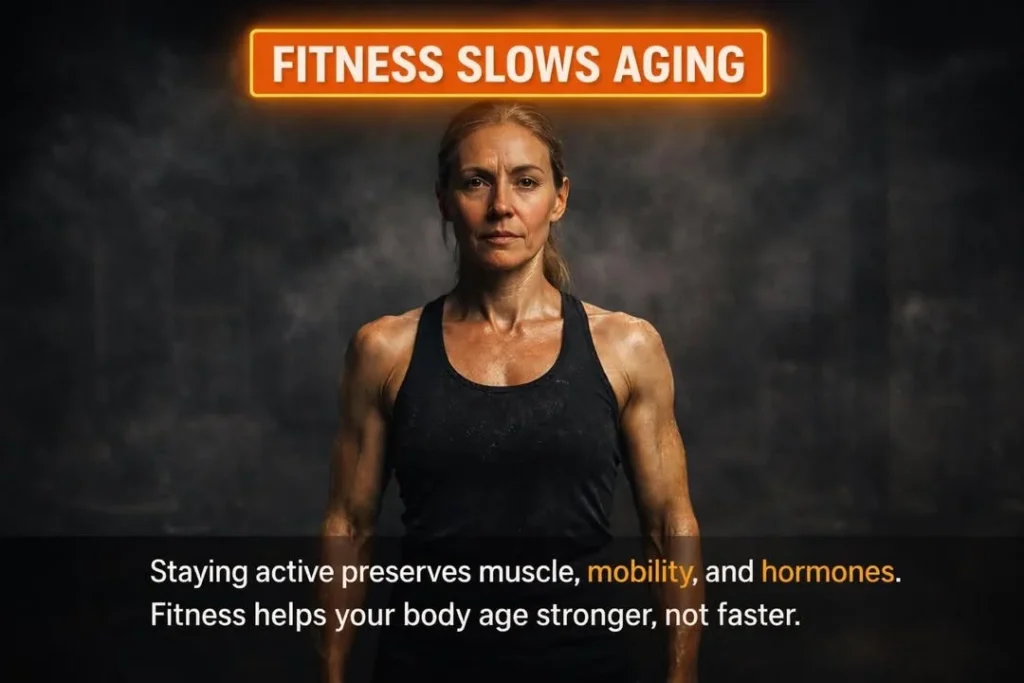
A fit older adult showcasing vitality through exercise and fitness activities.

Fitness Slows Aging.

Fitness Slows Aging: How Movement Rewrites Your Biological Clock

Aging is inevitable, but the pace at which our bodies and minds decline is highly influenced by lifestyle. Regular physical activity is one of the strongest, most accessible ways to slow many aspects of aging — from cellular wear and tear to loss of mobility and cognition. Before you lace up, remember that small choices matter: even paying attention to fueling, like choosing the right pre-workout snacks, can make your workouts more effective and sustainable.

Why exercise matters at the biological level

Exercise triggers a cascade of beneficial adaptations that counteract common aging mechanisms:

  • Cellular repair and resilience: Physical activity stimulates pathways that improve mitochondrial function (the cell’s energy factories) and upregulate repair mechanisms, reducing oxidative stress and helping cells function longer and healthier.
  • Inflammation reduction: Chronic low-grade inflammation accelerates aging. Regular moderate exercise lowers inflammatory markers and shifts the immune system toward a more balanced state.
  • Hormonal balance: Exercise influences hormones like insulin, growth factors, and sex hormones in ways that preserve muscle mass, bone density, and metabolic health.
  • Gene expression: Physical activity can change gene expression profiles associated with longevity, including genes linked to stress resistance and metabolism.

Benefits for body composition and function

  • Muscle and bone: Resistance and weight-bearing exercises slow sarcopenia (age-related muscle loss) and reduce osteoporosis risk by stimulating bone remodeling.
  • Cardiovascular health: Aerobic activity improves heart function, lowers blood pressure, and enhances circulation — all key to reducing age-related cardiovascular disease.
  • Metabolic health: Exercise improves insulin sensitivity and helps maintain healthy body weight, lowering the risk of diabetes and metabolic syndrome.
  • Balance and mobility: Regular movement preserves joint function and neuromuscular coordination, reducing fall risk and maintaining independence longer.

Exercise and the aging brain

Physical activity is one of the most potent non-pharmaceutical interventions for brain health:

  • Increases neurotrophic factors (like BDNF) that support neuron survival and promote neurogenesis in key regions such as the hippocampus.
  • Improves circulation to the brain, enhancing oxygen and nutrient delivery.
  • Supports mood and reduces risk of depression and anxiety, which themselves can worsen cognitive decline.

Designing an age-defying fitness routine

A well-rounded program addresses strength, endurance, balance, and flexibility:

  • Strength training: 2–3 sessions per week using progressive overload to preserve muscle and bone.
  • Aerobic exercise: 150 minutes of moderate or 75 minutes of vigorous activity weekly, adjusted to fitness level.
  • Balance and mobility: Daily mobility work and focused balance drills several times a week help prevent falls.
  • Recovery: Adequate sleep, nutrition, and periodic deloading are essential. For some people, immersive options like fitness retreats offer concentrated periods of training, education, and recovery that can jump-start healthier habits.

Practical tips to make exercise stick

  • Start modestly and build consistency: Small, achievable goals create momentum.
  • Mix it up: Variety reduces injury risk, combats boredom, and trains multiple systems.
  • Focus on function: Prioritize movements that make daily life easier — squats for standing up, lunges for stepping stability, and carrying exercises for real-world strength.
  • Track progress, not perfection: Measure improvements in strength, endurance, energy, and mood rather than an arbitrary number on a scale.

Conclusion

If you want a concise, evidence-backed overview of how physical activity benefits aging, see What Are the Benefits of Exercise on Aging? (https://www.ncoa.org/article/how-exercise-helps-you-age-well/).

Fitness Slows Aging. Read More »

, , , ,
Scroll to Top