exercise

Man training in gym with weights, aiming to grow muscle efficiently.

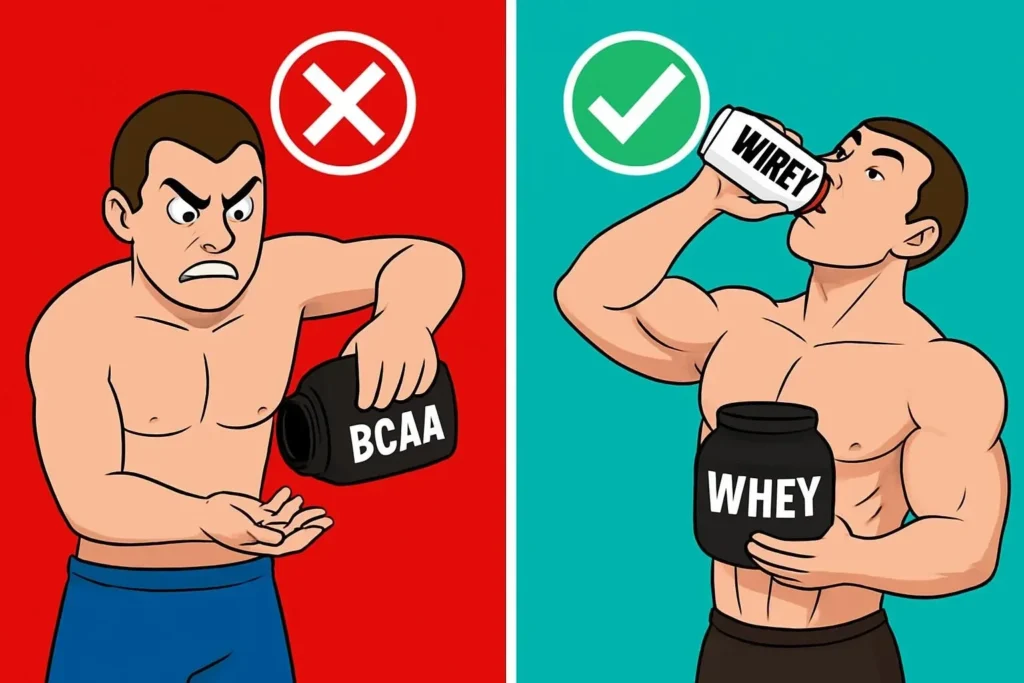
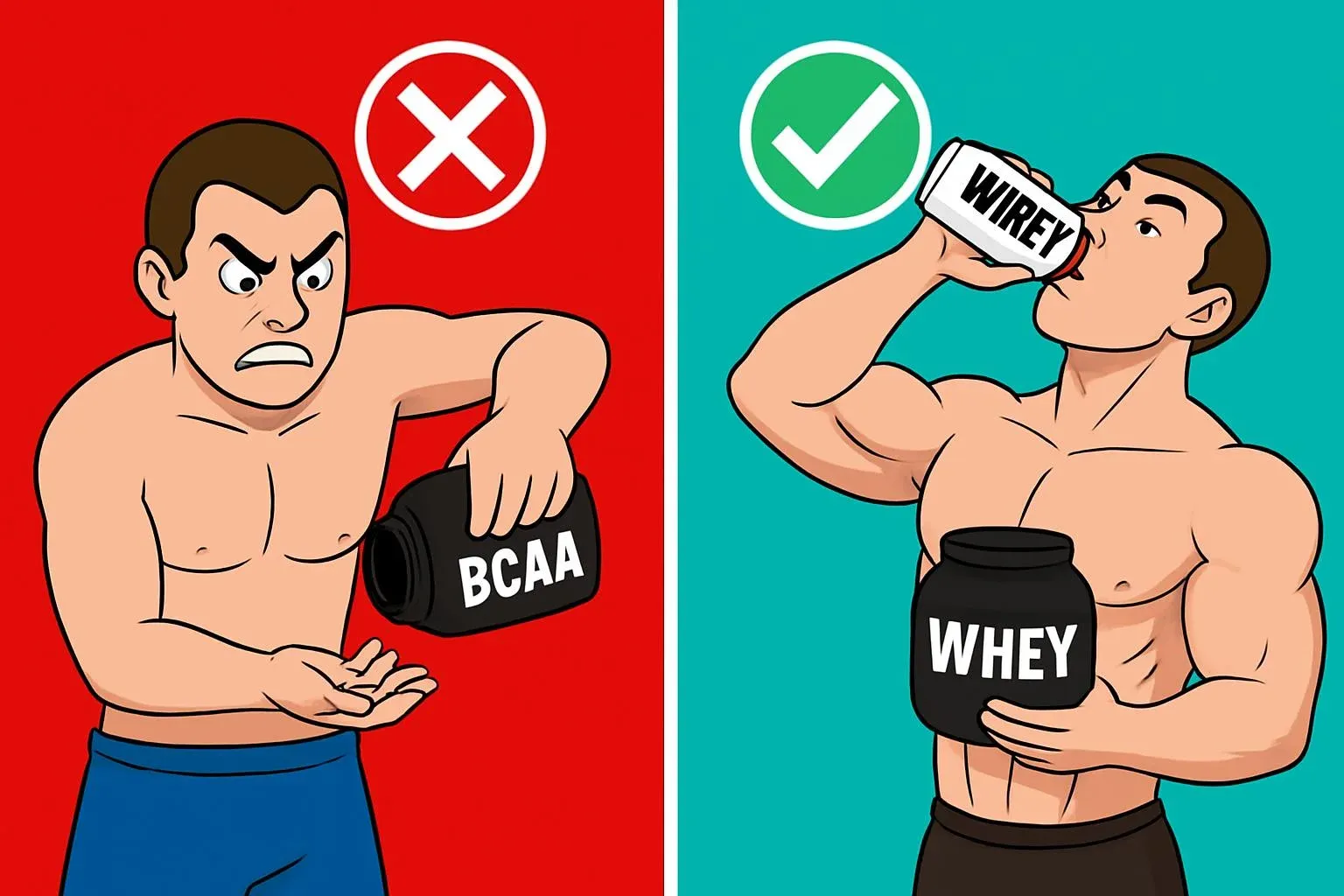
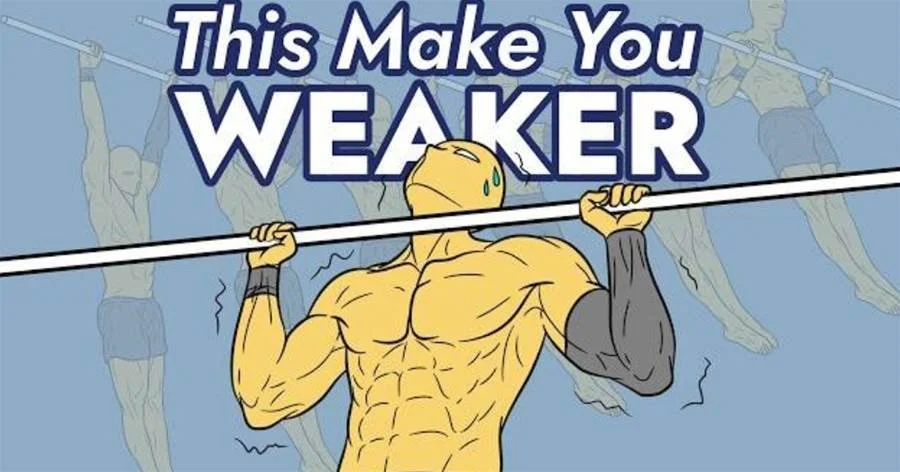
If you train like this, you won’t grow muscle

Grow muscle

If you feel like you’re training hard but the mirror and scale aren’t showing progress, you’re not alone. Many common training mistakes silently sabotage muscle growth ; and the fix is often simpler than you think. Deciding which muscle groups to prioritize up front helps you design a plan that actually produces results.
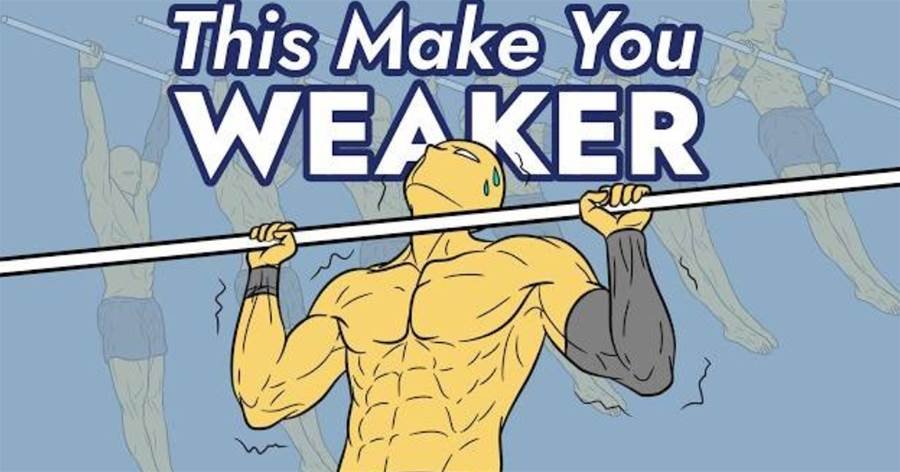
If you train like this, you won't grow muscle

Why your training might not be building muscle

  • No progressive overload: If you never increase weight, reps, sets, or intensity, the muscles have no reason to adapt.
  • Poor recovery: Training the same muscle groups every day, skimping on sleep, or ignoring stress keeps you in a catabolic state.
  • Insufficient calories or protein: Without enough fuel and amino acids, growth stalls even if training is intense.
  • Too much low-intensity cardio: Excessive steady-state cardio can interfere with recovery and blunt strength gains.
  • Haphazard programming: Constantly switching workouts with no consistency prevents long-term adaptation.

Common technical mistakes

  • Bad form that limits load: Compensating with momentum reduces time under tension and increases injury risk.
  • Always training to failure: Occasional close-to-failure sets are useful, but daily maximal failure can degrade performance and recovery.
  • Ignoring compound lifts: Bench, squat, deadlift, and rows engage multiple muscles and stimulate greater hormonal and neuromuscular responses.
  • Wrong rep ranges for goals: Purely staying in very high reps with light loads won’t maximize hypertrophy for many lifters.

Practical fixes you can apply this week

  • Plan progressive overload: Add small, measurable increases (2–5% weight or 1–2 reps) every week or two.
  • Prioritize sleep and rest days: Aim for 7–9 hours of quality sleep and at least 48 hours between heavy sessions for the same muscle group.
  • Track macros: Ensure adequate protein (roughly 0.7–1.0 g per pound of bodyweight for many lifters) and a modest calorie surplus if you want to gain mass.
  • Use mixed intensity: Combine heavy compound days (4–6 reps), moderate hypertrophy blocks (8–12 reps), and occasional lighter technique or conditioning days.
  • Fix form first: Reduce load if needed to maintain strict technique, then progress volume or intensity.

Programming examples (simple templates)

  • 3-day upper/lower/full split: Good balance for recovery and frequency; hit muscles ~2x/week.
  • 4-day push/pull/legs/upper or push/pull/legs/rest: Allows more focused volume per muscle group.
  • For plant-based lifters: focus on protein variety and timing; research shows you can still build muscle on a plant-based diet when planned properly; consider strategies like pooling plant proteins and timing intake around workouts (build muscle on a plant-based diet).

Small tweaks that compound

  • Increase daily protein distribution (20–40 g every 3–4 hours).
  • Add a weekly heavy compound session and a separate moderate hypertrophy session for each major muscle group.
  • Replace some long cardio with short interval conditioning to preserve muscle.
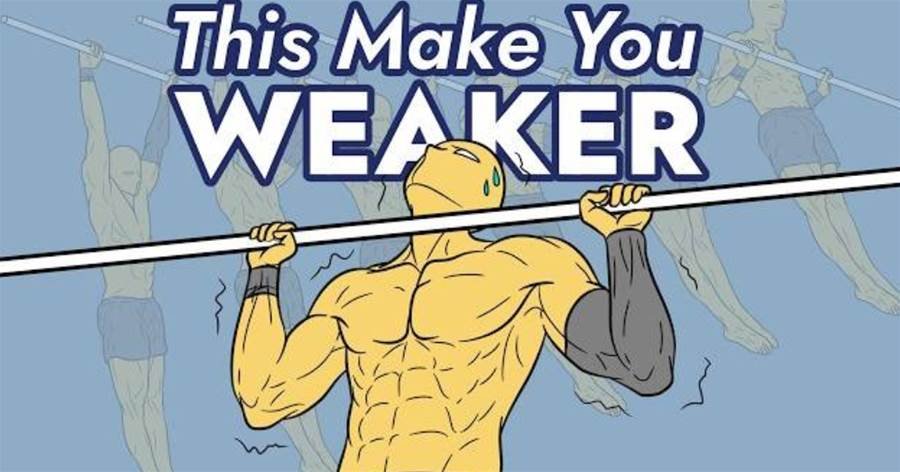
If you train like this, you won't grow muscle

Conclusion

If you want a quick checklist of signals that your training is working and muscles are responding, see 5 Secret Signs You’re Building Muscles for clear, practical indicators to track.
If you train like this, you won’t grow muscle Read More »

, , , ,
Exercises that can KILL testosterone levels for fitness enthusiasts

5 Popular Exercises That KILL Testosterone

Workouts That Quiet Your Testosterone

Many popular workouts are great for burning calories and improving endurance, but when done excessively or without proper recovery they can suppress testosterone levels and blunt gains. If you love training but want to protect your hormones, here’s a practical look at five common exercise styles that can lower testosterone when overdone — and what to do instead. For people who focus narrowly on specific muscle groups, pairing smarter recovery with targeted work (for example, balanced glute routines) helps preserve hormone health: glute-strength routines to try.

5 Popular Exercises That KILL Testosterone

  1. Long, steady-state endurance running (marathon-style)
  • Why it can lower testosterone: Chronic long-distance running increases cortisol and can push the body into an energy-deficit, both of which suppress testosterone production.
  • Signs it’s happening: Persistent fatigue, loss of libido, poor recovery, or plateaued strength.
  • What to do instead: Replace some long runs with shorter, higher-intensity intervals or limit long runs to a few times per week and prioritize calories and sleep.
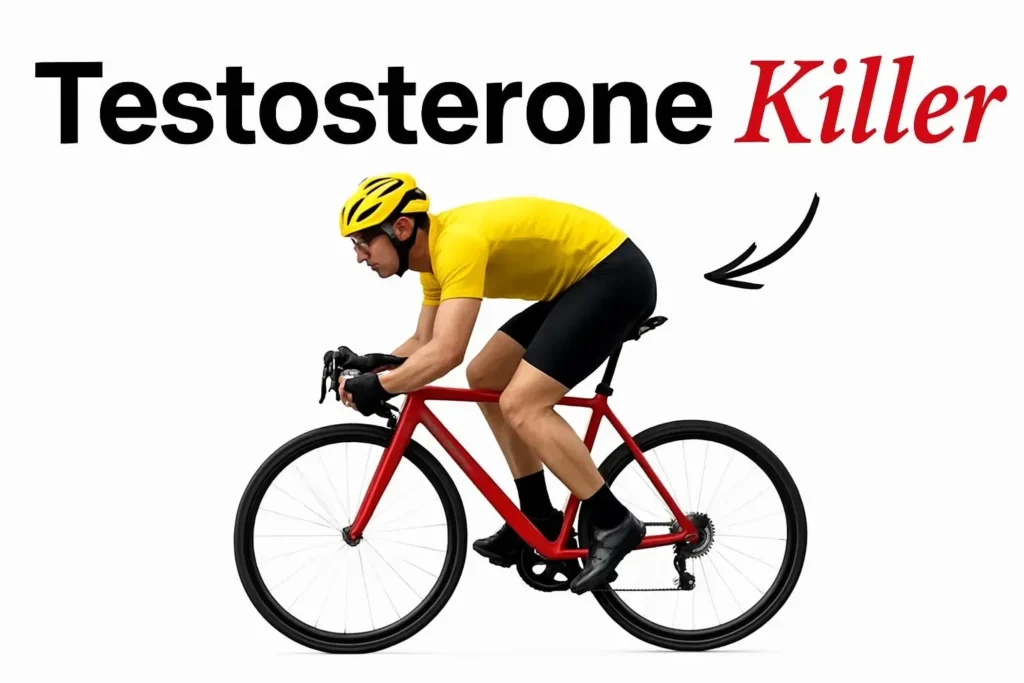
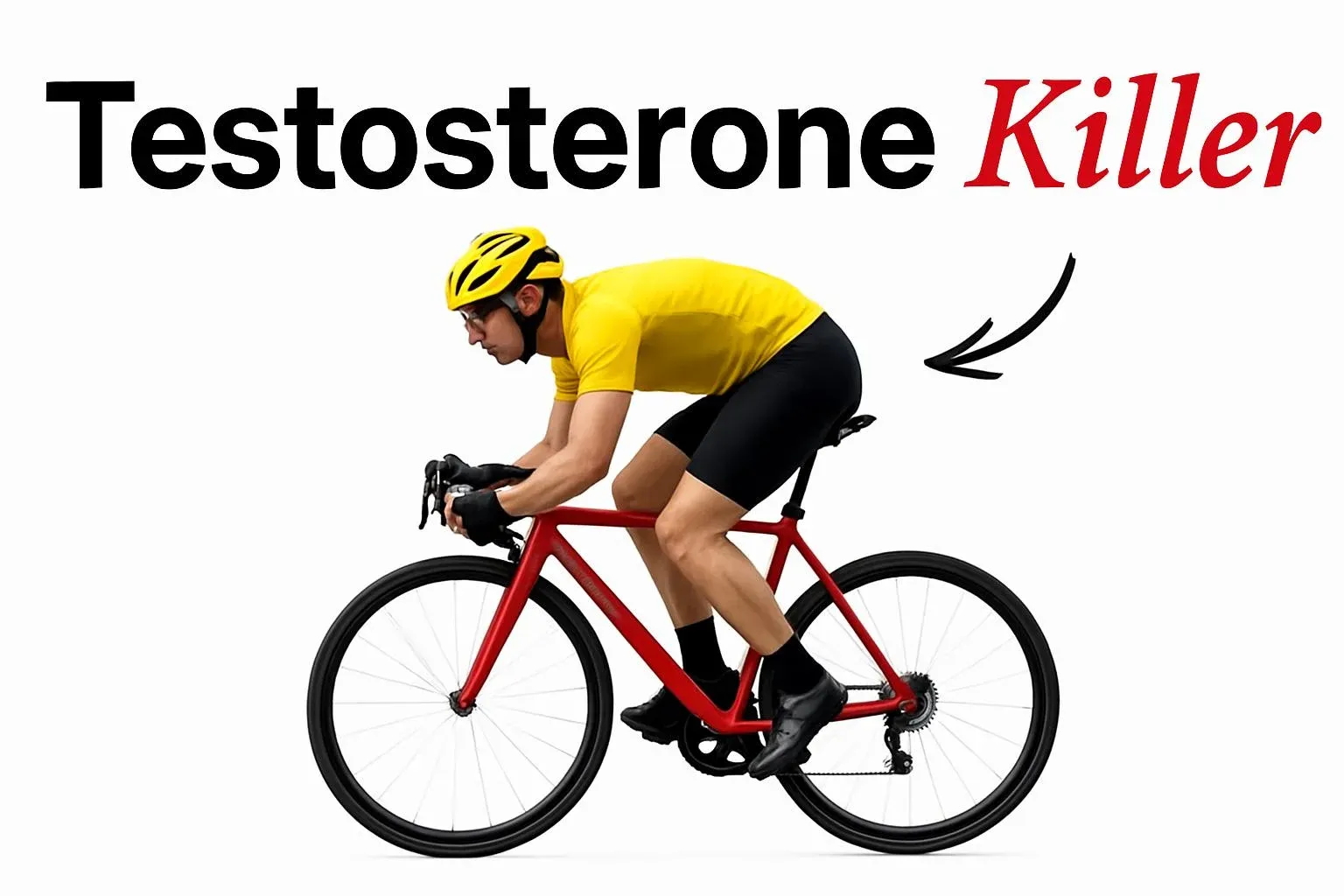
  1. Excessive cycling (high-volume road cycling)
  • Why it can lower testosterone: Very high training volume plus scrotal compression and heat can impair testicular function for some men; prolonged bike seats and long rides can exacerbate this.
  • Signs it’s happening: Testicular discomfort, decreased morning erections, or unexplained drops in strength.
  • What to do instead: Use a better saddle and bike fit, include off-bike resistance sessions, and avoid consecutive very long rides without recovery.
  1. Endless steady-state cardio machines (treadmill/rower/elliptical marathons)
  • Why it can lower testosterone: Like long runs, long sessions on cardio machines increase stress hormones and deplete energy stores if not balanced with nutrition and rest.
  • Signs it’s happening: Reduced muscle mass, sluggishness, and longer recovery times.
  • What to do instead: Incorporate sprint intervals or reduce session length and add resistance training to maintain anabolic stimulus.
  1. High-rep, low-weight "pump" sessions done daily
  • Why it can lower testosterone: Constant high metabolic stress without progressive overload or proper recovery can increase cortisol and hinder anabolic signaling.
  • Signs it’s happening: You feel pumped but aren’t getting stronger or gaining muscle.
  • What to do instead: Focus on heavier, compound lifts 2–4 times per week and use high-rep pump sets sparingly for variety.
  1. Constant core-only circuits and nonstop ab training
  • Why it can lower testosterone: Excessive focus on high-frequency core circuits (especially when combined with overall high training volume) contributes to systemic fatigue and hormonal strain.
  • Signs it’s happening: Persistent core soreness, diminished performance elsewhere, hormonal symptoms.
  • What to do instead: Make core work supportive and targeted; let compound lifts handle most of the load and use specific ab routines in moderation. If you’re looking for structured core work that burns fat and builds definition, these abs-killer exercises to try are effective when used judiciously.

Practical rules to protect testosterone while training

  • Prioritize resistance training: Heavy compound lifts (squats, deadlifts, presses) stimulate anabolic hormones.
  • Avoid chronic calorie deficits: Energy availability matters for hormone production.
  • Limit excessive endurance volume: Balance steady cardio with recovery and strength work.
  • Sleep and stress management: Aim for 7–9 hours nightly and use active recovery, mobility, or meditation.
  • Periodize training: Cycle intensity and volume to prevent overtraining and allow hormone systems to reset.

5 Popular Exercises That KILL Testosterone

Conclusion

If you suspect your training is harming your testosterone, adjust volume, prioritize recovery, and lean into strength training. For complementary strategies and to understand how certain supplements might fit into a hormone-friendly plan, see this overview on What is creatine? Potential benefits and risks of this popular supplement.

5 Popular Exercises That KILL Testosterone Read More »

, , , ,
Three essential science-backed supplements for muscle growth

The ONLY 3 Supplements You Need for Muscle Growth (science-based)

Title: 3 Science-Backed Supplements for Muscle Growth

Building muscle reliably comes down to progressive resistance training, adequate calories and protein, sleep, and consistency. Once those basics are in place, only a few supplements offer meaningful, evidence-backed benefits for strength and hypertrophy — and they’re simple, cheap, and well-studied.

The ONLY 3 Supplements You Need for Muscle Growth (science-based)

Why limit the list?
Too many supplement options create confusion and expense. Focusing on the handful with the strongest clinical support reduces waste and gives the best return on effort. Before adding any supplement, make sure your overall diet and training are dialed in and check whether you’re already meeting your nutrient goals using resources like meeting your nutrient needs for optimal wellness.

  1. High-quality protein (whey or whole-food protein)
  • Why it helps: Muscle growth requires a positive net muscle protein balance after training. Supplemental protein — especially fast-digesting, leucine-rich sources like whey — reliably increases muscle protein synthesis when total daily protein is sufficient.
  • How to use: Aim for ~1.6–2.2 g/kg body weight per day for most trainees. For individual meals, target ~20–40 g of high-quality protein (or ~0.25–0.4 g/kg) to maximally stimulate muscle protein synthesis. A post-workout shake is convenient but not strictly necessary if meals hit protein targets.
  • Evidence: Multiple meta-analyses show additional protein intake increases lean mass and strength when combined with resistance training.
  1. Creatine monohydrate
  • Why it helps: Creatine increases muscle phosphocreatine stores, improving short-term high-intensity performance and training quality. Over weeks to months, that extra work capacity translates into greater strength and hypertrophy. Creatine also has cell-signaling and volumizing effects that support muscle growth.
  • How to use: 3–5 g/day is effective for maintenance. A 5–7 day loading phase of 20 g/day (divided doses) will saturate stores faster but isn’t required. Mix with water; timing is flexible (post-workout is common).
  • Safety: Extensive research supports creatine’s safety in healthy adults when used at recommended doses.
  1. Omega-3 fish oil (EPA/DHA) — strategic, not magic
  • Why it helps: Omega-3 fatty acids support muscle health by modulating inflammation and enhancing anabolic signaling in some populations, particularly older adults or those with suboptimal intakes. They can help recovery and may augment the muscle-protein-synthesis response to protein and resistance exercise.
  • How to use: Typical supplemental doses range from 1–3 g combined EPA+DHA per day. Emphasize dietary sources (fatty fish) first; supplement when intake is low.
  • Evidence: Benefits are modest for young, well-nourished lifters but more pronounced when baseline omega-3 status is poor or in aging populations.

Practical dosing and priorities

  • First priority: hit daily protein targets and progressive overload in training.
  • Add creatine (3–5 g/day) next — highest single ROI.
  • Consider fish oil (1–3 g/day) if your diet is low in fatty fish or you want extra recovery/inflammatory control.
  • Micronutrients: correct deficiencies (e.g., vitamin D) rather than routinely supplementing every vitamin. If you suspect low vitamin D, test and treat accordingly; blanket supplementation isn’t always needed.

What to avoid

  • Expensive “muscle builders” with proprietary blends and stimulants rarely outperform the three fundamentals above.
  • Multi-ingredient pre-workouts can be useful for focus but don’t replace creatine or protein.
  • Relying on supplements to fix poor training, sleep, or nutrition is ineffective.

Who benefits most

  • Beginners and intermediate lifters benefit a lot from protein + creatine.
  • Older adults or those with low dietary omega-3s or vitamin D may see additional gains from targeted supplementation.
  • Competitive athletes may layer other supplements for sport-specific needs, but for general muscle growth these three cover the essentials.

Safety and quality

  • Choose third-party tested products when possible to verify purity and labeled doses.
  • Follow recommended dosing and consult a healthcare provider if you have medical conditions or take medications.

The ONLY 3 Supplements You Need for Muscle Growth (science-based)

Conclusion

When training and diet are solid, the most consistently useful supplements for muscle growth are high-quality protein, creatine monohydrate, and omega-3 fish oil. For a concise, professional overview of evidence-based options and guidance, see supplements-for-muscle-growth | NASM.

The ONLY 3 Supplements You Need for Muscle Growth (science-based) Read More »

, , , ,
Effective glutes exercises for shaping and strengthening muscles.

Your GLUTES need these exercises

Title: Glute Gains: The Essential Moves

Your glutes power posture, sprint speed, and everyday movements — but many workouts undertrain them. Start with targeted, compound moves and consistent progression to build strength and shape. If you want a focused routine to get started, check how to transform your glutes with simple, effective exercises.

Your GLUTES need these exercises

Why prioritize the glutes?

  • They stabilize the pelvis and lower back.
  • Strong glutes improve athletic performance and reduce injury risk.
  • Well-conditioned glutes enhance daily tasks like climbing stairs and lifting.

Key exercises (do 3–4 sets of 8–15 reps depending on load)

  1. Barbell Hip Thrust

    • Setup: Upper back on bench, feet shoulder-width, bar across hips.
    • Drive hips up until torso is parallel to floor, squeeze glutes at the top. Pause, lower with control.
    • Tips: Focus on glute contraction, not excessive lumbar extension.
  2. Romanian Deadlift (RDL)

    • Setup: Slight bend in knees, hinge at hips, bar close to legs.
    • Lower until you feel stretch in hamstrings, then return to standing by driving hips forward.
    • Tips: Keep spine neutral and pull with glutes and hamstrings.
  3. Bulgarian Split Squat

    • Setup: Rear foot elevated on bench, front foot forward enough that knee tracks over ankle.
    • Lower until front thigh is parallel to floor, push through the front heel.
    • Tips: Use dumbbells or barbell for added load; keep torso upright for glute emphasis.
  4. Cable Pull-Through or Kettlebell Swing

    • Setup: Hinge at hips, use cable or kettlebell to drive power from hips.
    • Emphasize explosive hip extension and glute engagement.
    • Tips: Good for building posterior chain power and endurance.
  5. Glute Bridge Variations (single-leg, banded)

    • Setup: Lying supine, feet planted; lift hips and squeeze glutes.
    • Progress with single-leg bridges or loop bands around knees for added tension.
    • Tips: Great as a finisher to maximize muscle activation.

Programming tips

  • Frequency: Train glutes 2–3 times per week for best results.
  • Volume: Aim for 12–20 hard sets per week across different movements.
  • Progression: Increase load, reps, or reduce rest over weeks; track performance.
  • Form first: Prioritize movement quality before heavy loading.

Mobility, recovery, and nutrition

  • Mobility: Hip flexor stretches and thoracic mobility help the glutes function optimally.
  • Recovery: Adequate sleep and active recovery days speed adaptation.
  • Nutrition: Protein, calories, and micronutrients support hypertrophy — not just training. For guidance on nutrients that support performance and recovery, read about meeting your nutrient needs for optimal wellness.

Quick sample workout (intermediate)

  • Warm-up: 5–8 minutes dynamic mobility and glute activation with band walks.
  • A1: Barbell Hip Thrust — 4 x 8–10
  • A2: Bulgarian Split Squat — 3 x 10 each leg
  • B1: Romanian Deadlift — 3 x 8
  • Finisher: Banded Glute Bridge — 3 x 15–20

Your GLUTES need these exercises

Conclusion

For a concise list and demonstrations of foundational moves, the Cleveland Clinic’s guide to 8 of the Best Glute Exercises is a helpful reference to supplement your training.

Your GLUTES need these exercises Read More »

, , , ,
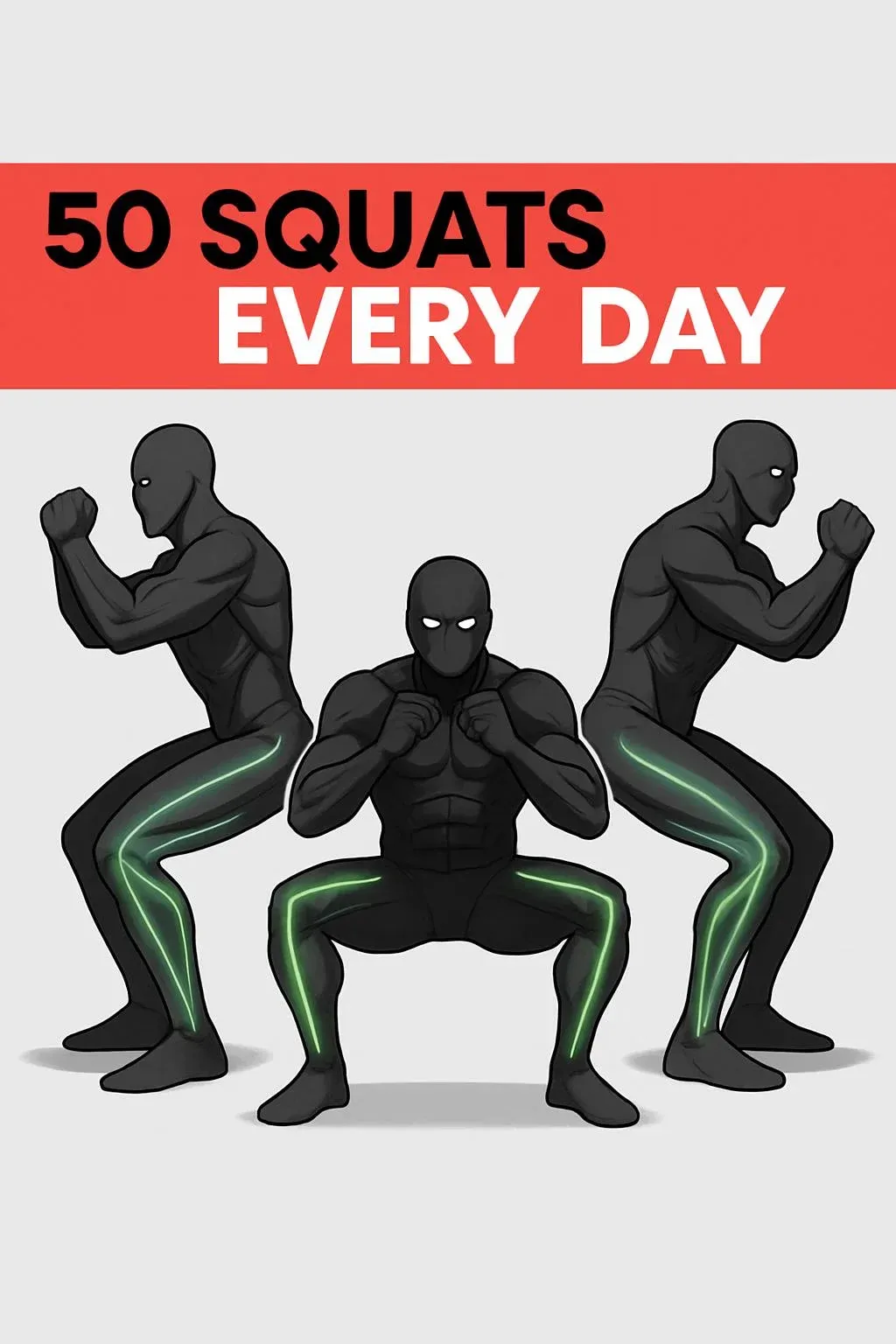
Man doing 50 squats daily for fitness and strength improvement

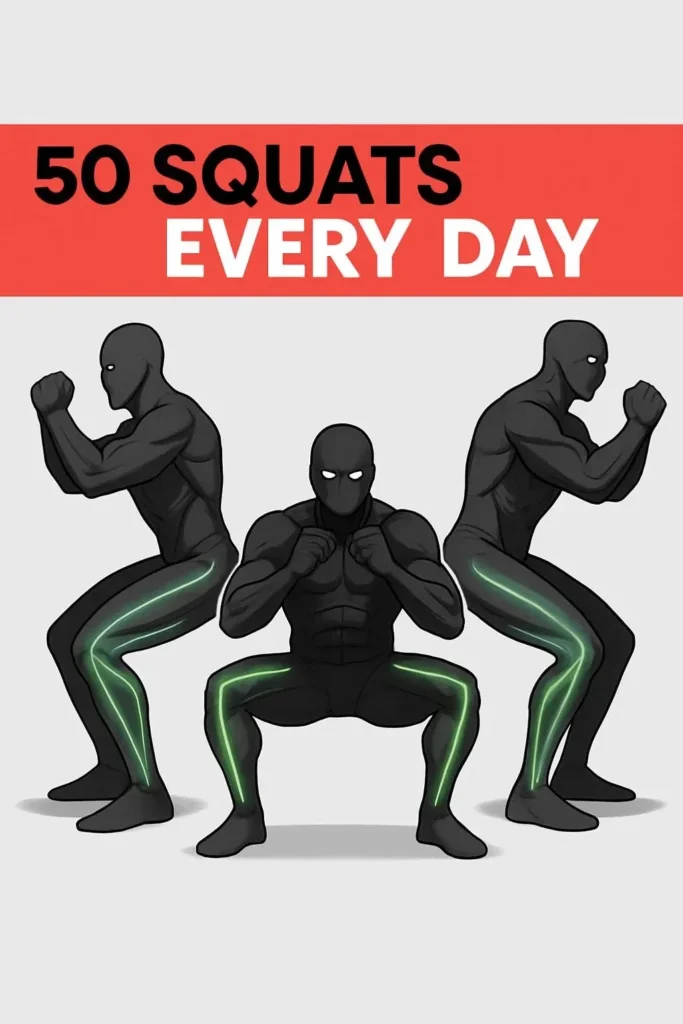
Doing 50 Squats Every Day – what Happens.

What 50 Squats a Day Does

Doing 50 squats every day is a simple, time-efficient challenge that many people try to boost their leg strength, endurance, and consistency. In just a few minutes each day you can build muscle tone, improve mobility, and form a habit that supports broader fitness goals — especially if you’re supporting recovery and nutrition properly, for example by understanding what adequate protein looks like on your plate.

Doing 50 Squats Every Day – what Happens.

Why choose 50 squats? It’s a number large enough to be challenging but small enough to be sustainable for most people. It’s also easy to scale: bodyweight squats, slow tempo, or adding pauses and variations can make those 50 reps feel very different day-to-day.

What changes to expect

  • Week 1: neuromuscular adaptation. Your body learns the movement pattern and you’ll likely feel soreness if you’re new to squats. Expect improved coordination and a modest increase in muscular endurance.
  • Weeks 2–4: visible tone and stamina gains. Quadriceps, glutes, and hamstrings will look and feel firmer. You may notice daily tasks like climbing stairs become easier.
  • Month 2+: increased strength and potential muscle growth if you progressively overload (add depth, tempo changes, or resistance). If you want to accelerate muscle gains, pairing the challenge with targeted nutrition strategies can help—see simple methods like easy ways to increase protein intake with every meal.

How to do 50 squats safely

  • Set-up: feet hip-width or slightly wider, chest up, weight in heels. Keep a neutral spine and avoid letting knees cave inward.
  • Depth: aim for thighs parallel to the floor if mobility allows; partial squats are fine as a start. Control the descent to avoid stress on the knees.
  • Tempo and breathing: inhale on the way down, exhale as you push up. Try a 2-0-1 tempo (two seconds down, no pause, one second up) for better muscle engagement.
  • Recovery: if you feel joint pain (sharp or persistent), reduce depth, perform fewer reps, or take rest days. For general soreness, prioritize sleep, hydration, and mobility work.

Variations to keep progress going

  • Split the 50 into sets (e.g., 5 sets of 10) if fatigue compromises form.
  • Add single-leg moves like split squats or pistol progressions to increase difficulty.
  • Try tempo changes (slow negatives) or pause squats to increase time under tension.
  • Use resistance (dumbbells, kettlebells, resistance bands) once bodyweight 50 becomes easy.

Tracking and realistic expectations

  • Take photos or note how daily activities feel rather than obsessing over the scale; changes in posture and strength are more meaningful.
  • Keep a simple log: date, number of reps, pain or soreness level, and any added variations. Over 30 days you should see measurable endurance gains; meaningful hypertrophy typically takes longer and benefits from progressive overload.

Common mistakes to avoid

  • Sacrificing form for reps. Rapid, bouncing squats reduce benefits and increase injury risk.
  • Doing the same motion forever. Your body adapts — introduce progressive overload or new variations.
  • Ignoring recovery and nutrition. Building muscle and preventing chronic fatigue requires fuel and rest.

Mental and habit benefits

  • Consistency builds confidence. A daily 50-squat habit teaches discipline and makes it easier to add other quick workouts.
  • It’s an accessible win: you can do it anywhere, with no special equipment, making it great for travel or busy days.

Doing 50 Squats Every Day – what Happens.

Conclusion

If you want a detailed firsthand account of someone who tried a daily squat challenge, read I Did 50 Squats A Day For 30 Days—Here’s What My Squat … for a real-world perspective and practical takeaways.

Doing 50 Squats Every Day – what Happens. Read More »

, , , ,
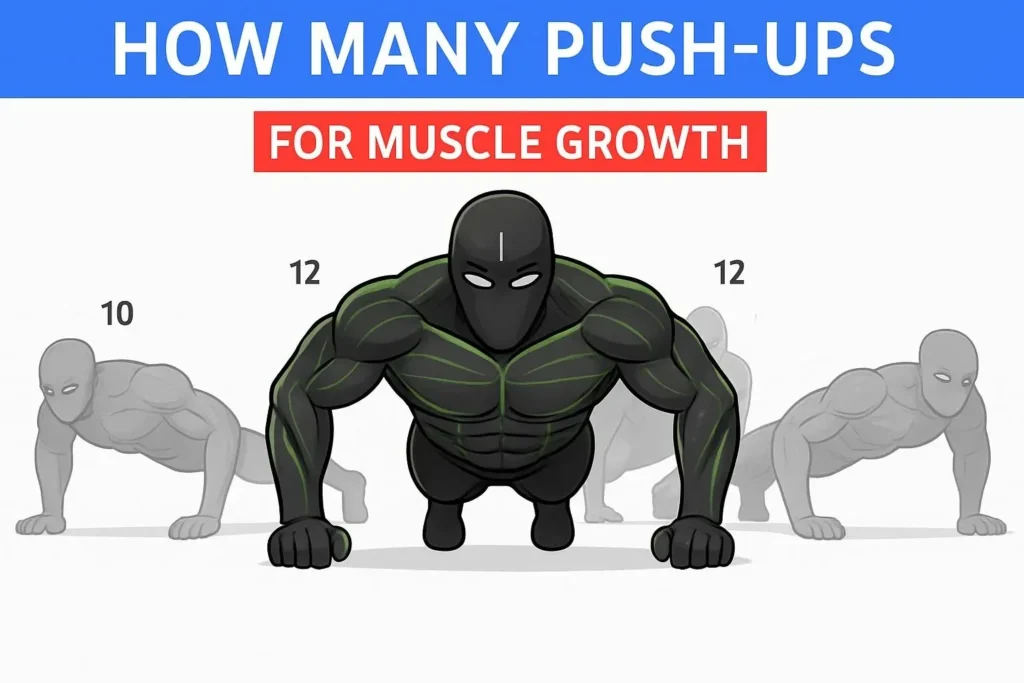
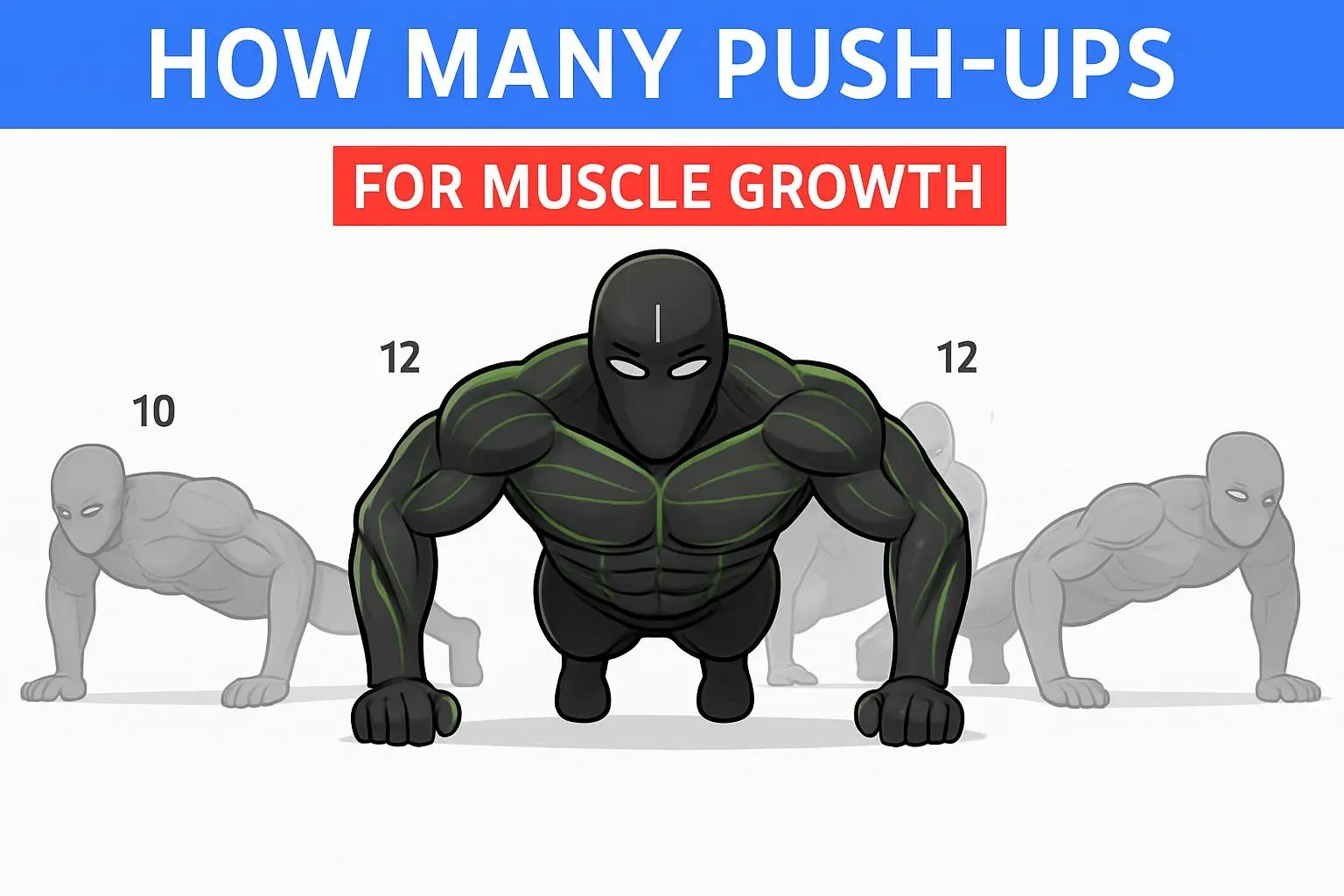
Person performing push-ups for muscle building

How Many Push-Ups Should You Do to Build Muscle (Science-Backed Answer)

Push-Up Counts for Muscle Gain

Push-ups are one of the simplest and most effective exercises for building upper-body muscle when done correctly. The number of push-ups you should do depends on your experience, how hard each set is, and whether you’re using progressions to increase resistance over time. If you pair push-ups with complementary movements like targeted back work you’ll build a more balanced upper body — try these back moves to build a massive back for balance and stronger pushing mechanics.

How Many Push-Ups Should You Do to Build Muscle (Science-Backed Answer)

How push-ups build muscle

  • Push-ups load the chest (pectoralis major), anterior deltoids, and triceps while recruiting stabilizers (core, serratus anterior).
  • Muscle growth (hypertrophy) requires sufficient mechanical tension, metabolic stress, and progressive overload — you can achieve this with bodyweight work by increasing reps, changing tempo, altering angle, or adding resistance.
  • Training close to failure is important. Whether you do low reps with added weight or high reps to near-failure, muscles respond when they’re challenged.

How many reps and sets to aim for

  • Beginners (new to push-ups or returning from a break): 3–4 sets of 8–15 reps, 2–3 times per week. Use knee push-ups, incline push-ups, or band assistance so the last 1–3 reps in each set feel challenging.
  • Intermediate (can do 20–30 standard push-ups in a row): 4–6 sets of 12–20 reps, or 3–5 sets of 6–12 with more difficult variations (decline, archer). Train 2–4 times per week.
  • Advanced (add external load or do single-arm/planche progressions): 3–6 sets of 6–12 reps with added weight or very challenging variations. You can also use 2–4 sets to technical failure for skill-heavy single-arm moves.

Weekly volume and intensity

  • Aim for total weekly chest/triceps volume of roughly 8–20 sets from push-ups and supplementary pressing. If push-ups are your main pressing tool, lean toward the higher end of that range.
  • Ensure most sets are near failure (1–3 reps short of failure) to stimulate hypertrophy. If you never reach that point, increase difficulty or add sets.
  • Vary rep ranges across the week: one session focused on heavier (lower reps/added load) work, another focused on higher reps and time under tension.

Progressions to keep gaining

  • Increase difficulty before simply adding reps: elevate feet (decline), change hand placement, slow tempo, add weighted vest, or move to unilateral variations.
  • Track reps × sets and push for small weekly improvements (even 1–2 extra reps per set matters).
  • Use tempo training (3–4s descent, 1s pause, explosive up) to increase time under tension without changing rep count.

Sample 8-week templates

  • Beginner block (weeks 1–4): 3×12 push-ups (or incline/knee), 3× per week; add 1–2 reps per set each week.
  • Intermediate block (weeks 5–8): 4×15 standard or 5×8 decline/weighted, 2–3× per week; alternate heavy and high-volume sessions.
  • Advanced block: 3–5×6–10 weighted or unilateral variations, 2–3× per week; include accessory triceps and shoulder work.

Form and recovery tips

  • Maintain a straight line from head to heels, full range of motion (chest near the floor), and controlled tempo.
  • Rest 48–72 hours between intense pushing sessions if you’re training the same muscle groups heavily.
  • Sleep, protein intake, and progressive overload are essential for hypertrophy.

Nutrition and supporting habits

  • Prioritize daily protein (roughly 0.7–1.0 g per pound of bodyweight for most trainees) and a slight calorie surplus if your main goal is gaining size.
  • Hydration and consistent sleep matter as much as training volume for recovery.
  • Want easy, muscle-building nutrition ideas? Try these high-protein smoothie recipes to build muscle that pair perfectly with a push-up-centered program.

How Many Push-Ups Should You Do to Build Muscle (Science-Backed Answer)

Conclusion

Push-ups can build significant muscle when you train with progressive overload, hit appropriate weekly volume, and push near failure. For an easy breakdown of the muscles activated and benefits of push-ups, see this resource on What Muscles Do Push-Ups Work? 7 Benefits of Push-Ups – GoodRx.

How Many Push-Ups Should You Do to Build Muscle (Science-Backed Answer) Read More »

, , , ,
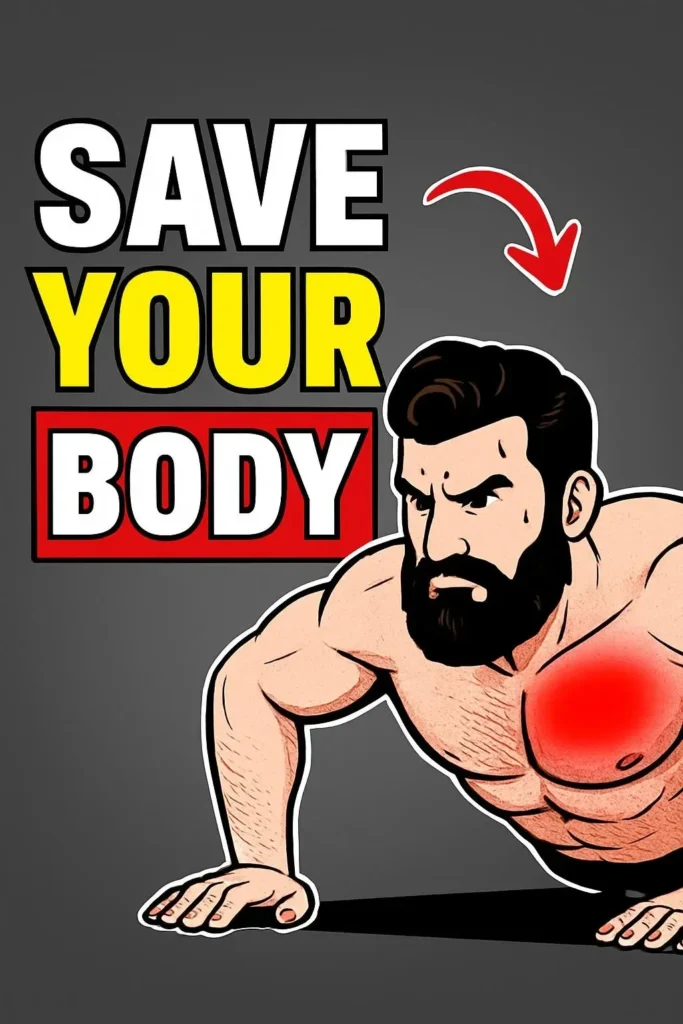
A person demonstrating effective exercises to relieve pain and prevent surgery.

5 Exercises That Will Save You Years of Pain ($50,000 Surgery Risk)

Title: Lifesaver Moves: 5 Exercises to Avoid Years of Pain

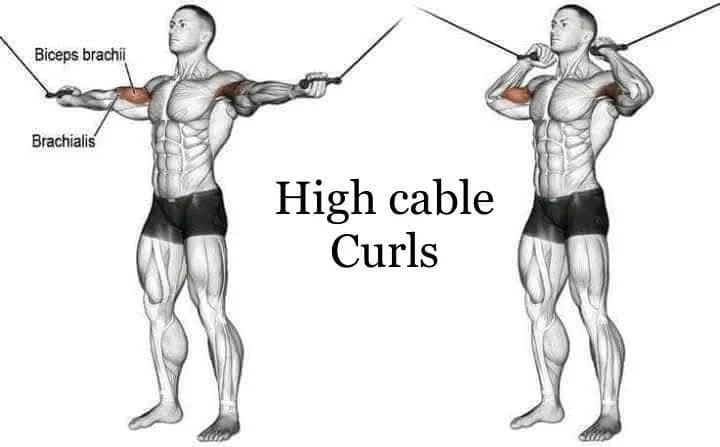
A few targeted, consistent exercises can do more than ease daily aches — they can prevent the cascade of degeneration that leads to chronic pain, lost mobility, and even costly surgeries. This short plan focuses on strength, mobility, and balance to shore up common trouble spots: low back, hips, shoulders, and neck. For shoulder-focused strength ideas, see these best cable shoulder exercises to supplement the routines below.

5 Exercises That Will Save You Years of Pain ($50,000 Surgery Risk)

Why these five?

  • They address the muscles and movement patterns most tied to long-term wear: hip glutes for spine support, scapular stabilizers for shoulder health, and deep core for load transfer.
  • Each can be progressed and performed without expensive equipment.
  • Done consistently, they reduce compensations that often lead to joint degeneration and surgery.
  1. Hip Hinge + Glute Bridge (Hip & Low-Back Saver)
  • What: Learn the hip-hinge pattern, then add loaded or single-leg glute bridges.
  • Why: Strong glutes and a correct hinge protect the lumbar discs and reduce painful compensations.
  • How: 3 sets of 8–12 reps; bodyweight first, then progress with dumbbells or single-leg bridges.
  • Tip: Keep ribs down and avoid overarching the low back — imagine closing a book with your pelvis.
  1. Dead-Bug Progression (Deep Core & Spinal Control)
  • What: Controlled opposite arm/leg movements while maintaining a neutral spine.
  • Why: Retrains intra-abdominal pressure and coordination between diaphragm, pelvic floor, and core — crucial for low-back health.
  • How: 3 sets of 6–10 slow reps per side; add ankle/wrist weights when stable.
  • Tip: Breathe steadily — exhale as you extend limbs to keep the spine neutral.
  1. Scapular Wall Slides + Y-T-Ws (Shoulder Stability)
  • What: Slow wall slides and prone or standing Y-T-W raises to train scapular upward rotation and retraction.
  • Why: Many shoulder problems come from poor scapular control; strengthening these movements prevents impingement and degeneration.
  • How: 3 sets of 10–15 reps; perform daily as a warm-up to retrain movement.
  • Tip: Focus on scapular motion rather than lifting heavy — control is priority. For more mobility and soft-tissue preparation, check these stretches to relieve neck and shoulder stiffness which pair well with stability work.
  1. Split Squat / Step-Up (Hip Strength & Knee Alignment)
  • What: Bulgarian/split squats or controlled step-ups to build unilateral hip strength.
  • Why: Many back and knee issues arise because one side of the hips is weaker — unilateral work fixes imbalances and improves gait.
  • How: 3 sets of 6–10 reps per leg; increase load gradually.
  • Tip: Track knee alignment over toes and keep torso upright; if balance is an issue, use support and progress to single-leg versions.
  1. Cervical Retraction & Levator Mobility (Neck & Upper Back Relief)
  • What: Chin tucks (cervical retraction) and gentle levator scapulae/myofascial releases.
  • Why: Forward head posture and tight upper traps drive neck pain and headaches that, over time, can aggravate disc and joint wear.
  • How: 10–15 slow chin tucks twice daily; add mobility work with a lacrosse ball or gentle stretches after warming up.
  • Tip: Combine with thoracic mobility (foam roll or extensions) to restore full upper-spine movement.

Programming and consistency

  • Frequency: Aim for 3 sessions/week of the strength-focused moves (1–2 warm-up mobility sessions on off days).
  • Progression: Increase load, add single-leg variations, slow the eccentric phase, or add carries to challenge stability.
  • Recovery: Prioritize sleep, hydration, and light aerobic activity to promote tissue healing.

When to see a pro

  • If you have new numbness, progressive weakness, or severe unrelenting pain, get evaluated. These exercises are preventive and rehabilitative for many people, but not a substitute for urgent medical care when red flags are present.

5 Exercises That Will Save You Years of Pain ($50,000 Surgery Risk)

Conclusion

These five exercises create a resilient foundation that often prevents the slow decline leading to chronic pain and expensive interventions. If you’re an older runner or worried about maintaining distance and durability, read this helpful guide: 5 Things Runners Over 50 Need To Do To Keep Running Well.

5 Exercises That Will Save You Years of Pain ($50,000 Surgery Risk) Read More »

, , , ,
Inspiring fitness tips and workouts to help achieve health goals.

Pin on Fitness

Pin on Fitness: How to Build a Pinterest-Style Board That Actually Improves Your Health

“Pin on Fitness” is more than a catchy phrase — it’s a method for collecting inspiration, workouts, meal ideas, and gear in one visual, actionable place. Whether you use Pinterest, a private mood board, or a simple digital folder, curating content intentionally helps you move from inspiration to consistent action. Below are practical tips for creating a fitness pinboard that supports your goals, with advice on organization, visuals, nutrition, travel and tracking.

Start with a focused purpose (Introduction)

Decide what you want your board to do: motivate, educate, or plan. Are you collecting quick 10-minute routines for busy mornings, saving healthy recipes, or mapping out long-term goals like a race or body-composition change? Keeping that purpose in mind makes saving and selecting pins much easier.

If nutrition is part of your plan, consider staples and superfoods that fuel recovery and performance — for example, learn more about why spinach is called a superfood to inspire nutritious recipe choices: why spinach is called a superfood.

Organize by goal, not just by category

Instead of a single, sprawling fitness board, create sub-boards or folders by outcome:

  • Strength building (with progressive templates)
  • Mobility and recovery
  • Short cardio (10–20 minutes)
  • Meal prep and recovery nutrition
  • Skill-based goals (handstands, muscle-ups)
    This outcome-first approach helps you quickly find actionable content when time is limited.

Make pins actionable and realistic

A great pin does two things: it inspires and it instructs. When pinning workouts, favor entries that include:

  • Clear sets/reps or timed intervals
  • Skill progressions for beginners and regressions for advanced athletes
  • Equipment listed upfront (bodyweight, dumbbells, bands)
    Visual step-by-step images or a brief embedded video raise the likelihood you’ll actually do the workout.

Design pins that motivate — visual tips

Pins that get revisited combine strong imagery and quick context:

  • Use bright, high-quality photos showing movement or finished meals
  • Add concise overlay text describing the workout time/intensity (e.g., “12-min HIIT — No Equipment”)
  • Include a small caption with substitutions or expected benefits
    Templates save time: pick one layout and adapt it so your board looks cohesive and easy to browse.

Use your board for fitness travel and planning

If you travel or like active vacations, build a mini “travel workouts” board. Save hotel-room routines, portable-equipment circuits, and local outdoor routes. This can also tie into planning fitness-friendly trips — for inspiration on destinations that foster active travel and wellness, check out resources about discovering the best fitness-friendly destinations.

Gear, maintenance, and safety pins

Pins are perfect for tracking gear ideas (shoes, watches, bands) and maintenance tips. Keep a small section for “equipment care” if you own specialty gear — for example, how to adjust machines or replace small parts — so your equipment stays safe and reliable.

Turn pins into a weekly routine

Schedule a weekly 15–20 minute “pin review” to:

  • Remove pins that no longer fit your goals
  • Save 1–2 workouts to your calendar for the coming week
  • Note recipes you’ll prep and the groceries needed
    This ritual reduces decision fatigue and makes it easier to follow through.

Track progress visually

Complement your pinboard with a simple visual tracker: screenshots of completed workouts, photos of meal preps, or weekly notes. Over time the board becomes a living record of progress rather than a static wish list.

Accessibility and sharing

Decide whether your board is public for community inspiration or private for personal use. Public boards can attract helpful suggestions and accountability; private boards give you a judgment-free space to experiment.

Conclusion

Curating a purposeful “Pin on Fitness” board bridges inspiration and habit. Whether you’re tracking workouts, saving healthy recipes, or sourcing durable equipment parts, the right pins keep your plan visible and achievable. If you need replacement or specialty parts for commercial equipment, consider checking these Life Fitness Pins for quality components: Life Fitness Pins.

Pin on Fitness Read More »

, , , ,
Strong individual showcasing fitness achievements and wellness journey

💪🏼✨

Embracing Strength and Positivity: A Journey of Transformation 💪🏼✨

In a world where challenges abound and uncertainties lurk around every corner, the capacity to cultivate resilience and positivity has never been more essential. Two symbols, a muscular arm and a sparkling star, represent this empowering journey—to embrace one’s strength while being open to the magic that positivity can bring into our lives.

The Power of Strength 💪🏼

Strength is often perceived merely as physical prowess, but it encapsulates much more than that. Emotional resilience, mental fortitude, and the courage to face adversity contribute to a person’s overall strength. It is a multifaceted trait that allows us to withstand the storms of life.

Building Physical Strength

To physically strengthen the body, one must engage in regular exercise, maintain a balanced diet, and practice consistency. Whether it’s lifting weights, practicing yoga, or jogging in the park, the key lies in making movement a priority. Each step taken towards physical health lays the groundwork for increased mental resilience.

Strengthening the Mind

Just as we train our bodies, our minds deserve equal attention. Meditation, reading, and learning new skills challenge our brains and enhance cognitive resilience. By cultivating a growth mindset, we can transform obstacles into opportunities. Every setback thus becomes a lesson, making us stronger for the road ahead.

The Magic of Positivity ✨

Positivity is not merely an absence of negativity; it is a vibrant outlook that allows us to appreciate life’s beauties. A mindset rooted in optimism can illuminate even the darkest moments.

Cultivating a Positive Mindset

To nurture positivity, one must start by practicing gratitude. Keeping a daily journal of things we are thankful for can shift our focus from what is lacking to the abundance around us. Surrounding ourselves with uplifting influences—like friends, inspiring books, or motivational podcasts—also contributes to a more positive outlook.

Spreading Joy to Others

Positivity blossoms when shared. Lifting others through kind words and actions can create a ripple effect of joy that enhances the overall atmosphere of our communities. Simple gestures, such as complimenting someone or helping a neighbor, not only enrich others’ lives but also strengthen our own sense of purpose and happiness.

The Intersection of Strength and Positivity

When strength and positivity coalesce, an extraordinary transformation occurs. They fuel each other, enabling us to navigate life’s challenges with grace and assurance. A strong foundation allows us to be more resilient, while a positive mindset helps fuel our drive to overcome obstacles.

Embracing the Journey

Every individual’s journey is unique. It’s important to recognize that growth is not linear—there will be ups and downs along the way. Embracing both strength and positivity means accepting ourselves fully and progressing at our own pace.


In conclusion, the journey toward embracing our strength and positivity is one that encompasses both self-acceptance and the pursuit of unwavering resilience. Armed with physical strength and a sparkling mindset, each of us can illuminate our paths and inspire those around us. By celebrating the power within and spreading light to others, we can create a world that thrives on strength and positivity. 💪🏼✨

💪🏼✨ Read More »

, , , ,
A person exercising for fitness and a healthier lifestyle.

💪🏻✨

The Power Within: Embracing Strength and Brilliance

In the modern world, the journey towards self-improvement and personal empowerment has taken center stage. The symbols of strength, represented by the bicep emoji 💪🏻, and brilliance, highlighted by the sparkle emoji ✨, encapsulate a profound message about the importance of harnessing our internal power while shining our light in the world.

The Essence of Strength

Strength is often perceived solely in physical terms; however, it embodies much more than just muscle. Emotional, mental, and spiritual strength are equally essential. Building these facets of strength involves self-discipline, resilience, and a willingness to confront challenges head-on.

Building Emotional Resilience

Emotional strength allows us to navigate life’s ups and downs with grace. Practicing mindfulness, seeking therapy, or simply engaging in self-reflection can help bolster emotional resilience. By prioritizing mental health, we empower ourselves to respond to adversity with courage and clarity.

Cultivating Mental Fortitude

Mental strength is about fostering a positive mindset, developing willpower, and maintaining focus. Engaging in activities such as meditation, reading, or continuous learning can sharpen our mental capacities. Each challenge surmounted adds another layer to our mental fortitude, enabling us to tackle future obstacles with increased confidence.

The Brilliance of Self-Expression

Just as strength is multi-faceted, so too is brilliance. The sparkle emoji ✨ symbolizes the light we all possess—the creativity, the ideas, and the unique talents that make us who we are.

Discovering Your Unique Spark

Identifying what makes you unique is crucial. This may involve exploring new hobbies, setting personal goals, or pushing yourself outside your comfort zone. As you embrace your individuality, you not only cultivate self-love, but you also inspire those around you to do the same.

Shining Bright in a Digital Age

In today’s interconnected world, expressing our brilliance can take many forms. Whether through social media, writing, art, or public speaking, sharing your voice and vision can amplify your impact. Don’t shy away from showcasing your talents—every bit of brilliance contributes to the vibrant tapestry of human experience.

The Dual Power: Strength and Brilliance

When strength and brilliance come together, they create an unstoppable force. This synergy encourages us to face challenges with courage while simultaneously illuminating the paths for others. As you cultivate your core strengths and let your unique brilliance shine, consider how you can inspire and uplift those around you.

Embracing the Journey

Embracing the journey towards strength and self-expression is not simply a goal but a lifelong commitment. Remember, the path to empowerment is not linear; it encompasses growth, setbacks, and breakthroughs. By celebrating small victories along the way, we can maintain our momentum and continue to evolve.

Conclusion: Your Power Awaits

The journey to realizing our fullest potential begins with recognizing the strength within ourselves and the brilliance we can share with the world. With the symbols of 💪🏻 and ✨ as reminders, let us strive to foster resilience, cultivate our unique talents, and shine brightly in all our endeavors. Empower yourself, and in doing so, empower others—a ripple effect of strength and brilliance that can transform lives and communities.

Let your light shine!

💪🏻✨ Read More »

, , , ,
Diverse fitness activities promoting health and wellness for all fitness levels.

💪🏻

Strength Through Support: Building a Community of Empowerment 💪🏻

In a world that often emphasizes individual achievement, the importance of community support cannot be overstated. Whether it is in fitness, mental health, or personal growth, surrounding ourselves with positive influences fosters resilience and encourages us to reach our fullest potential.

The Power of Support Systems

A support system is not merely a network of friends and family; it includes anyone who contributes positively to our lives. This can be fellow gym-goers who motivate each other, online forums where individuals share their experiences, or even mentors who provide guidance and encouragement. The combined strength of these relationships helps us to push through challenges and celebrate victories, both big and small.

Why Community Matters

  1. Accountability: When we share our goals with others, we cultivate a sense of responsibility. Knowing that someone is cheering for us or checking in on our progress can be a powerful motivator.

  2. Diverse Perspectives: Each person in our community can offer unique insights and experiences. Diverse viewpoints can help us see problems in a new light and lead to innovative solutions that we might not have considered alone.

  3. Emotional Support: Life is riddled with ups and downs, and having a support system can provide a safety net during tough times. A kind word or a listening ear can make all the difference in our mental well-being.

  4. Inspiration: Being part of a community with shared goals creates an environment ripe for inspiration. Witnessing the achievements of others can spark our own ambition and encourage us to strive for our personal best.

Building Your Community

Creating a supportive environment starts with intentional actions:

  • Engage: Join local classes, clubs, or online communities that resonate with your values or interests. Engaging with like-minded individuals is key to forming lasting connections.

  • Be Supportive: Offer your support to others. Celebrate their victories, listen to their struggles, and provide encouragement. The more you invest in your community, the more you will receive in return.

  • Set Common Goals: Whether it’s a group fitness challenge or a book club, common goals unify people and create stronger bonds. Shared objectives not only enhance motivation but also foster teamwork and friendship.

The Ripple Effect

As we contribute to our community, we create a ripple effect. By lifting others, we encourage a culture of support and empowerment. This, in turn, encourages more people to join the movement, leading to a broader impact. A community built on mutual encouragement can transform lives, foster innovation, and cultivate a sense of belonging.

Conclusion

In a culture that often glorifies individualism, it’s essential to remember that strength lies in numbers. Let’s commit to building and nurturing communities where everyone feels supported, inspired, and empowered to pursue their dreams. Together, we can achieve much more than we ever could alone. Let’s flex those support muscles and lift each other towards greatness! 💪🏻


By embracing the power of community, we can catalyze incredible change in our lives and the lives of others. If you’re not already part of a supportive network, consider reaching out today. The journey towards empowerment starts with you!

💪🏻 Read More »

, , , ,
Scroll to Top