
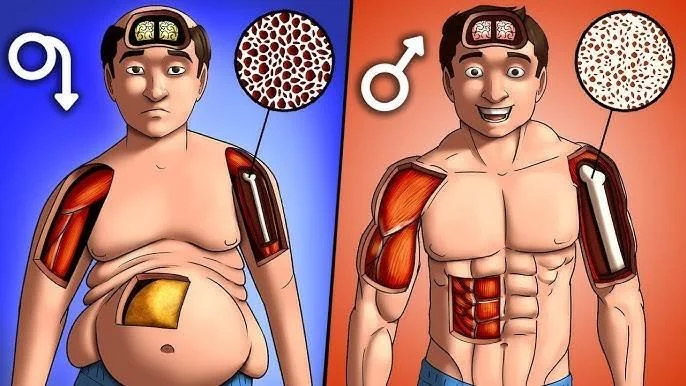
6 High Estrogen Foods MEN SHOULD AVOID!
Title: Eat Smart: 6 Foods That Can Raise Estrogen in Men
Many men overlook how certain foods and packaging can influence hormone balance. Regularly eating items that contain high levels of phytoestrogens or that expose you to hormone-mimicking chemicals can contribute to elevated estrogen activity — which may affect energy, libido, fat distribution, and mood. For quick dietary swaps and broader nutrition ideas, see this guide to top high-protein foods for inspiration you can adapt for men.

What follows is a concise, practical breakdown of six common foods or food categories men should limit or consume mindfully, why they matter, and safer alternatives.
- Soy Products (tofu, soy milk, edamame)
- Why: Soy contains isoflavones — phytoestrogens that can bind estrogen receptors. While moderate consumption is fine for most men, very high intake may influence estrogenic activity in sensitive individuals.
- Practical tip: Prefer fermented soy (tempeh, natto) and limit large daily servings. Choose other protein sources on heavy training days.
- Flaxseed and Flax-Based Foods
- Why: Flaxseed is very high in lignans, a class of phytoestrogens. Small amounts add fiber and omega-3s, but excessive daily use can increase estrogenic compounds.
- Practical tip: Use flaxseed sparingly (e.g., a teaspoon or two), or rotate in pumpkin seeds and walnuts for omega-3s without the same lignan load.
- Beer (Hops)
- Why: Hops — a key ingredient in many beers — contain phytoestrogens (notably 8-prenylnaringenin). Regular, heavy beer consumption has been linked anecdotally to hormonal shifts.
- Practical tip: Limit beer frequency and volume. Opt for spirits or wine in moderation, or try non-alcoholic alternatives.
- Conventional Dairy (especially non-organic)
- Why: Dairy can contain naturally occurring hormones and, in some cases, residues from livestock treatments. Regular high consumption of conventional whole dairy may contribute to subtle hormone exposure.
- Practical tip: Choose organic, hormone-free dairy when possible, or switch to unsweetened nut milks sparingly to cut intake.
- Canned Foods (BPA exposure)
- Why: Many canned goods are lined with materials that can leach bisphenol A (BPA) or similar chemicals — industrial compounds that mimic estrogen in the body.
- Practical tip: Favor fresh, frozen, or glass-packed foods. When buying canned items, look for BPA-free labeling.
- Certain Legumes & Pulses (lentils, chickpeas in very high amounts)
- Why: Some legumes contain phytoestrogens (though usually less concentrated than soy or flax). Eating very large portions daily — as a primary protein source — can increase overall phytoestrogen load.
- Practical tip: Rotate legumes with animal-based proteins or lean grilled options. For men focused on strength and grilling, check out high-protein choices great for the grill at high-protein grilling ideas.
General strategies to keep estrogen balance in check
- Eat a varied diet: rotating protein and plant choices avoids repeated exposure to any single phytoestrogen source.
- Support liver health: fiber, cruciferous vegetables (broccoli, Brussels sprouts), and adequate hydration aid estrogen metabolism.
- Reduce plastic and canned-food use: minimize exposure to endocrine-disrupting chemicals.
- Monitor alcohol intake and body fat: excess alcohol and higher body fat can raise estrogen levels indirectly.

Conclusion
If you’re concerned about estrogen balance, small dietary adjustments can make a difference. For practical, research-backed strategies you can try now, see this resource on 6 Natural Ways to Lower Estrogen in Men.