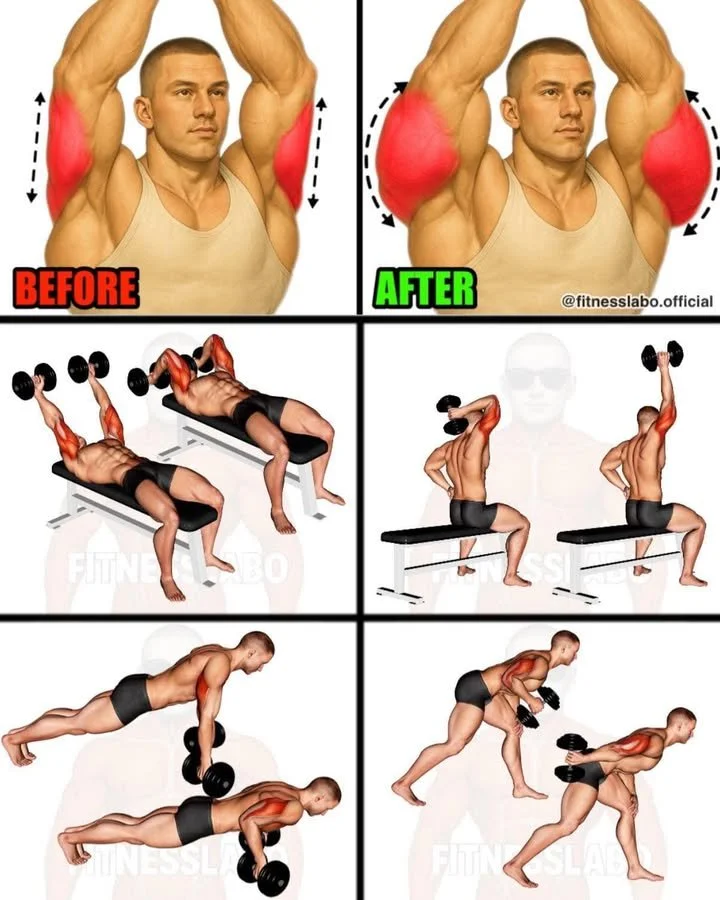

Build 3D Shoulders — 2 Proven Methods: Calisthenics vs Dumbbells
Title: Sculpted Shoulders: Calisthenics vs Dumbbells
Build 3D shoulders that turn heads by focusing on width, thickness, and roundness — not just size. Whether you prefer bodyweight mastery or weighted precision, each approach offers unique tools to develop deltoid caps, rear delts, and stabilizers for true three-dimensional shape. For an actionable plan to get started, check this guide on how to build 3D shoulders quickly and safely: Get 3D Shoulders — Build Strength & Definition Fast.

Why 3D Shoulders Matter
- Aesthetics: Round, full shoulders create the V-taper that makes the upper body look broader and more athletic.
- Function: Strong deltoids improve pressing strength, shoulder stability, and injury resilience.
- Balance: Proper shoulder development reduces posture issues and complements chest and back work.
Calisthenics: Build Shape with Bodyweight Mastery
Calisthenics builds shoulder density and control by training movement patterns, scapular stability, and unilateral balance. Key moves:
- Pike Push-Ups / Elevated Pike Push-Ups — great for vertical pressing mechanics and progressive overload.
- Handstand Push-Ups (HSPU) — the gold standard for bodyweight vertical pressing once you’ve built strength.
- Archer/Typewriter Push-Ups — emphasize unilateral loading and outer deltoid stretch.
- Spider Push-Ups and Planche Progressions — increase shoulder tension and front delt activation.
Programming tips: - Progress gradually: increase elevation, add internal tempo, or use weighted vests to advance.
- Frequency: 2–3 shoulder-focused sessions/week with 3–5 total sets per exercise.
- Rep ranges: 6–12 for strength-focused moves (HSPU), 8–20 for hypertrophy-style variations (pike, archer).
Calisthenics also forces you to improve stability and scapular control, which transfers to better pressing forms with weights.
Dumbbells: Targeted Shape and Isolation
Dumbbells let you isolate heads, adjust load precisely, and attack weak spots.
Key moves:
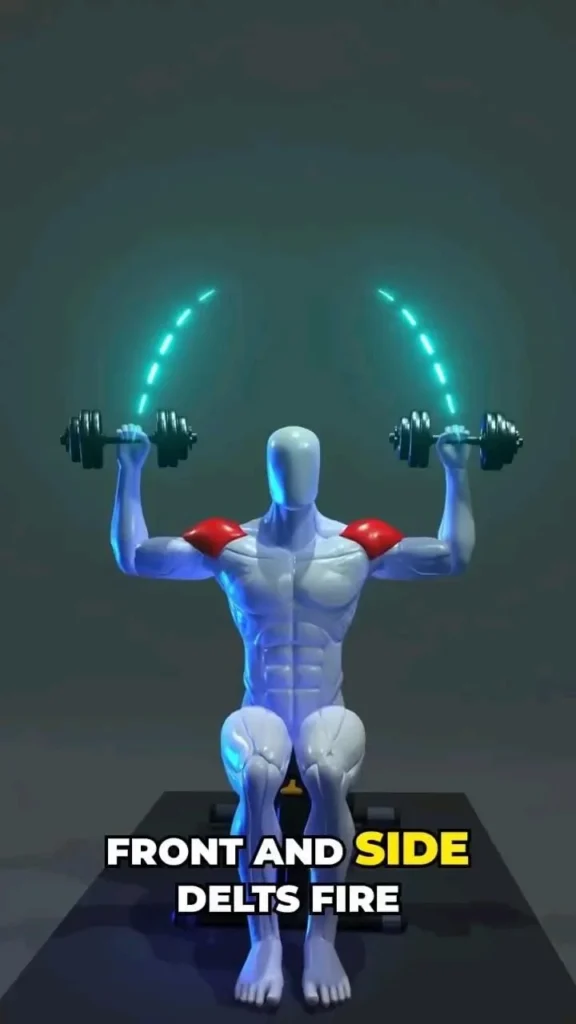
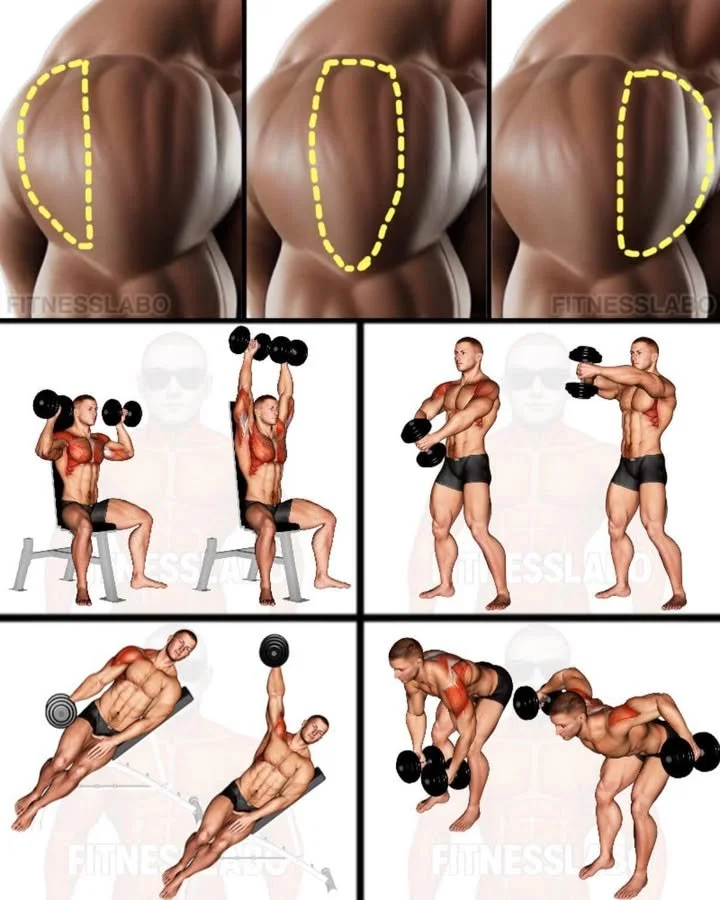
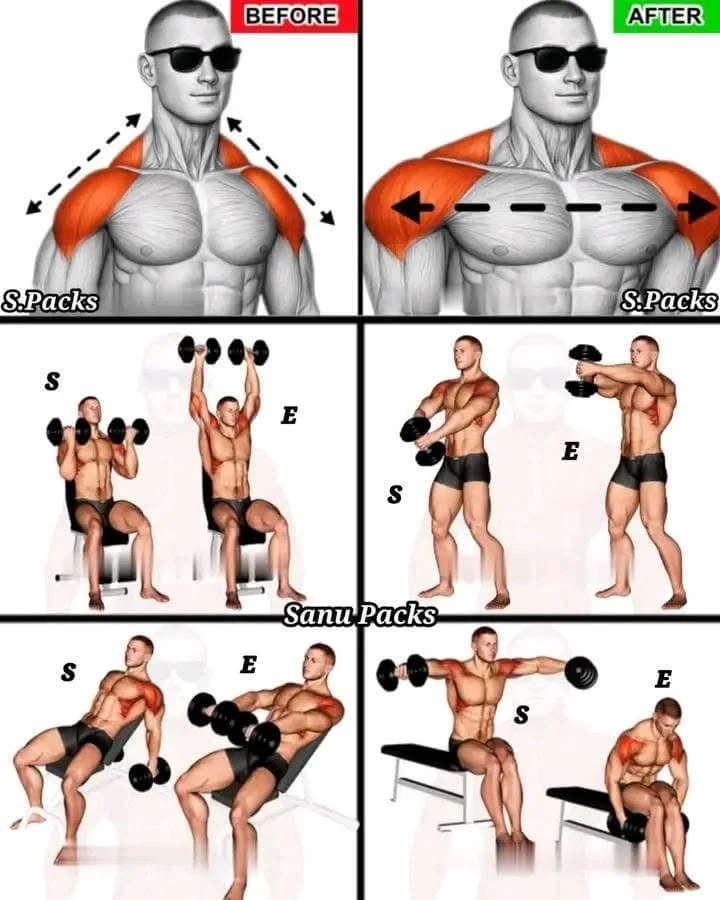
- Seated/Standing Dumbbell Overhead Press — builds thick delts and improves unilateral balance.
- Lateral Raises (strict and partials) — add width by targeting the middle deltoid.
- Rear Delt Flyes / Reverse Pec Deck — carve the posterior shoulder for true roundness.
- Incline Front Raises / Arnold Press — emphasize front delts and rotational stability.
Programming tips: - Use a mix of heavy compound pressing (4–6 reps) and higher-rep isolation (10–20 reps).
- Incorporate unilateral work (single-arm presses) to fix left/right imbalances.
- Tempo: slow negatives (2–4s) on raises increase time under tension for hypertrophy.
Pair dumbbell training with compound barbell movements occasionally for maximal overload.
Balancing Both Worlds
You don’t have to choose one exclusively. Many lifters get the best results by combining calisthenics for control and stability with dumbbells for targeted hypertrophy.
- Example split: Calisthenics vertical pressing + core on Day A; Dumbbell press + raises on Day B.
- Keep recovery in mind: shoulders are used in many upper-body movements, so avoid overtraining.
Also remember to train legs and posterior chain — strong foundations reduce injury risk and improve overall symmetry. Complement shoulder work with lower-body strength routines like those in this practical thigh development guide: Thigh Muscles — 10 Proven Steps to Build Rock-Solid Legs.
Sample Routines
Calisthenics-Focused (3x/week)
- Warm-up: banded shoulder circles, scapular push-ups
- Elevated Pike Push-Ups: 4 x 6–12
- L-Sit to HSPU progressions (or negatives): 3 x 5–8
- Archer Push-Ups: 3 x 6–10 each side
- Face Pulls with band: 3 x 12–15
Dumbbell-Focused (3x/week)
- Warm-up: light dumbbell presses, shoulder dislocations
- Dumbbell Overhead Press: 4 x 5–8
- Lateral Raises (strict): 4 x 10–15
- Single-Arm Rear Delt Fly: 3 x 12–15
- Farmer Carry or Suitcase Carry for stability: 3 x 30–60s
Nutrition & Recovery
- Aim for a slight calorie surplus (+200–300 kcal) with 0.7–1.0 g protein per lb of bodyweight for growth.
- Prioritize sleep, mobility work, and deload weeks every 6–8 weeks.
- Track progress with photos and strength markers (e.g., increased reps on HSPU or more load on overhead presses).

Conclusion
Both calisthenics and dumbbells are proven methods to build 3D shoulders; choosing one—or combining them—depends on your goals, equipment, and training preferences. For an in-depth primer on bodyweight progression and how calisthenics can transform your shoulder development, read this complete guide to calisthenics: Calisthenics: Everything You Need To Know.
Build 3D Shoulders — 2 Proven Methods: Calisthenics vs Dumbbells Read More »