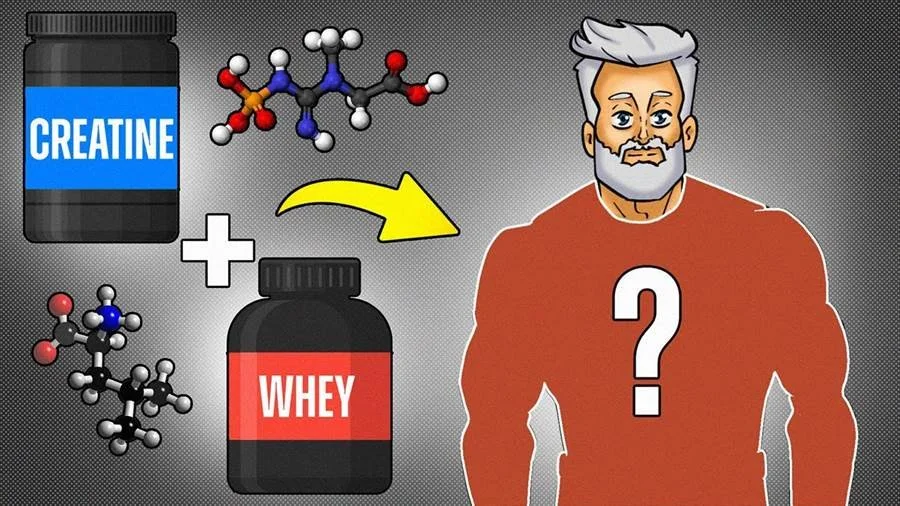
creatine

Creatine protein powder benefits for workout performance

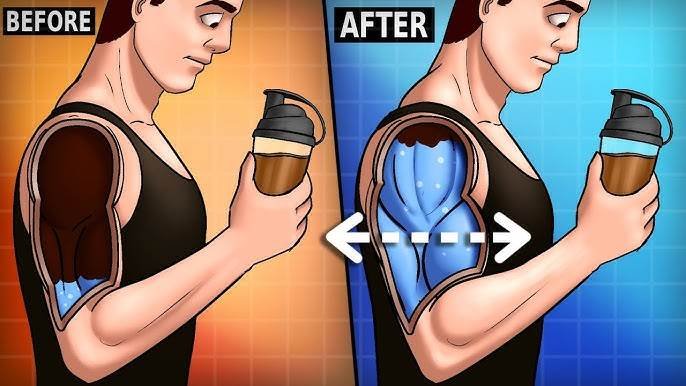
Creatine and Protein: the best way 2 how you can double the power?

Creatine and protein powder are two of the most popular supplements in gyms and kitchens worldwide. Athletes and hobby lifters often stack them, believing the combination speeds muscle growth and boosts strength more than either alone. But what does the research actually say; and how should you take them for best results? For simple ideas to boost daily protein that pair well with supplement timing, see this guide on increasing protein intake.
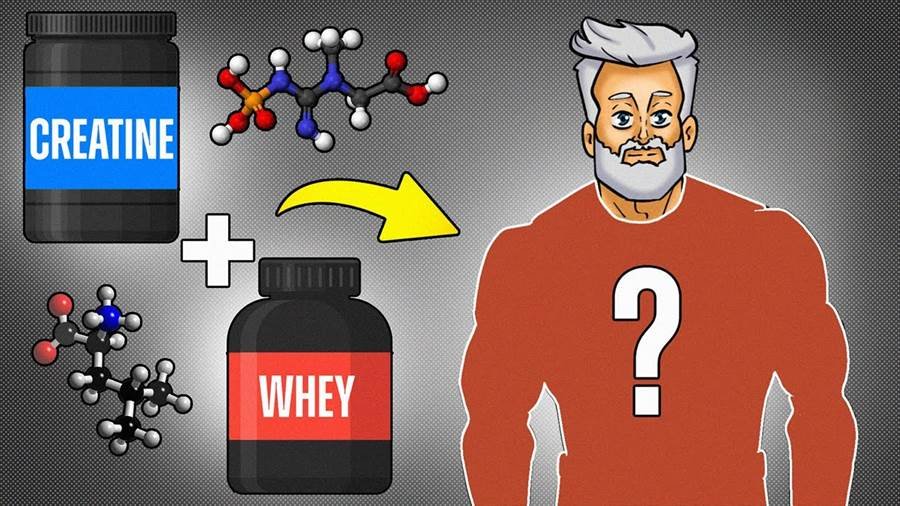
Double the Pow­er? What Science Says About Taking Creatine and Protein Powder

How creatine and protein work (quick primer)

  • Creatine supplies phosphate groups that help regenerate ATP, the immediate energy source for short, intense efforts (like heavy lifts and sprints). That improves strength, power, and the ability to perform more quality reps.
  • Protein — or more precisely, the amino acids in protein — provides the building blocks (especially leucine) that trigger muscle protein synthesis (MPS) and support recovery and growth when combined with resistance training.
    Taken together, the two support different but complementary elements of adaptation: creatine helps you train harder and more often; protein helps your muscles repair and grow from that training.

What the science says about combining them

  • Performance and hypertrophy: Multiple randomized trials show that creatine improves strength and lean mass when combined with resistance training. Adding adequate protein to a training program also increases muscle gain. Several studies comparing creatine + protein vs. protein alone report greater gains in strength and lean mass with the combined approach — but the effect size varies and depends on training status, total calories, and baseline creatine stores.
  • Timing: Early theories proposed creatine absorption might be enhanced by the insulin response to carbohydrates or protein. Some small studies showed slightly greater creatine uptake when taken with a carbohydrate-or-carb+protein drink, but later work suggests the practical benefits are modest for most people. The most important factors are consistent daily creatine intake (3–5 g/day) and enough dietary protein spread across the day.
  • Loading vs maintenance: A common protocol is a short loading phase (20 g/day split for 5–7 days) then maintenance (3–5 g/day). Loading can saturate muscle stores faster, but long-term maintenance without loading also works. Combining either approach with adequate daily protein still produces benefits.

Practical timing and dosing recommendations

  • Creatine: 3–5 g/day is effective for most adults. If you choose to load, follow with maintenance dosing. Take it consistently; timing (pre vs post) has minor effects compared with daily adherence.
  • Protein: Aim for roughly 1.6–2.2 g/kg/day for those focused on muscle growth, with 20–40 g of high-quality protein per meal, including a dose near your training session.
  • Stacking: Mixing creatine into your post-workout protein shake is convenient and supported by evidence of safety and effectiveness. The act of consuming protein (and an accompanying carb) may slightly aid creatine uptake, but the real advantage is convenience and adherence.

Safety and myths

  • Kidney health: In healthy individuals, standard creatine doses (3–5 g/day) show no harmful effects on kidney function in clinical studies. Individuals with preexisting kidney disease should consult a doctor before starting creatine.
  • Digestive upset: Some people experience bloating or GI discomfort with creatine loading or high single doses; spacing doses or skipping loading can reduce symptoms.
  • Contamination and quality: Supplements vary in purity. Choosing reputable brands that third-party test for contaminants and heavy metals is wise. For ideas on protein-based recipes and how to use protein powder safely in meals, try this protein powder pancakes recipe.

Mixing, taste, and convenience

  • Creatine monohydrate is flavorless and mixes well into shakes, coffee, or water. Adding it to a protein shake doesn’t significantly change taste and makes daily dosing simpler.
  • If you prefer to take capsules, that’s fine too; just ensure you take a consistent amount.
  • Combining with carbs (fruit, juice) post-workout can make a shake more enjoyable and may slightly increase insulin-mediated creatine uptake, although the effect isn’t essential for most users.

Who benefits most from combining them?

  • Beginners and intermediate lifters: Likely to see clear additive benefits because gains are substantial when starting a consistent program.
  • Experienced lifters: Still benefit, but gains are more modest and depend on training specificity, nutrition, and recovery.
  • Athletes in power and sprint sports: Creatine helps repeated high-intensity efforts; adequate protein supports recovery between sessions.

Quick stacking routine example

  • Pre-workout: Small meal with carb + protein (1–2 hours out).
  • Post-workout shake: 20–30 g whey protein + 3–5 g creatine mixed with water or milk.
  • Daily habit: If you miss post-workout, take creatine with any other beverage — consistency matters most.

When to consult a pro

  • Preexisting medical conditions (especially kidney disease) or medications: ask your physician.
  • If you’re unsure about dosing, nutrition timing, or product quality, a registered dietitian or sports nutritionist can personalize recommendations.
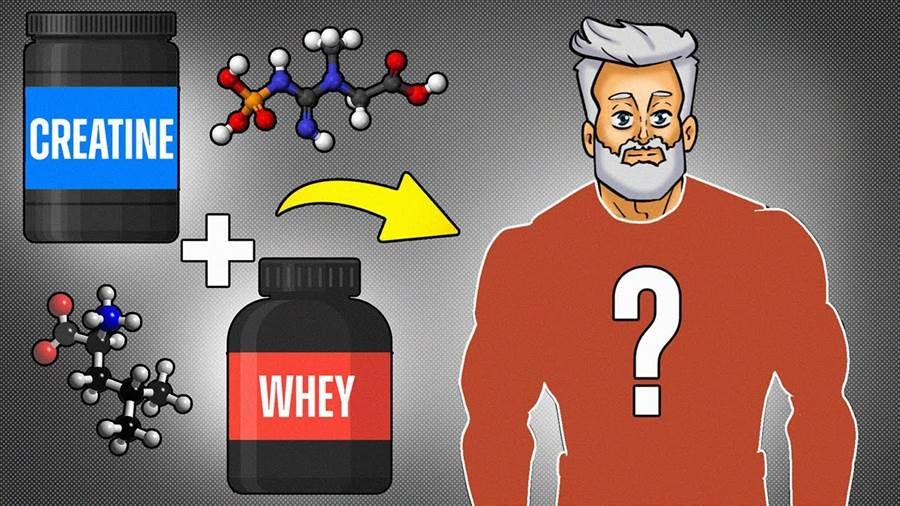
Double the Pow­er? What Science Says About Taking Creatine with Protein Powder

Conclusion

Stacking creatine with protein powder is a convenient, well-supported strategy to enhance strength and lean mass when combined with resistance training — but product quality matters. For information on heavy metal contamination and safety concerns in some protein powders, see this Consumer Reports piece on High Levels of Lead in Protein Powder and Shakes (https://www.consumerreports.org/lead/protein-powders-and-shakes-contain-high-levels-of-lead-a4206364640/).

Creatine and Protein: the best way 2 how you can double the power? Read More »

, , , ,
Illustration of creatine supplements without a loading phase

Forget the 20 g Ramp-Up? How to Use Creatine Without a Loading Phase and Still Win

Title: Skip the Ramp-Up: Smart Creatine Use Without Loading

Creatine monohydrate doesn’t need a 20 g/day loading phase to work — it just gets there faster. If you prefer a steady, low-dose approach that avoids digestive discomfort and still delivers the strength and power benefits, a simple daily strategy will saturate muscle creatine stores within a few weeks and keep you performing. For lifters pairing supplementation with targeted training, exercises and alternatives like the Bulgarian split squat can help convert those gains into stronger legs and better balance — try these options for variety: Bulgarian split squat alternatives.

Forget the 20 g Ramp-Up? How to Use Creatine Without a Loading Phase and Still Win

Why the loading phase exists

  • Loading (commonly ~20 g/day for 5–7 days) raises muscle creatine faster, achieving near-maximal stores in about a week.
  • It’s a convenience, not a necessity. Skipping loading means you’ll reach the same muscle saturation more slowly (typically 3–4 weeks with a daily maintenance dose), but you’ll avoid the higher chance of stomach upset and water retention some people report during loading.

Daily dosing that works

  • Typical no-load protocol: 3–5 g creatine monohydrate once per day. This dose is evidence-based, inexpensive, and well-tolerated.
  • Timing: Consistency is more important than exact timing. Post-workout with a meal or a mixed shake may slightly improve uptake, but taking it any time daily works.
  • Vegetarians and older adults may notice larger relative gains because baseline creatine stores are often lower.

How long until you notice benefits

  • Strength and power improvements often emerge within 2–6 weeks on a maintenance dose, depending on training, diet, and individual response.
  • Cognitive or recovery benefits reported in some studies may also appear over weeks, but effects vary.

Practical tips to make no-load dosing more effective

  • Use creatine monohydrate: it’s the most researched form and cheapest per effective dose.
  • Mix with a carbohydrate- or carb+protein-containing meal or shake occasionally to enhance muscle uptake (not required every day).
  • Stay hydrated: maintain normal fluid intake — creatine draws extra water into muscle cells, so simple hydration helps.
  • Split doses if you have mild GI sensitivity (e.g., 2.5 g twice daily).
  • Combine with consistent resistance training for best results; creatine amplifies the training signal into bigger strength and mass gains.

Who benefits most

  • Strength and power athletes, recreational lifters, older adults looking to preserve muscle, and people with low dietary creatine (e.g., vegetarians) tend to see the clearest improvements.
  • If you’re focused on technique and core control while adding mass or strength, integrate core drills to transfer gains effectively — try tools like the band twist for functional trunk strength: band twist how to build core strength.

Safety and myths

  • Long-term studies show creatine monohydrate is safe for healthy individuals when taken at recommended doses.
  • Claims that creatine damages kidneys are not supported in healthy people; however, anyone with preexisting kidney disease should consult a physician first.
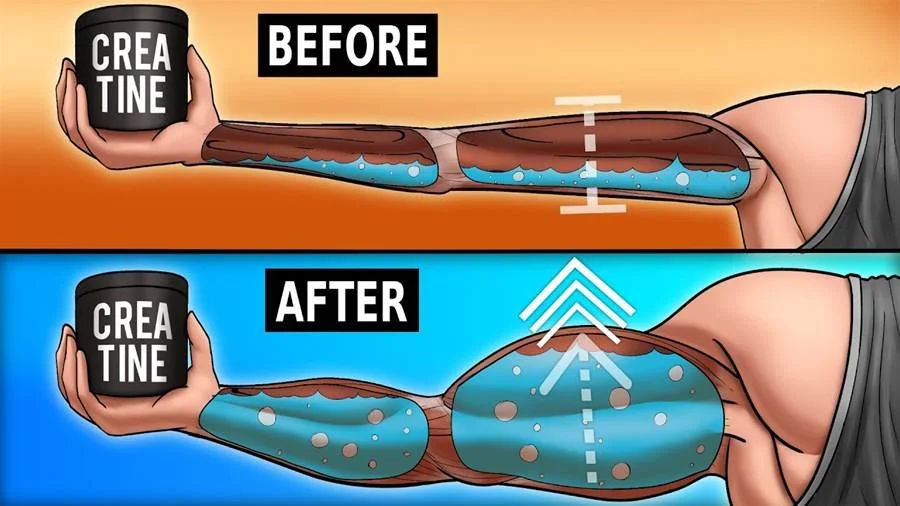
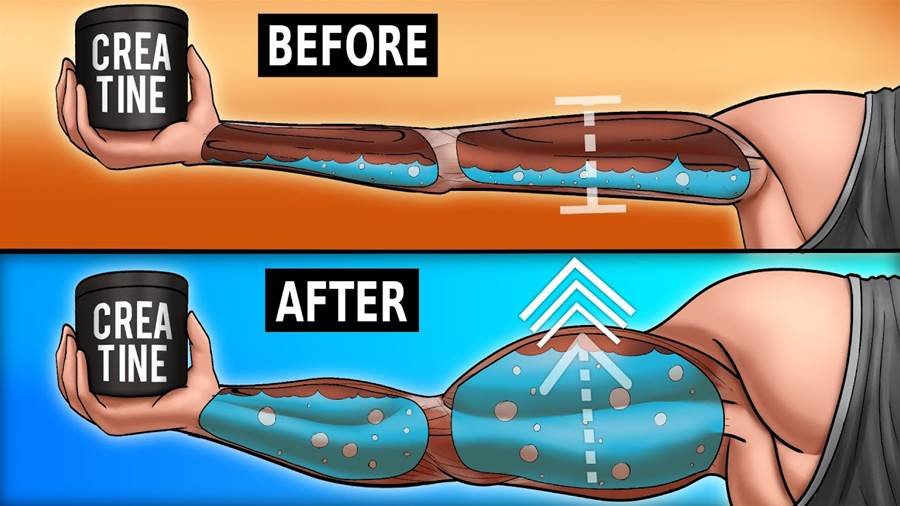
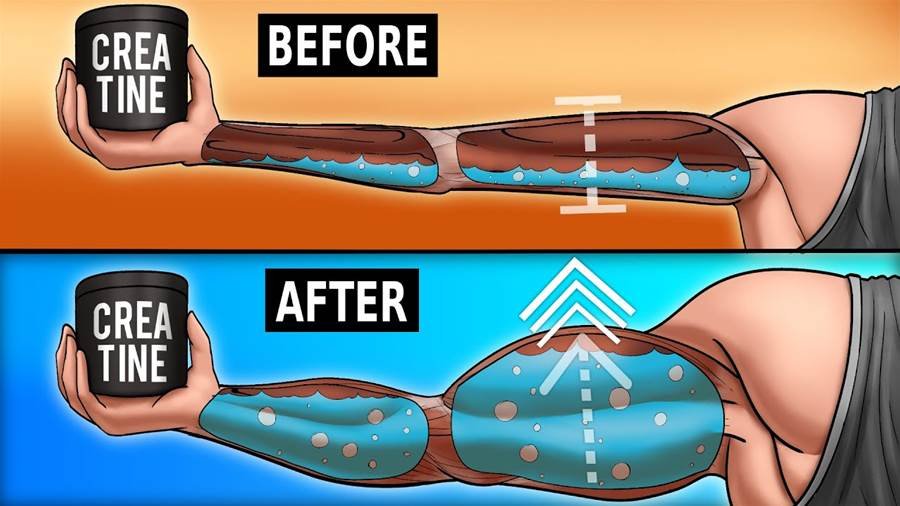
  • “Bloating” is usually just intracellular water within muscle and often subsides after the first few weeks.

Sample no-load schedules

  • Simple daily: 5 g once per day with breakfast or post-workout.
  • Gentle split: 2.5 g morning + 2.5 g evening if stomach upset occurs.
  • Maintenance after prior loading (if you did one): 3–5 g/day to sustain stores.

Bottom line

  • If you want the benefits of creatine without the inconvenience or side effects of a high-dose loading phase, a consistent 3–5 g/day plan works reliably. Pair it with solid training, adequate protein and carbohydrates around workouts when possible, and patience — results arrive in a few weeks and will compound with consistent training.

Forget the 20 g Ramp-Up? How to Use Creatine Without a Loading Phase and Still Win

Conclusion

For a practical, evidence-based framework on how diet and exercise timing can amplify supplement effects, see this review: Performance Enhancing Diets and the PRISE Protocol to Optimize ….

Forget the 20 g Ramp-Up? How to Use Creatine Without a Loading Phase and Still Win Read More »

, , , ,
Infographic illustrating 10 surprising facts about creatine and its benefits

10 Things Nobody Tells You About Creatine

Creatine Uncovered: 10 Hidden Truths

Creatine is one of the most researched supplements in sports and health, yet many nuances about how it works and who benefits remain under-discussed. Whether you’re a lifter, an athlete, or someone curious about cognitive perks, these ten lesser-known facts will help you use creatine more smartly and safely. For practical ways to support muscle-building alongside supplementation, consider these helpful tips on increasing your protein intake — small changes can amplify creatine’s benefits.

10 Things Nobody Tells You About Creatine

  1. Creatine helps more than just strength
  • While it’s famed for boosting strength and power, creatine also supports short-term high-intensity performance, recovery, and may improve brain energy metabolism during demanding mental tasks.
  1. Your response varies — "responders" vs "non-responders"
  • Genetics, baseline muscle creatine content, muscle fiber type, and diet (especially meat intake) influence how much benefit you see. Vegetarians often see bigger gains because their starting creatine stores are lower.
  1. Loading isn’t required, but it accelerates results
  • A typical loading phase (20 g/day split into 4 doses for 5–7 days) saturates muscles faster. Skipping loading and taking 3–5 g/day still works, it just takes 3–4 weeks to reach the same muscle saturation.
  1. Timing is flexible
  • The window for taking creatine is broad. Consistency matters more than precise timing, though some data suggest taking it around workouts (pre- or post-) can slightly improve gains when paired with protein and carbs.
  1. Hydration myths — creatine doesn’t dehydrate you
  • Creatine pulls water into muscle cells, which is often misconstrued as systemic dehydration. Adequate daily fluids are important, but creatine does not inherently increase dehydration risk in healthy people.
  1. It can support body composition beyond muscle mass
  • By improving training quality and recovery, creatine indirectly helps reduce body fat over time. Pairing creatine with habits that promote fat loss — such as the right nightly routine — can amplify results; for ideas on passive fat-loss habits, see how to burn fat while you sleep.
  1. Cognitive and neurological promise
  • Preliminary studies suggest creatine may help with mental fatigue, memory under stress, and recovery in certain neurological conditions. The evidence is promising but still emerging for broad clinical claims.
  1. It’s safe for most people when used correctly
  • Long-term studies (years) in healthy adults show creatine is well-tolerated. Common minor side effects include stomach upset if taken in very high single doses. People with kidney disease or on certain medications should consult a clinician first.
  1. Quality matters — but most monohydrate is the same
  • Creatine monohydrate has the strongest evidence base and is inexpensive. Micronized versions may mix more easily, but efficacy is comparable. Avoid proprietary blends that add unproven ingredients.
  1. Cycling isn’t necessary, but some prefer it
  • There’s no scientific requirement to cycle creatine. Continuous daily use at maintenance doses (3–5 g/day) is common and supported by research. Some choose periodic breaks based on personal preference.

Practical tips to get the most from creatine

  • Take a consistent daily dose (3–5 g) once loading is complete, with a meal or around your workout.
  • Combine with adequate protein and carbs to support muscle repair and growth.
  • Maintain regular hydration and monitor any unusual symptoms, especially if you have pre-existing health conditions.
  • Choose a reputable brand with third-party testing to ensure purity.

10 Things Nobody Tells You About Creatine

Conclusion

Creatine is a versatile, well-researched supplement that offers more than just strength — from cognitive support to better training quality. If you want further conversations about smart supplementation and training approaches, check out this episode on Scale with Tom Ashcroft | Podcast on Spotify.

10 Things Nobody Tells You About Creatine Read More »

, , , ,
Infographic detailing 13 surprising facts about creatine supplementation

13 Things No One Tells You About Creatine

Creatine Uncovered: 13 Things You Didn’t Know

Creatine is one of the most researched supplements in sports nutrition, but even regular users miss important details that shape results, safety, and expectations. Whether you’re just starting or tweaking your regimen, these lesser-known facts will help you use creatine smarter — not just harder. If you’re planning a focused training block, consider pairing what you learn here with a program such as the Built Not Bought Challenge to see results faster.

13 Things No One Tells You About Creatine

  1. It’s not a steroid — it’s fuel
  • Creatine isn’t an anabolic steroid. It replenishes cellular ATP, the energy currency your muscles use for short bursts of effort (sprints, heavy reps). That’s why it helps power strength and high-intensity performance.
  1. Loading is optional
  • A common protocol is a 5–7 day loading phase (20 g/day split) followed by 3–5 g/day maintenance. But you can skip loading and take 3–5 g/day; it just takes longer (3–4 weeks) to saturate muscles.
  1. Creatine monohydrate is the gold standard
  • Many forms exist (ethyl ester, HCL, buffered), but creatine monohydrate has the strongest evidence for efficacy, safety, and cost-effectiveness when dosed properly.
  1. Expect some weight gain — usually water
  • Initial weight gain is mainly intracellular water in muscle cells, which can be mistaken for fat. This is often beneficial (fuller muscles) and not a sign of fat gain.
  1. Timing isn’t critical — consistency is
  • Post-workout timing may offer slight advantages for uptake, but overall daily consistency matters more. Daily intake keeps muscle stores topped up.
  1. Hydration matters
  • Creatine draws water into muscle cells. Maintain good hydration, especially in hot conditions or long endurance sessions, to avoid cramping and maintain performance.
  1. It’s safe long-term for most people
  • Extensive research shows creatine is safe for healthy individuals when taken at recommended doses. If you have kidney disease or other chronic conditions, consult a clinician before starting.
  1. Vegetarians and vegans may see bigger gains
  • People with lower baseline creatine (common in vegan/vegetarian diets) often experience larger relative improvements when supplementing.
  1. Caffeine interaction is nuanced
  • Early studies suggested caffeine might blunt creatine’s benefits, but evidence is mixed. Moderate caffeine use is generally fine; just monitor your performance and digestion.
  1. Purity matters
  • Choose reputable brands with third-party testing to avoid contaminants. Look for Creapure® or similar certifications when possible.
  1. It won’t give you a six-pack by itself
  • Creatine helps strength and muscle fullness, but reducing belly fat and revealing abs depends on diet and conditioning. For common misconceptions about abs and how training links to appearance, see these myths about six-pack.
  1. Small doses can help older adults and cognition
  • Research shows benefits for aging muscle preservation and even some cognitive support, though outcomes vary and require more study.
  1. Quality control and stacking
  • Combine creatine with a sensible training program and adequate protein for best results. Avoid overcomplicating stacks; creatine alone delivers big value for most people.

Practical tips

  • Start with 3–5 g/day if you prefer simplicity. If you choose to load, split the daily dose into 4 portions to reduce stomach upset.
  • Mix with water, juice, or your post-workout shake. Creatine is flavorless and dissolves better in warm liquids.
  • Track bodyweight and performance, not just the scale. Strength and rep gains are the clearest signals of benefit.

13 Things No One Tells You About Creatine

Conclusion

For a concise, readable breakdown that complements this guide, check out 13 Things No One Tells You About Creatine. It’s a helpful companion if you want another take on dosing, myths, and practical use.

13 Things No One Tells You About Creatine Read More »

, , , ,
A guide to using creatine for muscle growth with detailed usage plan.

How To Use CREATINE for Muscle Growth (FULL PLAN)

Creatine Growth Blueprint

Creatine is one of the most researched supplements for increasing strength, power and muscle mass. This guide gives a simple, practical plan to use creatine safely and effectively, including dosing, timing, training pairings and troubleshooting for best results. For coaches and educators wanting to turn this into a session, see this resource on designing fitness workshops: how to design educational fitness workshops.

How To Use CREATINE for Muscle Growth (FULL PLAN)

What follows is a concise, actionable plan you can apply whether you’re a beginner or an experienced lifter.

How creatine works

  • Creatine supplies quick phosphate groups (as phosphocreatine) to regenerate ATP during short, high-intensity efforts — the kind of energy used in sprints and heavy lifts.
  • Over weeks, improved training quality (more reps, heavier loads, better recovery) drives greater muscle hypertrophy.

Which creatine to choose

  • Creatine monohydrate (micronized) is the gold standard — cheapest, safest, and most studied.
  • Avoid exotic blends or proprietary mixes unless they explicitly list creatine monohydrate and dose.

Loading vs. low-dose daily

  • Loading (optional): 20 g/day split into 4 doses for 5–7 days to saturate muscles fast.
  • Maintenance: 3–5 g/day thereafter.
  • Skip loading if you prefer a steady approach: 3–5 g/day will saturate muscles in ~3–4 weeks with similar long-term benefits.

Timing and pairings

  • Timing is flexible: daily consistency matters more than exact minute timing.
  • Small advantage: taking creatine post-workout with carbs/protein can aid uptake — mix it with your post-workout shake or a carb snack.
  • Stay well hydrated; creatine draws water into muscle cells.

Sample simple plan (two options)

  • Fast saturation (optional):
    • Loading: 20 g/day (4 × 5 g) for 5–7 days
    • Maintenance: 3–5 g/day thereafter
  • Straight maintenance:
    • 3–5 g/day every day (no loading)

Training and nutrition to maximize gains

  • Use progressive overload: prioritize compound lifts (squats, deadlifts, presses, rows) and gradually increase weight or reps.
  • Creatine works best when combined with consistent resistance training and adequate protein (0.7–1 g/lb bodyweight) and calories.
  • Use creatine during cutting phases too to preserve strength and lean mass.

Safety and side effects

  • Side effects are uncommon; occasional bloating or stomach upset can occur (reduce dose or split throughout the day).
  • Kidney concerns are not supported in healthy individuals at recommended doses, but consult a medical professional if you have pre-existing kidney disease.
  • For gym safety while pushing heavier loads, review basic safety protocols to reduce injury risk: how to stay safe at the gym.

Practical tips and troubleshooting

  • Mix creatine into warm water, juice or your shake to dissolve it fully.
  • If you forget a dose, skip it and resume the next day — don’t double up.
  • Track progress: log lifts, sets, and body measurements every 4 weeks to see creatine’s benefits.

Frequently asked questions

  • Will creatine make me bulky? It increases muscle size when combined with training; initial weight gain may include water in muscle cells.
  • Is cycling necessary? No; continuous daily use at maintenance doses is common and effective.
  • Can women use it? Yes — benefits apply across sexes when paired with resistance training.

How To Use CREATINE for Muscle Growth (FULL PLAN)

Conclusion

For a reliable, medically reviewed overview of creatine — including benefits, safety and supplement guidance — consult the Cleveland Clinic summary: Creatine: What It Does, Benefits, Supplements & Safety.

How To Use CREATINE for Muscle Growth (FULL PLAN) Read More »

, , , ,
30-day creatine supplementation effects backed by scientific studies

What Happens When You Take Creatine for 30 Days Straight? (13 studies)

30-Day Creatine Snapshot

Creatine is one of the most studied supplements for strength, power, and muscle gains. Taken daily for 30 days, creatine consistently raises muscle creatine stores and can produce measurable gains in performance and body composition in healthy adults. For best results, pair supplementation with smart nutrition — for example, simple strategies to increase your protein intake help support recovery and growth.

What Happens When You Take Creatine for 30 Days Straight? (13 studies)

What changes to expect in 30 days

  • Faster energy for short, intense bursts: Creatine increases phosphocreatine stores in muscle, improving ATP availability during high-intensity efforts. Many studies show better sprint, jump, and repeated-sprint performance within weeks.
  • Early weight gain, mostly water: A common early effect is a 1–3 lb (0.5–1.5 kg) increase from intracellular water retention. Over 30 days some of this may shift toward true lean mass if training is consistent.
  • Noticeable strength and power improvements: Bench press, squat, and other maximal-strength measures often improve within 2–4 weeks, especially when resistance training accompanies supplementation.
  • Small cognitive and recovery benefits in some people: A subset of studies report improved short-term memory and reduced fatigue in demanding conditions, though effects vary.
  • Time course: Muscle creatine rises within days; functional gains tend to become clearer after 2–4 weeks of training plus supplementation.

How safe is daily creatine for 30 days?

  • In healthy adults, 3–5 g/day is well tolerated; common mild effects include bloating or transient gastrointestinal discomfort in some users.
  • Blood creatinine (a kidney function marker) can rise because creatine converts to creatinine — this is expected and not necessarily a sign of kidney damage. People with pre-existing kidney disease should consult a clinician before starting.
  • Stay hydrated and monitor any unusual symptoms. Long-term studies have not shown adverse effects in healthy subjects when used appropriately.

Dosing strategies that work in 30 days

  • Loading (optional): 20 g/day split into 4 doses for 5–7 days, then 3–5 g/day maintenance. This saturates muscles faster and can show effects sooner.
  • No-load (simple): 3–5 g/day from day 1 — muscles reach near-saturation over a few weeks and still produce gains across 30 days.
  • Timing: Daily consistency matters more than precise timing; taking creatine post-workout with carbs/protein may slightly improve uptake.

Pair it with training and habits

  • Resistance training: Progressive overload across the 30 days maximizes the supplement’s benefits.
  • Cardio/sprints: Creatine helps repeated high-intensity efforts, so include intervals if your sport requires them.
  • A focused 30-day program can amplify results — combining creatine with a structured plan like the 30-day ab challenge or another targeted routine increases the chance of visible changes.
  • Nutrition and sleep: Adequate protein, calories, and recovery all influence how much muscle you gain in 30 days.

Practical tips

  • Start with 3–5 g/day if you want to avoid loading-related bloating.
  • Mix with a carbohydrate-containing drink to help uptake if desired.
  • Keep training intensity high and track lifts or sprint times to see objective changes.
  • If concerned about lab results (e.g., elevated creatinine), inform your healthcare provider you are taking creatine before testing.

What Happens When You Take Creatine for 30 Days Straight? (13 studies)

Conclusion

Taking creatine daily for 30 days reliably increases muscle creatine stores and often leads to early gains in strength, power, and lean mass when combined with proper training and nutrition. If you have medical questions or are taking medications and want to review official prescribing or safety information, consult product labeling such as the FDA label for TAMIFLU® (oseltamivir phosphate) and discuss any concerns with your healthcare provider.

What Happens When You Take Creatine for 30 Days Straight? (13 studies) Read More »

, , , ,
Muscle builders like creatine and fish oil for enhanced gym performance.

From Creatine to Fish Oil: 5 Evidence-Based Muscle Builders That Give You a Real Edge in the Gym

Smart Gains: 5 Evidence-Based Muscle Boosters

Building more muscle isn’t just about lifting heavier — smart, evidence-based supplementation can safely enhance strength, recovery, and training quality when paired with a solid program and nutrition. Below are five supplements with the best data behind them, practical dosing tips, and safety notes so you can use them to get a real edge in the gym.

From Creatine to Fish Oil: 5 Evidence-Based Muscle Builders That Give You a Real Edge in the Gym

Introduction
Supplements don’t replace hard training or sound nutrition, but they can be useful tools. If you’re just getting started and learning how to structure effective workouts, check out this bodyweight training guide for beginners to pair with your supplement plan.

  1. Creatine (Creatine Monohydrate)
  • What it does: Creatine increases intramuscular phosphocreatine stores, improving short-term high-intensity performance and enabling slightly greater gains in strength and lean mass over time.
  • Typical dose: 3–5 g daily. A loading phase (20 g/day split for 4–7 days) is optional; long-term maintenance at 3–5 g works well.
  • Timing: Any time of day is fine; post-workout with carbs/protein may help uptake but isn’t required.
  • Safety: Well-studied and safe for healthy adults. Stay hydrated and consult a clinician if you have kidney disease.
  1. High-quality Protein (Whey or Equivalent)
  • What it does: Adequate protein is the foundation for muscle growth; supplemental whey is a convenient, rapid-digesting source of essential amino acids, especially leucine.
  • Typical dose: Aim for total daily protein of ~1.6–2.2 g/kg bodyweight. For a single serving, 20–40 g of whey around workouts is effective.
  • Timing: Distribute protein evenly across meals; consume protein within a few hours of training to support recovery.
  • Practical tip: Use protein powder to hit targets on busy days or immediately post-session. If you’re lifting heavy (e.g., intense deadlift sessions), pairing protein with structured strength work amplifies gains — see this 15-minute heavy deadlift EMOM for an example of a time-efficient strength stimulus.
  • Safety: Safe for most people; adjust portions if you have renal impairment and consult your provider.
  1. Fish Oil (Omega-3 Fatty Acids — EPA & DHA)
  • What it does: Omega-3s can reduce exercise-induced inflammation, support recovery, and — in some studies — help preserve muscle mass and improve protein synthesis signaling, particularly in older adults. Benefits for performance are modest but meaningful for recovery and long-term adaptation.
  • Typical dose: 1–3 g combined EPA+DHA daily (check product labels).
  • Timing: Daily with meals.
  • Safety: Generally safe; high doses can affect bleeding risk — talk to your clinician if you use blood thinners.
  1. Beta-Alanine
  • What it does: Beta-alanine raises muscle carnosine levels, buffering acid during high-intensity efforts lasting ~30–240 seconds. This can allow you to perform more reps or maintain intensity, indirectly supporting greater hypertrophy over time.
  • Typical dose: 2–5 g/day, split into smaller doses to reduce tingling (paresthesia). Expect 4–8 weeks for carnosine to accumulate.
  • Use-case: Best for athletes doing repeated high-intensity sets, sprints, or metabolic conditioning.
  1. Vitamin D (When Deficient)
  • What it does: Vitamin D plays roles in muscle function and immune health. Supplementation shows the most benefit for muscle strength and performance in people who are insufficient or deficient.
  • Typical dose: Test levels if possible. Common supplemental doses range from 1,000–4,000 IU/day depending on baseline status; treat deficiency under medical guidance.
  • Safety: Avoid excessive dosing; very high long-term intakes can cause toxicity.

General stacking and safety notes

  • Start with the basics: prioritize progressive resistance training, caloric/protein sufficiency, sleep, and recovery; supplements are adjuncts.
  • A simple, effective stack: creatine (3–5 g/day), whey protein as needed to meet protein targets, and fish oil (1–3 g EPA+DHA/day). Consider beta-alanine if your training involves repeated high-intensity efforts; supplement vitamin D only if levels are low or insufficient.
  • Watch for product quality: choose third-party tested supplements to avoid contaminants and ensure accurate dosing.
  • Special populations: pregnant or nursing people, those with chronic medical conditions, and athletes subject to anti-doping rules should consult a clinician before starting supplements.

From Creatine to Fish Oil: 5 Evidence-Based Muscle Builders That Give You a Real Edge in the Gym

Conclusion

Used sensibly, the five supplements above — creatine, protein, fish oil, beta-alanine, and vitamin D when indicated — can meaningfully support training adaptations and recovery. For an evidence-based overview of dietary supplements and how they relate to exercise performance, see the Dietary Supplements for Exercise and Athletic Performance – Health factsheet.

From Creatine to Fish Oil: 5 Evidence-Based Muscle Builders That Give You a Real Edge in the Gym Read More »

, , , ,
A person measuring creatine powder for daily supplementation.

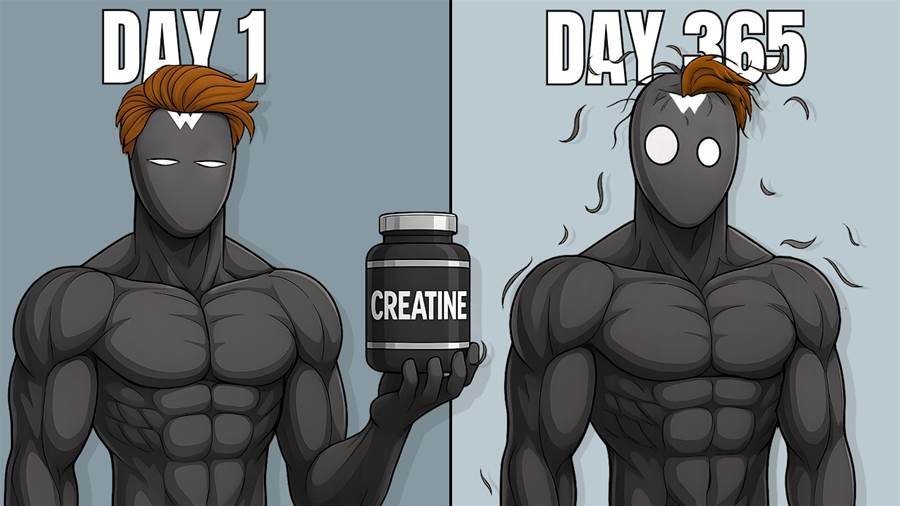
I Took Creatine For 365 Days… Here is What Happened.

365 Days on Creatine — Year in Gains

I decided to take creatine every day for 365 days to see what consistent supplementation would do for strength, size, recovery, and how it would feel day-to-day. I treated it like a year-long experiment: same basic training split, roughly the same calorie target, and a simple 5 g daily dose of creatine monohydrate. The mindset was consistent practice — similar to how artists improve by returning to fundamentals again and again, which kept me committed during slow weeks (human figure drawing essential techniques for artists).

I Took Creatine For 365 Days... Here is What Happened.

What I did (protocol)

  • Dose: ~5 g creatine monohydrate daily, with water. No loading phase after month one.
  • Training: Hypertrophy + strength mix, 3–5 sessions/week.
  • Nutrition: Slight calorie surplus some months, more attention to protein timing and quality.
  • Tracking: Monthly photos, lifting numbers for main lifts, bodyweight, and subjective recovery scores.

Month-by-month highlights

  • Month 1: Noticeable water retention and fuller muscles. Strength jumps felt fastest here — likely improved ATP availability and neuromuscular adaptations.
  • Months 2–3: Strength gains continued but steadied. Bench, squat, and deadlift numbers rose more consistently than my bodyweight did.
  • Months 4–6: Visual muscle gains became clearer. Recovery between sessions improved; I could handle slightly higher volume.
  • Months 7–12: Gains slowed to a sustainable pace, but overall strength and muscle were still above baseline. No major side effects; energy and training consistency became the main drivers of progress rather than acute supplement effects.

Quantifiable results (my experience)

  • Bodyweight: +5–7 lbs over the year (some was water early on, some lean mass later).
  • Strength: 8–20% increases on compound lifts depending on the lift and starting level.
  • Recovery: Less soreness and quicker return to high-quality sessions in the weeks after intense training.

Side effects and safety

  • Early water retention: Most noticeable first 2–6 weeks. Muscles looked fuller but scales rose slightly.
  • Digestive issues: A few days of mild stomach upset the first time I tried a concentrated dose; spreading intake with a meal fixed that.
  • No kidney pain or alarming symptoms. I did routine blood work midway and at the end of the year — kidney markers remained normal. If you have pre-existing kidney issues, check with your physician before starting.
  • Sleep and mood: No consistent negative effects; a handful of days I felt mentally sharper, though that’s anecdotal.

How creatine helped beyond muscle

  • Short-burst power and strength: Felt subjectively stronger on heavy sets and sprints.
  • Training volume: Ability to add reps or sets more often without breaking down.
  • Confidence and consistency: Seeing early wins helped maintain adherence to training and nutrition — habits that produced bigger returns than the supplement alone.

Nutrition and stacking considerations

  • Protein matters: Creatine isn’t a substitute for adequate protein; it works best when paired with consistent protein intake and good post-workout nutrition. I prioritized lean, timely protein after workouts to support synthesis and recovery (lean meat beats high-fat meat for faster post-workout muscle protein synthesis).
  • Hydration: Drinking more water helped manage the initial bloat and supported training intensity.
  • No fancy stacks required: Monohydrate worked fine for me. I didn’t notice meaningful extra benefit from adding other ergogenic supplements beyond protein and caffeine when needed.

Practical tips from a year of use

  • Start at 5 g/day; loading isn’t necessary, but you can do it if you want faster saturation.
  • Mix with water or put it into a post-workout shake. If you get stomach upset, split the dose.
  • Track measurable lifts and photos monthly to see real progress beyond the scale.
  • Stay consistent: The biggest gains came from steady use over months, combined with progressive overload in training.
  • Check bloodwork annually if you plan to use creatine long-term, especially if you’re older or have health concerns.

What I wish I’d done differently

  • More structured deloads to maintain peak performance during heavy months.
  • More rigorous dietary tracking early on to separate water weight from lean gains.
  • Kept a short daily log of sleep and mood — some subtle cognitive effects might’ve been easier to identify.

Who should consider it

  • Strength trainees and those seeking to add measurable power or muscle mass tend to see the best returns.
  • Older adults can benefit from preserved muscle and power, but consult a doctor if you have health issues.
  • Creatine is one of the most-studied supplements and, for most healthy people, is safe and cost-effective.

Final verdict
After 365 days, creatine gave me reliable, measurable improvements in strength, a fuller muscle appearance, and better session-to-session recovery. It wasn’t a miracle pill — training consistency, progressive overload, and nutrition were the real engines — but creatine acted like a steady helper that made those engines run a bit better.

I Took Creatine For 365 Days... Here is What Happened.

Conclusion

If you’re weighing long-term supplementation and lifestyle choices — especially as you age or if you follow a restrictive diet — it helps to learn what to avoid and how to adapt. For readers over 50 or anyone managing dietary constraints, these tips on common pitfalls can be a useful companion to supplement decisions: 7 Mistakes People Over Age 50 Make With The Keto Diet.

If you want a quick starter plan or have questions about dosing and timing for your goals, ask and I’ll share the specifics I used.

I Took Creatine For 365 Days… Here is What Happened. Read More »

, , , ,
Person holding creatine supplement container, learning about no loading phase benefits.

Forget the 20 g Ramp-Up? How to Use Creatine Without a Loading Phase and Still Win

Unique title: No-Load Creatine — Simple Daily Strategy

Creatine is one of the most researched and effective supplements for strength, power, and muscle retention. But the traditional 20 g/day loading phase isn’t the only path to full benefits — a steady, no-load approach works too, with fewer side effects and the same long-term gains. If you want to simplify supplementation without sacrificing performance, this guide lays out how to use creatine without a loading phase and still win in the gym and beyond.

Forget the 20 g Ramp-Up? How to Use Creatine Without a Loading Phase and Still Win

Introduction
Creatine increases stored phosphocreatine in muscle, helping you regenerate ATP during short, intense efforts. While many athletes rush into a 5–7 day loading protocol, you can skip that ramp-up and still reach saturation over a few weeks by taking a consistent daily dose. If you’re pairing creatine with training that targets single-leg strength or hypertrophy, this approach integrates smoothly with exercises such as Bulgarian split squat alternatives and other focused movements.

How creatine works (brief)

  • Creatine raises intramuscular phosphocreatine, allowing faster ATP resynthesis during repeated sprints, sets, or heavy lifts.
  • Saturation is the goal: once muscle creatine stores are full, performance and recovery benefits are maximized.
  • Loading speeds saturation (about 5–7 days), but maintenance dosing reaches similar levels in ~3–4 weeks.

Why skip the loading phase?

  • Fewer gastrointestinal side effects: high doses (20 g/day) can cause bloating, cramping, or loose stools in some people.
  • Simpler regimen: a single daily dose is easier to remember and combine with other supplements or meals.
  • Adequate for most athletes: for recreational lifters and many competitors, the long-term outcomes are equivalent once stores are saturated.

No-load dosing strategies

  • Standard no-load protocol: 3–5 g of creatine monohydrate daily. Most users take 5 g for convenience and to ensure saturation.
  • Time to saturation: expect 3–4 weeks to reach the same muscle creatine concentration achieved by a loading protocol.
  • Maintenance: once saturated, continue 3–5 g/day to keep levels high.

Timing and pairing tips

  • Timing is flexible: creatine timing (pre vs. post) has minor effects compared with total daily dose. Pick a time that helps you be consistent.
  • Pair with carbs/protein: a small carbohydrate or mixed meal can aid uptake slightly, but it’s not mandatory.
  • Combine with training: creatine’s benefits compound with progressive overload — prioritize consistent training and recovery.

Practical examples and routines

  • Daily habit: mix 5 g creatine into your morning coffee, post-workout shake, or a glass of water. Consistency matters more than exact timing.
  • Travel or competition weeks: continue 3–5 g daily to maintain saturation; there’s no need to re-load after short breaks.
  • Youth and novice athletes: for younger or lighter athletes, lower doses (2–3 g/day) may be appropriate, but consult a coach or physician for personalized advice.

Common myths and evidence

  • Myth: Creatine causes kidney damage. Fact: In healthy individuals, creatine supplementation at recommended doses has not been shown to impair renal function.
  • Myth: You must cycle creatine. Fact: Long-term continuous use is supported by research; cycling isn’t necessary for efficacy.
  • Myth: Loading is mandatory. Fact: Loading accelerates saturation but isn’t required for benefits.

Integrating creatine into overall training and conditioning

  • Combine creatine with structured strength programs and core-focused conditioning to maximize transfer to performance. For focused core development, exercises like the band twist can complement strength gains and functional resilience: band-twist core work.
  • Stay hydrated and monitor bodyweight — some users notice a modest increase in water retention during early weeks of supplementation.

Safety and product selection

  • Choose Creapure or pure creatine monohydrate powders from reputable brands. Avoid proprietary blends that don’t disclose dosages.
  • Typical serving: 3–5 g per scoop. Follow label instructions and confirm no banned substances if you compete.

When to consider loading anyway

  • If you need faster benefits for an upcoming competition or testing window (within 1–2 weeks), a short-term loading phase (20 g/day split into 4 doses for 5–7 days) is reasonable. Otherwise, the no-load daily approach is simpler and equally effective in the long run.

Forget the 20 g Ramp-Up? How to Use Creatine Without a Loading Phase and Still Win

Conclusion

If you prefer a low-friction, low-side-effect approach, daily 3–5 g creatine without a prior loading phase is an effective strategy to reach muscle saturation in a few weeks while supporting strength, power, and recovery. For a deeper dive into integrating nutrition and timing strategies with performance plans, see Performance Enhancing Diets and the PRISE Protocol to Optimize ….

Forget the 20 g Ramp-Up? How to Use Creatine Without a Loading Phase and Still Win Read More »

, , , ,
Scroll to Top