core training

Intense home abs workout tips for blocky abs and faster results

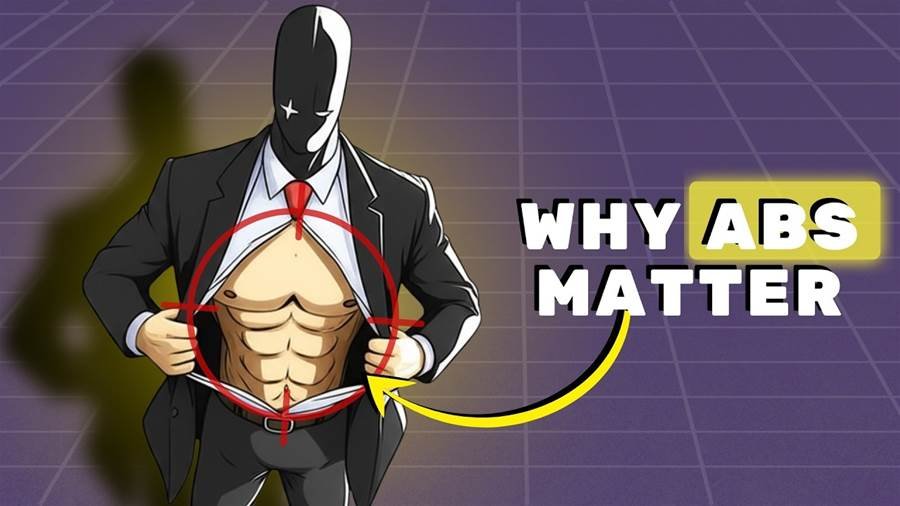
Abs Workout – Grow your Abs faster with these No Bullsh*t tips.Discover the Secret to Blocky Abs: Intense Home Workout Revealed! 💪🔥

Blocky Abs Blueprint

Get ready to stop spinning your wheels on endless crunches and confusing advice. This short, no-nonsense guide gives you the exact principles and a compact at-home routine to grow your abs faster — the efficient, real-world approach that actually produces results. For a quick home-focused routine reference, check this home abs workout guide to pair with the tips below.
Abs Workout - Grow your Abs faster with these No Bullsh*t tips.Discover the Secret to Blocky Abs: Intense Home Workout Revealed! 💪🔥

Why "blocky" abs happen: the short science

  • Abs grow when muscle fibers are overloaded and recover properly. That means progressive tension, not just high reps.
  • Visible abs are 2 things: well-developed abdominal muscles and low enough body fat to reveal them. You must attack both.
  • Focus on compound moves that engage the core under load — you’ll stimulate deeper muscle layers and functional strength.

Program — Intense Home Workout (20–30 minutes)
Do this circuit 3 times a week. Warm up 5 minutes (jog in place, dynamic stretches).

  • Hollow Hold to Pike (45 sec): build anti-extension strength.
  • Slow-Tempo V-Ups (10–12 reps): controlled, full-range contraction.
  • Weighted Russian Twists* (20 total): add a household weight for progressive overload.
  • Plank-to-Push-Up (10 reps): integrates anti-rotation and anterior chain work.
  • Hanging Knee Raises substitute: Lying Leg Raises (12–15 reps) if no bar.

Perform 3 rounds with 60–90 seconds rest between rounds. Increase difficulty by adding weight, slowing eccentrics, or reducing rest.

Progression and programming tips

  • Track sets, reps, and perceived difficulty. When you can do the top of the rep range easily, add load or raise difficulty.
  • Prioritize form over quantity: targeted ab actions are short; make each rep purposeful.
  • Consistency beats novelty: choose 2–4 focused ab sessions weekly and stick with them for 8–12 weeks.

Diet and body-fat strategy

  • Nutrition wins. You cannot out-train a poor diet if your goal is visible, blocky abs.
  • Aim for a moderate calorie deficit if you need to lower body fat, high protein to preserve muscle during the cut.
  • Use whole foods, minimize liquid calories, and time higher-carb meals around your workouts for energy.

For practical protein hacks across meals and snacks, see this easy protein-increase guide that pairs well with the training plan above.

Common mistakes to avoid

  • Doing endless high-rep sit-ups without progressive overload.
  • Neglecting posterior chain and overall strength work; a strong back and glutes improve core development and aesthetics.
  • Expecting visible abs without addressing body fat — both pillars must be managed.

Minimal equipment alternatives

  • Use a dumbbell, kettlebell, or even a heavy backpack to add load to twists and sit-up variations.
  • A pull-up bar enables hanging leg raises — the single best home-to-gym transfer for the lower abs.
  • If equipment is unavailable, slow eccentric bodyweight moves and isometric holds are very effective.

Recovery and lifestyle

  • Sleep, hydration, and stress management influence your hormonal environment for muscle growth and fat loss.
  • Deload every 4–6 weeks if progress stalls: reduce volume or intensity for a week, then come back stronger.
Abs Workout - Grow your Abs faster with these No Bullsh*t tips.Discover the Secret to Blocky Abs: Intense Home Workout Revealed! 💪🔥

Conclusion

Sculpting blocky abs is a two-front battle: targeted progressive training plus disciplined weight management. For an external resource on weight-management strategies that complements this approach, visit Motorcycle Safety Weight Management.
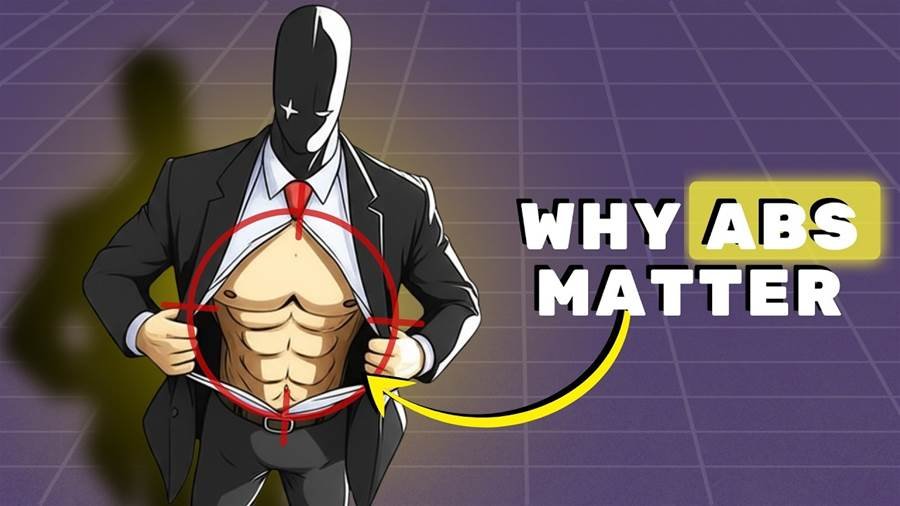
Abs Workout – Grow your Abs faster with these No Bullsh*t tips.Discover the Secret to Blocky Abs: Intense Home Workout Revealed! 💪🔥 Read More »

, , , ,
Effective ab workout guide challenging common fitness myths.

99% of Ab Workouts Are a Waste — Do This Instead

Title: Ditch the Crunches: Core Work That Actually Works

Most people spend hours doing endless crunches, sit-ups, and isolated core machines believing they’ll sculpt a visible six-pack. The truth is simple: spot-reducing fat with targeted ab exercises is a myth, and most ab routines miss the point of what the "core" actually does — stabilize, transfer force, and protect the spine during real movement. Explore immersive training options if you want programmed guidance that teaches this properly.

99% of Ab Workouts Are a Waste — Do This Instead

Why 99% of ab workouts are wasted time

  • Isolation over integration: Traditional ab workouts focus on flexing the spine (crunches) rather than training the core to resist movement (anti-extension, anti-rotation). The core’s primary job is to stabilize the torso while limbs move.
  • Visibility ≠ strength: Aesthetic results depend on body fat percentage and genetics. You can have a strong core without a visible six-pack.
  • Poor carryover: Doing endless rep-based floor moves rarely improves performance in lifting, running, or everyday tasks like carrying groceries or picking up a child.
  • Faulty programming: Many routines lack progressive overload, variety, or context — they’re add-ons, not prioritized training elements.

What to do instead — principles that work

  1. Prioritize function over flexing
  • Train the core to resist unwanted movement. Exercises that teach anti-extension (plank variations), anti-rotation (pallof press), and anti-lateral-flexion (farmer carries) are the foundation.
  1. Use loaded, compound movements
  • Squats, deadlifts, overhead presses, and carries force the core to stabilize under load and transfer power between the lower and upper body — giving both strength and practical carryover.
  1. Progressive overload and specificity
  • Add weight, increase time under tension, or vary positions. Program core work like any other muscle group: track progress, increase demand, and prioritize consistency.
  1. Breathe, brace, and move safely
  • Learn proper diaphragmatic breathing and bracing. A well-timed brace protects the spine and improves force production. Practice bracing during compound lifts and functional tasks.
  1. Train for your lifestyle and body
  • Endurance athletes, strength athletes, and everyday lifters need different emphases. If you’re carrying extra body fat or have a specific body type, tailored guidance can speed progress — for example, check this endomorph workout guide for programming ideas that match physiology.

Sample mini-program (do 2–3x/week)

  • Loaded carry: 3 x 40–60 seconds (farmer or suitcase carry)
  • Pallof press: 3 x 8–12 reps each side
  • Overhead carry or press: 3 x 6–8 reps
  • Plank progression (weighted or single-arm): 3 x 30–90 seconds
  • Finish with one functional rotation or anti-rotation move: 3 x 8–10 each side

Quick coaching cues

  • Tighten the midline as if preparing for a punch to the stomach.
  • Breathe into the belly, not the chest; maintain tension throughout the set.
  • Choose exercises that challenge your ability to stay rigid while moving or resisting movement.

Common mistakes to avoid

  • Doing endless reps without load or progression.
  • Relying on machines that flex the spine repeatedly.
  • Ignoring breathing and bracing technique.
  • Expecting sit-ups to melt off belly fat.

99% of Ab Workouts Are a Waste — Do This Instead

Conclusion

If you want alternatives to pointless repetition and strategies that build a resilient, functional midsection, start with integrated core training and compound lifts. For unrelated but useful ideas on replacing unhealthy habits with engaging alternatives, see this curated list of 99 sober activities to enjoy instead of drinking.

99% of Ab Workouts Are a Waste — Do This Instead Read More »

, , , ,
Olivia Jewel demonstrating an abs workout routine with planks and reps for a toned core.

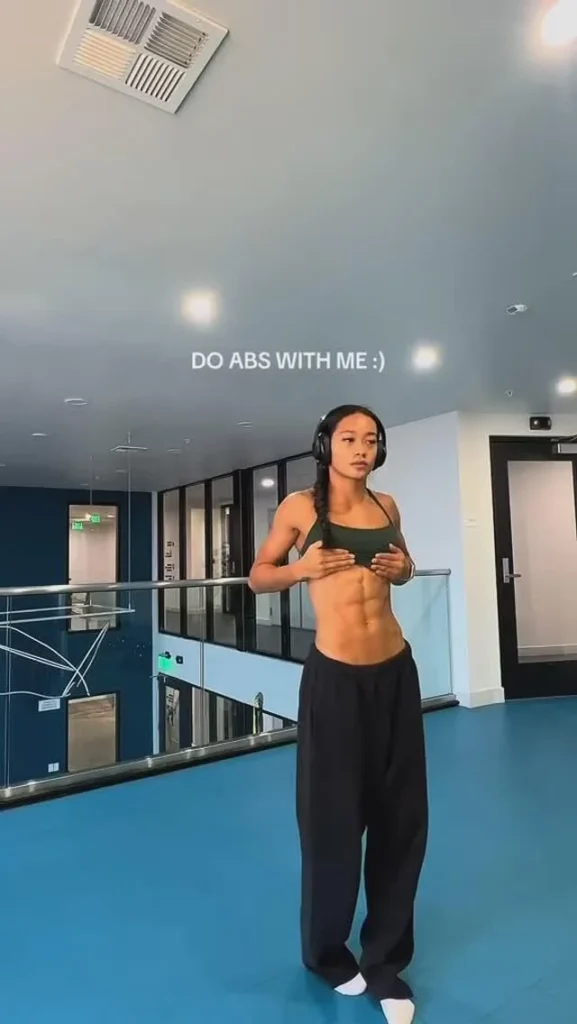
olivia jewel on Instagram: “ABS ! 2-3 sets, 12x each exercise, 1 min plank 🤝🏽 #explorepage #explore #fitness #healthylifestyle #abs #workout #fitnessmotivati… [Video] [Video] in 2025 | Abs workout, Gym workouts, Flat belly workout

Olivia Jewel’s Simple, Effective Abs Routine — How to Make It Work for You

Olivia Jewel’s quick Instagram cue — “ABS ! 2-3 sets, 12x each exercise, 1 min plank” — is deceptively simple. It’s a compact blueprint you can use on busy days to maintain core strength and a flat midsection if paired with consistent training and nutrition. If you want a full session around this concept, consider pairing core work with upper-body strength for posture and functional carryover; a focused dumbbell shoulder workout makes a natural complement to keep your shoulders stable while you progress your core.

The routine — a structured template

Olivia’s template translates well into this beginner-to-intermediate circuit you can repeat 2–3 rounds:

  • Reverse crunches — 12 reps
  • Bicycle crunches — 12 reps each side
  • Hanging or lying leg raises — 12 reps
  • Russian twists (weighted or bodyweight) — 12 reps each side
  • Forearm plank — 1 minute

Rest 45–75 seconds between rounds. Adjust sets: start with 2 rounds and build to 3 as you get stronger.

Why mix core with back work

A strong “six-pack” is only part of a resilient midsection. Training the posterior chain — especially the lats and low-back — balances spinal stability and reduces injury risk. For athletes or gym-goers wanting wider, stronger wings and better posture that enhances core function, a dedicated back session can be paired on other training days; explore a complete approach in this detailed back workout for stronger, wider wings to see how pulling strength supports your abs work.

Technique cues and common mistakes

  • Breathe: exhale on the effort (e.g., crunch up), inhale on the return.
  • Control the tempo: 1–2 seconds up, 1–2 seconds down — no flinging.
  • Quality over quantity: if form breaks, drop reps or swap to an easier variation.
  • Avoid excessive neck strain: tuck your chin and use core engagement rather than pulling on the head.

Progressions and variations

  • Make planks harder: add shoulder taps, single-leg raises, or increase hold time by 10–15 seconds.
  • Increase resistance: add a light dumbbell to Russian twists or hold a medicine ball for leg raises.
  • Advanced move: perform L-sits, windshield wipers, or weighted hanging leg raises once base strength is solid.

Nutrition and recovery basics

  • Abs are revealed in the kitchen as much as in the gym: maintain a slight calorie deficit and prioritize lean protein, fiber, and whole foods.
  • Sleep and hydration matter for recovery and visible results; aim for consistent sleep and at least 1.5–2 L water daily (more if training intensely).

Quick weekly example

  • Mon: Upper body + light abs circuit (Olivia-style)
  • Tue: Lower body + mobility
  • Wed: Back-focused session (heavy pulls)
  • Thu: Rest or active recovery (walk, yoga)
  • Fri: Shoulders + abs circuit
  • Sat: Full-body conditioning
  • Sun: Rest

Conclusion
Olivia Jewel’s IG note is a practical reminder that short, structured core sessions can be effective when executed with good form and consistency. Use the 2–3 set, 12-rep framework as a baseline, pair core work with balanced upper- and lower-body training, and prioritize nutrition and recovery to see the best results.

olivia jewel on Instagram: “ABS ! 2-3 sets, 12x each exercise, 1 min plank 🤝🏽 #explorepage #explore #fitness #healthylifestyle #abs #workout #fitnessmotivati… [Video] [Video] in 2025 | Abs workout, Gym workouts, Flat belly workout Read More »

, , , ,
Leila demonstrating an abs workout at home with coaching tips on Instagram.

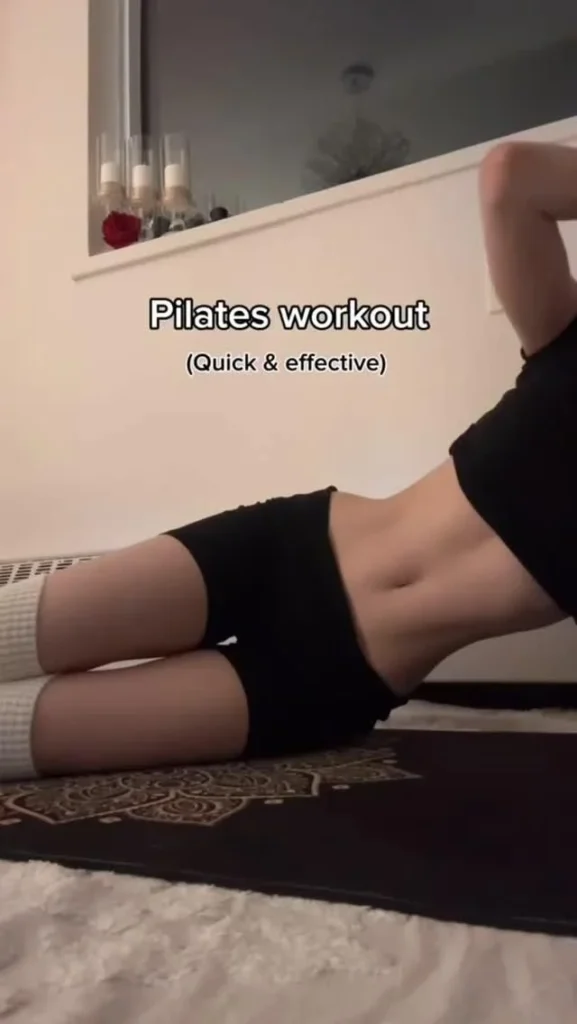
[Видео] «[Видео] «Leila on Instagram: “Try this at home, 3-5x a week 1:1 coaching in my bio 🤎 #absworkout #pilates #homeworkout Cc:Melanie (on tiktok)”»» в 2025 г | Тренировка для пресса, Тренировки, Ежедневные физические упражнения

Try This At Home: A Simple 3–5x/Week Pilates Abs Workout

Short, focused home workouts are trending — and for good reason. Leila’s recent clip encouraging viewers to “Try this at home, 3–5x a week” captures the modern approach: consistent, short sessions that build control and tone without needing a gym. Keep in mind that while targeted ab work strengthens and sculpts the core, spot reduction is a myth, so combine core training with overall conditioning and nutrition to see the best results.

This article breaks down an effective, pilates-inspired abs routine you can do at home, how often to do it, progressions, and quick nutrition tips to support your efforts.

Why 3–5x per week works

  • Frequency builds skill and endurance. Short, frequent sessions reinforce movement patterns and muscle recruitment.
  • Recovery matters. If you do this routine 5 times a week, keep intensity moderate and listen to soreness; 3–4 sessions is ideal for most people balancing other workouts.
  • Consistency beats intensity. Ten to 25 minutes of focused core work most days is better than sporadic, exhaustive sessions.

Pilates principles for better abs

Pilates emphasizes control, breath, and precision — all of which translate to safer, more effective core training:

  • Neutral spine and pelvic awareness keep pressure off the lower back.
  • Slow, controlled movements increase time under tension without needing heavy weights.
  • Breathing patterns (exhale on exertion) help engage the deep transverse abdominis and pelvic floor.

20-minute Home Pilates Abs Routine (Beginner → Advanced)

Warm-up (2–3 minutes)

  • Cat–cow 30 sec
  • Standing roll-downs with slow breaths 1 minute

Main set (repeat circuit 2–3 rounds)

  1. Hundreds (modified): 30–60 seconds — pump arms with small inhales/exhales, keeping ribs in.
  2. Single-leg stretch: 8–12 reps per side — focus on pelvic stability.
  3. Double leg lower (controlled): 8–10 reps — stop if your back arches.
  4. Criss-cross (slow): 10–16 total reps — rotate with control, not momentum.
  5. Plank to knee tap: 30–45 seconds — maintain a straight line, draw belly button to spine.
  6. Pilates leg circles (small): 6–8 each direction per leg — keep hips stable.

Cool-down (2–4 minutes)

  • Child’s pose with diaphragmatic breathing 1 minute
  • Supine knees-to-chest and gentle twist 1–2 minutes

Progressions: increase reps, add a third round, or extend hold times. Add a weighted or resistance-element only after mastering form.

Nutrition and recovery (short guide)

Ab-focused training benefits greatly from proper fueling and recovery. Prioritize lean protein and whole foods after workouts to support muscle repair. For easy meal ideas that pair well with grilling season and post-workout recovery, consider including high-protein foods that are great for grilling like chicken breasts, salmon, or firm tofu to make quick, nutritious dinners after training.

Hydration, sleep, and stress management also play major roles in visible progress and energy levels.

Common form mistakes to avoid

  • Over-cranking the neck during crunches — support the head with the hands and lead with the chest.
  • Holding breath — exhale on effort to maximize core engagement.
  • Letting the lower back arch on leg lowers — reduce range of motion if needed.
  • Relying on momentum — slower, controlled reps are more effective.

When to seek coaching

If you have persistent lower back pain, diastasis recti, or previous abdominal surgery, consider 1:1 coaching to tailor movements and progressions safely. A coach can correct subtle compensations and create a plan that fits your schedule and goals.

Conclusion
A compact, pilates-based abs routine done 3–5 times a week can improve core strength, posture, and movement quality. Combine consistent practice with whole-body conditioning and mindful nutrition for the best results. Start slow, prioritize form, and gradually challenge yourself — your core will thank you.

[Видео] «[Видео] «Leila on Instagram: “Try this at home, 3-5x a week 1:1 coaching in my bio 🤎 #absworkout #pilates #homeworkout Cc:Melanie (on tiktok)”»» в 2025 г | Тренировка для пресса, Тренировки, Ежедневные физические упражнения Read More »

, , , ,
Scroll to Top