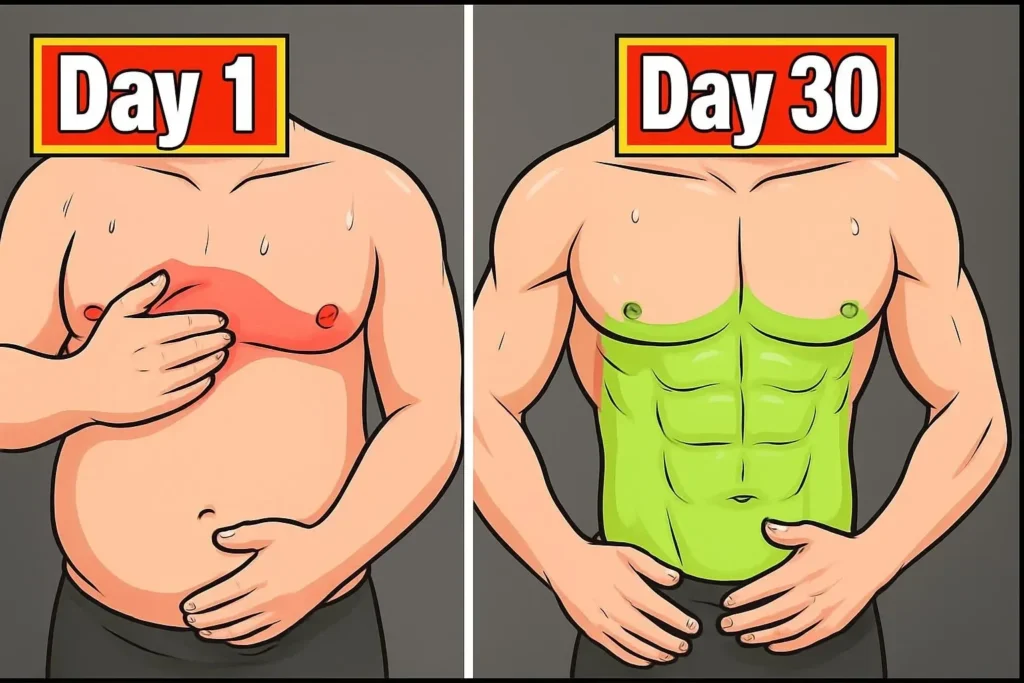
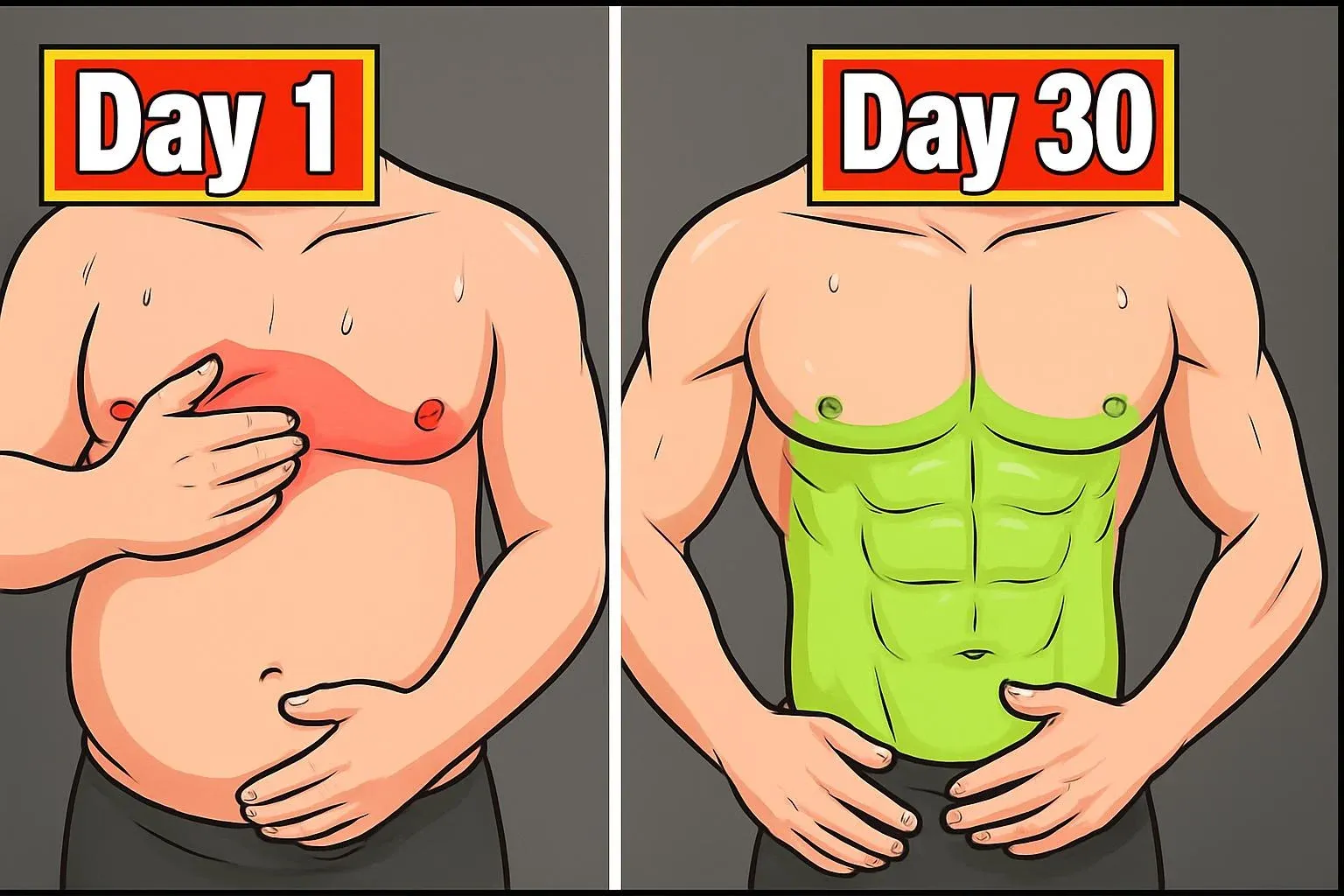
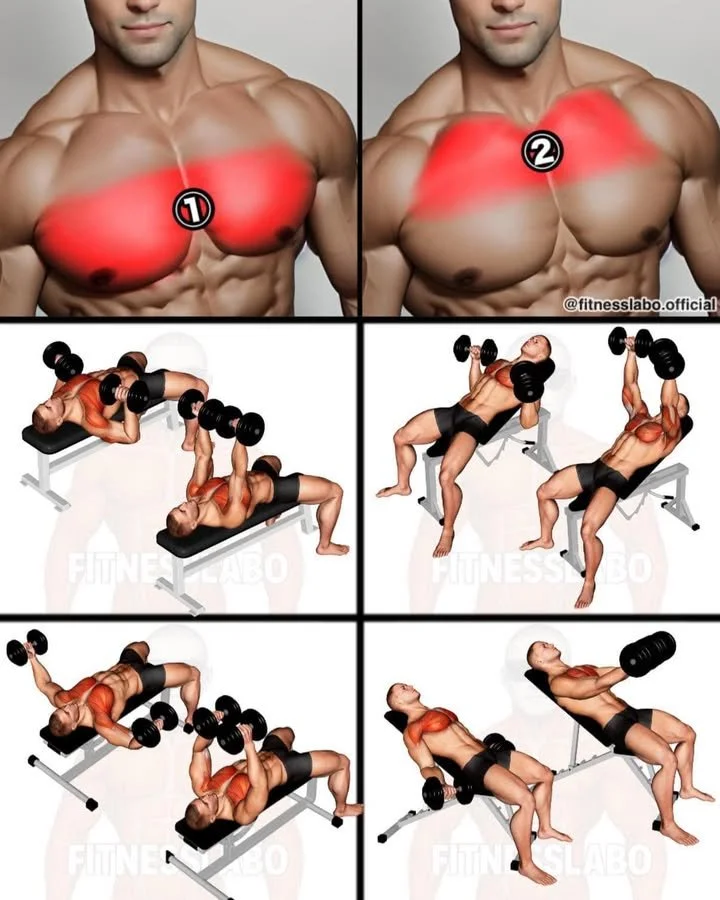
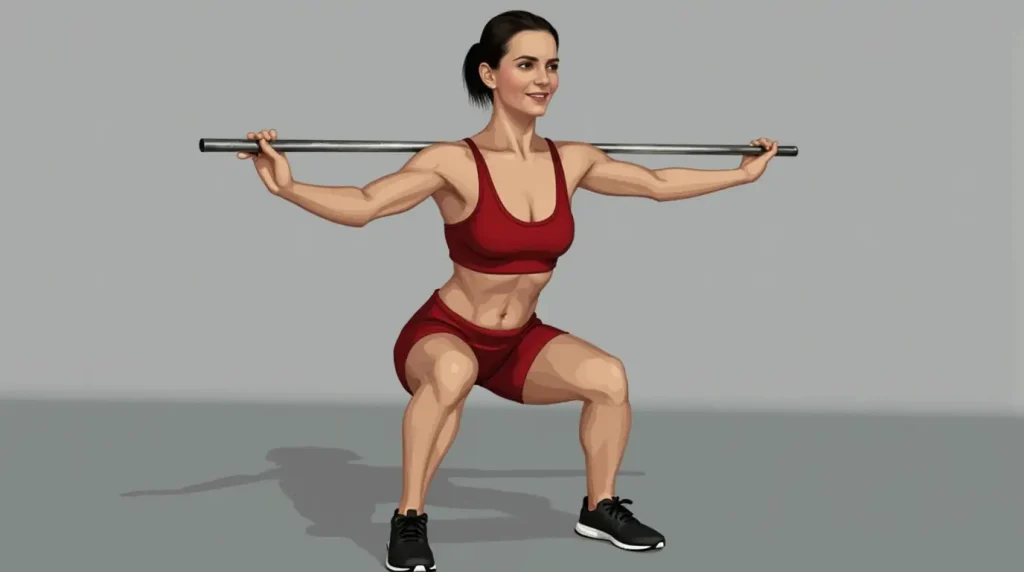
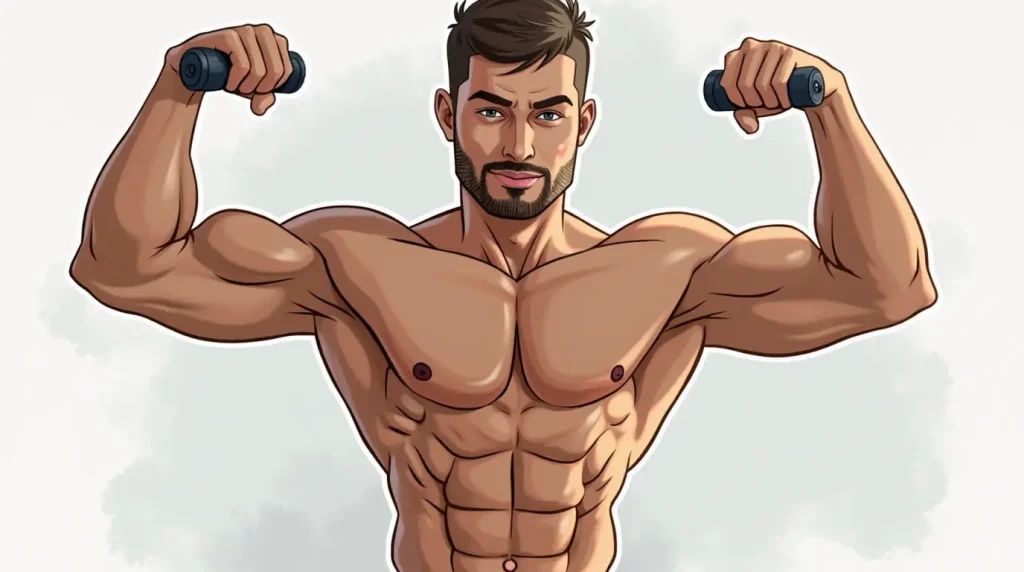
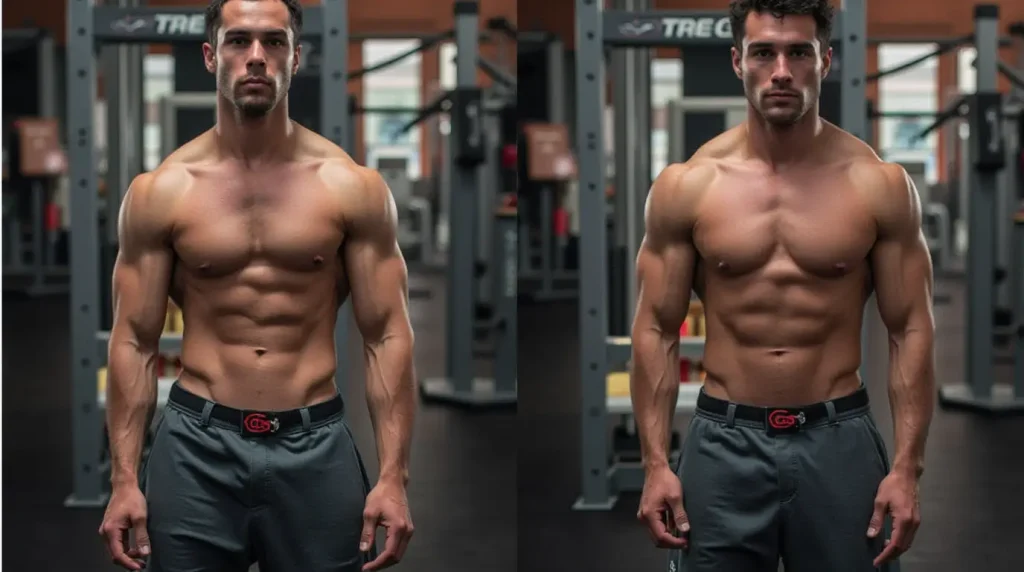
If you’re dealing with "man boobs" (excess chest fat or gynecomastia), the answer isn’t more push-ups — it’s a smart combination of targeted resistance work, compound lifts, and fat-loss strategies. Strengthening surrounding muscle groups also improves posture and chest appearance; for tips on shoulder-focused work try these top cable shoulder exercises to build a stronger frame and improve chest presentation.
Why push-ups aren’t the only solution
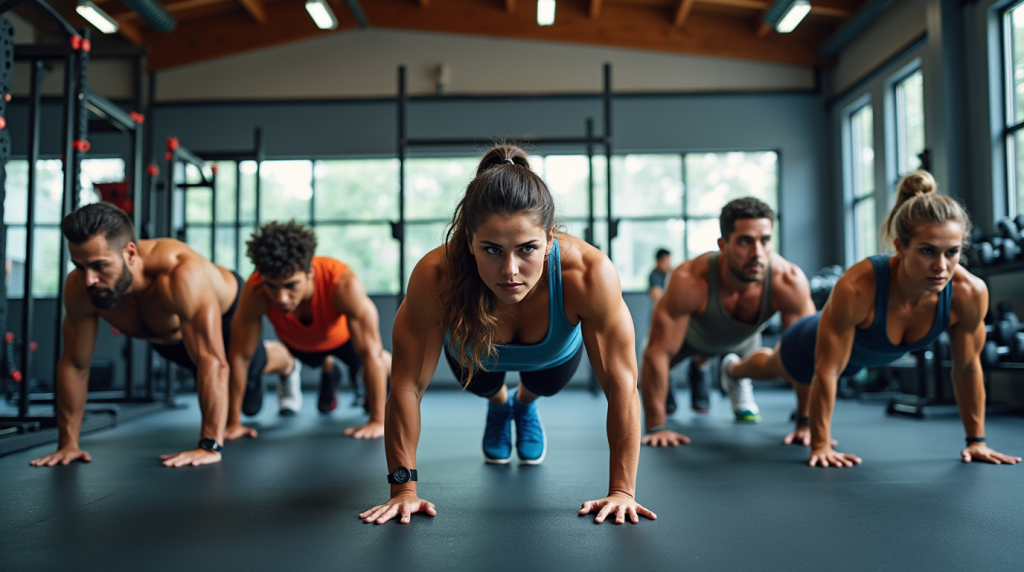
Push-ups work, but they mostly use bodyweight and don’t always overload the pecs or address upper-chest development and posture.
Excess chest size is often a combination of fat and weak chest/upper-back balance — so you need hypertrophy, progressive loading, and fat loss.
Key exercises (do these instead of endless push-ups)
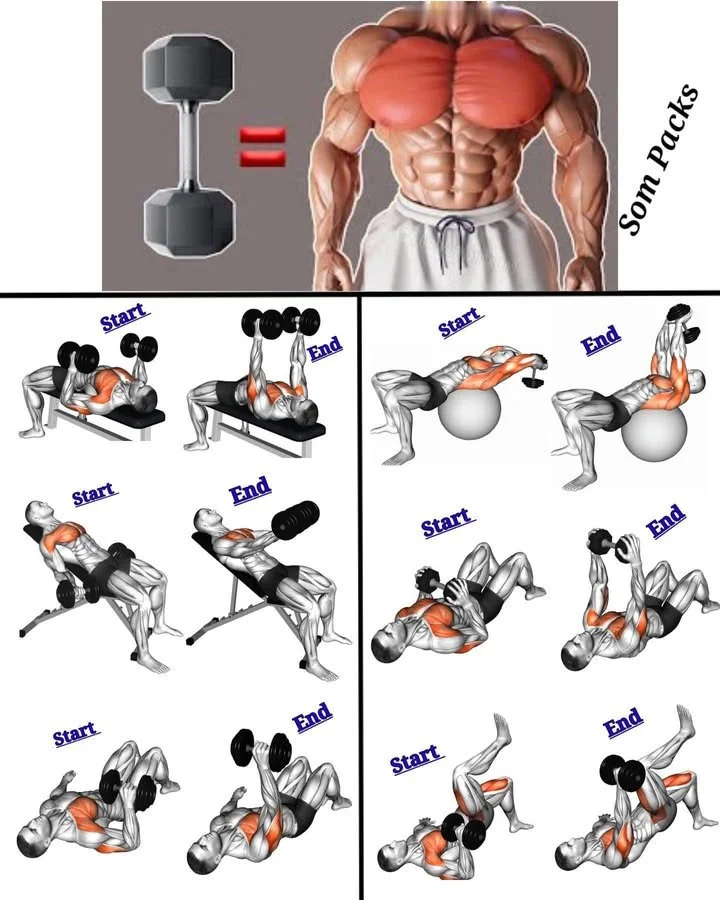
Incline Dumbbell Press
Targets the upper chest to lift and firm the area under the collarbone.
3–4 sets of 8–12 reps, controlled tempo, full range of motion.
Cable or Dumbbell Flyes (High to Low)
Emphasizes the lower and inner chest, helps tighten the pectoral shape.
3 sets of 10–15 reps, focus on the squeeze at peak contraction. For more lower-chest moves see this lower-chest exercise guide.
Incline/Decline Bench Variation
Use both incline and slight decline angles across sessions to balance chest development.
3 sets of 6–10 reps for strength, or 10–15 for hypertrophy.
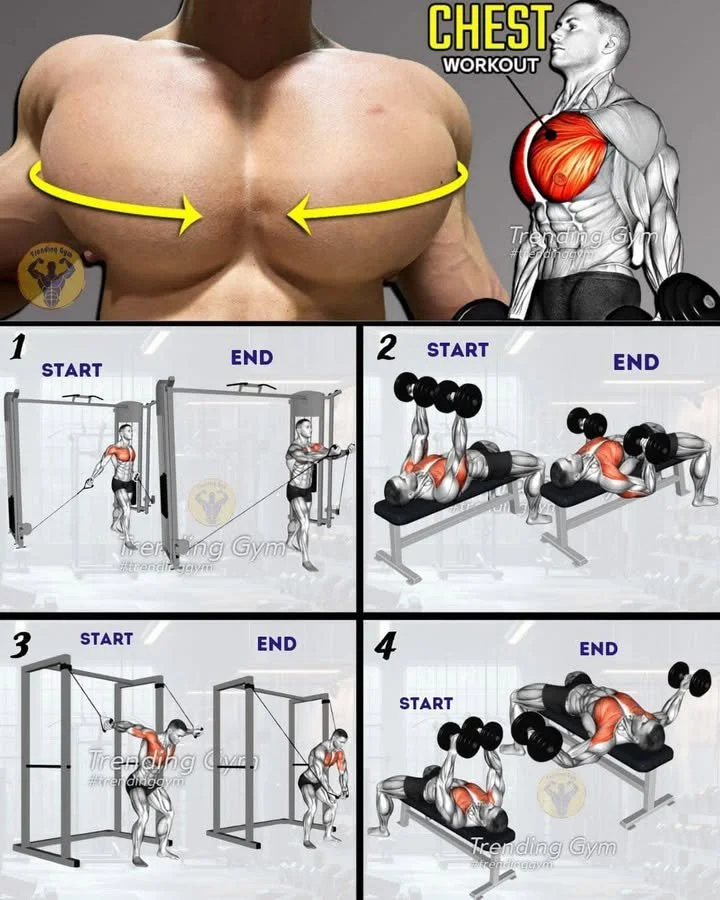
Cable Crossovers (Low Pulley)
Great for continuous tension and inner-chest definition.
Keep tension through the motion and pause at the finish.
Rowing and Rear-Delt Work
Strong upper back pulls shoulders into a better position, reducing the "slumped" look that emphasizes chest sag.
Include face pulls, seated rows, and chest-supported rows 2x/week.
Programming tips
Frequency: Train chest 2x per week with 48–72 hours between sessions.
Progressive overload: Increase weight, reps, or time under tension week-to-week.
Combine with full-body compound lifts (squats, deadlifts, rows) to boost metabolic demand.
Cardio: Add 2–3 sessions of moderate cardio per week (20–40 minutes) for fat-loss support.
Nutrition and lifestyle
A calorie deficit of 300–500 kcal/day, prioritized protein (0.7–1.0 g/lb bodyweight), and adequate sleep will help reduce chest fat.
If gynecomastia is glandular or hormonal, consult a medical professional — exercise helps appearance but may not fully resolve glandular tissue.
Sample mini workout (twice weekly)
Incline Dumbbell Press 4×8–10
Cable Flyes (high-to-low) 3×12
Seated Cable Row 3×8–10
Face Pulls 3×15
Optional finisher: 10–15 minutes steady-state cardio or interval sprints
Conclusion
To reduce chest fat and improve shape, combine targeted chest work, upper-back strengthening, consistent caloric control, and cardio. For additional at-home movements and a simple exercise list focused on reducing chest size, see this helpful resource: 10 simple Breast Reduction exercises for at home | Pall Mall.
Few names command the old-school bodybuilding mystique like Arnold Schwarzenegger. His chest development was legendary, and chest flys were a core tool he used to sculpt that full, sweeping pec line. This article breaks down how to approach flys with Arnold-style intent: heavy focus on form, mind-muscle connection, volume, and smart variation.
Introduction: The Arnold mindset
Arnold trained with purpose: high volume, strict technique, and an obsession with feeling the muscle work. Before you begin loading plates, warm up thoroughly, and remember that chest development is about more than one movement — it’s about how flys fit into your overall push work and shoulder health. For balanced upper-body development that supports heavy chest work, consider integrating solid shoulder practice such as the seated dumbbell shoulder press into your routine.
Core principles of Arnold-style flys
Mind-muscle connection: Slow, deliberate reps with a conscious squeeze at the top are non-negotiable. Arnold emphasized feeling the pecs do the work, not letting momentum or the delts steal it.
Full range of motion with control: Stretch the pecs at the bottom without dropping the weights; return to a strong peak contraction.
Variety and frequent stimulation: Use dumbbells, cables, and peck-deck machines across workouts to hit fibers from different angles.
High but smart volume: Multiple sets and some supersets (e.g., pressing into flys) promote hypertrophy when recovery and nutrition are managed.
How to perform the classic dumbbell fly (Arnold-style)
Setup: Lie on a flat or incline bench with a dumbbell in each hand, palms facing one another. Slight bend in the elbows.
Descent: Open the arms in a wide arc, lowering until you feel a deep stretch in the chest — not the shoulder joint. Maintain the bend in your elbows.
Ascent: Drive the motion back up by bringing the hands together in an arc, imagining hugging a tree. Pause and squeeze at the top for 1–2 seconds.
Pump session: 5–6 sets of alternating cable flys (each side) 12–20 reps, focusing on contraction and full stretch.
Progressive overload and recovery
Arnold trained frequently and with high volume, but he also planned progressive overload: increase reps, weight, or time under tension gradually. Recovery (sleep, protein intake, and periodized deloads) is essential; flys create significant muscle damage when done with full ROM and high volume.
Cable flys (low-to-high or high-to-low): Keep constant tension throughout the range.
Pec-deck machine: Great for controlled peak contraction and finishing sets.
Single-arm cable flys: Great for correcting imbalances and building unilateral control.
Avoiding common mistakes
Dropping elbows too low: Can overload the shoulder capsule. Stop when you feel the chest stretch, not a shoulder pinch.
Using heavy momentum: Swinging reduces pec engagement and risks injury.
Skipping presses: Flys are a fantastic isolation tool, but compound presses are required for structural mass. Balance both.
Balancing your physique
Arnold’s approach was full-body symmetry. Don’t neglect lower-body work or posterior chain strength — they support overall hormonal balance and stability for heavy upper-body lifts. If you need alternatives or variety for leg training to complement your chest focus, check out these Bulgarian split squat alternatives to build lower-body strength without excessive balance strain.
Quick troubleshooting FAQ
Chest not growing despite flys? Assess progressive overload, diet, rest, and ensure you’re also pressing heavy.
Soreness vs. pain? Mild soreness is fine; sharp joint pain means stop and evaluate form or reduce ROM.
How often to train chest? 1–3 times per week depending on volume and recovery — Arnold often trained chest twice weekly with varied intensity.
The chest fly is a staple isolation move that stretches and contracts the pectoral muscles in a way pressing movements can’t fully replicate. Whether you’re aiming for better chest shape, improved muscle activation, or finishing off a heavy pressing day, flys are an essential tool. If you want a variation that targets the upper pecs with a rotational cue, check out this dumbbell chest workout with twist incline fly for ideas on sets and rep ranges that emphasize the upper fibers.
This article explains why flys work, how to perform them safely, which variations to use, and sample programming to add them to your routine.
Why Flys Work
Isolation for the chest: Fly movements put the pectoralis major under long-axis tension, emphasizing stretch and peak contraction.
Complementary to presses: Presses (bench, incline, dips) are compound and allow heavy loading. Flys let you focus on range of motion and mind-muscle connection without heavy triceps involvement.
Hypertrophy benefits: Moderate loads with controlled tempo and full range increase time under tension, which is effective for muscle growth.
Variations and When to Use Them
Dumbbell Flat Fly: Classic, best for mid-chest development and full pec stretch.
Incline Dumbbell Fly: Targets upper chest. Use moderate incline (15–30°) to shift emphasis upward.
Decline Fly: Emphasizes lower chest fibers.
Cable Fly (standing or lying): Keeps constant tension throughout the range; excellent for finishing sets and peak contraction.
Pec Deck Machine: Great for beginners or for isolating without stabilizer fatigue.
Single-arm and alternating flys: Useful for correcting imbalances and for stricter control.
For a concise plan that blends fly variations into a complete chest routine, the best chest workout routine overview offers a straightforward 4-exercise scheme you can adapt.
Proper Technique (Dumbbell Fly Example)
Setup: Lie flat on a bench with a dumbbell in each hand, palms facing each other. Feet planted, back neutral.
Start position: Bring weights together above chest with a slight bend in elbows. This bend should stay consistent.
Descent: Open arms wide in a controlled arc, feeling a stretch across the chest. Go until your elbows are roughly in line with the bench (or a comfortable stretch), not necessarily until your upper arm is parallel with the floor if shoulder comfort is an issue.
Ascent: Reverse the arc by squeezing the chest and bringing dumbbells together above chest, maintaining the elbow angle.
Breathing: Inhale on the descent; exhale on the squeeze upward.
Tempo: Typical hypertrophy tempo is 2–4 seconds down, 1–2 second pause (optional), then 1–2 seconds up.
Common mistakes:
Using too heavy a weight and turning the fly into a press.
Dropping elbows too low (risking shoulder strain).
Excessive speed, losing muscle tension.
Programming and Sample Workouts
Guidelines:
Reps: 8–15 for hypertrophy; 12–20 for a higher-rep finisher.
Sets: 3–5 sets depending on how much chest volume you’re accumulating that session.
Placement: Use flys after heavy compound presses or as a finisher at the end of a chest workout.
Progression: Increase time under tension, range of motion, or add a few reps before increasing weight.
Sample Routines:
Mass-focused chest day
Barbell bench press: 4 sets × 6–8 reps
Incline dumbbell press: 3 sets × 8–10 reps
Dumbbell flat fly: 3–4 sets × 10–12 reps
Cable crossovers (high to low): 3 sets × 12–15 reps
Chest-finisher circuit
Incline dumbbell fly (moderate weight) 12 reps
Flat bench push-ups 15 reps
Cable fly (slow negatives) 12–15 reps
Rest 60–90 seconds and repeat for 3 rounds
Safety, Mobility, and Progressions
Warm up shoulders and scapulae with band pull-aparts and rotator cuff activation.
Limit the range if you feel sharp anterior shoulder pain—maintain a safe, comfortable stretch.
Mix cables and dumbbells to manage load and constant tension differences.
Progress by increasing reps, adding a drop set, slowing eccentric tempo, or slightly increasing weight while preserving form.
Top 4 Dumbbell Chest Exercises for a Stronger, Better-Defined Chest
Building a solid chest with just a pair of dumbbells is entirely possible when you choose the right exercises and focus on form. Below is a concise, practical guide to four highly effective dumbbell moves, plus programming tips, common mistakes to avoid, and how to pair chest days with complementary work. If you want a ready-made template that uses four key moves, see this best chest workout routine — 4 exercises to compare variations and rep schemes.
The Top 4 Dumbbell Chest Exercises
Flat Dumbbell Chest Press
What it does: Primary pressing movement for overall chest mass and strength; also engages triceps and front delts.
How to do it: Lie flat on a bench, press dumbbells from chest level to full extension, palms facing forward (or slightly turned in for comfort). Keep shoulder blades retracted and feet planted.
Reps/sets: 3–4 sets of 8–15 reps. Use heavier weight for 6–8 reps to build strength, or moderate weight for 12–15 reps to emphasize hypertrophy and endurance.
Tip: Pause briefly at the bottom on tougher sets to eliminate momentum and increase muscle activation.
Close‑Grip Dumbbell Press (For inner chest and triceps synergy)
What it does: A close-grip variation narrows the line of force and brings more emphasis to the inner chest and triceps without needing machines.
How to do it: On a flat bench, hold dumbbells with palms facing each other or slightly angled, keep the dumbbells close together throughout the pressing motion, and press them up while maintaining a controlled path.
Reps/sets: 3 sets of 10–15 reps to focus on time under tension.
Tip: Keep elbows tucked slightly to protect the shoulder joint; this variation can also be a great finisher.
Incline Dumbbell Press
What it does: Targets the upper chest (clavicular head) and helps create a fuller, balanced chest.
How to do it: Set bench at 25–40 degrees, press dumbbells upward and slightly together at the top. Avoid excessive incline to prevent overloading anterior delts.
Reps/sets: 3 sets of 8–12 reps.
Tip: Think of driving the weights up and slightly inward to emphasize upper pec contraction.
Dumbbell Flyes (Flat or Incline)
What it does: Stretches and isolates the chest fibers, improving shape and the “stretch-contract” stimulus.
How to do it: With a slight bend in the elbows, open arms wide on the eccentric and bring dumbbells together over the chest on the concentric. Move through a controlled arc; don’t drop too low to avoid shoulder strain.
Reps/sets: 3 sets of 10–15 reps.
Tip: Use lighter weight than presses. Focus on a slow eccentric (3 seconds) to maximize tension.
Structuring the Session and Progression
Sample session: 1) Incline DB Press 3×8–12, 2) Flat DB Press 3×8–12, 3) Dumbbell Flyes 3×10–15, 4) Close‑Grip DB Press 3×12–15.
Frequency: Train chest 1–2 times per week depending on recovery and total volume.
Progression: Increase load when you can hit the top of the rep range with solid form for two sessions in a row. Alternatively, add a set or reduce rest to create overload.
Rest: 60–90 seconds between sets for hypertrophy; 2–3 minutes for heavier strength-focused sets.
Pairing Chest Work with Other Muscle Groups
Balancing your upper-body training is important. Chest days often pair well with triceps and shoulders, or you can alternate with back/biceps days to allow recovery. If you focus on arms on a separate day and want a simple, effective arm routine to complement your dumbbell chest work, consider this concise 4 biceps exercises routine — barbell only to balance pushing sessions with pulling-focused arm development.
Common Form Mistakes and Safety Notes
Overarching the lower back: Keep a neutral spine and a slight natural arch only. Clamp the ribcage down by engaging core.
Using too much weight: Sacrificing range of motion and control reduces muscle activation and increases injury risk.
Flaring elbows excessively: Leads to shoulder strain—keep elbows at about 45 degrees from the torso on presses.
Rushing reps: Slow, controlled reps increase time under tension and build better muscle quality.
Conclusion
Four well-chosen dumbbell exercises—flat press, incline press, close-grip press, and flyes—cover the movement patterns needed to build chest thickness and shape. Prioritize form, progressive overload, and program balance, and you’ll see steady gains without needing a lot of complex equipment.
Effective Dumbbell Chest Workout for Strength and Definition
In the realm of strength training, a well-rounded chest workout is essential for building upper body strength, improving posture, and enhancing athletic performance. Utilizing dumbbells allows for a greater range of motion and engages stabilizing muscles, leading to more effective workouts. Below is a unique dumbbell chest workout designed to challenge your muscles and promote growth.
Dumbbell Chest Workout Routine
1. Twist Dumbbell Press
Sets: 3
Reps: 12-15
The Twist Dumbbell Press not only targets your pectorals but also engages your triceps and shoulders. Begin by lying on a flat bench with a dumbbell in each hand, palms facing your feet before twisting them outward as you press the weights upward, creating a fluid motion that enhances muscle activation.
2. Incline Dumbbell Press
Sets: 3
Reps: 12-15
Moving on to the Incline Dumbbell Press, this variation emphasizes the upper chest muscles and shoulders. Set your bench to an incline of about 30-45 degrees. Press the dumbbells from shoulder height to above your chest while maintaining a stable core and controlled movement. Remember to exhale as you lift the weights and inhale as you lower them.
3. Dumbbell Fly
Sets: 3
Reps: 12-15
The Dumbbell Fly is a classic exercise that focuses on chest stretching and contraction, improving muscle development and definition. Lying flat on a bench, hold the dumbbells above your chest with a slight bend in your elbows. Gradually lower the weights out to your sides, feeling the stretch in your chest before bringing them back to the starting position. Keep your movements slow and controlled to maximize effectiveness.
4. Incline Low Fly
Sets: 3
Reps: 12-15
For a twist on the standard fly, the Incline Low Fly targets the upper chest from a different angle. Set your bench to an incline and perform the fly motion, keeping the dumbbells lower than your chest. This variation helps to isolate and define the upper pectoral muscles while adding diversity to your workout routine.
Workout Tips
Warm-Up: Always start with a proper warm-up to prepare your muscles and joints, reducing the risk of injury.
Rest: Ensure you take 60-90 seconds of rest between sets.
Form over Weight: Prioritize proper form over lifting heavier weights to minimize injury risk and maximize effectiveness.
Cool Down: After your workout, take some time to stretch and cool down, which will help with recovery and flexibility.
Conclusion
Integrating this dumbbell chest workout into your fitness routine can effectively enhance your upper body strength and muscle definition. By focusing on form, controlling your movements, and pushing your limits, you’ll be well on your way to achieving a stronger, more defined chest. Remember, consistency is key, so be sure to incorporate this workout regularly for the best results!
Stay committed, and enjoy the journey to a sculpted chest!
When it comes to building a strong, defined chest, incorporating dumbbells into your workout regimen can be highly effective. Not only do dumbbells allow for a greater range of motion compared to traditional barbell exercises, but they also enable unilateral training, helping to correct muscular imbalances. In this article, we will explore a unique dumbbell-only chest workout that targets all areas of your chest, ensuring a well-rounded development.
Why Choose Dumbbells?
Dumbbells provide a variety of benefits for your chest workout:
Increased Range of Motion: Dumbbells allow for a deeper stretch and contraction of the chest muscles.
Muscle Activation: Stabilizing muscles are engaged more effectively, enhancing overall muscle development.
Flexibility: Dumbbells can be used in various positions and angles, which can help target the upper, middle, and lower parts of the chest.
The Dumbbell-Only Chest Routine
Here’s a comprehensive chest workout using only dumbbells. Aim for 3-4 sets of 8-12 repetitions for each exercise.
1. Dumbbell Bench Press
How to Perform:
Lie flat on a bench with a dumbbell in each hand, palms facing forward.
Press the dumbbells upward until your arms are fully extended.
Lower the weights slowly until your elbows are at about a 90-degree angle.
Muscle Focus: Targets the middle chest and triceps.
2. Incline Dumbbell Press
How to Perform:
Set the bench to a 30-45 degree incline.
Start with the dumbbells at shoulder height, palms facing forward.
Press the weights upward until your arms are fully extended, then lower back to the starting position.
Muscle Focus: Emphasizes the upper chest.
3. Dumbbell Flyes
How to Perform:
Lie on a flat bench, holding a dumbbell in each hand above your chest with a slight bend in your elbows.
Lower the dumbbells out to the sides in a wide arc until you feel a stretch in your chest.
Bring the weights back together above your chest, squeezing your pectorals.
Muscle Focus: Stretches and activates the entire chest muscle.
4. Dumbbell Pullover
How to Perform:
Lie on a bench perpendicular to your body, with your upper back supported and your feet grounded.
Hold a single dumbbell with both hands above your chest, arms slightly bent.
Slowly lower the dumbbell behind your head until you feel a stretch in your chest.
Pull it back up to the starting position.
Muscle Focus: Works the chest and engages the lats.
5. Dumbbell Push-Ups
How to Perform:
Hold a dumbbell in each hand while in a push-up position.
Perform a push-up while maintaining the dumbbells under your shoulders.
Muscle Focus: Focuses on the chest while also engaging triceps and shoulders.
Tips for Success
Warm-Up: Always warm up before starting your workout to prevent injuries.
Choose the Right Weight: Select a weight that challenges you but allows you to maintain proper form.
Control Your Movements: Focus on slow, controlled movements to maximize muscle engagement.
Rest and Recover: Give your muscles time to recover between workouts for optimal growth.
Conclusion
Dumbbells are an excellent tool for building chest strength and mass. By incorporating this dumbbell-only chest workout into your fitness routine, you can achieve impressive results. Remember to focus on form, control, and consistency. Happy lifting! 💪
The Ultimate Chest Workout Routine for a Defined Upper Body
When it comes to building a strong and defined chest, having a solid workout routine is crucial. Whether you’re a beginner or an experienced lifter, incorporating a variety of exercises can help target different areas of the chest, ensuring balanced development and optimal results. Below, we present the 4 Best Chest Workout Routine that will elevate your chest day to the next level!
The Routine Breakdown
1. Low Cable Fly
The low cable fly focuses on the lower pectoral region and increases stability and control. Using cable machines allows for constant tension on the muscles throughout the movement.
How to Perform: Stand in the middle of two cable machines with the pulleys set low. Grab the handles with your palms facing up. Step slightly forward, lean in a bit, and pull the cables up and together in an arc motion, feeling the contraction in your chest.
Sets/Reps: 3 sets of 10-12 reps
2. Dumbbell Bench Press
A timeless classic, the dumbbell bench press activates multiple muscle groups, targeting the chest, shoulders, and triceps effectively.
How to Perform: Lie back on a flat bench with a dumbbell in each hand. Start with the weights at the sides of your chest, palms facing forward. Push the dumbbells upward until your arms are fully extended, then lower back down while keeping control.
Sets/Reps: 3 sets of 10-12 reps
3. Bent High Fly
Bent high flys focus on the upper chest, helping to create that desired fullness and roundness.
How to Perform: Stand with your feet shoulder-width apart, bend slightly at the hips, and hold a dumbbell in each hand. With your elbows slightly bent, lift the weights out to the side and up, squeezing your chest at the top of the movement.
Sets/Reps: 3 sets of 10-12 reps
4. Dumbbell Fly on Bench
This exercise isolates the chest muscles while stretching them to enhance flexibility and promote growth.
How to Perform: Lie on a flat or incline bench holding dumbbells above your chest. With a slight bend in your elbows, lower the weights outward in a wide arc until you feel a stretch in your chest. Bring the weights back to the starting position.
Sets/Reps: 3 sets of 10-12 reps
Conclusion
Incorporating these four exercises into your chest workout routine will provide a well-rounded approach to developing a defined upper body. Remember to focus on form over quantity and to progressively increase the weights as you develop strength. Happy lifting!
Hashtags
#fitness #chestworkout #fblifestyle
This workout is designed to challenge your limits while promoting muscle growth and endurance. Give it a try and build the chest of your dreams!
what is Basic shoulder chest exercise with dumbbells
If you’re looking to enhance your upper body strength and overall fitness, incorporating dumbbell exercises into your routine is a fantastic way to start. This article will guide you through some essential shoulder and chest exercises that you can perform using dumbbells. These exercises are perfect for beginners and can be easily adjusted to fit your fitness level.
Why Dumbbells?
Dumbbells are versatile and effective tools that allow for a wide range of motion compared to machines. They engage stabilizing muscles and help promote balanced strength development. Here are a few benefits of using dumbbells for your shoulder and chest workouts:
Improved Muscle Engagement: Dumbbells require more effort from your stabilizer muscles, leading to better muscle coordination and balance.
Greater Range of Motion: With dumbbells, you can achieve a wider range of motion which can lead to better muscle activation.
Accessibility: Dumbbells are lightweight and easy to store, making them accessible for home workouts.
Key Exercises
Let’s explore some fundamental exercises that target the shoulders and chest. Each of these exercises can be performed with just a pair of dumbbells and can suit a variety of fitness levels.
1. Dumbbell Bench Press
Target Muscles: Chest, Triceps, Shoulders
How to Perform:
Lie on a flat bench with a dumbbell in each hand, palms facing forward.
Extend your arms above your chest, keeping your elbows slightly bent.
Lower the dumbbells slowly to the sides of your chest.
Press the weights back to the starting position.
Tip: Keep your feet flat on the ground for stability.
2. Dumbbell Shoulder Press
Target Muscles: Shoulders, Upper Chest, Triceps
How to Perform:
Stand or sit with a dumbbell in each hand at shoulder height, palms facing forward.
Press the weights overhead until your arms are fully extended.
Lower the dumbbells back to shoulder height.
Tip: Avoid arching your back; engage your core to maintain a stable posture.
3. Dumbbell Lateral Raise
Target Muscles: Shoulders (Deltoids)
How to Perform:
Stand with a dumbbell in each hand, arms at your sides.
With a slight bend in your elbows, raise the dumbbells out to the sides until they reach shoulder height.
Lower the weights back to your sides.
Tip: Perform the movement slowly to maximize tension on the muscles.
4. Dumbbell Fly
Target Muscles: Chest, Shoulders
How to Perform:
Lie on a flat bench holding a dumbbell in each hand, arms extended above your chest.
With a slight bend in your elbows, slowly lower the dumbbells out to the sides in an arc until you feel a stretch in your chest.
Bring the weights back together to the starting position.
Tip: Keep the movement controlled to avoid injury.
5. Dumbbell Front Raise
Target Muscles: Shoulders (Anterior Deltoids)
How to Perform:
Stand with a dumbbell in each hand, arms at your sides.
Raise one dumbbell straight in front of you to shoulder height, keeping your arm straight.
Lower it back down and repeat with the other arm.
Tip: Switch arms after each set for balanced development.
Conclusion
Incorporating these dumbbell exercises into your workout routine can significantly enhance your shoulder and chest strength. Aim to perform these exercises 2-3 times a week, allowing for adequate rest between training sessions.
Remember, consistency is key. Pair these exercises with a balanced diet and adequate hydration to achieve the best results. Stay focused and enjoy your fitness journey as you build a stronger, healthier upper body!
For more tips on exercise and lifestyle, follow #fblifestyle on social media and share your fitness journey with us!
Are you looking to build a stronger, more defined upper body but unsure where to start? Whether you’re a beginner taking your first steps into fitness or an experienced gym-goer aiming to level up your strength, upper body workouts are a cornerstone of any effective fitness routine. From sculpting toned arms and a powerful chest to improving posture and overall functional strength, a well-rounded upper body workouts plan can transform not just your physique but also your daily life.
In this Ultimate Guide to Upper Body Workouts for All Fitness Levels, we’ll break down everything you need to know to get started, or to take your training to the next level. You’ll discover the best exercises for targeting key muscle groups, learn how to create a workout plan tailored to your goals, and pick up expert tips to maximize your results. No matter your fitness level, this guide is your one-stop resource for building a stronger, healthier, and more confident upper body.
1. Why Upper Body Workouts Are Essential for Overall Fitness
Why Upper Body Workouts Are Essential for Overall Fitness
Upper body workouts is a critical component of overall fitness and plays a vital role in both physical health and daily functionality. While many people focus on lower body strength or cardio, neglecting the upper body can lead to imbalances, poor posture, and limited performance in everyday activities. Here’s why building upper body workouts is so important and how it can benefit you:
1. Improved Posture and Spinal Health
A strong upper body, particularly the back and shoulder muscles, helps maintain proper posture. In today’s world, where many of us spend hours sitting at desks or looking at screens, weak upper body muscles can lead to slouching, rounded shoulders, and even chronic pain. Strengthening muscles like the trapezius, rhomboids, and latissimus dorsi helps pull your shoulders back and align your spine, reducing the risk of discomfort and long-term postural issues.
2. Enhanced Functional Strength for Daily Activities
Upper body workouts aren’t just about looking good, they’re about making everyday tasks easier. Whether you’re lifting groceries, carrying your kids, or moving furniture, a strong upper body improves your ability to perform these activities with ease. Functional exercises like push-ups and shoulder presses mimic real-life movements, building strength that translates directly into your daily life.
3. Improved Posture and Reduced Risk of Injury
A strong upper body is crucial for maintaining proper posture, especially in today’s world where many of us spend hours hunched over desks or screens. Exercises like rows and pull-ups strengthen your back muscles, helping to counteract slouching and reduce the risk of chronic pain. Additionally, a balanced upper body workouts routine ensures that all muscle groups are equally developed, preventing imbalances that can lead to injuries.
4. Better Athletic Performance
Whether you’re a runner, swimmer, cyclist, or play sports like basketball or tennis, upper body workouts plays a key role in your performance. A strong upper body improves your ability to generate power, maintain stability, and endure physical demands. For instance, swimmers rely on their shoulders and arms for propulsion, while runners benefit from strong arms to maintain momentum and balance.
5. Balanced Muscle Development for a Toned Physique
If you’re aiming for a well-proportioned, toned physique, upper body workouts are a must. Targeting muscles like the chest, shoulders, arms, and back helps create a balanced look, whether your goal is to build muscle mass or simply tone up. Plus, a strong upper body complements lower body strength, giving you a complete, athletic appearance.
6. Boosted Confidence and Mental Health
There’s something incredibly empowering about feeling strong and capable. Building upper body strength not only improves your physical abilities but also boosts your self-esteem and mental well-being. The sense of accomplishment that comes from mastering new exercises or lifting heavier weights can have a positive impact on your overall mindset.
7. Supports Overall Fitness Goals
Upper body strength is a key component of a well-rounded fitness routine. It complements lower body strength and cardiovascular fitness, ensuring that your body is balanced and capable of handling a variety of physical challenges. Whether you’re aiming to lose weight, build muscle, or improve endurance, upper body workouts are an essential part of the equation.
8. Long-Term Health Benefits
Maintaining upper body strength as you age is crucial for preserving independence and quality of life. Strong muscles help you stay active, reduce the risk of falls, and make it easier to perform daily tasks, even as you get older. Investing in your upper body strength now pays off in the long run.
Upper body strength is about more than just looking good, it’s about feeling strong, capable, and healthy in every aspect of your life. By incorporating upper body workouts into your fitness routine, you’ll not only improve your physical appearance but also enhance your overall well-being. So, whether you’re a beginner or a seasoned fitness enthusiast, don’t underestimate the power of a strong upper body. Start today and experience the transformative benefits for yourself!
2. Key Muscle Groups Targeted in Upper Body Workouts
Key Muscle Groups Targeted in Upper Body Workouts
Upper body workouts focus on several major muscle groups, each playing a unique role in movement, strength, and stability. Understanding these muscles and their functions can help you design a balanced and effective workout routine. Here’s a breakdown of the key muscle groups targeted in upper body workouts:
Chest (Pectorals)
The chest muscles, or pectorals, are located in the front of your upper body and are primarily responsible for pushing movements. Exercises like bench presses, push-ups, and chest flys target this area, helping to build strength, power, and a well-defined chest. Strong pectorals also support activities like lifting and pushing objects in daily life.
Back (Latissimus Dorsi, Trapezius, Rhomboids)
The back muscles are among the largest and most important muscle groups in the upper body. The latissimus dorsi (lats) and trapezius (traps) are key players in pulling movements, such as pull-ups, rows, and lat pulldowns. These muscles help improve posture, stabilize the spine, and create a strong, V-shaped back. The rhomboids, located between the shoulder blades, assist in retracting and stabilizing the scapulae.
Shoulders (Deltoids)
The shoulder muscles, or deltoids, are divided into three parts: anterior (front), lateral (side), and posterior (rear) deltoids. They are responsible for lifting and rotating the arms, as well as stabilizing the shoulder joint. Exercises like shoulder presses, lateral raises, and rear delt flys target these muscles, enhancing shoulder strength, mobility, and overall upper body stability.
Arms (Biceps and Triceps)
The arms consist of two main muscle groups: the biceps (front of the arm) and the triceps (back of the arm). The biceps are involved in pulling and curling motions, such as bicep curls and chin-ups, while the triceps assist in pushing movements, like tricep dips and bench presses. Strong arms are not only aesthetically pleasing but also essential for daily tasks like lifting and carrying.
Core (Abs and Obliques)
While often associated with lower body workouts, the core muscles play a vital role in upper body workouts by providing stability and balance. The rectus abdominis (abs) and obliques (side muscles) help maintain proper form during movements like planks, push-ups, and overhead presses. A strong core also protects the spine and enhances overall athletic performance.
Why These Muscle Groups Matter
Each of these muscle groups works together to create a strong, functional, and balanced upper body. Neglecting any one group can lead to muscle imbalances, poor posture, and increased risk of injury. By incorporating exercises that target all these areas, you’ll build a well-rounded upper body that’s not only powerful but also resilient and capable of handling everyday challenges.
3. Best Upper Body workouts for All Fitness Levels
Best Upper Body workouts for All Fitness Levels
Whether you’re just starting out or looking to challenge yourself, there’s an upper body workouts for everyone. Here’s a breakdown of the best upper body workouts tailored to different fitness levels, ensuring you can build strength and progress at your own pace.
Beginner: Push-Ups, Wall Push-Ups, Resistance Band Rows
If you’re new to upper body workouts, start with bodyweight exercises like push-ups and wall push-ups. These movements build foundational strength without requiring equipment. Resistance band rows are another great option for beginners, as they target the back muscles while being low-impact and easy to modify.
Push-Ups
Targets: Chest, shoulders, triceps, and core.
How to Do It: Start in a plank position with your hands slightly wider than shoulder-width apart. Lower your body until your chest nearly touches the floor, then push back up. Modify by doing knee push-ups if needed.
Why It’s Great: A classic bodyweight exercise that requires no equipment and builds overall upper body strength.
Wall Push-Ups
Targets: Chest, shoulders, and triceps.
How to Do It: Stand facing a wall, place your hands on it at shoulder height, and perform a push-up motion.
Why It’s Great: An excellent modification for those building strength or recovering from injury.
Resistance Band Rows
Targets: Back, biceps, and shoulders.
How to Do It: Loop a resistance band around a sturdy object, hold the ends, and pull toward your torso while squeezing your shoulder blades together.
Why It’s Great: A low-impact exercise that strengthens the back and improves posture.
Once you’ve mastered the basics, incorporate dumbbell bench press, pull-ups, and shoulder presses into your routine. These exercises add resistance to challenge your muscles further, promoting growth and strength. Pull-ups, in particular, are a fantastic compound exercise that engages multiple upper body muscles at once.
Dumbbell Bench Press
Targets: Chest, shoulders, and triceps.
How to Do It: Lie on a bench with a dumbbell in each hand, lower the weights to chest level, then press them back up.
Why It’s Great: Adds resistance to build muscle mass and strength.
Pull-Ups
Targets: Back, biceps, and shoulders.
How to Do It: Grab a pull-up bar with an overhand grip, pull your body up until your chin clears the bar, then lower yourself slowly.
Why It’s Great: A challenging compound exercise that builds upper body power.
Dumbbell Shoulder Press
Targets: Shoulders and triceps.
How to Do It: Sit or stand with dumbbells at shoulder height, press them overhead until your arms are fully extended, then lower them back down.
Why It’s Great: Strengthens the shoulders and improves overhead mobility.
For those with more experience, advanced exercises like barbell bench press, weighted pull-ups, and tricep dips take your upper body workout to the next level. These movements require greater strength and control, helping you push past plateaus and achieve new levels of muscle development.
Barbell Bench Press
Targets: Chest, shoulders, and triceps.
How to Do It: Lie on a bench with a barbell, lower it to your chest, then press it back up.
Why It’s Great: A staple for building upper body mass and strength.
Weighted Pull-Ups
Targets: Back, biceps, and shoulders.
How to Do It: Attach a weight plate or wear a weighted vest while performing pull-ups.
Why It’s Great: Increases the intensity of pull-ups for advanced strength gains.
Tricep Dips
Targets: Triceps, chest, and shoulders.
How to Do It: Use parallel bars or a sturdy surface, lower your body by bending your elbows, then push back up.
Why It’s Great: A challenging bodyweight exercise that builds arm and shoulder strength.
Tips for Progression
Start Slow: If you’re a beginner, focus on mastering proper form before adding weight or intensity.
Gradual Increase: Use the principle of progressive overload by gradually increasing weight, reps, or sets over time.
Mix It Up: Incorporate a variety of exercises to target all muscle groups and prevent plateaus.
4. Creating an Effective Upper Body Workouts Plan
Creating an Effective Upper Body Workouts Plan
An effective upper body workouts plan is more than just a random collection of exercises, it’s a carefully designed routine that targets all major muscle groups, balances intensity, and allows for proper recovery. Whether you’re a beginner or an advanced fitness enthusiast, here’s how to create a plan that works for you.
How Many Sets and Reps to Perform (e.g., 3 Sets of 10-12 Reps)
A well-structured upper body workouts plan typically includes 3-4 sets of 8-12 reps per exercise. This rep range is ideal for building muscle strength and size. For endurance-focused workouts, aim for higher reps (15-20) with lighter weights.
Importance of Rest Days and Recovery
Rest days are just as important as workout days. Your muscles need time to recover and grow after intense upper body workouts. Aim for at least 1-2 rest days per week, and consider alternating muscle groups to avoid overtraining.
Sample Weekly Workout Split (e.g., 2-3 Upper Body Sessions Per Week)
A balanced weekly split might include 2-3 upper body workouts sessions, focusing on different muscle groups each day. For example:
Day 1: Chest and Triceps
Day 2: Back and Biceps
Day 3: Shoulders and Core
How you divide your workouts throughout the week depends on your fitness level and schedule. Here are a few examples:
Full Upper Body Workouts (2-3 Days/Week):
Perform all upper body workouts in one session.
Ideal for beginners or those with limited time.
Push/Pull Split (3-4 Days/Week):
Push Day: Focus on chest, shoulders, and triceps (e.g., bench press, shoulder press, tricep dips).
Pull Day: Focus on back and biceps (e.g., pull-ups, rows, bicep curls).
Allows for more volume and recovery for each muscle group.
Muscle Group Split (4-5 Days/Week):
Dedicate each day to a specific muscle group (e.g., Chest Day, Back Day, Shoulder Day).
Best for advanced lifters looking to maximize muscle growth.
5. Tips for Maximizing Your Upper Body Workouts Results
Tips for Maximizing Your Upper Body Workouts Results
Getting the most out of your upper body workouts requires more than just showing up at the gym or doing a few push-ups at home. To maximize your results, whether your goal is to build muscle, increase strength, or improve endurance, you need to focus on strategy, consistency, and recovery. Here are 7 actionable tips to help you achieve your upper body fitness goals:
Focus on Proper Form to Avoid Injury
Proper form is critical for preventing injuries and ensuring you’re targeting the right muscles. Take the time to learn the correct technique for each exercise, and don’t hesitate to ask a trainer for guidance if needed.
How to Do It:
Learn the correct technique for each exercise (watch tutorials or consult a trainer).
Start with lighter weights to master the movement before increasing intensity.
Avoid using momentum or swinging your body during lifts.
Incorporate Progressive Overload for Muscle Growth
To continue making progress, gradually increase the weight, reps, or intensity of your upper body workouts. This principle, known as progressive overload, is key to building strength and muscle over time.
How to Do It:
Gradually increase the weight, reps, or sets of your exercises.
Reduce rest periods between sets to increase intensity.
Combine Strength Training with Proper Nutrition and Hydration
Your diet plays a huge role in your fitness results. Fuel your body with protein-rich foods, healthy fats, and complex carbs to support muscle recovery and growth. Staying hydrated is equally important for optimal performance during your workouts.
Building a stronger, more defined upper body is within your reach, no matter your current fitness level. With the right exercises, a well-structured plan, and a commitment to consistency, you can achieve remarkable results that go beyond just aesthetics. Upper body workouts not only enhance your physical appearance but also improve your posture, boost your functional strength, and contribute to overall health and confidence.
Remember, progress takes time, so be patient with yourself and celebrate every milestone along the way. Whether you’re performing your first push-up or mastering advanced weighted exercises, every step forward is a victory. Use the tips and strategies in this guide to create a routine that works for you, and don’t forget to prioritize proper form, recovery, and nutrition to maximize your results.
For more expert tips and advanced techniques on upper body workouts, check out this comprehensive guide from Healthline.
Now it’s your turn! Lace up your sneakers, grab those dumbbells (or just your bodyweight), and start your upper body workouts journey today. Share your progress, challenges, and successes in the comments below, we’d love to hear from you! Here’s to a stronger, healthier, and more confident you. 💪
FAQ: Upper Body Workouts
1. Can I Do Upper Body Workouts at Home Without Equipment?
Answer: Absolutely! Bodyweight exercises like push-ups, tricep dips, and planks are excellent for building upper body strength without any equipment. You can also use household items like water bottles or resistance bands for added resistance
2. How Often Should I Train My Upper Body?
Answer: For most people, training the upper body 2-3 times per week is ideal. This allows enough time for muscle recovery while still providing consistent stimulation for growth. Beginners can start with 2 days, while advanced lifters may benefit from 3-4 days with a split routine.
3. How Long Does It Take to See Results from Upper Body Workouts?
Answer: Results vary depending on factors like consistency, diet, and genetics. However, with a proper workout plan and nutrition, you may start noticing improvements in strength and endurance within 4-6 weeks. Visible muscle growth typically takes 8-12 weeks or more.
4. What’s the Difference Between Push and Pull Exercises?
Answer: Push exercises (e.g., bench press, push-ups) target muscles involved in pushing movements, like the chest, shoulders, and triceps. Pull exercises (e.g., pull-ups, rows) focus on muscles used in pulling motions, like the back and biceps. A balanced routine includes both types of exercises.
5. Can Women Benefit from Upper Body Workouts?
Answer: Yes! Upper body workouts are just as important for women as they are for men. They help improve posture, build functional strength, and create a balanced, toned physique. Women don’t need to worry about “bulking up”, building significant muscle mass requires specific training and nutrition.