
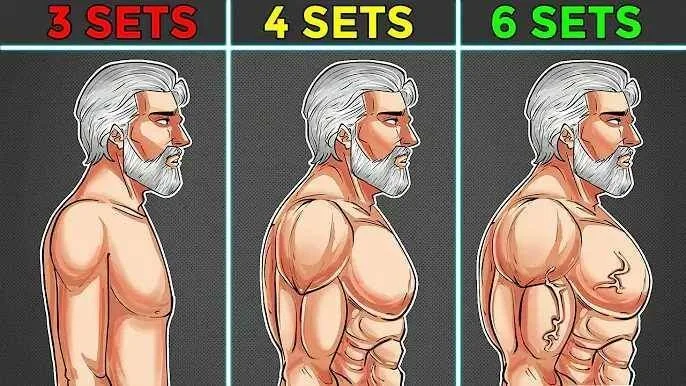
building muscle

Man exercising to build muscle after age 40 with weights

Why You’re NOT Building Muscle After 40 (and how to fix it)

Title: Forty and Strong: Fix Your Muscle Gains

A lot of people over 40 wonder why gains slow or stop even when they’re training hard. The truth is that age brings specific changes — lower hormones, slower recovery, and different nutritional needs — but none of these are fatal to progress. With targeted adjustments to training, nutrition, and recovery you can rebuild or even exceed your previous strength and muscle. If food cravings or poor choices sabotage your diet, see this guide on why cravings happen and how to stop them to stay on track.
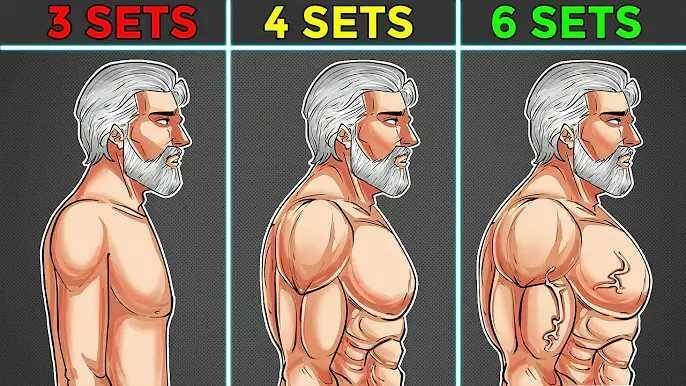
Why You're NOT Building Muscle After 40 (and how to fix it)

What changes after 40

  • Hormones: Testosterone and growth hormone decline with age, making muscle growth harder but not impossible.
  • Muscle protein synthesis slows: You need stronger anabolic signals (heavier loads, more protein, strategic nutrition) to trigger growth.
  • Recovery capacity drops: Sleep and recovery become as important as the workout itself.
  • Lifestyle factors compound the issue: stress, activity level, and diet have bigger effects than in your 20s.

Train smarter, not just harder

  • Prioritize compound lifts: Squats, deadlifts, presses and rows stimulate more muscle and hormonal response.
  • Emphasize progressive overload: Increase load, reps or volume gradually — consistency beats spikes.
  • Add quality hypertrophy work: 6–12 rep ranges for most sets, with occasional heavier sets (3–6 reps) to maintain strength.
  • Respect recovery: schedule rest days, deloads, and active recovery weeks to avoid chronic fatigue or injury.

Nutrition that actually builds muscle

  • Eat enough protein: Aim for 1.0–1.6 g/kg bodyweight per day (higher end for those pushing heavy training).
  • Spread protein through the day: 25–40 g per meal to maximize muscle protein synthesis.
  • Balance calories: Slight surplus supports growth; too large a surplus adds unwanted fat.
  • Use strategic food choices: whole foods first, targeted supplements second. For quick, protein-forward options try high-protein smoothies and recipes that support muscle-building like these 8 high-protein smoothie recipes to build muscle.

Recovery, sleep and stress

  • Sleep 7–9 hours: Growth and repair happen during deep sleep.
  • Manage stress: chronic cortisol suppresses recovery and muscle-building signals.
  • Mobility and soft tissue work: improves movement quality, reduces injury risk, and lets you lift heavier over time.
  • Monitor load vs capacity: pain that doesn’t improve with modest modifications needs professional attention.

Programming and practical tips

  • Frequency: Hitting each muscle group 2x per week is ideal for many lifters over 40.
  • Volume: Moderate weekly volume with careful progression is better than frequent intensity spikes.
  • Tempo and form: Slower, controlled reps improve muscle tension without unnecessary joint strain.
  • Track progress: Keep simple logs for weight, sets, and recovery markers (sleep, mood, soreness).

Mindset and longevity

  • Be patient: remodeling muscle takes time, especially with life demands.
  • Prioritize consistency: small regular improvements beat intermittent intense bursts.
  • Seek support: coaches, training partners, and reliable resources help maintain form and motivation.
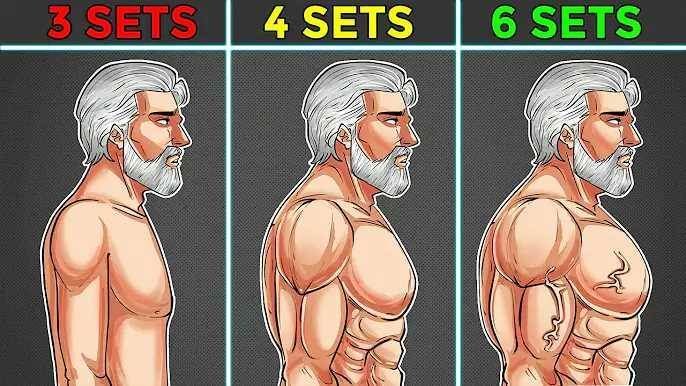
Why You're NOT Building Muscle After 40 (and how to fix it)

Conclusion

Want a concise, practical roadmap tailored to building muscle after 40? This comprehensive guide on Building Muscle After 40 offers clear benefits and program ideas to help you rebuild strength safely and effectively. (Visit the full resource here: Building Muscle After 40)

Why You’re NOT Building Muscle After 40 (and how to fix it) Read More »

, , , ,
Building muscle without creatine - effective strategies for muscle growth.

No Creatine, No Gains? The Brutal Truth About Building Muscle Without a Secret Weapon

Gains Without Creatine

First thing’s first: no, creatine isn’t a miracle drug you absolutely must take to build muscle — but it is a powerful, convenient aid. If you choose to train without it, the road is still very much open; it just requires smarter programming, sharper nutrition, and realistic expectations about timelines. This article lays out how to get meaningful hypertrophy without relying on that "secret weapon."

No Creatine, No Gains? The Brutal Truth About Building Muscle Without a Secret Weapon

Why creatine helps (and what you lose when you skip it)

  • Creatine increases available phosphocreatine in muscles, boosting short, intense efforts and helping you squeeze out extra reps or a heavier set.
  • Without it you may see slightly slower strength gains early on and less ability to hit those last grind-reps that stimulate extra growth.
  • The trade-off: no supplementation means you avoid the small risks, costs, and habit of daily dosing — and many lifters still build impressive muscle naturally.

Introduction: set expectations and a plan
If your goal is visible muscle and strength but you’re opting out of creatine, be clear on timeframes: gains may be marginally slower and recovery from maximal efforts might feel different. That said, with disciplined training and nutrition you can still progress steadily. For programming ideas focused on unilateral strength and stability that pair well with no-supplement approaches, check out Bulgarian split squat alternatives to build robust lower-body work without overloading the central nervous system every session.

How muscle grows without a supplement

  • Mechanical tension: Lift heavy (relative to you) and prioritize progressive overload. Track reps, weight, and tempo.
  • Metabolic stress: Use higher-rep sets, dropsets, and short rest periods to create cellular signaling for growth.
  • Muscle damage and repair: Controlled eccentric loading (slow negatives) stimulates remodeling. Balance this with adequate recovery.
  • Volume matters most: Total weekly volume per muscle group is a primary driver of hypertrophy. If you can’t push intensity as high each session, increase sets across the week.

Diet tweaks to compensate

  • Aim for a slight caloric surplus (200–350 kcal/day) if your goal is hypertrophy. Prioritize protein at ~1.6–2.2 g/kg bodyweight.
  • Time your carbs around workouts to fuel effort and replenish glycogen; this helps maintain training quality without creatine’s burst-capacity boost.
  • Creatine can increase cell water and muscle fullness; without it, emphasize sodium and carbohydrate timing to maintain training performance on heavy days.
  • For guidance on how food choices affect performance and recovery across broader eating styles, see how organic and non-organic choices play into food quality — it’s not creatine, but food quality matters.

Training strategies that work well without creatine

  • Prioritize barbell compound lifts 2–3x/week (e.g., squat, bench, deadlift, row, press) to build overall strength.
  • Use autoregulation (RPE or leaving 1–2 reps in reserve) to avoid chronic overreaching when you can’t rely on extra short-term power.
  • Add hypertrophy-focused accessory work: 8–15 rep ranges, varied tempos, and controlled eccentrics.
  • Increase weekly volume gradually and deload every 4–8 weeks depending on fatigue signs.

Recovery and non-training factors

  • Sleep 7–9 hours where possible — recovery drives protein synthesis.
  • Manage stress and maintain consistent meal timing.
  • Consider caffeine for acute performance (pre-workout) but don’t equate it to creatine’s effects.
  • Stay hydrated and monitor electrolyte balance, particularly if you noticed added muscle fullness when previously using creatine.

Common pitfalls when skipping creatine

  • Expecting the same week-to-week jumps in strength — they’ll be smaller.
  • Training too hard too often because you’re compensating mentally for “missing” the supplement.
  • Underestimating the need for consistent progressive overload and volume.
  • Neglecting nutrition timing and total calories; supplements don’t replace fundamentals.

A simple 8-week approach (sample)
Weeks 1–4

  • 3 weight sessions/week: full-body template (squat/press/row + 2 accessory movements).
  • Rep ranges: 4–6 heavy sets; 8–12 accessory sets; total weekly volume per muscle: moderate.
  • Focus: technique, build consistency.
    Weeks 5–8
  • Increase weekly sets by ~10–20% for each major muscle group.
  • Add slow eccentrics and a weekly higher-rep finisher per muscle.
  • Evaluate progress: if strength and size stalling, add another set or adjust calories.

Small wins to track

  • Increased working sets at a given weight.
  • More accurate execution of tempo and eccentrics.
  • Clothing fit and measurements rather than scale weight alone.
  • Consistent increases in weekly volume or training load.

No Creatine, No Gains? The Brutal Truth About Building Muscle Without a Secret Weapon

Conclusion

You can absolutely build meaningful muscle without creatine by dialing in progressive overload, weekly volume, recovery, and nutrition — but expect slightly slower short-term gains and be methodical. If you’re curious about dietary pitfalls that commonly affect older adults who may be altering their nutrition for performance or body composition, read this resource: 7 Mistakes People Over Age 50 Make With The Keto Diet.

No Creatine, No Gains? The Brutal Truth About Building Muscle Without a Secret Weapon Read More »

, , , ,
Scroll to Top