Building muscle faster doesn’t require a cabinet full of powders and pills — just a short, smart stack of supplements, consistent training, and solid nutrition. Below I break down the truly essential supplements that give the biggest return on time and money, how to use them, and safety notes so you can stack intelligently.
Introduction
Focus on evidence-based staples first. Supplements are aids, not substitutes for progressive overload, sleep, and calories. If you struggle with specific lifts or balance, consider alternatives like these Bulgarian split squat alternatives to keep training consistent while you add the following basics.
The core supplements (the "ONLY" you need)
Protein powder (whey or plant)
Why: Ensures you hit daily protein targets conveniently, supporting muscle protein synthesis and recovery.
How to use: Aim for ~0.7–1.0 g per pound of bodyweight from all food; use a shake to fill gaps. Post-workout or between meals both work.
Tip: Blend into meals or try high-protein smoothies when you need calories and convenience.
Creatine monohydrate
Why: The most-researched supplement for strength and lean mass gains. Increases available ATP for short, intense efforts.
How to use: 3–5 g daily. Loading (20 g/day split for 5–7 days) speeds saturation but isn’t necessary.
Safety: Extremely safe for healthy adults when taken at recommended doses; stay hydrated.
Omega-3 (fish oil)
Why: Supports recovery, joint health, inflammation control, and overall well-being — useful when training volume increases.
How to use: 1–3 g combined EPA + DHA daily from a quality supplement or fatty fish.
Vitamin D (if deficient)
Why: Many adults are low in vitamin D, which can impair recovery, immune function, and mood — indirect but real effects on training consistency.
How to use: Test first if possible. Typical supplementation ranges from 1,000–4,000 IU/day, tailored to blood levels.
Caffeine (strategic, not daily high doses)
Why: Proven to boost performance, focus, and perceived exertion when taken pre-workout.
How to use: 3–6 mg/kg 30–60 minutes before training. Use only on training days or when you need a performance boost to avoid tolerance.
Optional single-purpose extras (use only if needed)
Beta-alanine: For longer sets or repeated sprint work (helps buffering), 2–5 g/day with 400 mg doses to reduce tingling.
A basic multivitamin: If your diet lacks variety, use a once-daily multivitamin as nutritional insurance.
How to prioritize and stack
Start with protein and creatine — these two give the largest, consistent impact for strength and muscle.
Add omega-3 and fix vitamin D if tests show deficiency or you have limited sun exposure.
Use caffeine only as a situational enhancer for hard sessions; don’t rely on it for every workout.
Keep supplements simple: one high-quality protein, creatine monohydrate, and a fish oil; add others only for specific needs.
Safety and quality control
Choose third-party tested brands when possible (NSF, Informed-Sport, USP).
Don’t exceed recommended doses; consult a healthcare professional if you have medical conditions, are pregnant, or take medications.
Remember supplements complement — they don’t replace — whole foods, progressive training, and sleep.
Practical sample daily plan
Breakfast: Protein + whole-food meal
Pre-workout: Caffeine (if needed)
Post-workout: Protein shake + creatine (3–5 g)
Daily: Fish oil and vitamin D (if supplementing)
Conclusion
Stick to the essentials — high-quality protein, creatine monohydrate, omega‑3s, and only add vitamin D or caffeine when needed — and you’ll cover the supplements that reliably speed muscle growth while minimizing cost and complexity. For a deeper, evidence-based overview of supplement roles and recommendations, see this comprehensive guide from supplements-for-muscle-growth | NASM.
Getting leaner and stronger at night isn’t magic — it’s strategy. Men over 40 can accelerate muscle growth by stacking simple, science-backed nighttime habits that improve recovery, hormone balance, and protein synthesis. For an easy bedtime nutrition boost, try incorporating high-protein options like high-protein smoothies into your evening routine to support overnight repair.
1. Prioritize 7–9 Hours of Quality Sleep
Muscle repair and growth happen mostly during deep sleep when growth hormone and repair processes peak. Aim for consistent sleep and a dark, cool room (around 65°F / 18°C). Remove screens 60–90 minutes before bed to improve sleep onset and depth.
2. Nighttime Protein: Casein or Lean Choices
Consume a slow-digesting protein 60–90 minutes before bed (about 20–40g). Casein-rich dairy or a small cottage cheese bowl are classics because they supply amino acids steadily through the night. If you prefer whole foods after evening training, prioritize lean, lower-fat options and proven post-workout choices like those covered in lean meat and synthesis research.
3. Keep Evening Workouts Moderate and Focused
Intense late-night cardio can interfere with sleep; instead, schedule resistance training earlier, or do focused, moderate strength sessions in the evening that end at least 60–90 minutes before bed. Short, intense strength sessions still stimulate muscle protein synthesis without compromising sleep when timed properly.
4. Manage Late-Night Stress and Cortisol
Chronic elevated cortisol can blunt muscle-building pathways. Build a short wind-down routine: deep breathing, light stretching, or a 10-minute mindfulness practice to lower evening stress hormones and promote anabolic recovery overnight.
5. Limit Alcohol and Heavy Carbs Late
Alcohol and large late meals disrupt sleep architecture and hormone responses. Keep evening alcohol low or absent and favor a balanced small meal or snack that combines protein with slow carbs and healthy fats to support glycogen and muscle repair.
6. Consistency, Tracking, and Small Progressive Overload
Over-40 bodies respond to consistent stimuli. Track sleep, training, and evening nutrition for a few weeks to spot patterns. Gradual progressive overload in your workouts plus steady nightly recovery habits compound into faster gains than sporadic, intense efforts.
Conclusion
Small, consistent nighttime changes can significantly boost muscle growth and recovery for men over 40. For a deeper look at why strength training and recovery matter as we age, read this resource on how strength training builds healthier bodies as we age.
This plan is built for lifters who want bigger muscle faster without gimmicks. It factors in heavy compound lifts, strict progression, focused recovery, and the nutrition tweaks that actually move the needle. If you want a simple, repeatable template for accelerating hypertrophy, this is it — and it works whether you prefer animal or plant proteins; see one breakdown on lean meat vs high-fat meat benefits for how protein quality affects recovery.
Why this approach speeds growth
Focus on high-quality compound lifts (squat, deadlift, bench, row, overhead press) to recruit maximum fibers and stimulate systemic anabolic responses.
More frequent stimulation: target each major muscle 2–3 times weekly rather than once — shorter, sharper sessions beat long, infrequent marathons.
Progressive overload with micro-increments: small, consistent increases in weight or volume beat sporadic big jumps and reduce injury risk.
Nutrition and recovery tuned to support the workload: protein timing, total calories, sleep, and deloads.
Weekly sample (8–12 week block)
Day 1 — Heavy lower: Squats 5×5, Romanian deadlift 3×8, calf raises 3×12.
Day 2 — Upper push/pull: Bench 5×5, bent-over rows 4×6, face pulls 3×12.
Day 3 — Active recovery or conditioning: low-impact cardio, mobility.
Day 4 — Volume lower: Front squats 4×8, lunges 3×10, hamstring curls 3×12.
Day 6 — Optional weak-point work: arms, traps, calves or technique work.
Day 7 — Rest.
Programming tips that triple results
Keep rep ranges focused: 4–6 reps for strength and size in compound lifts, 8–12 for accessory hypertrophy.
Track every set and aim for small weekly progressions (0.5–2.5 kg increases or an extra rep).
Manage fatigue with planned deloads every 4–6 weeks (drop volume 30–50%).
Use tempo and pause reps for added stimulus without heavy load increases.
Nutrition and recovery
Aim for a slight calorie surplus (200–350 kcal/day) while prioritizing ~0.8–1.2 g protein per pound of bodyweight for most lifters.
Spread protein evenly across meals to support synthesis throughout the day.
Strategically use carbohydrate timing around training for performance and glycogen replenishment.
Sleep 7–9 hours and prioritize stress management; muscles grow when you recover.
Accessory choices and technique
Pick accessory lifts that address your sticking points: glute ham raises for hip drive, rows for upper-back thickness, and farmer carries for core and grip.
Maintain clean technique on heavy sets; use a spotter or safety setup when pushing near failure.
Shorten sessions to 45–75 minutes to limit systemic fatigue and improve consistency.
Adapting for dietary preferences
Both animal-based and plant-based diets can support rapid muscle growth when total protein and calories are adequate — see research on how you can build muscle on a plant-based diet for implementation ideas. plant-based muscle research
Common mistakes to avoid
Chasing volume without progressive load increases.
Ignoring recovery and sleep.
Skipping compound lifts in favor of machines that don’t transfer as well to systemic growth.
Expecting dramatic overnight changes; compounding progress week-to-week is the goal.
Conclusion
If you want a proven, fast path to bigger muscles, pair this blueprint with a reliable strength routine like the StrongLifts 5×5 quick start guide to lock in consistent, measurable progress.
Rapid Gains: 5 Supplements That Help You Build Muscle Faster
Building muscle faster comes down to three pillars: smart resistance training, adequate calories and protein, and strategic supplementation to fill gaps and speed recovery. Supplements won’t replace hard work, but the right few can reliably improve muscle synthesis, strength gains, and recovery when paired with good programming and nutrition.
If you’re also refining your training splits and exercise choices, consider movement variations like the Bulgarian split squat alternatives to keep progressing without getting stalled by balance or mobility limits.
Below are five supplements with strong evidence for helping you build muscle faster — what they do, typical dosing, timing, and safety notes.
1) Whey Protein (or a fast-digesting complete protein)
Why: Provides high-quality essential amino acids, especially leucine, to trigger muscle protein synthesis after workouts. Easy way to hit daily protein targets.
Dose & timing: 20–40 g post-workout or to replace a low-protein meal. Aim for total daily protein of ~1.6–2.2 g/kg body weight.
Safety/tips: Choose a reputable brand, watch for added sugars or fillers. If you’re lactose intolerant, isolate or plant-based blends are alternatives.
2) Creatine Monohydrate
Why: The most researched supplement for strength and hypertrophy. Increases muscle phosphocreatine stores to sustain high-intensity reps and volume — translating into greater overload and growth over time.
Dose & timing: 3–5 g daily (no loading required). Consistent daily use is more important than timing.
Safety/tips: Very safe for most healthy adults. Stay hydrated and expect a small increase in water weight. Combine with compound lifts (and accessory moves like those shown in this back routine) for best mass gains.
3) Beta-Alanine
Why: Buffers muscle acidity during intense sets, allowing a few extra reps and better quality volume in the 60–240 second work range — helpful for hypertrophy-focused training.
Dose & timing: 3–6 g daily, split into smaller doses to reduce tingling (paresthesia).
Safety/tips: Tingling is harmless and dose-related. Benefits accrue over weeks as muscle carnosine rises.
4) HMB (beta-hydroxy beta-methylbutyrate)
Why: A metabolite of leucine that can reduce muscle breakdown, support recovery, and help beginners or people returning from layoff retain/build muscle more quickly.
Dose & timing: 2–3 g daily, split into two doses.
Safety/tips: Works best when paired with consistent resistance training and adequate protein. Effects are smaller in well-trained athletes compared with novices.
5) Vitamin D (when deficient)
Why: Low vitamin D is linked to weaker muscle function and poorer recovery. Correcting deficiency supports strength, hormone balance, and overall health — an indirect but important piece of muscle-building.
Dose & timing: Test levels first. Typical repletion can be 1,000–4,000 IU daily depending on bloodwork; follow a healthcare professional’s advice.
Safety/tips: Avoid chronic excessive dosing without monitoring. Pair supplementation with brief daily sun exposure where safe.
How to Combine These Smartly
Priority: hit protein and calories first; supplements are enhancers, not replacements.
Start with creatine (3–5 g/day) and a good protein powder, then add beta-alanine and HMB if you need improved training capacity or recovery. Correct vitamin D only after checking levels.
Keep training progressive and track volume — supplements help you do more work and recover better, which is the real driver of growth.
Conclusion
Supplementation can speed up progress when used sensibly alongside proper training and nutrition. For a practical, evidence-based overview of options and how they support muscle growth, see this comprehensive resource on supplements for muscle growth | NASM.
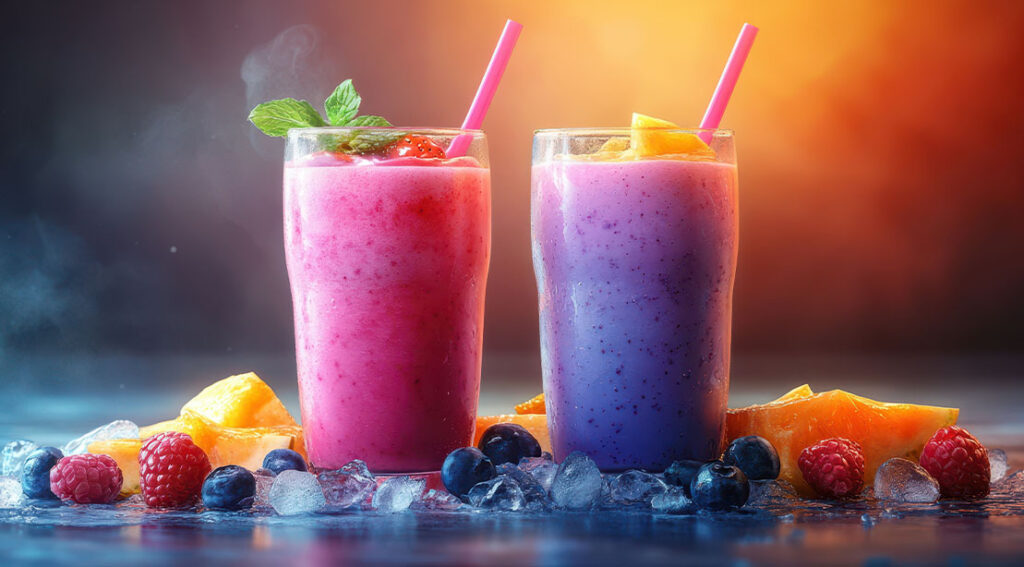
There is a reason why so many muscle-minded men turn to their blender to help them get more pumped. Blended shakes are an easy way to knock back the protein you need every day to pack on muscle like a pro. Not to mention a compact way to obtain key nutrients that may be otherwise lacking in your daily diet. And now that flip-flop season is in full swing you might be giving your blender a stiff daily workout to help you beat the heat.
But, as you’ve likely experienced, smoothies can come off as one-note and be as exciting to drink as cough syrup. Too many of us are on auto-pilot with our protein shakes blending or shaking together the same tired ingredients. Which is a shame, because at their core, smoothies are an excellent way to work all sorts of foods with a standout nutritional pedigree into your diet.
Whether you’re whipping up a quick breakfast replacement, a muscle-building drink after a monster workout or a frosty snack, you need to know that smoothies are infinitely riffable and are ready to welcome all sorts of seemingly strange bedfellows that can be turned into a delicious drink to send down the hatch. With a little know-how and a few underutilized ingredients, it’s possible to make a protein shake so delicious you’ll actually crave it. So, yes, please stop thinking about protein shakes as little more than protein powder and water.
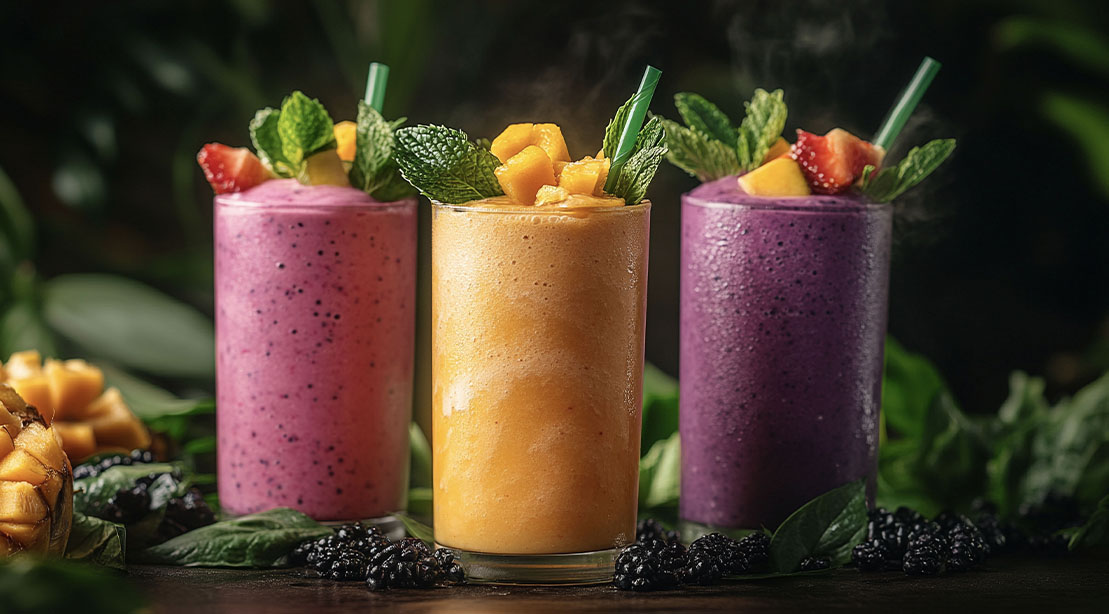
To help you chug back better shakes, here are a batch of smoothies that whip in some outside-the-box ingredients (hello, avocado) that make it way better to drink your protein. Every one manages to hit you with a perfect trifecta of taste, texture, and nutrition. Gentlemen start your blenders: These nutritious smoothies are the real big gulps.
How To Create Your Own Healthy Protein Shake: 8 Unbreakable Rules
Yes, you can make better smoothies at home. Follow these steps to master the shake making formula.
Follow the Leader: For the most efficient blending, pour liquids first into your container followed by soft items like yogurt and nut butters, then powder, and finally anything hard including raw vegetables. Frozen ingredients such as fruit and ice go in last to help pull all the other ingredients down into the swirling blades for even mixing. If your blender has a speed adjustment knob, begin at the lowest blender speed then work your way up to high speed to let it rip.
Be Liquid Smart: If you are not sure of the exact proportions, dumping in all of your milk, juice, or water right away could leave you with a smoothie that seems watered down. You can try blending in a bit less liquid at the start and see if you like the consistency. Too thick? Blend in more liquid until you get the consistency you want. Too thin? Whip in additional frozen fruit.
Patience Pays: Let’s not gloss over this: Take. Your. Time. Smoothies are quick, but that doesn’t mean a lack of patience and blending everything up for a couple of seconds is going to cut it. You want to blend together all the ingredients for a bit of time so that your smoothie is lump-free. Aim for at least 1 minute with a regular blender, or about 30 seconds if you’re using a machine with serious horsepower, like a Vitamix.
Scale Back the Sweet Stuff: Fruit, honey, dates, juices and sugar-sweetened dairy-free milk can result in a blender drink that is not too far off of liquid candy. In general, aim to blend in no more than two sugary items. Truth is, fruit should provide nearly all the sweetness that is needed. If you’re blending in yogurt or non-dairy milk such as almond or soy make sure to use unsweetened kinds.
Beyond the Powder: Yes, protein powder is a convenient way to give your creamy drinks a hefty dose of this macro, but it’s not the only way. Items like Greek yogurt, ricotta cheese, pasteurized egg whites, cottage cheese, and even soft tofu can help you go bigger on protein and help improve the texture and taste of your blender creations.
Going Bananas: Blending in frozen bananas is the perfect way to instantly give your smoothie a frosty and creamy personality. Ice cubes? Not so much. To freeze ripe bananas for your muscle-making shakes, simply peel the fruit, chop into quarters, spread out on a baking sheet and freeze until solid. Then store them in the freezer in an air-tight zip-top bag.
Don’t Forget the Fat: Fats help your body absorb various fat-soluble nutrients in the shake. They can also provide a rich, creamy consistency. Nut butters, seeds, nuts, full-fat dairy and even avocado are ways to deliciously fatten up your post-gym drinks. If you’re adding a fat source and the shake turns weirdly gloppy when blended, add a little extra liquid to smooth it out.
Go for Bonus Flavor: There are easy ways to make your drink pop with exciting flavor. A touch of spice like cinnamon or nutmeg can instantly transform a smoothie from meh to memorable. Herbs like mint or basil, citrus zest such as lemon, fresh ginger, and vanilla extract are also great ways to add calorie-free flavor to your shakes.
8 High Protein Smoothie Recipes To Build Muscles in a Heatwave
PB&J Smoothie
Hold the bread, this smoothie tastes like everyone’s favorite schoolyard sandwich. Wheat germ is the stealth health food here as it contains a wide range of essential vitamins and minerals including selenium, magnesium, phosphorus and thiamine.
1 cup milk or unsweetened non-dairy milk
1 scoop plain or vanilla protein powder
2 tbsp wheat germ
1 tbsp peanut butter
1 tsp honey
1/2 tsp vanilla extract
1 cup frozen strawberries
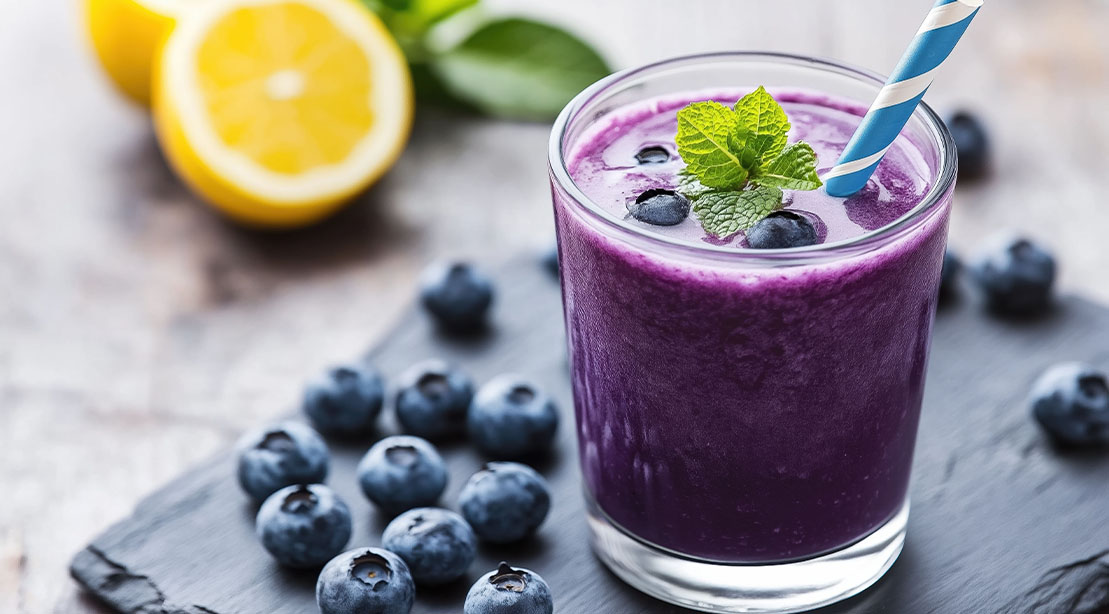
Lemony Blueberry Smoothie
This is a fresh tasting smoothie fit for the season. Cottage cheese lends the drink the required amount of protein and frozen blueberries have a surfeit of disease-thwarting anthocyanin antioxidants.
3/4 cup milk or unsweetened non-dairy milk
3/4 cup cottage cheese
1 tsp honey
1 tbsp chia seeds
1 tsp lemon zest
1/2 cup frozen blueberries
½ frozen chopped banana
Place all of the ingredients in a blender in the order listed and blend until smooth.
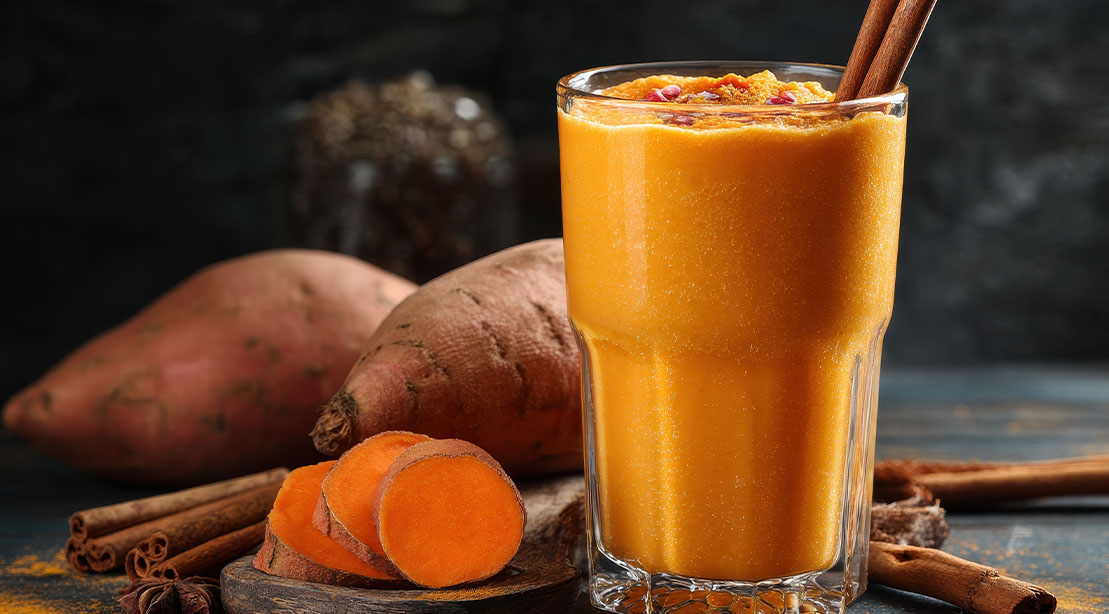
Sweet Potato Pie Smoothie
This smoothie tastes like dessert, albeit a mega-nutritious one. Sweet potato adds wonderful natural sweetness to this decadent tasting shake not to mention a wallop of immune-boosting vitamin A. Consider cooking up a few at a time so they are ready to go for shake time. In similar vein to yogurt, tangy kefir is a surefire way to increase your intake of muscle-building protein and the gut-benefiting beneficial critters known as probiotics.
1 cup plain kefir beverage
1 cup peeled, chopped and cooked sweet potato
1 scoop plain or vanilla protein powder
1 tbsp almond butter or cashew butter
1/2 tsp vanilla extract
1/4 tsp cinnamon
1/4 tsp ginger powder
1/2 frozen banana, chopped
Place all of the ingredients in a blender container in the order listed and blend until smooth.
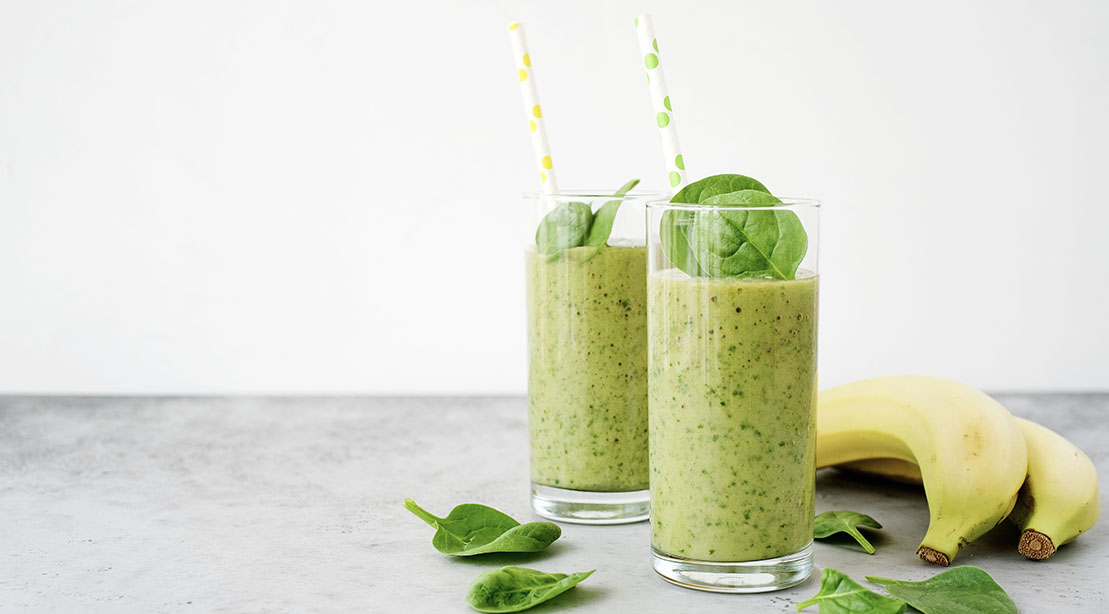
Green Monster Smoothie
Found alongside baby spinach and arugula in the supermarket, tender baby kale is less bitter tasting than its grown-up version and requires no chopping making it a great way to infuse
smoothies with nutritional might. Virtually flavorless soft tofu is a surprising way to add plant-based protein to smoothies as are nutty tasting hemp seeds. Mango adds a plenty of sweetness and some tropical flair. And just a hint of sourness in smoothies from items like lemon juice can sharpen fruitiness.
3/4 cup milk or unsweetened non-dairy milk
1 tbsp fresh lemon juice
1/2 cup soft (silken) tofu
2 cups baby kale
1/4 cup fresh basil
3 tbsp hemp seeds (hemp hearts)
1 tsp fresh ginger
1 cup cubed frozen mango
Place all of the ingredients in a blender container in the order listed and blend until smooth.
Over Easy Mocha Shake
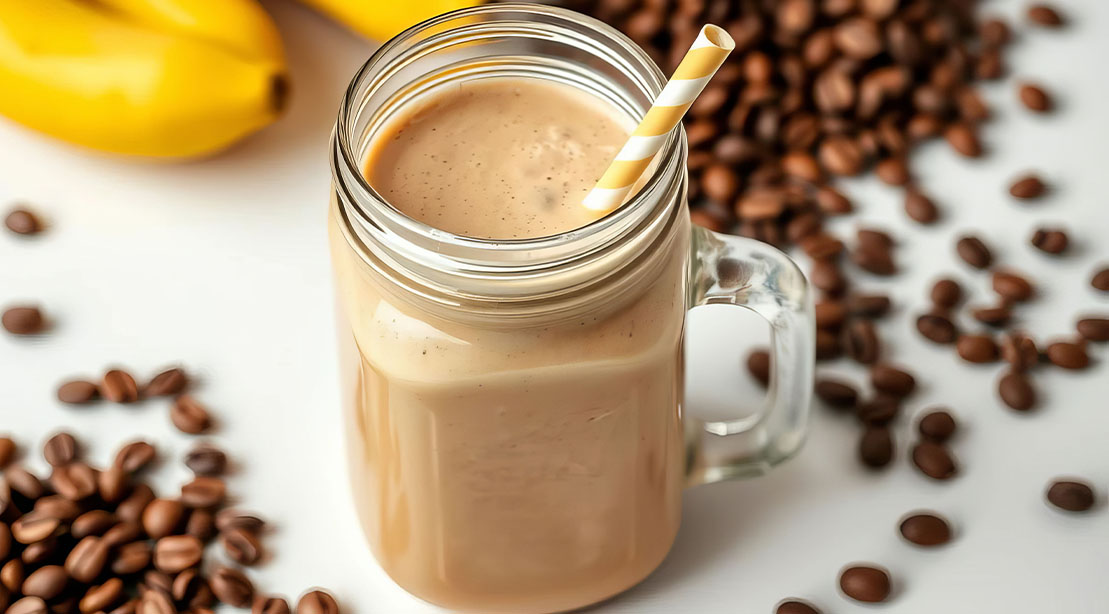
This blender drink is definitely a smooth way to start your day. Boxed pasteurized egg whites are perfectly safe to eat straight from the carton offering breakfast smoothies a pure source of top-notch protein. Using brewed coffee as your liquid base perks up your morning drink, while milk powder is an inexpensive way (yes, less pricey than protein powder) to add creamy consistency to smoothies and some extra protein. Blend in subzero cherries and you’ll get a hit of health-hiking antioxidants.
3/4 cup brewed coffee, cooled to room temperature
1/3 cup pasteurized egg whites
1/4 cup rolled oats
3 tbsp milk powder
2 tbsp peanut butter or almond butter
1 tbsp cocoa powder
1/2 tsp vanilla extract
1/4 tsp cardamom
1/2 cup frozen pitted cherries
1/2 frozen banana, chopped
Place all of the ingredients in a blender container in the order listed and blend until smooth.
Red Velvet Cheesecake
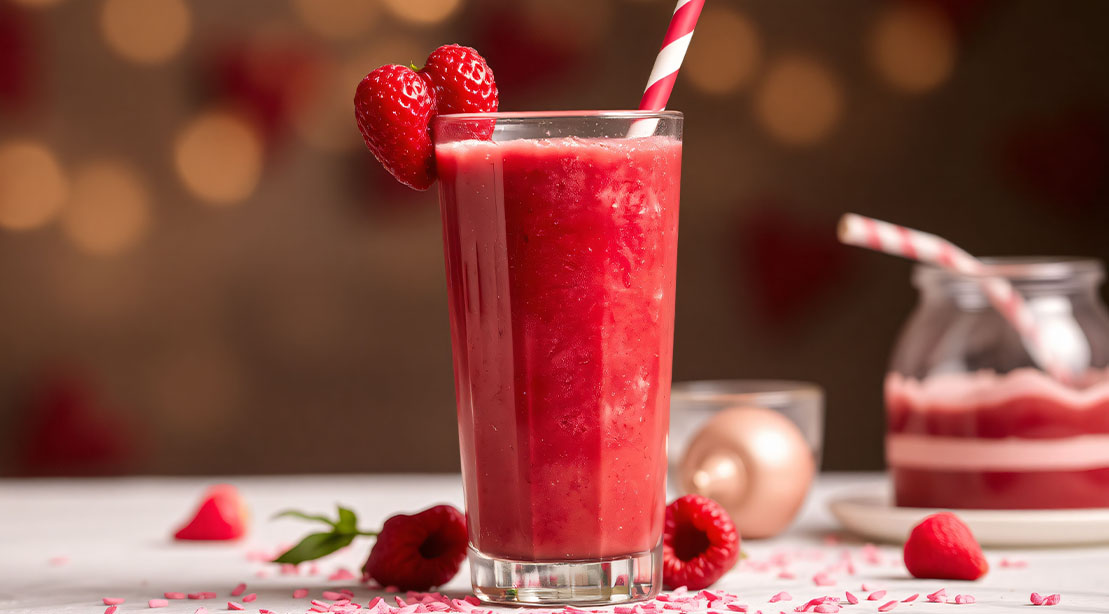
When it comes to smoothies, it’s time to root for naturally sweet beets. They are a fantastic source of naturally occurring nitrates that can aid in cardiovascular health by lowering blood pressure numbers. High powered blenders can handle raw beets, but if you’re using one with wimpy horsepower or want a sweeter-tasting shake you may want to blend in cooked ones. Some supermarket produce sections now carry pre-cooked beets. Good for more than just lasagna, ricotta cheese adds creamy richness and a dose of muscle-friendly whey protein. Raspberries lend the drink much-needed fiber and antioxidants. The mint and orange zest are all about the flavor magic.
3/4 cup milk or unsweetened non-dairy milk
1/2 cup ricotta cheese
1 scoop vanilla or plain protein powder
1 small beet, peeled and chopped
1/4 cup fresh mint
1 tsp orange zest
2 tbsp walnuts or pecans
2 tsp pure maple syrup
1/4 tsp cinnamon or allspice
3/4 cup frozen raspberries
Place all of the ingredients in a blender container in the order listed and blend on high power for 1 minute, or until smooth.
Chocolate Fudge Smoothie
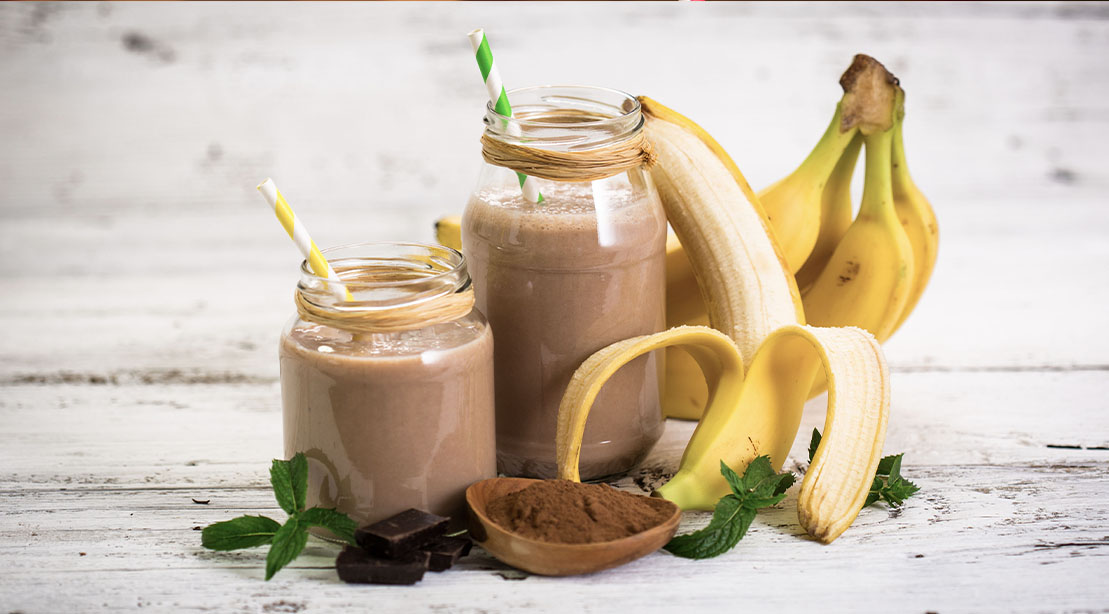
Avocado gives smoothies an unbeatable creamy texture without making them taste like guacamole. Plus, you’ll benefit from its nutritional payload which includes heart-healthy monounsaturated fat, fat-fighting fiber and a range of vitamins including vitamin C and K. Blending in spinach is an easy way to add a nutrition boost without evening knowing it’s there. Adding a touch of fiery cayenne makes the drink taste extra exciting.
1 cup water
Flesh of 1/2 avocado
1 cup baby spinach
1 scoop plain, chocolate, or vanilla protein powder
1 tbsp cocoa powder
1/4 tsp cinnamon
1/8 tsp cayenne powder
1/2 frozen banana, chopped
Place all of the ingredients in a blander container and blend until smooth. If too thick, blend in additional liquid.
Orange Creamsicle Smoothie
A perfect protein-packed drink to help you keep your cool this summer. Greek yogurt gives you extra protein and probiotics, creamy tahini delivers good-for-you fats, and peaches and carrot are a source of immune-boosting beta-carotene. A smoothie that even Bugs Bunny would hop into the kitchen for.
1 cup milk or unsweetened non-dairy milk
3/4 cup plain Greek yogurt
1 tbsp tahini
1 scoop plain or vanilla protein powder
1/2 medium carrot, chopped
1 tsp chopped fresh ginger
1/4 tsp turmeric powder
1/8 tsp sea salt
1/2 cup frozen peach slices
1/2 cup frozen chopped banana
Place all of the ingredients in a blender in the order listed and blend until smooth.
Superfood Smoothie Mix-Ins to Boost Nutrition and Flavor on the Go
These blend-ins can instantly up the nutritional ante of your smoothies.
Manitoba Harvest Hemp + Immunity: Hemp protein powder is gussied with some immune-boosting powders including elderberry and acerola cherry. After all, shouldn’t we all have some more acerola in our lives?
Vega Performance Protein + Creatine: An impressive 30 grams of plant-based protein is paired with 3 grams of creatine monohydrate for a next-level smoothie powder geared towards athletic success.
Bob’s Red Mill Flaxseed Meal: Whirl into your smoothies for a dose of heart and brain-boosting omega-3 fats along with hunger-quelling fiber.
Bumpin Blends Berry Awake: These convenient frozen smoothie cubes are made with organic berries, Greek yogurt, chia seeds, and spinach. Undeniably, a way to simplify your smoothie routine without sacrificing nutrition.
Navitas Organics Cacao Powder: This powder will elevate your smoothies with great chocolaty flavor, much needed magnesium and a wallop of antioxidants.
Possible Supergreens: An easy way to power up your protein shakes with powdered greens and fruits. We promise it won’t make your drink taste like a salad.
Tools to Upgrade Your Protein Shakes
Hitting the road this summer? You need not rely on sugar-loaded drinks from the juice bar. The ingenious Nutribullet Flip is a rechargeable portable blender that lets you drink your protein whether you are on the beach or trapped in a dingy hotel room. The insulated cup will keep your smoothie nice and frosty for several hours. And the machine is powerful enough it won’t leave chunks of frozen fruit floating in your drink.
Make and Take
Need a cold smoothie to go? After blending, pour your drink into an insulated 32 oz wide mouth Hydro Flask bottle that is up to the task of keeping your drinks frosty or steamy for several hours. Bonus points for its splashy colors.