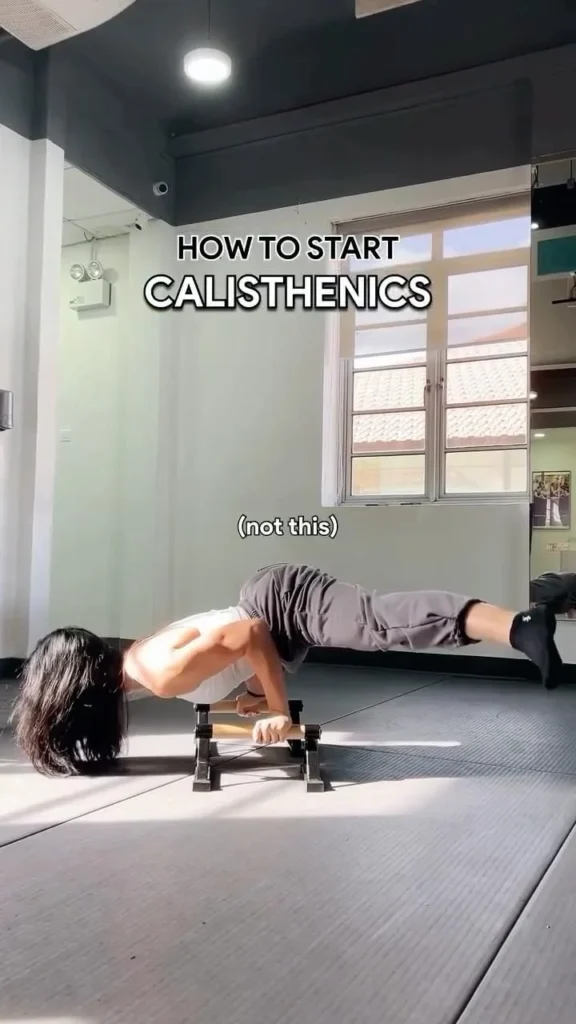
New to bodyweight training? @maveripped demos 7 foundational exercises per… [Video] in 2025 | Calisthenics workout for beginners, Calesthenics workout, Calisthenics workout at home
Beginner’s Guide to 7 Foundational Calisthenics Moves — Inspired by @maveripped (2025)
If you’re new to bodyweight training and saw @maveripped demo “7 foundational exercises,” this article expands on those moves and gives a clear, beginner-friendly plan you can use at home. These seven exercises build strength, mobility, and coordination without needing a gym. If you want targeted chest variations to supplement your routine, check this chest workout at home resource for simple progressions like towel pushups and dips.
What follows is a breakdown of each foundational exercise, how to structure your first sessions, sensible progressions, common errors to avoid, and a short sample routine.
The 7 Foundational Calisthenics Exercises (What they train and how to do them)
Push-up (Horizontal pressing)
- What it trains: chest, shoulders, triceps, core stability.
- Beginner cue: hands under shoulders, body in a straight line, lower until chest grazes the floor.
- Regression: incline push-ups (hands on a bench or table). Progression: full push-up → diamond → archer → one-arm.
Australian row / Inverted row (Horizontal pulling)
- What it trains: mid-back, biceps, rear delts, scapular control.
- Beginner cue: feet on floor, body plank under bar, pull chest to the bar while keeping hips up.
- Regression: higher bar or use rings. Progression: lower bar, elevate feet, then muscle-up components.
Squat (Knee-dominant leg work)
- What it trains: quads, glutes, hamstrings, balance.
- Beginner cue: feet shoulder-width, hips back and down, drive through heels.
- Regression: assisted box squat. Progression: pause squat → pistol practice.
Glute bridge / Hip thrust (Hip hinge emphasis)
- What it trains: glutes, hamstrings, posterior chain — important to balance squats.
- Beginner cue: press hips up until body forms a line from knees to shoulders.
- Regression: double-leg bridge. Progression: single-leg glute bridge.
Plank (Core stability)
- What it trains: deep core, shoulder stabilizers, posterior chain.
- Beginner cue: elbows under shoulders, neutral spine, avoid sagging hips.
- Regression: plank on knees. Progression: weighted plank, plank to push-up.
Hanging knee tucks / dead hang (Grip and core)
- What it trains: grip strength, hip flexors, core coordination.
- Beginner cue: hang from bar, gently tuck knees toward chest while maintaining scapular stability.
- Regression: active dead hang (scapular pull) only. Progression: hanging leg raises.
Lunge or split squat (Single-leg strength)
- What it trains: unilateral leg strength, balance, hip mobility.
- Beginner cue: step forward and lower until both knees are ~90°. Keep torso upright.
- Regression: stationary split squat. Progression: walking lunges → pistol negatives.
How to structure your first 6–8 weeks
- Frequency: 3 full-body sessions per week (e.g., Monday, Wednesday, Friday).
- Warm-up (5–10 minutes): light cardio, dynamic mobility for shoulders and hips, and 2 sets of movement-specific warm-ups (e.g., scapular pulls, bodyweight squats).
- Main sets: 3 rounds of 4–6 exercises per session. Start with 3 sets of 6–10 reps for strength-focused moves (or 20–40 sec holds for planks).
- Rest: 60–90 seconds between sets for compound movements; 30–60 seconds for accessory/core work.
- Progression strategy: add reps, reduce assistance, increase range of motion, or add an extra set every 1–2 weeks.
Sample beginner workout (Full-body, 3 rounds):
- Incline push-ups — 8–12 reps
- Australian rows — 8–12 reps
- Bodyweight squats — 12–15 reps
- Glute bridges — 12–15 reps
- Plank — 30–45 seconds
- Hanging knee tucks or dead hang — 8–10 reps or 20–30 seconds
Cool down with static stretching for the chest, hamstrings, hip flexors, and shoulders for 5–8 minutes.
Progressions, accessory work, and balancing your program
Once the basic pattern feels easy (2–3 weeks), start layering harder variations or additional accessory work to address weak points. For example, if you want to add more focused back development and wing expansion, consider incorporating rowing variations and vertical pulling progressions; a dedicated resource on building a stronger, wider back can guide structured back sessions for more advanced calisthenics athletes: back workout for stronger, wider wings.
Other accessory suggestions:
- Face pulls or band pull-aparts for rear delts and scapular health.
- Nordic hamstring lowers or Romanian deadlift patterning for hamstring strength.
- Single-leg balance drills and ankle mobility for safer lunges and pistols.
Common mistakes and how to fix them
- Trying advanced variations too soon: stay on regressions until movement quality is perfect.
- Neglecting posterior chain: balance push with pull and squats with hip-hinge work.
- Rushing progressions: increase load by small steps (reps → sets → reduced assistance → complexity).
- Poor scapular control on hangs/rows: practice scapular retractions and depressions before full repetitions.
Minimal equipment and space needed
- Pull-up bar or a sturdy tree branch / door-mounted bar.
- A pair of gymnastic rings (optional, but they increase variability).
- A sturdy chair or bench for dips and incline work.
- A towel for added chest variations (sliding or towel pushups can be done on smooth floor).
- No special shoes required—train barefoot or in flat shoes for balance.
Conclusion
Calisthenics is an accessible and effective way to build strength, mobility, and body control. Start with these seven foundational moves, prioritize consistent practice and clean technique, and progress gradually. Within a few weeks you’ll notice improved strength and confidence — and you’ll be ready to add more challenging calisthenics skills to your routine.