

Ice or Heat? The 90% of Gym‐Goers Using It Wrong — One Mistake Could Cost You 3 Weeks! 😱
Ice vs Heat: Stop Adding 3 Weeks to Your Recovery
Most gym-goers know to reach for ice or heat when something hurts — but 90% are choosing the wrong one at the wrong time. That single mistake can slow healing, prolong inflammation, and in some cases add up to three weeks to your recovery. Learning simple rules for acute injuries versus chronic aches, plus proper application technique, will save you time and training progress. Diet and inflammation also play a role in how fast you bounce back.

Why this matters
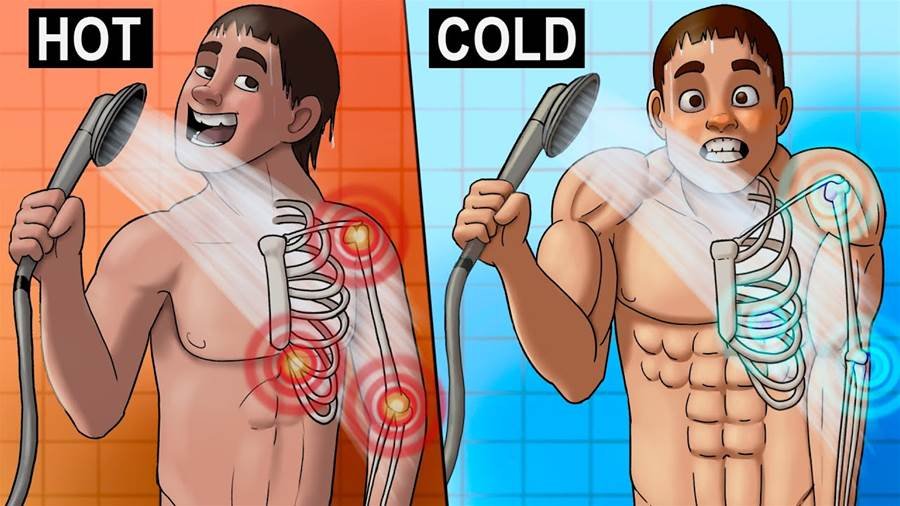
- Ice and heat aren’t interchangeable: they work through different mechanisms. Ice reduces blood flow and numbs pain; heat increases blood flow and relaxes tissue.
- Using the wrong therapy can blunt the body’s natural healing response or worsen swelling.
- For gym-goers chasing progress, a 1–3 week delay can derail programming and lead to compensations that cause new injuries.
Quick rules at a glance
- Acute injury (first 48–72 hours, sudden pain, swelling, bruising): use ice. Aim to control swelling and pain.
- Chronic stiffness or muscle tightness (ongoing soreness, long-standing joint stiffness): use heat to increase flexibility and circulation.
- Post-exercise soreness without a clear injury: contrast (brief heat then ice) or targeted foam rolling often helps more than long ice baths.
- If in doubt, favor rest and consult a clinician for serious trauma.
When to use ice — exact steps
- Indication: sudden sprain, sharp pain with swelling or bruising, post-workout acute flare.
- Application: 15–20 minutes every 1–2 hours during first 48–72 hours. Use a thin cloth between ice and skin to avoid frostbite.
- Method: ice pack, bag of frozen peas, or commercial gel pack. Elevate the limb when possible to reduce pooling.
- What to avoid: prolonged icing (>30 minutes) or icing before trying gentle movement long-term — immobility can slow recovery.
When to use heat — exact steps
- Indication: chronic joint stiffness, tight muscles before activity, non-swollen chronic pain.
- Application: 15–20 minutes before activity to loosen tissues; avoid heat directly on newly inflamed areas.
- Method: moist heat (hot towel), heating pad, warm shower, or heat wraps for prolonged low-level warmth.
- What to avoid: applying heat to an acutely swollen area or open wound — this will increase inflammation.
Common mistakes that cost weeks
- Icing every day for chronic tendon pain: prolonged suppression of blood flow can slow remodeling and prolong tendinopathy.
- Heat immediately after a sprain: increases bleeding and swelling, potentially adding days to recovery.
- Overdoing anti-inflammatory measures without progressive loading: inflammation is part of healing; complete suppression can prevent tissue strengthening.
- Relying on passive measures (ice/heat) without addressing movement, strength, and mobility deficits.
Rehab principles to pair with correct therapy
- Early controlled movement: after the initial window, gentle range-of-motion and progressive loading promote repair.
- Load management: reduce intensity/volume but maintain some specific stimulus to avoid deconditioning.
- Manual care and mobility: integrate soft-tissue work and mobility drills when pain allows.
- If pain is severe, numbness, or symptoms worsen, seek medical evaluation.
Nutrition, sleep, and recovery (short checklist)
- Protein and anti-inflammatory foods support tissue repair; hydration matters for tissue resilience.
- Rest and quality sleep accelerate recovery pathways.
- For practical pre-workout fueling that complements your recovery plan, check out these smart pre-workout snack ideas to minimize late-session fatigue and avoid overloading damaged tissues.
Actionable 7‑day plan after a sprain (example)
Day 0–2: Ice 15–20 min every 1–2 hours, rest, elevate.
Day 3–5: Transition to gentle range-of-motion and light isometrics; brief heat before movement if stiffness dominates.
Day 6–7: Progress resistance as tolerated, monitor swelling; avoid aggressive loading until strength returns.
When to see a professional
- Inability to bear weight, numbness, severe deformity, or persistent swelling beyond a week.
- Recurrent injuries or pain that doesn’t improve with appropriate ice/heat and progressive rehab.
Conclusion
Choosing ice or heat correctly can shave days — even weeks — off your recovery timeline. For care of reusable pads, towels, and gym gear that help you apply therapies safely and hygienically, see this guide on Mastering the Art of Washing Clothes with Powder Detergent. Follow the rules above, pair them with movement and proper nutrition, and you’ll get back to training sooner and stronger.
Ice or Heat? The 90% of Gym‐Goers Using It Wrong — One Mistake Could Cost You 3 Weeks! 😱 Read More »