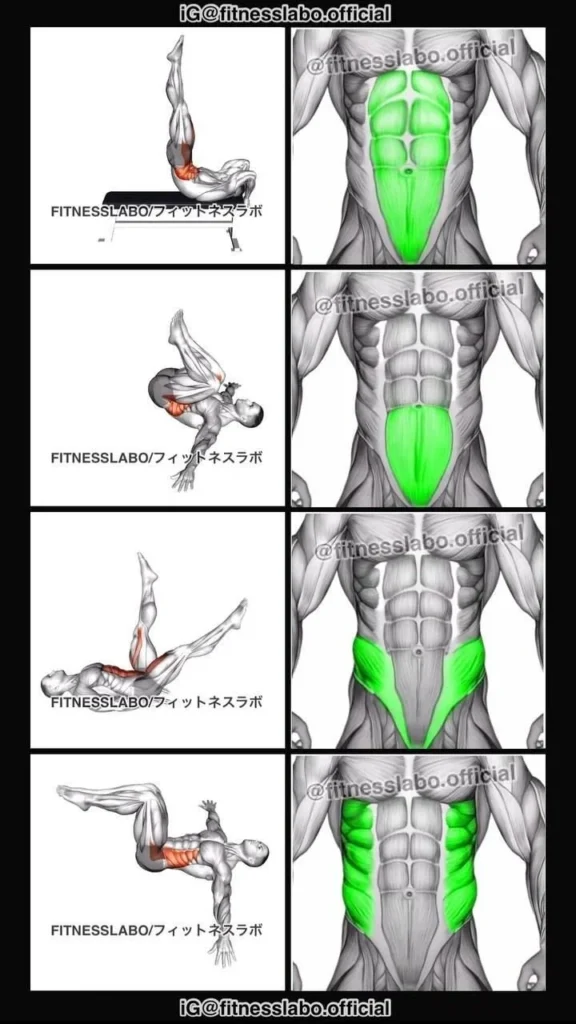
abs workout

Intense home abs workout tips for blocky abs and faster results

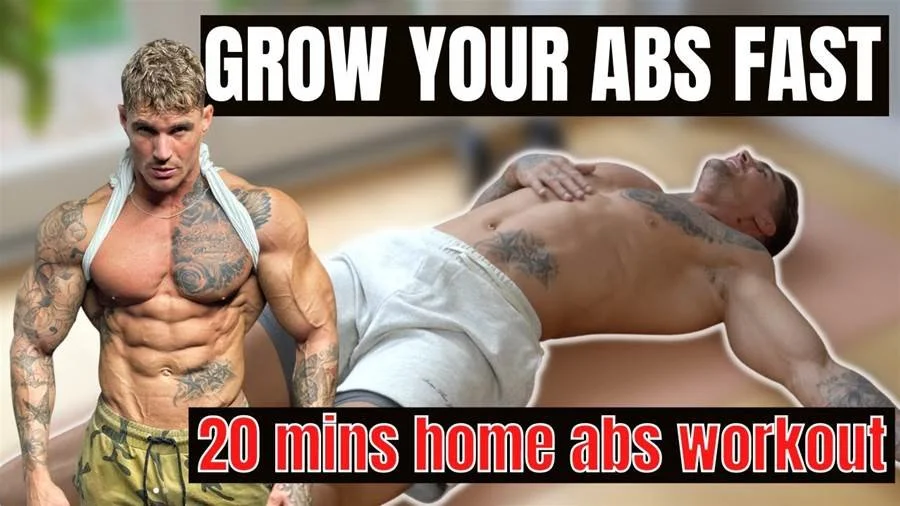
Abs Workout – Grow your Abs faster with these No Bullsh*t tips.Discover the Secret to Blocky Abs: Intense Home Workout Revealed! 💪🔥

Blocky Abs Blueprint

Get ready to stop spinning your wheels on endless crunches and confusing advice. This short, no-nonsense guide gives you the exact principles and a compact at-home routine to grow your abs faster — the efficient, real-world approach that actually produces results. For a quick home-focused routine reference, check this home abs workout guide to pair with the tips below.
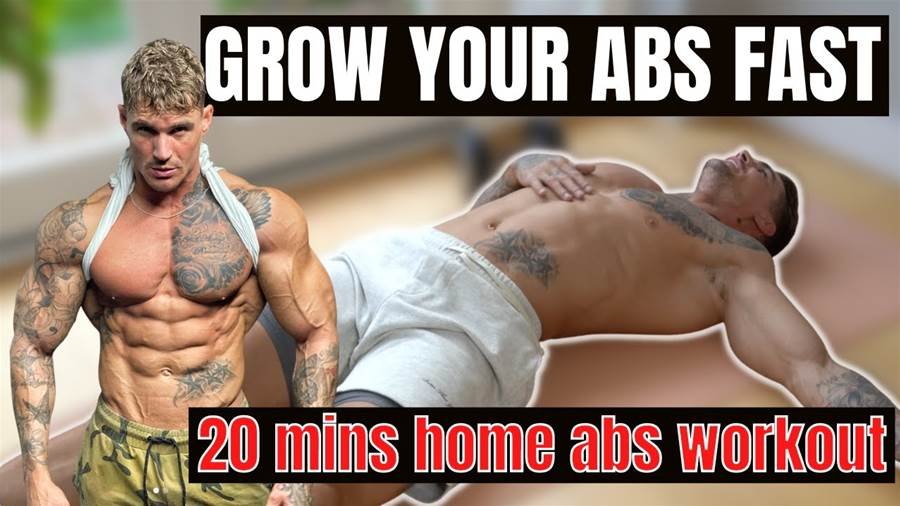
Abs Workout - Grow your Abs faster with these No Bullsh*t tips.Discover the Secret to Blocky Abs: Intense Home Workout Revealed! 💪🔥

Why "blocky" abs happen: the short science

  • Abs grow when muscle fibers are overloaded and recover properly. That means progressive tension, not just high reps.
  • Visible abs are 2 things: well-developed abdominal muscles and low enough body fat to reveal them. You must attack both.
  • Focus on compound moves that engage the core under load — you’ll stimulate deeper muscle layers and functional strength.

Program — Intense Home Workout (20–30 minutes)
Do this circuit 3 times a week. Warm up 5 minutes (jog in place, dynamic stretches).

  • Hollow Hold to Pike (45 sec): build anti-extension strength.
  • Slow-Tempo V-Ups (10–12 reps): controlled, full-range contraction.
  • Weighted Russian Twists* (20 total): add a household weight for progressive overload.
  • Plank-to-Push-Up (10 reps): integrates anti-rotation and anterior chain work.
  • Hanging Knee Raises substitute: Lying Leg Raises (12–15 reps) if no bar.

Perform 3 rounds with 60–90 seconds rest between rounds. Increase difficulty by adding weight, slowing eccentrics, or reducing rest.

Progression and programming tips

  • Track sets, reps, and perceived difficulty. When you can do the top of the rep range easily, add load or raise difficulty.
  • Prioritize form over quantity: targeted ab actions are short; make each rep purposeful.
  • Consistency beats novelty: choose 2–4 focused ab sessions weekly and stick with them for 8–12 weeks.

Diet and body-fat strategy

  • Nutrition wins. You cannot out-train a poor diet if your goal is visible, blocky abs.
  • Aim for a moderate calorie deficit if you need to lower body fat, high protein to preserve muscle during the cut.
  • Use whole foods, minimize liquid calories, and time higher-carb meals around your workouts for energy.

For practical protein hacks across meals and snacks, see this easy protein-increase guide that pairs well with the training plan above.

Common mistakes to avoid

  • Doing endless high-rep sit-ups without progressive overload.
  • Neglecting posterior chain and overall strength work; a strong back and glutes improve core development and aesthetics.
  • Expecting visible abs without addressing body fat — both pillars must be managed.

Minimal equipment alternatives

  • Use a dumbbell, kettlebell, or even a heavy backpack to add load to twists and sit-up variations.
  • A pull-up bar enables hanging leg raises — the single best home-to-gym transfer for the lower abs.
  • If equipment is unavailable, slow eccentric bodyweight moves and isometric holds are very effective.

Recovery and lifestyle

  • Sleep, hydration, and stress management influence your hormonal environment for muscle growth and fat loss.
  • Deload every 4–6 weeks if progress stalls: reduce volume or intensity for a week, then come back stronger.
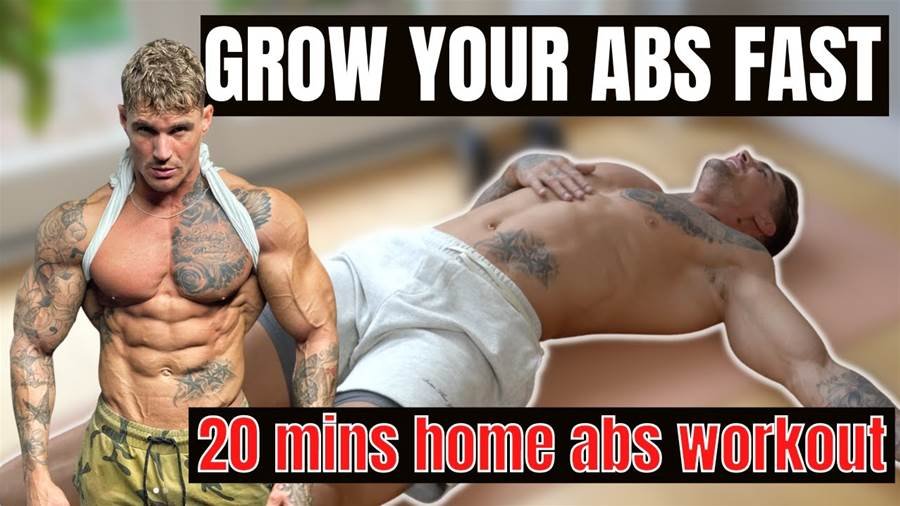
Abs Workout - Grow your Abs faster with these No Bullsh*t tips.Discover the Secret to Blocky Abs: Intense Home Workout Revealed! 💪🔥

Conclusion

Sculpting blocky abs is a two-front battle: targeted progressive training plus disciplined weight management. For an external resource on weight-management strategies that complements this approach, visit Motorcycle Safety Weight Management.

Abs Workout – Grow your Abs faster with these No Bullsh*t tips.Discover the Secret to Blocky Abs: Intense Home Workout Revealed! 💪🔥 Read More »

, , , ,
Effective exercises to build abs faster without planks

5 Exercises That Build Your ABS 3X Faster (Stop Doing Planks)

Core Charge: 5 Moves That Build Abs 3X Faster

If you’re tired of holding planks and not seeing the shredded midline you want, it’s time to switch to exercises that produce faster, measurable results. The five moves below train your rectus abdominis, obliques, and deep core with greater tension, range of motion, and progressive overload — the three ingredients missing from endless static holds. Try pairing core days with targeted cable work to keep your posture balanced and reduce injury risk.

5 Exercises That Build Your ABS 3X Faster (Stop Doing Planks)

Why these moves work faster than planks

  • They create greater dynamic tension and stretch-shortening across the abs.
  • They allow progressive overload (weight, range, reps) rather than time-based holds.
  • They challenge anti-rotation, flexion, and loaded stability so your midsection adapts functionally.

How to program them

  • Frequency: 2–3 core sessions per week (can be added to upper or lower body days).
  • Sets & Reps: 3–4 sets per exercise. Aim for 8–15 reps for strength/hypertrophy; 12–20 for endurance.
  • Tempo: Controlled eccentric (2–3s), explosive concentric when appropriate (e.g., med ball), and full-control return.
  • Rest: 45–90 seconds between sets.
  • Progressive overload: Add weight, increase ROM, slow the tempo, or increase reps each week.

The 5 exercises (with technique and progressions)

  1. Hanging Leg Raises — vertical force, huge ROM
  • How: Hang from a pull-up bar. Keeping ribs down, lift legs with hips flexion until toes reach bar level (or as high as you can) and lower slowly.
  • Why: Maximal rectus engagement with long eccentric length; trains hip flexors and core simultaneously.
  • Progressions: Knee raises → Straight-leg raises → Toes-to-bar → Weighted ankle cuffs.
  • Cue: Avoid swinging; initiate with the abs, not momentum.
  1. Ab Wheel Rollouts — anti-extension powerhouse
  • How: Kneel, grip the ab wheel, roll forward keeping a neutral spine until you feel a deep abdominal stretch, then pull back.
  • Why: Trains the core under high tension through long-lever extension — superior to static planks for strength.
  • Progressions: Partial rollouts → Full rollouts → Standing rollouts → Add pause at full stretch.
  • Cue: Maintain a braced belly; don’t let hips sag.
  1. Cable or Band Pallof Press + Chop Variations — anti-rotation and powerful oblique training
  • How (Pallof): Stand side-on to a cable or band, press the handle away from your chest and resist rotation. Hold briefly and return.
  • How (Chop): From high to low or low to high, pull the cable across your body in a controlled arc.
  • Why: Trains anti-rotation stability and rotational power — something planks don’t target dynamically.
  • Progressions: Increase load, single-leg stance, or add tempo holds.
  • Cue: Keep shoulders square and ribcage down while you press or rotate.
  • Related resource for programming similar cable movements: Leila’s abs workout has practical home-friendly variations you can adapt.
  1. Weighted Reverse Crunches (on decline or bench) — focused lower-abs recruitment
  • How: Lie on a decline bench or flat surface, hands under hips or holding weight overhead, draw knees to chest and lift hips off the bench using your lower abs.
  • Why: Emphasizes lower-rectus control and hip curl strength; excellent for defined lower abs.
  • Progressions: Bodyweight → Add dumbbell between feet → Decline bench → Slow negatives.
  1. Medicine Ball Rotational Throws / Slams — explosive core power
  • How: From a staggered stance, rotate explosively and throw a med ball to a partner or slam it to the ground.
  • Why: Develops rotational power and rapid core recruitment — transfers to sports and daily power needs more than static planks.
  • Progressions: Light ball for high speed → Heavier ball for power → Single-arm throws for anti-rotation under load.
  • Cue: Use hips to start the movement; the arms are the guide, not the engine.

Warm-up and breathing

  • Warm up with 5–10 minutes of dynamic hip mobility, light anti-rotation holds (Pallof), and torso twists.
  • Breathe through the movement: inhale to prepare, exhale on the hard phase (lift/throw/press), while maintaining intra-abdominal pressure.

Common mistakes and fixes

  • Relying on momentum: Slow the eccentric and control returns. If momentum appears, reduce ROM or weight.
  • Holding the breath: Practice braced breathing to stabilize the spine without valsalva on every rep.
  • Overloading too soon: Gradually increase load; quality reps beat heavy sloppy sets.

Sample 20-minute core circuit (do 3 rounds)

  • Hanging leg raises: 8–12 reps
  • Ab wheel rollouts: 8–10 reps
  • Pallof press (each side): 10–12 presses
  • Med ball rotational throws (each side): 8–10
    Rest 60–90s between rounds.

Tracking progress

  • Take measurements monthly (waist circumference, photos).
  • Track reps, load, and ROM for each exercise and aim to progress one variable weekly.

5 Exercises That Build Your ABS 3X Faster (Stop Doing Planks)

Conclusion

If you want to beat plateaus and build abs faster, swap long static planks for targeted, progressive moves like hanging leg raises, rollouts, Pallof presses, and explosive med-ball work. For a researched overview of what planks actually do and how they fit into a balanced routine, see this summary on Plank Exercises: What They Do For Your Body.

5 Exercises That Build Your ABS 3X Faster (Stop Doing Planks) Read More »

, , , ,
Person performing an abs workout routine for core strength and definition.

Abs Workout

Abs Workout: Build a Strong, Functional Core

A well-rounded abs workout does more than create a visible six-pack — it builds a stable, resilient core that improves posture, reduces injury risk, and enhances athletic performance. Whether you train at home or in a gym, consistent progress comes from balanced programming, solid technique, and gradual overload. If you want a quick at-home starter routine, see this Top 3 Abs Workout at Home for simple options you can do with minimal equipment.

Why Train the Abs (Beyond Aesthetics)

The abdominal muscles are central to nearly every movement pattern:

  • They stabilize the spine during lifting and bending.
  • They transfer force between upper and lower body (important for athletics).
  • They assist breathing mechanics and pelvic alignment.

Training the abs with functional, multi-plane exercises improves real-world strength more than endless isolated crunches.

Core Anatomy — What to Target

Focus on these major players:

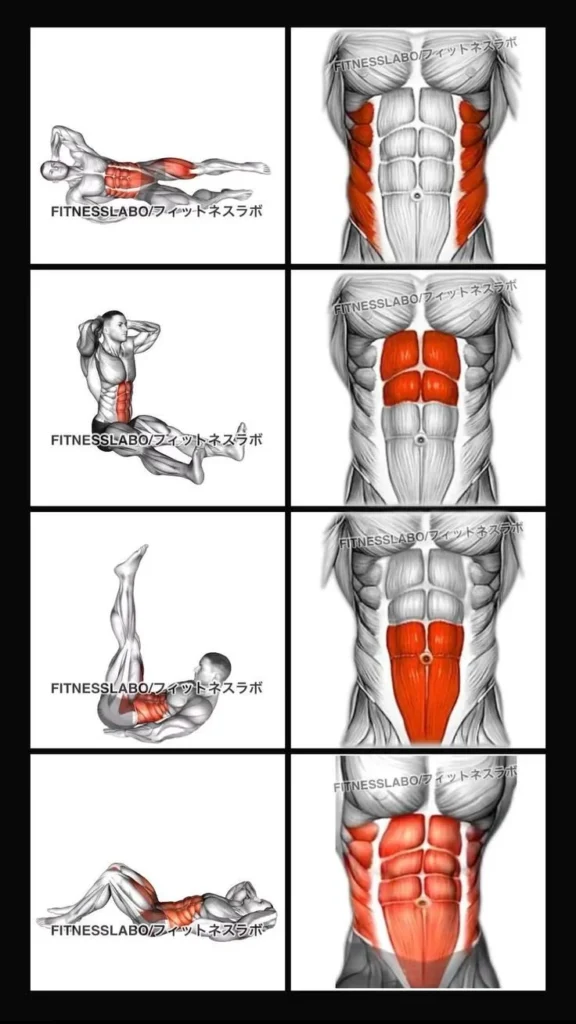
  • Rectus abdominis: responsible for trunk flexion (the “six-pack”).
  • External and internal obliques: rotate and side-bend the torso; key for anti-rotation strength.
  • Transverse abdominis: deep stabilizer that compresses the abdomen and protects the lumbar spine.
  • Hip flexors: contribute to leg-raise movements but can dominate if overused — balance is crucial.

Understanding each muscle’s role helps you pick exercises that develop both stability and movement.

Designing an Effective Abs Workout

Follow these programming principles:

  • Frequency: 2–4 sessions per week depending on overall training volume.
  • Volume: 8–20 working sets per week for the abs spread across sessions.
  • Intensity: prioritize quality of contraction and progressive challenge (add resistance, increase time under tension, or reduce stability).
  • Balance: combine anti-flexion (planks), anti-rotation (pallof press variations), rotational (Russian twists), and dynamic flexion (leg raises) movements.

If you want a structured routine that focuses on a few high-impact moves, consider the Top 4 Abs Exercises Routine for a concise template to follow.

Sample Workouts

Beginner (2–3x per week)

  • Dead Bug — 3 sets of 8–12 reps per side
  • Front Plank — 3 × 20–45 seconds
  • Standing Pallof Press (light band) — 3 × 10–12 per side

Intermediate (3x per week)

  • Hanging Knee Raises — 3 × 10–15
  • Side Plank with Hip Drop — 3 × 8–12 per side
  • Russian Twist (medicine ball) — 3 × 12–20 total

Advanced (2–3x per week)

  • Hanging Leg Raises to Toes — 4 × 8–12
  • Weighted Decline Sit-Up — 4 × 8–12
  • Cable Anti-Rotation (heavy) — 4 × 8–10 per side

Mix stability-focused sets with higher-rep dynamic work to train both endurance and strength.

Technique Tips & Common Mistakes

  • Breathe rhythmically: exhale during the effort (e.g., curl or crunch) and inhale during release.
  • Control movement: avoid momentum-driven reps; slower eccentrics build strength and reduce injury risk.
  • Protect the low back: if you feel lumbar pain during leg raises, regress to bent-knee variations or perform anti-extension planks.
  • Progress sensibly: add resistance, range, or instability only after mastering form.
  • Recovery: treat abs like other muscles — allow at least 48 hours when performing high-intensity sets.

Equipment Options

You don’t need a gym to train your abs well. Useful tools:

  • Resistance bands for anti-rotation work
  • Medicine ball or dumbbell for loaded rotation
  • Pull-up bar for hanging leg raises
  • Stability ball for rollouts and stir-the-pot variations

Choose tools that challenge your weak links while letting you maintain good form.

Conclusion

A complete abs routine blends stabilization, rotation, and dynamic flexion with progressive overload and smart recovery. For a large library of demonstrations to help you vary and execute effective exercises, check out this comprehensive guide to Abs Exercises: 150+ Free Video Exercise Guides | Muscle & Strength.

Abs Workout Read More »

, , , ,
Abs workout video showcasing exercises to sculpt and tone your core.

PhrzeApparel on Instagram: “ABS KILLER EXERCISES TO BURN YOUR CORE! 🔥 Try these to tone & sculpt your abs: • Work on upper abs for a chiseled six-pack 💪 • C… [Video] [Video] | Workout videos, Abs workout, Bodyweight back workout

Abs Killer: 8 Core Moves to Burn, Tone, and Sculpt Your Midsection

A ripped midsection comes from consistent, targeted work and smart programming — not endless crunches. To truly carve and strengthen your abs, combine exercises that attack the upper, lower, and obliques while prioritizing technique, progressive overload, and sufficient recovery. For best results, pair core development with complementary posterior-chain training; a balanced approach to back and core helps posture and performance — try this back workout to balance your routine.

Why targeted ab work matters

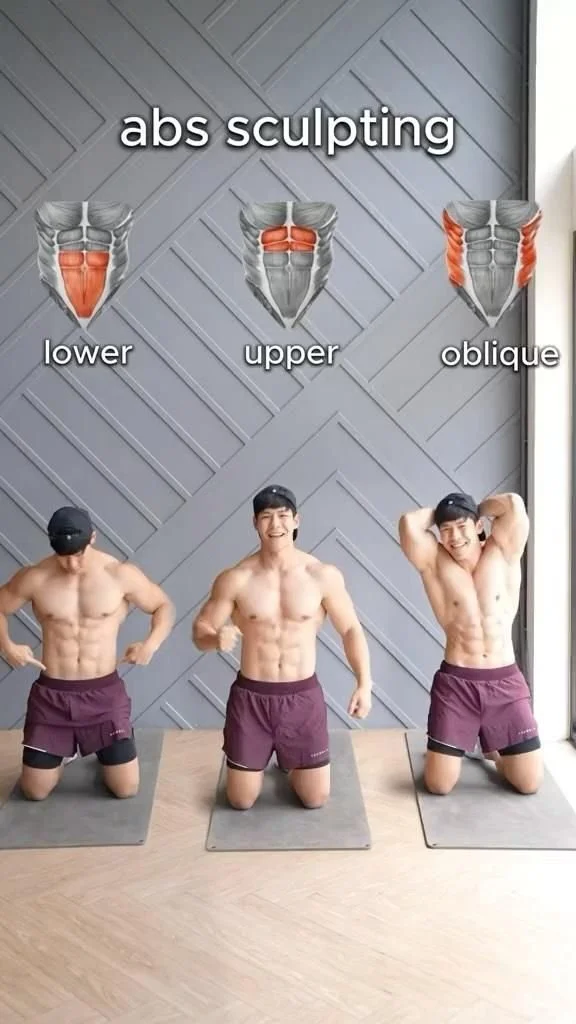
Many people default to one or two moves (crunches, sit-ups) and wonder why their midsection doesn’t improve. The abs are a functional muscle group with different regions:

  • Upper abs: flex the torso (e.g., crunch variations).
  • Lower abs: control pelvic tilt and lift the legs (e.g., leg raises).
  • Obliques: resist rotation and lateral flexion (e.g., side planks, Russian twists).
    Training each region with progressive difficulty and varied planes of motion yields the best visual and functional results.

8 Killer Exercises to Burn Your Core

Perform these exercises as a circuit or broken into supersets. Focus on control, full range, and breathing.

  1. Hollow Body Hold (30–60 sec)
  • Why: Builds total-core isometric strength and creates that “tight” midsection.
  • Cue: Flatten your lower back to the floor, squeeze glutes, hold shoulders off the mat, legs extended and slightly off the ground.
  1. Weighted Crunch (3 sets of 10–15)
  • Why: Targets upper abs with added load for hypertrophy.
  • Cue: Use a plate or dumbbell across the chest or behind the head; exhale on the lift, keep chin tucked.
  1. Hanging Leg Raises (3 sets of 8–12)
  • Why: High activation of lower abs and hip flexors.
  • Cue: Control the descent; avoid swinging. Progress by straightening knees or adding ankle weights.
  1. Russian Twists (3 sets of 20 total)
  • Why: Hits the obliques and improves rotational strength.
  • Cue: Keep back at a 45° angle, rotate from the torso, not just the arms. Add a med ball for load.
  1. Bicycle Crunches (3 sets of 20 total)
  • Why: Great dynamic movement for obliques and rectus abdominis coordination.
  • Cue: Drive elbow to opposite knee, not just moving the elbow. Slow and controlled reps beat speed.
  1. Pallof Press (3 sets of 10–12 each side)
  • Why: Anti-rotation move that strengthens the deep core stabilizers.
  • Cue: Press resistance away from chest, resist rotation, maintain braced torso.
  1. Decline Sit-Ups or V-Ups (3 sets of 10–15)
  • Why: Adds intensity to upper and mid-ab focus; V-ups incorporate lower abs too.
  • Cue: Focus on an explosive concentric and controlled eccentric.
  1. Side Plank With Hip Dips (3 sets of 10–15 dips each side)
  • Why: Strengthens lateral chain and obliques for aesthetics and stability.
  • Cue: Keep hips high, slow dip and return. Add a weight on the top hip for progression.

Sample 20–30 Minute Killer Core Circuit

  • Warm up: 5 minutes dynamic mobility (cat-camel, leg swings).
  • Circuit (3 rounds, minimal rest):
    • Hollow Body Hold — 30 sec
    • Hanging Leg Raises — 10 reps
    • Pallof Press (each side) — 10 reps
    • Russian Twists — 16 reps
    • Side Plank Hip Dips (each side) — 12 reps
      Rest 60–90 seconds between rounds.

Tip: If you’re short on time, superset abs with upper-body movements (e.g., biceps or presses). For efficient pairing and programming ideas, consider this compact barbell-only biceps routine to alternate with core sets.

Progression and troubleshooting

  • Increase difficulty by adding load, range, or instability (e.g., weighted Russian twists, single-leg hollow holds).
  • If you feel neck strain, support the head lightly and focus on pelvic tilt to use abs rather than neck muscles.
  • Swaying or momentum means you’re too fast — slow it down.
  • Track reps and time under tension instead of just “how many sets” you did.

Nutrition and recovery

Sculpted abs are built in the kitchen as much as the gym. Aim for:

  • A slight calorie deficit if body fat reduction is the goal.
  • Adequate protein to preserve lean mass.
  • Whole-food carbohydrates timed around workouts for performance.
    Also prioritize sleep and active recovery; core training demands CNS readiness and spinal health.

Final tips

  • Train abs 2–4 times per week, mixing heavy-loaded sessions with endurance and stability work.
  • Pair core work with posterior chain training to prevent imbalances and protect your spine.
  • Consistency and progressive overload will win over countless reps of the same old crunch.

Start with the fundamentals, practice perfect form, and gradually layer intensity. With the right plan and patience, you’ll see both strength and sculpting results in your core.

PhrzeApparel on Instagram: “ABS KILLER EXERCISES TO BURN YOUR CORE! 🔥 Try these to tone & sculpt your abs: • Work on upper abs for a chiseled six-pack 💪 • C… [Video] [Video] | Workout videos, Abs workout, Bodyweight back workout Read More »

, , , ,
Olivia Jewel demonstrating an abs workout routine with planks and reps for a toned core.

olivia jewel on Instagram: “ABS ! 2-3 sets, 12x each exercise, 1 min plank 🤝🏽 #explorepage #explore #fitness #healthylifestyle #abs #workout #fitnessmotivati… [Video] [Video] in 2025 | Abs workout, Gym workouts, Flat belly workout

Olivia Jewel’s Simple, Effective Abs Routine — How to Make It Work for You

Olivia Jewel’s quick Instagram cue — “ABS ! 2-3 sets, 12x each exercise, 1 min plank” — is deceptively simple. It’s a compact blueprint you can use on busy days to maintain core strength and a flat midsection if paired with consistent training and nutrition. If you want a full session around this concept, consider pairing core work with upper-body strength for posture and functional carryover; a focused dumbbell shoulder workout makes a natural complement to keep your shoulders stable while you progress your core.

The routine — a structured template

Olivia’s template translates well into this beginner-to-intermediate circuit you can repeat 2–3 rounds:

  • Reverse crunches — 12 reps
  • Bicycle crunches — 12 reps each side
  • Hanging or lying leg raises — 12 reps
  • Russian twists (weighted or bodyweight) — 12 reps each side
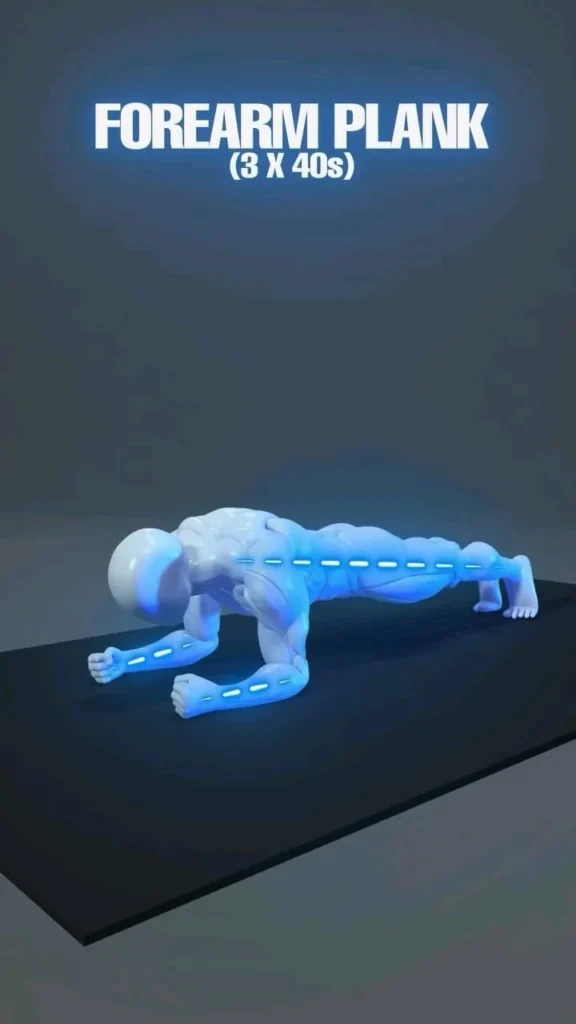
  • Forearm plank — 1 minute

Rest 45–75 seconds between rounds. Adjust sets: start with 2 rounds and build to 3 as you get stronger.

Why mix core with back work

A strong “six-pack” is only part of a resilient midsection. Training the posterior chain — especially the lats and low-back — balances spinal stability and reduces injury risk. For athletes or gym-goers wanting wider, stronger wings and better posture that enhances core function, a dedicated back session can be paired on other training days; explore a complete approach in this detailed back workout for stronger, wider wings to see how pulling strength supports your abs work.

Technique cues and common mistakes

  • Breathe: exhale on the effort (e.g., crunch up), inhale on the return.
  • Control the tempo: 1–2 seconds up, 1–2 seconds down — no flinging.
  • Quality over quantity: if form breaks, drop reps or swap to an easier variation.
  • Avoid excessive neck strain: tuck your chin and use core engagement rather than pulling on the head.

Progressions and variations

  • Make planks harder: add shoulder taps, single-leg raises, or increase hold time by 10–15 seconds.
  • Increase resistance: add a light dumbbell to Russian twists or hold a medicine ball for leg raises.
  • Advanced move: perform L-sits, windshield wipers, or weighted hanging leg raises once base strength is solid.

Nutrition and recovery basics

  • Abs are revealed in the kitchen as much as in the gym: maintain a slight calorie deficit and prioritize lean protein, fiber, and whole foods.
  • Sleep and hydration matter for recovery and visible results; aim for consistent sleep and at least 1.5–2 L water daily (more if training intensely).

Quick weekly example

  • Mon: Upper body + light abs circuit (Olivia-style)
  • Tue: Lower body + mobility
  • Wed: Back-focused session (heavy pulls)
  • Thu: Rest or active recovery (walk, yoga)
  • Fri: Shoulders + abs circuit
  • Sat: Full-body conditioning
  • Sun: Rest

Conclusion
Olivia Jewel’s IG note is a practical reminder that short, structured core sessions can be effective when executed with good form and consistency. Use the 2–3 set, 12-rep framework as a baseline, pair core work with balanced upper- and lower-body training, and prioritize nutrition and recovery to see the best results.

olivia jewel on Instagram: “ABS ! 2-3 sets, 12x each exercise, 1 min plank 🤝🏽 #explorepage #explore #fitness #healthylifestyle #abs #workout #fitnessmotivati… [Video] [Video] in 2025 | Abs workout, Gym workouts, Flat belly workout Read More »

, , , ,
Video demonstration of an abs workout featuring various exercises for core strength.

「✅ Abs Workout ① Leg Raise Oblique Crunch ② Abdominal Squeeze ③ Pulse Up ④ Alternate Oblique Crunch #fitness #gym #exerci…」[動画]【2025】 | 腹部のエクササイズ, トレーニングチャレンジ, トレーニングプラン

2025 Abs Workout — 4 Moves to Sculpt Your Midsection

A short, focused routine can make a big difference when you consistently target your core with quality movement. This abs workout centers on four efficient exercises — Leg Raise Oblique Crunch, Abdominal Squeeze, Pulse Up, and Alternate Oblique Crunch — designed for home or gym settings. To get the best results, think of your core as part of a system: pairing core work with targeted lower-body activation improves posture and movement quality, so consider adding some dedicated glute work like these how to build bigger glutes routines to support your progress.

Introduction

  • Goal: Improve midline stability, reduce belly fat through consistent training + nutrition, and develop visible obliques and lower-abs strength.
  • Time: 10–20 minutes per session.
  • Frequency: 3–5 times per week, or 2–3 times/week as part of a balanced full-body program.

The 4 Core Exercises (what they are and how to do them)

  1. Leg Raise Oblique Crunch

    • How: Lie flat with hands under hips, lift legs to 90°. As you lower legs, rotate hips so one knee tracks slightly toward the elbow, performing an oblique crunch. Alternate sides each rep.
    • Reps: 10–15 per side.
    • Tip: Keep lower back pressed lightly into the floor; move slowly to avoid momentum.
  2. Abdominal Squeeze

    • How: Sit or lie down, exhale deeply and pull your belly button toward your spine, holding the contraction for 3–6 seconds. Release slowly and repeat.
    • Reps: 8–12 holds; 2–3 sets.
    • Tip: Focus on hollowing the transverse abdominis (deep core) rather than tucking the ribcage.
  3. Pulse Up

    • How: From a low-leg raise or crunch position, pulse your legs/torso upward in small, controlled motion — think short-range, high-tension reps.
    • Reps: 12–20 pulses.
    • Tip: Keep movements small and controlled; this targets endurance and the mind-muscle connection.
  4. Alternate Oblique Crunch

    • How: On your back, knees bent, rotate your torso to crunch the opposite elbow toward the lifted knee in alternating fashion.
    • Reps: 12–20 alternating reps.
    • Tip: Do not yank your neck; lead with the ribcage and use the obliques to rotate.

Sample Circuit & Training Plan

  • Warm-up: 3–5 minutes light cardio + dynamic hip swings.
  • Circuit (repeat 3 rounds):
    1. Leg Raise Oblique Crunch — 12 each side
    2. Abdominal Squeeze — 10 holds (4–6 sec)
    3. Pulse Up — 15 pulses
    4. Alternate Oblique Crunch — 16 total (8/side)
    5. 30–45 seconds rest
  • Cool-down: gentle spinal twists and deep diaphragmatic breathing.

If you’re pairing this core circuit with upper-body training or need a balanced weekly split, consider integrating an at-home chest focus day (push-ups, towel-assisted progressions, dips) to keep your program rounded. For practical at-home chest progressions, check this chest workout at home guide to balance pressing strength with your core work.

Progressions & Modifications

  • Beginner: Reduce range of motion, perform fewer reps, and add longer rest. Replace leg raises with bent-knee raises.
  • Intermediate: Increase reps, add tempo changes (slow negatives), or include a light hold at peak contraction.
  • Advanced: Add ankle weights, resistance bands, or perform moves on unstable surfaces to increase challenge.

Technique & Safety

  • Breathe: Exhale on effort (crunch/pulse) and inhale on release.
  • Spine: Maintain a neutral neck and avoid hyperextending the lower back.
  • Quality over quantity: Controlled reps deliver more remodeling than rushed, high-rep sets.
  • If you have lower-back pain or recent abdominal surgery, consult a professional before attempting leg-raise variations.

30-Day Mini Challenge (optional)

  • Week 1: 3 sessions of the circuit, light intensity.
  • Week 2: 4 sessions, moderate intensity with added holds.
  • Week 3: 4–5 sessions, increase pulses and reduce rest.
  • Week 4: 5 sessions, include one test day to measure max controlled reps for each exercise.

Conclusion
Consistent, focused work on the four exercises above will strengthen your core, improve posture, and help define the midsection when combined with proper nutrition and overall resistance training. Start conservatively, prioritize form, and gradually progress intensity. Keep a log of reps/sets to track improvements and adjust as you get stronger.

Categories: Abdominal Exercises, Training Challenge, Training Plan

「✅ Abs Workout ① Leg Raise Oblique Crunch ② Abdominal Squeeze ③ Pulse Up ④ Alternate Oblique Crunch #fitness #gym #exerci…」[動画]【2025】 | 腹部のエクササイズ, トレーニングチャレンジ, トレーニングプラン Read More »

, , , ,
4 moves for killer abs workout video demonstrating effective exercises.

Exercise Guide on Instagram: “4 Moves For Killer Abs! #reel2025 #exercise #workout #bellyfat #loseweight” [Video] [Video] in 2025 | Abs and obliques workout, Abs workout, Abs workout routines

4 Moves for Killer Abs — A Practical Guide (2025 Reel Inspired)

Short, sharp Instagram reels promise quick results. If you saw a clip titled "4 Moves For Killer Abs! #reel2025" and wondered how to turn that energy into a real, safe routine, this article walks you through an effective abs and obliques workout, why each move matters, how to scale them, and how to fit them into a balanced program.

Why a 4-move routine works

A short, focused sequence can be very effective when it trains the core in multiple planes (flexion, anti-extension, rotation, and anti-rotation). Four well-chosen exercises let you:

  • Target the rectus abdominis and obliques.
  • Keep total workout time under 20 minutes.
  • Use minimal equipment — ideal for home or gym.

Pairing specific core work with complementary pulling and pushing exercises helps posture and performance. For example, when you balance your program with a solid pulling routine, your core stabilizers get better support — consider adding a targeted back workout on another day to maintain structural balance.

The 4-move killer-abs circuit

Perform this circuit 3 rounds, resting 60–90 seconds between rounds. Choose slow, controlled reps — quality over quantity.

  1. Hollow Rock (anti-extension + global core)

    • Lie on your back, arms overhead, legs straight. Lift shoulders and legs a few inches off the ground into a hollow hold. Rock gently by shifting your torso forward and back.
    • Reps: 20–30 rocks or 30–45 seconds hold for advanced.
  2. Bicycle Crunch (obliques + rotation)

    • Elbow to opposite knee with controlled rotation. Keep lower back pressed to the floor.
    • Reps: 20–30 total slow reps (10–15 each side).
  3. Side Plank with Hip Dips (lateral endurance + oblique anti-lateral flexion)

    • From side plank, slowly lower hips toward the ground and lift. Keep shoulders stacked.
    • Reps: 12–18 dips per side or 30–45 seconds each side.
  4. Dead Bug with Single-Leg Extension (anti-extension + coordination)

    • On your back, arms straight up, knees bent 90°. Slowly extend one leg and lower the opposite arm behind your head while keeping your core pressed to the floor. Return and switch.
    • Reps: 8–12 each side slowly.

Warm-up and mobility (2–5 minutes)

Spend a few minutes preparing the hips and thoracic spine:

  • Cat–cow and thoracic rotations (1 minute)
  • Glute bridges and leg swings (1–2 minutes)
    A quick warm-up reduces compensation by other muscles and protects your lower back.

Progressions and regressions

  • Too hard? Reduce range: perform hollow holds with bent knees; do knee-supported side planks; perform bicycle motion slower and with smaller rotation.
  • Too easy? Add resistance: hold a light plate or dumbbell in hollow position, use a band around knees for side-plank tension, or perform slow eccentric (lowering) phases for extra difficulty.

How often and how to program

  • Frequency: 2–4 dedicated core sessions per week, or include 1–2 rounds after full-body workouts.
  • Volume: 3 rounds of the circuit is a good starting point. Increase to 4–5 rounds over weeks.

Accessory upper- and lower-body work supports core development. For example, building stronger arms helps with loaded carries and stability during complex lifts — you might pair core days with an arm-focused session such as a compact barbell biceps routine on alternate days to maintain balance without overloading the core.

Nutrition and body composition notes

Visible abs are largely driven by body fat percentage. A sensible calorie plan, adequate protein, and consistent training are keys. Focus on whole foods, sufficient sleep, and gradual fat loss if your priority is a more defined midsection.

Safety tips

  • If you feel lower-back pain (not typical muscle fatigue), stop and reassess technique.
  • Breathe — exhale on the effort during crunching or lifting phases.
  • Progress slowly; stability and control are more valuable than high rep counts.

Sample 12-minute quick routine (for busy days)

  • 60s warm-up (mobility + glute bridges)
  • Circuit x 2 rounds: Hollow Rock (30s), Bicycle (30s), Side Plank Dips (30s each side), Dead Bug (12 reps each side)
  • 60s cool-down stretch

Conclusion
A four-move abs circuit from a 2025-style reel can be a practical, effective tool when executed with good technique and placed inside a balanced program. Consistency, progressive overload (even for core), and sensible nutrition deliver the best results — and remember to pair core training with complementary upper- and lower-body work for overall strength and resilience.

Exercise Guide on Instagram: “4 Moves For Killer Abs! #reel2025 #exercise #workout #bellyfat #loseweight” [Video] [Video] in 2025 | Abs and obliques workout, Abs workout, Abs workout routines Read More »

, , , ,
At-home abs workout featuring Dragon Flag, Laying Hip Raises, and more.

「「𝗙𝗜𝗧𝗡𝗘𝗦𝗦𝗟𝗔𝗕𝗢 on Instagram: “✅ Abs Workout at Home ① Dragon Flag 10×3 ② Laying Hip Raise 10×3 ③ Alternate Leg Raise 20×3 ④ Half Wipers 20×3 #fitness #…」[動画]」[動画]【2025】 | トレーニングプラン, 腹筋のルーティン, 家でできるエクササイズ

Home Abs Routine: The 2025 Dragon Flag Circuit

Want a simple, high-impact ab routine you can do at home? This nine-minute style circuit focuses on four brutal core moves you can do with no equipment. The template below is adapted from a popular Instagram routine and optimized for progressive strength and safety so you can build control and visible results.

If you want to pair this core day with a simple upper-body push session later in the week, try the towel push-up and dip variations — they complement core work without needing a gym.


The Routine (3 rounds)

Perform each exercise in sequence. Rest 60–90 seconds between rounds.

  • Dragon Flag — 10 reps x 3 sets
    Cue: Lie on a bench or the floor, grab something secure behind your head, keep your body rigid, and lower slowly with control. Focus on a tight hollow position. If full dragon flags are too hard, use the regression tips below.

  • Lying Hip Raise — 10 reps x 3 sets
    Cue: Keep the pelvis tucked and lift hips toward the ceiling using your lower abs and glutes. Pause at the top for one second, then descend slowly.

  • Alternate Leg Raise — 20 reps (10 per leg) x 3 sets
    Cue: From a supine position, lift one leg at a time while keeping the other lightly off the floor. Keep the lower back pressed into the mat.

  • Half Wipers — 20 reps (10 each side) x 3 sets
    Cue: Legs extended toward the ceiling, drop legs to one side about 45°, return to center, then to the other side. Keep shoulders flat and core engaged.


Exercise Details & Technique Tips

  • Dragon Flag tips: Squeeze your lats, brace the core, and initiate movement from the ribcage. Move slowly—tempo is more important than range for building control.
  • Lying hip raise form: Emphasize posterior pelvic tilt at the top to fully engage the lower abs. Don’t overarch the lower back.
  • Alternate leg raises: Keep hands under your glutes for support if you feel lower-back strain. Control the downward phase—don’t let gravity pull you.
  • Half wipers: Limit range if you feel shoulder lift; keep elbows light and scapula pinned.

Regressions: bent-knee dragon negatives, single-leg hip raises, or reduced ROM on leg raises. Progressions: weighted hip raises (light dumbbell or plate), slow eccentrics, or controlled isometric holds at the top.


How to Structure This in a Weekly Plan

A balanced weekly split might look like:

  • Day 1: Full-body strength + core circuit (this routine)
  • Day 2: Active recovery or light cardio
  • Day 3: Lower-body focus — include glute strength work like deadlifts, sumo squats, and hip thrusts (see a helpful dumbbell-based glute sequence here: dumbbell glutes routine)
  • Day 4: Mobility & light core work
  • Day 5: Repeat or swap in another core variation

Pairing core days with targeted chest or glute sessions gives you balanced development and prevents overworking the same muscle groups two days in a row.


Programming Notes

  • Frequency: 2–3 times per week for general strengthening. Allow 48 hours recovery between intense core sessions.
  • Progression: Add 1–3 reps per set each week or increase time under tension (slower eccentric). Once 3×12 becomes manageable for each exercise, add a controlled progression or light resistance.
  • Warm-up: 5–10 minutes dynamic warm-up (hip circles, cat-cow, plank-to-push) before starting.
  • Safety: Stop if you feel sharp low-back pain. Focus on breathing—exhale on the exertion portion of each rep.

Conclusion

This at-home abs circuit is efficient, scalable, and targets the full midsection—from rectus abdominis to obliques and deep stabilizers. Start with conservative ranges, focus on strict technique, and progressively increase difficulty. Consistency and recovery will produce the best results.

「「𝗙𝗜𝗧𝗡𝗘𝗦𝗦𝗟𝗔𝗕𝗢 on Instagram: “✅ Abs Workout at Home ① Dragon Flag 10×3 ② Laying Hip Raise 10×3 ③ Alternate Leg Raise 20×3 ④ Half Wipers 20×3 #fitness #…」[動画]」[動画]【2025】 | トレーニングプラン, 腹筋のルーティン, 家でできるエクササイズ Read More »

, , , ,
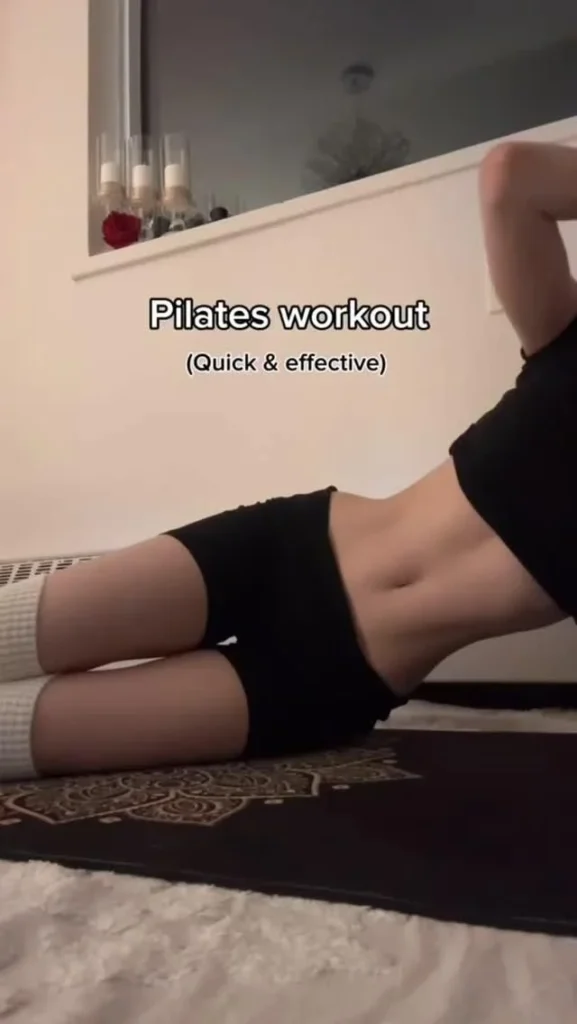
Leila demonstrating an abs workout at home with coaching tips on Instagram.

[Видео] «[Видео] «Leila on Instagram: “Try this at home, 3-5x a week 1:1 coaching in my bio 🤎 #absworkout #pilates #homeworkout Cc:Melanie (on tiktok)”»» в 2025 г | Тренировка для пресса, Тренировки, Ежедневные физические упражнения

Try This At Home: A Simple 3–5x/Week Pilates Abs Workout

Short, focused home workouts are trending — and for good reason. Leila’s recent clip encouraging viewers to “Try this at home, 3–5x a week” captures the modern approach: consistent, short sessions that build control and tone without needing a gym. Keep in mind that while targeted ab work strengthens and sculpts the core, spot reduction is a myth, so combine core training with overall conditioning and nutrition to see the best results.

This article breaks down an effective, pilates-inspired abs routine you can do at home, how often to do it, progressions, and quick nutrition tips to support your efforts.

Why 3–5x per week works

  • Frequency builds skill and endurance. Short, frequent sessions reinforce movement patterns and muscle recruitment.
  • Recovery matters. If you do this routine 5 times a week, keep intensity moderate and listen to soreness; 3–4 sessions is ideal for most people balancing other workouts.
  • Consistency beats intensity. Ten to 25 minutes of focused core work most days is better than sporadic, exhaustive sessions.

Pilates principles for better abs

Pilates emphasizes control, breath, and precision — all of which translate to safer, more effective core training:

  • Neutral spine and pelvic awareness keep pressure off the lower back.
  • Slow, controlled movements increase time under tension without needing heavy weights.
  • Breathing patterns (exhale on exertion) help engage the deep transverse abdominis and pelvic floor.

20-minute Home Pilates Abs Routine (Beginner → Advanced)

Warm-up (2–3 minutes)

  • Cat–cow 30 sec
  • Standing roll-downs with slow breaths 1 minute

Main set (repeat circuit 2–3 rounds)

  1. Hundreds (modified): 30–60 seconds — pump arms with small inhales/exhales, keeping ribs in.
  2. Single-leg stretch: 8–12 reps per side — focus on pelvic stability.
  3. Double leg lower (controlled): 8–10 reps — stop if your back arches.
  4. Criss-cross (slow): 10–16 total reps — rotate with control, not momentum.
  5. Plank to knee tap: 30–45 seconds — maintain a straight line, draw belly button to spine.
  6. Pilates leg circles (small): 6–8 each direction per leg — keep hips stable.

Cool-down (2–4 minutes)

  • Child’s pose with diaphragmatic breathing 1 minute
  • Supine knees-to-chest and gentle twist 1–2 minutes

Progressions: increase reps, add a third round, or extend hold times. Add a weighted or resistance-element only after mastering form.

Nutrition and recovery (short guide)

Ab-focused training benefits greatly from proper fueling and recovery. Prioritize lean protein and whole foods after workouts to support muscle repair. For easy meal ideas that pair well with grilling season and post-workout recovery, consider including high-protein foods that are great for grilling like chicken breasts, salmon, or firm tofu to make quick, nutritious dinners after training.

Hydration, sleep, and stress management also play major roles in visible progress and energy levels.

Common form mistakes to avoid

  • Over-cranking the neck during crunches — support the head with the hands and lead with the chest.
  • Holding breath — exhale on effort to maximize core engagement.
  • Letting the lower back arch on leg lowers — reduce range of motion if needed.
  • Relying on momentum — slower, controlled reps are more effective.

When to seek coaching

If you have persistent lower back pain, diastasis recti, or previous abdominal surgery, consider 1:1 coaching to tailor movements and progressions safely. A coach can correct subtle compensations and create a plan that fits your schedule and goals.

Conclusion
A compact, pilates-based abs routine done 3–5 times a week can improve core strength, posture, and movement quality. Combine consistent practice with whole-body conditioning and mindful nutrition for the best results. Start slow, prioritize form, and gradually challenge yourself — your core will thank you.

[Видео] «[Видео] «Leila on Instagram: “Try this at home, 3-5x a week 1:1 coaching in my bio 🤎 #absworkout #pilates #homeworkout Cc:Melanie (on tiktok)”»» в 2025 г | Тренировка для пресса, Тренировки, Ежедневные физические упражнения Read More »

, , , ,
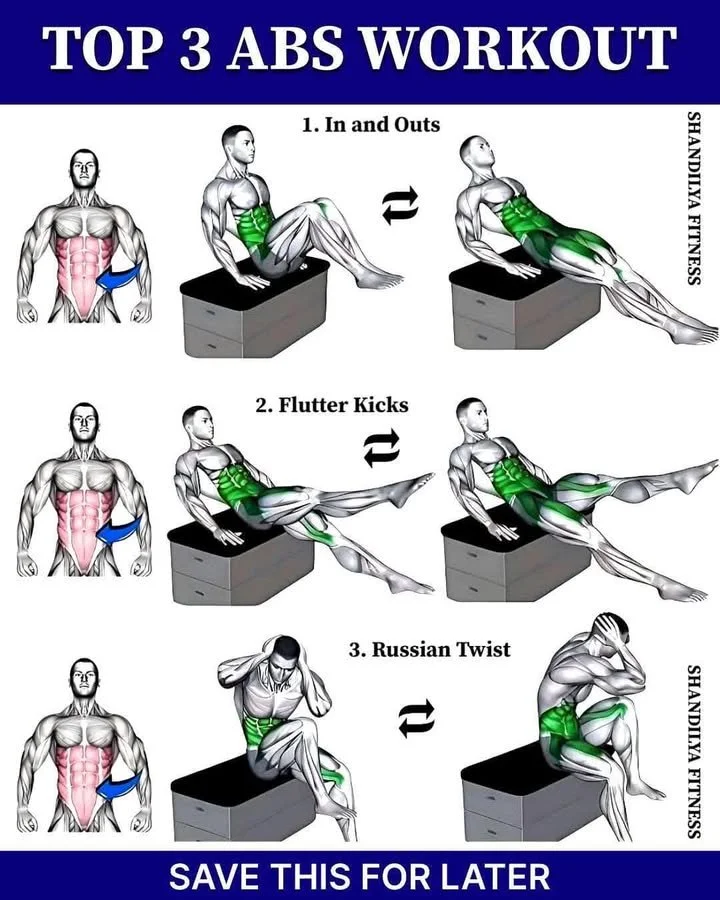
Three effective abs workouts for home fitness to strengthen your core.

🔸Top 3 Abs Workout ✅ Do these three at home and see the difference. #absworkout #abs #homeworkout #healthyliving #workout #viralpost

Transform Your Core: Top 3 Abs Workouts You Can Do at Home

In the journey towards achieving a strong and toned midsection, consistency is key. With just a few dedicated moves, you can effectively target your abdominal muscles from the comfort of your home. Whether you’re a fitness novice or a seasoned athlete, incorporating these three essential abs workouts into your routine will help you see the difference in no time. Ready to get started? Let’s dive in!

1. Plank

The plank is a fundamental exercise that engages your entire core. It’s excellent for building strength and endurance without requiring any special equipment.

How to Do It:

  1. Begin on your hands and knees, then extend your legs back until your body forms a straight line from head to heels.
  2. Engage your core by pulling your belly button towards your spine.
  3. Hold this position for 30 seconds to a minute, ensuring your hips don’t sag or lift too high.

Tips:

  • Keep your neck neutral by looking at a spot on the floor.
  • If full planks are too challenging, drop to your knees for a modified version.

2. Bicycle Crunches

Bicycle crunches are an effective way to target both your upper and lower abdominal muscles while promoting mobility in your hips.

How to Do It:

  1. Lie flat on your back and place your hands behind your head.
  2. Bring your knees up to a 90-degree angle.
  3. Lift your shoulder blades off the ground and twist your torso, bringing your right elbow towards your left knee while straightening your right leg.
  4. Alternate sides in a pedaling motion.

Tips:

  • Move slowly and deliberately for maximum engagement of your core.
  • Focus on bringing your elbow to your knee, rather than just moving your knee to your elbow.

3. Leg Raises

Leg raises specifically target the lower abdominal area, which can be more challenging to engage. They are a fantastic addition to any abs workout routine.

How to Do It:

  1. Lie on your back with your legs straight and arms at your sides or underneath your lower back for support.
  2. Keeping your legs straight, lift them to a 90-degree angle.
  3. Lower your legs back down without letting them touch the floor, then repeat.

Tips:

  • Keep your core engaged throughout the movement to avoid straining your lower back.
  • If necessary, bend your knees slightly to modify the exercise.

Conclusion

Incorporating these three workouts into your fitness regimen can significantly contribute to a stronger, more defined core. Remember, consistency is crucial, so aim to include these exercises at least two to three times a week. Over time, you will not only notice a difference in your abs but also in your overall posture and strength.

Join the Challenge!

Are you ready to take your fitness to the next level? Share your journey using the hashtags: #absworkout #abs #homeworkout #healthyliving #workout and inspire others to join you on the path to a healthier lifestyle!

Let’s get to work and sculpt those abs!

🔸Top 3 Abs Workout ✅ Do these three at home and see the difference. #absworkout #abs #homeworkout #healthyliving #workout #viralpost Read More »

, , , ,
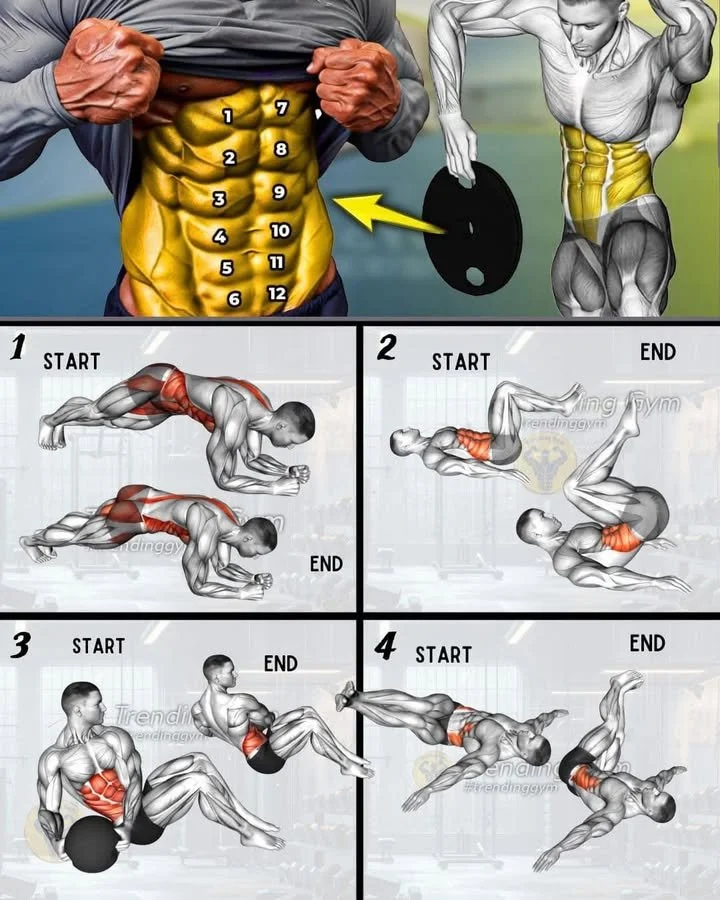
Top abs workout exercises: planks twist, reverse crunches, Russian twist, lying legs twist

✅ Top 4 Abs Exercises Routine – Abs Workout🔥 1 Planks Twist 2 Reverse Crunches 3 Russian Twist 4 Lying Legs Twist 3 sets 10-12 reps #absday #absworkout #coreworkout #trendinggym #fblifestyle

Ultimate Abs Workout: Top 4 Exercises to Sculpt Your Core

Are you ready to chisel your abs and strengthen your core? A strong core is essential for overall fitness, stability, and improved athletic performance. This article presents a dynamic routine featuring the top four exercises that specifically target your abdominal muscles. Incorporate this routine into your fitness plan for impressive results!

The Routine: 4 Powerful Abs Exercises

  1. Plank Twists

    • Description: Start in a plank position with your arms straight and body in a straight line from head to heels. Engage your core and twist your hips to one side, bringing them toward the ground. Return to the center and repeat on the other side.
    • Benefits: This exercise not only strengthens your abs but also engages the obliques and improves stabilization.
  2. Reverse Crunches

    • Description: Lie on your back with your knees bent and feet flat on the floor. Place your hands at your sides or under your head for support. Engage your core to lift your hips off the ground, bringing your knees toward your chest. Slowly lower your hips back down and repeat.
    • Benefits: Targeting the lower abs, reverse crunches help in building strength and definition while minimizing strain on your back.
  3. Russian Twists

    • Description: Sit on the floor with your knees bent and feet lifted off the ground for a challenge. Lean back slightly, keeping your back straight, and clasp your hands together. Rotate your torso to one side, then to the other, tapping the ground beside you as you go.
    • Benefits: This exercise is excellent for strengthening the obliques and improving rotational movement, essential for many sports activities.
  4. Lying Leg Twists

    • Description: Lie on your back with your legs straight up in the air. While keeping your shoulders flat on the ground, lower your legs to one side while maintaining control. Use your core to lift your legs back to the center and then repeat on the other side.
    • Benefits: Lying leg twists work the entire abdominal region, helping to build strength and flexibility while promoting stability in the core.

Workout Guidelines

For best results, perform 3 sets of 10-12 repetitions for each exercise. Focus on maintaining proper form to maximize effectiveness and minimize injury risk. Take a brief rest between sets to recover but keep it under a minute to sustain your heart rate and calorie burn.

Conclusion

This abs workout routine is a powerful and efficient way to enhance your core strength and definition. Whether you’re a fitness beginner or a seasoned athlete, adding these exercises to your regimen can help achieve a sculpted midsection. So, prepare to hit the gym, and let’s get to work on those abs!


Stay Motivated!

Don’t forget to track your progress and share your journey on social media using the hashtags:
#absday #absworkout #coreworkout #trendinggym #fblifestyle. Let’s inspire each other as we work towards our fitness goals!

✅ Top 4 Abs Exercises Routine – Abs Workout🔥 1 Planks Twist 2 Reverse Crunches 3 Russian Twist 4 Lying Legs Twist 3 sets 10-12 reps #absday #absworkout #coreworkout #trendinggym #fblifestyle Read More »

, , , ,
Scroll to Top