abdominal exercises

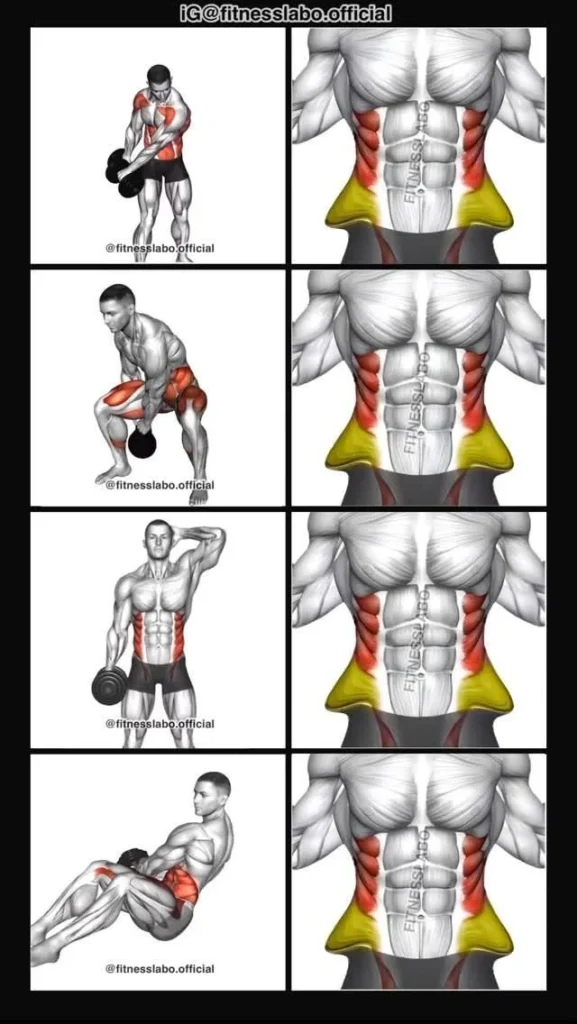
Effective exercises for achieving a slim waist including side bends and Russian twists

「「𝗙𝗜𝗧𝗡𝗘𝗦𝗦𝗟𝗔𝗕𝗢 on Instagram: “✅ How to Get a Slim Waist ① Spell Caster ② Physique 8 ③ Side Bend ④ Russian Twist 3 sets 15-20 reps #fitness #gym #ex…」[動画]」[動画]【2025】 | 腹筋のルーティン, 腹部のエクササイズ, ジムのエクササイズ

Slim Waist Routine (2025) — A Practical Guide to the Instagram 4-Move Ab Circuit

A popular Instagram clip from FITNESSLABO recently circled the feed with a compact four-move abdominal circuit promising a slimmer waist: Spell Caster, Physique 8, Side Bend, and Russian Twist — 3 sets of 15–20 reps each. It’s a simple, high-volume routine that can be done in the gym or at home with minimal equipment. Before you start, make sure you’re following a basic gym-safety routine to protect your back and joints — here’s a useful gym safety checklist to review first.

Below is a practical breakdown of each move, coaching cues, and ways to scale the circuit so it’s effective and safe.

The four-move circuit — what each exercise does and how to perform it

  1. Spell Caster

    • What it targets: anti-rotation and transverse abdominis engagement; trains core stability through standing rotation.
    • How to do it: Stand feet hip-width apart, hold a light weight or medicine ball at chest level. Rotate your torso slowly to one side while maintaining a braced core, then return to center and rotate to the other side. Think of “casting” the weight across your body in a controlled arc.
    • Tips: Keep hips relatively stable; avoid using momentum. Maintain neutral spine and breathe steadily.
  2. Physique 8

    • What it targets: lower abs and hip control with a figure-8 leg pathway.
    • How to do it: Lie on your back, lift legs slightly off the floor. Move the legs in a slow figure-eight pattern, focusing on controlled motion from the hips and lower abs rather than momentum from the legs.
    • Tips: Keep the lower back gently pressed into the floor; if you feel arching, raise the legs a little higher or reduce range of motion.
  3. Side Bend

    • What it targets: obliques and lateral flexors.
    • How to do it: Standing or seated, hold a dumbbell in one hand and lower it toward the knee on the same side by bending at the waist, then return to upright. Repeat for reps and switch sides.
    • Tips: Don’t rush through reps; avoid rotating the torso — aim for pure lateral flexion. Use moderate weight to avoid compensations.
  4. Russian Twist

    • What it targets: rotational strength for the obliques and the entire core.
    • How to do it: Sit with knees bent and heels near the floor, lean back slightly to engage the core, hold a weight or medicine ball and rotate the torso from side to side. Move with control and full breathing.
    • Tips: Keep shoulders relaxed and spine tall; if lower back discomfort appears, reduce range of motion or perform the movement with feet on the floor.

Routine format: 3 sets × 15–20 reps per exercise. Rest 45–60 seconds between sets. Adjust reps and load based on form quality — perfect reps win over high rep counts.

Programming, progressions, and alternatives

  • Frequency: 2–4 core-focused sessions per week is sufficient. Combine this circuit with compound lifts and cardiovascular work for best results in waistline reduction.
  • Progressive overload: Add weight, slow the tempo, or increase time-under-tension before increasing reps. For example, hold a longer isometric pause at the end range of a Spell Caster or perform slow 3–4 second eccentrics on the Physique 8.
  • Regressions: Reduce range of motion, perform fewer reps per set (8–12), or substitute seated or supported versions of the moves until you build strength.
  • Variations: To add variety and build rotational power, consider resisted alternatives such as band rotations. A helpful band twist tutorial explains safe progressions and cues for using bands to strengthen the core while protecting the spine.

Common mistakes to avoid: swinging the weight, holding breath, flaring ribs, and letting the lower back dominate the movement. Quality reps at moderate intensity beat sloppy high-volume sets.

Sample 12-minute circuit (beginner to intermediate)

  • Warm-up: 3 minutes — light cardio + dynamic hip and thoracic mobility
  • Circuit: Perform each exercise back-to-back (15 reps each), rest 60 seconds after the four exercises, repeat for 3 rounds.
  • Cool-down: 2–3 minutes — gentle stretching and diaphragmatic breathing

This short, focused training session fits easily into most workout schedules and reinforces core stability, rotational control, and oblique strength — all contributing to a tighter waistline when combined with nutrition and overall fat-loss strategies.

Conclusion

The Spell Caster → Physique 8 → Side Bend → Russian Twist circuit is a practical, time-efficient way to train your core. Prioritize correct technique, progressive overload, and gym safety. When done consistently alongside a sensible diet and full-body training, these exercises can help sculpt a leaner midsection.
「「𝗙𝗜𝗧𝗡𝗘𝗦𝗦𝗟𝗔𝗕𝗢 on Instagram: “✅ How to Get a Slim Waist ① Spell Caster ② Physique 8 ③ Side Bend ④ Russian Twist 3 sets 15-20 reps #fitness #gym #ex…」[動画]」[動画]【2025】 | 腹筋のルーティン, 腹部のエクササイズ, ジムのエクササイズ Read More »

, , , ,
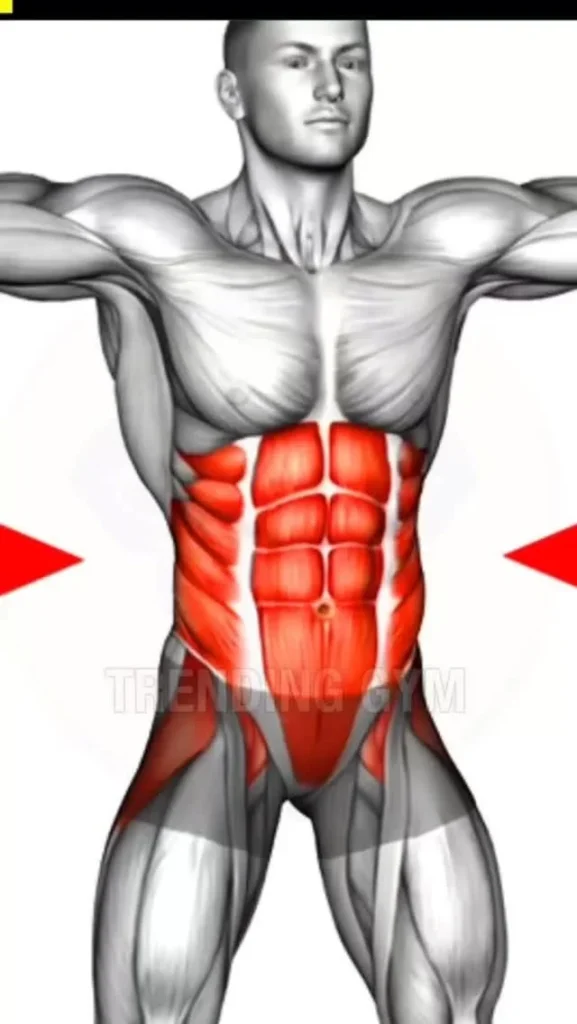
A fitness instructor demonstrating top exercises for the abdomen in a workout video.

TOP EXERCÍCIOS PARA O ABDÔMEN, BORA TREINAR!! GOSTOU DO CONTEÚDO ME SIGA PARA NÃO PERDER… [Vídeo] em 2025 | Exercícios para abdômen, Exercícios de treino, Exercícios com halteres

Top Ab Exercises to Try in 2025 — Let’s Train!

Want sharp, functional abs this year? This guide brings together the best ab moves you can do with (and without) dumbbells, progressive ways to challenge your core, and a simple routine you can start today. For a quick way to build whole-body tension that supports core strength, try the 15-minute heavy deadlift EMOM — deadlifts are fantastic for teaching bracing and posterior chain strength, which helps your abs perform better.

Why train the core (beyond aesthetics)

  • Improves posture and stability for daily tasks and lifts.
  • Reduces risk of low-back pain by improving load distribution.
  • Transfers force between upper and lower body for better athletic performance.

Equipment and safety

You only need a pair of dumbbells (adjustable is ideal) and a mat. Focus on controlled movement, full breathing (exhale on exertion), and bracing the belly as if preparing for a punch. If you have a history of back problems, reduce range of motion and consult a professional.

Top exercises with dumbbells (and how to do them)

  1. Dumbbell Russian Twist

    • Sit with knees bent, feet on the floor (or slightly elevated to increase difficulty). Hold one dumbbell with both hands, rotate torso left and right.
    • Tip: Keep shoulders elevated as a unit; rotate from the ribs, not just the arms. 3 sets of 12–20 reps per side.
  2. Suitcase Carry (Farmer Carry variation)

    • Hold one heavy dumbbell at your side and walk 30–60 seconds. Anti-lateral-flexion work forces deep core engagement.
    • Tip: Keep hips level, shoulders square. 3 rounds, 30–60s each.
  3. Weighted Dead Bug

    • Lie on your back holding a light dumbbell or plate overhead with straight arms; alternate lowering opposite arm and leg while keeping low back pressed to the floor.
    • Great for learning to resist unwanted lumbar extension. 3 sets of 8–12 per side.
  4. Dumbbell Overhead Press (Anti-Extension/Anti-Rotation Benefit)

    • Pressing overhead challenges the core to stabilize the spine — use a single-arm press for anti-rotation emphasis.
    • Tip: Brace before pressing and avoid arching the lower back. 3 sets of 6–10 per side.
  5. Weighted Sit-Up or Crunch (Controlled)

    • Hold a light dumbbell on the chest or overhead and perform controlled sit-ups or crunches. Use full breathing and avoid jerking.
    • 3 sets of 10–15.
  6. Plank with Dumbbell Drag

    • From high plank, drag a dumbbell from one side to the other using the opposite hand while resisting rotation.
    • 3 sets of 8–12 drags per side.
  7. Hanging Knee Raise (bodyweight)

    • If you have a pull-up bar, hanging movements build hip flexor and lower-abs strength. Slow, controlled reps beat swinging.

Programming: sample 20–30 minute ab session

  • Warm-up: 3–5 minutes dynamic mobility (cat-cow, leg swings, hip circles)
  • Circuit (repeat 3 rounds, 30–45s rest between rounds):
    1. Suitcase Carry — 40s (each side)
    2. Dumbbell Russian Twist — 20 reps (total)
    3. Weighted Dead Bug — 10 reps per side
    4. Plank with Dumbbell Drag — 8 drags per side
  • Finish: 60s slow hollow hold or light stretching.

Progress by increasing load, range of motion, or time under tension. Swap unilateral work to expose and correct imbalances.

Nutrition and recovery (brief)

Abs are built in the gym and revealed in the kitchen. Prioritize protein, a modest calorie deficit for fat loss, and adequate sleep. If you’re navigating midlife changes, special nutrition strategies can help maintain muscle and metabolic health — see this practical guide on menopause nutrition for tips that also apply to many active adults.

Quick troubleshooting

  • No progress? Track load, reps, and rest so you can overload gradually.
  • Low-back discomfort? Regress to more stable anti-extension drills (dead bugs, planks) and reduce ROM on weighted sit-ups.
  • Boredom? Mix tempo, unilateral work, and carries to keep sessions fresh.

Conclusion

If you’re curious about how calorie burn from high-intensity moves compares to strength work — for example, whether burpees truly “burn so few calories” — check out this community discussion: Do burpees really burn so few calories?

Happy training — consistency and progressive challenge are the real keys to a stronger, more functional core.

TOP EXERCÍCIOS PARA O ABDÔMEN, BORA TREINAR!! GOSTOU DO CONTEÚDO ME SIGA PARA NÃO PERDER… [Vídeo] em 2025 | Exercícios para abdômen, Exercícios de treino, Exercícios com halteres Read More »

, , , ,
Scroll to Top