Strength Invested: Health & Performance
Strong men know that real strength is about more than being able to lift heavy weights — it’s about longevity, resilience, and daily performance. Building a foundation of movement, recovery, and smart nutrition pays dividends in work, family life, and long-term health, so a focused approach matters from the first training session onward. If your schedule is tight, starting with a short routine like a 10-minute calisthenics workout can jumpstart resilience and confidence.
Train smart, not just hard
- Prioritize compound movements and progressive overload so you gain functional strength that translates to everyday tasks.
- Mix mobility work and stability drills to protect joints and maintain range of motion as you age.
- Include focused core sessions to improve posture and transfer power across movements; a guided 10-minute core workout can be a simple daily habit that makes a big difference.
Nutrition, recovery, and hormones
- Strong men pay attention to protein intake, sleep quality, and stress management to support recovery and muscle maintenance.
- Hormone balance is part of performance; lifestyle choices can affect endocrine health, so be informed about behaviors that influence hormone levels by reviewing resources on habits that raise estrogen in men.
- Recovery practices — contrast baths, targeted stretching, and deliberate deload weeks — keep training sustainable over decades.
Performance with purpose
- Tailor training to goals: strength for power, conditioning for endurance, and mobility for longevity.
- Practical accessory work improves daily function; for example, focused arm and upper-body routines support lifting, carrying, and sport-specific tasks. Partners and coaches often borrow effective moves from varied programs like this arm workout routine to build balanced upper-body strength.
Mindset and consistency
- View training as a long-term investment rather than a short-term fix; small, consistent actions compound into meaningful change.
- Track progress with simple metrics: movement quality, sleep, energy, and the ability to perform everyday tasks without pain.
- Seek coaches, communities, or educational resources that emphasize technique, safety, and sustainable progress.
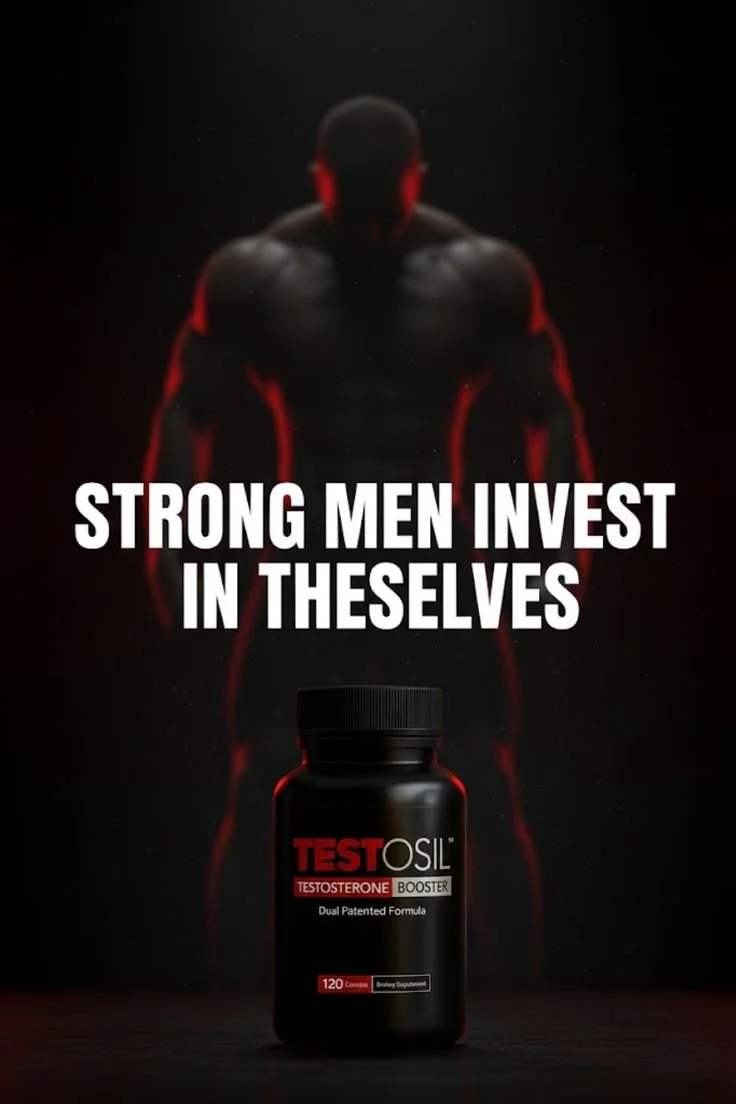
Conclusion
Investing in strength is an investment in health — for today and for decades to come — and the science supports using resistance training to preserve function as we age, as explained in this helpful overview from the National Institute on Aging: strength training and healthier bodies as we age.