Squat Fix: How I Stopped Ruining My Knees
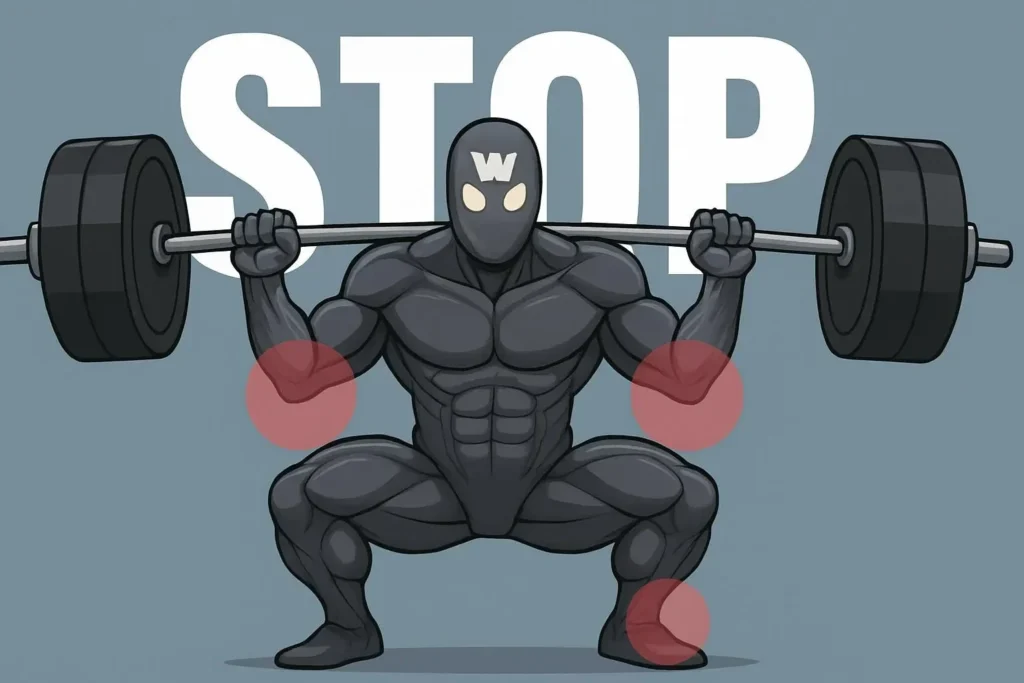
I loved squats — heavy, deep, and often — until sharp kneecap pain started showing up days after training. For a while I blamed my genetics or bad luck, but the truth was simpler: subtle form faults, programming errors, and a few lifestyle habits were turning a powerful exercise into a joint stressor. I made a handful of targeted changes (to technique, warm-up, and recovery) and within weeks the pain faded and my squat improved — not just for comfort, but for strength too. Along the way I even adjusted my nutrition, trying protein-rich meals like 38g Protein Chicken Enchiladas to support recovery.
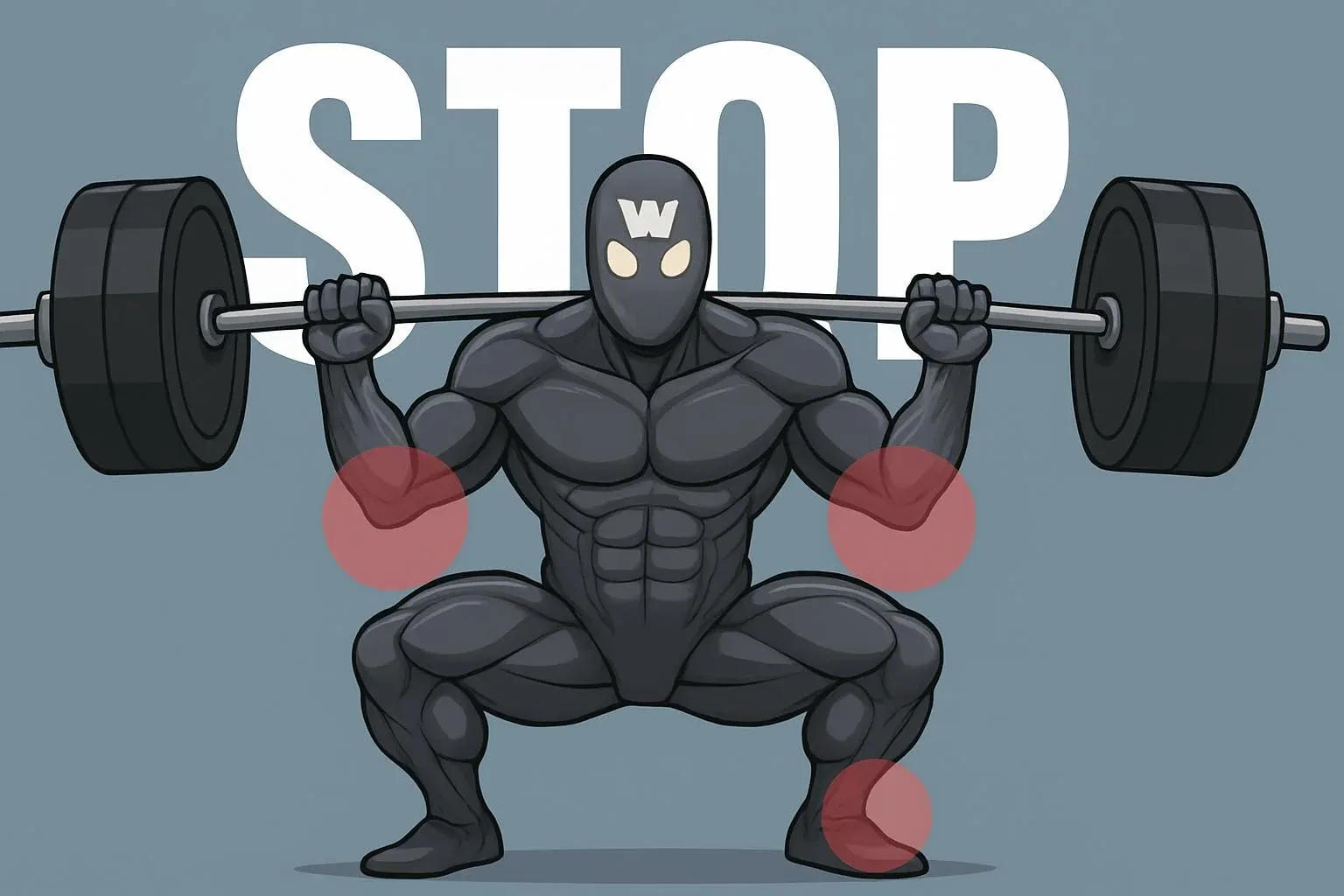
What was actually hurting my knees
- Knee-dominant squat pattern: letting the knees track too far forward while the hips stay high concentrates load on the patellofemoral joint.
- Poor ankle mobility: limited dorsiflexion forces compensations that overload the knees.
- Excessive forward lean: turns the squat into a quad-dominant movement with increased joint shear.
- Volume and load spikes: jumping weight or sets too fast without building tolerance.
- Weak posterior chain and glutes: when they can’t share the load, the knees take more stress.
Quick technique checks that fixed my pain
- Find your hip hinge first: before descending, push hips back slightly to feel hamstrings engage. That keeps the load distributed.
- Cue the knees to track over toes, not past them aggressively — think “push knees out” to engage glutes and reduce inward collapse.
- Keep chest tall and neutral spine: a small increase in upper-back tightness helped reduce forward lean and knee shear.
- Test stance width: a slightly wider or narrower stance can change knee tracking and comfort — experiment until you feel even load.
- Use a tempo: slowing the descent (2–3 seconds) helped me learn position and remove the “bounce” that drove my knees forward.
Mobility and activation drills that actually help
- Ankle dorsiflexion drills: wall ankle taps, banded ankle distractions, and calf mobilizations. Even a couple minutes before squatting made a difference.
- Glute activation: single-leg bridges, banded monster walks, and short hip thrusts to prime the posterior chain.
- Quad but not overwork: light leg extensions or slow goblet squats to reinforce a controlled knee track without fatiguing the joint.
- Soft-tissue work: foam rolling quads and TFL can reduce tension that pulls the knee out of ideal tracking.
Programming and progression rules I adopted
- Start lighter and build density: fewer heavy sets at higher quality rather than chasing volume.
- Add deliberate deloads and reduce back-to-back heavy squat days.
- Use variations: tempo squats, goblet squats, box squats, and front squats let you train movement quality while reducing painful positions.
- Prioritize unilateral work: Bulgarian split squats and lunges improved balance and identified asymmetries I didn’t feel otherwise.
When to regress instead of push
- If pain is sharp, not a dull ache, back off immediately and test mobility and technique.
- Swap loaded squats for bodyweight or box squats to retain patterning without joint stress.
- Use isometrics (wall sits, paused squats) to build tolerance before adding dynamic load.
Recovery, lifestyle, and a note on nutrition
- Sleep, inflammation control, and consistent protein intake all supported recovery. I found higher-protein meals helpful for repair, and sometimes turned to balanced options like Creamy Cajun Chicken Rice Bowls after tough sessions to refuel without excess volume.
- Footwear choices mattered: stable shoes or a slight heel can help ankle and knee mechanics depending on your mobility profile.
- If pain persists despite adjustments, get an assessment — strength imbalances, cartilage issues, or tendon problems need a professional plan.
Simple morning routine to protect your knees
- 3–5 minutes of ankle mobility and glute activation
- 1–2 light warm-up sets of goblet squats focusing on form
- Progress into working sets only when movement feels clean
Conclusion
If your squats are bothering your knees, consider the common culprits and fixes described above, and learn more about everyday habits that may be worsening knee pain by reading 9 things you could be doing that will make your knee pain worse. Take small, consistent steps—technique, mobility, and programming adjustments can often stop pain and make your squats stronger.