
Protein Needs Demystified
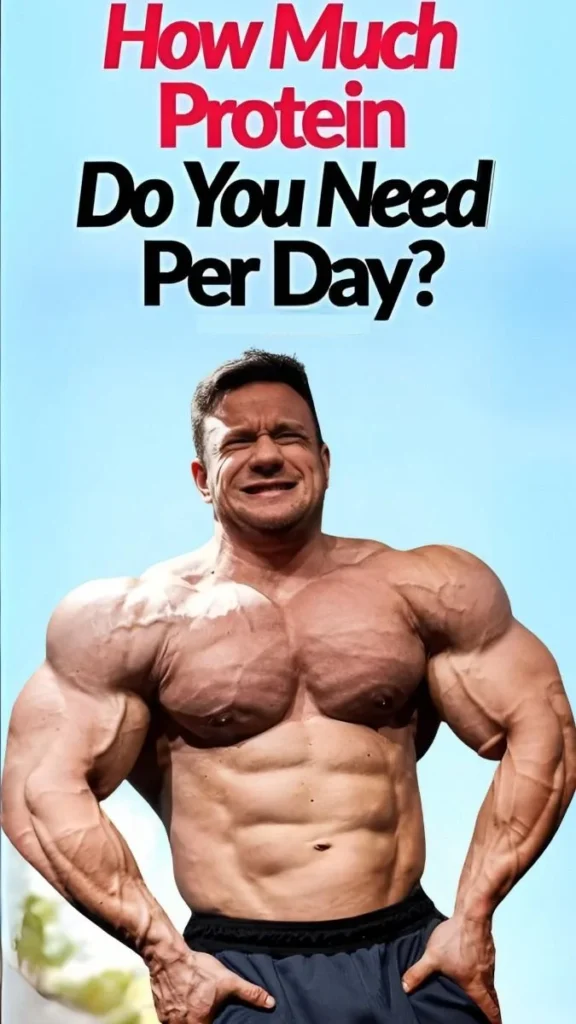
Protein fuels repair, growth, and daily function — but how much do you actually need? This article breaks down practical protein recommendations for different goals, explains how to estimate your personal needs, and offers simple food strategies to hit your targets without overcomplicating meals. If you’re pairing nutrition with strength work, remember that training approaches like progressive overload make adequate protein even more important for gains and recovery.
What protein does and why amounts vary
- Protein is made of amino acids, some of which your body can’t make and must get from food. These building blocks support muscle repair, enzymes, hormones, immune cells, and more.
- Needs vary by body size, activity level, age, and goals. Someone sedentary needs far less protein than an athlete trying to add muscle or an older adult aiming to preserve strength.
How to estimate your daily protein
A simple starting point is grams per kilogram of body weight:
- Sedentary adult: ~0.8 g/kg
- Regularly active or strength-training: 1.2–1.8 g/kg
- Intensive strength athletes or those in calorie deficit: 1.6–2.2 g/kg
Example: A 75 kg (165 lb) person aiming to build muscle might choose 1.6 g/kg → 75 × 1.6 = 120 g protein/day.
Adjust for goals and context
- To lose fat while preserving muscle, aim for the higher end (1.6–2.2 g/kg) and include resistance training.
- Older adults benefit from slightly higher protein to combat age-related muscle loss.
- Endurance athletes should not ignore protein; 1.2–1.6 g/kg supports repair alongside carbohydrate-focused fueling.
Timing and distribution matter
Spreading protein across meals helps stimulate muscle protein synthesis more effectively than putting most protein into one meal. Aim for 3–4 protein-containing meals with ~20–40 g each, depending on your total target.
Protein quality and food choices
- Complete proteins provide all essential amino acids: animal sources (meat, fish, poultry, eggs, dairy) and some plant sources like soy and quinoa.
- Combining plant proteins across the day (legumes + grains) gives a complete amino acid profile for those following vegetarian or vegan diets.
- Whole food sources also provide other nutrients—choose a variety and include minimally processed options when possible.
Practical tips to hit targets
- Start by calculating your target grams per day, then divide by meals. Use simple swaps: Greek yogurt, cottage cheese, eggs, lean meats, tofu, lentils, tempeh, or protein-fortified foods.
- Track a few days until you get a feel for portion sizes; over time you’ll estimate without logging.
- Protein supplements (whey, pea, casein) are convenient but optional; prioritize whole-food sources first.
Recovery, sleep, and protein interaction
Protein supports recovery but is one part of the equation alongside sleep and training load. For more on how recovery time influences training outcomes, see this article about muscle recovery timelines.
Protein and daily energy
While protein isn’t the primary energy source for long workouts, adequate intake helps preserve muscle when calories are low. If you’re struggling with low energy while trying to increase protein or training load, strategies for restoring energy can help you stay consistent.
Putting numbers into practice: an example plan
- 80 kg person aiming for 1.6 g/kg → 128 g/day
- Breakfast: 30 g (eggs + Greek yogurt)
- Lunch: 40 g (chicken salad or large tofu bowl)
- Snack: 12 g (nuts + cottage cheese)
- Dinner: 46 g (fish + beans + vegetables)
Strength and real-world performance
Protein supports the strength you display in everyday and athletic tasks. For fun comparisons and to remind yourself why strength foundations matter, consider reading about practical strength examples like those in an arm-wrestling strength discussion.
Conclusion
For a clear, evidence-based summary on recommended daily protein amounts tailored to different people, see this helpful guide from Harvard Health: Harvard Health’s guide on daily protein needs.