
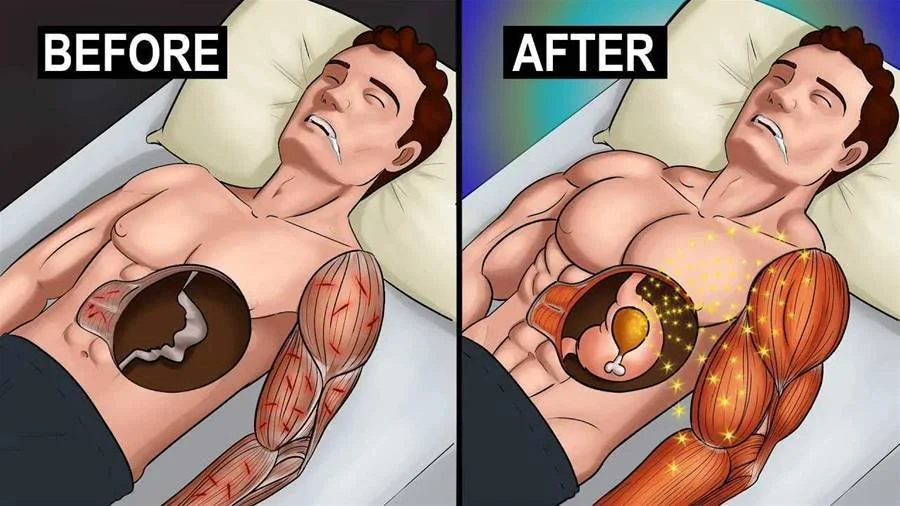
Nighttime Protein: 5 Science-Backed Reasons to Eat Protein Before Bed
Most people think “no food before bed” is always best — but when it comes to protein, the timing matters. Eating a modest, protein-rich snack before sleep can support muscle repair, preserve lean mass, improve overnight recovery, and even help with appetite control the next day. If you’ve been skipping late-day protein under the assumption it only leads to weight gain, read on—science paints a different picture. For a protein-packed start to your day that pairs well with a night-focused nutrition plan, check this protein-packed breakfast option.

Why protein before bed? Research in sleep and metabolism shows that overnight is an active period for muscle protein turnover. Providing amino acids during this window can shift the balance toward synthesis, not breakdown. Below are five clear, science-based reasons to include protein before sleeping — plus practical tips on what and how much.
- Boost overnight muscle protein synthesis
- During sleep, muscles switch between breakdown and rebuilding. Consuming a slow-digesting protein (e.g., casein) about 30–60 minutes before bed supplies a steady stream of amino acids throughout the night.
- Studies show that nighttime protein increases whole-body protein synthesis and supports strength and lean mass gains when combined with regular resistance training.
- Preserve lean mass during calorie deficit
- If you’re trying to lose fat, maintaining muscle is critical for metabolic health. Eating protein at night helps blunt muscle protein breakdown that can occur during extended fasting (sleep).
- A small protein snack (20–40 g depending on your size and training load) can be enough to protect muscle without causing excess calorie surplus.
- Improve recovery and next-day performance
- Athletes and regular gym-goers benefit from improved overnight recovery when they include pre-sleep protein, leading to better performance in subsequent training sessions.
- Timing protein intake to cover the long fast of sleep helps repair exercise-induced damage and speeds adaptation.
- Enhance satiety and better appetite control
- Protein is the most satiating macronutrient. A modest protein snack before bed can reduce late-night hunger and lower the likelihood of high-calorie, low-nutrient night eating.
- This can indirectly support body composition goals by reducing overall calorie intake and stabilizing morning hunger cues.
- Support metabolic and hormonal balance
- Protein intake influences hormones like ghrelin and insulin in ways that promote fullness and stable blood sugar through the night.
- For people sensitive to overnight drops in glucose or those prone to nocturnal hunger, a targeted protein snack can stabilize levels until morning.
What type of protein and how much?
- Slow-digesting proteins (casein, cottage cheese, Greek yogurt) are commonly recommended because they release amino acids gradually. A whey + casein combination also works.
- Aim for roughly 20–40 g of protein depending on your body size and training. For most people 20–30 g is effective; serious athletes may need more.
- Keep total calories reasonable and consider pairing protein with a small amount of fiber or healthy fat if you find it helps with satiety.
Practical ideas and timing
- Simple options: Greek yogurt with berries, cottage cheese with sliced apple, a casein-based shake, or a small portion of lean meat or tofu.
- If you prefer savory, a small dinner that’s higher in protein (and lower in refined carbs) can serve the same purpose—see a hearty high-protein dinner example like this creamy garlic cheesy chicken and potatoes for inspiration.
- Avoid large, calorie-dense meals right before bed — the goal is a measured protein serving, not a full extra meal.
Who should avoid pre-sleep protein?
- Most healthy adults benefit, but if you have digestive issues that worsen at night, reflux, or specific medical conditions, customize timing and food choices accordingly.
- If you’re managing a medical condition (especially neurological or seizure disorders), consult your clinician about timing and composition of late-night meals.
Quick sample pre-sleep snack ideas
- 1 cup Greek yogurt + 1 tbsp chopped nuts
- 1 serving casein shake mixed with water
- 1/2 cup cottage cheese + sliced cucumber
- 3–4 oz grilled chicken or smoked turkey slices with raw veggies
Final tips
- Make protein before bed part of an overall balanced plan: consistent training, sufficient total daily protein, and good sleep hygiene amplify benefits.
- Track how your body responds for a few weeks — energy, morning appetite, workout performance, and body composition will tell you whether it’s working.

Conclusion
If you have a neurological condition or concerns about how late-night nutrition might affect seizure risk or other brain health issues, consult reliable resources like the Epilepsy and Seizures | National Institute of Neurological Disorders and Stroke and discuss personalized timing with your healthcare provider. Overall, for most people looking to preserve muscle, improve recovery, and control appetite, a modest protein snack before bed is a practical, science-backed strategy.