Progress needs protein 🍳
Introduction
Protein isn’t just a macronutrient on your plate — it’s the building block of progress. Whether your goal is stronger muscles, faster recovery, better cognitive performance, or healthier crops, protein plays a starring role. Before diving into strategies, it helps to check whether your daily intake supports your goals; one useful place to start is this are you meeting your nutrient needs for optimal wellness guide, which frames nutrient habits around real progress.
Why protein matters
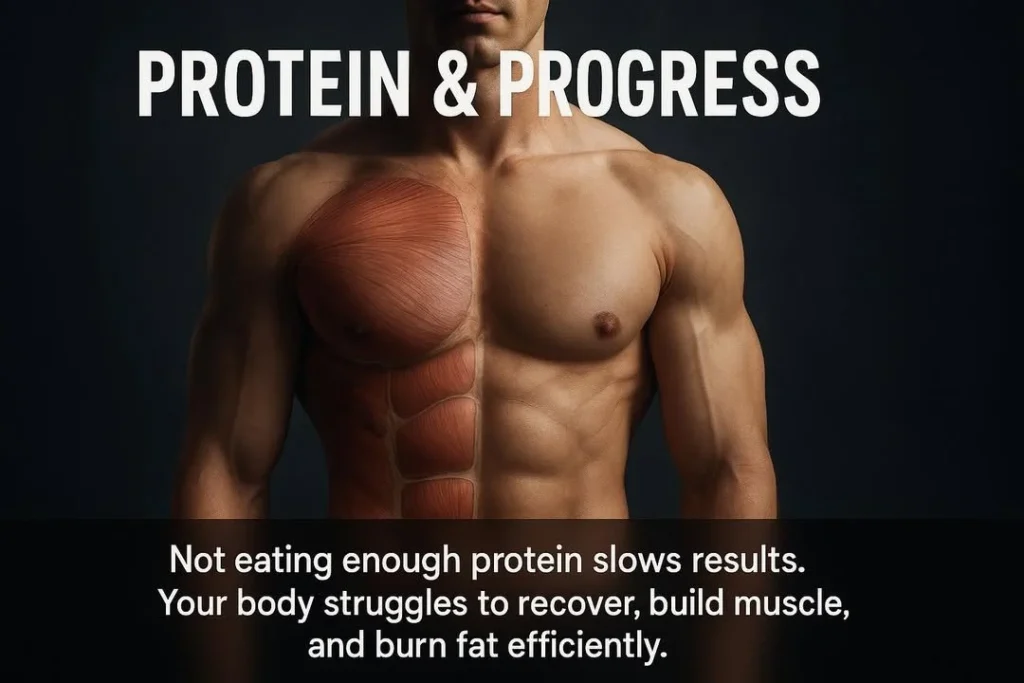
Every cell in your body uses amino acids from protein to repair, adapt, and grow. After resistance training, for example, muscle protein synthesis (MPS) increases — but only when enough high-quality protein is available. Protein also supports immune function, hormones, and enzymes that keep systems running efficiently. For athletes and regular exercisers, protein is the difference between merely showing up and actually improving.
How much and when
General guidelines suggest 1.2–2.0 g/kg body weight per day for active people, with higher intakes useful during heavy training or caloric deficit. Spreading protein across meals (20–40 g per sitting, depending on body size) maximizes MPS throughout the day. A pre- or post-workout portion helps recovery, but overall daily protein is the dominant factor for long-term gains.
Quality and sources
Not all proteins are identical. Animal proteins are typically complete, containing all essential amino acids in the right proportions. Plant proteins can be excellent too, though some require combining sources to achieve a full amino acid profile. Emerging research on plant-based proteins — including rice-derived proteins — is expanding options for athletes and growers alike. When choosing sources, consider digestibility, amino acid balance (especially leucine for muscle synthesis), and personal dietary preferences.
Pairing protein with training
Protein and training are synergistic. Techniques like progressive overload drive the muscle-signaling needed for growth, but those signals need the raw materials of amino acids to build new tissue. If you want your training to pay off, align your nutrition with your programming; learn how overload strategies translate into change in this here’s how progressive overload breaks you out piece for actionable context.
Practical tips
- Aim for a protein-rich breakfast to kickstart daily MPS.
- Include a protein source with every meal and snack.
- Prioritize leucine-containing foods (dairy, eggs, lean meats, soy) around workouts.
- If you follow a vegetarian or vegan diet, combine complementary proteins or consider high-quality isolated plant proteins.
- Track intake briefly to ensure consistency — small lapses compound over weeks.
Conclusion
Progress truly needs protein, whether you’re sculpting muscle or improving crop quality. For a deeper look at advances in plant-based protein research, see Research progress on the relationship between rice protein content.