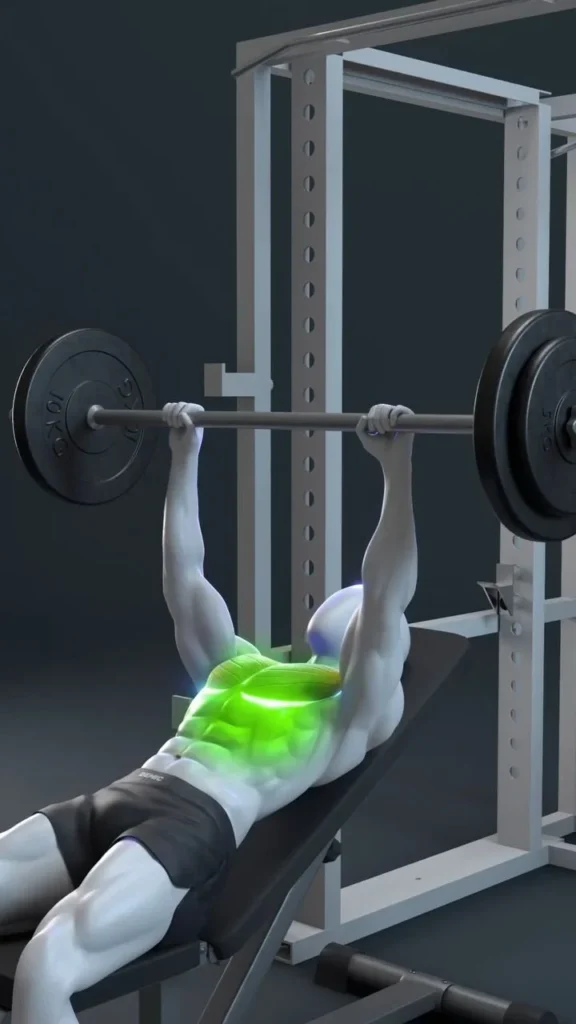
Perfect Incline Bench Press Form
The incline bench press is one of the best compound lifts for building upper-chest thickness and shoulder stability when performed correctly. Small adjustments in setup, bar path, and muscle recruitment separate an effective, joint-friendly press from an inefficient or injurious one. Before diving in, review related shoulder mechanics—for example, this primer on the seated dumbbell shoulder press setup—to better understand how the delts and scapula should behave during incline pressing.
Why incline press matters
- Targets clavicular head of the pectoralis major more than flat benching.
- Improves upper-chest fullness and the transition between chest and shoulders.
- Encourages a more upright pressing pattern that translates to overhead strength.
Setup: bench angle, feet, and grip
- Bench angle: Aim for 30–45 degrees. Lower angles (around 30°) emphasize the upper chest while reducing excessive anterior deltoid stress; higher angles shift load to the shoulders.
- Feet: Plant them firmly to create a stable base and enable leg drive. Your feet should remain flat throughout the rep.
- Grip width: Use a grip that places your forearms vertical at the bottom of the press. Too wide reduces range of motion and increases shoulder strain; too narrow makes the press more triceps-dominant.
Positioning the body: scapula and chest
- Retract and depress the scapulae: Pinch your shoulder blades together and slightly down to create a solid pressing platform. This protects the shoulder joint and increases chest recruitment.
- Chest up: Think about presenting your sternum toward the bar. Keeping the chest elevated shortens the ROM and promotes better pectoral activation.
- Maintain a natural lower-back arch; don’t over-bridge. The arch should be stable, not mobile.
Bar path and elbow position
- Bar path: Lower the bar to the upper-chest / lower-clavicle area, then press up and slightly back toward your eyes. This diagonal path keeps the load aligned with the muscle work.
- Elbow angle: Aim for elbows 45–70 degrees from your torso (roughly halfway between flared and tucked). This reduces impingement risk while allowing the chest to work.
- Touch point: Lightly touch the chest—do not bounce. Controlled contact ensures tension stays on the muscles.
Breathing, tempo, and tension
- Inhale and brace the core as you lower the bar, maintaining full-body tension.
- Pause for a brief moment at the bottom (no dead stop if using continuous tension), then exhale as you press.
- Tempo: A controlled 2–3 second descent with a deliberate press up maximizes muscle fiber recruitment and control.
- Keep tension through the glutes, legs, core, and lats to transfer force efficiently.
Common mistakes and fixes
- Excessive bench angle: If you feel your front delts dominating, lower the angle a few degrees.
- Flaring elbows: If your shoulders ache, bring elbows closer to the torso and focus on chest squeeze.
- Poor scapular control: Practice retracted holds and lighter sets to engrain the position.
- Lack of leg drive: Drive the feet and squeeze the glutes at the top of each rep to stabilize the torso.
Progressions and accessory work
- Use varied rep ranges: heavier sets (3–6) for strength, moderate (8–12) for hypertrophy, and lighter (<15) for endurance and control.
- Accessory lifts: Incline dumbbell press, incline flyes, and pressing variations strengthen weak points. For triceps-focused assistance and lockout work, consider techniques from the close-grip press family—see this piece on the close-grip bench press technique.
- Deload and mobility: If shoulder stiffness appears, reduce load and add mobility work for the thoracic spine and shoulder girdle.
How to program it
- Frequency: 1–3 times per week depending on goals and recovery.
- Volume: Start with 6–12 working sets per week for the incline press and adjust based on progress.
- Pair with vertical press and row variations to balance pushing and pulling strength.
Conclusion
For a complete reference on form, benefits, and common variations, check out this detailed guide to the Incline Bench Press: Proper Form & Benefits | Legion.