Focuses on the consumption of food and its impact on health. It covers healthy eating habits, balanced diets, meal plans, specific diet types (like keto or vegan), superfoods, weight management, and nutritional advice.
Title: High-Protein Vegetables: Powering Meals Without Meat
Introduction
Vegetables aren’t just side-dish fillers — many provide meaningful amounts of protein that can help you meet daily needs, especially when combined intelligently with other foods. For people cutting back on animal products, athletes seeking variety, or anyone aiming to eat more plant-forward, learning which vegetables pack the most protein and how to prepare them matters. You can even incorporate them into blended meals; for example, try some of these high-protein smoothie recipes that include spinach, peas, or other veggie boosters.
Why Protein from Vegetables Matters
Protein from vegetables contributes essential amino acids, fiber, vitamins, and minerals while typically being lower in saturated fat than animal proteins. While most single vegetables don’t match animal proteins gram-for-gram, several stand out (legume-related vegetables, leafy greens concentrated into portions, and certain cruciferous veggies). Combining vegetable proteins with grains, nuts, or dairy can create complete protein profiles that support muscle repair, hormonal balance, and satiety.
Top High-Protein Vegetables (What to Look For)
Edamame: Young soybeans are one of the richest vegetable sources of protein, with roughly 11 grams per 100 g cooked.
Lentils and peas (when counted as vegetables in dishes): Split peas and green peas are higher-protein vegetable options commonly used in soups and stews.
Spinach and kale: Per weight these are protein-dense, though servings are often large and cooking concentrates nutrients.
Broccoli and Brussels sprouts: Cruciferous vegetables that provide respectable protein plus fiber and phytochemicals.
Asparagus and artichokes: Underappreciated sources that add texture and protein to plates.
Corn and potatoes: Higher-carb vegetables with measurable protein that pair well with other protein sources.
Serving size matters: comparing protein per cup versus per 100 grams can change the picture, so think in realistic portions you’d actually eat.
Cooking and Preparation: Make the Most of Veggie Protein
How you cook vegetables affects digestibility, flavor, and how filling a serving will be. Roasting, steaming, and quick sautéing preserve nutrients while enhancing taste. For bold, smoky flavors and concentrated texture, consider grilling — vegetables like portobello mushrooms, asparagus, and bell peppers become hearty, protein-supporting mains when charred over heat. For practical guidance on turning plant-based proteins into satisfying grill options, check out tips for grilling vegetables and other high-protein foods.
Tips to Boost Protein Intake from Vegetables
Combine foods: Pair legumes or higher-protein veggies with whole grains, nuts, or seeds to create complete meals (e.g., lentil salad with quinoa).
Add concentrated sources: Toss edamame, tempeh, or tofu into salads and stir-fries for a protein bump.
Use powdered boosters: Pea protein or spinach powder can increase protein content in soups, sauces, and smoothies.
Prepare larger portions: Cooked greens shrink; starting with generous raw amounts ensures more protein per serving.
Snack smart: Roasted chickpeas, edamame pods, and hummus with raw crudités are portable, protein-forward snacks.
Sample Meal Ideas
Breakfast: Scrambled eggs or tofu with sautéed spinach and mushrooms; add a slice of whole-grain toast.
Lunch: Roasted vegetable bowl with quinoa, roasted Brussels sprouts, chickpeas, and tahini dressing.
Dinner: Grilled portobello steaks with a lentil side salad and steamed broccoli.
Snacks: Greek yogurt with a spoonful of hemp seeds and chopped blanched almonds, or edamame sprinkled with sea salt.
How Much Protein Can You Get?
Aiming for a balanced plate with a portion of a higher-protein vegetable plus legumes, grains, or dairy can yield 15–30 grams of protein per meal for most people. Athletes may need more; adjust portions and include concentrated plant proteins (tofu, tempeh, seitan) as needed.
Practical Considerations
Cost and accessibility: Frozen vegetables like peas and edamame can be budget-friendly and maintain high protein retention.
Taste and texture: If you’re transitioning from meat, use umami-rich cooking methods (roasting, grilling, caramelizing) and seasonings to make vegetables more satisfying.
Nutrient balance: Vegetables provide more than protein — pay attention to iron, B12, calcium, and omega-3 intake with appropriate dietary choices or supplementation if needed.
Conclusion
If you want a concise list and suggestions for how to eat more of the highest-protein vegetables, this guide on Vegetables High in Protein: 19 Veggies and How to Eat More offers practical, research-backed ideas to expand your plant-based protein options.
These Greek yogurt blueberry protein muffins are a lighter, protein-packed twist on a classic breakfast muffin. They’re moist from the yogurt, sweetened thoughtfully, and studded with fresh or frozen blueberries. Whether you want a post-workout snack, a breakfast on the go, or a healthier treat, this recipe delivers satisfying flavor with better nutrition than many store-bought options.
Introduction
These muffins boost protein without sacrificing tenderness—perfect for mornings when you need something quick and filling. For more ideas on how to boost protein across meals, check out 10 easy ways to increase your protein intake to pair with your muffin routine.
Ingredients (makes 12 muffins)
1 3/4 cups all-purpose flour (or 1 cup whole wheat + 3/4 cup all-purpose)
1/2 cup vanilla protein powder (whey or plant-based)
1/2 cup granulated sugar or coconut sugar (reduce for lower sugar)
2 tsp baking powder
1/2 tsp baking soda
1/4 tsp salt
1 cup plain Greek yogurt (full-fat or low-fat)
2 large eggs
1/3 cup neutral oil (canola, avocado) or melted coconut oil
1 tsp vanilla extract
1 cup fresh or frozen blueberries (if frozen, do not thaw)
Zest of 1 lemon (optional, for brightness)
Optional add-ins:
1/4 cup chopped nuts or seeds
2 tbsp flaxseed meal or oats for texture
Method
Preheat the oven to 375°F (190°C). Line a 12-cup muffin tin with liners or grease well.
In a large bowl, whisk together flour, protein powder, sugar, baking powder, baking soda, and salt. Make sure the protein powder is evenly distributed to avoid dry pockets.
In another bowl, whisk Greek yogurt, eggs, oil, and vanilla until smooth. Stir in lemon zest if using.
Add the wet ingredients to the dry and fold together gently until mostly combined. Avoid overmixing—the batter will be slightly thick.
Fold in the blueberries carefully so they don’t burst and color the batter too much. If using frozen berries, fold straight from the freezer.
Divide the batter between the 12 muffin cups, filling about 3/4 full. Optionally top each with a few extra berries or a sprinkle of oats.
Bake for 18–22 minutes, until the tops are golden and a toothpick inserted into the center comes out clean.
Cool in the tin for 5 minutes, then transfer to a wire rack to cool completely.
Baking tips and troubleshooting
If your muffins sink in the middle, check that your baking powder is fresh and avoid opening the oven during the first 12 minutes.
To keep blueberries from sinking, toss them in a teaspoon of flour before folding into batter.
For higher protein content without changing texture, swap 1/4 cup of flour for an extra 1/4 cup of protein powder, or add a tablespoon of nut butter to the wet mix. If you like protein-packed breakfasts, consider pairing these muffins with a shake—see these 8 high-protein smoothie recipes to build muscle for complementary options.
Nutrition estimate (per muffin, approximate)
Calories: 190–220
Protein: 8–12 g (depending on protein powder and yogurt)
Carbs: 22–26 g
Fat: 7–10 g
Fiber: 1–2 g
Variations
Lemon-Blueberry: Add extra lemon zest and a tablespoon of lemon juice for a bright flavor.
Banana-Blueberry: Replace 1/2 cup of yogurt with 1/2 cup mashed banana (reduces oil slightly).
Gluten-free: Use a 1:1 gluten-free flour blend and ensure the protein powder is gluten-free.
Low-sugar: Reduce sugar to 1/4 cup and increase vanilla or add a mashed banana for natural sweetness.
Storage
Room temp: Store in an airtight container for up to 2 days.
Refrigerator: Keeps 5–7 days; bring to room temperature or warm slightly before eating.
Freezer: Individually wrap and freeze for up to 3 months. Thaw at room temperature or microwave 20–30 seconds.
Serving suggestions
These muffins are great with a smear of nut butter, a dollop of extra Greek yogurt, or alongside fresh fruit and coffee for a balanced breakfast.
Eating for strength, fat loss, or simple everyday health doesn’t have to be complicated. High-protein, low-calorie meals keep you full, support muscle maintenance, and make it easier to stay within your daily calorie goals. Below are easy, practical ideas and recipe frameworks you can mix and match to create 50+ meals without spending hours in the kitchen.
High-protein meals center on lean animal proteins (chicken breast, turkey, fish), plant proteins (tofu, tempeh, legumes), and dairy or dairy alternatives (Greek yogurt, cottage cheese). Pair these with high-volume, low-calorie sides—lots of vegetables, leafy greens, and modest portions of whole grains—to create satisfying plates that are light in calories but rich in nutrients.
If you’re pairing nutrition with training, try stacking meals around workouts and recovery strategies—this is especially useful when doing targeted routines like a focused leg day such as Sam Sulek’s quad-focused leg day, where protein timing can aid muscle repair.
How to Build a High-Protein, Low-Calorie Meal (Simple Formula)
Protein: 20–40 g per meal (3–6 oz lean meat, 1–2 cups Greek yogurt, or equivalent plant protein).
Turkey and veggie lettuce wraps with mustard or hot sauce.
Lentil and roasted vegetable salad (lentils give protein, veggies add volume).
Shrimp and cucumber salad with dill and low-fat yogurt dressing.
Salmon and steamed asparagus with a squeeze of lemon.
Chickpea “tuna” with avocado-free dressing for fewer calories.
Turkey chili made with extra beans and diced tomatoes (batch cook).
Baked cod with cauliflower mash and steamed greens.
Quinoa and edamame bowl with sesame-ginger vinaigrette (hold the oil).
Dinner Ideas (10+)
Baked lemon-herb chicken thighs (skinless) with roasted Brussels sprouts.
Steak salad: thin-sliced flank steak over arugula, cherry tomatoes, and red onion.
Grilled mahi-mahi with pico de gallo and sautéed zucchini.
Stir-fry: tofu or shrimp with broccoli, bell pepper, and a splash of low-sodium soy.
Turkey meatballs with spiralized zucchini and marinara.
Baked turkey or chicken meatloaf using oats instead of breadcrumbs.
Stuffed bell peppers with ground turkey and cauliflower rice.
Seared tuna over a bed of steamed spinach and edamame.
Miso-glazed salmon with a side of steamed bok choy.
Vegetable and bean stew with smoked paprika and herbs.
Snacks & Small Meals (10+)
Hard-boiled eggs or egg whites with hot sauce.
Cottage cheese with sliced cucumber and dill.
Roasted edamame or spiced chickpeas (watch portion size).
Protein mug cake made with protein powder and egg white for a quick dessert.
Low-fat Greek yogurt dip with raw veggies.
Sliced turkey roll-ups with mustard and pickle.
Smoked salmon on cucumber rounds with a dollop of low-fat cream cheese.
Homemade protein bars using protein powder, nut butter (small amount), and oats.
Baked chicken tenders with almond flour crust (air-fryer recommended).
Protein-rich hummus made with extra chickpeas and tahini, used sparingly.
Soups, Salads & One-Pot Meals
Chicken and vegetable soup with lots of greens and beans.
Lentil soup with diced tomatoes and spinach.
Brothy seafood chowder using skim milk or light milk alternatives thickened with pureed cauliflower.
Warm salmon salad with green beans and mustard vinaigrette.
High-protein minestrone with extra beans and lean turkey sausage.
Smoothies & Shakes
Smoothies are fast, portable, and easy to control for calories. Use a base of water or unsweetened plant milk, add 1 serving protein powder or Greek yogurt, a handful of spinach, and frozen berries. For more ideas and muscle-building shakes, check out 8 high-protein smoothie recipes that can be adapted to lower calories.
Flavor Boosters and Low-Calorie Dressings
Citrus (lemon, lime) and vinegars add flavor with almost no calories.
Mustard-based dressings or salsa for zest.
Fresh herbs and spices: basil, cilantro, cumin, smoked paprika.
Use Greek yogurt as a creamy base instead of mayo.
Spray olive oil and grill or roast for depth without excess calories.
Meal Prep Strategies
Batch-cook proteins (grill chicken, bake fish, roast tofu) and portion into containers.
Keep a variety of pre-cut raw veggies on hand for quick salads and stir-fries.
Make one-pot soups and stews in large batches to freeze single servings.
Use a food scale and reusable containers to control portion sizes and make tracking easier.
Swap similar ingredients week to week to keep variety: chicken one week, tempeh or fish the next.
Calorie & Protein Targets (Quick Guide)
Weight loss: aim for 20–40 g protein per meal and 150–250 calories from non-protein components (veggies and small fats).
Maintenance/muscle gain: increase protein portions and include more starchy carbs post-workout.
Snacks: keep to 100–250 calories with 10–20 g protein.
Sample Weekly Plan (Mix-and-Match)
Monday: Egg white omelet; tuna lettuce wraps; baked salmon with roasted broccoli.
Wednesday: Protein pancakes; shrimp salad; turkey meatballs with zucchini noodles.
Thursday: Cottage cheese and peach bowl; lentil salad; grilled mahi-mahi.
Friday: Tofu scramble; chicken and vegetable soup; steak salad.
Weekend: Use leftovers, batch soups, and enjoy a higher-carb meal near training if desired.
Tips for Staying On Track
Keep meals colorful and varied to avoid boredom.
Prioritize whole foods and limit liquid calories from sugary beverages.
Adjust portion sizes based on hunger and activity.
Use simple seasonings to make repetitive proteins exciting.
Conclusion
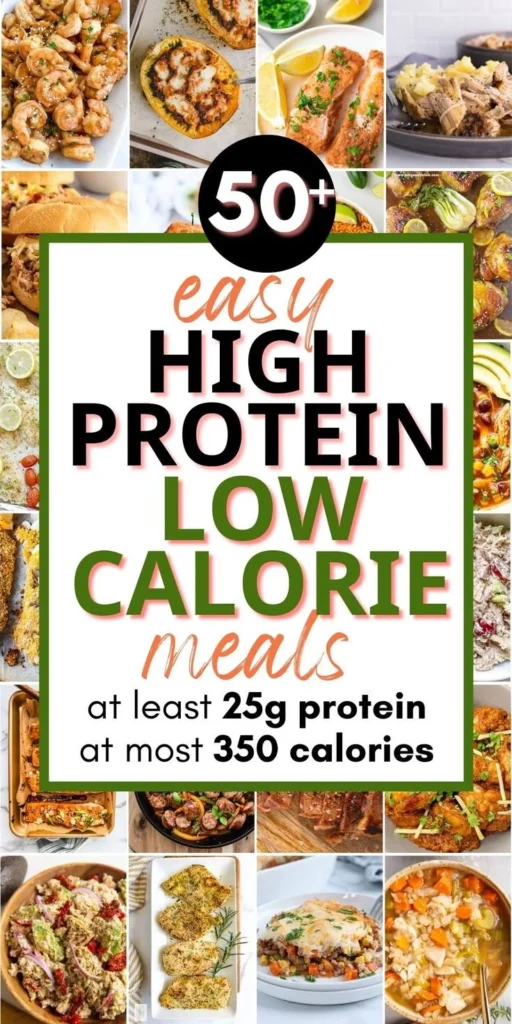
For a comprehensive compilation and more ready-to-use dishes, see the curated list of 50+ High Protein Low Calorie Meals (Easy Meal Prep Recipes) which pairs well with the ideas above and offers many make-ahead options to simplify your week.
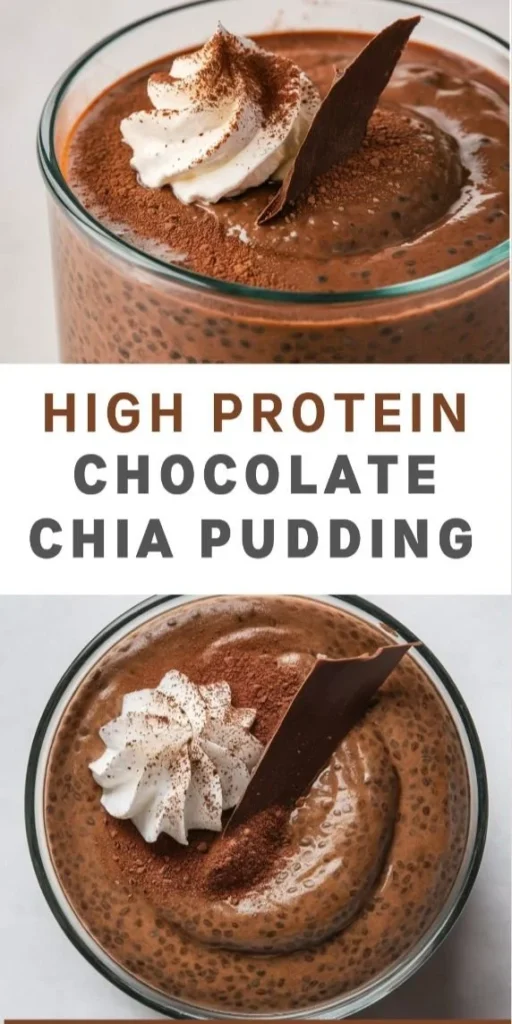
High-Protein Chocolate Chia Seed Pudding That’s Easy to Make!
Craving something rich, chocolatey, and satisfying that also helps you hit your protein goals? This high-protein chocolate chia seed pudding is creamy, simple, and ready in minutes (plus it benefits from a short chill). It’s a great snack, breakfast, or dessert option for busy days and makes portioning and meal prep effortless. If you want tips on how to boost protein across your day, see this 10 easy ways to increase your protein intake guide for practical ideas.
Why this pudding is high-protein
Chia seeds provide fiber, omega-3s, and a modest amount of protein, but the real protein boost comes from adding a concentrated protein source—whey, pea, or collagen peptides—together with protein-rich milk or yogurt. The result is a treat that tastes indulgent but supports muscle recovery and satiety.
Ingredients (serves 2)
4 tablespoons chia seeds
1 1/2 cups milk of choice (dairy, soy, or fortified oat milk for added protein)
1 scoop (about 25–30 g) chocolate or unflavored protein powder
1–2 tablespoons unsweetened cocoa powder (optional, for deeper chocolate flavor)
1–2 tablespoons maple syrup or honey (to taste)
1/2 teaspoon vanilla extract
Pinch of salt
Optional toppings: sliced banana, berries, chopped nuts, coconut flakes, or a dollop of yogurt
Simple method
In a bowl or jar, whisk together the milk, protein powder, cocoa powder (if using), sweetener, vanilla, and salt until smooth and no lumps remain.
Stir in the chia seeds so they are evenly distributed.
Cover and refrigerate for at least 2 hours, or preferably overnight. Stir once after 10–15 minutes to break up any clumps, then leave to thicken.
Before serving, give the pudding a good stir. Add a splash of milk if you prefer a looser texture. Top with fruit, nuts, or yogurt.
Tip: Use a blender or shaker bottle to mix the liquid and protein powder first for a smoother final texture.
Protein and nutrition notes
Protein content varies by milk and protein powder used; using a high-protein milk (like soy) and a 25–30 g scoop of powder typically yields 20–30 g protein per serving.
Chia seeds add fiber and healthy fats that slow digestion, helping you feel full longer.
For lower sugar, reduce the sweetener and rely on vanilla and the chocolate flavor from cocoa or protein powder.
Variations and pairing ideas
Vegan: Use a plant-based protein powder (pea, soy, or brown rice) and fortified plant milk.
Mocha: Add a teaspoon of instant coffee or espresso powder.
Nut butter swirl: Fold in a tablespoon of almond or peanut butter for flavor and extra protein.
Layer it: Alternate pudding with Greek yogurt and fruit for parfait-style breakfasts. Pairing with a smoothie can make a balanced post-workout combo—check out these high-protein smoothie recipes for inspiration.
Storage
Store covered in the fridge for up to 4 days. If too thick after sitting, stir in a splash of milk to revive the texture.
High-Protein Overnight Oats: A Simple, Muscle-Friendly Breakfast
Overnight oats are a fast, nutritious way to start the day — especially when you boost them with extra protein. Whether you’re recovering from a tough workout, trying to maintain muscle mass, or just want a filling meal, these make-ahead breakfasts are adaptable and satisfying. If you like drinking your protein in a shake, you might also enjoy checking out some high-protein smoothie recipes that pair well with oats for a complete morning routine.
This article covers the basic formula, recipe, variations, nutrition benefits, and practical tips so you can customize your own high-protein overnight oats.
Why add protein to overnight oats?
Oats provide slow-digesting carbohydrates and fiber, which keep you full and support stable blood sugar. Adding protein:
Improves muscle repair and recovery after exercise.
Balances the macronutrient profile for a more complete meal.
Protein can come from whey or plant-based protein powders, Greek yogurt, cottage cheese, silken tofu, or nut butters. Choose the source that fits your taste and dietary needs.
1/2 cup plain Greek yogurt (or 1 scoop protein powder + 1/3 cup milk)
1 tablespoon chia seeds or ground flax (optional, for texture and omega-3s)
1 tablespoon nut butter or 1 scoop protein powder (for extra protein)
1/2 teaspoon vanilla extract (optional)
Pinch of salt and cinnamon to taste
Fresh fruit or nuts for topping
Method:
In a jar or container, combine oats, milk, Greek yogurt (or protein powder), chia seeds, vanilla, salt, and cinnamon.
Stir or shake well until ingredients are fully mixed. If using protein powder, mix thoroughly to avoid clumps.
Refrigerate overnight (or at least 4 hours).
In the morning, stir the oats. Add a splash of milk if too thick. Top with fruit, nuts, or a drizzle of honey.
Tip: If you prefer a creamier texture, use quick oats or blend half the oats before mixing. For thicker oats, increase chia seeds slightly.
Flavor variations and add-ins
Berry Almond: Mix in mashed berries and top with slivered almonds.
Banana-Cocoa: Stir in mashed banana, 1 teaspoon cocoa powder, and a scoop of chocolate protein.
Tropical Coconut: Use coconut milk, add diced mango, and sprinkle toasted coconut.
Savory Spin: For a savory twist, omit sweeteners and add a pinch of salt, black pepper, and a spoonful of cottage cheese.
If you enjoy grilling protein-rich foods later in the day, you might also find inspiration from recipes focusing on high-protein foods for grilling to round out your meal plan.
Nutrition snapshot and portion planning
A typical serving (using Greek yogurt + 1/2 cup oats + milk) yields:
Calories: ~350–450 (varies by milk and add-ins)
Protein: 20–30 g (higher if using protein powder or extra yogurt)
Carbs: 40–55 g
Fat: 6–12 g (depends on nut butter and milk)
Adjust portion sizes to your calorie and protein goals:
For muscle gain: increase protein powder or add a scoop of nut butter.
For weight loss: reduce calorie-dense toppings, use low-fat Greek yogurt, and watch portion sizes.
Storage, prep, and serving tips
Make 2–4 jars at once for easy breakfasts all week (consume within 3–4 days).
Use airtight glass jars to preserve freshness and make transport simple.
If your oats get too thick in the fridge, loosen with a splash of milk or yogurt before serving.
To enjoy warm oats, heat briefly in the microwave (stir halfway) or warm gently on the stove with a splash of milk.
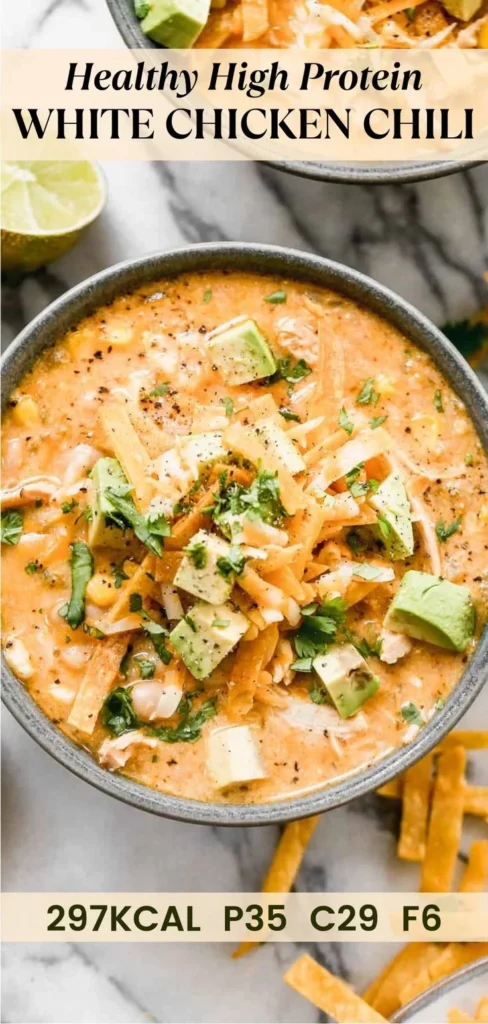
A hearty, savory white chicken chili is a fantastic way to get a big dose of protein without sacrificing flavor. This version focuses on lean chicken, beans, and a few clever swaps (like Greek yogurt) to boost protein while keeping the texture creamy and the taste bright. If you’re pairing this with breakfast or a post-workout meal, check out some high-protein smoothie recipes that complement its savory profile.
1.5 lb (about 680 g) boneless skinless chicken breasts or thighs, cut into 1-inch pieces
2 tbsp olive oil
1 medium yellow onion, diced
2–3 cloves garlic, minced
1–2 poblano or green bell peppers, diced (optional, for mild heat)
2 cans (15 oz each) cannellini or great northern beans, drained and rinsed
1 can (4 oz) diced green chiles (mild or hot, to taste)
4 cups low-sodium chicken broth
1 tsp ground cumin
1 tsp dried oregano
½–1 tsp chili powder (optional)
½ tsp smoked paprika
Salt and pepper, to taste
1 cup plain nonfat Greek yogurt (or skyr), stirred and warmed slightly before adding
2 tbsp fresh lime juice
1–2 cups baby spinach or chopped kale (optional)
Fresh cilantro, chopped, for garnish
Toppings: diced avocado, extra Greek yogurt or sour cream, shredded reduced-fat cheese, tortilla strips
Notes:
Greek yogurt boosts protein and creates creaminess without heavy cream. If you prefer thicker chili, reduce broth slightly.
For a vegetarian variant, substitute chicken with extra beans and add textured vegetable protein or tempeh.
Instructions
Stovetop method:
Heat olive oil in a large Dutch oven or heavy pot over medium-high heat. Season chicken with salt and pepper and brown in batches until lightly golden (about 3–4 minutes per side). Remove and set aside.
In the same pot, add onion and peppers; sauté until softened, about 4–5 minutes. Add garlic and cook 30–60 seconds until fragrant.
Stir in cumin, oregano, chili powder, and smoked paprika; cook 30 seconds to bloom the spices.
Add beans, diced green chiles, chicken broth, and browned chicken. Bring to a simmer, then reduce heat and cook uncovered for 20–25 minutes until chicken is cooked through and flavors meld.
If using greens, stir them in during the last 3–5 minutes to wilt.
Remove pot from heat and let cool 2–3 minutes. Temper the Greek yogurt by stirring a spoonful of hot broth into it, then slowly whisk the warmed yogurt into the chili to prevent curdling. Stir in lime juice. Adjust salt and pepper.
Serve topped with cilantro and preferred toppings.
Slow cooker method:
Brown chicken and sauté aromatics as above (optional but adds flavor), then transfer everything to slow cooker.
Add spices, beans, green chiles, and broth. Cook on low 3–4 hours or high 1.5–2 hours.
Stir in greens near the end, then temper and add Greek yogurt and lime juice off heat.
Instant Pot (pressure cooker) option:
Use the sauté function to brown chicken and aromatics. Add remaining ingredients, seal, and cook on high pressure for 8 minutes with a natural release for 5–10 minutes. Finish with yogurt and lime.
Protein and Nutrition (approximate)
Total protein per recipe: ~200–220 g (depends on exact chicken and yogurt brands)
Protein per serving (6 servings): ~33–37 g
Calories per serving: ~350–450 (varies with toppings)
These are rough estimates — for precise tracking, plug your exact ingredient brands and amounts into a nutrition calculator.
Tips for Maximizing Protein & Flavor
Use extra chicken breast or add an extra cup of Greek yogurt to raise protein further.
Stir in a scoop (about 20 g) of unflavored collagen or whey protein isolate at the end (dissolved in a little broth) if you want to boost protein without changing flavor.
For smoky depth, roast a poblano and char the skin before dicing.
If grilling a side of meats or veggies for summer chili nights, these high-protein grilling ideas pair nicely and help build an even bigger protein plate.
Variations
White Bean & Turkey: Substitute ground turkey for chicken and brown it first.
Spicy Verde: Use hotter chiles and add a splash of tomatillo salsa.
Low-Carb: Reduce beans to one can and add extra shredded chicken and greens.
Make-Ahead & Storage
Keeps well in the fridge for 3–4 days. Reheat gently on stovetop to avoid breaking the yogurt emulsion.
Freezes well without yogurt added; freeze portions, then thaw and stir in Greek yogurt when reheating.
Serving Suggestions
Serve with lime wedges, avocado slices, and a handful of cilantro.
Offer whole-grain tortillas or brown rice for added carbohydrates, or keep it low-carb with a salad or roasted cauliflower.
Conclusion
If you want another tested recipe to compare techniques and flavors, check out this take on High Protein White Chicken Chili for additional ideas and inspiration.
Title: Japanese Water for Fat Loss — Practical Guide, Science, and Safe Steps
Introduction
Japanese water therapy — the simple habit of drinking warm water first thing after waking — has gained attention as a low-effort strategy people claim helps burn fat and improve digestion. While it’s not a magic bullet, many find it a helpful ritual that supports better appetite control and daily hydration. For those who pair small daily habits with structured training or lifestyle changes (for example, combining with targeted full-body workout routines), the therapy can be a useful component of a broader weight-loss plan.
What is Japanese Water Therapy?
At its core, Japanese water therapy is very simple:
Immediately after waking, drink 2–4 glasses (about 500–750 ml) of warm or room-temperature water before eating or brushing your teeth.
Wait at least 45–60 minutes before eating breakfast, allowing the body to begin digestion and circulation.
Advocates say this practice “cleanses” the digestive tract, boosts metabolism, and reduces cravings. Let’s look at the evidence and practical steps.
Why it might help (mechanisms)
Hydration raises resting metabolic rate slightly. Drinking water increases energy expenditure for a short period, which might contribute minutely to daily calorie burn.
Appetite suppression. Drinking water before a meal can reduce hunger and lead to lower calorie intake.
Improved digestion and bowel regularity for some people — warm fluids can relax the gut and help bowel movements.
Behavioral cue. A consistent morning ritual can trigger healthier choices throughout the day.
What the evidence says
Scientific support for dramatic fat loss from water therapy alone is limited. Studies confirm that drinking water can modestly increase metabolism and reduce snack intake, but these effects are small and short-lived. Japanese water therapy may support weight loss when combined with calorie control, exercise, and adequate sleep — it’s an adjunct, not a substitute, for proven strategies.
How to practice it safely
Temperature: Use warm or room-temperature water (not scalding). Warm is gentler on the stomach in the morning.
Amount: Start with 1–2 glasses (250–500 ml). Gradually increase as comfortable, up to about 4 glasses.
Timing: Drink immediately upon waking, before consuming anything else. Wait at least 45–60 minutes before breakfast to get the claimed benefits related to digestion and appetite.
Do not overdo it: Excessive fluid intake in a short period can cause discomfort or electrolyte imbalance, especially if you have heart or kidney conditions.
Who should avoid or be cautious
People with heart failure, kidney disease, or on fluid-restricted regimens should consult their clinician before increasing morning fluids.
Those with severe acid reflux may find warm water triggers symptoms; monitor how your body responds.
Children and people with certain medical conditions should use age-appropriate amounts and seek medical advice.
Tips to maximize the impact
Combine with a structured exercise plan for greater fat loss — strength training and high-intensity intervals boost metabolism more than water alone.
Use the morning ritual as a cue for other healthy habits (light stretching, a short walk, or mindful breathing).
Avoid sugary add-ins. Plain warm water is the core recommendation; lemon or a small splash of apple cider vinegar is optional but won’t create dramatic effects.
Practical recipes and variations
Basic: 2 glasses warm water on waking.
Lemon variation: 1 glass warm water + juice of 1/4 lemon for flavor (minimal calories).
Herbal warm water: steep a mild herbal tea bag in warm water if you prefer flavor — avoid caffeinated teas if you plan to wait before breakfast.
Realistic expectations
Expect small benefits: slightly reduced morning hunger, mild short-term metabolic boost, and improved hydration. For measurable fat loss, pair this habit with calorie control, regular exercise, and sleep optimization. Long-term results depend on overall lifestyle changes rather than any single morning ritual.
Conclusion
Japanese water therapy can be a gentle, low-risk habit to support hydration and modest appetite control, but it should be part of a wider plan that includes exercise, nutrition, and sleep. For a balanced look at the practice’s claims, risks, and effectiveness, see this overview on Japanese Water Therapy: Benefits, Risks, and Effectiveness.
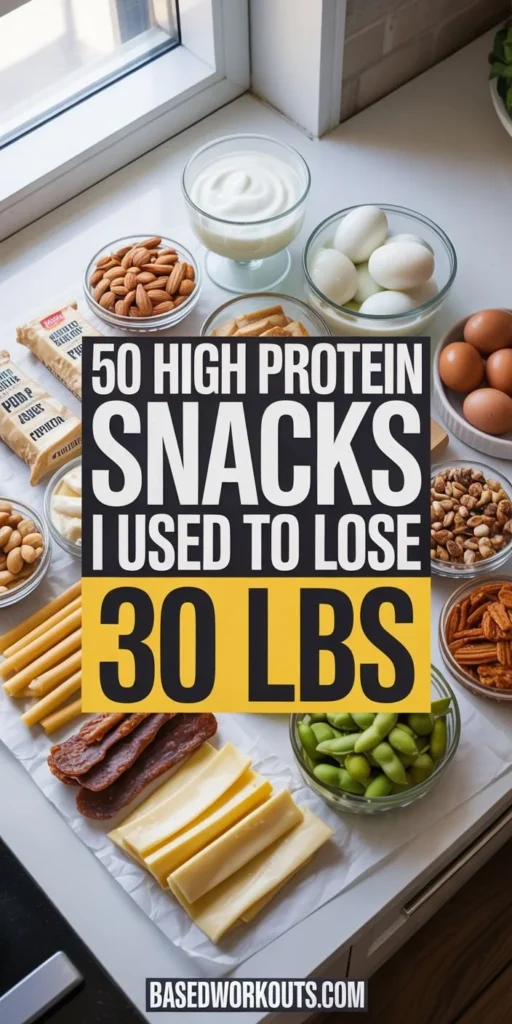
🥗 50 Healthy Snacks That Helped Me Lose 30 Pounds | Snack Smarter & Slim Down Fast! ✨
Losing 30 pounds didn’t happen overnight — it was built bite by bite. Smart snacking kept my hunger steady, my energy up, and my calorie budget on track. Below are 50 nutritious, satisfying snacks that I rotated through for variety and results, plus the strategies that made them work. If you want to learn simple ways to boost fullness, consider ways to increase your protein intake at each meal and snack — that shift was a game changer for me.
Why snacks matter for weight loss
Prevent overeating at meals by stabilizing blood sugar and appetite.
Keep energy levels steady so workouts stay strong.
Allow controlled portions of treats so nothing feels forbidden.
Improve nutrient balance — snacks can add fiber, protein, and healthy fats.
How I chose snacks: high in protein or fiber (or both), 150–300 calories, easy to prep or grab-and-go, and satisfying textures (crunch + creamy often wins).
Snack categories and 50 ideas
Protein-rich (great for fullness)
Greek yogurt (plain, with berries)
Cottage cheese with cucumber and pepper
Hard-boiled eggs (sprinkle of paprika)
Turkey or chicken roll-ups (wrapped around asparagus)
Tuna-stuffed mini bell peppers
Edamame (steamed, lightly salted)
Smoked salmon on a cucumber slice
Protein smoothie with spinach and frozen fruit
Low-fat cheese sticks
Roasted chickpeas (savory spices)
High-fiber fruit & veg (low calories, high volume)
11. Apple slices with a smear of almond butter (watch portions)
12. Pear with cottage cheese
13. Carrot sticks + hummus
14. Celery with Greek yogurt ranch dip
15. Mixed berries bowl
16. Grapefruit halves with a pinch of cinnamon
17. Cherry tomatoes with a tiny ball of mozzarella
18. Roasted zucchini chips
19. Steamed asparagus spears with lemon
20. Sliced bell peppers with guacamole
Healthy fats & small indulgences (satisfying, nutrient-dense)
21. A small handful of mixed nuts (almonds, walnuts, pistachios) — 1 oz
22. A few dark chocolate squares (70% cocoa or higher)
23. Avocado toast on whole-grain crispbread
24. Olives and a wedge of cheese
25. Nut butter on a rice cake (thinly spread)
Whole-grain & crunchy (slow-digesting carbs)
26. Air-popped popcorn (light salt)
27. Whole-grain crackers + tuna or chicken salad
28. Oatmeal energy balls made with oats, nut butter, and chia
29. Rye crisp with smoked salmon
30. Mini whole-grain pita with tzatziki
Warm & comforting (great for chilly days)
31. Small bowl of vegetable soup (broth-based)
32. Baked apple with cinnamon
33. Warm lentil dip with veggie sticks
34. Sautéed mushrooms on whole-grain toast
35. Low-fat cottage cheese warmed with herbs
Portable & prepped for busy days
36. Mason jar Greek yogurt parfait (berries + nuts on top)
37. Pre-portioned trail mix (no added sugar)
38. Sliced turkey + apple rollups
39. Chia pudding with vanilla and cinnamon
40. Veggie-packed frittata muffin
Energy-boosters & pre-workout picks
41. Banana with a spoonful of peanut butter
42. Rice cake + almond butter + banana slices
43. Small smoothie with whey or plant protein and berries
44. Date stuffed with almond butter
45. Plain yogurt + granola (small serving)
Sweet-but-smart treats
46. Frozen grapes
47. Yogurt-covered frozen banana slices
48. Baked cinnamon pears with a crumble of oats
49. Dark chocolate dipped strawberries
50. Low-sugar fruit sorbet (small bowl)
How I portioned and prepped for success
Pre-portion servings into containers or snack bags to make grabbing the right portion automatic.
Track snacks loosely for a few weeks to learn true calorie density — we often underestimate nuts and nut butter portions.
Pair a carb with a protein or fat (e.g., apple + peanuts) to extend satiety.
Keep quick options visible: a fruit bowl, pre-cut veggies, and a jar of hummus in the fridge.
Use high-volume, low-cal snacks (veggies, broth-based soups) when you want to eat more without extra calories.
Quick swap ideas
Craving chips? Try air-popped popcorn or roasted chickpeas.
Need a cookie? Have a small dark chocolate square + tea.
Want ice cream? Blend frozen banana for “nice cream” with a dash of vanilla.
Prepping that actually sticks
Spend 60–90 minutes on Sunday prepping a few staples: boiled eggs, roasted chickpeas, chopped veggies, and mason jar yogurts. For targeted pre-workout ideas that keep morning routines fuelled, exploring the best pre-workout snacks helped me plan efficient boosts without extra calories.
Mindset & habits that helped me keep the weight off
No “all or nothing.” I allowed small treats to stay consistent long-term.
Focused on progress, not perfection — most days I hit my goals.
Consistency in snack choices reduced decision fatigue and prevented impulse binges.
Sample 1-day snack plan (under 600 calories total for snacks)
Evening: Small handful of almonds (120 cal)
Total: ~470 calories — adjust portions to fit your daily calorie plan.
Conclusion
If you want more structured ideas to batch-cook healthy options and streamline your week, check out these Delicious Meal Prep Ideas for Weight Loss 🥗: Delicious Meal Prep Ideas for Weight Loss 🥗
Good luck — snack smart, stay consistent, and celebrate small wins along the way.
Introduction
Cortisol, the body’s primary stress hormone, can influence appetite, fat storage and metabolism when chronically elevated. Small dietary changes paired with stress-reduction techniques may help manage cortisol spikes and support weight-loss goals. For extra motivation and real-life success stories, check out Kelly Clarkson’s weight-loss success, which shows how consistency and lifestyle adjustments add up over time.
Understanding Cortisol and Weight
What cortisol does: It helps regulate blood sugar, inflammation and the fight-or-flight response. But persistent high cortisol encourages cravings for calorie-dense foods and abdominal fat storage.
Why a “detox cocktail” might help: While no drink can “detox” hormones, certain ingredients (adaptogens, anti-inflammatory herbs, micronutrient-rich plants) can support the body’s stress response and help stabilize blood sugar and appetite between meals.
Key Ingredients and Their Benefits
Lemon: Supports hydration and adds vitamin C for adrenal support.
Ginger: Anti-inflammatory and can help blood sugar regulation.
Apple cider vinegar: Small amounts may slow gastric emptying and blunt post-meal blood sugar spikes.
Green tea (or matcha): Contains L-theanine and modest caffeine — together they can enhance focus without major cortisol spikes for many people.
Ashwagandha (optional, consult a provider): An adaptogen shown in some studies to lower perceived stress and cortisol.
Cinnamon: Helps improve insulin sensitivity and flavor.
Raw honey or stevia (optional): For mild sweetness without processed sugars.
Brew green tea and let it cool to warm (not boiling) if using matcha or green tea; high heat can reduce beneficial compounds.
In a glass or shaker, combine lemon juice, apple cider vinegar, grated ginger, cinnamon and honey/stevia.
Add the tea or water and stir or shake until combined.
If using ashwagandha, blend briefly to disperse the powder evenly.
Taste and adjust sweetness or ginger. Serve chilled or at room temperature.
How to Use It
Timing: Drink once daily, ideally mid-morning or mid-afternoon when cortisol dips or cravings often occur. Avoid taking close to bedtime if your mixture contains caffeine (green tea/matcha).
Duration: Use as part of a broader plan — hydration, balanced meals and sleep — rather than as a sole solution.
Combine with activity: Pair the cocktail with a short walk, breathing exercises or a brief stretching routine to maximize stress relief.
Movement: Mix calming movement (yoga, walks) with higher-intensity training. For structured exercise ideas, try this 10 best full-body workouts for maximum results to keep metabolism strong while managing stress.
Mindfulness: Daily breathing, progressive muscle relaxation or brief meditations reduce perceived stress and cortisol peaks.
Nutrition: Prioritize protein at each meal, whole-food carbohydrates and healthy fats to stabilize blood sugar.
Social and behavioral: Reduce stimulant intake late in the day, limit late-night screen time and build supportive routines.
Precautions and Who Should Avoid It
Medication interactions: Ashwagandha and apple cider vinegar can interact with some medications (thyroid meds, blood pressure drugs, diabetes medications). Check with your clinician.
Gastrointestinal sensitivity: Apple cider vinegar and raw ginger can irritate some stomachs — dilute more if needed.
Pregnancy/breastfeeding: Consult a healthcare provider before using adaptogens or concentrated herbal preparations.
Caffeine sensitivity: Use decaffeinated green tea or water if you react to caffeine.
Sample 7-Day Use Plan
Days 1–2: Try the cocktail in the late morning; observe any digestive or sleep changes.
Days 3–5: Add a 10–20 minute walk after drinking it and practice 5 minutes of deep breathing.
Days 6–7: Note energy, cravings and sleep. Adjust ingredients (less vinegar, caffeine-free base, or omit adaptogens) as needed.
Final tips
Keep expectations realistic: no single drink will cause dramatic weight loss. This cocktail is a supportive tool — best used alongside balanced nutrition, regular exercise and stress management. Track how you feel, and modify the recipe to suit your tolerance and goals.
Conclusion
If you’re curious about personal experiences with daily cortisol-focused drinks and what people noticed, the article "I Drank a “Cortisol Cocktail” Every Day for a Week—Here’s What …" offers a firsthand perspective that may help you set expectations and tweak your approach: I Drank a “Cortisol Cocktail” Every Day for a Week—Here’s What …
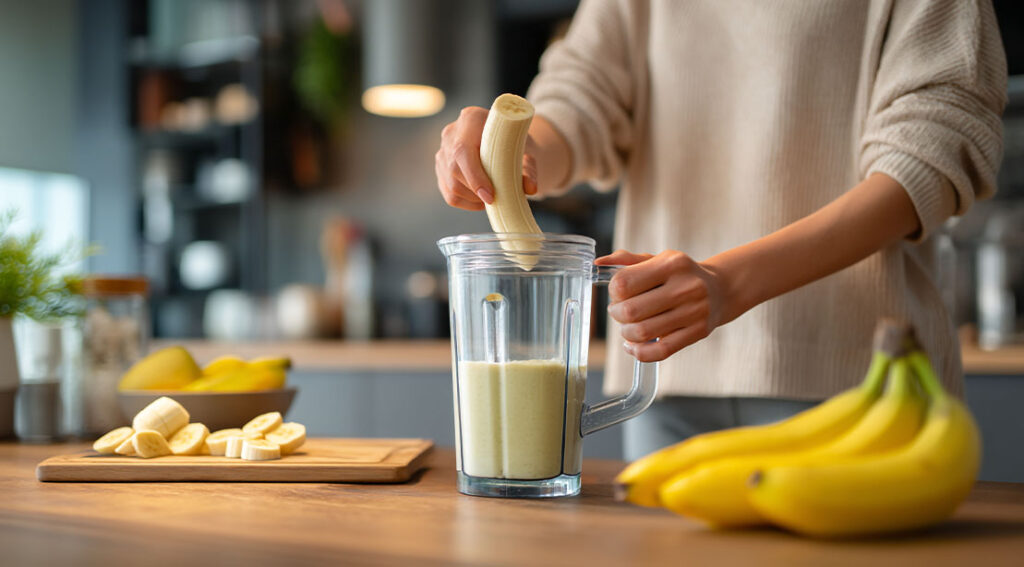
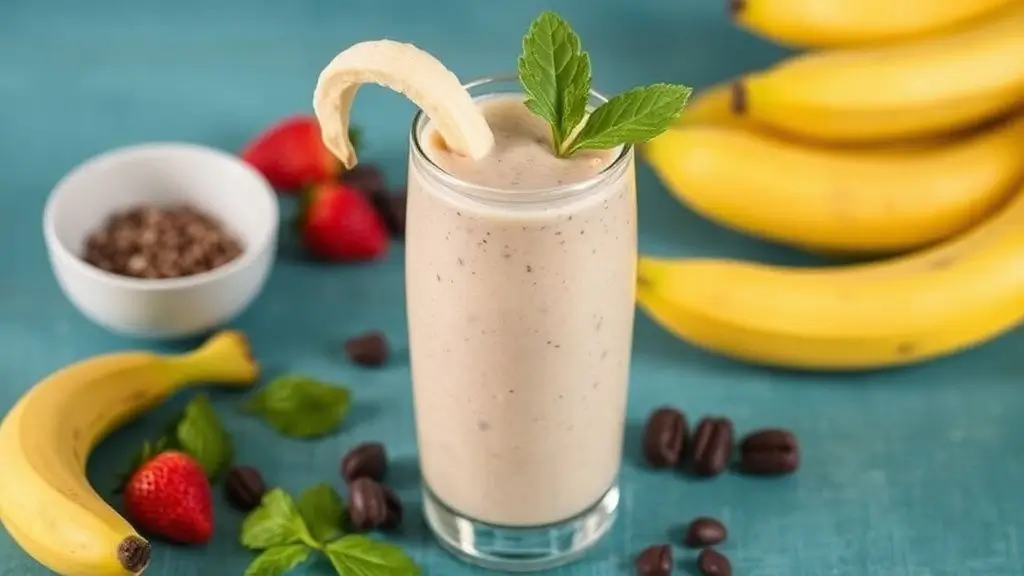
That creamy, delicious banana might be sabotaging the health benefits of your morning smoothie. A groundbreaking new study reveals that adding a single banana can reduce your body’s absorption of heart-healthy flavanols by a staggering 84%.
But before you banish bananas for good, the real takeaway is more nuanced. It’s not that bananas are bad; it’s that smoothie combinations are a science. Depending on your health goals, your fruit choices can make or break your drink’s nutritional power.
The Enzyme to Blame: Polyphenol Oxidase (PPO)
Published in the Food & Function journal, researchers from the University of California, Davis, pinpointed the culprit: an enzyme called polyphenol oxidase (PPO).
You’ve seen PPO in action; it’s what causes bananas, apples, and other fruits to turn brown when exposed to air. In your smoothie, this enzyme doesn’t just affect color; it actively breaks down the precious flavanols before your body can absorb them.
Flavanols are bioactive compounds celebrated for their profound benefits to heart and brain health.
How the Study Unfolded
To get practical, real-world results, lead author Javier Ottaviani and his team designed a simple test:
Participants drank a smoothie made with banana (high in PPO).
They drank another smoothie made with mixed berries (low in PPO).
For a baseline, they also took a pure flavanol capsule.
By analyzing blood and urine samples, the researchers could see exactly how much flavanol was absorbed.
The “Shocking” Result
The finding was dramatic. The banana smoothie led to up to 84% lower flavanol levels in the body compared to the control.
“We were really surprised to see how quickly adding a single banana decreased the level of flavanols… This highlights how food preparation and combinations can affect the absorption of dietary compounds.” — Javier Ottaviani, Lead Author
The Verdict: Should You Stop Adding Bananas?
Not necessarily. This isn’t a call to eliminate bananas, which are packed with potassium, fiber, and energy-boosting carbs.
Instead, it’s about intentionality. Ask yourself: What is the primary goal of my smoothie?
If your goal is to maximize flavanol intake for cardiometabolic health, skip high-PPO fruits like bananas and apples. Combine flavanol-rich foods (like berries, cocoa, green tea) with low-PPO fruits like pineapple, mango, oranges, or citrus.
If your goal is quick energy, muscle recovery, or digestive health, the banana remains an excellent, nutritious choice.
“Bro-science” has long claimed animal proteins are essential for serious gains. This seems to make sense when you consider that foods like beef, chicken, and eggs deliver a dose of protein and an amino acid profile that, on paper, is superior to what you would get from a can of beans. For this reason, the common belief is that feasting mostly on plants is a recipe for deflated pecs.
Well, the latest research suggests that we can forgo the steak and whey and still pack on more lean mass. Reassurance that those choosing plant-based diets can reach their fitness goals without compromise.
Some of the best data to date regarding plant protein and muscle-building comes from a recent trial published in the journal Medicine & Science in Sports & Exercise. It enrolled 40 young adults and randomized them to either a vegan or an omnivore diet. The study participants performed three weightlifting sessions over nine days, and, importantly, researchers provided all their meals to them. Both groups consumed the same amount of protein daily (roughly 1.1 to 1.2 grams per kilogram of body weight).
Studies that provide participants with their meals are more accurate because they don’t rely on self-reported intake, which is notoriously inaccurate. At the end of the study, scientists biopsied the participants’ muscles, which allowed them to determine rates of protein synthesis. Results showed that the anabolic action of animal versus plant-only dietary patterns were similar as demonstrated by similarities in myofibrillar protein synthesis rates.
An outcome that contradicts long-held beliefs about animal protein superiority with respect to packing on more muscle. The study authors did note that resistance exercise may have enhanced the anabolic response to both dietary patterns, potentially eliminating quality differences between animal and plant proteins that might exist in people who are not training.
Historically, one of the main reasons that people believed plant protein was inferior was based on results of studies that analyzed the impact of a single meal, or a single protein (i.e., whey vs. pea), over a period of just a few hours. Improved studies such as this look at the whole dietary pattern over several days.
The researchers also tested whether protein distribution throughout the day mattered when it came to muscle protein synthesis. Half the participants in each diet group consumed their protein in three uneven meals (10%, 30%, and 60% of daily protein), while the other half spread their protein intake evenly across five meals (20% each). The study found no significant difference in muscle-building between these approaches. Simply put, whether participants ate animal or plant proteins, and regardless of how they timed their protein intake, their muscles produced new proteins at similar rates.
The study also took a look at psychological well-being and found that participants on meat-containing omnivorous diets reported greater feelings of pleasantness, while those on plant-only diets reported higher energy and lower tiredness.
It is worth noting that the study was conducted over a relatively short period (9 days), so long-term effects remain unknown. You can infer only so much from a shorter study, which didn’t measure muscle growth or changes in strength. Future research should track muscle and strength growth changes over several weeks in a population with a wider age range.
Some Take-home Messages from This Research
Yes, you can build just as much muscle on a plant dominated diet as long as you consume enough total protein. This study suggests that 1.2g per kilo body weight can instigate muscle growth, but other research suggests that going up to at least 1.6 grams is most beneficial. This is especially true as we age and our anabolic response to amino acids is diminished.
We need to fret less about certain plant foods having a worse amino acid profile than animal foods as long as a variety of plant-based proteins are consumed in a day to get all the amino acids needed and the necessary amount of total protein.
Precise protein timing and distribution don’t appear to be critical for muscle-building. In other words, if you decided to consume 80% of your protein at a single meal that would be fine as long as it’s part of a dietary pattern where enough total protein is taken in.
Exercise, and particularly resistance training, appears to enhance the body’s ability to use plant-based protein most effectively, minimizing differences between animal and plant sources. If someone was sedentary, there is a chance that animal-based protein would be more effective at maintaining lean body mass. But you can’t just eat heaps of protein without forcing your muscles to progressively work harder and expect to pack on muscle.
lapeepon/Adobe Stock
Protein PackPlant Based Power
In general, meat is more protein dense, so you can end up eating significantly more calories to get the same amount of protein from plants. This is why, if you want to eat mostly plants, you need to make sure to include some options that provide more protein for fewer calories. That way you can get all the amino acids you need to maximize muscle growth without going into a calorie excess. Anyways, there are only so many beans a person can eat before their gut explodes.
These plant-based foods make it possible to get 0.72 grams of protein per pound of body weight, a widely accepted figure to hit to optimize training adaptations. This equals 130g of protein for a 180 pound person.
Protein remains buzzy, with self-optimization gurus and bona fide nutrition experts alike sharing the best sources of it, and tips to ramp up intake. Why the hoopla? Because it wears several hats when it comes to how our bodies run and look. Your muscles are built of the stuff. And getting enough protein is important for making meals more filling, which is vital for putting the brakes on overeating and unhealthy snacking.
So, yes, protein is super important. But before you start dumping protein powder into everything, you should know there are other ways you can go bigger on this macro throughout the day that are way easier than you think. It’s all about adding some high-protein items to the foods that you already eat. Meal and snack upgrades that will also help you net a greater diversity of other essential nutrients. Besides, protein is best consumed on a regular basis throughout the day, as well as soon after exercise.
Ready to pump up the protein to stay buff? Here are the protein hacks you need in your life.
LimeSky/Adobe Stock
Salads: Add Roasted Chickpeas
Crispy chickpeas are an easy way to add crunchy texture to a bowl of greens along with a hit of dietary fiber and plant-based protein. An ounce serving of roasted chickpeas contains about 6 grams of fiber and protein. That will make your salad even more of a nutritional powerhouse and more capable of supporting gut health and muscular repair and growth if you’ve been training hard.
Roasted chickpeas also contain a range of other important nutrients including iron, folate, and magnesium. You can try making a batch of your own roasted chickpeas in the oven, which is a bit of a pain, or press the easy button and turn to a store-bought option such as Biena, which has a range of tasty flavors.
Pro tip: These crispy legumes are also a great addition to trail mix.
ArtCookStudio/Adobe Stock
Rice: Add Edamame
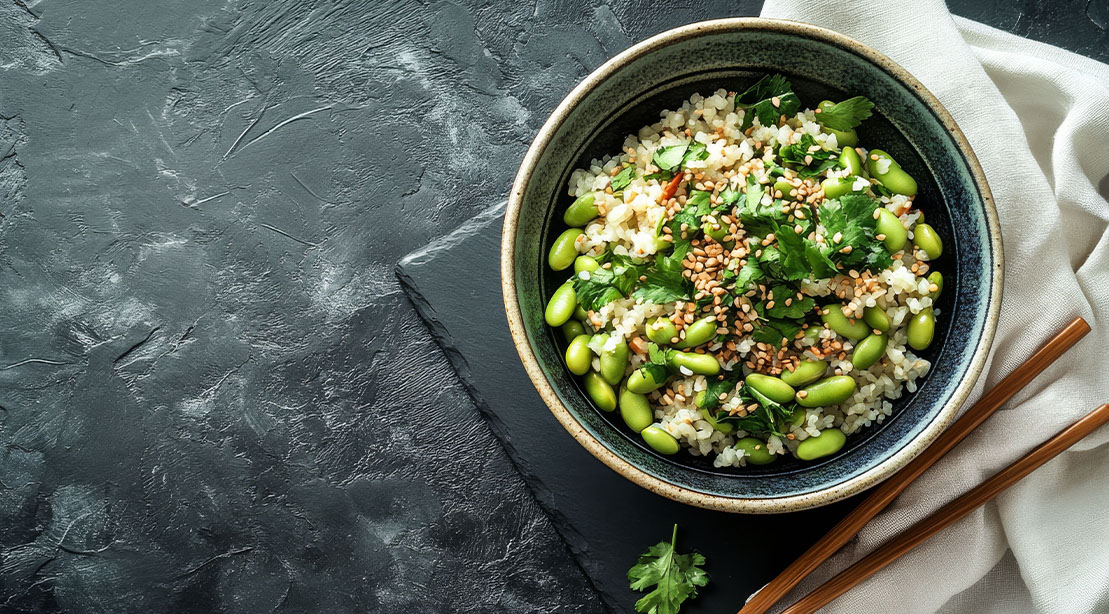
Edamame is the term for steamed soybeans in their unripened form with a fresh, slightly nutty flavor. A half-cup serving of these verdant legumes provides an impressive 8 grams of protein and 4 grams of fiber, plus plenty of folate, vitamin K, and magnesium. That makes them a nutritious, muscle-friendly addition to any cooked grains including rice and quinoa.
The preponderance of evidence suggests that adding soy protein to your diet can aid in building lean mass. They are also a smart addition to salads and soups. Or Google “edamame hummus” and get blending. You can find bags of shelled frozen edamame in most grocery stores. To prepare edamame, simply add the frozen beans to a pot of boiling water and cook for just a couple of minutes.
Azmanrazak/Adobe Stock
Pancakes: Add Peanut Butter Powder
Consider this nutty powder a low-calorie solution to infusing your weekend pancakes with a welcomed peanut butter flavor. Powdered peanut butter is made from whole roasted peanuts that have been pressed to remove most of the oil and then the remaining nut particles are ground into a fine powder. What you’re left with is a more protein-dense product with significantly fewer calories than the creamy spread.
Each 2 tablespoon serving of PB powder will boost your morning flapjacks with 7 grams of protein. You can substitute up to 1/3 of the regular flour in your standard pancake or waffle recipe with peanut butter powder for a stack that packs in more protein. It can also be stirred into oatmeal and blended into protein shakes. This is stuff you want in your pantry. There are several options for peanut butter powder with Naked being one of the best.
Nipaporn/Adobe Stock
Oatmeal: Add Boxed Egg Whites
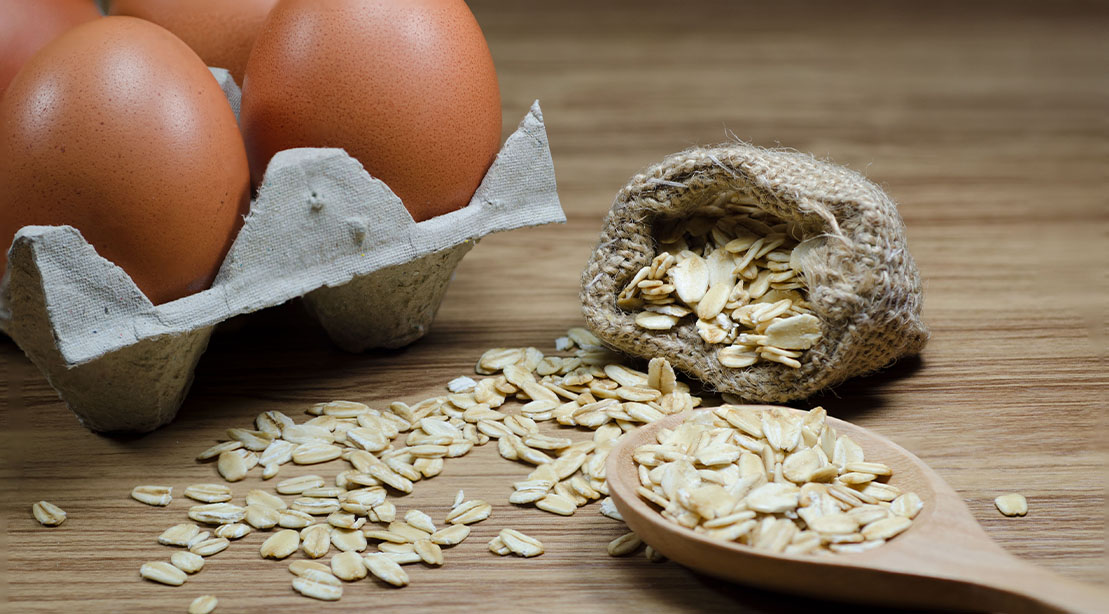
Most of the flavor in eggs comes from the yolks, so adding just the liquid whites won’t result in eggy-flavored oatmeal but will certainly bolster protein numbers. Those ultra-convenient boxed egg whites deliver at least 5 grams of protein in a 3 tablespoon serving. (They’re treated with mild heat to eliminate pathogens). Pure egg whites are widely considered to be one of the most bioavailable and digestible sources of protein. That means your muscles love them. And because boxed egg whites are pasteurized, you can also safely add them to things like smoothies and salad dressing increase the protein content. You can find boxes of pure egg whites in the dairy section of most grocers.
To make protein oats, place 1/2 cup rolled oats, 1/2 teaspoon cinnamon, and a pinch of sea salt in a pot. Add 3/4 cup water or milk and stir to combine. Simmer over medium-high heat for 6 to 7 minutes, or until all the liquid has been absorbed. Pour in ¼ cup additional milk or water and 1/4 cup liquid egg whites into the oats and stir consistently for about 2 minutes. Stirring will keep the egg whites from scrambling and turn into a thick, fluffy consistency instead. Add any desired toppings.
GIFTE/Adobe Stock
Toast: Add Ricotta Cheese
Peanut butter isn’t the only creamy thing you can spread on your breakfast toast. Not just for lasagna, ricotta cheese also works as a delicious spread for bread and can embrace all sorts of sweet and savory toppings including berries, jams, chopped nuts and even smoked fish. It’s not just your taste buds that will benefit, your muscles will too: ricotta is especially rich in whey protein, widely considered the most effective type of protein at stimulating lean body mass growth. A quarter-cup of part-skim ricotta has roughly 7 grams of top-notch protein. To upgrade your morning toast, spread on peanut or almond butter, followed by ricotta cheese and then your favorite jam or jelly.
nikolaydonetsk/Adobe Stock
Scrambled Eggs: Add Smoked Mussels
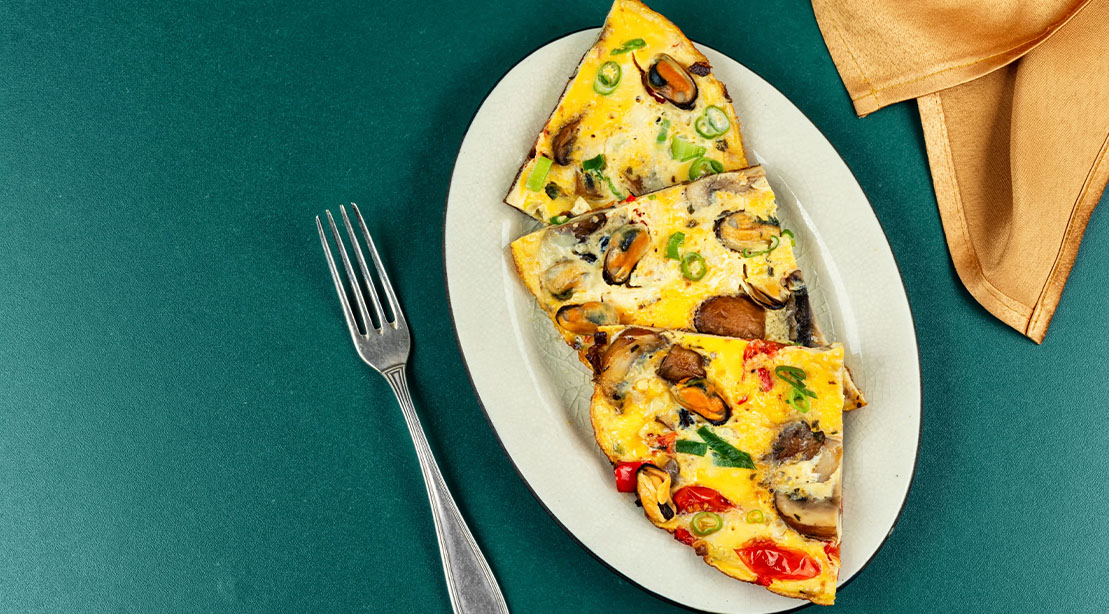
Located alongside canned tuna at the supermarket, be sure to pick up a few tins of oft-overlooked smoked mussels to elevate ho-hum scrambled eggs to new heights. These sustainable gifts from the sea provide an extra shot of briny protein, about 15 grams per tin, and are a world class source of vitamin B12, which is vital to proper nerve functioning. So there is indeed a sunny side to adorning your scrambled eggs with a few mussels to show your, well, muscles some love. I also add them to salads for a no-cook protein boost and scatter them over slices of pizza.
Pixel-Shot/Adobe Stock
Protein Shakes: Add Ultra-Filtered Milk
Think of this as milk on steroids and a stellar base for your post-gym blender drinks. Ultra-filtered milk is made through a process called ultrafiltration, which is a process that separates milk components according to their molecular sizes. This filtration process alters the composition of the milk since the water and lactose are separated from other components of the milk. In the end, the milk ends up being more concentrated in protein while lower in lactose.
A cup of regular 2% milk has 8 grams of protein, whereas the same amount of the ultra-filtered dairy supplies 13 grams. A 60 percent protein spike makes this next-level milk a worthy splurge. It also tends to have more calcium and vitamin D. Fairlife is a reliable brand of ultra-filtered milk to blend into your smoothies or to float your cereal in.
AToZ/Adobe Stock
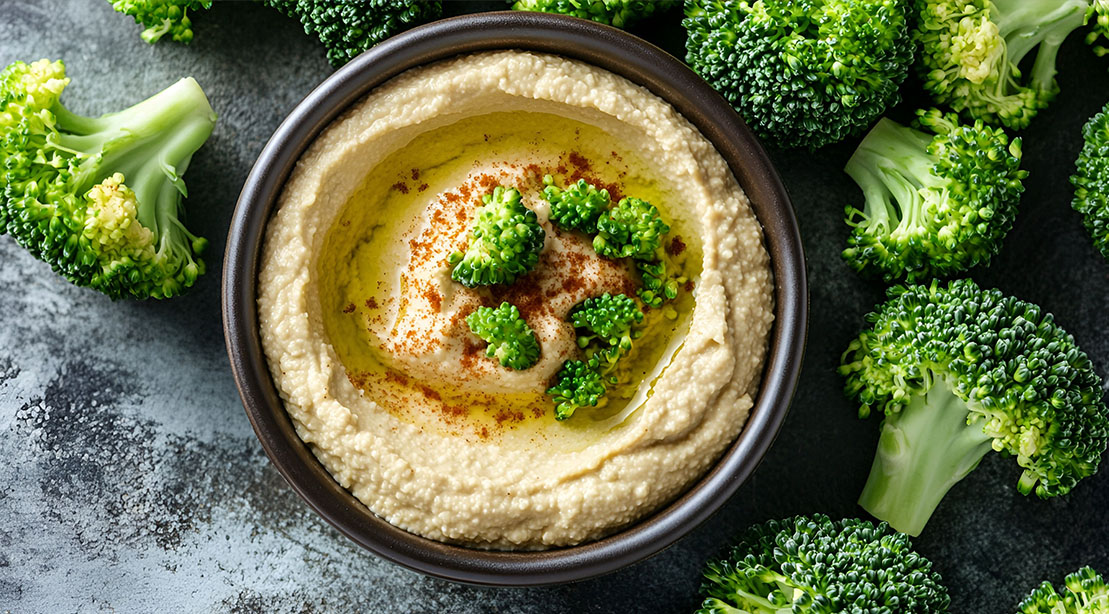
Broccoli: Add Hummus
There is nothing wrong with drizzling olive oil over your cooked veggies like steamed broccoli, but to bring some more protein to the table consider adorning them with a creamy hummus sauce. Made from blended chickpeas, hummus contains about 3 grams of protein in a 2 tablespoon serving. That’s not a huge amount, but every bit counts and it will undeniably make vegetables more desirable to eat, which alone is something to celebrate. To make a veggie topper, whisk together 1/4 cup hummus, 1 tablespoon olive oil, and 1 tablespoon fresh lemon juice. Including items like fresh thyme and smoked paprika makes it even more special.
sponge_Po/Adobe Stock
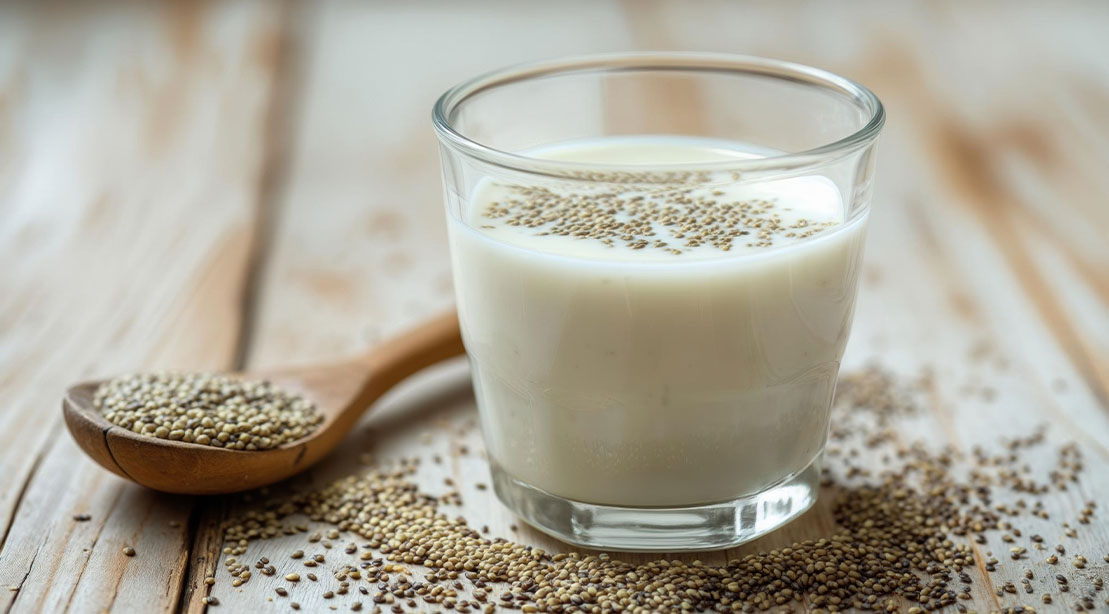
Yogurt: Add Hemp Seeds
While they may be small, hemp seeds pack a powerful nutrient punch and might be the best thing to sprinkle over yogurt, salads, and oatmeal that you aren’t using. Just 3 tablespoons of hemp seeds (also called “hemp hearts”) deliver an impressive 10 grams of plant-based protein, along with a sizable dose of heart-healthy unsaturated fatty acids. That is more protein than most other seeds and nuts. The protein contained within hemp seeds has been determined to be “complete” since it contains a full arsenal of essential amino acids in useful amounts, a somewhat rarity in the plant kingdom. This makes the healthy seeds useful for helping build-up your physique. Their flavor is reminiscent of a love child of pine nuts and sunflower seeds so, yes, very tasty. Two go-to brands we recommend are Manitoba Harvest and Nutiva.
VolumeThings/Adobe Stock
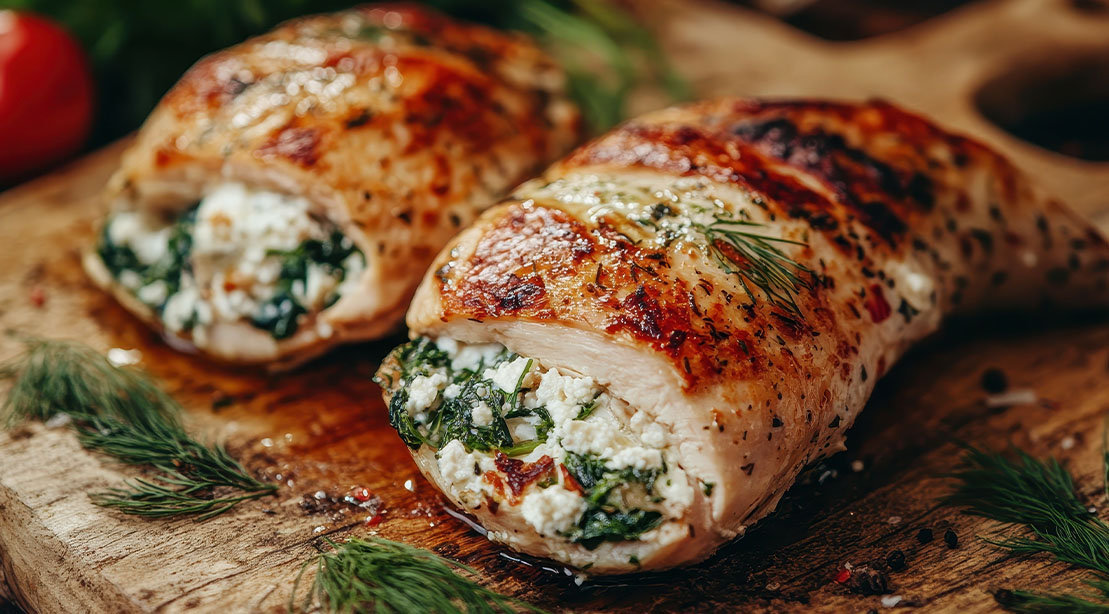
Chicken: Add Cottage Cheese Sauce
Yes, it’s packed with protein, but often chicken can be as exciting to eat as a bag of sawdust. Not so if you drape it in a good sauce, especially one that makes the meal even more of a protein powerhouse. Cottage cheese is known as being a protein heavyweight, and rightfully so as it supplies at least 12 grams of protein in a 1/2 cup serving. An amount that can be more than Greek yogurt. Other nutritional highlights include phosphorus, selenium, and vitamin B12. And it blends up into a delicious sauce for cooked meats including chicken and salmon.
In a high-speed blender or food processor, combine:
1/2 cup cottage cheese
1/2 cup jarred roasted red pepper
1/2 tsp garlic powder
1 tsp lemon zest
1/2 tsp dried thyme
1/4 tsp salt
Blend on high until completely smooth and creamy. Smoother your meat in it.
Counting calories has long been understood to offer the best chance of maintaining a healthy body weight, but many people find it difficult to sustain this approach. Fortunately, a new study by researchers at the University of Surrey in England has found that the far less complicated method of cutting carbs can offer similar benefits.
The study, published in the European Journal of Nutrition, showed that low carb diets, regardless of calories, let to better metabolic markers and superior handling of high-fat meals including a reduction in circulating triglycerides, the type of fat that is associated with heart disease.
How was the study carried out?
Overweight or obese participants aged between 20 and 65 were given three different diets to follow:
Meals including carbs (55% of total energy)
Meals with low carbs (50g)
Calorie restricted meals with low carbs (50g)
George Rudy
What were the results?
“We found that by simply restricting carbohydrates, without enduring extreme calorie restriction, we can reap the metabolic effects associated with short-term fasting,” said Dr Adam Collins, co-author of the study and Associate Professor of Nutrition at the University of Surrey. “This suggests that periodically reducing our carbohydrate intake could be a more accessible and sustainable way for people to manage and improve their metabolic health.”
Indeed, the data showed that even just one day on a low carb diet brought metabolic benefits, including increased fat burning capability and a lower blood sugar level following meals. The low carb approach also led to an improved insulin balance. The findings suggest that low-carb eating, even in brief doses, may be a powerful tool for enhancing metabolic function and supporting fitness goals like weight loss and improved energy. “This research offers a promising new perspective on dietary interventions for metabolic health and could have an impact on managing conditions such as type 2 diabetes, heart disease and obesity,” concluded Dr Collins.
So, next time you’re tempted to reach for the rice or pile on the pasta just remember that skipping carbs could be a smarter choice. While calorie counting can feel like a full-time job, simply dialing back your carbs—even for a day—can deliver impressive results with far less math.
Most of us, no matter how healthy we try to eat overall, have a soft spot for fast food occasionally. For some, it’s fried chicken nuggets dipped in mystery sauce, while on other occasions it’s hard to resist the temptation for a few slices of glistening pizza or a double-decker burger with sketchy but oh-so-tasty toppings.
Nobody is immune from greasy fries lust. Cheap, convenient, undeniably delicious, and rich in nostalgia are these guilty pleasures. But it’s also true that almost universally they are nutritional train wrecks that will derail your fitness and health goals if you give in to cravings or cooking laziness too often.
When we think of eating healthy, fast food shouldn’t be the first thing to come to mind. Frequent consumption of ultra-processed food typically dished out by fast food outlets has been linked to poor health and shortened lifespan. A major concern is that frequent fast food consumption is associated with a lower overall diet quality by raising the intake of calories, fat, and sodium while decreasing the consumption of important micronutrients such as magnesium and calcium.
So, yes, even if you spend more time in the gym than on the couch it’s a good idea to dial down your fast food intake. But now for some good news: It’s not all complete doom-and-gloom when it comes to fast food and occasionally skipping the dishes in favor of dining à la drive-thru doesn’t necessarily mean you’ll have to book a meeting with your cardiologist. The key is to know how to decode menus to target your most nutritious choice.
Sticking to your nutrition goals while eating at a fast-food chain can be challenging, but it’s possible—especially when you choose these better-performing dishes from today’s most popular chains that don’t taste all healthified. Happy meals, indeed.
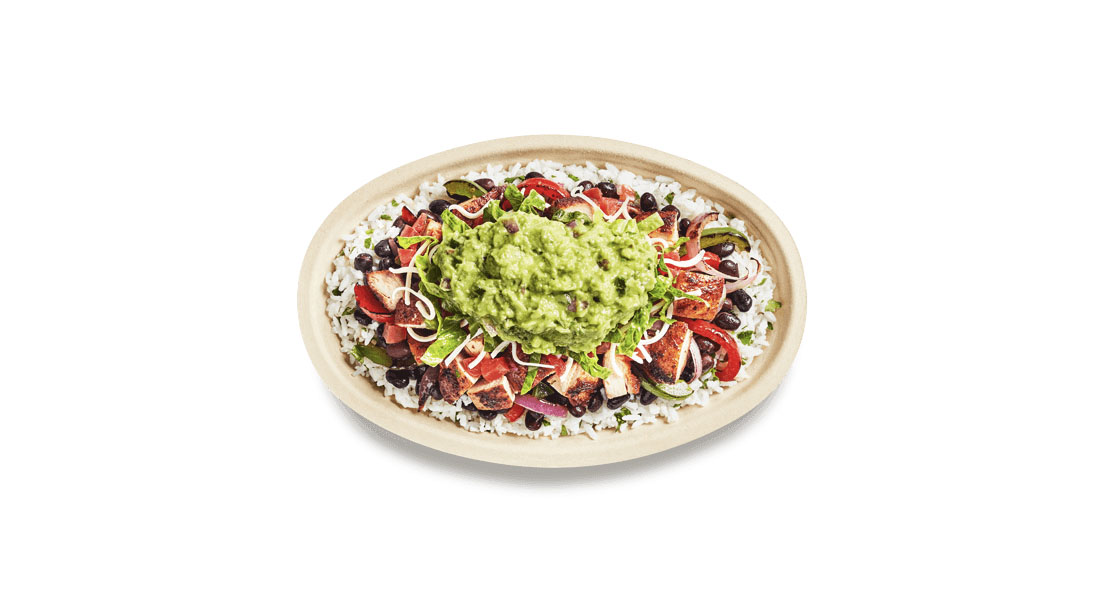
Chipotle’s mix-and-match style makes it easy to cater your meal to your nutrition ethos and taste buds. We used their nutrition calculator to build the ideal muscle-building burrito bowl: chicken, brown rice, pinto beans, tomatillo-green chilli salsa, fajita veggies, and romaine lettuce. This comes out to an impressive 45 grams of protein and 12 grams of fiber. The macro balance makes this power bowl a great recovery meal.
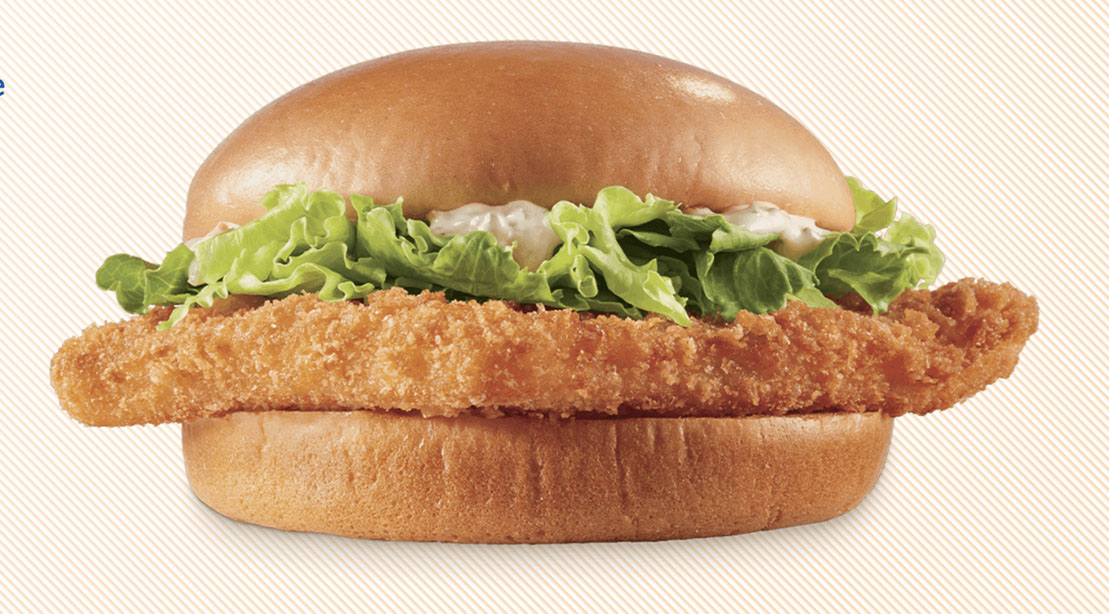
Known for its iconic Blizzards, cones, and savory burgers, Dairy Queen is a popular fast-food restaurant option whether you’re looking for a quick sugar fix or a full drive-thru meal. While most of the menu is a nutritional landmine, their crispy fish sandwich is a reasonable choice when you aren’t there just for a brain freeze.
A good portion of lightly coated Alaskan Pollock is adorned with a tangy tartar sauce. It’s a nice alternative to the standard burger. Still want something sweet? The classic vanilla cone is your best bet that won’t send your blood sugar on a Rocky Mountain high.
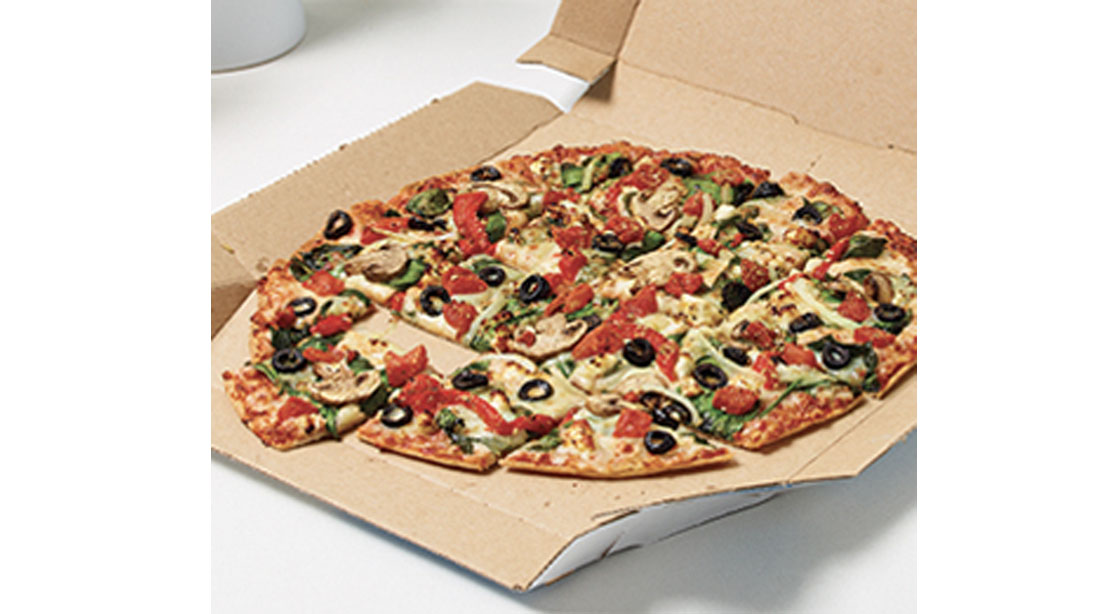
Since its humble beginnings in the sixties as a single store, Domino’s has grown into the largest pizza chain in the world. Warm pizza delivered to your door at an affordable price point. Most pies at the chain go overboard on calories, fat, and sodium, but some including this veggie-heavy one are better performers.
Each slide is piled high with an array of veggies like mushrooms, baby spinach, onions, and tomatoes. A blend of feta, provolone, and mozzarella cheeses is delicious and helps give the pizza decent protein numbers. Remember that Domino’s is good about special requests so you could ask to add chicken to go bigger on protein. It’s high in sodium, so go easy on the salty food elsewhere in your diet.
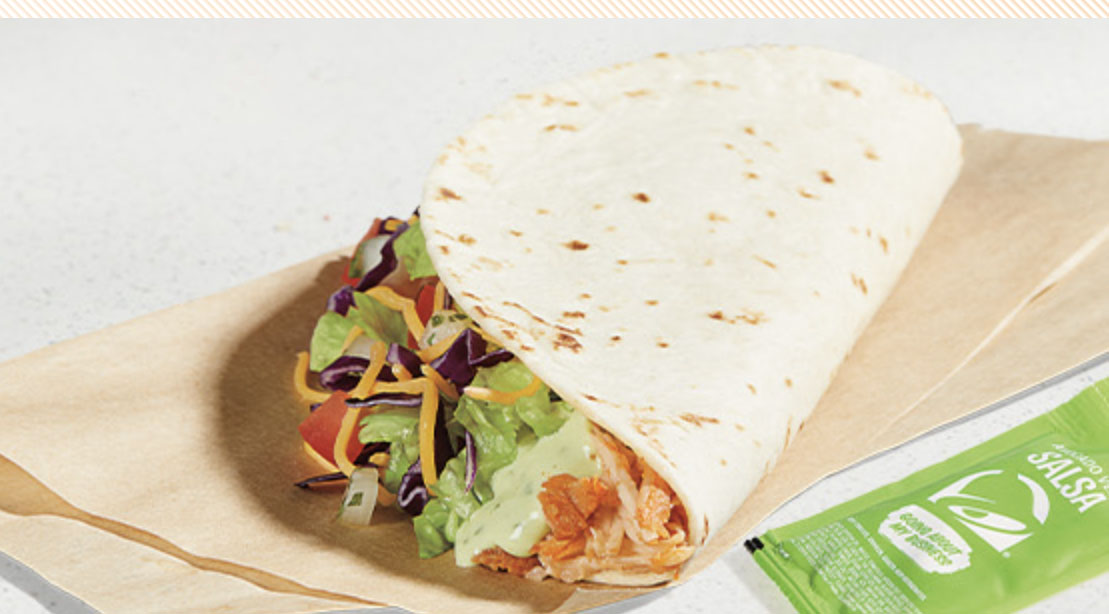
If you’re screaming, “Yo quiero Taco Bell,” this taco is the way to go. The new(ish) Cantina Chicken Soft Taco is an elevated soft taco that tastes more like something you’d pick up from, well, a Mexican cantina than a fast food restaurant like Taco Bell.
Slow-roasted chicken, shredded purple cabbage, pico de gallo, soft white corn tortillas, and avocado sauce come together for a hand-held meal that tastes fresh and healthy. Two tacos give you a solid amount of protein without going overboard on calories and saturated fat. Order up a side of black beans for an added dose of protein and fiber.
wendys.ky
Wendy’s
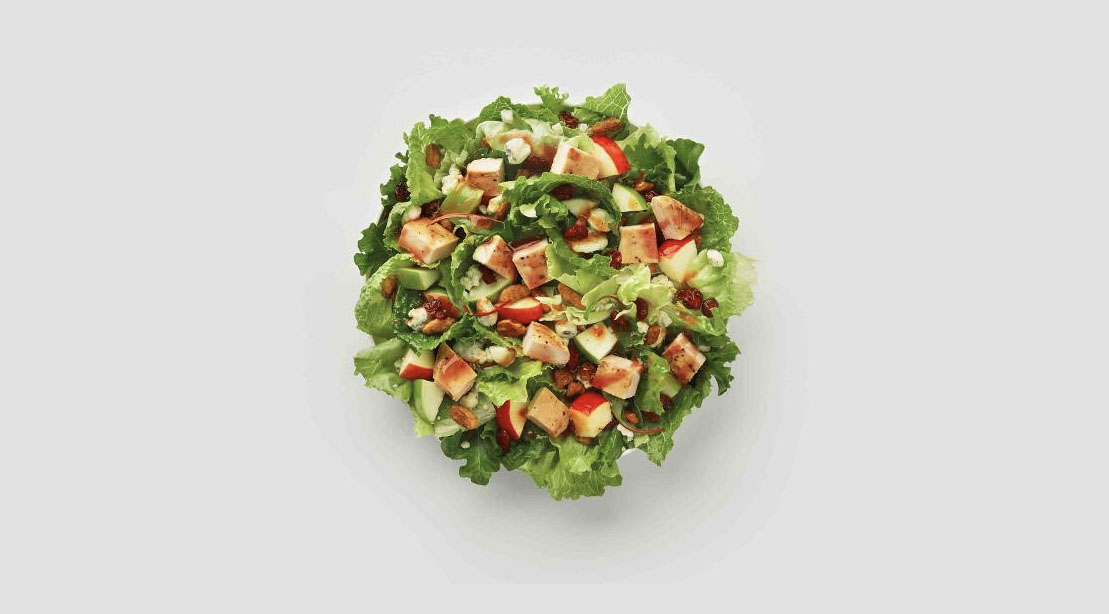
Apple Pecan Salad with 1/2 Packet Pomegranate Vinaigrette
Sure, this famous restaurant, named after founder Dave Thomas’ daughter Melinda Lou “Wendy” Thomas, has its fair share of calorie-laden square-shaped burger options, but the menu provides a few less troublemakers to choose from. That includes this fall-inspired salad made with a combination of chicken breast, apples, dried cranberries, roasted pecans, and blue cheese.
It’s hard to argue with the 32 grams of protein for a fast-food salad so you’re not left pondering “Where’s the Beef?” Overall, the salad is a great balance of sweet and savory. While the saturated fat and sodium are on the higher side, it can still fit into your daily meal plan by choosing other foods lower in these for the remainder of the day. Dousing the salad in only half of the pomegranate dressing will save you a noticeable amount of added sugar. Some of the sugar in this salad hails from what is naturally occurring in apples and cranberries.
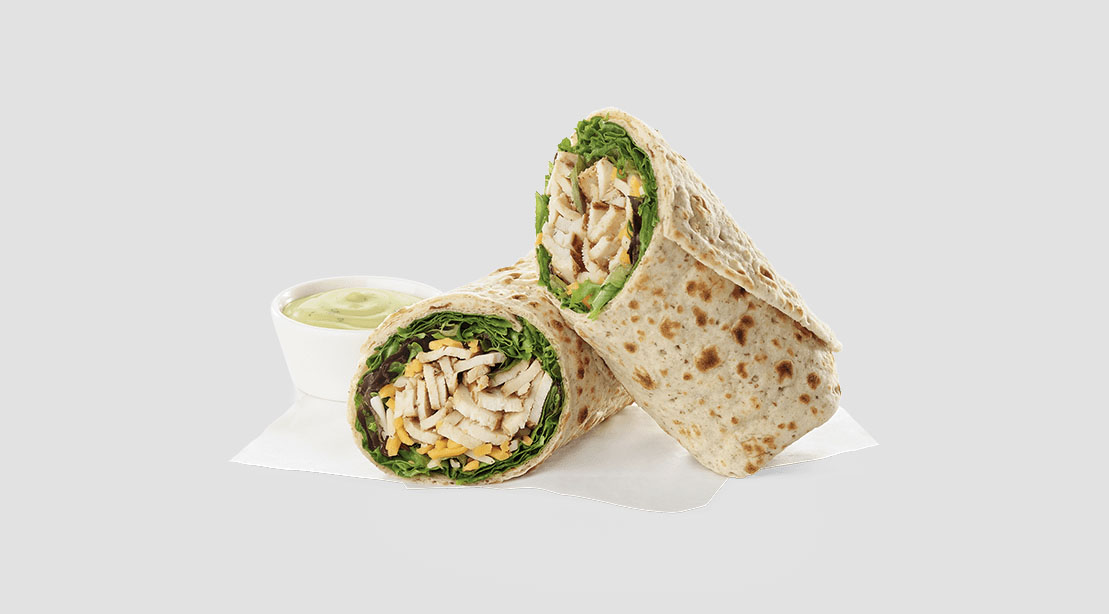
Americans love their chicken, so much so that on average every person eats about 100 pounds of the meat each year. This is why it should be no surprise the chicken-centric Chick-fil-A is a popular go-to for fast-food diners, even if it is the only place that remains closed on Sundays. The restaurant maintains consistency by selling the same chicken sandwiches, nuggets, wraps, and strips at all its locations.
The sole wrap option on the menu contains lettuce, shredded cheese, and grilled chicken breast enveloped in a flaxseed flatbread. Read: pretty wholesome and jam-packed with protein and fiber. The best option when you want something a little more substantial than their plain nuggets or salad.
But where this wrap can fall off the rails is if you get it with the recommended avocado lime ranch dressing, which adds a whopping 310 calories and 32 g of fat to the nutrition total. Instead, request the much more nutritionally humble honey roasted barbecue sauce. (These nutrition numbers are calculated making this swap.) To up the nutritional ante of your meal go ahead and order the kale crunch side salad that contains a generous amount of the nutrient-dense leafy green.
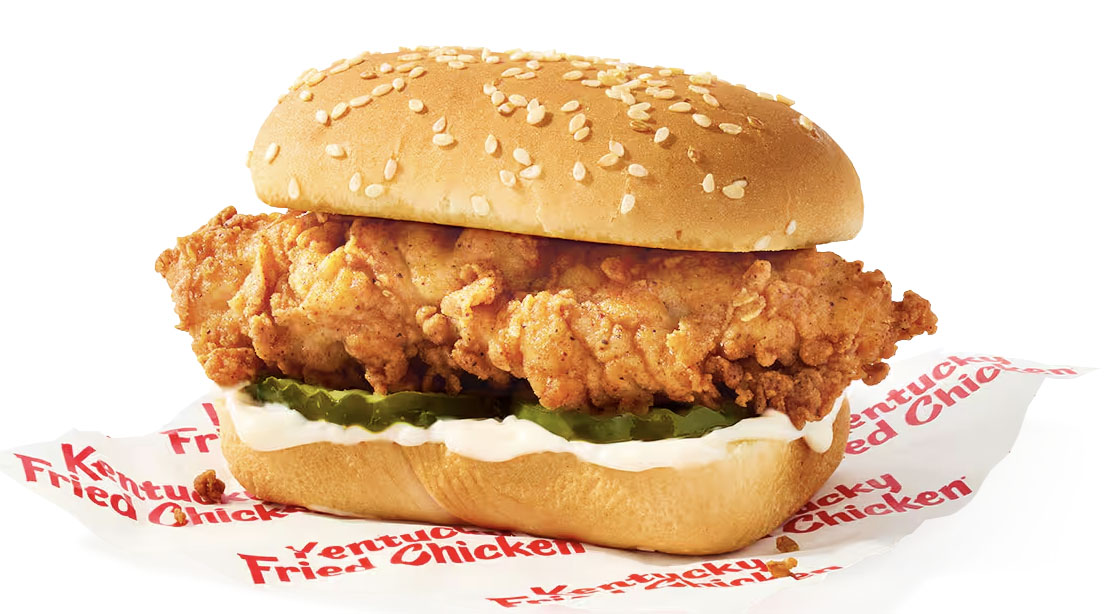
Kentucky Fried Chicken guarantees you finger-lickin’ good chicken, but it never said anything about nutrition. Truth is, the majority of KFC options are not anywhere near healthy and that it’s fairly difficult to find nutritious options on the menu, especially since they no longer consistently offers any grilled chicken options. The menu is dominated by all things fried. Though the chicken is, yes, fried, the smaller portion size of the crispy KFC Little sandwich keeps calories, saturated fat, and sodium under control. My suggestion is to order two sides with this—the green beans (25 calories) and sweet corn (70 calories) to add much-needed veggies and fiber to the meal.
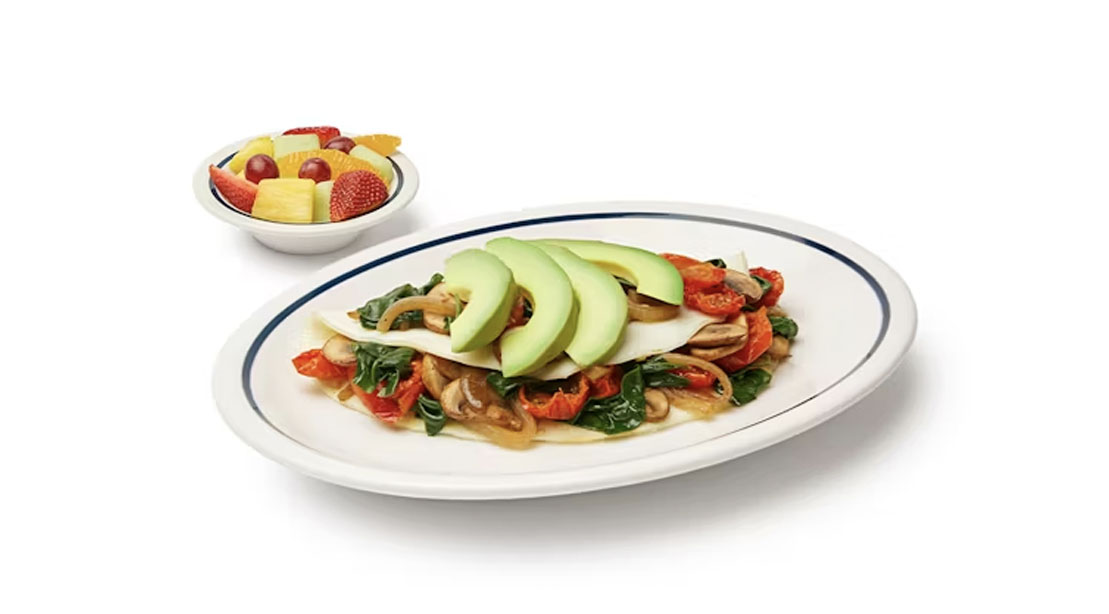
If you love pancakes, odds are you’ve made a trip to IHOP. (It is the International House of Pancakes, after all.) Of course, pancakes the way IHOP makes them—a plate full of white flour and sugar—aren’t necessarily the healthiest food. This veggie-rich, higher-protein omelette is a much better pick for building muscle and shrinking the gut than a stack of flapjacks doused in sugary faux maple sauce. Avocado adds healthy fats and a fruit salad gives you antioxidants and extra fiber.
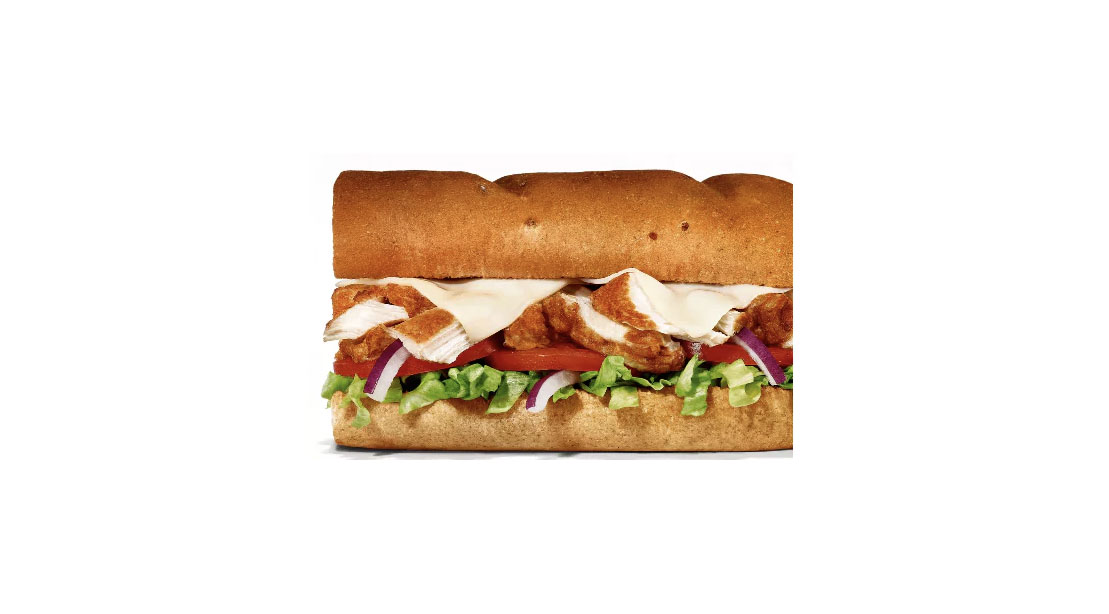
The softness of bread, the lively sauces, and the unlimited array of toppings make Subway a sandwich lover’s dream. Subway does make it a little easier to eat well, but some sandwiches on its menu are a better choice than others, including this beauty. This hand-to-mouth meal provides a good macro balance and the juicy rotisserie-style chicken is more delicious than the standard deli cut meat. Requesting a delicious spread of creamy smashed avocado (available at many locations) adds quality calories in the form of healthy fats and boosts the fiber count.
Having at least two servings of avocado per week was associated with a 21% lower risk of a heart attack, compared with little or no consumption, researchers reported in the Journal of the American Heart Association. This heart health benefit was particularly strong when the calories from nutrient-dense avocado replaced the calories from less nutritious margarine, processed meats, butter, and cheese. The sodium content of this sub is also lower than most other menu options. As always when ordering a sub make sure to go bigger on the veggie toppings.
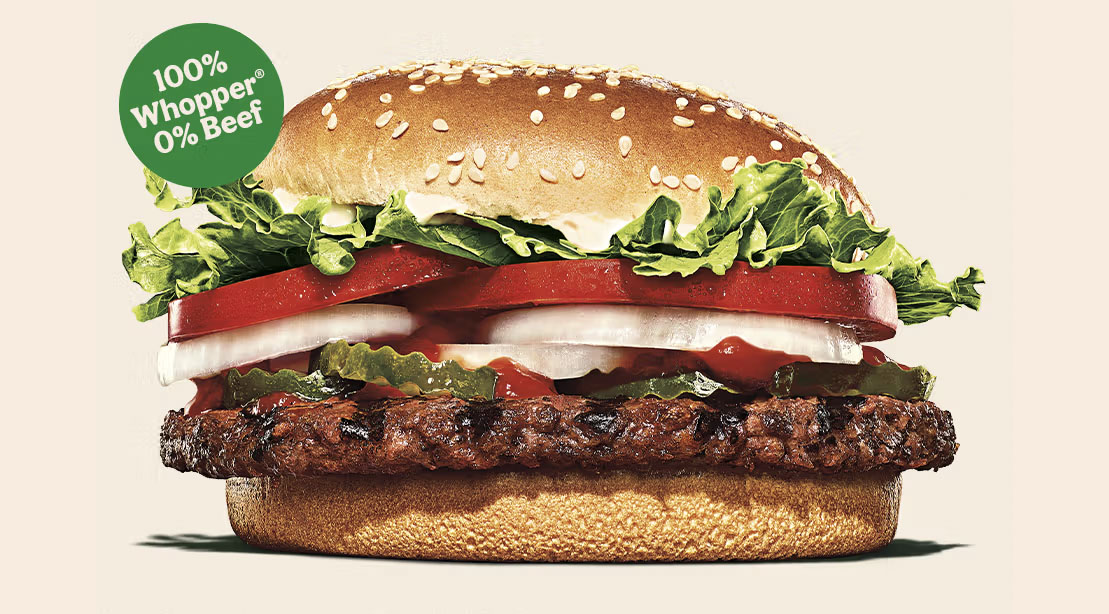
Home of the Whopper, Burger King has become a fast-food behemoth synonymous with towering, flavorful burgers. And, despite the heavily marketed burgers with cheese, bacon, and three patties, there are a few menu options that won’t leave feeling so heavily weighed down. That includes this plant-based version of the iconic Whopper that has less saturated fat and none of the cholesterol found in the traditional version.
It’s also packed with protein, and, yes, research shows quality plant proteins can be just as helpful in getting you jacked. You can request to hold the mayo to trim down the fat and sodium numbers. Still want the beef? Opt for the Whopper Jr. or the humble Hamburger. Overrun by fries and onion rings, the side menu is bleak meaning your best choice here is the applesauce – a bit boring but less of a calorie bomb.
While many, and rightfully so, will argue that Panda Express isn’t exactly authentic Chinese cuisine, let’s face it—sometimes the stuff just hits the spot. This gift from the wok won’t tank your healthy eating goals. The Chinese takeout stalwart is the winner when it comes to protein options on the menu. Sorry orange chicken fans. That’s because plenty of lean chicken breast is marinated in a teriyaki sauce and then grilled to deliver an optimal protein amount to build muscle and keep you satisfied.
It’s this tasty sauce that gives the dish its sugar, but since it is soy-based the amount of sugar is reasonable as is the quantity of sodium—it’s oh-so hard to keep sodium numbers in check when noshing on fast food. Since the chicken is served on its own, fiber is nowhere to be found. So unless you are going full-blown carnivore order up a Super Greens side, a combination of broccoli, kale, and cabbage, to better round out the meal. Now, that is some good fortune.
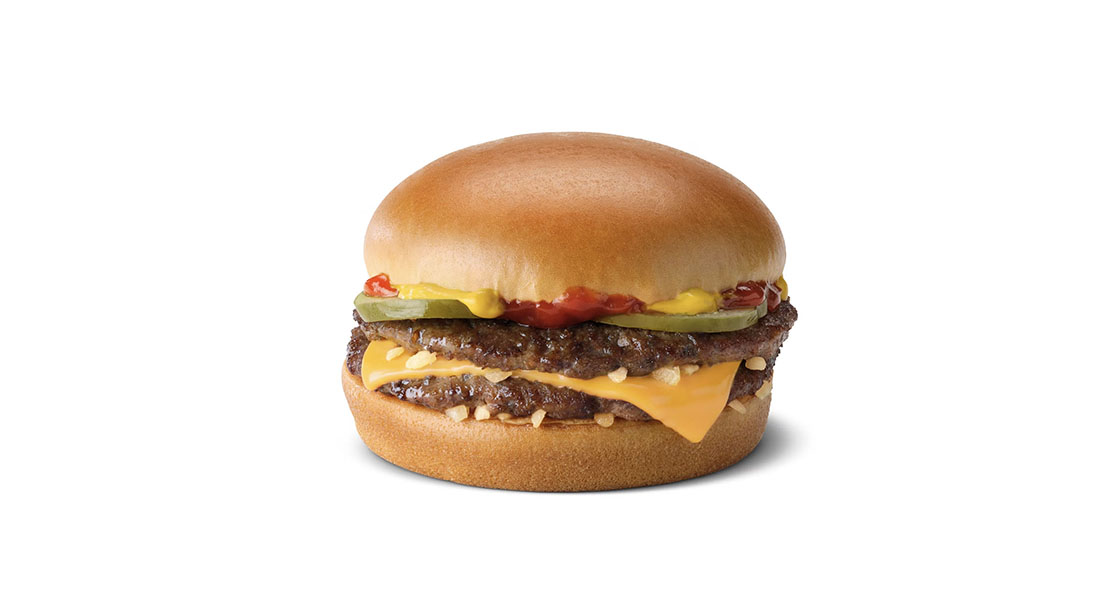
Look, we know the Golden Arches isn’t exactly the destination for quick, nutritious eats. But sometimes you just need a bun. The McDouble has two beef patties with a slice of cheese, allowing it to have enough protein to balance out the macros. The tangy pickles are always a hit. The sodium content of this burger is reasonable when you consider the alternatives. Although you may desire those crispy fries as your side, the apples are a much healthier option. For only 15 calories you get a nice crispy crunch on the side of your meal.
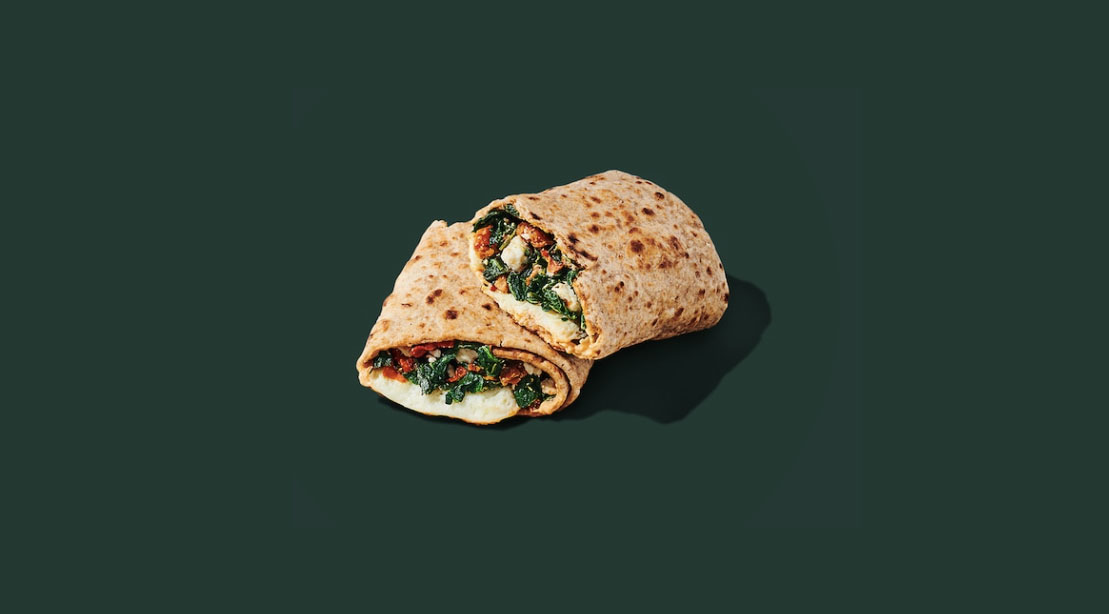
For many, Starbucks is the destination for a daily caffeine fix. But beyond the chain’s wide selection of coffee and tea drinks, many of which are sugar bombs, they have an array of food options for both breakfast and lunch. Some like croissants, muffins, and other pastries won’t do your six-pack any favors, but others like this hearty wrap are nutritional winners. Made with whole wheat tortilla, egg whites, real spinach, feta cheese, and a sun-dried tomato spread this wrap is not only delicious but provides a solid 20 grams of protein. Bonus? It’s easy to eat on-the-go. For more protein and if you are a fan of eggs, you could order Starbuck’s famous Kale and Mushroom Egg Bites to go along with your wrap.
From the high fructose corn syrup in ketchup to the titanium oxide found in some coffee creamers to the modified palm oil in protein bars, American food is stuffed to the brim with suspect ingredients. And if Health and Human Services Secretary Robert F. Kennedy Jr. has anything to say about it, certain artificial dyes will be dimmed for good. Sayonara red dye No. 3, maybe.
I’m not defending the use of artificial dyes and added sweeteners – no one needs more petroleum products and added sugar in their diets – but focusing a gargantuan amount of attention on a small number of additives, some of which likely carry very little health risk, allows others to fly under the radar which can lead to troubling consumption patterns. We don’t hear enough about the potential health pitfalls of certain ingredients found in a wide variety of foods so we fail to try to limit their intake. Seriously, you would think seed oils are going to cause a population collapse, when there are other things you should be fretting more about.
Parents may feel reassured that lunchboxes of the future might be artificial dye-free, but this dietitian would sleep better at night if people consumed lesser amounts of these ubiquitous additives. No amount of time in the gym can squash the potential health ramifications of eating these common ingredients in liberal amounts.
SunnyS/Adobe Stock
Emulsifiers
Though few people give them much thought, these are the sneaky ingredients that could be messing with our health. Emerging research is certainly questioning whether we should be eating them so liberally.
Emulsifiers are used by food and beverage manufacturers to extend shelf-life, alter the taste of the final product, improve structure, and, most importantly, produce a consistent blend of two or more ingredients such as oil and water allowing for a better texture. There is a reason why store-bought almond milk doesn’t separate and instead has a creamy texture. Emulsifiers also reduce stickiness and help foods like ice cream maintain a smooth texture. Yes, it’s likely your protein bars and protein powder are made with emulsifiers. So wide is their use emulsifiers might be the most common food additive in the American food supply.
Emulsifiers, which is a very lengthy list, include polysorbate, lecithin, mono and diglycerides, carrageenan, and anything with the word “gum” in it including xanthum gum, gellan gum, locust bean gum, and guar gum. Emulsifiers can be man-made or naturally occurring in plants, animals and, aquatic sources.
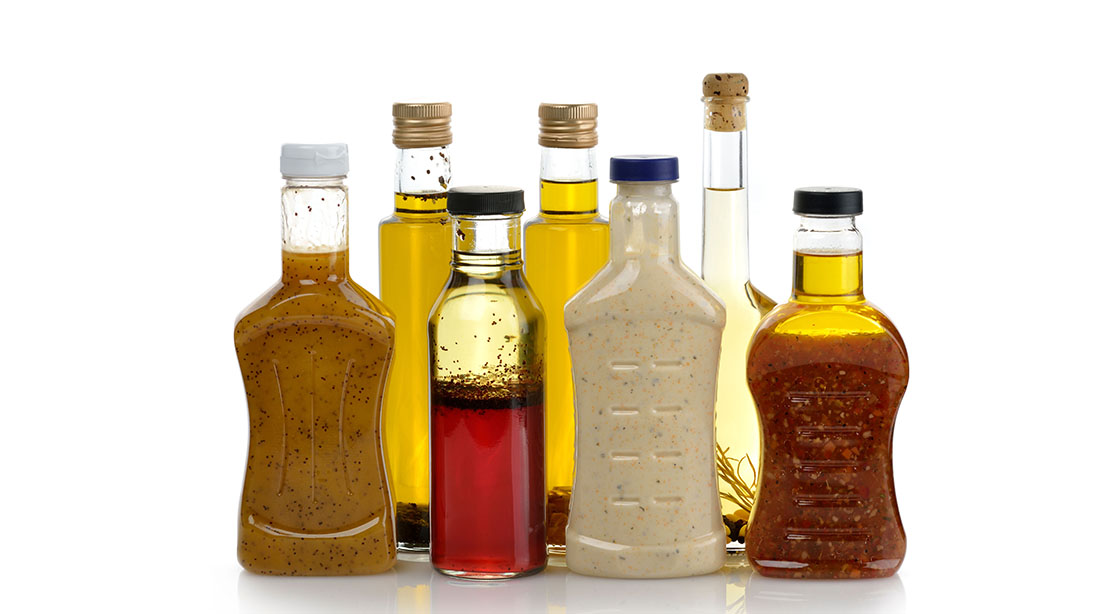
Though the Food and Drug Administration has deemed the various guises of emulsifiers in our foods and drinks as being Generally Recognized as Safe, which gives companies the green light to pump them into everything from salad dressing to bread to hot sauce, some concerning research is coming online that suggests they aren’t so benign.
Recent studies suggest that consuming emulsifiers found in processed foods may increase the risk of Type 2 diabetes, certain cancers including prostate cancer, and heart disease. This potential health downfall might be attributed to how consuming too many emulsifiers can mess with our gut microbiome. An investigation of 20 commonly used emulsifiers by food manufacturers published in the journal Microbiome found that many of them appeared to have a negative impact on intestinal microbiota composition and function in a way that could drive up inflammation. Not good. This could spiral into other health issues including irritable bowel syndrome and heart disease. Emulsifiers could be one reason why lofty intakes of ultra-processed foods (UPFs) have been linked to a wide range of maladies including heart disease and cognitive decline. Yes, emulsifiers are found in the vast majority of UPFs.
Before we should deem emulsifiers as a total health pariah, there are a few things you should keep in mind. We don’t know if certain emulsifiers are more detrimental than others or how much we need to eat to become problematic. Pre-existing conditions may make a person more susceptible to the ill effects of emulsifiers. So if a person already has irritable bowel syndrome then high intakes of these additives may compound the problem. Responses could be highly personalized.
How To Reduce Your Emulsifiers Intake
It would be wise not to brush off this preliminary research and instead use it as a good motivator to trim some of the emulsifiers from your diet until we have a better grasp on their role in our long-term health. Your number one way to do so is to limit your intake of multi-ingredient processed packaged foods. You can read food labels looking for options that are made without these food additives. For instance, many protein powders are made with emulsifiers but there are some brands including Naked and Drink Wholesome that produce muscle-building powders without them.
You can also take a DIY approach to reduce your intake of emulsifiers. This means getting in the kitchen and preparing homemade protein bars, salad dressings, baked goods, and dairy-free milk. It is not likely that a lot of home cooks are reaching for the gellan gum when making a batch of chocolate chip cookies.
photobuay/Adobe Stock
Nitrates
We can think of nitrates as the Dr. Jekyll and Mr. Hyde of food compounds. Their bright or dark side depends on the source.
Nitrates are compounds that are composed of nitrogen and oxygen molecules. They occur both naturally in some plants which source them from the soil they grow in and are also legally added by food manufacturers to processed meats—in the form of sodium nitrate or sodium nitrite—as a preservative, or to enhance flavor, color, and texture.
When we eat nitrates that occur naturally in plants like beets and spinach, our body transforms them to nitric oxide, which has been shown to help relax blood vessels which can then have several health benefits, such as reducing blood pressure and improving circulation. This, in turn, can improve overall heart and brain health. So, what about those nitrates in bacon and hot dogs?
The nitrates added to animal-based products are converted to nitrites by bacteria in your mouth. A compound abundant in meat (and absent in veggies) called heme, which lends red meat its color, seems to react with the newly formed nitrites resulting in the formation of a molecule called nitrosylated-haem. It’s this molecule that likely interacts with degraded bits of amino acids—protein fragments our body produces during the digestion of protein—to form nitrosamines, which are compounds that have been associated with health issues including an increased risk of certain cancers. Mainly by damaging DNA which is essentially the first step in cancer development. Whew, that was a lot of chemistry.
A recent and well-publicized World Health Organization report found that each 50-gram portion of nitrate-containing processed meats a person eats per day (that’s about 3 slices of deli meat) the odds of colorectal cancer rises by about 18%. WHO classifies these foods as a Group 1 carcinogen—the same designation as tobacco. (Note: It’s still worse to smoke a pack of cigs than does eat some crispy bacon.) It might be an uptick in nitrosamines as to why studies suggest that higher intakes of red meat, and processed versions in particular, can be detrimental to long-term health. A 2021 study using data from 21 countries published in the American Journal of Clinical Nutrition found that consumption of processed red meat – but not unprocessed meat like beef, pork, lamb, and veal – may raise the risk of major heart disease and death.
It’s important to keep the dangers of processed meat in context. As always, the poison is in the dose. The dangers are going to be more real for people eating processed meats every day compared to having the occasional grilled hot dog or roast beef sandwich. You have to look at things in the context of the overall diet. Eating a small amount of processed meat as part of a diet that is rich in nutritious whole foods is likely not of serious concern. With that said, it’s still wise to tread lightly with this additive.
Tips To Reduce Your Nitrates Intake
The easiest way to limit animal-sourced nitrate exposure is to cut back on the intake of processed meats including deli meats, bacon, sausages, ham, hot dogs, pepperoni, and jerky. Get your protein more often from uncured meats like steak, chicken breast, and pork chops.
Since high heat can contribute to nitrosamine formation, it’s recommended to cook processed meats at lower temperatures. An example would be to microwave bacon instead of sizzling it in a frying pan. Also, consuming plenty of vitamin C and other antioxidants could help block the production of nitrosamines in the body—and offset some of the potentially negative effects of processed meats. So serve a big salad alongside that sausage.
And don’t give processed meats labeled “natural” or “nitrate-free” a free pass. Some natural and organic ways of preserving meat, such as using celery salt, can contain nitrates and still lead to
nitrosamine production. In fact, some “nitrate-free” meats like bacon may contain more nitrates than conventional options.
Monmeo/Adobe Stock
Salt
With all the hoopla surrounding added sugars, artificial sweeteners, food dyes, and seed oils, it seems that the focus on salt intake and health has been displaced. Perhaps to our peril.
For the record, salt isn’t inherently unhealthy. Consuming the necessary amount is absolutely essential for your health. It’s involved in many important processes, including muscle and nerve functioning and blood volume regulation. The body requires about 500 mg daily of sodium to function properly. Problems can surface when people consume much higher amounts than this. Though we need updated data, according to the Centers for Disease Control, the average American gets 3,600 milligrams of sodium per day, which is considerably more than the recommended daily limit, 1,500 to 2,300mg daily. Long ago, food manufacturers used salt primarily as a food preservative, but today they add it mainly to improve taste and texture. Americans love their salty food and most underestimate how much they are consuming.
Research in the Journal of the American College of Cardiology showed that the higher participants’ sodium intake was during the more than two decades of study period, the greater their 20-year mortality risk was. Overall, each 1,000 milligrams a day increase in sodium intake was associated with a 12% increase in mortality risk from conditions like heart disease. High levels of salt consumption was associated with an increased risk of atherosclerosis, even for people who did not have hypertension, according to a study involving 10,788 adults published in European Heart Journal Open.
When there’s extra sodium in your bloodstream, it pulls water into your blood vessels, increasing the total amount (volume) of blood inside them. With more blood flowing through your blood vessels, blood pressure can increase. This makes the heart pump harder because it has to circulate more blood in a given time. This puts a strain on various organs including your heart, kidneys, and even your brain. And, over time, this can lead to cardiovascular and other health issues.
As we age, our resistance to excessive sodium intake is diminished. Kidney function tends to decline with age making it more difficult to excrete excess salt. Luckily, it appears that reducing sodium intake is one of the best things we can do to drive down blood pressure numbers.
A study, published in the American Heart Association journal Hypertension, determined that generally healthy adults with high sodium sensitivity were 43% more likely to develop high blood pressure in response to a higher sodium diet than those with moderate sensitivity. Unfortunately, there is not a reliable method or laboratory test to tell if you are salt sensitive and if you should steer clear of the salty pizza.
How To Reduce Your Salt Intake
While consuming some sodium isn’t bad, it’s a good idea to keep tabs on your intake, even if you are a fit guy.
Perhaps the best way to reel in your sodium intake is to dine out less since restaurant food is a major source of sodium in the American diet. Home cooked food rarely achieves the lofty sodium levels found in what you would order at Applebees or the Golden Arches. Secondly, going easy on highly processed packaged foods will surely reduce your sodium intake. It’s always important to check out nutrition labels when grocery shopping as a way to keep your overall sodium intake on the down-low. Levels can vary greatly among similar products including pasta sauce, bread, sauces, and chips.
Beyond salt, various food additives including sodium bicarbonate (baking soda) and monosodium glutamate (MSG) also contain sodium and contribute to the total amount of sodium in a product. A side benefit of following a lower sodium diet is that the quality of your overall diet may improve as you’ll be eating fewer processed packaged and restaurant foods.
Also, consider making your own versions of high-sodium supermarket foods. For instance, roast a turkey breast and slice it for a low sodium version of sandwich deli meat. Homemade tomato soup, salad dressings, dips like hummus and even bread will likely give you less sodium.
If you regularly work up a sweat through exercise or happen to be going all-in on sauna life, you will likely have more leeway when it comes to the ideal amount of sodium in your diet. That’s because sodium is the major electrolyte lost in perspiration. So the more you sweat the more sodium you will lose from your body, and, in turn, the more you can consume in your diet.
In today’s highly processed world where most carbs are refined to mush, how important is it to stick with whole foods, especially as we age? And what can be classed as high- or low-quality carbs? A new study has the answers.
Experts at the Jean Mayer USDA Himan Nutrition Research Center on Aging at Tufts University and the Harvard T.H. Chan School of Public Health recently combined forced to figure out the best way to carb-up. In a recently published study, the team looked at the health impact associated with different types of carbohydrates and the implications that they have on our health. For example, we’ve known a long time that starchy carbs like potatoes can spike blood sugar levels, contributing to obesity, diabetes, and heart problems, but what is not so well understood is the damage that dealing in different types of carbs can have on the body as we age.
“We’ve all heard that different carbohydrates can affect health differently, whether for weight, energy, or blood sugar levels,” said Andres Ardisson Korat, a scientist and lead author of the study. “But rather than just look at the immediate effects of these macronutrients, we wanted to understand what they might mean for good health 30 years later.”
Why is This Important to Know?
The population of adults aged over 65 years in the U.S. is expected to double within 40 years, but this population places a disproportionate load on the health system. With limited evidence currently available on the role of carbohydrates as we age, understanding the healthiest options is paramount to relieving this pressure. Of course, for those who wish to live a longer, healthier life, keeping a watchful eye on carb intake could be an important part of our overall fitness regime if scientists can point us in the right direction.
How Was The Study Carried Out?
The researchers were able to draw upon a databank of more than 47,000 woman who regularly answered a National Health Service questionnaire about their health and diets between 1984 and 2026. This enabled the experts to extrapolate the individual’s intakes of both refined and unrefined carbohydrates as they matured. For benchmarking purposes, the team defined “healthy aging” as those who stayed free of a select list of major chronic illness, including cancers, diabetes, heart issues and mental health problems.
What Were the Results?
Data showed that:
Good quality fibrous carbs like whole grains, fruits, vegetables and legumes were associated with up to 37% greater likelihood of healthy physical and mental aging.
Lower quality refined carbs like sugar, processed grains and starchy potatoes and vegetables were associated with a 13% drop in the odds of healthy aging.
“Studies are starting to find an association between food choices in midlife and quality of life in later years,” explains Korat of these key findings. “The more we can understand about healthy aging, the more science can help people live healthier for longer.” While this particular study focused on women, the link between bad carbs and aging is likely to be similar in men, and this will no doubt be the subject of future investigations.
Another negative health implication of refined or starchy carbs such as peeled potatoes is that not only are vitamins stripped from the food itself, but they tend to be deep fried and subjected to seasoning, leading to potentially high levels of salt. Conversely, higher quality carbs tend to have more dietary fiber and keep their nutrients, leading to a positive effect on aging adults. “Our results are consistent with other evidence linking consumption of fruits and vegetables, whole grains, and legumes with lower risks of chronic diseases,” said the study’s senior author Qi Sun. “And now we see the association with physical and cognitive function outcomes.”
“Our findings suggest that carbohydrate quality may be an important factor in healthy aging,” concluded Korat. So, next time you plan to carb-up, make sure you choose a high-quality option.