Nutrition

Focuses on the consumption of food and its impact on health. It covers healthy eating habits, balanced diets, meal plans, specific diet types (like keto or vegan), superfoods, weight management, and nutritional advice.
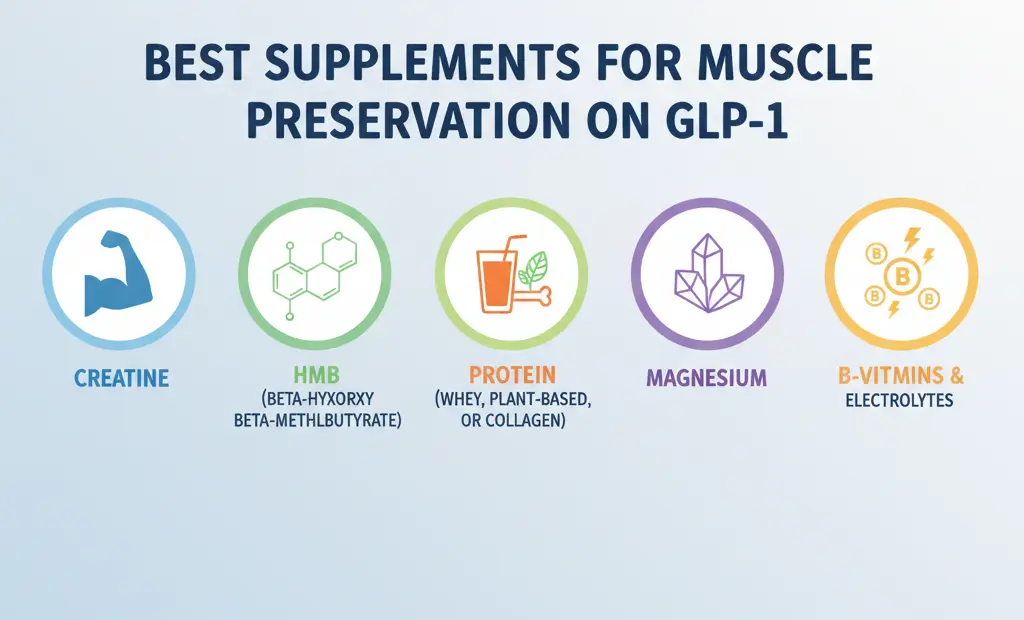
Five tips for easy weight loss and losing belly fat.

Five Simple Life Changes That Will Help You Lose Belly Fat Are Easy Weight Loss Tips ✅(Follow This)✅

Five Small Habits That Actually Help Shrink Belly Fat

Losing belly fat doesn’t require dramatic diets or hours in the gym — small, consistent changes add up. This article offers five simple, science-backed habits you can start today. If you want a quick boost in results, try to increase your protein intake across meals and snacks; protein helps with satiety, preserves muscle, and supports a higher metabolic rate.

  1. Move more — throughout the day
  • Aim to reduce long periods of sitting. Non-exercise activity thermogenesis (NEAT) — walking, fidgeting, taking the stairs — can significantly increase daily calorie burn.
  • Add short movement breaks every hour: 5–10 minutes of brisk walking, stair climbs, or bodyweight movements. These small bursts compound over the day and help reduce abdominal fat when combined with a calorie-aware diet.
  1. Prioritize protein and fiber at every meal
  • Protein keeps you full longer and helps maintain lean muscle as you lose fat. Include a source at each meal (eggs, poultry, fish, beans, tofu, dairy, or protein shakes).
  • Fiber from vegetables, fruits, legumes, and whole grains slows digestion and helps control blood sugar and appetite.
  • Swapping a refined-carb snack for a protein-and-fiber combo (Greek yogurt with berries, apple slices with nut butter) can reduce overall calorie intake without hunger.
  1. Strength training — full-body over endless crunches
  • Many people waste time doing thousands of crunches expecting spot reduction. The truth is you can’t burn fat from just one area; fat loss comes from a whole-body calorie deficit plus muscle-building exercise.
  • Prioritize compound lifts (squats, deadlifts, rows, presses) and progressive overload 2–3 times per week to increase muscle mass and resting metabolic rate. For more on why core-only routines fall short, see why spot reduction is a myth.
  1. Cut liquid calories and refined sugars
  • Sugary beverages and frequent sweet treats spike insulin and add calories with little satiety. Replacing sodas, sweetened lattes, and fruit juices with water, sparkling water, or unsweetened tea reduces daily sugar intake quickly.
  • When you do enjoy carbs, choose whole-food sources (oats, potatoes, whole grains) and pair them with protein and fat to blunt blood-sugar swings and curb overeating.
  1. Improve sleep and manage stress
  • Poor sleep and chronic stress increase cortisol, which is linked to increased abdominal fat and stronger cravings for calorie-dense foods.
  • Aim for 7–9 hours of quality sleep. Build relaxing pre-sleep routines (reduce screens, dim lights, avoid heavy meals late at night).
  • Use simple stress-reduction strategies: brief daily walks, deep breathing, journaling, or short guided meditations. Consistent recovery supports better food choices and consistent workouts.

Quick implementation tips

  • Track small wins: note steps, protein servings, or sleep hours to build momentum.
  • Meal prep simple, balanced meals to avoid impulse choices.
  • If you’re short on time, 20–30 minutes of combined strength and brisk walking most days is effective.

Conclusion

Small, sustainable habits beat extreme short-term fixes for reducing belly fat. As you prepare more of your own meals to support these changes, remember safe food handling matters — learn the 4 Steps to Food Safety | FoodSafety.gov to keep your healthy meals both nutritious and safe.

Five Simple Life Changes That Will Help You Lose Belly Fat Are Easy Weight Loss Tips ✅(Follow This)✅ Read More »

, , , ,
Common habits that sabotage weight loss efforts illustrated in a colorful infographic

11 Common Habits Sabotaging Your Weight Loss

11 Common Habits Sabotaging Your Weight Loss

Introduction
Many people start a weight-loss plan with enthusiasm, only to hit frustrating plateaus. Sometimes the obstacles aren’t calories or exercise alone but everyday habits that quietly undermine progress. Learning from examples — even celebrity transformations such as Kelly Clarkson’s weight-loss success — can help reveal what works and what to avoid. Below are 11 common habits that often sabotage weight loss, why they matter, and simple swaps to get back on track.

  1. Skipping Protein at Breakfast
    Why it hurts: Low-protein mornings can lead to mid-morning cravings and overeating later in the day.
    Quick fix: Start with eggs, Greek yogurt, a protein shake, or a nut-butter-and-seed topping on oatmeal.

  2. Relying on “Diet” Packaged Foods
    Why it hurts: Foods labeled “low-fat” or “sugar-free” often contain added refined carbs or artificial ingredients that promote hunger.
    Quick fix: Read labels and prefer whole foods — fruits, vegetables, lean proteins, and whole grains.

  3. Mindless Snacking While Distracted
    Why it hurts: Eating while watching TV or scrolling increases portions consumed because you aren’t paying attention to fullness cues.
    Quick fix: Create a dedicated eating space, put away screens, and serve snacks in a small bowl instead of eating straight from the package.

  4. Not Tracking Liquid Calories
    Why it hurts: Beverages like sugary coffee drinks, sodas, and many smoothies add substantial calories that are easy to ignore.
    Quick fix: Choose water, sparkling water, unsweetened tea, or black coffee; if you want treats, make them occasional and portion-controlled.

  5. Overestimating Workout Calories Burned
    Why it hurts: People often reward themselves with extra food after exercise, believing they burned more than they did.
    Quick fix: Use conservative estimates for calories burned and focus on the non-caloric benefits of exercise (mood, strength, endurance).

  6. Inconsistent Sleep Patterns
    Why it hurts: Poor or irregular sleep dysregulates appetite hormones and increases cravings for high-calorie foods.
    Quick fix: Aim for consistent bed and wake times, a wind-down routine, and 7–9 hours of quality sleep.

  7. Not Planning Meals
    Why it hurts: Lack of planning makes it more likely you’ll grab convenient, less-healthy options when hungry.
    Quick fix: Batch-cook simple meals, keep healthy staples on hand, and pack lunches or snacks for busy days.

  8. Liquid Calories from Alcohol
    Why it hurts: Alcohol is calorie-dense and lowers inhibitions, often leading to late-night overeating.
    Quick fix: Limit drinking nights, choose lower-calorie options, and alternate alcoholic drinks with water.

  9. All-or-Nothing Mindset
    Why it hurts: Viewing a slip as failure can lead to giving up entirely rather than getting back on track.
    Quick fix: Adopt a flexible approach — a single indulgence doesn’t erase long-term progress. Learn, adjust, and move forward.

  10. Ignoring Strength Training
    Why it hurts: Focusing solely on cardio can result in muscle loss, which lowers resting metabolic rate.
    Quick fix: Add two to three sessions per week of resistance training to preserve or build muscle and support long-term fat loss.

  11. Obsessive Daily Weighing
    Why it hurts: Daily fluctuations are normal and can cause frustration or knee-jerk changes in diet. If you obsess over small changes, you may abandon effective plans prematurely.
    Quick fix: Weigh weekly under consistent conditions and focus on trends, not day-to-day swings. For more on why the scale moves daily, see this helpful resource: why your weight fluctuates daily.

Practical habits to build instead

  • Keep a small, realistic food log to increase awareness without perfectionism.
  • Prioritize whole, minimally processed foods most of the time.
  • Develop a consistent sleep schedule and stress-management routine.
  • Use portion-control strategies like smaller plates or pre-portioned containers.
  • Make movement enjoyable so exercise is sustainable — a mix of cardio, strength, and mobility.

Conclusion

Breaking unhelpful patterns is often more effective than chasing the latest fad. For a broader look at everyday behaviors that can derail your efforts, this succinct overview — 20 Everyday Habits That Sabotage Weight Loss Goals — offers research-backed examples and practical tips to help you tighten up routines and protect your progress.

11 Common Habits Sabotaging Your Weight Loss Read More »

, , , ,
High protein pepperoni pizza rolls, cheesy and crispy, macro-friendly snack.

High Protein Pepperoni Pizza Rolls – Cheesy, Crispy & Macro-Friendly!

High Protein Pepperoni Pizza Rolls — Cheesy, Crispy & Macro-Friendly!

Pizza rolls that satisfy your pizza cravings without wrecking your macros? Yes please. These high-protein pepperoni pizza rolls are stuffed with melty part-skim mozzarella, extra cottage-cheese protein, and lean turkey pepperoni, then baked until golden and crispy. They make a great post-workout snack, meal prep option, or party appetizer. For quick high-protein pairings, you might also like this 8 high-protein smoothie recipes to build muscle.

Why this recipe works

  • Protein-forward: added cottage cheese + higher-protein dough choices boost per-roll protein.
  • Crispy exterior: a hot oven and light oil brush create the ideal golden crust.
  • Macro-friendly flexibility: swap ingredients to hit specific calorie/protein goals.

Yields: 8 rolls
Prep time: 15 minutes
Cook time: 18–22 minutes

Ingredients

  • 1 lb (450 g) high-protein pizza dough (store-bought or homemade)
  • 8 oz (225 g) part-skim mozzarella, shredded
  • 6 oz (170 g) turkey pepperoni, sliced
  • 1 cup (225 g) low-fat cottage cheese (creamy, drained slightly)
  • 1/2 cup (120 g) low-sugar pizza sauce
  • 1 tbsp olive oil (for brushing)
  • 1 tsp Italian seasoning
  • 1 egg (optional — for egg wash)
  • Red pepper flakes, garlic powder, or fresh basil for finishing (optional)

Notes on ingredients:

  • If you can find a labeled “high-protein” pizza dough or one made with vital wheat gluten, it will raise the protein content. Otherwise, whole-wheat dough works nicely.
  • For lower fat, use part-skim mozzarella and turkey pepperoni; for richer flavor, use regular pepperoni and full-fat cheese.

Directions

  1. Preheat oven to 425°F (220°C). Line a baking sheet with parchment paper.
  2. On a lightly floured surface, roll the dough into a roughly 10×12-inch rectangle.
  3. Spread the pizza sauce in an even layer, leaving a 1/2-inch border. Sprinkle Italian seasoning.
  4. Combine the shredded mozzarella and cottage cheese in a bowl; distribute half of this mixture down the center of the dough. Layer turkey pepperoni over the cheese, then top with the remaining cheese mixture.
  5. Starting from the long edge, tightly roll the dough into a log. Pinch the seam closed.
  6. Slice the log into 8 equal rolls using a sharp knife or dental floss for a clean cut. Place rolls cut-side up on the prepared sheet.
  7. Brush each roll with olive oil or an egg wash and sprinkle a tiny pinch of garlic powder and extra Italian seasoning.
  8. Bake 18–22 minutes or until golden brown and crispy on top. For extra crispness, finish with 1–2 minutes under the broiler—watch closely to avoid burning.
  9. Let cool 5 minutes, garnish with basil or red pepper flakes, and serve.

Macro estimate (per roll — approximate)

  • Calories: 280–320 kcal
  • Protein: 16–20 g
  • Carbs: 20–25 g
  • Fat: 9–13 g

These are estimates and will vary based on the exact dough and cheese used. If you need more protein per serving, make 6 rolls instead of 8 from the same batch, or add a scoop of unflavored whey to the dough (reduce other liquids slightly).

Tips for maximum crispiness

  • Bake on a preheated pizza stone or hot baking sheet to give the bottoms extra crunch.
  • Use convection bake if your oven has it—this circulates hot air and crisps better.
  • Brush with oil rather than butter for a lighter, crisper crust.
  • Don’t overfill the rolls; too much filling can make them soggy.

Variations & swaps

  • Keto version: use a low-carb high-protein dough (almond-flour + whey-based recipes) and full-fat cheeses.
  • Veggie boost: add thinly sliced bell peppers, spinach, or mushrooms (sauté first to remove moisture).
  • Pepperoni crisps: place a few pepperoni slices on a separate tray and bake until crisp; use as garnish for extra texture.
  • Air-fryer method: bake at 375°F (190°C) for 10–12 minutes, flipping halfway.

Serving suggestions

Serve warm with extra pizza sauce for dipping, a side salad, or steamed veggies. For smoky, grilled sides that keep the meal protein-focused and balanced, consider pairing with grilled chicken skewers or vegetables — check out these high-protein foods that are great for grilling for ideas.

Storage & meal prep

  • Refrigerate: up to 3 days in an airtight container. Reheat in a 350°F (175°C) oven for 8–10 minutes to restore crispness.
  • Freeze: Flash-freeze on a tray, transfer to a freezer bag, and store up to 3 months. Reheat from frozen at 375°F (190°C) for 18–22 minutes.

Nutrition tweaks for macro goals

  • To increase protein: add extra cottage cheese or use higher-protein dough; slice into fewer rolls.
  • To lower carbs: use a lower-carb dough or make mini crustless roll-ups using thinly flattened chicken breasts as the wrap.
  • To reduce calories/fat: use part-skim cheeses and turkey pepperoni, and keep oil brushing minimal.

Conclusion

If you want more ideas for snacks and small bites that fit flexible dieting and macro targets, this collection of Macro Friendly Appetizers – The Flexible Dieting Lifestyle is a great resource to explore different recipes and inspiration for party-friendly, macro-balanced dishes.

High Protein Pepperoni Pizza Rolls – Cheesy, Crispy & Macro-Friendly! Read More »

, , , ,
Cinnamon roll protein bites stacked on a plate with a cinnamon sprinkle.

Cinnamon Roll Protein Bites

Cinnamon Roll Protein Bites

If you love the cozy sweet-spiced aroma of cinnamon rolls but want a portable, protein-packed snack, cinnamon roll protein bites are the answer. These no-bake energy bites capture the familiar flavor with a mix of oats, cinnamon, vanilla, and protein powder — perfect for breakfast on the go, a pre- or post-workout nibble, or a healthy dessert. If you’re trying to increase your protein intake without sacrificing flavor, these bites are a simple and satisfying tool.

Why these bites work

  • Balanced macronutrients: oats and nut butter provide complex carbs and healthy fats; protein powder adds the protein; a touch of sweetener satisfies cravings.
  • No baking required: quick, easy, and kid-friendly to make together.
  • Portable and shelf-stable: store in the fridge or freezer for convenient snacks.

Ingredients (makes ~18 bites)

  • 1 1/2 cups rolled oats (use gluten-free oats if needed)
  • 1 cup natural almond butter or peanut butter
  • 1/2 cup vanilla protein powder (whey, pea, or your choice)
  • 1/4 cup maple syrup or honey
  • 2 tsp ground cinnamon
  • 1 tsp vanilla extract
  • Pinch of salt
  • 2–4 tbsp milk (dairy or plant) to reach desired consistency
  • Optional: 2 tbsp ground flaxseed or chia seeds for extra fiber

Method

  1. In a large bowl, stir together oats, protein powder, cinnamon, and salt.
  2. Add almond butter, maple syrup, and vanilla extract. Mix with a spatula until a crumbly dough starts to form.
  3. Add milk one tablespoon at a time until the mixture holds together when pressed but isn’t too sticky. If using flax/chia, fold in now.
  4. Roll the mixture into 1–1.5 tablespoon balls and place on a lined baking sheet. Optionally, press each ball flat slightly to mimic a cinnamon roll “bite.”
  5. Chill in the refrigerator for at least 30 minutes to firm up. Store in an airtight container in the fridge for up to 10 days or freeze for longer storage.

Variations and flavor boosts

  • "Cinnamon roll swirl": Mix 1 tbsp cream cheese (softened) with 1 tsp maple syrup and a pinch of cinnamon, then swirl into the dough before rolling for a creamy center.
  • Raisins or chopped dates add chew and mimic classic cinnamon roll fillings.
  • Add a tablespoon of instant coffee or espresso powder for a mocha twist.
  • For lower sugar, use a sugar-free liquid sweetener and a low-calorie protein powder.

For more ideas on pairing snacks with protein-rich drinks, check out these high-protein smoothies that complement bite-sized snacks like these.

Nutrition snapshot (approx. per bite, for 18 bites)

  • Calories: ~110–130
  • Protein: ~6–8 g (depends on protein powder)
  • Carbs: ~9–12 g
  • Fat: ~6–8 g

Adjust portion size and ingredients (e.g., swap nut butter for powdered peanut butter) to change the macronutrient profile.

Tips for success

  • Texture: If the mixture is too dry, add a little more milk or a splash of maple syrup; if too wet, add extra oats or protein powder.
  • Rolling: Oil your hands slightly to keep the dough from sticking while forming bites.
  • Presentation: Dust with extra cinnamon or drizzle a tiny amount of icing (powdered sugar + milk) for a dessert-like finish.
  • Allergen swaps: Use sunflower seed butter for a nut-free version and choose a plant-based protein powder to keep it vegan.

Serving ideas

  • Pair two bites with a cup of Greek yogurt for a quick mini-meal.
  • Toss a couple into a lunchbox alongside fruit and veggies for a balanced midday snack.
  • Freeze individually and thaw 10 minutes before eating for year-round convenience.

Conclusion

If you want a convenient, flavorful way to enjoy the taste of cinnamon rolls while boosting protein, these Cinnamon Roll Protein Bites are a reliable go-to. For another cinnamon-roll–inspired option that focuses on energy bites, see this recipe for Cinnamon Roll Energy Bites – Build Your Bite.

Cinnamon Roll Protein Bites Read More »

, , , ,
Free high protein cheat sheet PDF for healthy eating

A Dietitian’s High Protein Cheat Sheet (Free PDF)

A Dietitian’s High Protein Cheat Sheet — Practical Tips You Can Use Today

Whether you want to build muscle, lose fat, manage hunger, or recover faster after workouts, protein is one of the most powerful tools in your nutrition toolbox. This article condenses a dietitian’s practical guidance into an easy-to-follow cheat sheet: how much protein you need, where to get it, timing and portion ideas, and simple swaps to make daily meals more protein-rich.

Introduction
Protein does more than support muscles — it helps regulate appetite, supports immune function, and stabilizes blood sugar. If you cook outdoors or like bold flavors, there are plenty of ways to boost protein while keeping meals exciting — from grilled salmon to marinated tofu. For inspiration on grilling high-protein choices, check out this list of high-protein foods that are great for grilling.

Why protein matters

  • Satiety: Protein promotes feeling full longer, which can reduce overall calorie intake.
  • Muscle maintenance and growth: Protein supplies amino acids needed for repair and growth, especially after strength training.
  • Metabolic benefit: The thermic effect of protein (energy used to digest) is higher than carbs or fat.
  • Wellness: Protein supports repair processes and various enzymes and hormones.

How much protein do you need?

  • General guideline: 0.8–1.0 g/kg body weight for sedentary adults.
  • Active people and those aiming to build or keep muscle: 1.4–2.0 g/kg.
  • Older adults: aim toward the higher end (1.2–2.0 g/kg) to preserve muscle mass.
  • For weight loss while preserving lean mass: 1.6–2.4 g/kg can be useful under supervision.

Protein quality and distribution

  • Aim to distribute protein evenly across meals (20–40 g per meal depending on body size).
  • Include a high-quality source at breakfast, lunch, and dinner to maximize daily muscle protein synthesis.
  • Combining plant proteins (e.g., beans + rice) throughout the day improves overall amino acid balance.

Protein timing and post-workout strategy

  • Having a balanced meal with 20–40 g protein within 2 hours of resistance exercise helps recovery.
  • Quick post-workout options: Greek yogurt, a protein shake, cottage cheese, or lean poultry.
  • When choosing meat for post-workout recovery, consider lean choices to support faster synthesis; research comparing cuts suggests advantages to choosing lighter-fat options — learn more about how lean meat beats high-fat meat for faster post-workout muscle protein synthesis.

High-protein swaps and portion ideas

  • Breakfast: Swap low-protein cereal for Greek yogurt with nuts and fruit (20–30 g).
  • Lunch: Replace plain sandwiches with a grain bowl centered on grilled chicken, tempeh, or salmon (30–45 g).
  • Snacks: Hard-boiled eggs, roasted chickpeas, or a small tin of tuna (6–20 g depending on choice).
  • Dinner swaps: Trade extra starchy sides for an additional palm-sized portion of lean protein.
  • Plant-forward: Use lentils, edamame, and seitan to hit protein targets if you prefer vegetarian options.

Sample simple day (moderate active adult)

  • Breakfast: Omelet with 2 eggs + 1/2 cup egg whites + spinach (30 g)
  • Snack: Greek yogurt + 1 tbsp almond butter (15–20 g)
  • Lunch: Quinoa salad with grilled chicken and beans (35 g)
  • Snack: Cottage cheese + berries (12–15 g)
  • Dinner: Grilled salmon + roasted vegetables + a small sweet potato (35–40 g)
  • Total: ~130–140 g (adjust portions to match your needs)

Practical tips and common myths

  • Myth: You need protein immediately after training or it’s useless. Reality: a 2-hour window with sufficient protein spread across the day works well.
  • Tip: If you struggle to reach goals, add a protein-rich snack or increase portion sizes at meals by palm-sized servings.
  • Tip: Use meal prep to keep high-protein choices ready — batch-cook lean meats, beans, and grain bowls.
  • Safety: Most healthy adults tolerate higher protein intakes, but those with kidney disease should consult a clinician before increasing protein.

A quick printable cheat-sheet checklist

  • Target grams per meal: aim for 20–40 g depending on body size and goals.
  • Include a protein source at every main meal and choose a protein-rich snack.
  • Favor lean cuts post-workout and distribute protein evenly through the day.
  • Mix animal and plant sources for variety and micronutrient balance.
  • Plan and prep: cook once, use for several meals.

Conclusion

For an easy, printable reference you can keep in the kitchen or on your phone, download the free resource titled A Dietitian’s High Protein Cheat Sheet (Free PDF). It consolidates portions, quick swaps, and sample meals into a single page that’s handy for meal planning and grocery shopping.

A Dietitian’s High Protein Cheat Sheet (Free PDF) Read More »

, , , ,
Bowl of crispy homemade cottage cheese chips with seasoning

Cottage Cheese Chips Recipe

Cottage Cheese Chips Recipe: Crispy, High-Protein Snack

Introduction
Cottage cheese chips are a crunchy, protein-packed alternative to traditional chips — ideal for snacking, dipping, or topping salads. They’re simple to make, forgiving in technique, and can be tailored to sweet or savory tastes. If you’re experimenting with meat-free snacks or expanding your recipe collection, you might also enjoy this collection of 8 Easy Vegetarian Recipes for more inspiration.

Why cottage cheese?
Cottage cheese brings a mild, slightly tangy flavor and a high protein content, which helps these chips deliver both crunch and satiety. When processed or blended until smooth, then combined with a binder and a little cheese or starch, cottage cheese can become surprisingly crisp in the oven or air fryer.

Ingredients (makes about 24 chips)

  • 1 1/2 cups small-curd cottage cheese, well drained
  • 1 large egg white (lightens texture and helps bind)
  • 1/2 cup finely grated Parmesan cheese (or Pecorino)
  • 2 tbsp almond flour (or 1 tbsp chickpea flour for gluten-free warmth)
  • 1/2 tsp garlic powder
  • 1/2 tsp onion powder
  • 1/4 tsp smoked paprika (optional)
  • Salt and freshly ground black pepper to taste
  • Cooking spray or a little olive oil for the baking sheet

Equipment

  • Blender or food processor
  • Baking sheet lined with parchment paper or silicone mat (or air fryer basket)
  • Piping bag or spoon

Method

  1. Prep the cottage cheese: Place drained cottage cheese in a blender or food processor and blend until very smooth. This creates a base that will crisp evenly.
  2. Combine ingredients: Transfer the puréed cottage cheese to a bowl. Stir in the egg white, grated Parmesan, almond flour, and seasonings until you have a cohesive, slightly thick batter. If it’s too thin, add 1 tsp more almond flour.
  3. Shape the chips: Preheat oven to 325°F (160°C). Transfer the mixture to a piping bag or use a spoon to dollop small rounds (about 1–1.5 tablespoons each) onto the prepared sheet. Space them at least 1 inch apart; they will spread a bit.
  4. Bake low and slow: Lightly spray or brush the tops with oil. Bake for 25–35 minutes, rotating the sheet halfway through, until edges are golden and centers are set. For extra crispiness, turn off the oven, crack the door slightly, and let chips sit in the cooling oven for 10–15 minutes to further dry out.
  5. Air fryer option: Preheat to 300°F (150°C). Place dollops in a single layer (you may need batches). Cook 12–18 minutes, checking at 10 minutes to prevent burning.
  6. Cool completely: Transfer chips to a cooling rack. They will crisp more as they cool.

Variations and flavor ideas

  • Spicy: Add 1/4–1/2 tsp cayenne or a dash of hot sauce to the batter.
  • Herbed: Mix in 1 tbsp finely chopped fresh dill, chives, or rosemary.
  • Cheesy crunch: Fold in 2 tbsp shredded sharp cheddar for extra flavor.
  • Sweet chip: Omit savory spices, add 1 tsp vanilla, 1–2 tsp sugar substitute or honey, and a pinch of cinnamon; serve with Greek yogurt dip.

Tips for success

  • Drain well: Excess liquid prevents crispness. Spoon cottage cheese into a fine mesh sieve and press gently for 10–15 minutes, or line a small bowl with cheesecloth and let it strain in the fridge.
  • Uniform size: Use a piping bag for consistent chips so they cook evenly.
  • Watch closely near the end: Because of the sugar and dairy content, chips can go from golden to burnt quickly.
  • Storage: Store completely cooled chips in an airtight container for 2–3 days. If they soften, re-crisp in a 300°F (150°C) oven for 5–8 minutes.
  • Serving suggestion: They pair well with fresh dips or as a crunchy salad topper — and for a higher-protein pairing, try one of these 8 High-Protein Smoothie Recipes to Build Muscle to round out a meal or post-workout snack.

Nutrition (approx. per serving — 6 chips)

  • Calories: ~110
  • Protein: ~9–11 g
  • Fat: ~7–8 g
  • Carbs: ~2–3 g
    Values will vary by specific ingredients used.

Final thoughts
Cottage cheese chips are a versatile, protein-forward snack you can adapt to any flavor profile. They work well for meal prep, parties, or a quick crunchy bite with dips. With a few small adjustments — draining properly, using a binder, and baking at a moderate temperature — you’ll have reliably crisp chips every time.

Conclusion

For a minimalist take and a one-ingredient twist, check out this recipe for 1 Ingredient Keto Cottage Cheese Chips – Kirbie’s Cravings, which offers an alternative technique if you want to experiment with an ultra-simple version.

Cottage Cheese Chips Recipe Read More »

, , , ,
Healthy Greek Chicken Bowls recipe with fresh veggies and grilled chicken.

Greek Chicken Bowls: Easy Clean Eating Meal Prep

Greek Chicken Bowls: Easy Clean Eating Meal Prep

Fresh, flavorful, and simple to assemble, Greek chicken bowls are a perfect clean-eating meal-prep option. They combine lean protein, bright vegetables, and Mediterranean herbs for a satisfying lunch or dinner that holds up well through the week. If you’re prioritizing protein, these bowls are a natural fit — and you can find practical tips to boost protein across meals in this helpful guide: 10 Easy Ways to Increase Your Protein Intake With Every Meal and Snack.

This article walks through ingredients, prep steps, storage tips, and tasty variations so you can make a batch of Greek chicken bowls that feel fresh every day.

What’s in a Greek Chicken Bowl

Core components (build your bowl from these):

  • Protein: grilled or baked chicken breast, marinated in lemon, garlic, oregano, and olive oil.
  • Base: quinoa, brown rice, or mixed greens for a lighter option.
  • Veggies: cucumbers, cherry tomatoes, red onion, and shredded carrot.
  • Add-ins: Kalamata olives, crumbled feta, and a spoonful of tzatziki or hummus.
  • Herbs & seasoning: fresh mint or dill, cracked black pepper, and extra lemon for brightness.

Simple Marinade & Cooking Method

Marinade (for 4 servings):

  • Juice of 1 lemon
  • 2 tbsp olive oil
  • 3 garlic cloves, minced
  • 1 tsp dried oregano
  • Salt & pepper to taste

Directions:

  1. Pound or slice chicken breasts into even pieces. Combine chicken with marinade and refrigerate for at least 30 minutes (overnight is best).
  2. Grill or pan-sear over medium-high heat until internal temperature reaches 165°F (75°C). Let rest before slicing.
  3. Cook your chosen base (quinoa or rice) according to package directions.
  4. Assemble bowls with base, sliced chicken, raw veggies, olives, feta, and a dollop of tzatziki.

Timing tip: cook grains and chicken simultaneously to streamline prep. Chopping vegetables while things cook minimizes overall time.

Meal-Prep Strategy

  • Batch-cook proteins and grains on a single day (Sunday is popular). Portion into airtight containers.
  • Keep wet ingredients separate when possible. Store tzatziki or dressings in small containers to prevent sogginess.
  • Rotate toppings each day—add fresh herbs, a squeeze of lemon, or a sprinkle of toasted pine nuts—to keep bowls interesting.

Storage:

  • Chicken and grains: up to 4 days refrigerated.
  • Fresh cut veggies: up to 3–4 days if stored dry in airtight containers.
  • Freeze cooked chicken for up to 2 months; thaw in the fridge before reheating gently.

Vegetarian & Other Variations

If you want meatless options or just want variety, try these swaps:

  • Replace chicken with roasted chickpeas or grilled halloumi.
  • Use a bed of mixed greens and add roasted sweet potato for heartiness.
  • Try different Mediterranean spreads like muhammara or a red pepper hummus for variety.

For more meatless meal ideas that pair beautifully with Mediterranean flavors, consider exploring easy vegetarian recipes such as those found in this collection: 8 Easy Vegetarian Recipes.

Nutrition Snapshot

A typical Greek chicken bowl with quinoa, chicken, veggies, and a modest amount of feta or tzatziki provides:

  • A balanced ratio of protein and complex carbs.
  • Healthy fats from olive oil and olives.
  • Fiber and micronutrients from fresh vegetables.

Adjust portion sizes and ingredient ratios to meet your calorie and macronutrient goals. Swapping quinoa for extra greens reduces carbs; adding extra chicken or a scoop of Greek yogurt increases protein.

Quick Serving Ideas

  • Meal-prep lunches: grab a container, add fresh lemon, and enjoy either cold or reheated.
  • Family dinners: set up a “bowl bar” and let everyone build their own with different toppings.
  • On-the-go: pack dressing separately and assemble just before eating.

Conclusion

If you want step-by-step inspiration or a tested recipe to get started quickly, check out this helpful recipe for Greek Chicken Bowls (Meal Prep Easy) – Easy Peasy Meals.

Greek Chicken Bowls: Easy Clean Eating Meal Prep Read More »

, , , ,
Bowl of creamy chocolate protein pudding topped with cocoa and nuts

Chocolate Protein Pudding Recipe

Chocolate Protein Pudding — Easy, Creamy, High-Protein Dessert

Craving something chocolatey without derailing your nutrition goals? This chocolate protein pudding gives you rich flavor, satisfying texture, and a serious protein boost — perfect for a post-workout treat or a healthier dessert option. If you like portable options, check out some high-protein smoothies as well for more ways to boost protein intake throughout the day.

This article includes a simple recipe, step-by-step instructions, helpful tips, and a few tasty variations so you can customize the pudding to your liking.

Ingredients (serves 2)

  • 1 cup unsweetened almond milk (or milk of choice)
  • 1 scoop chocolate protein powder (20–30 g protein per scoop)
  • 1/4 cup plain Greek yogurt (adds creaminess and protein)
  • 2 tablespoons unsweetened cocoa powder
  • 1–2 tablespoons sweetener of choice (maple syrup, honey, or a sugar substitute), to taste
  • 1 tablespoon chia seeds (optional — thickens and adds fiber)
  • 1/2 teaspoon vanilla extract
  • Pinch of salt
  • Optional toppings: chopped nuts, cacao nibs, sliced banana, berries, or a dollop of nut butter

Equipment

  • Blender or whisk and bowl
  • Small mixing bowls or ramekins
  • Measuring cups and spoons

Directions

  1. Combine liquids and cocoa: In a blender or medium bowl, whisk together the almond milk, cocoa powder, and vanilla until the cocoa is fully dissolved and there are no clumps.
  2. Add protein and yogurt: Add the chocolate protein powder and Greek yogurt. Blend or whisk until smooth. If using a blender, pulse 10–15 seconds.
  3. Sweeten and thicken: Add your sweetener and chia seeds (if using). Stir to combine. The chia seeds will absorb liquid and thicken the mixture in 10–15 minutes. If you prefer instant thickness, use 1–2 tablespoons of instant tapioca or a small amount of xanthan gum (start with 1/8 teaspoon).
  4. Chill: Transfer to serving bowls or jars and refrigerate for at least 30 minutes to allow the pudding to set and flavors to meld. Overnight gives the best texture.
  5. Serve: Top with your favorite garnishes and enjoy cold.

Tips for Best Texture and Flavor

  • Protein powder choice matters: Whey tends to make creamier puddings, while plant-based powders may need slightly more liquid for the same texture.
  • Adjust sweetness: Taste before chilling — cold dulls sweetness slightly, so you may prefer a touch more sweetener.
  • Boost calories or creaminess: Substitute full-fat Greek yogurt or add 1–2 tablespoons of nut butter for richer flavor and mouthfeel.
  • Make it egg-free and vegan: Use plant-based protein, non-dairy yogurt, and a vegan sweetener.
  • For a thicker mousse-like texture: Let the mixture set in the fridge overnight; stirring once after 10 minutes helps chia seeds distribute evenly.
  • Want a seasonal twist? Try this puddings’ warm-spice cousin inspired by pumpkin desserts like a protein pumpkin pie for fall vibes.

Nutrition (approximate per serving)

  • Calories: 180–300 (depends on milk, yogurt, and toppings)
  • Protein: 20–35 g
  • Fat: 4–12 g
  • Carbohydrates: 8–25 g
    These values vary with the specific protein powder and add-ins you choose. Using Greek yogurt and a protein powder with 20–25 g protein per scoop will keep this a high-protein snack.

Make-Ahead & Storage

  • Refrigerate in airtight containers for up to 3 days.
  • For longer storage, freeze in small portions for up to 1 month; thaw in the fridge overnight and stir before serving.
  • If chia seeds absorb too much liquid and the pudding becomes too thick, stir in a tablespoon of almond milk to loosen.

Why This Works

Combining protein powder with Greek yogurt provides both fast- and slow-digesting proteins, making the pudding effective for recovery and satiety. Cocoa powder delivers intense chocolate flavor with minimal added sugar, and chia seeds or a thickening agent create the classic pudding mouthfeel without needing eggs or long cooking.

Conclusion

If you want to compare variations or follow a step-by-step tutorial from another source, see this detailed Chocolate Protein Pudding – Eat With Clarity for another take on the recipe and serving ideas.

Chocolate Protein Pudding Recipe Read More »

, , , ,
Easy protein oatmeal cookies with ingredients for a healthy treat.

Easy Proetin Oatmeal Cookies

Easy Protein Oatmeal Cookies

Looking for a quick, satisfying snack that packs a protein punch and still tastes like a treat? These easy protein oatmeal cookies are a perfect solution. They blend rolled oats, a scoop of protein powder, and a few pantry staples to make cookies that are chewy, lightly sweet, and portable. If you’re interested in simple ways to up your protein across the day, this recipe pairs well with ideas from 10 easy ways to increase your protein intake.

Why these cookies work

  • Oats provide complex carbs and fiber for steady energy.
  • Protein powder increases the protein content without adding complicated steps.
  • Minimal added sugar keeps them snack-friendly and adaptable to dietary goals.

Ingredients (makes ~12 cookies)

  • 1 1/2 cups rolled oats
  • 1/2 cup vanilla or unflavored protein powder
  • 1/4 cup nut butter (peanut, almond, or sunflower)
  • 1/4 cup honey or maple syrup
  • 1 large egg (or flax egg for vegan)
  • 2 tbsp milk or plant milk (as needed)
  • 1/2 tsp baking powder
  • 1/2 tsp cinnamon
  • Pinch of salt
  • 1/3 cup mix-ins (chopped nuts, dark chocolate chips, dried fruit)

Instructions

  1. Preheat the oven to 350°F (175°C). Line a baking sheet with parchment paper.
  2. In a bowl, mix the rolled oats, protein powder, baking powder, cinnamon, and salt.
  3. In a separate bowl whisk together nut butter, honey (or maple), and the egg until smooth.
  4. Combine wet and dry ingredients. Add milk a tablespoon at a time until the dough holds together but isn’t too wet.
  5. Fold in your mix-ins.
  6. Scoop tablespoon-sized portions onto the baking sheet, flatten slightly with the back of a spoon.
  7. Bake 10–12 minutes, until edges are lightly golden. Let cool on the sheet for 5 minutes, then transfer to a rack.

Variations and swaps

  • Vegan: replace the egg with a flax egg (1 tbsp ground flaxseed + 3 tbsp water) and use plant milk.
  • Lower sugar: reduce syrup by 1–2 tbsp and add a few mashed banana pieces for moisture.
  • Extra fiber: add 1–2 tbsp ground flax or chia seeds.
  • Flavors: swap cinnamon for cocoa powder for double-chocolate protein cookies, or add a pinch of cardamom for a warm twist.

For more meat-free snack inspiration, these fit nicely into ideas like 8 easy vegetarian recipes that emphasize protein-rich plant options.

Nutrition & baking tips

  • Protein content per cookie will depend on your protein powder — most scoops add 15–25 g per serving, so adjust serving size accordingly.
  • If your protein powder dries the dough, increase the nut butter or a splash of milk to restore chewiness.
  • Use old-fashioned rolled oats rather than instant for better texture.
  • Store cooled cookies in an airtight container for up to 4 days, or freeze for up to 3 months.

Conclusion

For a ready-made reference and another version to compare, check out this take on Protein Oatmeal Cookies to inspire variations and serving ideas.

Easy Proetin Oatmeal Cookies Read More »

, , , ,
Delicious high-protein honey garlic shrimp on a plate, garnished and ready to serve.

High-Protein Honey Garlic Shrimp

High-Protein Honey Garlic Shrimp

Shrimp is a fast, versatile protein that shines in sweet-and-savory preparations. This high-protein honey garlic shrimp dish brings together caramelized honey, punchy garlic, and a bright splash of acid for a quick meal that satisfies both flavor and macro goals. If you like pairing strong flavors with muscle-building meals, try matching it with one of these high-protein smoothie recipes for an easy post-workout combo.

Why shrimp works for high-protein meals

  • Shrimp is lean and low in calories while packing about 20–24 g of protein per 100 g, making it ideal for muscle maintenance and weight management.
  • It cooks in minutes, which reduces nutrient loss and keeps meals convenient.
  • The clean flavor profile lets bold marinades like honey-garlic stand out without adding heavy fats.

Ingredients (serves 2)

  • 12–16 oz (about 340–450 g) large shrimp, peeled and deveined
  • 2 tbsp honey
  • 2–3 cloves garlic, minced
  • 1–2 tbsp soy sauce or tamari (low-sodium if preferred)
  • 1 tbsp rice vinegar or lemon juice
  • 1 tbsp olive oil or avocado oil
  • 1/4 tsp red pepper flakes (optional)
  • Salt and pepper to taste
  • Chopped scallions and sesame seeds for garnish

Tip: For an extra smoky flavor suitable for outdoor cooking, consider incorporating shrimp into your rotation of high-protein foods for grilling.

Method

  1. Pat shrimp dry and season lightly with salt and pepper.
  2. Whisk honey, garlic, soy sauce, vinegar, oil, and red pepper flakes in a bowl to make the glaze.
  3. Reserve about 2 tbsp of glaze for finishing. Toss shrimp in remaining glaze and let sit 5–10 minutes (or marinate up to 30 minutes).
  4. Heat a nonstick skillet or grill over medium-high heat. Add a small amount of oil if using a skillet.
  5. Cook shrimp 1.5–2 minutes per side until opaque and just cooked through. Avoid overcooking to keep shrimp tender.
  6. Brush the reserved glaze over shrimp in the final 30 seconds to create a glossy finish. Remove from heat and garnish with scallions and sesame seeds.

Serving suggestions: pile over brown rice or quinoa for a balanced plate, toss into a salad for a lighter option, or serve with steamed vegetables and a wedge of lemon.

Variations and tips

  • Make it spicier: increase red pepper flakes or add a dash of sriracha to the glaze.
  • Keep it lower-carb: serve over cauliflower rice or leafy greens.
  • Bulk it up for meal prep: add chickpeas, edamame, or extra vegetables like bell peppers to increase fiber and volume without sacrificing protein.
  • Freezing: cooked shrimp is best fresh, but you can freeze blanched shrimp before glazing for quick future meals—thaw and finish with fresh glaze.

Nutrition snapshot (approx. per serving, shrimp-only portion)

  • Calories: ~220–300 (varies with portion size and glaze)
  • Protein: ~30–40 g
  • Fat: 6–10 g
  • Carbohydrates: 8–14 g (mainly from honey)
    This makes the recipe excellent for people tracking macros who want a high-protein, flavorful entree.

Meal prep and timing

  • Shrimp is ideal for last-minute meals: marinate in the morning, cook in minutes at dinner.
  • For weekly meal prep, cook shrimp fresh and store components separately: pre-cook grains and vegetables, and refrigerate the glaze. Reheat shrimp gently (briefly) and toss with warm glaze to avoid rubbery texture.

Conclusion

If you want a tested, easy-to-follow version of this flavor profile, try the Allrecipes take on Honey-Garlic Shrimp for additional tips and measurements: Honey-Garlic Shrimp.

High-Protein Honey Garlic Shrimp Read More »

, , , ,
Lemon Blueberry Cottage Cheese Protein Bites on a wooden table

Lemon Blueberry Cottage Cheese Protein Bites

Lemon Blueberry Cottage Cheese Protein Bites

Bright, tangy, and delightfully creamy, Lemon Blueberry Cottage Cheese Protein Bites are an easy no-bake snack that packs a serious protein punch. They’re perfect for breakfast on the go, pre- or post-workout fuel, or a quick afternoon pick-me-up. If you’re looking for simple ways to boost your daily protein, these bites fit right in with other strategies to increase your protein intake.

Ingredients (makes ~18 bites)

  • 1 cup (225 g) low-fat or full-fat cottage cheese, well-drained
  • 1 cup (90 g) quick oats or oat flour
  • 1/2 cup (60 g) vanilla whey or plant-based protein powder
  • Zest of 1 lemon
  • 2 tbsp fresh lemon juice
  • 2–3 tbsp honey or maple syrup (adjust to taste)
  • 1/2 tsp pure vanilla extract
  • 1/4 tsp salt
  • 3/4 cup fresh or frozen blueberries (if frozen, thaw and drain)
  • 2–3 tbsp chia seeds or ground flaxseed (optional, for texture and fiber)
  • 1–2 tbsp coconut oil or nut butter (optional, to help bind if mixture is wet)

Equipment

  • Mixing bowl
  • Spoon or spatula
  • Baking sheet or plate
  • Parchment paper (optional)
  • Small cookie scoop or tablespoon for shaping

Method

  1. If using fresh cottage cheese with visible whey, place cheese in a fine mesh sieve or cheesecloth and let drain for 10–15 minutes to reduce excess moisture. This helps the bites hold together.
  2. In a large bowl, combine the drained cottage cheese, oats (or oat flour), protein powder, lemon zest, lemon juice, honey/maple syrup, vanilla, and salt. Stir until mostly uniform.
  3. Gently fold in the blueberries and chia or flaxseed (if using). If the mixture seems too wet to shape, add a bit more oats or protein powder, or chill the mix for 10–15 minutes to firm up.
  4. Using a small scoop or tablespoon, form mounds of mixture and roll into bite-sized balls. Place them on a parchment-lined baking sheet or plate.
  5. Chill the bites in the refrigerator for at least 30 minutes to set. For firmer bites, freeze for 10–15 minutes.
  6. Store in an airtight container in the refrigerator for up to 5 days or freeze for up to 2 months.

Flavor and texture notes

  • Cottage cheese provides a creamy, slightly tangy base; using low-fat vs full-fat affects richness and firmness.
  • Oats give chew and structure; oat flour produces a smoother bite.
  • Protein powder alters texture and sweetness—adjust the sweetener accordingly.
  • Lemon zest and juice brighten the flavor; don’t skip the zest for the best citrus aroma.

Variations and swaps

  • Vegan: use a dairy-free cottage cheese alternative and a plant-based protein powder.
  • Nut-free: swap nut butter for coconut oil or omit.
  • Add-ins: fold in a tablespoon of hemp seeds or a sprinkle of cinnamon for a different profile.
  • Mini muffins: press the mixture into a lined mini-muffin pan and refrigerate to set if you prefer a firmer, spoonable shape.

Serving ideas and pairings

  • Enjoy 2–3 bites with Greek yogurt or a dollop of nut butter for extra calories and satiety.
  • Pair with fresh fruit or a small salad for a balanced snack or light breakfast.
  • For a refreshing combo, try these bites with a smoothie — explore high-protein smoothie recipes to find flavors that complement the lemon-blueberry profile.

Storage and meal prep tips

  • Make a double batch and freeze in single portions for grab-and-go convenience.
  • If freezing, separate layers with parchment to prevent sticking.
  • If bites become too firm from freezing, let thaw 10–15 minutes at room temperature before eating.

Quick nutrition estimate (per bite, based on 18 bites)

  • Calories: ~80–110
  • Protein: ~6–9 g (depends on protein powder and cottage cheese)
  • Carbs: ~6–10 g
  • Fat: ~2–5 g

Why these bites work
Cottage cheese is an underrated protein source that blends well with other ingredients and delivers casein protein, which digests slowly and helps sustain fullness. Combined with oats, protein powder, and seeds, these bites offer a balanced mix of macronutrients in a portable form.

Conclusion

If you love the cottage cheese + blueberry combination and want another way to enjoy similar flavors, check out this recipe for Blueberry Cottage Cheese Muffins – The Roasted Root for a baked alternative that keeps the same bright, tender profile.

Lemon Blueberry Cottage Cheese Protein Bites Read More »

, , , ,
Creamy Cajun chicken and rice bowls, high in protein and perfect for meal prep.

Creamy Cajun Chicken & Rice Bowls | High Protein Meal Prep

Creamy Cajun Chicken & Rice Bowls — High-Protein Meal Prep

Creamy Cajun Chicken & Rice Bowls are a delicious way to turn bold flavors into a week’s worth of high-protein meals. Tender chicken tossed in a spiced, creamy sauce over rice and veggies makes an easy, satisfying dish for lunch or dinner. If you’re trying to hit your daily protein goals, pair this bowl with other strategies like the 10 easy ways to increase your protein intake with every meal and snack to maximize results without losing flavor.

Why this bowl works for meal prep

  • High protein: Lean chicken breast provides substantial protein to support muscle maintenance and recovery.
  • Balanced macros: Rice supplies carbohydrates for energy and veggies add fiber, vitamins, and minerals.
  • Make-ahead friendly: Sauces and cooked chicken hold up well in the fridge, making portioning simple.
  • Versatile: Swap grains, tweak spice level, or add beans for extra fiber and variety.

Ingredients (serves 4)

  • 1.5 lbs (700 g) boneless skinless chicken breasts, cut into bite-sized pieces
  • 2 tbsp olive oil
  • 2–3 tbsp Cajun seasoning (adjust to taste)
  • 1 red bell pepper, sliced
  • 1 yellow bell pepper, sliced
  • 1 medium onion, thinly sliced
  • 3 cloves garlic, minced
  • 1 cup low-sodium chicken broth
  • 1 cup plain Greek yogurt or light sour cream (for creaminess)
  • 2 cups cooked brown rice or white rice
  • 2 cups baby spinach (optional)
  • Fresh parsley or green onions for garnish
  • Salt and pepper to taste

Quick method

  1. Season the chicken with 1–2 tablespoons Cajun seasoning, salt, and pepper.
  2. Heat 1 tbsp olive oil in a large skillet over medium-high heat. Sear the chicken until golden and cooked through, about 6–8 minutes. Transfer to a plate.
  3. In the same pan, add remaining oil and sauté the onion and bell peppers until softened, 4–5 minutes. Add garlic and cook 30 seconds.
  4. Sprinkle remaining Cajun seasoning, stir, then pour in chicken broth to deglaze the pan. Let simmer 2 minutes.
  5. Reduce heat to low and stir in Greek yogurt until sauce is creamy and smooth. Return chicken to the pan and coat with sauce. If it’s too thick, add a splash more broth.
  6. Fold in spinach until wilted, then remove from heat. Adjust seasoning.
  7. Serve over warm rice and garnish.

Meal prep & storage tips

  • Portion into airtight containers with rice on one side and chicken & veggies on the other to prevent sogginess.
  • Refrigerate for up to 4 days; freeze for up to 3 months (thaw overnight before reheating).
  • Reheat gently in a microwave or on the stovetop with a splash of water to loosen the sauce.
  • For a post-workout boost, pair the bowl with a protein-rich drink or one of these 8 high-protein smoothie recipes to build muscle for a complete recovery meal.

Variations and swaps

  • Grain swap: Use quinoa, cauliflower rice, or farro depending on your carb goals.
  • Veggie boost: Add zucchini, mushrooms, or frozen corn for color and nutrition.
  • Dairy-free: Replace Greek yogurt with canned coconut milk for creamy texture and a hint of sweetness.
  • Extra protein: Stir in white beans, edamame, or top with a fried egg.

Nutrition estimate (per serving, approximate)

  • Calories: 550–650 (depending on rice choice and portion sizes)
  • Protein: 40–55 g (varies by chicken portion and yogurt)
  • Carbs: 45–60 g
  • Fat: 12–22 g

Conclusion

For a detailed recipe and exact nutrition breakdown, check out the original High Protein Creamy Cajun Chicken and Rice – Amazing 53g … at High Protein Creamy Cajun Chicken and Rice – Amazing 53g ….

Creamy Cajun Chicken & Rice Bowls | High Protein Meal Prep Read More »

, , , ,
High protein cheesecake jars recipe with creamy texture and delicious toppings

High Protein Cheesecake Jars Recipe

High Protein Cheesecake Jars: A Healthy, Portable Dessert

A creamy, satisfying dessert doesn’t have to derail your nutrition goals. High protein cheesecake jars transform classic cheesecake into a portion-controlled, protein-packed treat you can enjoy after workouts, as a snack, or as a light dessert. These jars layer a crunchy base, a velvety high-protein filling, and optional fresh toppings for a balanced bite every time. If you like pairing desserts with recovery drinks, consider trying one of these 8 high-protein smoothie recipes for a complete post-workout combo.

What you’ll love about these jars:

  • Easy to customize flavors and toppings
  • Portable and portion-controlled
  • High in protein while keeping sugars reasonable

Ingredients (makes 4 jars)

  • 12 oz (340 g) low-fat cream cheese or Greek yogurt-based cream cheese alternative
  • 1 cup (240 g) plain Greek yogurt (0% or 2%)
  • 1/3 cup (30–40 g) vanilla or unflavored whey or plant protein powder
  • 1/4 cup (60 ml) honey or maple syrup (adjust to taste)
  • 2 tsp vanilla extract
  • Zest of 1 lemon (optional, for brightness)
  • 1 1/2 cups (150 g) crushed graham crackers or baked oats for base
  • 3 tbsp melted butter or coconut oil (to bind crust)
  • Optional toppings: fresh berries, chopped nuts, dark chocolate shavings, nut butter drizzle

Equipment: 4 small jars (4–6 oz each), mixing bowls, spatula, electric mixer (or strong whisk).

Method

  1. Prepare the crust: Mix crushed graham crackers (or baked oats) with melted butter until evenly moistened. Spoon about 2–3 tablespoons into each jar and press down to form a compact layer. Chill in the fridge while you make the filling.
  2. Make the filling: In a bowl, beat cream cheese until smooth. Add Greek yogurt, protein powder, honey, vanilla, and lemon zest. Beat until fully combined and fluffy. Taste and adjust sweetness or vanilla as desired.
  3. Assemble: Divide the filling evenly among the jars, smoothing the top with a spatula. Add optional a second thin layer of crust in between filling layers if you prefer more crunch.
  4. Chill: Refrigerate for at least 2 hours to firm up (overnight is best for texture).
  5. Serve: Top with fresh berries, nuts, or a drizzle of nut butter right before serving.

Variations & Flavor Ideas

  • Berry Swirl: Gently fold 1/2 cup of pureed strawberries or raspberries into half the filling to create a pink swirl.
  • Chocolate Protein: Replace 2–3 tablespoons of protein powder with cacao powder and add a touch more sweetener.
  • Lemon Cheesecake: Increase lemon zest and add 1–2 tablespoons of fresh lemon juice for a tangy lift.
  • No-Bake Oat Crust: Use baked oat crumbs for a heartier, fiber-rich crust instead of graham crackers.

Nutrition Tips

  • Adjust protein source based on goals: whey for quick absorption, casein or Greek yogurt for slower-release protein.
  • Control sugar by using a lower amount of honey or a sugar-free sweetener, and increase vanilla or lemon for flavor balance.
  • Boost healthy fats by stirring in a tablespoon of almond butter into the filling or by topping with chopped nuts.

Serving, Pairings & Make-Ahead

These jars are perfect for meal prep: assemble and chill up to 3 days in advance. They also travel well — seal jars tightly for on-the-go treats. If you’re hosting a summer BBQ, they make an impressive, lighter dessert option that complements grilled mains; check ideas for pairing desserts with other protein-forward options like these high-protein foods for grilling.

To serve:

  • Bring jars to the table chilled and finish with a fresh topping so textures remain crisp.
  • For a softer, mousse-like consistency, let jars sit at room temperature for 10–15 minutes before eating.

Troubleshooting & Tips

  • Lumpy filling? Make sure cream cheese is softened to room temperature before whipping.
  • Filling too thin? Add 1–2 tablespoons more protein powder or reduce yogurt slightly.
  • Crust too soft? Bake crushed oats briefly or press crust more firmly and chill longer.

Conclusion

If you want a ready-made reference to the recipe concept and inspiration behind these jars, take a look at this detailed version: High Protein Cheesecake Jars – Carmy – Easy Healthy-ish Recipes.

High Protein Cheesecake Jars Recipe Read More »

, , , ,
Delicious baked cottage cheese eggs topped with herbs and spices

Baked Cottage Cheese Eggs: Amazing Protein-Packed Breakfast Bliss

Baked Cottage Cheese Eggs: Amazing Protein-Packed Breakfast Bliss

Start your morning with a warm, savory dish that’s simple to prepare, loaded with protein, and endlessly adaptable. Baked cottage cheese eggs combine creamy cottage cheese, whole eggs, and your favorite mix-ins to create a custardy, satisfying breakfast that works for meal prep, family brunch, or a quick solo meal.

Why this recipe works

  • High in protein: Cottage cheese plus whole eggs delivers sustained energy and keeps you full longer.
  • Low fuss: Mix, season, bake — no stovetop babysitting required.
  • Versatile: Add vegetables, herbs, or cured meats to tailor flavor and macros.
  • Great for batch cooking: Reheat easily and stays moist.

Ingredients (serves 2–4)

  • 4 large eggs
  • 1 to 1 1/2 cups cottage cheese (low-fat or full-fat, depending on preference)
  • 1/4 cup milk or unsweetened dairy alternative (optional, for a lighter custard)
  • 1/2 cup grated cheese (optional — cheddar, feta, or mozzarella)
  • 1 small onion or 1/2 cup scallions, finely chopped
  • 1 cup chopped vegetables (spinach, bell peppers, cherry tomatoes, or mushrooms)
  • 2–3 tbsp fresh herbs (parsley, dill, or chives), chopped
  • Salt and pepper to taste
  • Olive oil or cooking spray for the baking dish

Simple method

  1. Preheat oven to 350°F (175°C). Lightly grease a 9-inch pie dish or similar baking dish.
  2. If using vegetables that release water (mushrooms, spinach), sauté briefly in a skillet with a little oil just until softened. Drain any excess liquid.
  3. In a mixing bowl, whisk eggs until uniform. Stir in cottage cheese, milk (if using), grated cheese, herbs, salt, and pepper.
  4. Fold in the prepared vegetables and onion/scallions.
  5. Pour the mixture into the prepared dish and smooth the top.
  6. Bake 25–35 minutes, until the center is set and the top is lightly golden. A toothpick inserted near the center should come out mostly clean with a few moist crumbs.
  7. Let rest 5–10 minutes before slicing. Serve warm or at room temperature.

Flavor variations

  • Mediterranean: Add chopped sun-dried tomatoes, kalamata olives, spinach, and crumbled feta. Season with oregano.
  • Southwest: Fold in black beans, diced red pepper, jalapeño, and cumin. Top with a sprinkle of cheddar and cilantro.
  • Italian: Use basil, roasted red peppers, zucchini, and shredded mozzarella. Finish with a drizzle of olive oil and cracked pepper.
  • Herb & smoked salmon: Add chopped dill, chives, and flaked smoked salmon after baking for a brunch-worthy option.

Meal prep & storage

  • Refrigerate: Keep in an airtight container for up to 4 days. Reheat gently in the microwave or oven.
  • Freeze: Slice into portions and freeze up to 2 months. Thaw overnight in the fridge and reheat.
  • Serving ideas: Pair with whole-grain toast, a side salad, or roasted potatoes for a complete meal.

Nutrition tips

  • For higher protein: Use full-fat cottage cheese and add extra egg whites or a scoop of plain Greek yogurt.
  • To cut calories: Use low-fat cottage cheese and omit extra grated cheese.
  • For lower carbs: Keep vegetables low in starch (leafy greens, peppers, mushrooms).

Troubleshooting

  • Too watery: Drain or pat sautéed vegetables before adding. Bake slightly longer to evaporate extra moisture.
  • Too firm: Reduce baking time or add a splash more milk next time.
  • Soggy middle: Let the bake rest before cutting to allow residual heat to finish cooking.

Quick FAQ

  • Can I make this in muffin tins? Yes — bake for 12–18 minutes for individual portions.
  • Is cottage cheese okay if I’m lactose intolerant? Some people tolerate cottage cheese because of lower lactose content, but use lactose-free cottage cheese if needed.
  • Can I skip the extra cheese? Absolutely — the cottage cheese already gives creaminess and protein.

Conclusion

For a tested variation and additional tips on preparing a creamy, protein-rich casserole, see this Cottage Cheese Egg Bake (Easy + High Protein).

Baked Cottage Cheese Eggs: Amazing Protein-Packed Breakfast Bliss Read More »

, , , ,
Creamy beef pasta dish on a plate, perfect for quick weeknight dinners

High Protein Creamy Beef Pasta Recipe for Quick Weeknight Dinners

High-Protein Creamy Beef Pasta: A Weeknight Game-Changer

This creamy beef pasta is designed for busy weeknights when you want something comforting, fast, and packed with protein. It combines lean ground beef, a velvety sauce, and whole-grain or legume-based pasta for extra nutrients. For a quick complete meal, pair it with a refreshing high-protein smoothie or a simple green salad.

Why this recipe works

  • High in protein from lean ground beef and optionally added Greek yogurt or cottage cheese.
  • Creamy texture without needing heavy cream (but you can use it if you prefer).
  • One-pan or one-pot options minimize cleanup.
  • Flexible: swap pastas, add veggies, or turn it into a bake.

Ingredients (serves 4)

  • 1 lb (450 g) lean ground beef (90% lean or leaner)
  • 8 oz (225 g) pasta (whole-wheat, chickpea, or your favorite)
  • 1 small onion, finely chopped
  • 2 cloves garlic, minced
  • 1 cup low-sodium beef or vegetable broth
  • 1/2 cup milk (dairy or unsweetened plant milk)
  • 1/2 cup plain Greek yogurt or 1/2 cup ricotta/cottage cheese
  • 1 cup shredded cheddar or mozzarella (optional)
  • 1 tbsp tomato paste
  • 1 tsp dried oregano
  • 1/2 tsp smoked paprika
  • Salt and black pepper to taste
  • 1–2 tbsp olive oil
  • Fresh parsley or basil, chopped (for garnish)

Optional add-ins: spinach, peas, mushrooms, roasted red peppers.

Quick method (30–35 minutes)

  1. Cook pasta: Bring a pot of salted water to a boil and cook pasta 2 minutes less than package directions. Reserve 1 cup pasta water, drain, and set aside.
  2. Brown beef: In a large skillet over medium-high heat, heat olive oil. Add chopped onion and sauté 3–4 minutes until translucent. Add garlic 30 seconds, then add ground beef and cook until browned, breaking it up with a spoon. Drain excess fat if needed.
  3. Build the sauce: Stir in tomato paste, oregano, smoked paprika, salt, and pepper. Add broth and milk, scraping up browned bits. Bring to a low simmer.
  4. Combine: Add cooked pasta to the skillet. Stir in Greek yogurt (or ricotta) and 1/2 cup shredded cheese if using. If the sauce is too thick, add reserved pasta water a splash at a time until you reach the desired creaminess.
  5. Finish: Taste and adjust seasoning. Stir in fresh herbs and any quick greens (spinach will wilt in the hot sauce). Serve immediately with extra cheese on top.

Tips for maximum protein and flavor

  • Use lean ground beef or mix half beef, half ground turkey to boost protein and lower fat.
  • Stirring in cottage cheese or Greek yogurt adds protein while keeping the sauce silky.
  • Add quick-cooking veggies (peas, spinach, diced zucchini) to increase fiber and micronutrients.
  • For smoky depth, swap smoked paprika for a pinch of chili flakes or a splash of Worcestershire sauce.
  • If you like grilling flavors, consider incorporating some grilled vegetables or steaks — for inspiration on great protein choices for the grill, check this guide: high-protein foods that are great for grilling.

Variations

  • Vegetarian: Swap beef for crumbled tempeh, firm tofu, or a lentil ragù for a plant-forward protein boost.
  • One-pan baked version: After combining ingredients, top with remaining cheese and bake at 375°F (190°C) for 10–15 minutes until bubbly.
  • Low-carb: Use spiralized zucchini or shirataki noodles and reduce milk, using cream cheese or mascarpone for richness.

Make-ahead and storing

  • Refrigerate: Store cooled leftovers in an airtight container for up to 3 days.
  • Reheat: Warm on the stove with a splash of milk or broth to restore creaminess.
  • Freeze: Freeze portions (without fresh herbs) up to 2 months. Thaw overnight and reheat gently.

Nutrition notes (approximate per serving)

  • Calories: ~450–600 (depends on pasta and cheese choices)
  • Protein: ~30–40 g (higher if you use legume pasta or add cottage cheese)
  • Tips to raise protein: choose legume-based pasta, add extra Greek yogurt, or top with a spoonful of cottage cheese.

Short grocery checklist

  • Lean ground beef, pasta (whole-wheat or legume), Greek yogurt or ricotta, shredded cheese (optional), onion, garlic, broth, tomato paste, basic spices, and fresh herbs.

Conclusion

For a tested, flavorful weeknight option that’s both comforting and protein-forward, try this recipe and adapt it to your pantry and tastes. If you’d like another version or inspiration, see the original High Protein Creamy Beef Pasta – Skinny Spatula.

High Protein Creamy Beef Pasta Recipe for Quick Weeknight Dinners Read More »

, , , ,
Three-ingredient protein powder pancakes on a plate with syrup and berries

3-Ingredient Protein Powder Pancakes

3-Ingredient Protein Powder Pancakes — Simple, Fast, Satisfying

If you want a breakfast that’s quick, high in protein, and easy to customize, 3-ingredient protein powder pancakes are a perfect choice. They take the guesswork out of morning prep while delivering a fluffy stack you can top however you like. For ideas on boosting protein across your day, check this 10 easy ways to increase your protein intake — many of those tips pair well with these pancakes.

This recipe is ideal when you’re short on time but still want a filling, muscle-supporting breakfast. Below you’ll find the core recipe, simple variations, cooking tips, and rough nutrition estimates.

Ingredients (makes 1–2 servings)

  • 1 ripe banana (medium)
  • 2 eggs
  • 1 scoop (about 25–30 g) protein powder — any flavor you prefer

Optional toppings: Greek yogurt, fresh berries, nut butter, sugar-free syrup, or a sprinkle of cinnamon.

Method

  1. Mash the banana in a bowl until mostly smooth.
  2. Beat in the eggs until the mixture is well combined.
  3. Stir in the protein powder until you reach a thick but pourable batter. Add a splash of milk (dairy or plant) only if it’s too thick.
  4. Heat a nonstick skillet over medium heat and lightly grease with butter or oil. Pour batter to form small to medium pancakes. Cook 2–3 minutes per side, until bubbles form and edges set.
  5. Serve warm with your preferred toppings.

Notes:

  • Using a slightly overripe banana improves sweetness and texture.
  • Scoops of protein powder vary; adjust if batter is too runny or too thick.
  • Smaller pancakes are easier to flip and stay tender.

Variations and Flavor Ideas

  • Chocolate: Use chocolate protein powder and top with a smear of peanut butter and sliced banana.
  • Vanilla-berry: Vanilla powder with fresh strawberries or blueberries and a spoonful of Greek yogurt.
  • Cinnamon protein: Add 1/2 tsp cinnamon and a pinch of nutmeg to a vanilla or unflavored powder for warm notes.

If you prefer protein-packed drinks alongside, try one of these 8 high-protein smoothie recipes to round out your meal.

Texture and Cooking Tips

  • For fluffier pancakes, fold air into the batter by whisking vigorously before cooking.
  • Avoid overheating the pan; medium to medium-low heat ensures the interior cooks without burning the outside.
  • If the pancakes are crumbly, add a tablespoon of plain yogurt or a splash of milk to bind the batter.

Quick Nutrition Estimate (per serving, depends on powder)

  • Calories: ~250–350
  • Protein: ~20–30 g
  • Carbs: ~20–30 g (depends on banana and powder)
  • Fat: ~8–12 g (varies by toppings)

These are approximate and will change based on protein powder brand, banana size, and any added toppings like nut butter or syrup.

When to Eat Them

These pancakes are great for:

  • Post-workout recovery (good protein amount and carbs to replenish glycogen)
  • On-the-go mornings when you need a quick handheld breakfast
  • A lighter dessert-style option when made with lower-carb toppings

Conclusion

If you want a tested, low-fuss version to try and compare with your own tweaks, this recipe pairs well with the detailed example at 3 Ingredient Protein Pancakes (Low Carb) – Fit as a Mama Bear.

3-Ingredient Protein Powder Pancakes Read More »

, , , ,
Scroll to Top