

ForgeFuel: The Modern Man’s Nutrition Playbook
Optimal nutrition is the foundation for performance, recovery, and long-term health. This guide condenses the essentials—what to eat, when to eat, and how to adapt nutrition to your training and life so you can train harder, recover faster, and feel better day to day. For men starting a structured training path, pairing the right nutrition with your workouts matters; a helpful starting resource is the beginner calisthenics guide.
Macronutrients: Build the Base
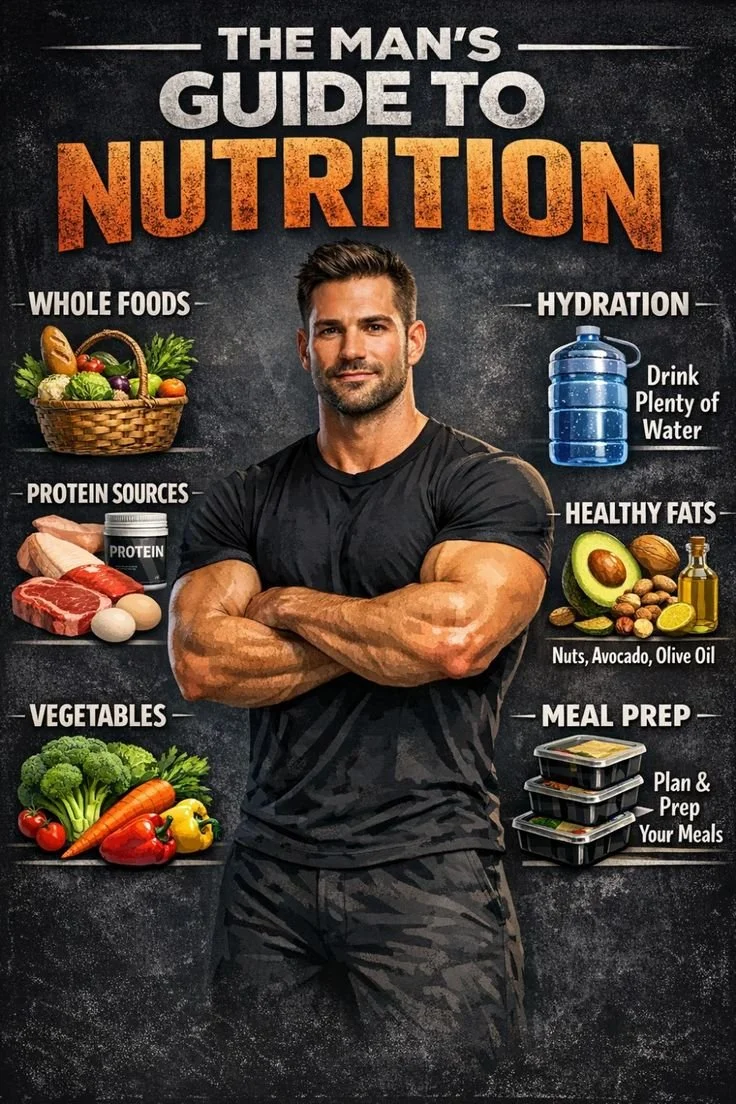
- Protein: Aim for 1.6–2.2 g/kg bodyweight daily if strength or hypertrophy is the goal. Prioritize complete proteins (lean meats, eggs, dairy, soy) and distribute intake across meals to maximize muscle protein synthesis.
- Carbohydrates: Fuel performance with starchy carbs (rice, potatoes, oats) around high-intensity sessions; adjust totals by activity level and body-composition goals. If your training focuses on strength or aesthetics, refer to strategies in the upper-body workout guide to match energy needs to session intensity.
- Fats: Keep dietary fat at ~20–35% of calories, with emphasis on mono- and polyunsaturated sources (olive oil, nuts, fatty fish) for hormone and cellular health.
Quick tip: a balanced plate for most training days looks like 30–40% carbs, 30–40% protein, and 20–30% fat — then tweak based on results.
Meal Timing & Daily Structure
When you eat matters for energy, performance, and recovery:
- Pre-workout: A mixed meal 2–3 hours pre-session with carbs + protein, or a smaller snack 30–60 minutes before, can improve training output.
- Intra-workout: For sessions longer than 90 minutes, light carbs can sustain intensity.
- Post-workout: Prioritize 20–40 g protein and 30–60 g carbs within 1–2 hours after training to replenish glycogen and jumpstart repair.
For continuous fueling strategies and practical timing tactics you can implement 24/7, the 24/7 body-fueling tips provide actionable ideas.
Practical Meal Examples
- Quick breakfast (muscle-building): Greek yogurt, oats, banana, chia seeds.
- Pre-lift lunch: Grilled chicken, sweet potato, mixed greens.
- Post-workout shake: Whey or plant protein, milk or water, a piece of fruit.
- Evening meal for recovery: Salmon, quinoa, steamed vegetables.
If you need a high-intensity plan paired with aggressive nutrition to transform composition, consider programming that complements the terminator workout plan approach.
Hydration, Supplements & Recovery
- Hydration: Start the day with water, sip consistently, and add electrolytes for long or hot sessions.
- Supplements: Prioritize proven basics—protein powder for convenient protein, creatine monohydrate for strength and power, vitamin D if deficient. Supplements fill gaps; whole foods remain the priority.
- Sleep & stress: Nutrition works best when paired with adequate sleep and stress management—these two dramatically influence appetite hormones, recovery, and performance.
Conclusion
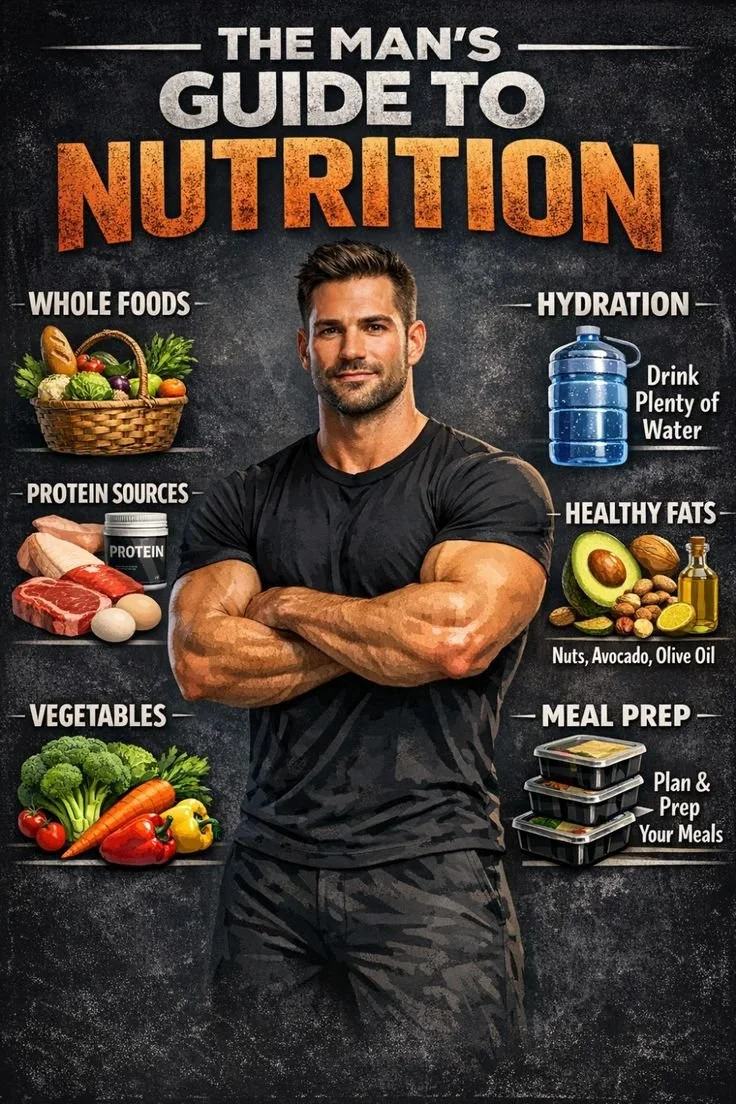
Creating a sustainable, performance-focused nutrition plan combines the right macronutrient totals, smart meal timing, consistent hydration, and simple supplement use. For practical guidance on what to eat before, during, and after your workouts to maximize energy and recovery, see this resource on food as fuel around workouts.