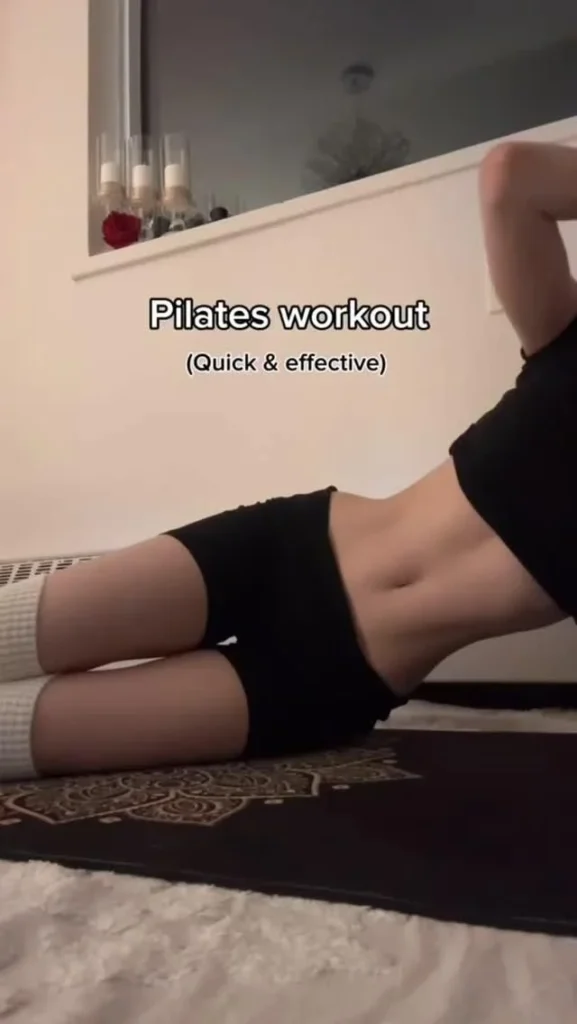
Try This At Home: A Simple 3–5x/Week Pilates Abs Workout
Short, focused home workouts are trending — and for good reason. Leila’s recent clip encouraging viewers to “Try this at home, 3–5x a week” captures the modern approach: consistent, short sessions that build control and tone without needing a gym. Keep in mind that while targeted ab work strengthens and sculpts the core, spot reduction is a myth, so combine core training with overall conditioning and nutrition to see the best results.
This article breaks down an effective, pilates-inspired abs routine you can do at home, how often to do it, progressions, and quick nutrition tips to support your efforts.
Why 3–5x per week works
- Frequency builds skill and endurance. Short, frequent sessions reinforce movement patterns and muscle recruitment.
- Recovery matters. If you do this routine 5 times a week, keep intensity moderate and listen to soreness; 3–4 sessions is ideal for most people balancing other workouts.
- Consistency beats intensity. Ten to 25 minutes of focused core work most days is better than sporadic, exhaustive sessions.
Pilates principles for better abs
Pilates emphasizes control, breath, and precision — all of which translate to safer, more effective core training:
- Neutral spine and pelvic awareness keep pressure off the lower back.
- Slow, controlled movements increase time under tension without needing heavy weights.
- Breathing patterns (exhale on exertion) help engage the deep transverse abdominis and pelvic floor.
20-minute Home Pilates Abs Routine (Beginner → Advanced)
Warm-up (2–3 minutes)
- Cat–cow 30 sec
- Standing roll-downs with slow breaths 1 minute
Main set (repeat circuit 2–3 rounds)
- Hundreds (modified): 30–60 seconds — pump arms with small inhales/exhales, keeping ribs in.
- Single-leg stretch: 8–12 reps per side — focus on pelvic stability.
- Double leg lower (controlled): 8–10 reps — stop if your back arches.
- Criss-cross (slow): 10–16 total reps — rotate with control, not momentum.
- Plank to knee tap: 30–45 seconds — maintain a straight line, draw belly button to spine.
- Pilates leg circles (small): 6–8 each direction per leg — keep hips stable.
Cool-down (2–4 minutes)
- Child’s pose with diaphragmatic breathing 1 minute
- Supine knees-to-chest and gentle twist 1–2 minutes
Progressions: increase reps, add a third round, or extend hold times. Add a weighted or resistance-element only after mastering form.
Nutrition and recovery (short guide)
Ab-focused training benefits greatly from proper fueling and recovery. Prioritize lean protein and whole foods after workouts to support muscle repair. For easy meal ideas that pair well with grilling season and post-workout recovery, consider including high-protein foods that are great for grilling like chicken breasts, salmon, or firm tofu to make quick, nutritious dinners after training.
Hydration, sleep, and stress management also play major roles in visible progress and energy levels.
Common form mistakes to avoid
- Over-cranking the neck during crunches — support the head with the hands and lead with the chest.
- Holding breath — exhale on effort to maximize core engagement.
- Letting the lower back arch on leg lowers — reduce range of motion if needed.
- Relying on momentum — slower, controlled reps are more effective.
When to seek coaching
If you have persistent lower back pain, diastasis recti, or previous abdominal surgery, consider 1:1 coaching to tailor movements and progressions safely. A coach can correct subtle compensations and create a plan that fits your schedule and goals.
Conclusion
A compact, pilates-based abs routine done 3–5 times a week can improve core strength, posture, and movement quality. Combine consistent practice with whole-body conditioning and mindful nutrition for the best results. Start slow, prioritize form, and gradually challenge yourself — your core will thank you.