Bodybuilding Timeline: From Beginner to Competitor
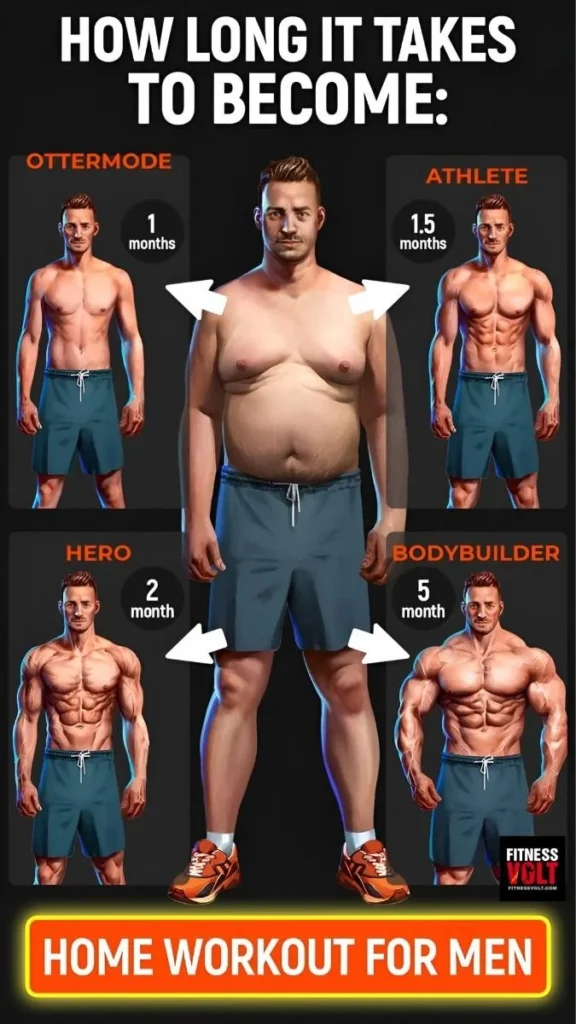
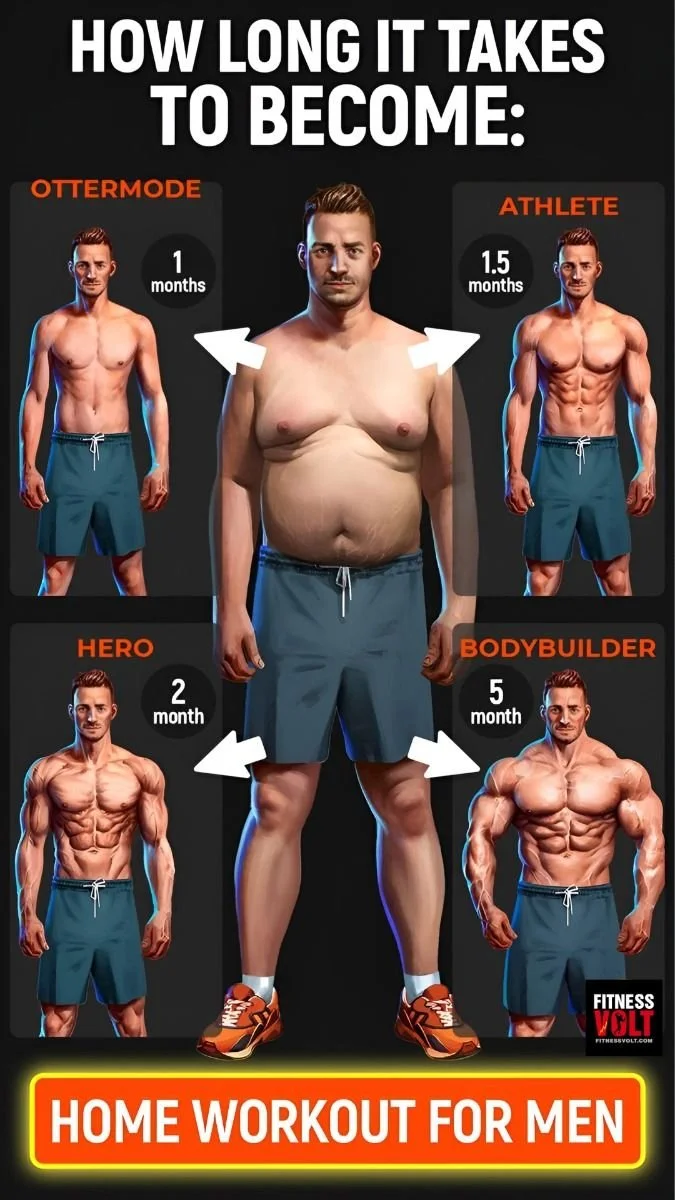
Becoming a bodybuilder is a journey of deliberate training, disciplined nutrition, and patient consistency. How long it takes depends on your goals—whether you want noticeable muscle size, competition conditioning, or simply to transform your physique. If you’re starting from scratch, resources on how to start calisthenics can help you build foundational strength and movement patterns that transfer well to weight training.
What “becoming a bodybuilder” means
- Amateur-level transformation: consistent muscle and strength gains, visible improvement in physique (often 6–24 months).
- Competitive bodybuilding: reaching contest-ready conditioning and musculature, typically 3–7+ years depending on starting point and commitment.
- Professional level: years of progressive overload, refined nutrition, and periodized peaking—often a decade or more for elite athletes.
Typical timelines (realistic expectations)
- First 3–6 months: Beginners see rapid neural and strength gains, improved muscle tone, and some visible size if nutrition is adequate.
- 6–24 months: Noticeable hypertrophy for most trainees; improvements slow but become steadier with consistent programming.
- 2–5 years: Significant development—balanced muscle groups, better symmetry, and advanced training skills.
- 5+ years: Advanced/responsive development and potential competition-readiness with focused cycles.
Factors that speed or slow progress
Genetics, age, training history, nutrition, sleep, and consistency all shape your timeline. Recovery plays a huge role: understanding muscle recovery times helps you plan frequency and intensity so you keep progressing without overtraining.
Training approach and programming
- Progressive overload: gradually increase weight, reps, or volume.
- Periodization: alternate hypertrophy, strength, and deload phases to avoid plateaus.
- Exercise selection: compound lifts (squats, deadlifts, presses) plus isolation work for weak points.
- Skill work: posing practice and muscle-mind connection are crucial if you aim to compete.
If you prefer structured group settings, guidance on choosing group fitness classes can help you find supportive training environments that complement solo lifting.
Nutrition and body composition timelines
Building muscle requires a calorie surplus and sufficient protein; getting lean requires a deficit while preserving muscle. Fat-loss rates vary—expect realistic, sustainable results over months rather than weeks. For an idea of how long visible fat loss can take, see this practical overview of losing body fat timelines to set reasonable targets during contest prep or a transformation phase.
Common mistakes and how to avoid them
- Chasing rapid results with extreme diets or overtraining—prioritize steady progress.
- Neglecting recovery, mobility, and joint health.
- Skipping progressive programming and failing to track workouts or nutrition.
- Ignoring posing and presentation for competition—these refine how your physique is judged.
Practical 12-month roadmap (example)
- Months 0–3: Build habit, learn movement patterns, establish nutrition baseline.
- Months 4–6: Increase volume for hypertrophy, track metrics (strength, measurements, body composition).
- Months 7–12: Dial in nutrition for lean gains or cut phases; address weak points with targeted work.
Beyond the first year, plan multi-year cycles focused on balance, symmetry, and contest prep if desired.
Tracking progress and adjusting
Use photos, strength logs, and body composition estimates rather than daily scale fluctuation. Reassess every 8–12 weeks and adjust calories, training intensity, and recovery based on progress. Patience and consistent small improvements compound into dramatic changes over time.
Conclusion
If you want a comprehensive starting point and a detailed roadmap for beginning bodybuilding and contest preparation, the article So You Want to be a Bodybuilder: A Comprehensive Guide to Starting Bodybuilding offers practical steps and expectations to help you plan your journey.