
Recovery Clock: How Long Do Muscles Really Need?
Muscle recovery after exercise depends on intensity, volume, fitness level, nutrition and sleep — and it’s not the same for everyone. If you’re new to training and wondering how long you should rest between sessions, a sensible starting point is to follow a structured plan like the beginner calisthenics morning routine to learn how workload and recovery balance over time.
Why recovery time varies
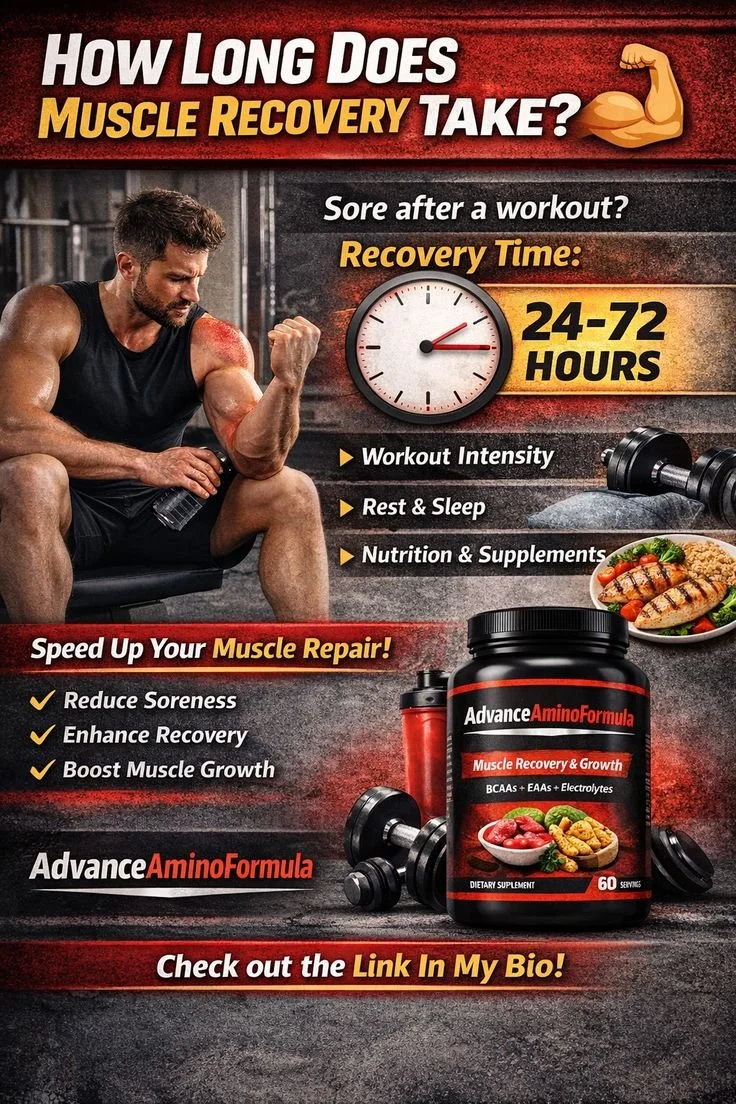
Recovery is a combination of repairing microscopic muscle damage, refilling energy stores (glycogen), and restoring nervous system readiness. Someone doing heavy eccentric lifts will experience more muscle soreness and require longer recovery than someone doing light cardio. Age, sleep quality, hydration, and prior conditioning also change how quickly tissues recover.
Typical recovery timelines
- Short (12–24 hours): Low-intensity workouts, mobility sessions, light cardio, and recovery-focused activities. These can often be repeated daily.
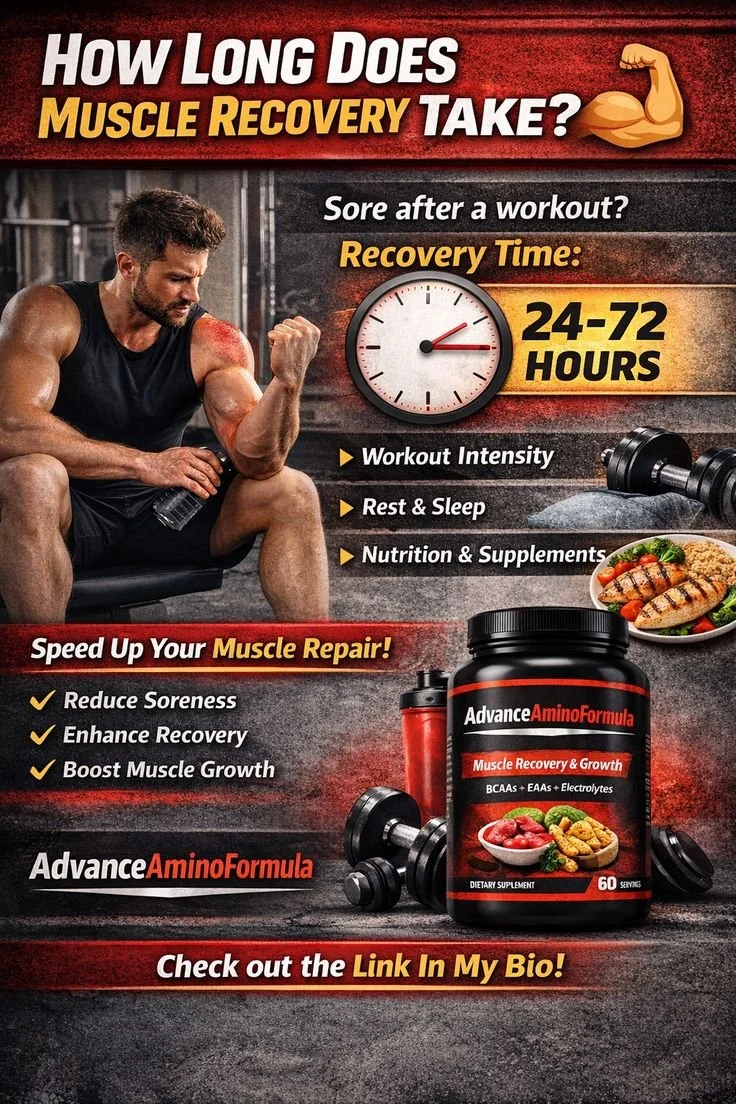
- Moderate (24–72 hours): Standard resistance training or moderate-intensity interval training. Most recreational lifters need 48 hours before reworking the same muscle group.
- Long (72+ hours): Very intense eccentric work, unaccustomed activity, or extreme volume (e.g., marathon training or high-volume hypertrophy blocks) may require several days to a week for full recovery.
Remember: soreness (DOMS) is not a perfect indicator of readiness. Performance measures (strength, speed, perceived exertion) are more reliable guides.
Signs you need more recovery
- Persistent drop in performance or strength
- Elevated resting heart rate and poor sleep
- Low motivation or mood changes
- Lingering soreness that affects your technique
If you notice these, scale back intensity, reduce volume, or add an extra rest day.
Practical ways to speed recovery
- Prioritize sleep: 7–9 hours supports hormonal and tissue repair.
- Nutrition: Aim for protein (20–40 g per meal), adequate calories, and carbs to refill glycogen.
- Active recovery: Light walking, mobility, or gentle cycling can improve blood flow without adding strain.
- Hydration and electrolytes: Support metabolic functions and reduce cramps.
- Periodization: Rotate intensity and volume across weeks so stress and recovery alternate.
- Use contrast or cold therapy selectively for symptom relief, but be cautious if your goal is long-term muscle remodeling.
Addressing myths: quick fixes and gimmicks won’t replace consistent sleep, progressive programming, and proper nutrition. For example, some popular abdominal-training advice overemphasizes frequency; see why common beliefs about core training and aesthetics may be misleading in this discussion of myths about six-pack training.
When to consult a professional
If pain is sharp, persistent, or limits daily activities, see a healthcare provider. For tailored programming (e.g., return-to-sport after injury or breaking plateaus), a coach or physiotherapist can assess recovery needs and adjust training load safely.
Conclusion
For an in-depth, peer-reviewed look at the mechanisms behind muscle damage and inflammation during recovery from exercise, consult this review on muscle damage and inflammation during recovery from exercise.