High-Protein Foods: A Practical List and How to Use Them
Getting enough protein supports muscle repair, keeps you full longer, and helps maintain healthy body composition. Below is a versatile, easy-to-follow high-protein food list organized by category, plus simple tips for adding more protein to everyday meals. If you like cooking outdoors, you might also enjoy these suggestions for high-protein foods that are great for grilling.
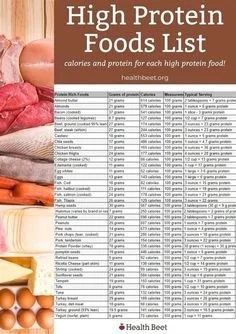
Quick-reference high-protein options (per typical serving)
- Chicken breast (3–4 oz): 20–30 g
- Turkey (3–4 oz): 20–25 g
- Lean beef (3–4 oz): 20–25 g
- Salmon or tuna (3–4 oz): 20–25 g
- Shrimp (3 oz): 18–20 g
- Tofu (1/2 cup firm): 10–12 g
- Tempeh (1/2 cup): 15–20 g
- Lentils (1/2 cup cooked): 8–10 g
- Greek yogurt (3/4 cup): 12–18 g
- Cottage cheese (1/2 cup): 12–14 g
- Eggs (1 large): 6–7 g
- Quinoa (1/2 cup cooked): 4–6 g
- Almonds (1 oz / ~23 nuts): 6 g
- Peanut butter (2 tbsp): 7–8 g
- Seitan (3 oz): 20–25 g
These figures are approximate and vary by brand and preparation. For more extended lists and ideas, see this broader high-protein foods resource.
Animal-based proteins
Animal proteins are complete proteins, meaning they contain all essential amino acids. Lean poultry, beef, pork tenderloin, fish, and seafood are efficient ways to add large amounts of protein with relatively small portions. Choose grilling, baking, or broiling to keep added fats low. Canned tuna or salmon are pantry-friendly high-protein options for sandwiches, salads, and casseroles.
Plant-based proteins
Legumes, soy products, grains, nuts, and seeds provide excellent plant-based protein choices. Combining beans or lentils with grains (e.g., rice or quinoa) creates a complementary amino acid profile. Tofu and tempeh are versatile: marinate and stir-fry, grill, or cube into soups and salads. Seitan is a concentrated wheat-based protein suitable for many savory dishes. Snack on roasted chickpeas or edamame for portable protein-rich options.
Dairy, eggs, and protein-packed snacks
Greek yogurt, cottage cheese, and cheeses deliver higher protein than regular yogurt or milk per serving. Hard-boiled eggs are an inexpensive, easy snack. Beef jerky, smoked salmon, or protein bars (watch the sugar content) are convenient on-the-go choices. Smoothies made with milk or yogurt, protein powder, and nut butter can quickly boost daily intake.
Meal planning tips to increase protein intake
- Spread protein evenly across meals (aim for 20–30 g per meal for many adults).
- Prioritize a protein source first when composing a plate, then add vegetables and grains.
- Use high-protein swaps: Greek yogurt instead of sour cream, cottage cheese in pancakes, chickpeas for croutons.
- Prepare protein-rich staples in batches (grilled chicken, roasted chickpeas, boiled eggs) to streamline weekday meals.
- Pay attention to portion sizes and prepare meals using simple seasonings to make lean proteins more appealing.
Special considerations
- Vegetarians and vegans can meet protein needs with careful planning: legumes, soy, whole grains, nuts, and seeds combined throughout the day.
- Older adults may need slightly higher protein targets to preserve muscle mass; consult a healthcare professional for personalized guidance.
- If you have kidney disease or other medical conditions, discuss protein intake with your care team.
Conclusion
For an authoritative reference on the protein amounts in common foods, consult this protein content chart from Hopkins Medicine: PROTEIN CONTENT OF COMMON FOODS – Bariatrics.