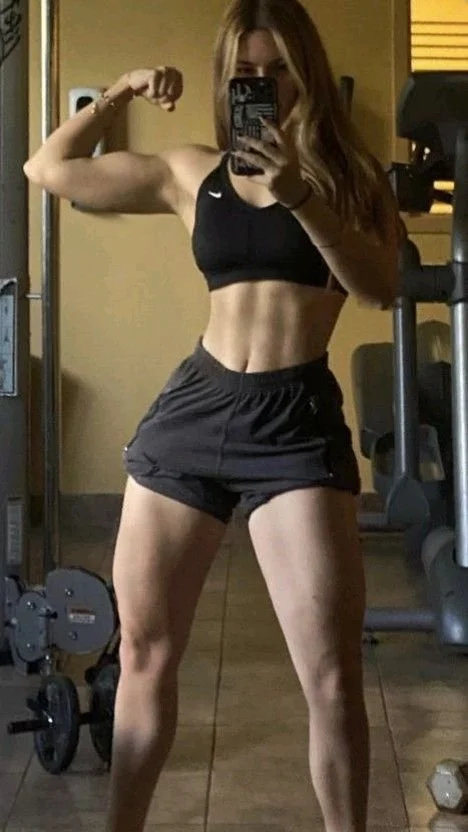
Title: The Ultimate Training Guide for the Dream Female Body
Introduction
Building the body you dream of is about more than aesthetics — it’s about feeling strong, energetic, and confident. This guide gives practical structure: principles, weekly programming, sample workouts for glutes, core, and upper body, plus nutrition and recovery tips so you can train smart and sustainable. If you want a focused upper-body movement to include in your routine, try this basic shoulder and chest exercise with dumbbells to build strength and shape.
Core principles
- Progressive overload: Gradually increase weight, reps, or volume to keep making gains.
- Balance: Train all major muscle groups — glutes, quads, hamstrings, back, chest, shoulders, and core.
- Consistency: Short, regular workouts beat sporadic, intense sessions.
- Recovery: Sleep, nutrition, and active rest are as important as the training itself.
- Individualization: Adjust exercises, frequency, and intensity to your goals and lifestyle.
How to structure your week (beginner to intermediate)
- 3-day split (beginner): Full-body workouts on Monday, Wednesday, Friday. Focus on compound lifts and 2 accessory movements per muscle group.
- 4-day split (intermediate): Lower/Upper/Lower/Upper or Push/Pull/Legs + full-body accessory day.
- Add 1–2 cardio or conditioning sessions per week (steady-state or interval training) to support fat loss and aerobic fitness.
For outdoor cardio variety and beginner trail tips, this beginner’s guide to trail running is a helpful resource.
Sample workouts
Lower-body (glute-focused)
- Warm-up: 5–10 minutes dynamic mobility + bodyweight squats
- Barbell hip thrust: 4 sets x 8–12 reps
- Romanian deadlift: 3 sets x 8–10 reps
- Bulgarian split squat: 3 sets x 8–10 reps each leg
- Glute bridge or banded lateral walks: 3 sets x 15–20 reps
- Finisher: 5 minutes of high-knee marching or light jump rope
Upper-body (strength & tone)
- Warm-up: shoulder circles, band pull-aparts
- Push press or dumbbell shoulder press: 4 sets x 6–10 reps
- Bent-over row or single-arm dumbbell row: 4 sets x 8–10 reps
- Incline dumbbell press or chest press: 3 sets x 8–12 reps
- Lateral raises + triceps dips superset: 3 rounds x 12–15 reps
Core & functional
- Plank variations: 3 x 30–60 sec
- Dead bug: 3 sets x 10–12 reps each side
- Russian twists with weight: 3 sets x 16–20 reps
- Farmer carry: 3 x 30–60 sec walks
- Pallof press for anti-rotation: 3 sets x 10–12 reps
Progression and periodization
- Microcycle (weekly): Alternate heavier weeks (lower reps, heavier load) with lighter weeks (higher reps, active recovery).
- Mesocycle (4–8 weeks): Focus on one quality — strength, hypertrophy, or endurance — before switching emphasis.
- Track metrics such as weights, reps, and how you feel. Small weekly improvements compound into major changes over months.
Nutrition basics
- Prioritize protein: Aim for roughly 1.2–2.0 g/kg bodyweight depending on training intensity and goals.
- Energy balance matters: A slight calorie deficit fosters fat loss; a small surplus supports muscle gain.
- Carbs fuel performance; include them around training sessions. Healthy fats support hormones and recovery.
- Hydration and whole-food micronutrients play a huge role in performance and mood.
Recovery and injury prevention
- Sleep: Aim for 7–9 hours nightly.
- Mobility: Include 5–10 minutes of mobility work before and after training.
- Deload: Every 4–8 weeks, plan a lighter week to avoid burnout.
- Listen to pain signals: Distinguish between muscle soreness and joint pain; adjust or seek professional help if needed.
Motivation and mindset
- Set process goals (consistency, improving form) and outcome goals (body composition, lifts).
- Keep a training log to celebrate small wins.
- Use accountability: training partner, coach, or scheduled classes.
- Be patient — sustainable body changes typically take months, not weeks.
Equipment alternatives
- No gym? Use resistance bands, dumbbells, kettlebells, or bodyweight progressions.
- When possible, prioritize compound movements (squats, deadlifts, presses, rows) which provide the most benefit per minute trained.
Conclusion
Ready to bring structure and variety to your workouts? A helpful companion is a dedicated women’s workout app on Google Play that can provide guided routines, timers, and progress tracking to keep you consistent and motivated.
Good luck — build strength, stay consistent, and enjoy the process of crafting your dream body.