
Forearm Forge
Strong, functional forearms improve your grip, support heavier lifts, and make everyday tasks easier. This short routine focuses on building forearm strength and endurance with simple, equipment-light exercises you can do in 15–25 minutes. If you want balanced strength, pair this forearm routine with a set of full-body workouts for maximum results to avoid imbalances.
Why train forearms?
Forearm muscles are involved in nearly every pulling and gripping movement. Training them directly reduces fatigue during deadlifts, rows, and carries, and it helps prevent common overuse injuries. You don’t need heavy, complicated equipment—progress comes from consistency, tempo control, and gradually increasing volume.
The routine (15–25 minutes)
Perform each exercise for the prescribed reps or time. Rest 45–90 seconds between sets. Complete 2–4 rounds depending on fitness level.
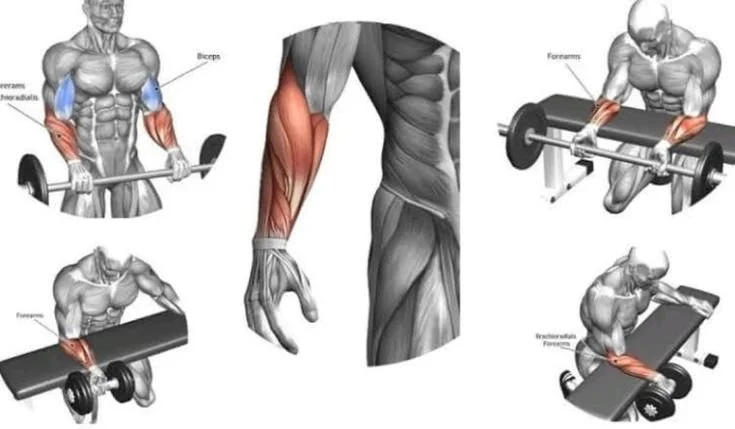
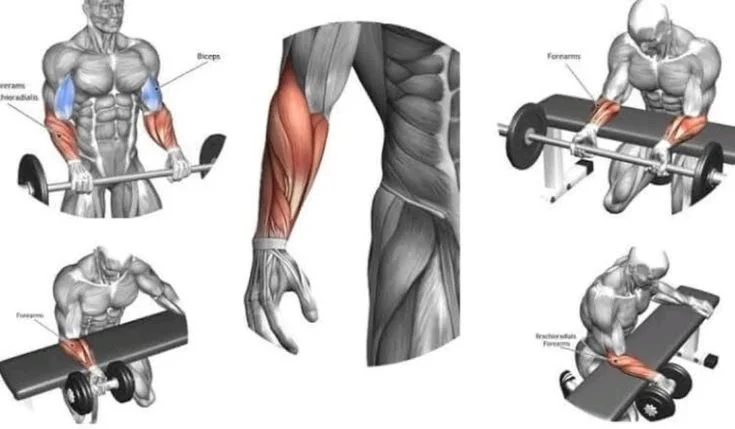
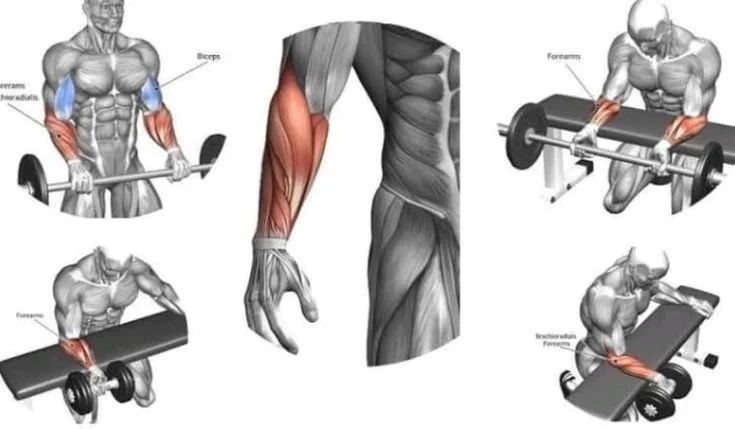
- Wrist curls (dumbbells or barbell): 3 sets of 12–15 reps — slow eccentric, controlled concentric.
- Reverse wrist curls: 3 sets of 12–15 reps — strengthens wrist extensors for balance.
- Farmer carries: 3 rounds x 30–60 seconds — pick heavy dumbbells or kettlebells and walk, focusing on grip.
- Plate pinches: 3 rounds x 20–40 seconds — pinch two plates together and hold; use a towel for extra difficulty.
- Hammer curls (neutral grip): 3 sets of 8–12 reps — builds brachioradialis and improves forearm thickness.
- Towel pull-ups or wrist-focused hangs: 2–3 sets x max hold — use a towel over a bar to challenge grip and stabilize the forearm.
Include a finish with slow eccentrics or isometrics if time allows. For core balance after this upper-focused session, consider pairing it with a short ab drill like a quick 10-minute abs routine to maintain overall stability and posture.
Technique tips
- Move deliberately: forearms respond well to controlled tempo, especially slow negatives.
- Progressive overload: add reps, reduce rest, or increase carry time before adding weight.
- Recovery: forearms can easily become overworked—monitor pain versus normal muscular fatigue and cut back volume if soreness persists.
- Grip variety: rotate grips (pronated, supinated, neutral, pinch) to hit all forearm muscles.
Conclusion
For more exercise variations and detailed demonstrations to expand this plan, check out 13 Best Forearm Workouts and Exercises – Healthline which lists helpful alternatives and progressions.