Fitness

This category of physical activities and routines is aimed at improving overall health and fitness. It includes various workouts, exercises, gym routines, yoga, and other forms of physical activity that contribute to better physical health.


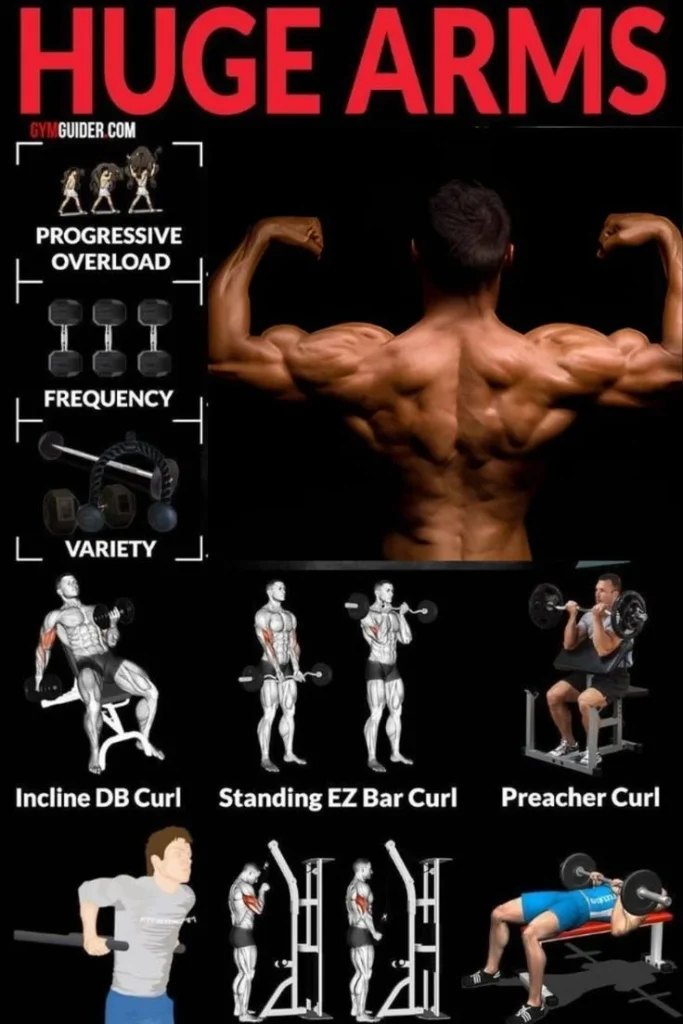
Dumbbell exercises for bigger biceps training

Getting bigger biceps with dumbbells ✅

Building Bigger Biceps with Dumbbells: A Comprehensive Guide

Are you looking to enhance your bicep size and strength? Dumbbells can be your best allies in achieving impressive results. This guide will walk you through effective techniques, exercises, and tips to help you get bigger biceps using just dumbbells.

Understanding the Anatomy of the Biceps

Before diving into exercises, it’s essential to understand the bicep muscles. The biceps brachii consists of two heads: the long head and the short head. Targeting both of these areas can lead to well-rounded and visually appealing biceps.

  • Long Head: This is the outer part of the bicep and is responsible for the peak of the muscle.
  • Short Head: Found on the inner side, the short head contributes to the overall mass of the bicep.

Benefits of Using Dumbbells

While barbells and machines also have their place, dumbbells offer unique advantages:

  • Improved Range of Motion: Dumbbells allow for a more natural movement pattern and full extension.
  • Balancing Muscles: They help identify and correct muscle imbalances as each arm works independently.
  • Increased Stabilization: Dumbbells engage stabilizer muscles, enhancing overall strength and coordination.

Key Exercises for Bigger Biceps

1. Dumbbell Bicep Curl

How to do it:

  • Stand or sit with a dumbbell in each hand at your sides, palms facing forward.
  • Curl the weights up while keeping your elbows close to your torso and slowly lower them back down.

Tips:

  • Avoid using momentum; focus on controlled movements.
  • Experiment with supinated (palms up) and pronated (palms down) grips.

2. Hammer Curl

How to do it:

  • With a dumbbell in each hand, keep your palms facing each other.
  • Curl the weights up towards your shoulders and lower them back down.

Benefits: This variation targets the brachialis, leading to increased arm width.

3. Concentration Curl

How to do it:

  • Sit on a bench with your legs spread. Hold a dumbbell in one hand.
  • Rest your elbow against the inside of your thigh and curl the weight.

Focus: This exercise isolates the bicep for maximum contraction.

4. Incline Dumbbell Curl

How to do it:

  • Lie back on an inclined bench, holding a dumbbell in each hand at arm’s length.
  • Curl the weights while keeping your elbows extended and anchored against the bench.

Benefit: This targets the long head of the bicep, promoting peak development.

5. Zottman Curl

How to do it:

  • Hold a dumbbell in each hand with palms facing up.
  • Curl the weights, and at the top of the movement, rotate your wrists so your palms face down and lower the weights.

Unique Factor: This exercise combines both supination and pronation for a comprehensive workout.

Tips for Effective Bicep Training

  1. Proper Form: Always prioritize form over weight. Quality repetitions are more effective than lifting heavy with poor technique.

  2. Progressive Overload: Gradually increase the weight or number of repetitions to continuously challenge your muscles.

  3. Vary Your Routine: Change your exercises every few weeks to target different muscle fibers and prevent plateaus.

  4. Rest and Recovery: Give your biceps time to recover. Muscles grow during rest, not during the workout.

  5. Nutrition: Fuel your body with adequate protein and healthy fats to support muscle growth.

Conclusion

Building bigger biceps with dumbbells is entirely achievable by focusing on effective exercises, maintaining proper form, and allowing for adequate recovery. Incorporate the exercises above into your workout routine, stay consistent, and watch your bicep size and strength increase. Remember, patience and dedication are key—large biceps don’t happen overnight! Keep pushing and enjoy the journey to stronger arms.

Getting bigger biceps with dumbbells ✅ Read More »

, , , ,
Diverse fitness activities promoting health and wellness for all fitness levels.

💪🏻

Strength Through Support: Building a Community of Empowerment 💪🏻

In a world that often emphasizes individual achievement, the importance of community support cannot be overstated. Whether it is in fitness, mental health, or personal growth, surrounding ourselves with positive influences fosters resilience and encourages us to reach our fullest potential.

The Power of Support Systems

A support system is not merely a network of friends and family; it includes anyone who contributes positively to our lives. This can be fellow gym-goers who motivate each other, online forums where individuals share their experiences, or even mentors who provide guidance and encouragement. The combined strength of these relationships helps us to push through challenges and celebrate victories, both big and small.

Why Community Matters

  1. Accountability: When we share our goals with others, we cultivate a sense of responsibility. Knowing that someone is cheering for us or checking in on our progress can be a powerful motivator.

  2. Diverse Perspectives: Each person in our community can offer unique insights and experiences. Diverse viewpoints can help us see problems in a new light and lead to innovative solutions that we might not have considered alone.

  3. Emotional Support: Life is riddled with ups and downs, and having a support system can provide a safety net during tough times. A kind word or a listening ear can make all the difference in our mental well-being.

  4. Inspiration: Being part of a community with shared goals creates an environment ripe for inspiration. Witnessing the achievements of others can spark our own ambition and encourage us to strive for our personal best.

Building Your Community

Creating a supportive environment starts with intentional actions:

  • Engage: Join local classes, clubs, or online communities that resonate with your values or interests. Engaging with like-minded individuals is key to forming lasting connections.

  • Be Supportive: Offer your support to others. Celebrate their victories, listen to their struggles, and provide encouragement. The more you invest in your community, the more you will receive in return.

  • Set Common Goals: Whether it’s a group fitness challenge or a book club, common goals unify people and create stronger bonds. Shared objectives not only enhance motivation but also foster teamwork and friendship.

The Ripple Effect

As we contribute to our community, we create a ripple effect. By lifting others, we encourage a culture of support and empowerment. This, in turn, encourages more people to join the movement, leading to a broader impact. A community built on mutual encouragement can transform lives, foster innovation, and cultivate a sense of belonging.

Conclusion

In a culture that often glorifies individualism, it’s essential to remember that strength lies in numbers. Let’s commit to building and nurturing communities where everyone feels supported, inspired, and empowered to pursue their dreams. Together, we can achieve much more than we ever could alone. Let’s flex those support muscles and lift each other towards greatness! 💪🏻


By embracing the power of community, we can catalyze incredible change in our lives and the lives of others. If you’re not already part of a supportive network, consider reaching out today. The journey towards empowerment starts with you!

💪🏻 Read More »

, , , ,
Motivational quote 'Just keep going' with a positive and inspiring theme.

Just keep going 💪🏻✨

Just Keep Going: The Power of Perseverance 💪🏻✨

In life, we often face challenges that test our resolve and commitment. Whether it’s a personal goal, a professional project, or overcoming obstacles in our daily lives, there comes a moment when we might feel like giving up. Yet, amidst the trials and tribulations, one mantra rings clear: Just keep going.

The Journey of Persistence

Persistence is not just a quality; it’s a way of living. It is the unwavering determination to keep moving forward, even when the path seems steep and the destination unclear. When faced with adversity, it’s easy to feel overwhelmed. However, those who embrace the philosophy of "just keep going" find strength within to push through difficult times.

Cultivating a Resilient Mindset

To adopt this mantra, one must first cultivate resilience. Resilience is the ability to bounce back from setbacks and adapt in the face of adversity. Here are some practical steps to develop a resilient mindset:

  • Set Clear Goals: Break large objectives into manageable steps. This provides a clearer path and makes it easier to track progress.

  • Celebrate Small Wins: Each step forward, no matter how small, is a victory. Acknowledging these wins fuels motivation and reinforces the desire to keep going.

  • Stay Present: Focusing on the current moment rather than getting lost in where you want to be can reduce anxiety and increase your capacity to take action.

  • Embrace Failure: Understand that failure is a part of the journey. Every setback holds a lesson that can propel you forward.

The Role of Community

Sometimes, the journey can feel isolating. However, surrounding yourself with a supportive community can make a huge difference. Sharing experiences, seeking advice, and drawing strength from others can help reinvigorate your spirit. Whether through friends, family, or online groups, finding a support network can inspire you to keep going, even when the going gets tough.

Inspirational Stories

History is filled with stories of individuals who exemplified the power of perseverance. From inventors like Thomas Edison, who famously said, “I have not failed. I’ve just found 10,000 ways that won’t work,” to athletes who train for years to achieve their dreams, each story serves as a testament to the resilience of the human spirit.

Conclusion: Embrace the Journey

The next time you feel like the odds are stacked against you, remember the simple yet powerful phrase: Just keep going. Embrace the journey, with all its ups and downs. Each step is a building block towards your larger dreams and ambitions. The road may be long and winding, but with persistence and determination, you will find your way to success.

So, gear up, stay strong, and keep pushing forward. 💪🏻✨

Just keep going 💪🏻✨ Read More »

, , , ,

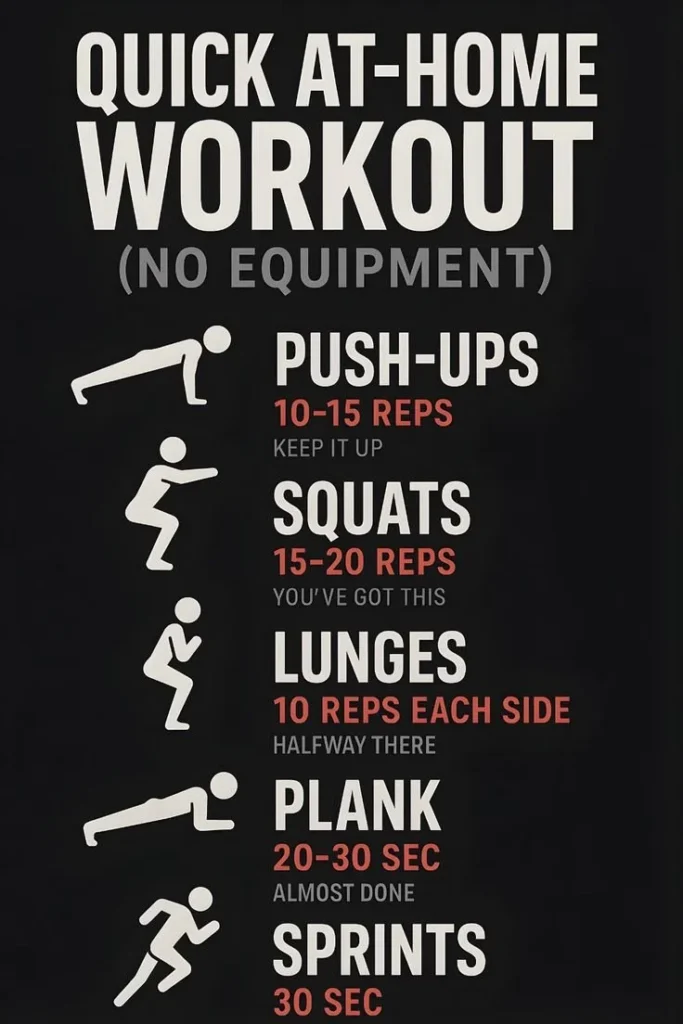
Basic shoulder & chest exercise with dumbbells

what is Basic shoulder chest exercise with dumbbells

If you’re looking to enhance your upper body strength and overall fitness, incorporating dumbbell exercises into your routine is a fantastic way to start. This article will guide you through some essential shoulder and chest exercises that you can perform using dumbbells. These exercises are perfect for beginners and can be easily adjusted to fit your fitness level.

Why Dumbbells?

Dumbbells are versatile and effective tools that allow for a wide range of motion compared to machines. They engage stabilizing muscles and help promote balanced strength development. Here are a few benefits of using dumbbells for your shoulder and chest workouts:

  • Improved Muscle Engagement: Dumbbells require more effort from your stabilizer muscles, leading to better muscle coordination and balance.
  • Greater Range of Motion: With dumbbells, you can achieve a wider range of motion which can lead to better muscle activation.
  • Accessibility: Dumbbells are lightweight and easy to store, making them accessible for home workouts.

Key Exercises

Let’s explore some fundamental exercises that target the shoulders and chest. Each of these exercises can be performed with just a pair of dumbbells and can suit a variety of fitness levels.

1. Dumbbell Bench Press

Target Muscles: Chest, Triceps, Shoulders

How to Perform:

  1. Lie on a flat bench with a dumbbell in each hand, palms facing forward.
  2. Extend your arms above your chest, keeping your elbows slightly bent.
  3. Lower the dumbbells slowly to the sides of your chest.
  4. Press the weights back to the starting position.

Tip: Keep your feet flat on the ground for stability.

2. Dumbbell Shoulder Press

Target Muscles: Shoulders, Upper Chest, Triceps

How to Perform:

  1. Stand or sit with a dumbbell in each hand at shoulder height, palms facing forward.
  2. Press the weights overhead until your arms are fully extended.
  3. Lower the dumbbells back to shoulder height.

Tip: Avoid arching your back; engage your core to maintain a stable posture.

3. Dumbbell Lateral Raise

Target Muscles: Shoulders (Deltoids)

How to Perform:

  1. Stand with a dumbbell in each hand, arms at your sides.
  2. With a slight bend in your elbows, raise the dumbbells out to the sides until they reach shoulder height.
  3. Lower the weights back to your sides.

Tip: Perform the movement slowly to maximize tension on the muscles.

4. Dumbbell Fly

Target Muscles: Chest, Shoulders

How to Perform:

  1. Lie on a flat bench holding a dumbbell in each hand, arms extended above your chest.
  2. With a slight bend in your elbows, slowly lower the dumbbells out to the sides in an arc until you feel a stretch in your chest.
  3. Bring the weights back together to the starting position.

Tip: Keep the movement controlled to avoid injury.

5. Dumbbell Front Raise

Target Muscles: Shoulders (Anterior Deltoids)

How to Perform:

  1. Stand with a dumbbell in each hand, arms at your sides.
  2. Raise one dumbbell straight in front of you to shoulder height, keeping your arm straight.
  3. Lower it back down and repeat with the other arm.

Tip: Switch arms after each set for balanced development.

Conclusion

Incorporating these dumbbell exercises into your workout routine can significantly enhance your shoulder and chest strength. Aim to perform these exercises 2-3 times a week, allowing for adequate rest between training sessions.

Remember, consistency is key. Pair these exercises with a balanced diet and adequate hydration to achieve the best results. Stay focused and enjoy your fitness journey as you build a stronger, healthier upper body!


For more tips on exercise and lifestyle, follow #fblifestyle on social media and share your fitness journey with us!

Basic shoulder & chest exercise with dumbbells Read More »

, , , ,
Dumbbells for effective shoulder exercises for strength and sculpting

best Dumbbells only shoulder exercises to improve your body

why should be training shoulder exercises by dumbbells

When it comes to building strong and defined shoulders, dumbbells are an invaluable tool. They not only allow for a full range of motion but also help in enhancing muscle symmetry and stability. Whether you’re a beginner or an experienced lifter, incorporating dumbbell-only shoulder exercises into your routine can yield impressive results. Below are some of the most effective dumbbell shoulder exercises you can perform to sculpt your shoulders and enhance overall upper body strength.

1. Dumbbell Shoulder Press

The dumbbell shoulder press is a fundamental exercise that targets the entire shoulder area, particularly the deltoids.

Dumbbell Shoulder Press

How to Perform:

  1. Stand or sit upright with a dumbbell in each hand, positioned at shoulder height.
  2. Engage your core and press the dumbbells overhead until your arms are straight.
  3. Slowly lower the weights back to shoulder height.
  4. Perform 3 sets of 8-12 reps.

2. Dumbbell Lateral Raise

This exercise is excellent for targeting the side deltoids, helping to create broader-looking shoulders.

How to Perform:

  1. Stand with a dumbbell in each hand at your sides, palms facing your body.
  2. Keeping a slight bend in your elbows, raise the dumbbells out to the sides until they reach shoulder height.
  3. Lower the weights back to the starting position.
  4. Aim for 3 sets of 10-15 reps.

3. Dumbbell Front Raise

The dumbbell front raise focuses on the front deltoids and helps in building strength and size in the anterior shoulder muscles.

How to Perform:

  1. Stand with your feet shoulder-width apart, holding a dumbbell in each hand at your thighs.
  2. With a straight back, raise the dumbbells in front of you to shoulder height (palms facing down).
  3. Lower them back down to the starting position.
  4. Complete 3 sets of 10-12 reps.

4. Dumbbell Reverse Fly

This exercise targets the rear deltoids as well as the upper back, promoting balanced shoulder development.

Dumbbell Reverse Fly

How to Perform:

  1. Bend at the hips with a slight knee bend, holding a dumbbell in each hand with palms facing each other.
  2. Keeping a flat back, lift the dumbbells out to the sides until they are at shoulder level.
  3. Slowly lower them back to the starting position.
  4. Perform 3 sets of 10-15 reps.

5. Dumbbell Arnold Press

The Arnold press is a variation of the traditional shoulder press that emphasizes all areas of the deltoids by combining rotation into the movement.

How to Perform:

  1. Sit on a bench with back support, holding a dumbbell in each hand at chin level, palms facing your body.
  2. Press the weights overhead while rotating your palms to face forward at the top of the movement.
  3. Lower the weights back to the starting position while rotating your palms back to face you.
  4. Aim for 3 sets of 8-10 reps.

Conclusion

Incorporating these dumbbell-only shoulder exercises into your workout routine can significantly enhance your shoulder strength and definition. Always remember to focus on proper form and control to maximize benefits and minimize the risk of injury. Whether your goal is aesthetics or performance, building strong shoulders will undoubtedly contribute to overall body strength and stability. Happy lifting!

you can read also These 4 workout strategies are specifically crafted for the time-crunched reality of parenthood.


Want to elevate your fitness journey further? Be sure to share this article with your friends and check out more tips at #fbifestyle!

best Dumbbells only shoulder exercises to improve your body Read More »

, , , ,
Young muscular man following a hypertrophy training method to build bigger muscles

Here’s How the best Progressive Overload Breaks You Out.

The true enemy to our evolution is not a lack of knowledge, but a lack of progress. We’ve all hit that dreaded plateau: the weights feel light, the PRs stop coming, and your routine just doesn’t challenge you anymore.

The great news? Your knowledge is still valid. You just need to alter your style of training to incorporate the cornerstone of all long-term growth: progressive overload.

This isn’t a new, trendy buzzword; it’s the fundamental principle of getting stronger. In this guide, we’ll break down exactly what it is and give you three simple methods to apply it in your very next workout, shattering your plateau for good.

By definition, progressive overload involves gradually increasing the workload over time to achieve hypertrophy and endurance, while stimulating strength and muscle growth. This style of training is not for everyone, but if you are willing to leave your comfort zone and take a far more calculated and cerebral approach to your weightlifting, it will certainly push you through any plateau.

MethodHow It WorksBest For
Increase WeightLifting heavier loads over time.Pure strength gains, power.
Increase Reps/VolumeDoing more reps with the same weight.Muscle endurance & hypertrophy.
Change TempoIncreasing “Time Under Tension” (TUT).Mind-muscle connection, breaking stalemates.

Here's How Progressive Overload Breaks You Out.

Examples of Progressive Overload Training

Method 1. Increasing the weight

Let’s use the standard dumbbell chest press as an example. Instead of doing your usual moderately heavy weight for 3-4 sets of 12 reps, let’s plan out set around a progressive overload objective.

Say you normally start with 70 pounds. For your first set, try 60 pounds for 12 reps, then increasing to 70 for 10 reps. Now follow this with your normal “PR” set of 80 pounds, this time for eight reps.

This time, (this is where you have to know yourself and if you need a spot nearby) for your last set, try increasing the weight to 85 or 90 pounds for 3-4 reps. Continue to utilize that lift for a couple of weeks until you can complete the 3-4 reps without assistance. Once you can, it’s time to again level all of the weights up in each set, always aiming for a small bump in your last PR set.

Method 2. Increasing the reps or the volume

This may work best with a plyometric exercise such as push ups or pull ups. Utilizing the same format as above, plan for four sets, with the last set being almost “out of reach.” Soon enough, your “challenge” set will feel achievable, your muscles will adapt, and you can create another personal challenge to conquer.

Method 3. Manipulate the Tempo (Time Under Tension)

There are some lifts that, regardless of your will power and grit, you will not be able to increase the workload safely. We can, however, change the tempo to get new results from familiar exercises. By increasing time under tension and reducing momentum, you will force your muscles to do more work, thus, increasing their power and density. Example: You may be doing 10 squats at a 1-0-1-0 tempo, which comes out to about 20 seconds of total tension. However performing 10 squats at a 3-1-1-0 tempo now increases your workload to over 50 seconds of tension. Just like that you’re doing more work without touching the weight.

Strong muscular man using progressive overload to grow muscles and measuring his bicep growth using a measuring tape

Progressive Overload Workout for Back/ Bi’s

Here’s a sample Back & Biceps workout that puts all three progressive overload methods into practice. Follow this structure for 4-6 weeks to push through your plateau.

Seated Cable Row: 4 sets of 12-15 reps (Focus on changing tempo)

Pull the cable toward the chest for a 1 count, then slowly release it in a 3-4 count, with a focus on the eccentric portion of the move.

Lat Pulldown: 8 reps of a light warm up followed by 4 sets of 12, 12, 10, 8. (Focus on increasing weight)

Pullup (assisted or unassisted): 1 set of 8 reps, 2 sets of 10 reps, 1 set of 12 reps (Focus on increasing reps)

Bicep Barbell Curls: 3 sets of 12 reps
(Focus on the negative/lengthening movement and changing tempo).

Holding the barbell under your chin, lower for a 3-to-5 count until it reaches the bottom and then lift in a quick 1 count. Do these for each rep. and restart.

Seated Rear Delt Fly: 4 sets of 12, 10, 8, 6 reps (focus on increasing weight)

Finisher: Bicep Curl “21’s”:
Top half of the curl for 7 reps, bottom half of the curl for 7 reps, and 7 full-range curls

Overall, progressive overload training is not for the weak. There will definitely be some hard work and some sore muscles ahead, but it will allow you to utilize knowledge and movement patterns that you are already familiar with to break through any plateau you may be experiencing. True training progress doesn’t happen overnight; it’s the product of consistent, intelligent overload. The lifters who stay the strongest are the ones who know when to push, when to pull back, and how to turn every rep into an opportunity for growth: one rep, one day, one win at a time.

Which progressive overload method will you try first? Tag us on Instagram [@arnellavanilla] and show us your PR set!

Here’s How the best Progressive Overload Breaks You Out. Read More »

, , , , , , , ,
How To Stay Safe at the Gym: 8 Dangers People Forget About 

How To Stay Safe At The Gym: The 8 Forgotten Dangers

The gym feels simple when you think about it. You walk in with your headphones. You hit a few sets. You take breaks by the water fountain. After a good pump, you go home and carry on with your day. It feels like a routine that runs on autopilot — so much so that you might forget to be careful of your surroundings.

But even familiar gyms can surprise you. Floors get slippery fast. Equipment wears down. People crowd the weight area until it feels like a traffic jam. Even seasoned lifters can get hurt when they’re not careful.

Don’t wait until you’re hurt while working out. Here are eight risks hiding in plain sight and what you can do to stay safe every time you step inside the gym.

Walking Behind Someone Lifting Heavy

Crowded gyms make people forget about personal space. You cut through the free-weight area because it’s faster. You squeeze behind someone. But slipping behind a lifter is one of the most dangerous things you can do.

Picture someone doing a barbell squat. They have a heavy weight on their back. Their balance can shift at any second. One tiny misstep from you or them can send both of you to the floor.

Give lifters space. Stay wide. Walk around, even if it feels like a longer route. Wait a few seconds for lifters to finish a rep. Treat the lifting area like a zone you respect — not a hallway to pass through. When you stay alert, you protect your entire body. You also protect the lifter from losing focus.

Weights You Can Trip on When Left on the Floor

gym safety tips

Clutter is one of the biggest hazards at a gym. People drop dumbbells, then walk away. Plates roll under benches. Bars get left leaning on walls. It breaks basic gym etiquette — and it puts everyone at risk.

Tripping over a loose weight can twist an ankle, slam your knee, or send you crashing into someone else. So, keep your eyes on the ground when you walk. Step around loose weights. Pick up what you can if someone forgot. Re-rack your own gear every time. Tell trainers or staff when equipment piles up on the floor.

A clean floor keeps your steps safe. You walk steadier, lift more confidently, and help make the space safer for the next person who walks through.

Slippery Floors Care of Sweat

Sweat hits the gym floors more than people think. One heavy set is enough to leave a wet spot behind — and that tiny puddle can take your feet right out from under you. A fall like that can leave you seriously hurt.

Stay sharp to avoid gym injuries. Look at the floor before you step. Wipe sweat when you see it. Slow down around busy machines where people drip the most.

And if something goes wrong and you take a bad fall because the gym didn’t clean a hazard, talk to the staff right away. Take photos if you need to. If you’re seriously hurt, reach out to slip and fall injury lawyers — you could potentially have a premises liability case. Lawyers can explain your legal options so you understand what’s next.

Using Machines with Loose Parts

Exercise machines may look solid, but heavy use wears them out. Bolts loosen. Cables fray. Seats wobble. Ignoring these signs puts you in harm’s way. A loose pulley can snap. A moving arm can jerk. A shifting seat can throw your back out.

Always check the machines before you start. Grab the handle and tug lightly. Wiggle the seat. Look at the cables. If something feels shaky, skip it. Don’t force a workout on bad equipment. Let one of the trainers know it needs attention.

Using stable machines keeps your workout clean and effective. It also keeps the next person from getting hurt.

Benches That Slide on Smooth Floors

Benches look heavy, but some glide like ice skates on polished floors. You sit down for a bench press and push back — suddenly, the whole bench shifts. Your shoulders slip. Your back arches wrong. That tiny slide can turn into a bad fall or a pulled muscle.

Test the bench before you lie down. Press your foot against one end. Then, push gently. If it moves, reposition it. Place it on a rubber mat if the gym has one. Don’t lift if the bench feels unstable — it’s not worth the risk. Switch to another bench if needed.

A stable bench means a stable lift. Your back stays safe. Your bar path stays clean. You lift with confidence instead of fear.

Treadmills Set Way Too Fast

Cardio looks harmless — until speed takes over. Many accidents happen when people hop onto treadmills and set them to a crazy speed. If you go at a pace you can’t handle, it can throw you backward instantly.

Set your speed slowly. Start lower than you think you need. Feel your footing before going higher. Keep the safety clip on your shirt. Stay centered on the belt. Hold the rails if you feel unsteady for a second.

When you control your speed, you control your safety. You finish your run feeling strong — not like you’re about to fly off the treadmill.

Dirty Equipment That Spreads Germs

Germs are everywhere in gyms. Most people worry about injuries, but they forget about infections and illnesses.

Evidence shows that gym equipment has more bacteria than toilet seats. That means benches, weights, and mats can carry things that knock you out for days. You get sick. Your energy drops. Your training stops. That’s a loss no one wants.

To avoid sickness and prevent skin infections from the gym, wipe down the equipment you’re about to use — and after you’re done. Bring your own towel. Don’t touch your face mid-workout. Keep your water bottle off the floor. Wash your hands before you leave. Shower when you get home.

Using Weights That Are Too Heavy

Ego lifting is a quiet danger. You see someone lifting big numbers, and you want to match it. But using weights that overpower you puts you at risk. Shoulders tear. Backs strain. Knees twist. One wrong rep can set you back for months.

When lifting, start light. Feel the full range of motion. Build weight slowly. Ask a trainer to check your form. Ask gym buddies to spot you. Stop if something feels sharp or strange. Listen to your body.

Choosing the right weight keeps you strong, steady, and injury-free. You build real power over time. You train smarter — not harder for the sake of it.

Conclusion

Staying safe in the gym isn’t about being scared — it’s about being vigilant. Your workouts should build you up, not take you to the hospital.

Follow the tips above to stay safe every time you exercise. Watch the floor. Check the equipment. Give people space. That tiny bit of awareness pays off. You stay focused, steady, and injury-free. Strong bodies start with smart choices. Protect yourself every time you train so you can keep getting stronger.

How To Stay Safe At The Gym: The 8 Forgotten Dangers Read More »

Jeff Nippard demonstrating the effects of high volume vs low volume training methods

Jeff Nippard’s 100-Day Low Volume Training Experiment Results

The act of pushing yourself to the limit in order to see results with your physique is an often repeated mantra that makes a lot of sense, after all, building muscle requires exercising the fibers until they tear and build back stronger, but sometimes a phase where workouts are made shorter, or even cut in half, can reap surprising results, as illustrated by the evidence-backed fitness coach, Jeff Nippard.

“What would happen if you only did half your workout?” asked the canny Canadian in a recent YouTube video, adding that he’s always been “a high-volume guy.” To conduct his experiment, Nippard reduced his usual three to four sets per exercise down to just one or two and stayed the course for one hundred days. “The thing is, on paper, by following this plan, I was training at a level of volume that most experts would say is too low to maximize muscle growth,” noted Nippard.

In terms of how his sets panned out per muscle group, Nippard said that he was averaging 6-and-ahalf sets per week, while studies often show that more volume, even breaking the ten sets per muscle group barrier, lead to more gains. One report as recently as 2024 even concluded that even as many as 43 sets per muscle, per week, would lead to gains. Those results were later criticized however, since proper muscle measurements were not taken. Were these super-high-volume gains really due to lean muscle growth or simply the swelling that resulted from muscle fatigue? Nippard also found another fault with many of the high-volume studies, because most of these experiments blasted biceps and triceps, or quads, but didn’t take into account the real-world scenario of weekly full body workout splits.

Less Time Sometimes Equals More Gains

How did Jeff Nippard fair after reducing volume, and why should you try it? In a recent Instagram post summarizing his experience, Nippard said he was “pleasantly surprised” with his muscle maintenance despite doing half the work. Initially, the coach felt like he wasn’t doing enough in the gym, because his two-hour sessions were now completed in less than an hour. But after 50 days, his recovery was “better than ever.” Nippard also found that he was enjoying his training more than ever. But after 100 days it was time to take some measurements and find out what this new protocol had done to his physique. The natural bodybuilder’s results will be surprising to many:

  • Strength went up, setting new PR’s even in the final week
  • Fat reduced by 5.5 pounds
  • Lean mass down only 1.8 pounds

While Nippard was on a calorie deficit during the experiment, a factor that would influence his total weight loss, the coach actually accrued half a pound of extra lean mass in the last 70 days of the experiment, meaning that despite the lower volume, Nippard was within the margin of error for maintaining or building muscle.

So given the data, why might shorter volume training lead to too lofty gains in strength? “It’s so insane how much better you lock in, when you only have two sets to do,” reflected Nippard. “Instead of dreading long workouts, I actually can’t wait to train each day,” he explained. In fact, the results were so profound that the coach updated his previous advice to say that low volume training works well in the cutting phase. This is in part due to the greater recovery levels experienced, even while in a calorific deficit.

For bulking, Nippard said that keeping the volume low would also work, but in the same sessions, you could choose one muscle to tax for 30 sets per week, and rotate which muscle is getting the high-volume training “every few months.” In fact, our scientific friend is so enthused about this idea that he hopes to run this as a new experiment.

“Research shows that one of the most common reasons that people skip the gym is lack of time,” noted Nippard. So, if you are usually a high-volume athlete but want to renew your love of working out, periods of low volume training are unlikely to cause muscle loss and may even fit better into your schedule. Even that eye-popping 2024 review touting high volume training concluded that “gains in muscle size and strength increase as volume increases” but at a certain volume, this leads to “diminishing returns.” So, mix things up and your muscles may thank you.

Watch the full video below:

Jeff Nippard’s 100-Day Low Volume Training Experiment Results Read More »

Cravings for Sugary or Processed Foods: Causes, Solutions, and Long-Term Strategies

Why You Crave Sugary And Processed Foods (and How To Stop)

If you’ve ever felt an uncontrollable urge to grab a chocolate bar, finish a bag of chips, or binge on fast food, you are not alone. Cravings for sugary and processed foods are among the most common nutrition challenges faced today. Despite knowing these foods often lack nutrients and contribute to health problems, resisting them can feel almost impossible.

Cravings are not simply a matter of “weak willpower.” They are the result of complex interactions between your brain, hormones, gut, and environment. By understanding these underlying mechanisms, you can take back control and develop long-term strategies that support your fitness, health, and overall well-being.

This article explores why we crave sugary and processed foods, the health consequences of giving in too often, and practical strategies to reduce cravings without feeling deprived.

Why Do We Crave Sugary and Processed Foods?

Cravings are not random—they are rooted in biology and psychology. Here are the most common drivers:

1. Blood Sugar Swings

Sugary and refined foods are quickly broken down into glucose, causing a spike in blood sugar. In response, insulin is released to bring levels back down. This rapid rise and fall creates an energy rollercoaster, leading to fatigue, irritability, and renewed cravings.

Example: Eating pastries for breakfast can leave you craving another sugar hit by mid-morning, because your body is seeking quick energy again.

2. The Brain’s Reward System

Sugar and highly processed foods activate the brain’s reward center, releasing dopamine. This feel-good chemical reinforces the behavior, making you want to repeat it. Over time, the brain begins to associate stress, boredom, or fatigue with the need for sugary snacks.

Research even compares this cycle to addictive patterns seen in substance use disorders.

3. Hormonal Influences

  • Ghrelin (the hunger hormone) rises before meals and increases appetite. Sleep deprivation or dieting can raise ghrelin, intensifying cravings.
  • Leptin (the satiety hormone) signals fullness, but high sugar and processed food intake can blunt leptin sensitivity, making you feel less satisfied.
  • Cortisol (the stress hormone) triggers cravings for high-energy, comfort foods as part of the body’s survival mechanism.

4. Gut Microbiome Signals

Emerging research suggests gut bacteria may play a role in cravings. Certain microbes thrive on sugar and processed foods, and they can send signals via the gut-brain axis to encourage you to consume more of what they need.

5. Emotional and Environmental Triggers

  • Stress, boredom, loneliness, or reward-seeking often lead to emotional eating.
  • Social gatherings, marketing, and advertising prime us to associate happiness with processed snacks.
  • Simple availability—keeping cookies at home or passing a bakery daily—can trigger cravings without hunger.

The Health Consequences of Uncontrolled Cravings

Occasional indulgence is normal, but frequent reliance on sugary and processed foods can lead to serious health risks:

  1. Weight Gain and Obesity: Processed foods are calorie-dense but nutrient-poor, making it easy to overconsume without feeling satisfied.
  2. Metabolic Disorders: Frequent spikes in blood sugar and insulin contribute to insulin resistance, prediabetes, and type 2 diabetes.
  3. Poor Gut Health: Diets high in refined carbs and additives disrupt gut microbiota diversity, weakening digestion and immunity.
  4. Reduced Cognitive and Physical Performance: Sugar highs and crashes affect focus, mood, and exercise endurance. Long-term intake has also been linked to memory decline.
  5. Increased Risk of Chronic Diseases: Excess sugar intake raises the risk of cardiovascular disease, liver disease, and even some cancers.

Practical Strategies to Reduce Cravings

Cravings cannot be eliminated entirely, but they can be managed effectively with the right approach.

1. Stabilize Blood Sugar with Balanced Meals

  • Include protein and healthy fats (eggs, chicken, nuts, olive oil).
  • Add fiber-rich foods (vegetables, legumes, whole grains).
  • Avoid skipping meals—going long hours without eating intensifies cravings.

2. Stay Hydrated

Mild dehydration often mimics hunger. Drinking water, herbal tea, or sparkling water can reduce cravings, especially in the afternoon when energy dips.

3. Replace, Don’t Eliminate

Completely cutting sugar may feel restrictive and backfire. Instead, swap processed snacks with healthier alternatives:

  • Candy → fruit with nut butter
  • Ice cream → Greek yogurt with berries
  • Chips → air-popped popcorn with spices
  • Soda → sparkling water with lemon

4. Plan Ahead for Craving Hotspots

If you know evenings or stressful workdays trigger cravings, prepare snacks in advance. Having healthier choices on hand reduces reliance on ultra-processed options.

5. Prioritize Sleep

Lack of sleep increases hunger hormones and decreases impulse control. Consistently sleeping 7–9 hours improves appetite regulation and reduces cravings.

6. Manage Stress Proactively

Since stress fuels cravings, adopting stress-management strategies is crucial:

  • Exercise regularly (a natural dopamine booster)
  • Practice mindfulness or meditation
  • Journal to process emotions instead of turning to food

7. Practice Mindful Eating

Eating slowly, paying attention to flavors, and recognizing true hunger versus emotional hunger can reduce impulsive eating.

8. Gradual Reduction Strategy

For heavy sugar consumers, reduce intake step by step:

  • Week 1: Cut one sugary drink per day.
  • Week 2: Replace dessert 3 days a week with fruit.
  • Week 3: Reduce hidden sugars (ketchup, sauces, flavored yogurts).

This slow approach allows your taste buds and brain reward systems to adjust.

How to Incorporate Into Your Routine

Beginners

  • Replace one sugary snack per day with a whole-food alternative.
  • Keep a cravings journal to identify emotional or situational triggers.

Hypertrophy Training

  • Use slow-digesting carbs (oats, brown rice, quinoa) to fuel workouts and limit energy crashes.
  • Time carb intake around workouts to satisfy cravings while optimizing performance.

Strength & Performance Athletes

  • Focus on nutrient-dense carb sources to maintain glycogen stores.
  • Avoid high sugar intake before training—it can cause a crash mid-session.

General Fitness & Health

  • Aim for an 80/20 balance: 80% whole foods, 20% flexible choices.
  • Use portion control strategies rather than total restriction.

Circuit Training or High-Energy Workouts

  • Plan snacks like bananas with peanut butter to prevent post-workout sugar binges.

Mobility and Recovery

  • Anti-inflammatory foods (berries, leafy greens, fatty fish) not only aid recovery but also reduce inflammation-driven cravings.

Frequently Asked Questions

1. Why do I crave sugar more at night?
Blood sugar dips, fatigue, and reduced willpower at the end of the day often combine to intensify cravings at night.

2. Are sugar cravings a sign of deficiency?
Sometimes. Magnesium or chromium deficiencies may increase sweet cravings, though often it’s due to energy fluctuations or habit.

3. How long does it take to break the craving cycle?
Most people notice reduced cravings in 2–4 weeks after cutting back, as the brain’s reward system recalibrates.

4. Is fruit bad if I’m trying to avoid sugar?
No. Fruit contains natural sugars balanced with fiber, vitamins, and antioxidants. It’s a healthier way to satisfy sweet cravings.

5. Do artificial sweeteners help?
They may reduce calorie intake short term but can also maintain a preference for sweet taste. Moderation is key.

Conclusion

Cravings for sugary and processed foods are not a weakness—they’re a biological response shaped by hormones, brain chemistry, and environment. While occasional indulgence is normal, relying on these foods consistently can harm your health, energy, and fitness progress.

By stabilizing blood sugar, managing stress, getting adequate sleep, and practicing mindful eating, you can significantly reduce cravings and make healthier choices feel natural over time.

Taking control of cravings is not about strict restriction, but about building habits that nourish your body while still allowing flexibility. Over weeks and months, your taste buds, gut health, and brain reward pathways will adjust—making whole, nutrient-dense foods far more satisfying than processed alternatives.

References

Why You Crave Sugary And Processed Foods (and How To Stop) Read More »

Gym Owner Joe De Franco performing and showing how to close grip barbell bench exercise to build chest and tricep muscles

Joe DeFranco Reveals the Right Way to Conquer the Close-Grip Bench Press

Popular strength and conditioning coach, Joe DeFranco, the owner of DeFranco’s Gym, a private facility based in East Rutherford, NJ, has trained martial artists, NFL players, and WWE wresters, motivating them to push past their limits. But in a recent Instagram post, the fitness pro explained why a lack of form could derail any athlete’s progress. When it comes to the mechanics of the “close grip” bench press, the power to avoid injury is firmly in the palms of your hands says the canny coach. Here’s what you need to know.

“The close grip bench press is an S-Tier, triceps exercise,” explained DeFranco in a demonstration for his 178,000 Instagram followers. “But the way most lifters perform it drops it down into the D-Tier, so don’t make this common mistake.”

Avoid this Common Mistake With Triceps Biased Bench Presses

“Most lifters take an extremely close grip,” illustrated DeFranco, with the inside of his thumbs almost touching each other on the barbell. “Thinking this will place more stress on the triceps. But the only thing an overly close grip stresses, is your wrists and elbows.”

Of course, DeFranco didn’t just find fault with form. He had the answer to properly torching your triceps. “This is why I prescribe ‘narrow grip’ bench presses, not ‘close grip’ benches in my program,” he explained.

How to Perform Narrow Grip Bench Presses to Avoid Joint Stress

“I recommend a grip width that places your index fingers on the smooth part of the barbell,” showed DeFranco, with the rest of his fingers in the rougher area. “Which is narrow enough to bias the triceps without placing excessive stress on your wrists, elbows, and shoulders. This grip also enables you to load the triceps adequately.” This is because you will be isolating the triceps muscles rather than recruiting your shoulders and risking injury when moving the load. “Give it a try if you want to build, big, strong, horseshoe like triceps,” encouraged DeFranco. And who doesn’t want that!?

To follow Joe DeFranco on Instagram, click here. 

Joe DeFranco Reveals the Right Way to Conquer the Close-Grip Bench Press Read More »

How Nutrition for Menopause Can Help You Feel Energized Again

Your Guide To Simple, Effective Menopause Nutrition

If you’ve hit menopause and feel like your workouts aren’t working anymore, you’re not alone. Exercises that used to feel easy now feel harder, energy dips faster, and fat especially around the belly seems stubborn.

This is where a menopause dietitian can help you understand your body’s changing needs and create a plan that works for your life. With the right menopause nutrition, you can keep blood sugar steady, boost energy, recover faster, and start seeing results again.

What Happens in Menopause?

Menopause is the natural end of a woman’s periods, confirmed after 12 months without a cycle. It usually happens between ages 45 and 56, with an average age of 51. During this time, the ovaries gradually stop producing hormones like estrogen and inhibin, which causes periods to become irregular in the years leading up to menopause — a stage called perimenopause. [1]

At first, periods may come closer together, then farther apart, and eventually stop completely. Even though estrogen levels decline, the body still produces small amounts from other sources, so some women experience only mild symptoms.

Menopause can affect many parts of the body, leading to hot flashes, sleep problems, vaginal changes, mood shifts, and bone health concerns. It’s a natural part of aging that marks the end of a woman’s reproductive years.

What’s The Connection of Menopause and Nutrition?

When estrogen levels drop during menopause, metabolism naturally slows. Estrogen normally helps regulate blood sugar, burn fat, and maintain muscle. Without it, fat – especially around the belly – becomes harder to lose, and muscle is harder to maintain. This pattern, called visceral obesity, raises the risk of heart disease, diabetes, and metabolic syndrome, which affects roughly 20–25% of adults aged 50–60.

Visceral fat is especially harmful because it releases inflammatory chemicals that disrupt metabolism. Women with PCOS, early obesity, or other metabolic issues are more likely to develop insulin resistance, making fat loss even harder. [2]

Lower estrogen also affects how the body responds to exercise – a concept called training sensitivity. [3] When insulin sensitivity drops, muscles don’t absorb sugar as efficiently, and more of it gets stored as fat. That’s why progress can feel slower, even with regular workouts.

The good news: lifestyle habits can reverse much of this. Resistance training, cardio, eating enough protein, managing carbs, and staying hydrated all improve insulin function and metabolism. Over time, these consistent habits help reduce fat, preserve muscle, and boost long-term health, even if results take time to show.

What is a Low-Glycemic Diet?

A low-glycemic diet focuses on eating foods that raise blood sugar slowly rather than causing sharp spikes. The speed at which carbohydrates in a food raise blood glucose is measured by the Glycemic Index (GI). [4] Foods are ranked from 0 to 100 based on how they affect blood sugar compared to pure glucose or white bread. The GI is often paired with Glycemic Load (GL), which also considers the amount of carbohydrates in a serving. This is important because even a low-GI food can raise blood sugar if eaten in large quantities.

  • High-GI foods (>70): Raise blood sugar quickly (e.g., white bread, potatoes).
  • Medium-GI foods (56–69): Cause moderate increases (e.g., brown rice, corn).
  • Low-GI foods (<55): Raise blood sugar slowly (e.g., beans, lentils, most vegetables).

What Foods Should I Eat for Menopause?

Some diets may work better for your body, but that doesn’t mean you need to completely cut out
other foods.

Fiber and Starch

When we talk about fiber, we often think of vegetables, legumes, and whole grains. Many of these foods are also starchy, and the type of starch matters, especially during menopause.

There are three main types:

Rapidly Digestible Starch (RDS) — Within 20 minutes

RDS is broken down into glucose quickly, usually within 20 minutes of digestion. It causes a fast rise in blood sugar and insulin levels. Foods cooked with moist heat, like bread, rice, and
potatoes, tend to have high amounts of RDS.

Slowly Digestible Starch (SDS) — More than 20 minutes

SDS takes more than 20 minutes to convert to glucose. It provides a slower, steadier energy release, helping maintain stable blood sugar levels. You can find SDS in whole grains, cooked and cooled starches, and some raw cereal starches.

Resistant Starch (RS) — More than 120 minutes

RS resists digestion even after 120 minutes and passes into the large intestine. There, it’s fermented by gut bacteria, producing short-chain fatty acids that support gut and metabolic health. Because of this, RS acts much like dietary fiber, helping with digestion and blood sugar control. [5]

Protein

Protein does more than maintain muscle. It also helps control blood sugar and supports recovery after exercise. For women going through or past menopause, getting enough protein becomes even more important since muscle mass naturally declines with age.

Studies show that higher protein intake above the standard RDA of 0.8 grams per kilogram of body weight per day is linked to lower body fat, better muscle strength, and improved lean mass in post-menopausal women. Experts often suggest aiming for around 1.1 to 1.3 grams per kilogram per day, depending on activity level and overall health.

Many women still don’t get enough. Surveys show that about 8% of women fall below the recommended intake, which can lead to weaker muscles and slower recovery. [6]

Good protein sources include lean meats, fish, eggs, dairy, tofu, tempeh, and legumes. Try including a source of protein with every meal.

Healthy Fats

Fat often gets a bad reputation, but healthy fats, like omega-3s from fish, nuts, and seeds, and monounsaturated fats from olive oil and avocados, help reduce inflammation, support hormones, and protect heart health.

For decades, people were told to eat as little fat as possible, but research now shows that the type of fat matters more than the total amount. Diets that include moderate fat intake – around 20–35% of total calories – are considered healthy, as long as most fats come from unsaturated sources.

Saturated fats, found in red meat and full-fat dairy, should still be limited to less than 10% of total calories, since they can raise LDL (“bad”) cholesterol. Trans fats, often found in fried or processed foods, should be avoided completely, as they increase heart disease risk.

Replacing saturated and trans fats with polyunsaturated and monounsaturated fats can lower the risk of cardiovascular disease and improve overall metabolic health. [7]

Other Factors to Consider

It’s not just what you eat but how it’s prepared and processed that matters.

Cooking methods like boiling, steaming, and cooling foods such as rice or potatoes can lower their glycemic impact, while frying or roasting tends to make them more rapidly digestible.

Adding a bit of acidity, like lemon juice or vinegar, can also help slow digestion and prevent sharp blood sugar spikes. Even small details, such as the grain variety or how finely foods are ground, can change how quickly your body breaks them down and absorbs glucose. [8]

How Should I Fuel My Workouts for the Best Results?

Have a small, balanced snack 60 to 90 minutes before exercising, like an apple with nuts or a low-sugar pre-workout drink. Avoid high-sugar foods that cause quick spikes and crashes.

After your workout, take advantage of the anabolic window, which is your body’s prime time to refuel. Get protein to rebuild muscles and complex carbs to restore energy without spiking blood sugar. A smoothie with protein powder and oats, or an omelet with whole-grain toast, are great options.

Hydration is just as important. Water and electrolytes like sodium, potassium, and magnesium keep your muscles, nerves, and energy systems running smoothly. Aim for about 33 mL of water per kg of body weight daily. [9] Drink before, during, and after workouts, and if you sweat a lot, reach for an electrolyte drink to replace what you’ve lost.

Taking Control with Expert Guidance

This article offers research-backed tips, but there’s no one-size-fits-all plan. Every woman experiences menopause differently, and what works for one might not work for another. That’s why generic wellness advice can feel frustrating.

Instead of a generic diet, focus on nutrition for menopause, it helps balance hormones, boost energy, and make your workouts more effective. Getting expert advice from menopause nutritionists can help you create a plan that fits your body and lifestyle.

In the end, it’s about balance, staying consistent with your workouts, and fueling your body with what it truly needs. Menopause changes how your body responds, but with the right approach, you can rebuild strength, feel energized, and get back to feeling like yourself.

REFERENCES:

  1. Peacock, K., Carlson, K., & Ketvertis, K. M. (2023, December 21). Menopause. In StatPearls [Internet]. StatPearls Publishing. https://www.ncbi.nlm.nih.gov/books/NBK507826/
  2. Genazzani, A. D., Petrillo, T., Semprini, E., Aio, C., Foschi, M., Ambrosetti, F., Sponzilli, A., Ricciardiello, F., & Battipaglia, C. (2023). Metabolic syndrome, insulin resistance and
    – menopause: The changes in body structure and the therapeutic approach. Gynecological and Reproductive Endocrinology & Metabolism, 4(2), 86–91. https://doi.org/10.53260/grem.234026
  3. Centers for Disease Control and Prevention. (2024, May 15). About insulin resistance and type 2 diabetes. U.S. Department of Health & Human Services. https://www.cdc.gov/diabetes/about/insulin resistance-type-2-diabetes.html
  4. Augustin, L. S. A., Kendall, C. W. C., Jenkins, D. J. A., Willett, W. C., Astrup, A., Barclay, A. W., Björck, I., Brand-Miller, J. C., Brighenti, F., Buyken, A. E., Ceriello, A., La Vecchia, C., Livesey, G., Liu, S., Riccardi, G., Rizkalla, S. W., Sievenpiper, J. L., Trichopoulou, A., Wolever, T. M. S., Baer-Sinnott, S., & Poli, A. (2015). Glycemic index, glycemic load and glycemic response: An International Scientific Consensus Summit from the International Carbohydrate Quality Consortium (ICQC). Nutrition, Metabolism and Cardiovascular Diseases, 25(9), 795–815. https://doi.org/10.1016/j.numecd.2015.05.005
  5. Kim, M. K., Park, J., & Kim, D.-M. (2024). Resistant starch and type 2 diabetes mellitus: Clinical perspective. Journal of Diabetes Investigation, 15(4), 395–401. https://doi.org/10.1111/jdi.14139
  6. Black, K. E., & Matkin-Hussey, P. (2024). The impact of protein in post-menopausal women on muscle mass and strength: A narrative review. Physiologia, 4(3), 266–285. https://doi.org/10.3390/physiologia4030016
  7. Liu, A. G., Ford, N. A., Hu, F. B., Zelman, K. M., Mozaffarian, D., & Kris-Etherton, P. M. (2017). A healthy approach to dietary fats: Understanding the science and taking action to reduce consumer confusion. Nutrition Journal, 16, 53. https://doi.org/10.1186/s12937- 017-0271-4
  8. Eleazu, C. O. (2016). The concept of low glycemic index and glycemic load foods as panacea for type 2 diabetes mellitus: Prospects, challenges and solutions. African Health Sciences, 16(2), 468–479. https://doi.org/10.4314/ahs.v16i2.15
  9. Erdélyi, A., Pálfi, E., Tűű, L., Nas, K., Szűcs, Z., Török, M., Jakab, A., & Várbíró, S. (2023). The importance of nutrition in menopause and perimenopause—A review. Nutrients, 16(1), 27. https://doi.org/10.3390/nu16010027

Your Guide To Simple, Effective Menopause Nutrition Read More »

Strong muscular male performing a 15 Minute Heavy Deadlift EMOM Workout

The 15-Minute Heavy Deadlift EMOM Workout To Build Strength Fast

When you picture every minute on the minute workouts (EMOM), you think of lifting weights fast while your lungs scream at you to stop, and sweat is pooling at your feet. But what happens when you flip the script and go heavy?

You get stronger—fast.

This 15-minute deadlift EMOM is more than just a workout. It’s a test of strength, focus, and discipline. You’ll load the bar with 90% of your 1-rep max, and at the top of every minute, you’ll pull one crisp, clean rep.

Then you breathe, reset, and do it again. Fifteen reps. Fifteen minutes. Zero wasted effort.

This workout is about owning the weight at your feet, dialing in technique under fatigue, and building confidence that carries over to every other lift you touch. If you’re ready to challenge your mental toughness, step up to the bar and let the clock do the coaching.

Why EMOMs Work

Heavy EMOMs are the combination of discipline and intensity. You’re not maxing out, but you’re flirting on the edge, pulling near-max weight repeatedly when the clock tells you to go again.

Unlike high-rep sets that leave you exhausted or heavy triples that demand lengthy rest periods, the EMOM format maintains high intensity without pushing you to the limit. You get just enough recovery to regroup and go again. Over 15 minutes, that adds up to 15 high-quality reps at 90% of your one rep max, which is a massive dose of strength stimulus in a small window.

Here’s what you’re getting:

  • Explosive force production under moderate fatigue.
  • Locked in technique, rep after rep.
  • Enhanced mental composure when your Central Nervous System starts barking at you around the 10-minute mark.

When you perform every rep with laser focus, you’re not just “getting through it.” You’re reinforcing proper setup, positioning, and bar path over and over again.

EMOM Workout Guidelines

This deadlift session is simple: 90% of your 1-rep max, one rep at the top of every minute, for 15 minutes straight—just you, the bar, and the clock. Doesn’t that sound like fun?

  • Pick your working weight: 90% of your current 1RM.
  • Set a timer for 15 minutes.
  • At the start of each minute, perform one deadlift rep.
  • Rest and allow for however long it takes to set up for your next rep within the minute.
  • At the top of the minute, go again.

Safety Note: If your form starts to break down, either end the session early or lower the weight by 5–10%.

And in just 15 minutes, you’ll rack up more quality work than most people do in an entire hour.

EMOM Workout Tips

Here’s how to dial it in.

Warm Up

Just like your car doesn’t go from zero to 100 mph on a cold day, ensure you set aside time to do a thorough warm-up. Your grip, lower back, and glutes and hamstrings need to be ready to go.

Mind Your Max

You’ll build this session around 90% of your one-rep max. If you’re unsure of that number, test it ahead of time or use a reliable calculator; if you’re between less than or more than five pounds, round down, not up. For instance, if the 1 RM calculator says 386 pounds, round down to 380.

Stick to Singles

Treat each rep like a standalone event: reset your stance, grip, and brace every time, and focus on a clean pull and strong lockout.

Programming Options

Are you looking to add this workout to your weekly training schedule? Here are some options:

  1. Strength Phase: Use it once a week as your primary pulling day to improve bar speed and confidence under near-max loads.
  2. Peaking Phase: Use it during the 4–6 weeks before a max test or competition to build volume without overtraining.
  3. Conditioning Phase: Maintain the EMOM format, but drop to ~75–80% for two reps per minute to increase total workload.

EMOM Workout Cooldown

You just pulled 90% of your 1-rep max deadlift 15 times in 15 minutes. That’s 15 focused reps under pressure, and this is what you’ve gained in 15 minutes.

  • High-load deadlift volume without burnout.
  • Bar speed and technique under fatigue.
  • Grip, core, and toughness that carry over to every other lift.
  • Now it’s time to wind it down with some options below.

Bodyweight Hip Extensions: 2 sets of 15 reps to reset the hips and low back.

Belly Breathing in Supine: 3–5 minutes to bring the nervous system down.

Light Bike Work: 5–10 minutes to flush the legs and back.

Wasn’t that fun?

The 15-Minute Heavy Deadlift EMOM Workout To Build Strength Fast Read More »

Best Pre-Workout Snacks to Power Your Morning Routine

Best Pre-Workout Snacks To Power Your Morning Routine » Fitness Programer

The debate over whether to eat before or after a workout is a personal one. If you’re headed out for a hike on the trails for two hours, you probably want to eat something. You also want to take some snacks and bottled water with you. But if you’re taking a short sprint around the neighborhood, you might not need to fuel up on much. Then there’s the fact that bodies react differently to exercise, with some people needing to eat beforehand and others not so much.

Individual and workout differences aside, finding pre-workout snacks to power through your routine isn’t always a snap. Some workouts require protein, while other regimens run best on a combination of carbs and protein. Whether your snack is ideally light or more substantial can also be influenced by when you plan to hit the gym.

If it’s in less than an hour, go light. An hour or more? You might find you can eat something more substantial than a handful of nuts. For those searching for a go-to list of pre-workout snacks, here are a few ideas.

Protein Shakes

Protein shakes are perhaps one of the easiest pre-workout snacks to have. While you can blend your own, there are a plethora of pre-made options. Flavors range from dark chocolate to vanilla and strawberry. Some brands have also introduced coffee flavors and spiced things up with blends like cinnamon horchata.

Depending on your preferences, you’ll find plant-based, whey-based, and casein-based powders. Some pre-made shakes use plant-based milk, such as almond or soy. Others stick to the traditional reduced-fat or skim milk. If pre-made shakes are up your alley, you can purchase them from a healthy meal delivery service or at the grocery store.  

Making homemade shakes is another option. Have ingredients like dairy or plant-based milk on standby. You can add plain yogurt in place of protein powder if you prefer. Throw in some berries or a banana for flavoring, and you’re set. You could also try adding a dash of spices like cinnamon or nutmeg if you’d like.

Fruit and Nuts

Fruits fuel your body with carbs while nuts add protein. A simple way to get both is through a dried fruit and nut mix, including healthier trail mixes without the candy. You can also find dried fruit and nut bars without a ton of added sugars.

If you’re grabbing a snack less than an hour before your workout, you’ll want to stick to fruits that are easier to digest. Examples include bananas, cantaloupe, and watermelon. Certain nuts are also easier on the gut than others. Think peanuts and almonds instead of pecans and walnuts.

However, you may need to experiment a little to see how your body responds to different fruit and nut varieties. Underlying conditions, such as irritable bowel syndrome, can make pre-workout snack choices more complicated. Any banana may be OK for your friend at the gym, but you may need to stick to the overly ripe bunch.   

Avocado Toast With a Hard-Boiled Egg

Say your workout is scheduled two hours from now. You know you’re going to do cardio for an hour and then do your strength training. You’re going to need something more substantial to power through. Plus, your system will have longer to digest whatever you eat.

In this case, you can go for a more hearty snack like whole-grain toast with avocado and a hard-boiled egg. The whole grains contain fiber, which takes longer to digest. But the extended digestion process means you’ll feel satiated through your workout.

Avocados, of course, give your body an extra boost of calories and healthy fats. It’s enough to keep your body going through a tougher, longer exercise routine. You’ll be less likely to feel the effects of hunger, including lightheadedness.

Naturally, a hard-boiled egg gives your muscles the protein necessary to build tissue and recover after a long session. On strength-training days, it’s good to consume extra protein to help the recovery process. For vegans, you can substitute a spoonful of organic peanut butter for the egg.  

Cottage Cheese Mixed With Fruit

Cheese lover? Cottage cheese mixed with fresh pineapple or strawberries is a lighter pre-workout snack. You’ll get a mix of protein and carbs to keep your workout going strong. This snack is best if you’re going to the gym in the next half hour or so. Lighter snacks like cottage cheese with fruit are also ideal if your routine isn’t going to be too intense.   

You just need something to stop the hunger pains and prevent you from feeling faint. Although you can buy pre-packaged cottage cheese and fruit snacks, you might find they have unwanted added sugars. Buy fresh fruit instead and place it on top of a spoonful of low-fat cottage cheese.

You can also arrange the fruit on the side, eating it separately or combining a piece with each spoonful. Similar to milk, you’ll find cottage cheese comes in whole, reduced-fat, and sometimes skim or non-fat varieties. Which version works best for you will depend on your body, dietary preferences, and underlying conditions.

Whole milk contains more omega-3s, which can reduce inflammation and the risk of metabolic syndrome. Individuals with high cholesterol may want to avoid whole milk, as it can increase those levels. On the other hand, skim milk has more calcium to support bone density. Yet, skim milk may not be beneficial for individuals with acne-prone skin as it has been linked to flare-ups.

Choosing the Ideal Pre-Workout Snack

You exercise to benefit your body, not harm it. Powering through your routine safely means giving your system the fuel it needs. A snack before you hit the gym or neighborhood trails is part of helping your body pass its upcoming endurance test. A mix of complex carbs and protein ensures you have the necessary nutrients to pass plus recover from the test. Before your next workout, remember to snack up to keep going strong.

Best Pre-Workout Snacks To Power Your Morning Routine » Fitness Programer Read More »

1109 Bulgarian Split Squat

5 Bulgarian Split Squat Alternatives to Build Stronger Legs Without the Balance Struggle

The Bulgarian split squat is one exercise that many lifters love to hate. The love comes from the unilateral strength and the quad and glute goodness. The hate part is simple: they suck and expose every single lower-body weakness you have. If you’re like me, you do them anyway because the love slightly exceeds the hate, but not by much.

But they are not for everyone. Some lifters struggle with the setup, while others wobble through reps because the elevated rear foot makes it resemble a circus act more than a squat.

If you’re in the market to enhance your single-leg strength without the frustration, you’re in the right place. Here, I will break down what makes the Bulgarian split squat effective and offer five swaps that build strength and size.

What Makes the Bulgarian Split Squat Effective?

You don’t do the Bulgarian split squat because it’s easy; you do it because it works. The move delivers serious results for everyone willing to embrace the pain.

Here’s what makes it effective:

  • Unilateral Strength & Balance: The Bulgarian split squat evens out strength imbalances that can throw a spanner in the works for performance in and out of the gym. Each rep demands your total attention.
  • Extended Range of Motion: Elevating the rear foot enables deeper hip and knee flexion on the front leg, which in turn makes your lower body work harder to pull you out of the squat hole.
  • Joint-Friendly Load: You don’t need heavy weight to achieve a training effect, making it ideal for those looking to protect their lower back while building leg strength.
  • Real World Transfer: Whether you’re sprinting, jumping, or stepping out of the squat hole, the BSS boosts leg strength that goes well beyond the gym.

But even with all its benefits, the setup, discomfort, and balance demands can be a dealbreaker. If you’re seeking an alternative without sacrificing your gains, consider the following key factors.

What to Look For In An Alternative

You need an alternative that replicates the Bulgarian split squat’s mix of strength and single-leg dominance.

Here’s what to look for:

Unilateral Focus: A valid alternative trains your legs unilaterally. Doing so ensures the alternative improves balance, reduces strength imbalances, and develops athletic performance.

Glute and Quad Engagement: The BSS is brutal on both your quads and glutes, so any substitute needs to hit those same muscle groups.

More Stability: Let’s face it: The setup for Bulgarian split squats isn’t for everyone. An alternative that eliminates the balancing act while maintaining the same training effect is what you’re looking for here.

Scalability: Great options allow you to adjust tempo, loading, or range of motion to match your training level and goals.

5 Bulgarian Split Squat Alternatives

Here are five alternatives to the Bulgarian split squat that can make leg day easier to bear. But only a little bit.

Front-Foot Elevated Split Squat

Front-Foot elevated split squat variation where the front foot is elevated on a small 2–4 inch platform, increasing the range of motion and stretch on the working leg. It mimics the joint angles of a BSS, offering more stability and reduced rear-leg tension. The front foot elevation encourages deeper hip and knee flexion, giving your quads and glutes all they can handle. Keep your torso upright and your front flat, while controlling the descent and driving through your front foot.

Sets & Reps: 3–4 sets of 10-15 reps per leg.

Barbell Front-Racked Reverse Lunge

This reverse lunge variation involves holding a barbell in the front rack position across the shoulders, which shifts your center of mass. This variation is easier on the knees than Bulgarian split squat, thanks to the step back and front-rack position, which also engages your anterior core and the muscles that count. It challenges your balance like the BSS, so hang on to that barbell. Keep your elbows high, your chest up, and your shoulders down. Don’t rush the setup or lunge, and push through with your front foot to return to the starting position.

Sets & Reps: 3 sets of 6–8 reps per leg.

Trap Bar Split Squat

You perform the trap bar split squat while holding a trap bar using a neutral grip. It keeps the load centered and low, which reduces low back strain and balance demands. This setup allows for heavy loading, but it has a downside: some individuals may struggle to achieve full hip extension due to interference from the bar with the back leg. Keep your torso upright and lower straight down until your back knee hovers just above the floor.

Sets & Reps: 3–4 sets of 8-12 reps per leg.

Zercher Split Squat

The Zercher split squat involves holding the barbell in the crook of your elbows, which challenges your core, posture, and legs simultaneously. The Zercher position shifts the load forward, increasing core and upper back tension while requiring an upright torso. Those factors make it quad-dominant and balance-friendly. Cradle the bar tightly, keep your chest up and shoulders down, brace your core, and descend with control.

Sets & Reps: 3 sets of 8 reps per leg.

Hatfield Split Squat

You perform the Hatfield split squat using a safety squat bar with your hands gripping a power rack or support bars for added stability. With the increased stability, you can focus on depth and loading the working leg. It’s fantastic for adding size and strength to the quads and glutes, rehabbing balance issues, or when shoulder issues prevent you from doing regular barbell squats. Use only enough support to keep steady, rather than pulling yourself up.

Sets & Reps: 3–4 sets of 10–12 reps per leg.

5 Bulgarian Split Squat Alternatives to Build Stronger Legs Without the Balance Struggle Read More »

Cycling Injury Prevention: Training, Recovery, and Long-Term Safety Tips

Training, Recovery, And Long-Term Safety Tips » Fitness Programer

Cycling builds endurance, strengthens the lower body, and delivers one of the best low-impact workouts available. But repetitive motion and long hours in the saddle also take a toll. From sore knees to strained backs, and sometimes more serious accidents on the road, injuries are an unfortunate reality for many riders. The good news is that most cycling injuries can be reduced or managed with smart training, intentional recovery, and safe riding habits.

Training Recovery And Long Term Safety Tips raquo Fitness Programer

Why Injury Prevention Matters for Cyclists

Every pedal stroke repeats the same motion thousands of times in a single ride. Over time, that repetition puts stress on the joints and supporting muscles. If posture is off or strength is lacking in key areas, small problems can quickly add up. The most common issues include:

  • Knee pain caused by improper saddle height, poor bike fit, or weak supporting muscles around the joint.
  • Lower back discomfort from poor posture, long hours in a crouched position, or insufficient core stability.
  • Neck and shoulder strain linked to tension from holding the handlebars too tightly or leaning too far forward.

Cycling also presents unique injury risks compared to other endurance sports. Runners often deal with impact-related injuries, while cyclists face more issues from overuse and posture. Cycling presents different injury risks than other endurance sports, which means prevention strategies must be tailored to the demands of cycling rather than copied from other training programs.

Another factor is time in the saddle. Long-distance cyclists can ride for hours at a stretch, and even recreational riders may spend entire weekends on the bike. Small inefficiencies, such as a slightly misaligned cleat or a weak glute muscle, can be magnified over time and increase the likelihood of pain.

Ignoring these warning signs can lead to the development of chronic conditions. Patellofemoral pain syndrome (often called “cyclist’s knee”), sciatica, and persistent neck tightness are common examples of problems that start small but escalate if left unaddressed. Once these issues develop, they can sideline a cyclist for weeks or months, cutting into training progress and fitness gains.

For many riders, injuries are not just painful; they interrupt training progress and limit performance potential. That is why prevention is more than a side focus; it is a central part of a long-term cycling plan. Staying healthy requires a balance of conditioning, proper equipment setup, and attentive training habits. When these elements are in place, cyclists can train consistently, build endurance steadily, and spend more time enjoying the ride.

Training for Injury Prevention

The gym is one of the most effective places to build the strength and mobility that protect cyclists on the road. A strong foundation reduces wear and tear on joints, improves posture, and makes the body more resilient to unexpected stress. Key elements of an injury-prevention training plan include:

  • Strength Training: Exercises like squats, lunges, and hip thrusts strengthen the glutes and quadriceps, which power the pedal stroke and protect the knees.
  • Core Stability: Planks, dead bugs, and rotational core work help maintain posture on long rides and relieve pressure from the lower back.
  • Mobility Work: Dynamic stretches for the hips, hamstrings, and shoulders improve flexibility and reduce the chance of overuse injuries.
  • Balance Training: Single-leg exercises and stability ball drills enhance control, particularly when navigating through traffic or on uneven terrain.

While training can reduce the likelihood of overuse injuries, it cannot eliminate the risk entirely. Location and riding conditions play a major role in cycling safety.

For example, Chicago has invested heavily in bike lanes and cycling infrastructure; however, dense traffic and harsh winter conditions still put riders at a greater risk of crashes compared to cities like Portland, Oregon, where protected lanes and milder weather create safer conditions. In contrast, car-heavy regions such as Houston or Miami often report higher collision rates due to limited cycling infrastructure.

These differences show how much a cyclist’s environment influences overall safety. In busy cities such as Chicago, even well-conditioned athletes may face injuries from accidents that training alone cannot prevent. In these situations, consulting a Chicago bicycle accident lawyer can provide valuable support, helping riders focus on their recovery while ensuring their rights are protected.

Recovery Strategies for Cyclists

Recovery is the process by which the body adapts to training and returns stronger. Without it, fatigue builds, performance drops, and the risk of injury rises. A smart recovery plan keeps cyclists consistent, which is often more important than any single workout.

1. Active Recovery

On days between harder rides, light activity helps loosen tight muscles and improve circulation. Easy cycling, swimming, or a short walk are enough to restore movement without adding more strain.

2. Stretching and Mobility Work

Tight hips, hamstrings, and shoulders are common complaints among cyclists. Dynamic stretches before a ride prepare the body for motion, while static stretches afterward help maintain flexibility. Adding mobility drills for the spine and hips also reduces stress on the back during long rides.

3. Nutrition and Hydration

The right fuel speeds up recovery. Protein supports muscle repair, while carbohydrates replenish the energy expended during cycling. Staying hydrated matters just as much, since even mild dehydration can slow recovery and increase soreness. After long or hot rides, adding electrolytes helps replace what is lost through sweat.

4. Rest and Sleep

No recovery strategy works without adequate rest. Muscles repair and hormones rebalance during deep sleep, making it one of the most effective tools for preventing injuries. Consistency is crucial here, as late nights and irregular sleep can undermine the benefits of even the best training program.

When to Seek Professional Help

Soreness that fades after a day or two is usually harmless; however, pain that lingers or worsens requires attention. Ongoing discomfort in the knees, back, or joints may indicate an injury that requires medical attention. Evidence-based resources, such as the essential recovery strategies for young athletes from the American College of Sports Medicine, highlight when recovery routines are not enough and professional evaluation is needed.

Long-Term Cycling Safety Tips

Preventing overuse injuries in training and building a solid recovery routine set the foundation for consistent performance. However, cyclists also need to consider long-term safety on the road and in their overall riding habits. A balanced approach to preparation and awareness reduces risks both inside and outside of training.

1. Bike Fit and Equipment

A properly fitted bike is one of the best defenses against chronic pain. Adjusting saddle height, handlebar position, and cleat alignment ensures the body moves efficiently and minimizes stress on the joints. Investing in quality gear, such as padded shorts and well-fitted helmets, also improves comfort and protection.

2. Road Awareness

Even strong and experienced cyclists are vulnerable to traffic hazards. Staying visible with reflective clothing, using proper lighting, and following traffic laws are non-negotiable safety habits. Riding predictably and avoiding distractions, such as headphones, lowers the chances of collisions.

3. Training Support

Complementary exercises off the bike, including core strength and mobility routines, support better posture and lower injury risk during long rides. For example, incorporating leg swings (front to back) into a warm-up routine improves hip mobility and prepares the body for efficient pedaling.

4. Seasonal Considerations

The weather affects riding conditions significantly. Wet or icy roads demand slower speeds and greater caution, while summer heat increases hydration needs. Adjusting training and equipment for the season ensures safety while maintaining consistency and effectiveness.

Conclusion

Cycling puts the body through thousands of repetitive movements, making injury prevention and recovery essential for long-term performance. Strength training and mobility work build resilience, structured recovery routines keep fatigue from turning into setbacks, and smart safety habits reduce risks both in training and on the road. By combining these strategies, cyclists can ride with greater consistency, confidence, and protection against the challenges inherent in the sport.

Training, Recovery, And Long-Term Safety Tips » Fitness Programer Read More »

Fitness beginner using the spot reduction training method to build a six pack and strong ab muscles

Spot Reduction Is a Myth: Why You Can’t Burn Belly Fat With Crunches

Walk into any gym and you’ll see someone hammering out crunches to flatten their belly. Another lifter repping out side bends, trying to “melt away” their love handles. Or someone camped out on the hip abduction machine, trying to slim down their thighs.

They’re all after the same thing—fat spot reduction.

The idea is that you can lose fat in a specific area of your body simply by working that part. If you feel the burn in your abs, you’re burning fat, right?

Wrong.

It remains one of the most persistent fitness myths, and continues to resurface thanks to countless social media charlatans trying to sell useless formulas for those desperate to “shred fat” from their bellies or butts. The term has been around forever, having been passed down from late-night infomercials, old-school gym dudes, and even magazines promising to “blast belly fat” with just a few targeted moves.

Here, with the help of several real experts, we’ll torch the spot-reduction myth once and for all. You’ll learn where it originated, why it persists, what the science says, and what works if you want to lean out.

Origins of the Spot Reduction Myth

This myth didn’t start in a gym or the lab. It began in living rooms, late-night TV—and now on Instagram.

In the early 1900s, so-called “exercise gadgets” were marketed to vibrate, rub, or shake fat off specific body parts. Think belts that jiggled your midsection or rollers that were supposed to “massage the fat away.” Marketers sold these products to women as effortless fixes for “problem areas. But none had scientific backing, but the promise was powerful: you don’t have to change your habits, target the fat, and it’ll disappear.

Fast-forward to the 1980s and ’90s, and infomercials were pumping gadgets that promised to flatten your belly, tighten your thighs, or sculpt your arms with just one magic move. Devices like the “Thigh Master,” “Shake Weight,” and “Ab Circle Pro” made millions, convincing people that fat could melt away right where they exercised.

Today, this myth lives on through social media. Influencers create “10-minute lower belly blasters” routines that promise to slim stubborn areas. The workouts may be legitimate, but the messaging still implies that fat disappears wherever you target it. However, as you will see next, your body doesn’t selectively choose where it burns fat from.

Why Spot Reduction Doesn’t Work

Your body doesn’t burn fat in one area just because you train that area, no matter what that dude with the ripped abs says while performing crunch after crunch. However, Mike T. Nelson, Ph.D., an educator and coach, explains the workings of human physiology.

“When your body needs energy, it doesn’t dip into one tidy ‘love handle’ reservoir only—it pulls from a system-wide network. Fat is stored as triglycerides in adipose tissue and, to a lesser degree, inside skeletal muscle as intramuscular triglycerides. These triglycerides are broken down for use as energy, which enters the bloodstream, explains Nelson.

If you’re still not convinced, you’ll soon be, Nelson warns. “Where that fat comes from isn’t up to you—it’s largely written in your genes,” he says. “Hormones such as insulin, cortisol, estrogen, and testosterone play a role in determining where you store fat and in what order it’s mobilized.”

That’s why some people lose from their face first and others from their hips, despite identical training. However, if you need to address a specific body part, there are steps you can take to enhance its appearance.

African american bodybuilder doing light weight dumbbell bicep curl exercise
Lebedev Roman Olegovich

The Spot Sculpting Training Method That Does Work

Although you cannot control where you lose fat, you can control where you build muscle, explains Gareth Sapstead, MSc, CSCS, a renowned physique training specialist.

“You can build and shape muscle in targeted areas while losing overall body fat. That’s spot-sculpting—and when done right, it’s the difference between looking “smaller” and looking better,” says Sapstead.

Here’s how it works, according to the trainer.

“Fat loss happens systemically, but muscle growth is local,” Sapstead explains. “You can decide where to build it. Spot-sculpting uses that fact to your advantage. By building muscle in specific regions, you change your body’s visual ratios. You’re not reducing fat from those spots; you’re altering their structure and proportion.”

Sapstead outlines a four-step plan to help you succeed with spot sculpting.

Identify Your Weak Points

What’s missing from your shape? Flat glutes? Narrow shoulders? Soft midsection? Start there. The goal isn’t to “fix” anything — it’s to rebalance and build symmetry.

Prioritize Those Areas in Training Order and Volume

Muscles trained earlier in your session and with more total work get priority for growth.

  • Want better glutes? Start with RDLs, hip thrusts, or split squats.
  • Need rounder delts? Open with lateral raise or overhead press work.

Train Heavy and for Tension

Spot-sculpting isn’t just isolation fluff. It’s about progressive overload with controlled form.

  • Use significant movements like Romanian deadlifts, split squats, presses, and rows.
  • Add targeted isolation work where you can create and sustain tension.
  • Use tempos, pauses, and a full range of motion to maximize muscle recruitment.

Pair With a Nutrition Strategy That Reveals It

No training method can surpass poor nutrition. A consistent calorie deficit is necessary to lose body fat and reveal the underlying muscle. High protein. Calories kept in check. Performance preserved. When those elements come together, you don’t just get leaner — you get sharper.

Other Training Methods That Work

If you want to lose fat, get lean, and actually see those muscles you’re training, stop focusing only on burning calories in one body part and start doing what works.

Set Up Your Training For Success

Harry Barnes, transformation coach at HB Strength, explains that you’ll look better by training smarter.

“You can’t control which areas lose fat first, but you can create the appearance of a leaner, more athletic body with balanced training. That is, by developing strong shoulders, a thick back, and powerful legs, you’ll create that timeless V-taper shape while keeping volume evenly spread across major muscle groups,” says Barnes.

Training in this way is beneficial for both the body and the soul, says Barnes.

“This approach shifts your attention from nitpicking ‘problem areas’ to celebrating broader progress—a healthful perspective shift that’ll keep you training with self-compassion and purpose for decades,” explains Barnes.

Use Isolation to Sculpt, Not Shrink

You can still do your ab work, glute finishers, and inner thigh moves—but do them to strengthen and shape the muscle, not to melt fat. Use these as accessory work, not your primary fat-burning strategy.

But if you continue to buy into this myth and ignore common sense, here’s what you’re in for.

Fit gym goer frustrated from using the spot reductions training method
Vyatcheslav/adobe stock

Possible Outcomes of Training Using The Spot Reduction Method

Believing in spot reduction not only wastes your time but also sabotages your results, motivation, and programming. Here’s what lifters risk by holding onto this outdated idea:

Wasted Time on Ineffective Workouts

If you spend half your workout doing side bends or endless hip abductions expecting to melt fat in one spot, you’re trading real progress for false hope. You’re sweating, yes, but it’s not making a difference in your physique.

Frustration When Results Don’t Show Up

You’re putting in effort, but your problem areas aren’t improving. That gap between effort and results can lead to frustration, inconsistency, or quitting. Believing this myth sets you up for failure from the start.

Reinforced Body Image Struggles

Spot reduction builds on the belief that certain parts of your body are “bad” and must be punished into submission. That mindset fuels toxic training habits and an unhealthy relationship with both movement and your body. Spot reduction is a myth—but smart training, solid nutrition, and consistency are the real deal.

Forget trying to shrink one body part at a time. Train your whole body, fuel it properly, and watch the results show up wherever they’re meant to, everywhere.

Spot Reduction Is a Myth: Why You Can’t Burn Belly Fat With Crunches Read More »

Scroll to Top