Biceps Blitz
A focused biceps workout builds arm size, strength, and definition without wasting time. Whether you’re training for aesthetics or performance, a smart plan combines compound movements, isolation work, and progressive overload. If you want to pair this routine with a complementary routine, consider integrating it with a chest and biceps dumbbell workout to maximize training efficiency.
Warm-up
- 5–10 minutes of light cardio (bike or row) to increase blood flow.
- Dynamic arm swings and shoulder circles.
- 2 warm-up sets of 12–15 reps with light weight for the first exercise.
Key exercises and how to execute them
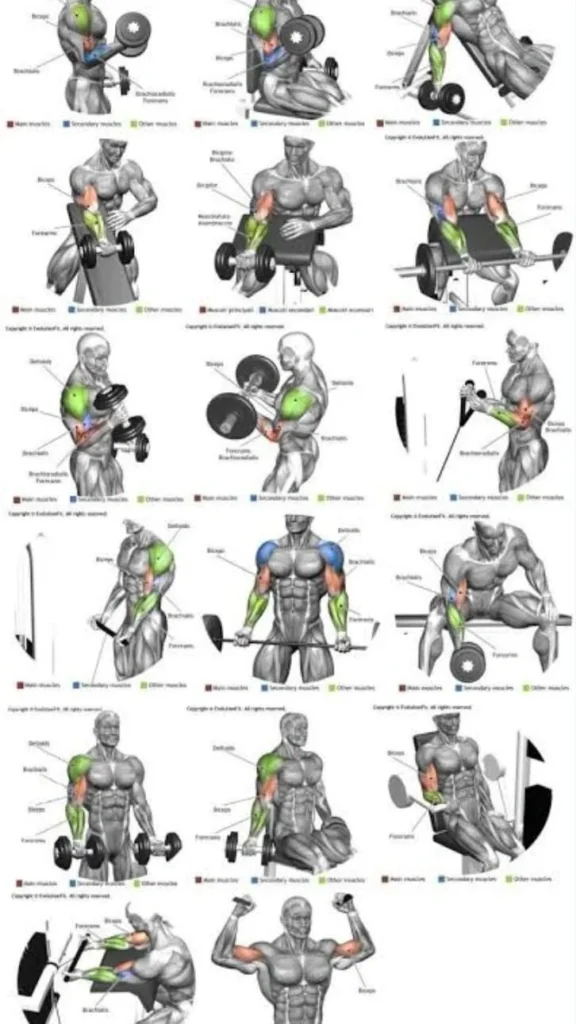
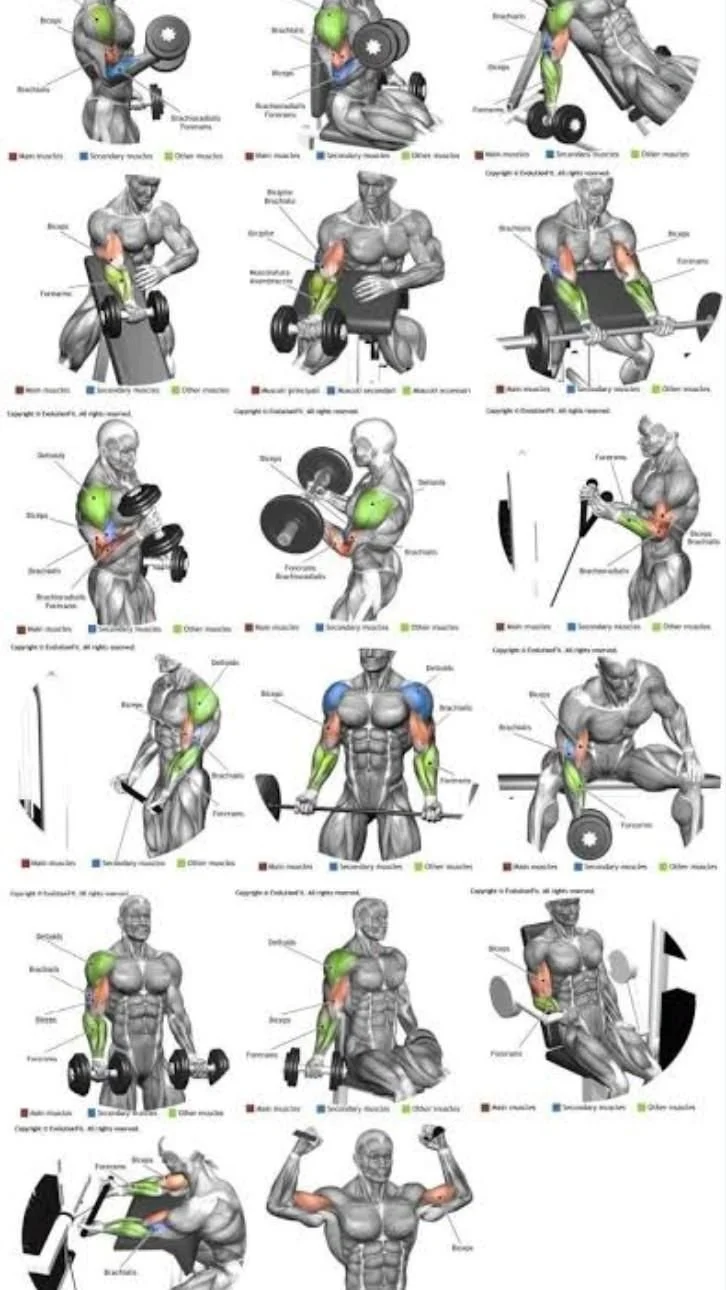
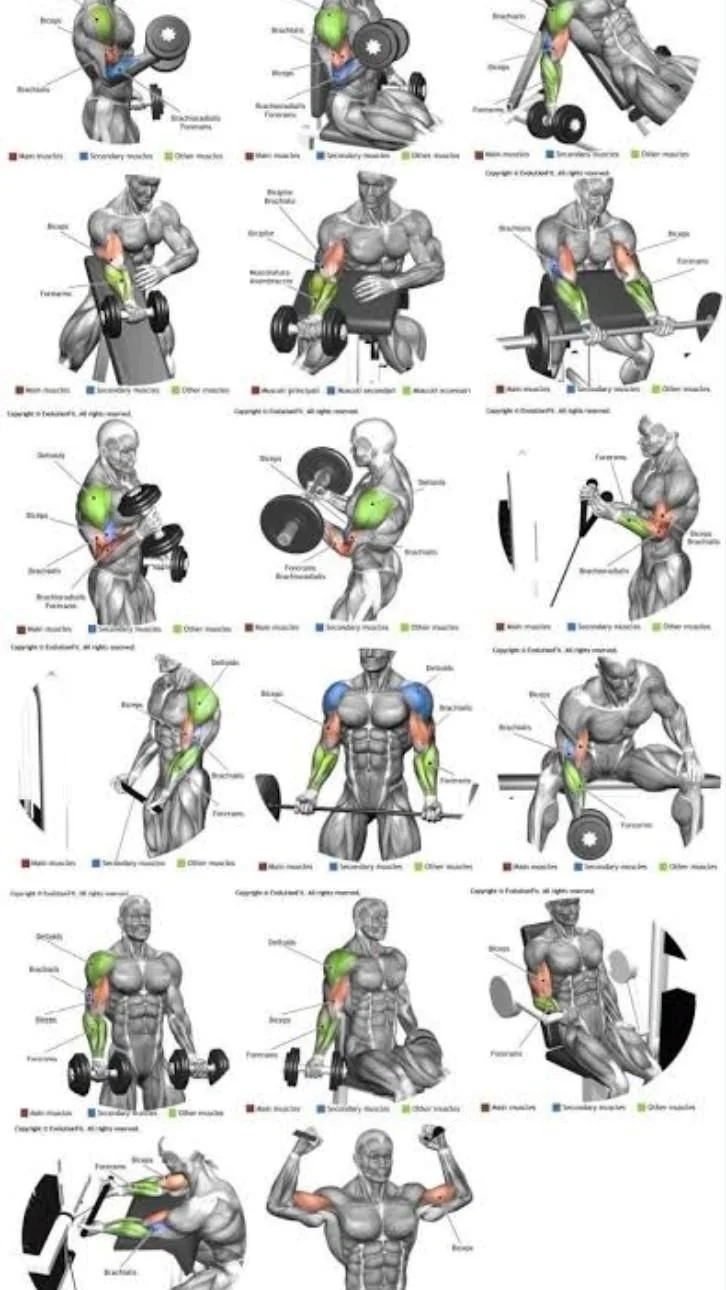
Barbell or EZ-bar curl (Compound builder)
- Sets/reps: 3–4 x 6–10
- Tip: Keep elbows tucked and avoid swinging; control the eccentric.
Incline dumbbell curl (Peak emphasis)
- Sets/reps: 3 x 8–12
- Tip: Let the arms drop behind the body slightly to increase stretch.
Hammer curl (Brachialis and forearm focus)
- Sets/reps: 3 x 8–12
- Tip: Maintain neutral grip and avoid wrist movement.
Cable curl or preacher curl (Isolation and constant tension)
- Sets/reps: 3 x 10–15
- Tip: Aim for slow, controlled reps with a solid mind-muscle connection.
Sample workout (45–60 minutes)
- Barbell curl: 4 x 6–8
- Incline dumbbell curl: 3 x 8–10
- Hammer curl: 3 x 10
- Cable or preacher curl (drop set on final set): 3 x 12–15
- Finish with 2 sets of 20-second static holds for a burnout
Programming and frequency
- Train biceps 2 times per week for most lifters—one heavier, lower-rep day and one lighter, higher-rep day.
- Increase volume gradually: add a set or 1–2 reps per exercise every 1–2 weeks if recovery allows.
- Prioritize compound upper-body days first; leave isolation for later in the session.
Recovery and nutrition
- Ensure 48–72 hours between direct biceps sessions depending on intensity.
- Prioritize protein (0.7–1.0 g per lb bodyweight) and adequate calories for growth.
- Sleep and hydration significantly impact recovery and strength gains.
Common mistakes and quick fixes
- Swinging the body: Reduce weight and focus on strict form.
- Neglecting full range of motion: Lower fully to get a stretch, contract fully at the top.
- Overtraining: If performance drops, add an extra rest day or reduce volume.
Integrating with other training
- If you prefer full-body training, you can still emphasize arms by adding an extra biceps set at the end of sessions; see sample full-body options for balance and recovery planning at 10 best full-body workouts for maximum results.
Conclusion
For a wider selection of variations and demos to expand this plan, check a comprehensive list of biceps exercises to keep your workouts fresh and effective.