Peak Biceps Blueprint
Train smarter, not just harder. This short guide breaks down an efficient bicep-focused routine, warm-up, key exercises, and progress tips you can use whether you have a full gym or minimal equipment—see a no-equipment alternative for building strong, defined arms in this helpful resource: no-equipment bicep routine.
Why this plan works
- Targets both the long and short heads of the biceps for balanced size and peak.
- Uses progressive overload and exercise variety to prevent plateaus.
- Simple to adapt for dumbbells, cables, or bodyweight.
Quick warm-up (5–8 minutes)
- Arm circles, band pull-aparts, and light curls for 2–3 sets of 10–15 reps.
- Dynamic stretches for the forearms and shoulders to protect joints.
Core bicep exercises (pick 3–4 per workout)
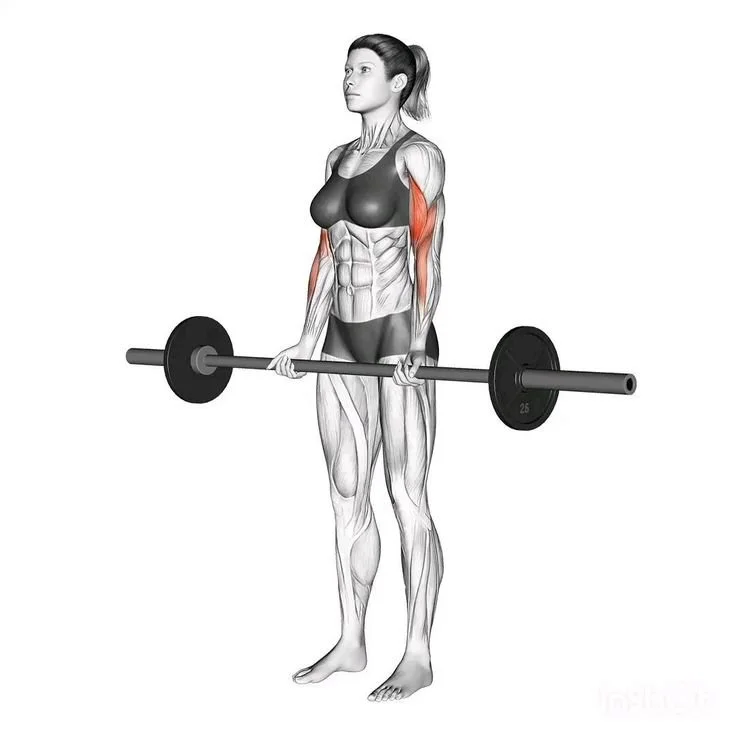
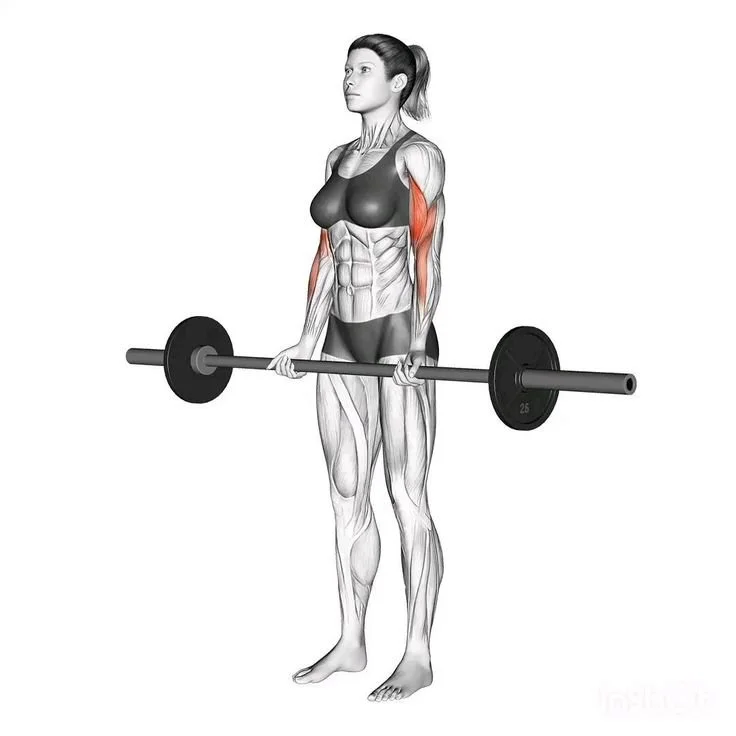
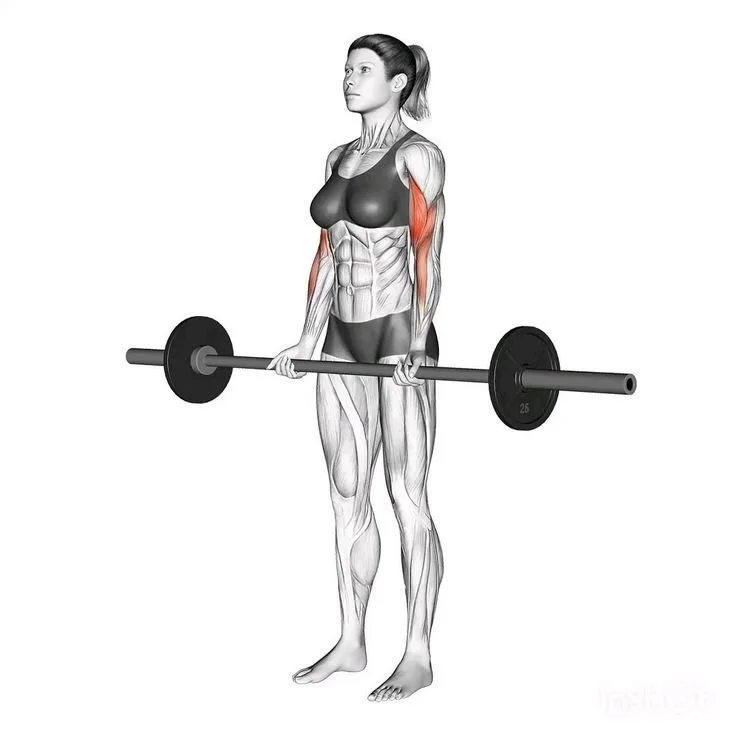
- Standing barbell or dumbbell curls — 3–4 sets, 6–10 reps (focus on controlled negatives).
- Incline dumbbell curls — 3 sets, 8–12 reps (stretches the long head for a fuller peak).
- Hammer curls — 3 sets, 8–12 reps (builds brachialis to push the biceps up).
- Preacher or concentration curls — 2–3 sets, 10–15 reps (strict isolation for the peak).
- High-rep finisher (e.g., 21s or drop sets) — 1 finisher circuit to increase metabolic stress.
Sample workout structure
- Warm-up
- Compound upper move (e.g., pull-up or row) to pre-exhaust back and stabilize the elbow — 3×6–8
- Two primary biceps movements (heavy + moderate) — 3–4 sets each
- One isolation finisher — 2–3 sets
- Light cooldown and stretches
Programming tips
- Frequency: Train biceps 2× per week for optimal growth; allow 48–72 hours recovery between sessions.
- Load and reps: Alternate weeks of heavier loads (6–8 reps) with moderate-high reps (8–15) to hit both strength and hypertrophy.
- Tempo: Emphasize a 2–3 second eccentric (lowering) phase to maximize muscle damage stimulus.
- Volume: Aim for 10–20 total sets per week for biceps depending on recovery and other pulling work.
Equipment swaps and progressions
- No barbell? Use single-arm dumbbells and focus on strict form.
- No weights? Slow tempo bodyweight curls (isometric holds and negatives) can be surprisingly effective. For a structured at-home progression, combine with compound movements and increasing time under tension.
- Want a chest and biceps combined routine? Try pairing this biceps focus with a dumbbell chest session like the one outlined in this sample plan: chest and biceps dumbbell session.
Recovery and nutrition basics
- Protein: 0.7–1.0 g per lb of bodyweight daily supports muscle repair.
- Sleep: 7–9 hours for hormonal support and recovery.
- Deload: Every 4–8 weeks reduce volume by ~40% to allow full recovery and better long-term gains.
Conclusion
For a concise reference on top biceps movements to add into your routine, check out this practical guide to the best bicep exercises for mass: Gymshark’s bicep exercise guide.