
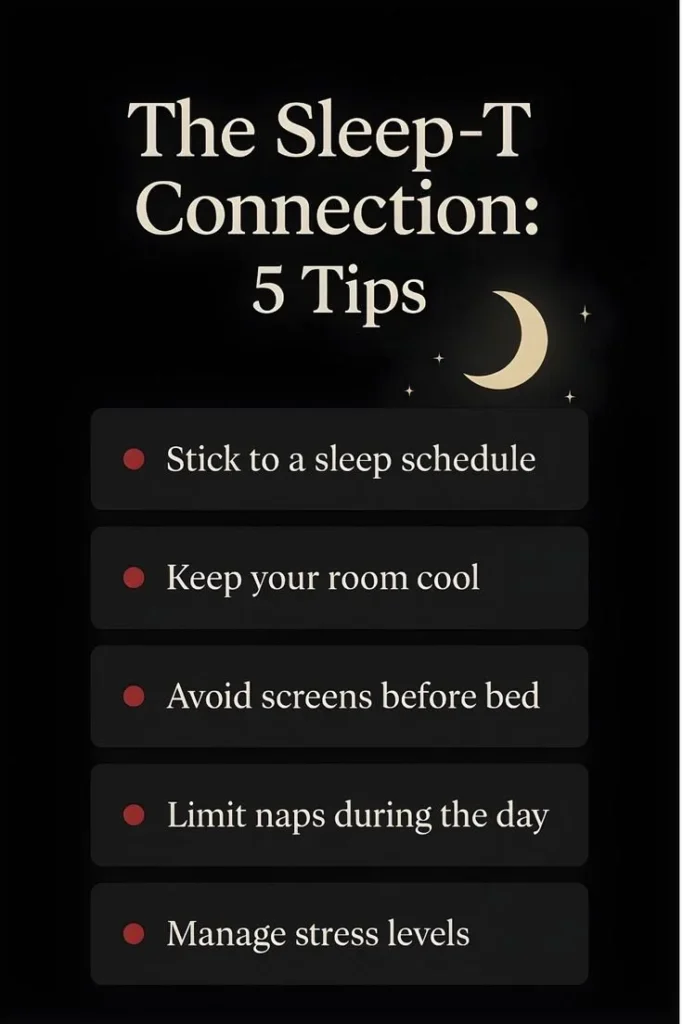
Sleep Strong: Boosting Testosterone Naturally
Better sleep isn’t just about feeling rested — it has a direct, measurable impact on hormone health, including testosterone. Quality and quantity of sleep influence the body’s recovery, muscle repair, and hormone production cycles, making sleep a cornerstone of male vitality and overall performance.
Introduction
A consistent night of restorative sleep supports the endocrine system and helps maintain healthy testosterone levels. Pairing improved sleep habits with targeted training — for example an effective arm workout for toned arms — can amplify the benefits of both rest and exercise by improving recovery and promoting anabolic (muscle-building) processes.
How Sleep Regulates Testosterone
Testosterone production follows a circadian rhythm: levels typically rise during sleep and peak in the early morning. Poor sleep duration or disrupted sleep architecture (fragmented sleep, insufficient deep sleep or REM) blunts this nocturnal rise and can lower daytime testosterone. Supporting healthy sleep cycles helps ensure nightly hormone surges occur as intended, preserving energy, libido, and muscle maintenance.
Sleep Stages Matter
Deep (slow-wave) sleep appears particularly important for testosterone synthesis and release. Activities that aid recovery and foster deeper sleep — including low-impact core work and mobility — can be complementary. Exercises such as the band twist for core strength can be scheduled earlier in the day to support movement quality without interfering with nighttime sleep.
Timing Training and Recovery
When you train matters. Heavy resistance training stimulates testosterone acutely, but if workouts push too late into the evening they can raise arousal and cortisol, disrupting sleep onset. Plan demanding sessions earlier and favor shorter, focused resistance work later — for instance a brief bicep workout for defined arms in the afternoon — so exercise boosts hormone health without compromising sleep.
Practical Steps to Improve Sleep and Hormone Health
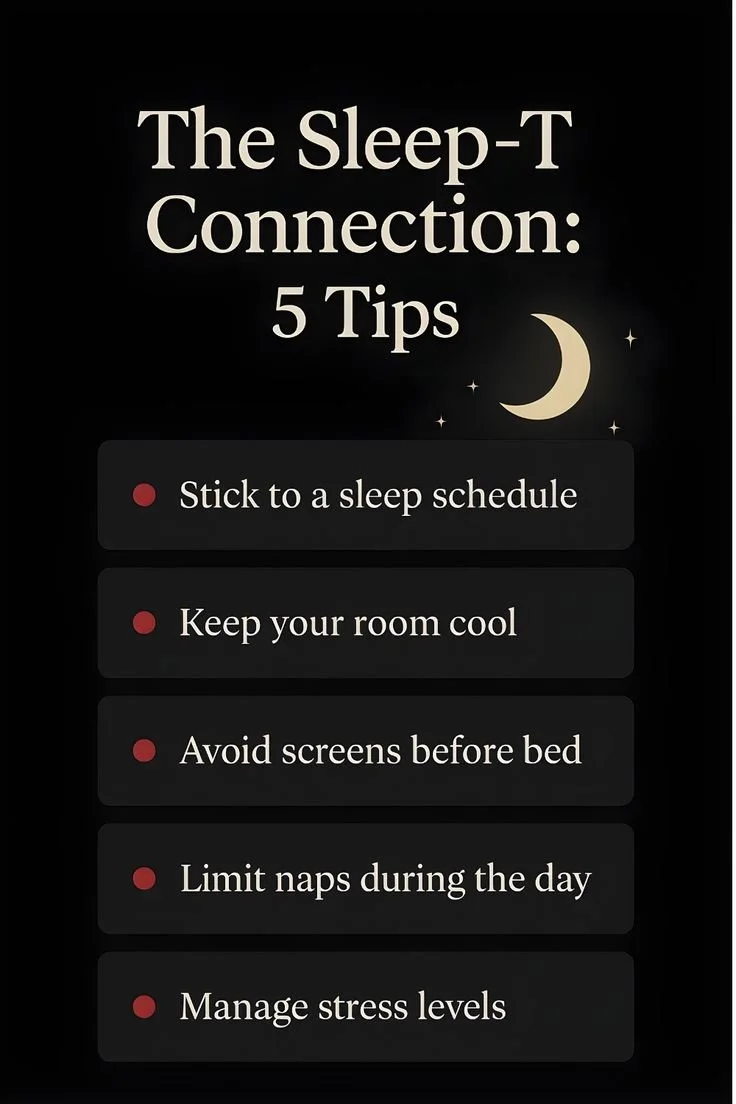
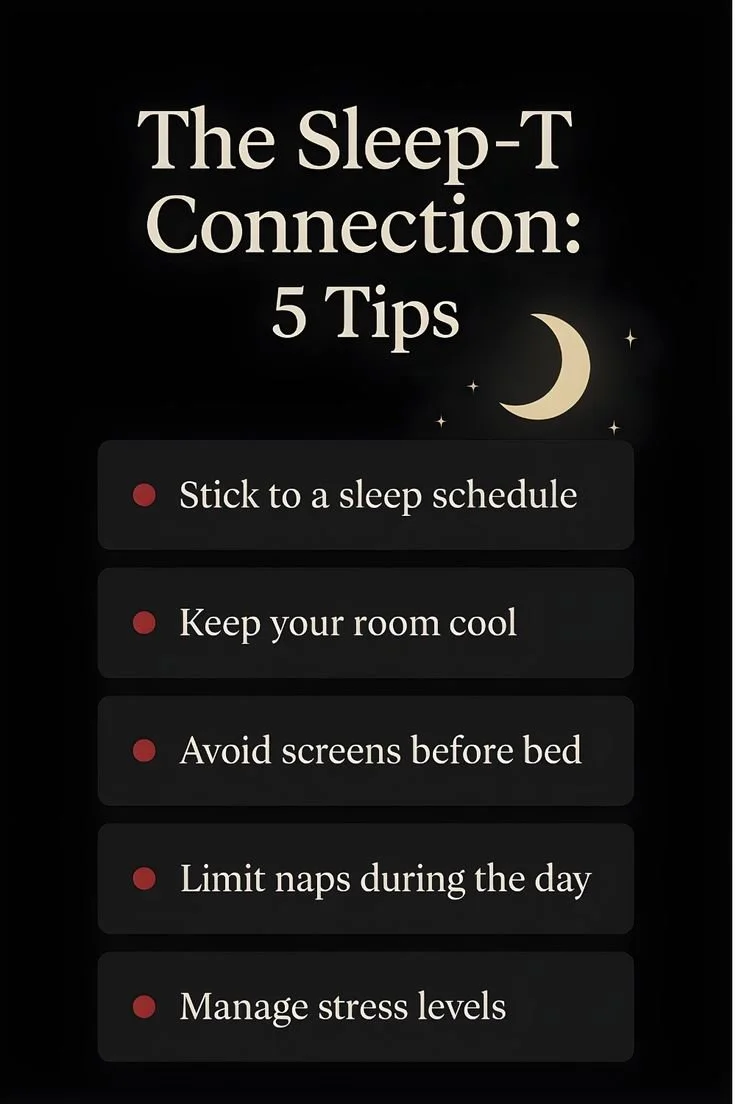
- Keep a consistent sleep schedule: go to bed and wake up at similar times daily.
- Optimize your sleep environment: cool, dark, and quiet spaces support deeper sleep.
- Avoid stimulants and heavy meals close to bedtime; wind down with relaxation rituals.
- Balance training intensity and timing: short, targeted sessions like a shoulder workout for strength earlier in the day promote recovery without late-night activation.
- Prioritize sleep after high-intensity sessions to support muscle repair and the hormonal rebound that follows training.
Conclusion
For a practical overview of how sleep and rest support health and recovery, review the VA’s helpful guide on improving sleep habits in their Rest Easy sleep guide.