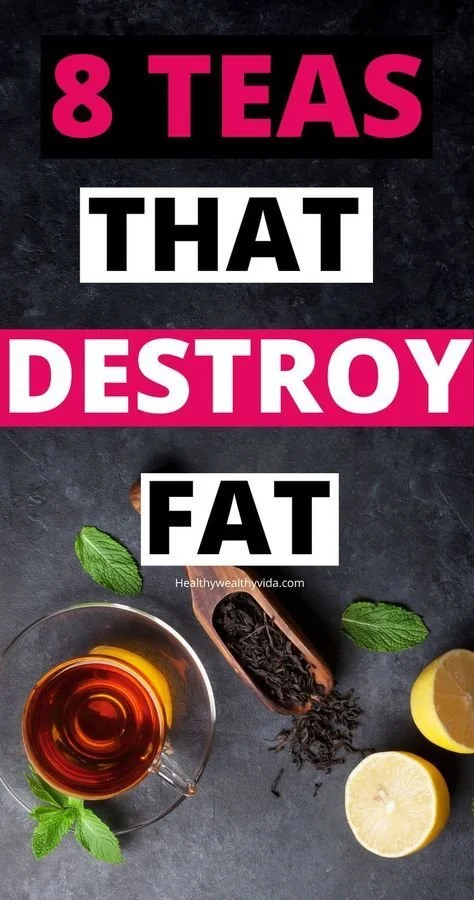
8 Best Teas for Losing Weight (and How to Use Them)
Tea won’t melt fat on its own, but several varieties can support appetite control, boost metabolism modestly, improve digestion, and replace sugary drinks. Below are eight of the most useful teas for weight-loss support, how they work, simple brewing tips, and safety notes so you can use them effectively as part of a balanced plan. If you’re pairing tea with exercise, don’t forget basic safety guidance for workouts too — see this gym safety guide for reminders before you ramp up activity.
1. Green Tea (including Matcha)
Why it helps: Rich in catechins (especially EGCG) and modest caffeine, green tea can increase energy expenditure and fat oxidation in some people.
How to brew: Steep 1 teaspoon loose leaf (or 1 bag) in 175–80°F (80–85°C) water for 2–3 minutes to avoid bitterness. For matcha, whisk 1/2 to 1 teaspoon with hot water.
Tips: Drink 2–3 cups daily. Avoid excessive consumption if you’re sensitive to caffeine.
2. Oolong Tea
Why it helps: A partially oxidized tea that combines properties of green and black tea. Some studies show oolong may increase metabolic rate and fat burning.
How to brew: Use 1 teaspoon per cup and steep in 185–200°F (85–93°C) water for 3–5 minutes.
Tips: Enjoy between meals; its flavor makes it a good replacement for higher-calorie drinks.
3. Black Tea
Why it helps: Higher in theaflavins and thearubigins, black tea’s polyphenols may assist gut microbiome changes linked to weight control and can provide stimulant effects to support activity.
How to brew: Steep 1 tea bag (or 1 tsp) in boiling water (212°F / 100°C) for 3–5 minutes.
Tips: Best unsweetened. Adding milk blunts some benefits if it adds calories — consider a splash if it reduces sugar cravings.
4. Pu-erh Tea
Why it helps: A fermented Chinese tea that may help lower blood lipids and support fat metabolism in animal and small human studies.
How to brew: Rinse 1 tsp of compressed pu-erh briefly with hot water, then steep in simmering water for 3–5 minutes; multiple short infusions work well.
Tips: Its earthy flavor suits those who enjoy stronger teas. Monitor for caffeine if consumed late.
5. Yerba Mate
Why it helps: High in caffeine and xanthines, yerba mate can raise energy and thermogenesis, and may suppress appetite in some people.
How to brew: Traditional mate is steeped in a gourd, but for a cup: steep 1–2 teaspoons in hot (not boiling) water for 5 minutes.
Tips: Good pre-workout alternative to coffee. Limit intake if you have caffeine sensitivity or high blood pressure.
6. Rooibos
Why it helps: Naturally caffeine-free and rich in antioxidants; while evidence for direct fat loss is limited, rooibos helps by improving hydration and replacing sugary beverages.
How to brew: Steep 1 tsp in boiling water for 5–7 minutes. Longer steeping increases flavor.
Tips: Add lemon or cinnamon for extra flavor without adding sugar.
7. Ginger Tea
Why it helps: Ginger may reduce appetite, support digestion, and help control blood sugar spikes that can drive cravings.
How to brew: Steep 1–2 slices (or 1 tsp grated) fresh ginger in hot water for 5–10 minutes; add lemon or a dash of honey if needed.
Tips: Combine with green tea for a metabolism-supporting blend. Avoid high doses if you take blood-thinning medication.
8. Hibiscus Tea
Why it helps: Hibiscus may lower blood pressure and has polyphenols that could support metabolic health; it’s tart and satisfying as a cold or hot drink.
How to brew: Steep 1–2 tsp dried hibiscus in boiling water for 5–10 minutes.
Tips: Serve iced as a refreshing, calorie-free substitute for soda.
How to Use Tea Wisely for Weight Loss
- Make tea part of a calorie-controlled dietary plan and regular physical activity. Tea is supportive, not a cure. For exercise programming, consult resources like this full-body workout guide to pair your tea-fueled energy with effective training.
- Skip added sugars, syrups, and high-calorie creamers. Plain tea or a splash of milk/plant milk keeps calories low.
- Be mindful of total caffeine from all sources. Limit tea intake in the late afternoon if it disrupts sleep, since poor sleep undermines weight efforts.
- Stay hydrated: water plus tea is fine, but don’t let high intake of diuretics (very strong black or mate) replace water entirely.
- Talk to your clinician if you’re pregnant, breastfeeding, or taking medications (especially blood thinners, stimulant-sensitive medications, or drugs metabolized by the liver).
Conclusion
Tea can be a helpful, low-calorie tool to support weight loss when combined with good nutrition and exercise. For a concise, reader-friendly roundup of popular teas and how they compare, check out this guide to Top Teas for Weight Loss.