Elizabeth Keen

A colorful plate of healthy food including fruits, vegetables, and grains.

Fuel Your Body With Healthy Food

Fuel Your Body With Healthy Food

Eating well is one of the simplest and most effective ways to support energy, mood, and long-term health. This article explains practical strategies for choosing foods that fuel your body—what to prioritize, how to plan meals, and easy swaps to make nutrient-rich eating part of your daily routine. If you’re looking for specific ways to boost macronutrients in each meal, try this guide to increase your protein intake for simple, meal-by-meal ideas.

Why “Fuel” matters more than “filling up”

Food serves many purposes: pleasure, culture, and of course, energy. Thinking of food as fuel shifts the focus to nutrient density—foods that provide vitamins, minerals, healthy fats, fiber, and protein per calorie. Prioritizing nutrient-dense foods helps:

  • Maintain steady energy through the day
  • Support immune and brain function
  • Preserve muscle mass and metabolism
  • Reduce cravings and overeating

The building blocks: what to include on your plate

A balanced plate includes:

  • Lean proteins (fish, poultry, legumes, tofu)
  • Whole grains (quinoa, brown rice, oats)
  • Colorful vegetables and fruits
  • Healthy fats (avocado, nuts, olive oil)
  • Hydration (water, herbal teas)

Meal composition matters: pair carbohydrates with protein and fat to slow digestion and keep you satisfied. For many people, focusing on portioning these components is more sustainable than strict elimination.

Meal timing and practical strategies

You don’t need an elaborate schedule to eat well—consistent, simple habits are enough. Aim for:

  • Regular meals with snacks as needed to sustain energy
  • Prep-friendly foods (roasted vegetables, cooked grains, hard-boiled eggs)
  • Portable options like yogurt with nuts, fruit, or hummus and veggies

If you want continuous guidance on daily fueling habits, these expert tips for 24/7 body fueling break down routines that keep energy consistent from morning to night.

Smart swaps and snacks that actually satisfy

Small substitutions add up:

  • Swap sugary cereals for oatmeal topped with fruit and seeds
  • Replace soda with sparkling water plus a citrus wedge
  • Choose whole-fruit or Greek yogurt snacks instead of candy bars
  • Keep single-serve portions of nuts or pre-cut veggies for fast, nutritious snacks

Choose snacks that combine protein + fiber (e.g., apple slices with nut butter) to avoid blood sugar spikes and mid-afternoon crashes.

Tips for grocery shopping and cooking on a budget

  • Shop the perimeter of the store for fresh produce, dairy, and lean proteins.
  • Buy seasonal produce and frozen vegetables—both are nutritious and often cheaper.
  • Cook once, eat twice: batch-cook grains and proteins to use across several meals.
  • Use legumes and eggs as affordable protein staples.

Conclusion

For more guidance on how to prioritize foods that support energy and wellbeing, see this resource on Nutrition for Your Life: Eat to Fuel, not Fill which explains practical ways to choose food for nourishment rather than just satiety.

Fuel Your Body With Healthy Food Read More »

, , , ,
Samantha Rice lifting 297.5KG as the strongest woman in the world

With a lift of 297.5KG, Samantha Rice is the strongest woman in the world. 💪

Samantha Rice crowned the strongest woman in the world after a jaw-dropping lift of 297.5 kg — a feat that redefines expectations and raises the bar for female strength athletes everywhere. Her achievement is more than a number; it’s a statement about training, discipline, and the shifting landscape of powerlifting. For many fans, this moment is also a reminder that peak performance comes from a mix of physical preparation and lifestyle choices — whether that’s structured recovery, time spent outdoors, or targeted nutrition. For example, athletes often complement their training with restorative activities like hiking retreats to reset mentally and physically between competition cycles.

What 297.5 kg represents
A lift of 297.5 kg (about 655 pounds) places Rice in an elite tier on the global stage. Beyond raw strength, lifts at this level reflect flawless technique, optimal programming, and years of incremental progress. Competitions that showcase such lifts are where lifters prove not only their peak capability but also consistency under pressure. Observers will study everything from bar path to brace timing to understand how she turned potential into a record-setting performance.

Training pillars behind elite lifts
Elite-level lifting rests on repeatable fundamentals: periodized strength cycles, progressive overload, and disciplined recovery. Coaches emphasize accessory work to shore up weaknesses and injury prevention to keep athletes training long-term. Nutrition plays a pivotal role, too — timely protein intake and the right macronutrient balance accelerate repair and adaptation. Many strength athletes follow evidence-backed approaches such as favoring lean proteins for quicker post-workout recovery, a strategy highlighted in resources about how lean meat supports faster muscle protein synthesis.

The ripple effect on the sport
When an athlete like Samantha Rice reaches new heights, it inspires both newcomers and seasoned competitors. Young lifters gain a tangible target to aim for, sponsors take notice, and meet organizers respond with more visibility and opportunities for women’s divisions. The performance encourages innovation in coaching and sports science, pushing the entire community to reassess standards and expectations.

What comes next
Records invite challengers. Rice’s 297.5 kg lift will become a benchmark — a reference point for national federations, coaches, and rivals plotting their own path to the podium. The inevitable next chapter will include attempts to surpass that mark, refinements in training methodologies, and broader recognition for female strength sports in mainstream media.

Conclusion

Rice’s 297.5 kg lift sits alongside other recent landmark performances in powerlifting; for perspective on the evolving elite scene, see this round-up of a major lift by Powerlifter Hunter Henderson (U82.5 kg) Scores A Huge 305 kg …

With a lift of 297.5KG, Samantha Rice is the strongest woman in the world. 💪 Read More »

, , , ,
Healthy breakfast featuring eggs, a great source of protein for boosting progress.

Progress needs protein🍳

Progress needs protein 🍳

Introduction
Protein isn’t just a macronutrient on your plate — it’s the building block of progress. Whether your goal is stronger muscles, faster recovery, better cognitive performance, or healthier crops, protein plays a starring role. Before diving into strategies, it helps to check whether your daily intake supports your goals; one useful place to start is this are you meeting your nutrient needs for optimal wellness guide, which frames nutrient habits around real progress.

Why protein matters
Every cell in your body uses amino acids from protein to repair, adapt, and grow. After resistance training, for example, muscle protein synthesis (MPS) increases — but only when enough high-quality protein is available. Protein also supports immune function, hormones, and enzymes that keep systems running efficiently. For athletes and regular exercisers, protein is the difference between merely showing up and actually improving.

How much and when
General guidelines suggest 1.2–2.0 g/kg body weight per day for active people, with higher intakes useful during heavy training or caloric deficit. Spreading protein across meals (20–40 g per sitting, depending on body size) maximizes MPS throughout the day. A pre- or post-workout portion helps recovery, but overall daily protein is the dominant factor for long-term gains.

Quality and sources
Not all proteins are identical. Animal proteins are typically complete, containing all essential amino acids in the right proportions. Plant proteins can be excellent too, though some require combining sources to achieve a full amino acid profile. Emerging research on plant-based proteins — including rice-derived proteins — is expanding options for athletes and growers alike. When choosing sources, consider digestibility, amino acid balance (especially leucine for muscle synthesis), and personal dietary preferences.

Pairing protein with training
Protein and training are synergistic. Techniques like progressive overload drive the muscle-signaling needed for growth, but those signals need the raw materials of amino acids to build new tissue. If you want your training to pay off, align your nutrition with your programming; learn how overload strategies translate into change in this here’s how progressive overload breaks you out piece for actionable context.

Practical tips

  • Aim for a protein-rich breakfast to kickstart daily MPS.
  • Include a protein source with every meal and snack.
  • Prioritize leucine-containing foods (dairy, eggs, lean meats, soy) around workouts.
  • If you follow a vegetarian or vegan diet, combine complementary proteins or consider high-quality isolated plant proteins.
  • Track intake briefly to ensure consistency — small lapses compound over weeks.

Conclusion

Progress truly needs protein, whether you’re sculpting muscle or improving crop quality. For a deeper look at advances in plant-based protein research, see Research progress on the relationship between rice protein content.

Progress needs protein🍳 Read More »

, , , ,
A fit older adult showcasing vitality through exercise and fitness activities.

Fitness Slows Aging.

Fitness Slows Aging: How Movement Rewrites Your Biological Clock

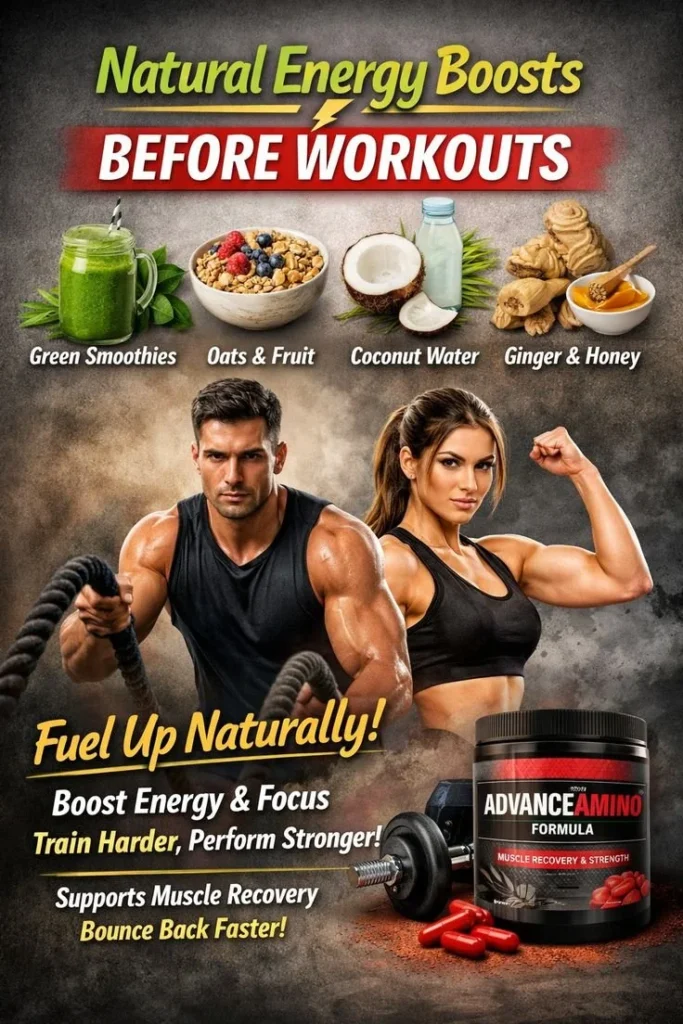
Aging is inevitable, but the pace at which our bodies and minds decline is highly influenced by lifestyle. Regular physical activity is one of the strongest, most accessible ways to slow many aspects of aging — from cellular wear and tear to loss of mobility and cognition. Before you lace up, remember that small choices matter: even paying attention to fueling, like choosing the right pre-workout snacks, can make your workouts more effective and sustainable.

Why exercise matters at the biological level

Exercise triggers a cascade of beneficial adaptations that counteract common aging mechanisms:

  • Cellular repair and resilience: Physical activity stimulates pathways that improve mitochondrial function (the cell’s energy factories) and upregulate repair mechanisms, reducing oxidative stress and helping cells function longer and healthier.
  • Inflammation reduction: Chronic low-grade inflammation accelerates aging. Regular moderate exercise lowers inflammatory markers and shifts the immune system toward a more balanced state.
  • Hormonal balance: Exercise influences hormones like insulin, growth factors, and sex hormones in ways that preserve muscle mass, bone density, and metabolic health.
  • Gene expression: Physical activity can change gene expression profiles associated with longevity, including genes linked to stress resistance and metabolism.

Benefits for body composition and function

  • Muscle and bone: Resistance and weight-bearing exercises slow sarcopenia (age-related muscle loss) and reduce osteoporosis risk by stimulating bone remodeling.
  • Cardiovascular health: Aerobic activity improves heart function, lowers blood pressure, and enhances circulation — all key to reducing age-related cardiovascular disease.
  • Metabolic health: Exercise improves insulin sensitivity and helps maintain healthy body weight, lowering the risk of diabetes and metabolic syndrome.
  • Balance and mobility: Regular movement preserves joint function and neuromuscular coordination, reducing fall risk and maintaining independence longer.

Exercise and the aging brain

Physical activity is one of the most potent non-pharmaceutical interventions for brain health:

  • Increases neurotrophic factors (like BDNF) that support neuron survival and promote neurogenesis in key regions such as the hippocampus.
  • Improves circulation to the brain, enhancing oxygen and nutrient delivery.
  • Supports mood and reduces risk of depression and anxiety, which themselves can worsen cognitive decline.

Designing an age-defying fitness routine

A well-rounded program addresses strength, endurance, balance, and flexibility:

  • Strength training: 2–3 sessions per week using progressive overload to preserve muscle and bone.
  • Aerobic exercise: 150 minutes of moderate or 75 minutes of vigorous activity weekly, adjusted to fitness level.
  • Balance and mobility: Daily mobility work and focused balance drills several times a week help prevent falls.
  • Recovery: Adequate sleep, nutrition, and periodic deloading are essential. For some people, immersive options like fitness retreats offer concentrated periods of training, education, and recovery that can jump-start healthier habits.

Practical tips to make exercise stick

  • Start modestly and build consistency: Small, achievable goals create momentum.
  • Mix it up: Variety reduces injury risk, combats boredom, and trains multiple systems.
  • Focus on function: Prioritize movements that make daily life easier — squats for standing up, lunges for stepping stability, and carrying exercises for real-world strength.
  • Track progress, not perfection: Measure improvements in strength, endurance, energy, and mood rather than an arbitrary number on a scale.

Conclusion

If you want a concise, evidence-backed overview of how physical activity benefits aging, see What Are the Benefits of Exercise on Aging? (https://www.ncoa.org/article/how-exercise-helps-you-age-well/).

Fitness Slows Aging. Read More »

, , , ,
10 motivational quotes to boost gym sessions and inspire fitness goals

10 Motivational Quotes to Ignite Your Gym Sessions

10 Motivational Quotes to Ignite Your Gym Sessions

A great quote can be the spark that turns a stagnant workout into a breakthrough session. Below are ten carefully chosen motivational quotes, each paired with a short interpretation and a small actionable tip to help you bring the message to life in the gym. If you want to fuel your workouts with better nutrition, consider practical tactics like increasing protein at each meal to support recovery — for ideas check out this easy-to-follow guide on boosting protein intake.

  1. "Do something today that your future self will thank you for."

    • Why it matters: Progress compounds. Small consistent choices create big gains.
    • Action tip: Add one extra set or five more minutes of cardio than usual.
  2. "The only bad workout is the one that didn’t happen."

    • Why it matters: Showing up builds momentum even on low-energy days.
    • Action tip: Commit to a 20-minute minimum — once there, decide whether to continue.
  3. "Strength does not come from physical capacity. It comes from an indomitable will."

    • Why it matters: Mental toughness often determines consistency and long-term progress.
    • Action tip: Choose one challenging exercise and push for one more rep than planned.
  4. "Sweat is just fat crying."

    • Why it matters: A lighthearted way to reframe discomfort and enjoy the process.
    • Action tip: Track perceived exertion and aim to push one level higher in a single set.
  5. "You are one workout away from a better mood."

    • Why it matters: Exercise yields immediate mental health benefits, so use it as a reliable reset.
    • Action tip: When stressed, swap one leisure activity for a brisk 30-minute session.
  6. "Progress is rarely linear; celebrate the small wins."

    • Why it matters: Plateaus are normal — recognizing tiny improvements keeps motivation alive.
    • Action tip: Keep a simple log of weights, reps, or times. If you want a quick way to gauge overall wellness as you progress, try this simple health assessment method to guide long-term goals.
  7. "Don’t wish for it — work for it."

    • Why it matters: Desire without action leads nowhere; commitment drives results.
    • Action tip: Set a micro-goal for the week (e.g., consistent training days) and schedule workouts like appointments.
  8. "Focus on being better than you were yesterday."

    • Why it matters: Comparing yourself to your past self keeps goals realistic and sustainable.
    • Action tip: Improve technique on one lift instead of chasing heavier numbers.
  9. "The body achieves what the mind believes."

    • Why it matters: Confidence and visualization can enhance performance.
    • Action tip: Before difficult sets, spend 30 seconds visualizing successful reps.
  10. "It never gets easier; you just get stronger."

    • Why it matters: Challenges scale with your capabilities — embrace increasingly difficult goals.
    • Action tip: Periodically increase intensity, volume, or complexity every 4–6 weeks.

Conclusion

Use these quotes as verbal cues during warm-ups, as notes on your phone, or as mantras when a set gets tough. For a broader collection of motivating (and sometimes humorous) reminders to keep you moving, check out Workout Wisdom: 89 Funny and Thoughtful PT Motivational Quotes.

10 Motivational Quotes to Ignite Your Gym Sessions Read More »

, , , ,
Person performing a Lat Pulldown exercise in a gym setting

Lat Pulldown Workout

Lat Pulldown Workout: Build a Strong, Wide Back

The lat pulldown is a staple exercise for developing the latissimus dorsi (lats), improving posture, and increasing pulling strength for rows and pull-ups. Whether you’re a beginner or an experienced lifter, a well-structured lat pulldown workout can add width to your back and balance upper-body development. If you train full-body routines, lat pulldowns pair well with compound movements—see a suggested pairing in this 10 Best Full-Body Workouts guide.

Why the Lat Pulldown Matters

  • Targets the lats, teres major, and middle back muscles, helping create the coveted “V” taper.
  • Assists in improving posture by strengthening scapular depressors and retractors.
  • Transfers to functional and sport-specific movements like climbing, rowing, and pull-ups.
  • Scalable for beginners through advanced lifters using different grips and tempos.

Proper Technique: Step-by-Step

  1. Setup: Sit with knees secured under the pad, chest tall, and feet flat. Choose a grip width appropriate to the variation you’re performing.
  2. Grip and alignment: Hold the bar with a grip that’s slightly wider than shoulder-width for the classic wide pulldown. Keep shoulder blades pulled down and back before initiating the pull.
  3. The pull: Pull the bar down in a controlled arc to the upper chest (or slightly below chin for some variations). Lead with the elbows, not the hands, and maintain a slight backward lean from the hips—avoid excessive torso swinging.
  4. Lowering phase: Slowly return the bar to the starting position with control, allowing a full stretch in the lats without letting the weight stack slam.
  5. Breathing: Exhale while pulling down, inhale while returning to start.

Key cues: “Elbows to ribs,” “Chest up,” and “Slow on the negative.”

Variations to Target Different Angles

  • Wide-Grip Lat Pulldown: Emphasizes outer lats and width.
  • Close-Grip/Neutral-Grip Pulldown: Hits lower lats and biceps more.
  • Reverse (Underhand) Grip: Increases biceps involvement and can help lifters with elbow mobility.
  • Single-Arm Pulldown: Corrects left-right strength imbalances and improves scapular control.
  • Behind-the-Neck Pulldown: Not generally recommended due to shoulder stress—use caution and only if you have excellent mobility and supervision.

Programming: Sets, Reps, and Progression

  • Beginners: 3 sets of 8–12 reps with moderate weight and strict form.
  • Intermediate: 3–5 sets of 6–10 reps for strength, or 8–12 for hypertrophy. Add tempo variations (e.g., 2-1-3) to increase time under tension.
  • Advanced: Incorporate drop sets, supersets (e.g., with rows or face pulls), and single-arm work to break plateaus.

Lat pulldowns fit well into full-body or upper-body days. For busy schedules, you can include a focused lat pulldown superset in a time-efficient routine—see a practical template in this 20-Minute Full-Body Workout for Busy Schedules article.

Sample workouts:

  • Hypertrophy session: 4 sets x 10 reps (wide grip), superset with 3 sets x 12 single-arm cable rows.
  • Strength session: 5 sets x 5 reps (close grip), rest 2–3 minutes between sets.
  • Volume day: 3 sets x 8 (wide), 3 sets x 10 (reverse grip), finish with 2 drop sets.

Common Mistakes and Fixes

  • Using momentum: Reduce weight and focus on elbow drive to stay strict.
  • Pulling behind the neck: This can compromise shoulder health—pull to the chest instead.
  • Shrugging shoulders: Pre-activate scapular depression before each rep to shift tension to the lats.
  • Not achieving full range of motion: Allow a controlled stretch at the top and a full contraction at the bottom.

Accessory Exercises and Progressions

  • Assisted or banded pull-ups to transfer vertical pulling strength.
  • Bent-over rows and single-arm dumbbell rows to build mid-back thickness.
  • Face pulls and band pull-aparts to strengthen rear delts and improve shoulder stability.
  • Gradually reduce machine assistance or add weight to the stack while maintaining strict form for progression.

Modifications and Who Should Be Cautious

  • If you have shoulder impingement or limited overhead mobility, use neutral-grip handles or perform single-arm pulldowns to reduce strain.
  • Those with lower-back issues should avoid excessive leaning—focus on an upright torso and core bracing.
  • Always prioritize pain-free movement; stop if you feel sharp joint pain.

Safety Tips

  • Warm up with light rows and band pull-aparts to prime the scapular muscles.
  • Control the eccentric phase—don’t let the weight slam back up.
  • Use a full range of motion tailored to your mobility and training goals.
  • Keep a steady cadence and track progressive overload (weight, reps, or time under tension).

Conclusion

For a comprehensive how-to, variations, and safety considerations on the exercise, consult this detailed guide: Lat Pulldowns: Techniques, Benefits, Variations.

Lat Pulldown Workout Read More »

, , , ,
Person demonstrating perfect incline bench press form for effective chest workouts

Perfect Incline Bench Press Form

Perfect Incline Bench Press Form

The incline bench press is one of the best compound lifts for building upper-chest thickness and shoulder stability when performed correctly. Small adjustments in setup, bar path, and muscle recruitment separate an effective, joint-friendly press from an inefficient or injurious one. Before diving in, review related shoulder mechanics—for example, this primer on the seated dumbbell shoulder press setup—to better understand how the delts and scapula should behave during incline pressing.

Why incline press matters

  • Targets clavicular head of the pectoralis major more than flat benching.
  • Improves upper-chest fullness and the transition between chest and shoulders.
  • Encourages a more upright pressing pattern that translates to overhead strength.

Setup: bench angle, feet, and grip

  • Bench angle: Aim for 30–45 degrees. Lower angles (around 30°) emphasize the upper chest while reducing excessive anterior deltoid stress; higher angles shift load to the shoulders.
  • Feet: Plant them firmly to create a stable base and enable leg drive. Your feet should remain flat throughout the rep.
  • Grip width: Use a grip that places your forearms vertical at the bottom of the press. Too wide reduces range of motion and increases shoulder strain; too narrow makes the press more triceps-dominant.

Positioning the body: scapula and chest

  • Retract and depress the scapulae: Pinch your shoulder blades together and slightly down to create a solid pressing platform. This protects the shoulder joint and increases chest recruitment.
  • Chest up: Think about presenting your sternum toward the bar. Keeping the chest elevated shortens the ROM and promotes better pectoral activation.
  • Maintain a natural lower-back arch; don’t over-bridge. The arch should be stable, not mobile.

Bar path and elbow position

  • Bar path: Lower the bar to the upper-chest / lower-clavicle area, then press up and slightly back toward your eyes. This diagonal path keeps the load aligned with the muscle work.
  • Elbow angle: Aim for elbows 45–70 degrees from your torso (roughly halfway between flared and tucked). This reduces impingement risk while allowing the chest to work.
  • Touch point: Lightly touch the chest—do not bounce. Controlled contact ensures tension stays on the muscles.

Breathing, tempo, and tension

  • Inhale and brace the core as you lower the bar, maintaining full-body tension.
  • Pause for a brief moment at the bottom (no dead stop if using continuous tension), then exhale as you press.
  • Tempo: A controlled 2–3 second descent with a deliberate press up maximizes muscle fiber recruitment and control.
  • Keep tension through the glutes, legs, core, and lats to transfer force efficiently.

Common mistakes and fixes

  • Excessive bench angle: If you feel your front delts dominating, lower the angle a few degrees.
  • Flaring elbows: If your shoulders ache, bring elbows closer to the torso and focus on chest squeeze.
  • Poor scapular control: Practice retracted holds and lighter sets to engrain the position.
  • Lack of leg drive: Drive the feet and squeeze the glutes at the top of each rep to stabilize the torso.

Progressions and accessory work

  • Use varied rep ranges: heavier sets (3–6) for strength, moderate (8–12) for hypertrophy, and lighter (<15) for endurance and control.
  • Accessory lifts: Incline dumbbell press, incline flyes, and pressing variations strengthen weak points. For triceps-focused assistance and lockout work, consider techniques from the close-grip press family—see this piece on the close-grip bench press technique.
  • Deload and mobility: If shoulder stiffness appears, reduce load and add mobility work for the thoracic spine and shoulder girdle.

How to program it

  • Frequency: 1–3 times per week depending on goals and recovery.
  • Volume: Start with 6–12 working sets per week for the incline press and adjust based on progress.
  • Pair with vertical press and row variations to balance pushing and pulling strength.

Conclusion

For a complete reference on form, benefits, and common variations, check out this detailed guide to the Incline Bench Press: Proper Form & Benefits | Legion.

Perfect Incline Bench Press Form Read More »

, , , ,
A person executing a biceps workout with dumbbells for strength training.

Biceps Workouts

Biceps Workouts: Build Size, Strength, and Shape

A well-developed pair of biceps not only looks great but also improves pulling strength and elbow stability. Whether your goal is fuller peaks, thicker arms, or better functional strength, a focused biceps plan will help. If you’re looking for a simple, strength-focused approach, try a barbell-only biceps routine to prioritize load and progressive overload.

Anatomy and How It Affects Training

Understanding the muscle heads helps you choose exercises:

  • Long head: contributes to the biceps “peak.” Emphasize incline curls and supinated grips to better target it.
  • Short head: adds thickness and width. Movements with a wider grip and preacher-style curls emphasize this head.
  • Brachialis: lies beneath the biceps and pushes the biceps up when developed — hammer curls and neutral-grip work well.
  • Brachioradialis: forearm muscle that assists elbow flexion, trained with hammer and reverse curls.

Train with exercises that place the muscle under tension through various joint angles to stimulate all portions effectively.

Training Principles

  • Progressive overload: gradually increase load, reps, or time under tension over weeks.
  • Frequency: 2 sessions per week for biceps is effective for most lifters — ensure 48–72 hours recovery between sessions.
  • Rep ranges: 6–8 for strength, 8–12 for hypertrophy, and 12–20+ for endurance and metabolic stress. Mix ranges across sessions.
  • Volume: aim for 8–20 hard sets per week depending on experience and recovery.
  • Tempo and control: slow the eccentric (lowering) phase for more muscle damage and growth stimulus.

Exercise Selection

Choose 3–4 exercises per session to hit the biceps from multiple angles:

  • Barbell curls (strict or with controlled cheat)
  • Dumbbell alternating curls (supination through the arc)
  • Hammer curls (brachialis and brachioradialis emphasis)
  • Preacher curls (short head isolation)
  • Incline dumbbell curls (long head stretch)
  • Cable curls (constant tension)

Variety prevents plateaus and ensures broader development.

Sample 4-Exercise Routine

Here’s a balanced session you can repeat twice weekly. For a full program of complementary movements and progressions, consider an effective biceps exercises routine that cycles load and intensity.

  • Barbell curls — 4 sets of 6–8 reps (heavy)
  • Incline dumbbell curls — 3 sets of 8–12 reps (full range, slow eccentric)
  • Hammer curls — 3 sets of 10–12 reps (neutral grip)
  • Cable curls (rope or single-handle) — 3 sets of 12–15 reps (constant tension, last set to near failure)

Rest 60–90 seconds between sets. Adjust volume based on recovery and overall arm training load.

Technique Tips

  • Keep elbows relatively fixed to isolate the biceps; avoid excessive upper-arm swing.
  • Supinate (turn palm up) throughout curls to maximize long head recruitment.
  • Use full range of motion: fully extend to stretch, fully contract at the top.
  • Control the eccentric for 2–4 seconds to increase time under tension.
  • When fatigued, drop the weight or switch to partial reps rather than sacrificing form.

Common Mistakes

  • Using momentum: turns the lift into a row and reduces biceps stimulus.
  • Neglecting forearms and brachialis: this limits overall arm thickness.
  • Overtraining: too many daily sets without recovery can halt progress.
  • Ignoring variety: always doing the same curl leads to adaptation and stagnation.

Recovery and Progression

  • Sleep, nutrition (adequate protein), and managing total weekly volume are crucial.
  • Track weights and reps; if you can complete target reps easily, increase load or reps next session.
  • Deload every 4–8 weeks if progress stalls or fatigue accumulates.

Equipment Variations

  • No dumbbells? Use resistance bands or a barbell.
  • Gym cables offer constant tension; machines add stability for drop sets.
  • For home training, tempo emphasis and higher volume can compensate for lighter loads.

Conclusion

Consistent, progressive training with deliberate exercise selection and solid technique will drive biceps growth and strength. For a large library of guided biceps movements and video demonstrations to expand your exercise options, see Biceps Exercises: 200+ Free Video Exercise Guides | Muscle ….

Biceps Workouts Read More »

, , , ,
Woman demonstrating proper donkey kick technique for better glute development

Donkey kick mistakes you should avoid for better glutes

Donkey Kick Mistakes You Should Avoid for Better Glutes

Donkey kicks are a staple for targeting the gluteus maximus without heavy equipment, but small form errors can turn this simple move into a missed opportunity—or worse, a strain. This article breaks down the most common mistakes people make with donkey kicks and gives clear fixes so you get stronger, rounder glutes safely. If you’re looking for complementary moves that build on donkey kicks, check out this guide to transform your glutes with four powerful exercises.

  1. Arching the lower back (hyperextension)
  • The mistake: Pushing the leg up by arching the lumbar spine, which transfers effort away from the glutes and onto the lower back.
  • Why it’s bad: Chronic lumbar arching can cause discomfort and reduces glute activation.
  • Fix: Keep a neutral spine by drawing your ribs down and bracing your core. Think about rotating the pelvis slightly posteriorly (tucking the tailbone a bit) so the motion comes from the hip, not the back. Perform movements slowly with control.
  1. Rotating the hip outward or upward
  • The mistake: Letting the working hip open or externally rotate so the leg swings outwards instead of moving in a straight line.
  • Why it’s bad: This shifts activation to the hamstrings and external rotators, reducing gluteus maximus engagement.
  • Fix: Imagine pressing the sole of your foot directly toward the ceiling as the heel reaches up. Keep hips square to the floor and pause at the top to check alignment.
  1. Using momentum instead of muscle
  • The mistake: Snapping the leg up quickly or kicking too hard for more “range,” relying on momentum rather than muscle contraction.
  • Why it’s bad: Fast momentum lowers time under tension and reduces strength gains; it also increases injury risk.
  • Fix: Slow the tempo—2 seconds up, 1-second hold, 2 seconds down. Focus on a deliberate squeeze of the glute at the top of each rep.
  1. Not bracing the core
  • The mistake: Letting the torso sag or the midsection loosen during the rep.
  • Why it’s bad: A floppy core reduces stability and allows compensations (spine or hip errors).
  • Fix: Engage the abdominals as if preparing for a light punch to the stomach. This stabilizes the pelvis and gives the glutes a solid platform to work from.
  1. Over-extending the hip or lifting too high
  • The mistake: Lifting the leg past the point of glute engagement (often with lumbar extension).
  • Why it’s bad: Motion beyond the hip’s effective range taxes the lower back and doesn’t increase glute activation.
  • Fix: Lift the leg only until you feel a strong glute contraction—typically when the thigh is roughly parallel to the floor or slightly higher depending on mobility—then pause and lower under control.
  1. Pointing the toes or using an unstable foot position
  • The mistake: Planting the foot awkwardly or pointing the toes, which changes the line of force.
  • Why it’s bad: This can shift the workload to other muscles and reduce the mechanical advantage for the glute.
  • Fix: Keep the foot flexed or neutral with heel oriented toward the ceiling. Maintain a stable base on the supporting knee and hand.
  1. Poor neck and head alignment
  • The mistake: Looking up or craning the neck forward.
  • Why it’s bad: Misalignment creates unnecessary tension through the cervical spine and interrupts overall posture.
  • Fix: Keep your head in a neutral position—gaze down at the mat a few inches in front of your hands.
  1. Ignoring unilateral weaknesses
  • The mistake: Using the same tempo and ROM on both sides without addressing asymmetry.
  • Why it’s bad: One-sided dominance can hide a weaker glute and perpetuate imbalances.
  • Fix: Perform single-legged sets and take extra reps or a small drop set on the weaker side. Track progress and emphasize quality over quantity.
  1. Doing too many reps with poor form
  • The mistake: Chasing high rep numbers at the expense of technique.
  • Why it’s bad: Repetition of bad form engrains poor movement patterns and limits strength and hypertrophy gains.
  • Fix: Prioritize 10–20 strict reps per side with perfect form, or choose slow-tempo sets that maintain tension. Add resistance bands or ankle weights progressively when form is maintained.
  1. Forgetting recovery and nutrition
  • The mistake: Expecting rapid changes without sufficient recovery or protein intake.
  • Why it’s bad: Muscles need nutrients and rest to repair and grow; neglecting these reduces the effectiveness of any exercise.
  • Fix: Pair your training with adequate protein and recovery strategies. For broader context on meeting nutrient needs to support training, see this article on are you meeting your nutrient needs for optimal wellness?

Quick cues to use during donkey kicks

  • “Hinge at the hip, not the back.”
  • “Squeeze the glute at the top for 1–2 seconds.”
  • “Keep hips square; imagine a book balanced on your lower back.”
  • “Flex the foot and press the heel toward the ceiling.”

Progression & programming tips

  • Start bodyweight to master technique; when 3 sets of 15–20 strict reps feel easy, add a resistance band above the knees or light ankle weights.
  • Pair donkey kicks with compound glute moves (hip thrusts or Bulgarian split squats) in the same workout for better hypertrophy.
  • Use them as a finisher for glute activation or as part of a rehabilitation routine to reinforce mind-muscle connection.

When to see a professional

  • If you experience persistent pain (not normal muscle fatigue) in the lower back, hip, or knee during donkey kicks, stop and consult a physical therapist or qualified trainer to screen for movement dysfunction or structural issues.

Conclusion

Avoiding common donkey kick mistakes—like arching the lower back, using momentum, and letting the hips rotate—will make every rep count toward stronger glutes. For a practical how-to and variations you can add to your routine, see this helpful guide: Add Donkey Kicks to Your Workouts for Stronger Glutes.

Donkey kick mistakes you should avoid for better glutes Read More »

, , , ,
Effective shoulder workout using cable machines for strength training

Shoulder Workout on cables

Shoulder Workout on Cables

Cables are an underappreciated tool for building well-rounded shoulders. They provide constant tension through a movement’s range of motion, allow easy angle changes, and reduce momentum cheating — all of which help isolate the deltoid heads and improve muscle activation. If you typically train with free weights, consider alternating with cables for a few cycles to address weak ranges and stability (for a dumbbell comparison, see dumbbell shoulder workout).

Below is a practical guide you can use to structure an effective cable-based shoulder session, whether you’re in a commercial gym or a home setup with a functional trainer.

Shoulder anatomy refresher

  • Anterior deltoid — front lift and pressing motions.
  • Lateral (middle) deltoid — arm abduction and width.
  • Posterior deltoid — horizontal abduction and external rotation; key for posture and rear-chain balance.

Cables allow you to target each head with precise lines of pull, and to emphasize portions of a motion (e.g., top tension on lateral raises or end-range contraction on rear delt flyes).

Warm-up (5–10 minutes)

  • General warm-up: 3–5 minutes light cardio or dynamic arm circles.
  • Specific warm-up: 2–3 light sets on the cable for movement patterns you’ll use (e.g., 15–20 reps of face pulls and low-resistance lateral raises).

Core cable shoulder exercises (how to do them)

  1. Cable Face Pull (rear delts + external rotators)

    • Setup: Rope attachment at upper pulley.
    • Execution: Pull the rope towards your face with elbows high, external rotate so palms face your ears at the end. Squeeze shoulder blades together.
    • Sets/reps: 3 × 12–20.
  2. Single-Arm Cable Lateral Raise (middle delts)

    • Setup: Handle at the lowest setting, stand side-on to the machine.
    • Execution: With a slight elbow bend, raise the arm out to the side to just above parallel. Keep torso upright and avoid shrugging.
    • Sets/reps: 3–4 × 10–15 each side.
  3. Cable Front Raise (anterior delts)

    • Setup: Use a handle or rope from the lowest point; both arms or single arm.
    • Execution: Raise the handle to eye level or slightly higher, leading with the elbow. Slow eccentric control.
    • Sets/reps: 3 × 8–12.
  4. Cable Overhead Press (vertical pressing)

    • Setup: Handles set low, stand facing away and press overhead or use a single pulley with both hands.
    • Execution: Press up and slightly back to maintain a natural shoulder plane; don’t hyperextend the low back.
    • Sets/reps: 3–4 × 6–10.
  5. Cable Rear Delt Fly / High-Pulley Reverse Fly

    • Setup: Two high pulleys or a crossover; cross arms and pull across body with elbows slightly bent.
    • Execution: Focus on squeezing the rear delts at the end range; avoid using momentum.
    • Sets/reps: 3 × 12–15.
  6. Cable Upright Row (light, to emphasize traps/middle deltoid)

    • Setup: Straight bar on low pulley.
    • Execution: Pull to collarbone height with elbows leading; keep range comfortable to avoid impingement.
    • Sets/reps: 2–3 × 8–12 (use lighter loads, strict form).

Sample session templates

  • Hypertrophy-focused (45–60 minutes):

    • Warm-up.
    • Cable Overhead Press 4 × 8–10.
    • Single-Arm Cable Lateral Raise 4 × 12 each.
    • Cable Rear Delt Fly 3 × 15.
    • Cable Front Raise 3 × 12.
    • Face Pulls 3 × 15.
  • Strength / power (30–45 minutes):

    • Warm-up.
    • Cable Overhead Press 5 × 4–6 (heavier).
    • Superset: Single-Arm Lateral Raise 3 × 8 + Face Pull 3 × 12.
    • Light technical work on rear delts 3 × 15.

Progression and variation ideas

  • Tempo: Slow eccentrics (3–4 seconds) increase time under tension.
  • Partial reps: Top-half holds for lateral raises to overload the contraction.
  • Drop sets: End with a drop set on lateral raises or front raises for hypertrophy.
  • Unilateral focus: Work single-arm to remove bilateral compensation and build stability.

Pairing and programming tips

  • Frequency: Train shoulders 1–2 times per week directly; cables are easy to use for supplementary mid-week sessions.
  • Pairing: Cable shoulder work pairs well with chest or back sessions; you can finish a back day with face pulls and rear delt work.
  • Balance push/pull: For structural balance, include posterior chain and rotator cuff work. If you like finishing arms, consider a targeted arms routine afterwards — for a barbell-only arms finish, try this barbell biceps routine as a pairing option: 4 biceps exercises — barbell-only.

Common mistakes to avoid

  • Using too much weight: Cables can encourage momentum; prioritize form and full ROM.
  • Shrugging on lateral raises: Trap dominance reduces lateral delt stimulus.
  • Neglecting rear delts: Posterior delts are essential for shoulder health and posture.
  • Poor pulley alignment: Adjust cable height to match the plane of motion you want to target.

Safety cues

  • Maintain scapular stability; don’t let shoulders roll forward.
  • Keep core braced during standing cable presses.
  • Warm rotator cuff before heavy work with light external rotations on the cable or band.

Conclusion

Cables are a versatile, joint-friendly tool for building shoulder size, strength, and resilience. For a ready set of cable-focused movements and sample variations to plug into your routine, check out 6 Shoulder Cable Workouts For Stronger Shoulders | SQUATWOLF.

Shoulder Workout on cables Read More »

, , , ,
10-minute no-equipment home workouts for effective fitness routines

Ten 10 Minute Workouts at Home – No Equipment – 2sharemyjoy.com

Ten 10-Minute At-Home Workouts — No Equipment Needed

Introduction
Short on time but still want to get a solid sweat? These ten 10-minute workouts let you mix and match intensity, target different muscle groups, and build consistency without any equipment. If you’re looking for quick bedtime habits or ways to amplify recovery, try pairing these with other short routines like Burn fat while you sleep with a 10-minute habit to maximize results.

How to use these workouts

  • Warm up for 1–2 minutes before starting (marching, arm circles, gentle lunges).
  • Work for the intervals listed, keeping form strict. Rest briefly when needed.
  • Cool down with deep breathing and a few static stretches.
  • Scale intensity by increasing speed, repetitions, or shortening rest.

Quick safety tips

  • Keep knees aligned over toes during squats and lunges.
  • Land softly in jumps to protect joints.
  • If you have any pain (sharp, not just muscle burn), stop and modify.

The Ten 10-Minute Workouts

  1. Full-Body AMRAP (As Many Rounds As Possible)
  • Circuit (repeat): 10 squats, 10 push-ups (incline if needed), 10 mountain climbers (each leg). Continue for 10 minutes aiming for steady pacing.
  1. Cardio Blitz (HIIT-style)
  • 40 seconds work / 20 seconds rest x 10 rounds: jumping jacks, high knees, burpees, skaters (rotate exercises every round or repeat one for focus).
  1. Lower-Body Burn
  • 45s work / 15s rest x 4 exercises, repeat once: alternating lunges, glute bridges, squat pulses, calf raises.
  1. Upper-Body & Core
  • 50s work / 10s rest x 5: push-ups, plank shoulder taps, triceps dips (use a chair), hollow body hold, Superman pulses.
  1. Core Crusher
  • 10 rounds: 30s plank (any variation) + 30s flutter kicks or bicycle crunches. Keep core braced and breathe steadily.
  1. Tabata Power (Harder intervals)
  • 20s on / 10s off x 8 for two exercises: burpees + squat jumps. Great for short, intense conditioning; scale by swapping to low-impact movements. For more structured full-body sequencing ideas, see 10 best full-body workouts for maximum results.
  1. Mobility & Recovery Flow
  • 10 minutes slow flow: hip openers, cat-cow, thoracic rotations, seated hamstring stretch. Perfect active recovery day work.
  1. Plyo & Agility
  • 50s work / 10s rest x 5: skaters, tuck jumps (or jump squats), lateral bounds, quick feet, burpees. Focus on soft landings.
  1. Strength Endurance Ladder
  • 1 to 5 ladder: 1 push-up, 1 squat; 2 push-ups, 2 squats … up to 5, then back down. Keep transitions smooth.
  1. Quick Pilates-Inspired Core & Posture
  • 5 rounds of 1 minute each: dead bug, single-leg bridge, bird-dog, Pilates hundred (modified), side plank (30s each side across two rounds).

Weekly suggestions

  • Beginner: pick 2 different 10-minute workouts/day (e.g., Cardio Blitz + Mobility) 4–5 days/week.
  • Intermediate: do one 10-minute HIIT + one mobility or strength session daily.
  • Advanced: stack two 10-minute sets back-to-back (20 minutes) or do three at varied intensity.

Progression and modification ideas

  • Increase rounds, decrease rest, or add tempo changes (slow on eccentric) to progress.
  • Modify high-impact moves (jump burpees → step-back burpees) to protect knees or joints.
  • Track number of rounds/reps each session to measure progress.

Equipment-free habit tips

  • Keep workouts consistent by scheduling them at a fixed time (morning, lunch, or evening).
  • Use a timer app or interval timer to stay on track.
  • Combine different 10-minute sessions across the week to avoid plateaus.

Conclusion

If you want a quick, ready-made HIIT option to complement these routines, check out this concise option: Sale 10 minute hiit workout at home Hot Sale 10 Minute Cardio ….

Ten 10 Minute Workouts at Home – No Equipment – 2sharemyjoy.com Read More »

, , , ,
Delicious low carb burrito bowl filled with protein-rich ingredients for breakfast

Easy Low Carb Burrito Bowl – 25min Breakfast Protein-Packed

Easy Low-Carb Burrito Bowl — 25-Minute Protein-Packed Breakfast

Start your day with a vibrant, savory breakfast that keeps you full and energized. This easy low-carb burrito bowl comes together in about 25 minutes and is loaded with protein, healthy fats, and crisp veggies — perfect for busy mornings or meal prep. If you’re looking for quick ways to boost protein across meals, check out this helpful guide: 10 Easy Ways to Increase Your Protein Intake With Every Meal and Snack.

Why this works:

  • Fast: Most prep is multi-tasked, so eggs, veggies, and salsa are ready in parallel.
  • Flexible: Swap ingredients to match preferences or dietary needs.
  • Filling: Protein from eggs, lean meat or tofu keeps you satisfied until lunch.

Ingredients (serves 2)

  • 4 large eggs (or 8 egg whites for fewer calories)
  • 8 oz ground turkey, lean beef, or crumbled tofu
  • 1 cup cauliflower rice (fresh or frozen)
  • 1 small bell pepper, diced
  • 1/4 cup red onion, finely chopped
  • 1 cup baby spinach
  • 1/2 avocado, sliced
  • 1/4 cup shredded cheddar or pepper jack (optional)
  • 1 tbsp olive oil
  • 1 tsp chili powder, 1/2 tsp cumin, salt + pepper to taste
  • Fresh cilantro, lime wedges, and your favorite salsa to serve

Quick Steps (about 25 minutes)

  1. Heat a large skillet over medium-high heat and add olive oil. Brown the ground turkey (or tofu) with chili powder, cumin, salt, and pepper — about 5–7 minutes. Transfer to a bowl and keep warm.
  2. In the same skillet, toss in bell pepper and red onion; sauté 3–4 minutes until softened.
  3. Add cauliflower rice and cook 3–4 minutes, stirring until warmed through and slightly golden. Stir in baby spinach until wilted.
  4. Push veggies to the side; crack eggs into the skillet and scramble, or make two fried eggs per bowl if you prefer runny yolks. Season eggs with a pinch of salt and pepper.
  5. Return the cooked meat/tofu to the pan and mix gently to combine, then divide mixture between two bowls.
  6. Top each bowl with sliced avocado, shredded cheese (if using), salsa, cilantro, and a squeeze of lime.

Variations and swaps

  • Vegetarian: Replace meat with seasoned crumbled tofu or tempeh and try these 8 Easy Vegetarian Recipes for more inspiration and protein swaps.
  • Dairy-free: Omit cheese and add a dollop of guacamole or dairy-free yogurt.
  • Extra crunch: Add pickled red onions or a sprinkle of toasted pumpkin seeds.
  • Lower carb: Use extra cauliflower rice and skip the beans or starchy add-ins.

Meal Prep Tips

  • Cook the meat/tofu and cauliflower rice ahead; store components separately in airtight containers for 3–4 days.
  • Pack avocado and eggs separately or add them the morning you serve to keep textures fresh.
  • Double the recipe to make four bowls for the week — they reheat well in a skillet or microwave.

Nutrition snapshot (approx. per serving, when made with lean turkey and two eggs)

  • Calories: ~420
  • Protein: ~35–40 g
  • Net carbs: ~8–12 g (depends on cauliflower rice vs. regular rice)
  • Fiber: ~6 g

Why it’s a great breakfast choice
This burrito bowl balances macronutrients to support steady energy and muscle maintenance. The combination of protein, healthy fats (from avocado and olive oil), and fiber (from veggies) helps regulate blood sugar and keeps mid-morning cravings at bay.

Conclusion

If you want a crunchy, low-carb topping idea to pair with your breakfast bowls or yogurt-based sides, try this Low-Carb Yogurt Granola Recipe – Fit Men Cook for a flavorful, high-protein crunch that complements savory and sweet breakfasts alike.

Easy Low Carb Burrito Bowl – 25min Breakfast Protein-Packed Read More »

, , , ,
Visual representation of a protein plate with 150g of protein servings.

What 150g of Protein Looks Like on a Plate

What 150g of Protein Looks Like on a Plate

Hitting 150 grams of protein in a day can sound daunting, but when you break it down into real plates and portions it becomes very manageable. Whether you’re building muscle, recovering from injury, or simply wanting to maintain lean mass, knowing what portions look like helps you plan meals that meet your target. For quick strategies to boost protein at every meal, see this helpful guide on 10 easy ways to increase your protein intake.

Below are realistic, mixed-diet and plant-forward plate examples plus simple visual cues so you can imagine — and plate — 150 g of protein across a day.

Why 150 g might be your goal

  • Active lifters and many athletes often aim for 1.2–2.2 g/kg bodyweight; for many people that falls near 150 g/day.
  • Older adults and those in recovery often need higher protein to preserve muscle.
  • The goal should be spread across meals (e.g., 3–5 eating occasions) to maximize muscle protein synthesis.

Quick visual cues to estimate portions

  • A cooked palm-sized portion of meat or fish (~100–150 g cooked) = roughly 25–35 g protein.
  • 1 large egg = ~6–7 g protein.
  • 1 scoop whey protein = ~20–25 g protein.
  • 1 cup cottage cheese = ~25–30 g; 200 g Greek yogurt ≈ 15–20 g.
  • 1 cup cooked lentils = ~15–18 g; 100 g firm tofu ≈ 8–15 g (varies by brand).
  • Handful of nuts (30 g) = ~5–7 g.

Use these cues when building plates: one palm-sized portion of animal protein + a cup of Greek yogurt or a scoop of protein powder during the day will get you most of the way.

Sample daily plates that add up to ~150 g

Omnivore plan

  • Breakfast: 3 eggs (18 g) + 200 g Greek yogurt (20 g) = 38 g
  • Lunch: 150 g grilled chicken breast (~45 g) + greens and quinoa (5 g) = 50 g
  • Snack: 1 scoop whey protein (24 g) + 30 g almonds (6 g) = 30 g
  • Dinner: 150 g salmon (~34 g) = 34 g
    Total ≈ 152 g

Vegetarian plan

  • Breakfast: 1 cup cottage cheese (28 g) + 2 tbsp peanut butter (8 g) = 36 g
  • Lunch: 200 g firm tofu (~24 g) + 1 cup cooked lentils (18 g) = 42 g
  • Snack: 200 g Greek yogurt (20 g) + a protein bar (20 g) = 40 g
  • Dinner: 150 g tempeh (~32 g) = 32 g
    Total ≈ 150 g

Vegan plan (mixing concentrated plant proteins)

  • Breakfast: Smoothie with 1 scoop pea protein (25 g) + oats (6 g) = 31 g
  • Lunch: Seitan 100 g (~25 g) + 1 cup cooked chickpeas (15–20 g) = ~44 g
  • Snack: 150 g edamame (17 g) + 30 g almonds (6 g) = 23 g
  • Dinner: 200 g firm tofu (~24 g) + 1 cup quinoa (8 g) = 32 g
  • Add a small protein bar (20 g) as needed = total ≈ 150 g

These are examples — adjust portion sizes based on the specific protein content of the foods you use and how much you need at each meal.

How to distribute protein through the day

  • Aim for 30–40 g per meal across 3 meals, plus 10–30 g from snacks or shakes. That distribution is convenient for reaching 150 g without huge single meals.
  • Combine complementary plant proteins (grains + legumes) when following plant-based plans to ensure varied amino acids.
  • Simple swaps (larger portions of Greek yogurt or cottage cheese, adding a scoop of protein powder to smoothies, choosing higher-protein breads) can raise intake without major meal changes.

Pairing protein with training

Protein timing matters less than total daily intake, but eating protein within a couple hours before or after resistance training supports recovery and growth. If you pair a higher-protein day with focused strength work, include compound lifts and targeted arm work to make the most of that protein — for example, try a barbell-only arms routine if you’re looking to emphasize the biceps and triceps in a session: 4 biceps exercises — barbell-only arms workouts.

Practical plating tips

  • Use your hand as a measuring tool: a palm-sized cooked protein portion per meal, plus a small cup of dairy or a scoop of powder at some point in the day, gets you close.
  • Pre-portion snacks (yogurt cups, hard-boiled eggs, single-serve cottage cheese) so you can add protein quickly between meals.
  • Track a few days with a food-tracking app to learn your most reliable protein sources and portion sizes; once you know them, plating becomes second nature.

Conclusion

Seeing protein on a plate is easier than it seems — a few palm-sized portions of meat/fish/tofu plus strategic dairy, legumes, or a scoop of powder can get most people to 150 g/day. For a complementary visual comparison showing what 100 grams looks like across diets (helpful when scaling up to 150 g), check out this visual guide: Your Visual Guide: Here’s What 100 Grams of Protein Looks Like on ….

What 150g of Protein Looks Like on a Plate Read More »

, , , ,
Easy high protein meals for fall, perfect for busy individuals and families.

31 Laziest Fall High Protein Meals Anyone Can Make

Title: 31 Laziest Fall High-Protein Meals Anyone Can Make

Autumn calls for cozy flavors and minimal fuss. If you want to eat protein-rich meals without spending hours in the kitchen, this list delivers 31 simple, satisfying ideas that work for breakfasts, lunches, dinners, and snacks. Many require just a few ingredients and common cooking tools—sheet pans, skillets, microwaves, or no-cook assembly. If you prefer liquid meals or need quick post-workout options, check out these 8 high-protein smoothie recipes for inspiration.

How to use this list

  • Pick meals based on the equipment you want to use (e.g., skillet vs. sheet pan).
  • Batch-cook proteins (chicken, tofu, beans) once and repurpose through the week.
  • Add seasonal produce—apples, squash, beets, Brussels sprouts—for fall flavor without extra effort.

The 31 laziest fall high-protein meals

  1. Greek yogurt parfait with walnuts and maple — Layer whole-milk Greek yogurt, chopped walnuts, a drizzle of maple, and cinnamon. No cooking, maximum comfort.

  2. Smoked salmon on rye toast — Top toasted rye with cream cheese, smoked salmon, and lemon. Ready in 5 minutes.

  3. Sheet-pan chicken thighs with apples — Toss bone-in thighs and apple wedges with olive oil and rosemary; roast until golden.

  4. Tuna-stuffed baked sweet potatoes — Bake or microwave a sweet potato and top with canned tuna mixed with plain yogurt and mustard.

  5. One-pan sausage and Brussels sprouts — Slice smoked sausage and sauté with halved Brussels sprouts until crisp and caramelized.

  6. Cottage cheese and pear bowl — Cottage cheese, sliced pear, hemp seeds, and a pinch of cinnamon.

  7. Turkey and Swiss melt — Turkey slices and Swiss cheese on whole-grain bread, finished under the broiler.

  8. Lentil and pumpkin soup (stovetop or slow cooker) — Use canned pumpkin and pre-cooked or canned lentils for a hearty, creamy soup.

  9. Egg scramble with kale and feta — Whisk eggs, fold in chopped kale and crumbled feta, and cook in one skillet.

  10. Chickpea shawarma bowls — Roast canned chickpeas with shawarma seasoning; serve over greens with tahini.

  11. Quick shrimp and garlic pasta — Sauté shrimp in garlic and butter, toss with pasta and parsley for a 15-minute meal.

  12. Protein pancakes — Mix protein powder into pancake batter or use cottage-cheese pancakes for added protein.

  13. Baked tofu with maple-mustard glaze — Press tofu, slice, glaze with maple-mustard, and bake until caramelized.

  14. Steak and arugula plate — Grill or pan-sear a steak, slice thinly, and serve over dressed arugula with shaved Parmesan.

  15. Black bean and quinoa skillet — Sauté onions, add cooked quinoa and canned black beans, season and top with avocado.

  16. Salmon cakes from canned salmon — Mix canned salmon, egg, breadcrumbs, shape and pan-fry. Serve with lemon yogurt sauce.

  17. Chicken Caesar salad (shortcut) — Use rotisserie chicken and store-bought Caesar dressing atop chopped romaine.

  18. Baked eggs in squash halves — Roast halved acorn or butternut squash, crack an egg in each cavity, and bake until set.

  19. Turkey chili in the Instant Pot — Brown ground turkey and add canned tomatoes and beans for an easy one-pot chili.

  20. Hummus and smoked turkey roll-ups — Spread hummus on turkey slices, roll with spinach leaves, and enjoy no-cook protein.

  21. Sardine toast with tomato — Canned sardines on toasted sourdough with sliced tomato and lemon zest.

  22. Greek-style lentil salad — Combine cooked lentils with cucumber, tomato, red onion, feta, and a lemon-oregano vinaigrette.

  23. Seared halloumi with roasted beets — Pan-sear halloumi slices and serve over simple roasted or pre-cooked beet slices.

  24. Egg fried rice (leftover rice rescue) — Use cold rice, scrambled eggs, and frozen veggies tossed with soy and sesame.

  25. BBQ pulled chicken bowls — Shred rotisserie chicken and warm in BBQ sauce; serve over cauliflower rice or with roasted squash.

  26. Baked cod with herb crust — Top cod fillets with a mix of breadcrumbs, herbs, and olive oil; bake until flaky.

  27. Peanut-butter banana protein smoothie — Blend a banana, a scoop of protein powder, milk, and a spoonful of peanut butter.

  28. Mediterranean tuna pasta salad — Mix canned tuna with short pasta, olives, tomatoes, and a light vinaigrette.

  29. Duck or turkey sausage skillet with roasted apples — Quick-slice sausages, pan-fry with apple slices for a sweet-savory combo.

  30. Open-faced tempeh BLT — Marinate tempeh slices briefly, pan-fry, and serve with lettuce, tomato, and vegan mayo on toast.

  31. Sheet-pan salmon and root vegetables — Place salmon fillets and chopped root vegetables on one pan; season and roast together for minimal cleanup. Tip: For more ideas on high-protein foods that are great for grilling, try grilling batch proteins for the week.

Lazy prep tips

  • Use canned beans and fish to skip long cooking times.
  • Keep cooked grains and roasted vegetables in the fridge for quick assemblies.
  • Invest in a quality nonstick skillet and a baking sheet to speed cooking and cleanup.
  • Flavor with pantry staples: mustard, smoked paprika, soy sauce, lemon, and maple.

Conclusion

If you want an easy-ready collection that inspired this list, see the original roundup: 31 Laziest Fall High Protein Meals Anyone Can Make – Cushy Spa.

31 Laziest Fall High Protein Meals Anyone Can Make Read More »

, , , ,
High protein pepperoni pizza rolls served on a plate, perfect for snacking.

HIGH PROTEIN Pepperoni Pizza Rolls

High-Protein Pepperoni Pizza Rolls: A Better-For-You Snack

Pepperoni pizza rolls are a beloved snack — portable, comforting, and kid-friendly. With a few smart swaps, you can transform them into a higher-protein option that satisfies cravings and supports muscle recovery after a workout. Pair them with a protein-rich drink or a light salad to round out the meal; for example, try pairing with high-protein smoothies for a filling combo.

Why make them high-protein?

  • More satiety: Protein keeps you full longer than carbs alone.
  • Better recovery: Useful after resistance training or a long run.
  • Flexible: You can boost protein without compromising flavor.

Ingredients (makes about 12 rolls)

  • 1 lb high-protein dough (homemade with Greek yogurt + flour or store-bought whole-wheat dough)
  • 6 oz part-skim mozzarella, shredded
  • 6 oz turkey or beef pepperoni (turkey pepperoni lowers saturated fat)
  • 1/2 cup part-skim ricotta or strained cottage cheese (adds protein and creaminess)
  • 2 large egg whites (brush for a golden finish and added protein)
  • 1 tsp dried oregano
  • 1/2 tsp garlic powder
  • 1/2 cup low-sugar marinara (for dipping)
    Optional boosts:
  • 1 scoop unflavored whey or casein (to mix into ricotta—adds protein without changing texture much)
  • Chopped spinach or kale (extra nutrients)

Method

  1. Prep the dough: Roll the dough into a rectangle roughly 12×9 inches on a lightly floured surface.
  2. Layer flavors: Spread ricotta or cottage cheese across the dough, leaving a 1-inch border. Evenly distribute shredded mozzarella and arrange pepperoni slices over the cheese. Sprinkle oregano and garlic powder.
  3. Roll and seal: Roll the dough tightly from the long edge into a log. Pinch the seam to seal, then slice into 12 even rolls.
  4. Bake: Place rolls seam-side down in a greased baking dish. Brush the tops with egg whites for color. Bake at 375°F (190°C) for 18–22 minutes or until golden and cooked through.
  5. Serve: Let cool 5 minutes, then serve with warm marinara for dipping.

Tips to maximize protein without losing texture

  • Mix a small amount (1 scoop) of unflavored whey into the ricotta or cottage cheese. Start small to avoid dryness.
  • Use high-protein dough: dough made with Greek yogurt or semolina flour will hold up well and add protein.
  • Substitute part of the cheese with low-fat, high-protein cottage cheese for fewer calories and more protein per bite.
  • Layer extra lean meats or even diced grilled chicken inside. For other grill-friendly protein ideas and inspiration, check a guide to high-protein foods that are great for grilling.

Variations

  • Low-carb: Use a cauliflower or almond-flour based dough and opt for higher-fat cheeses to maintain texture.
  • Vegetarian: Replace pepperoni with seasoned tempeh crumbles or crispy smoked tofu and more veggies.
  • Spicy: Add red pepper flakes or use a spicy pepperoni substitute for a kick.

Storage and reheating

  • Refrigerate for up to 4 days in an airtight container. Reheat in a 350°F oven for 8–10 minutes or in an air fryer for 3–5 minutes to keep the exterior crisp.
  • Freeze baked rolls individually on a sheet tray, then transfer to a freezer bag. Reheat from frozen at 350°F for 12–15 minutes.

Quick nutrition estimate (per roll, approximate)

  • Calories: 140–200 (varies by ingredients)
  • Protein: 10–16 g (depends on dough and cheese choices)
  • Fat: 6–10 g
  • Carbs: 12–18 g

These pepperoni pizza rolls give you the familiar flavors you love while helping you reach protein goals. They’re ideal for meal prep, game-day snacks, or a post-workout treat when paired with a protein shake or salad.

Conclusion

For a tested recipe and step-by-step photos to help you make these at home, see High Protein Pizza Rolls | Chef Jack Ovens.

HIGH PROTEIN Pepperoni Pizza Rolls Read More »

, , , ,
Delicious protein hot chocolate in a mug topped with whipped cream and chocolate shavings.

Protein Hot Chocolate Recipe

Protein Hot Chocolate Recipe

Introduction
Warm, rich hot chocolate can be both comforting and nourishing when you add a protein boost. This recipe transforms classic cocoa into a post-workout treat or a satisfying evening drink that helps curb late-night cravings without derailing your macros. If you enjoy experimenting with high-protein drinks, you might also like this collection of high-protein smoothie recipes for more ideas.

Why add protein?

  • Keeps you full longer and helps muscle recovery after exercise.
  • Balances the blood sugar spike from sugar and simple carbs.
  • Lets you enjoy dessert-like flavors while supporting nutrition goals.

Ingredients (serves 1)

  • 1 cup (240 ml) milk of choice (dairy, almond, oat, or soy)
  • 1 scoop chocolate protein powder (whey, casein, or plant-based; ~20–25 g protein)
  • 1 tbsp unsweetened cocoa powder
  • 1–2 tsp sweetener to taste (honey, maple syrup, stevia, or monk fruit)
  • 1/4 tsp vanilla extract
  • Pinch of sea salt
  • Optional: 1 tsp coconut oil or 1 tbsp nut butter for extra creaminess

Equipment

  • Small saucepan
  • Whisk or milk frother
  • Mug

Method

  1. Warm the milk: Pour the milk into a small saucepan and heat over medium-low until steaming but not boiling (about 3–4 minutes). Stir occasionally to prevent a skin forming.
  2. Mix the dry ingredients: While the milk warms, combine the cocoa powder, protein powder, sweetener, and salt in a small bowl. This prevents clumping.
  3. Create a paste: Add about 2 tablespoons of the warmed milk to the dry mix and whisk into a smooth paste. This step helps the cocoa and protein dissolve evenly.
  4. Combine and heat: Pour the paste back into the saucepan with the remaining milk. Whisk continuously over low heat until fully combined and warmed through (do not boil — high heat can denature some proteins and make the texture gritty).
  5. Add flavor: Stir in vanilla extract and optional coconut oil or nut butter for a silkier mouthfeel. Taste and adjust sweetener.
  6. Serve: Pour into a mug. Optional toppings: a sprinkle of cocoa, a few dark chocolate shavings, or a dollop of coconut whipped cream.

Quick protein hack
If your protein powder tends to clump when heated, dissolve it first in a small amount of cold water or milk, then add it to the warm milk. Alternatively, use a handheld frother to break up any lumps immediately after adding the powder.

Variations and add-ins

  • Mocha: Stir in 1 shot of espresso or 1/4 cup strong brewed coffee for a morning pick-me-up.
  • Spiced: Add a pinch of cinnamon, nutmeg, or cayenne for warmth and complexity.
  • Vegan boost: Use a plant-based protein powder and soy or oat milk; add a little banana or mashed silken tofu for extra creaminess.
  • Dessert twist: For a seasonal switch, try blending in pumpkin puree and pumpkin pie spices — similar flavors appear in this protein pumpkin pie recipe if you want a bakeable option.

Nutrition (approximate, per serving)

  • Calories: 180–300 (depends on milk and add-ins)
  • Protein: 20–30 g (depends on protein powder)
  • Fat: 3–12 g (depends on milk and optional fat additions)
  • Sugar: 5–15 g (depends on sweetener and milk)

Tips for best texture

  • Use a creamy base (whole milk, soy milk, or oat milk) for a satisfyingly rich texture.
  • Avoid overheating: keep the drink below simmer to preserve smoothness.
  • If you prefer a frothier top, froth a little extra milk and spoon it on.

When to enjoy

  • Post-workout: within an hour after resistance training to support recovery.
  • Evening treat: choose lower-caffeine variations and a milk with tryptophan for a sleep-friendly option.
  • Snack replacement: a filling, protein-forward mug can replace a higher-calorie snack.

Conclusion

For a tested and simple version you can make tonight, check out this complete Protein Hot Chocolate Recipe – Healthful Blondie. It offers straightforward measurements and swaps to tailor the drink to your taste.

Protein Hot Chocolate Recipe Read More »

, , , ,
Scroll to Top