Elizabeth Keen

Lower abs exercises video for a shredded midsection

🚨 Lower Abs Killer! Must-Try Exercises for a Shredded Midsection. Want that 360-degree core strength an… [Video] in 2025 | Gym workout planner, Best gym workout, Dumbbell workout

Lower Abs Killer! Must-Try Exercises for a Shredded Midsection

If you want a tight, shredded midsection and true 360-degree core strength in 2025, you need targeted lower-abs work paired with whole-core stability and progressive overload. Below you’ll find a concise, practical plan of must-do exercises, programming tips, and recovery advice that fits gym and at-home dumbbell setups. For a complementary at-home approach, check out this focused abs coaching guide to see how to adapt movements and progressions for every level: Leila Abs Workout & Instagram Coaching — Home Exercises 2025.

🚨 Lower Abs Killer! Must-Try Exercises for a Shredded Midsection.Want that 360-degree core strength an… [Video] in 2025 | Gym workout planner, Best gym workout, Dumbbell workout

Why lower-abs matter

  • The lower rectus and the deep transverse abdominis stabilize your pelvis and help translate power from your legs to your upper body — essential for athletic lifts and aesthetic definition.
  • Focusing only on high-rep crunches won’t build the functional control needed for a 360-degree core. You need moves that train anti-extension, anti-rotation, and hip flexor control.

Top lower-abs exercises (do them with strict form)

  1. Hanging Leg Raises (progressions: bent-knee → straight-leg → weighted)

    • Sets/reps: 3–4 x 8–15. Pause at top and lower slowly.
    • Tips: Avoid swinging; initiate from the pelvis, not the hips.
  2. Reverse Crunches (slow eccentric)

    • Sets/reps: 3 x 12–20.
    • Tips: Tilt the pelvis up to lift hips; use controlled tempo to target lower rectus.
  3. Decline Bench Leg Raises

    • Sets/reps: 3 x 10–15.
    • Tips: Add a slight pause at the top and don’t let feet drop quickly.
  4. V-Ups (full-range core integration)

    • Sets/reps: 3 x 10–15.
    • Tips: Keep lower back off the floor and reach toes with hands; this trains both upper and lower abs.
  5. Hollow Body Hold and Rock

    • Sets/reps: 3 x 20–40 seconds.
    • Tips: Keep lower back pressed to the floor; if too hard, bend knees slightly.
  6. Flutter Kicks and Scissors (finisher)

    • Sets/reps: 3 x 30–45 seconds.
    • Tips: Small controlled pulses — focus on endurance and lower ab tension.
  7. Cable or Band Anti-Extension (Pallof press variation lying/supported)

    • Sets/reps: 3 x 10–12 per side.
    • Tips: Great for resisting extension while training lower ab control.
  8. Dumbbell-Toes Touch (weighted V-up variation)

    • Sets/reps: 3 x 8–12.
    • Tips: Use a light dumbbell to increase eccentric control safely.
  9. Stability Ball Rollouts (advanced)

    • Sets/reps: 3 x 8–12.
    • Tips: Controls extension and builds coordination between core layers.

Programming sample — Lower-Ab focused session (twice per week)

  • Warm-up: 5–8 min dynamic (hip circles, bird dogs, light cardio)
  • Main superset (repeat 3 rounds):
    • Hanging Leg Raises — 10–12
    • Reverse Crunches — 12–15
    • Rest 60–90s between rounds
  • Strength finish:
    • Hollow Hold 3 x 30s
    • Pallof press (standing or lying) 3 x 10/side
  • Finisher: Flutter Kicks 3 x 45s

Keep these principles in mind

  • Quality over quantity: slow, controlled reps beat sloppy high reps.
  • Progressive overload: add reps, slow tempo, or light weight to bodyweight moves over time.
  • Balanced training: pair lower-abs work with anti-rotation and posterior chain training (strong back + glutes improve core shape and function). For ideas on building a complementary back program to support your core work, see this Olympia prep back routine for stronger, wider wings: Damien Patrick’s Olympia 2025 Back Workout — Stronger Wider Wings.
  • Frequency: 2–3 direct core sessions per week is enough when combined with compound lifts.
  • Nutrition & body fat: Visible lower-abs require low enough body fat and consistent fueling; a shredded midsection is made in the kitchen as much as the gym.

Form cues and injury prevention

  • Breathe: exhale on the effort (lifting phase) and maintain a braced midline.
  • Neutral lumbar spine: avoid hyperextension at the lumbar spine — keep tension in the abs.
  • Hip flexor control: if your hip flexors take over, regress (bent knees or slower eccentrics).
  • Warm-up the thoracic spine and hips to avoid compensatory movement patterns.

Video ideas & equipment

  • Film one set of each exercise from a side and front angle to check hip and lumbar positioning.
  • Equipment: pull-up bar, dumbbells, decline bench, cable/band, stability ball.
  • For a gym workout planner or dumbbell-centric routine, alternate heavy compound days with these targeted ab sessions to maximize recovery and growth.

Recovery and progression

  • Track progress weekly: reps, hold durations, and perceived control.
  • Deload every 6–8 weeks or reduce intensity if technique degrades.
  • Sleep and protein matter — aim for 7–9 hours of sleep and adequate daily protein for muscle repair and fat loss.

🚨 Lower Abs Killer! Must-Try Exercises for a Shredded Midsection.Want that 360-degree core strength an… [Video] in 2025 | Gym workout planner, Best gym workout, Dumbbell workout

Conclusion

To round out your lower-abs strategy with a cardio-infused, functional core session, try the Ultimate Functional Core and Cardio Workout of the Day for a time-efficient, high-impact finish to your training sessions: Ultimate Functional Core and Cardio Workout of the Day.

🚨 Lower Abs Killer! Must-Try Exercises for a Shredded Midsection. Want that 360-degree core strength an… [Video] in 2025 | Gym workout planner, Best gym workout, Dumbbell workout Read More »

, , , ,
A person lifting weights, embodying the 'built not bought' philosophy of strength training.

Built, not bought. Challenge yourself today!

Built, not bought

Strength isn’t a label you buy; it’s a daily practice. Built one rep, one set, and one deliberate choice at a time. Whether you’re new to training or sharpening a lifestyle, the grind of consistent progress is what separates fleeting motivation from real, lasting strength. Many athletes and lifters recognize the same hurdles and humor that comes with the journey, like those listed in 14 Bodybuilder Struggles Everyone Faces in Life, and that shared experience can be a powerful motivator.

Below are practical ways to turn the “built, not bought” mindset into daily action.

Mindset: Small Wins Stack Into Big Gains

  • Embrace incremental progress. Add one more rep, five more pounds, or ten extra seconds of tension than yesterday.
  • Track process goals, not just outcomes. Celebrate consistency (workouts completed, nights of good sleep) rather than only numbers on a scale.
  • Reframe setbacks as data. A missed session or a poor lift tells you what to adjust, not that you failed.

Actionable cue: choose one micro-goal for the week (e.g., stick to three sessions, or hit a new form standard) and measure only that.

Training Principles: Quality Over Flash

  • Prioritize movement quality before load. A technically sound rep builds a foundation for heavier, safer gains.
  • Use progressive overload in small, sustainable increments; tempo, volume, or frequency can all be tweaked.
  • Mix heavy compound lifts, accessory work for weak links, and mobility to keep the body balanced.

Sample structure (3x per week):

  • Warm-up: dynamic mobility + activation (5–10 min)
  • Main lift: 3–5 sets at a challenging but controlled intensity
  • Accessory circuit: 2–3 exercises to shore up weaknesses (core, posterior chain)
  • Finisher: short metabolic or skill work for conditioning and durability

Nutrition & Recovery: Fuel the Work and Repair the Body

  • Strength is built in the gym but assembled by your nutrition and recovery. Prioritize an appropriate calorie level and protein distribution throughout the day to support repair.
  • Spread protein across meals to maximize muscle protein synthesis and support recovery and performance. For practical, everyday ideas to increase protein at each meal, see 10 Easy Ways to Increase Your Protein Intake.
  • Sleep and stress management matter as much as reps. Aim for consistent sleep patterns and simple recovery habits: hydration, mobility, and active rest.

Practical Tips to Keep Momentum

  • Schedule workouts like appointments. Non-negotiable blocks reduce decision fatigue.
  • Periodize: cycle intensity and volume to avoid overtraining. Deload every 4–8 weeks if needed.
  • Track more than weight—log moods, sleep, and perceived effort to spot trends early.
  • Surround yourself with a supportive community or coach who values steady progress over shortcuts.

A Simple Weekly Template for Busy People

  • Day 1 (Strength): Squat/hinge focus + accessory work
  • Day 2 (Push/Pull): Bench/row emphasis + core
  • Day 3 (Condition & Mobility): Short interval work + full-body mobility
  • Optional: extra skill session or active recovery depending on energy levels

Conclusion

Built, not bought is a mindset and a roadmap: choosing the slow, dependable path of consistent work over instant solutions. If you want a perspective formed from years of focused training with a specific tool, check out this reflection on kettlebell practice — 4 Years of Kettlebells Has Taught Me The Following Things — for practical lessons that echo the “one rep at a time” approach. What’s your focus today? Pick one small, measurable step and start.

Built, not bought. Challenge yourself today! Read More »

, , , ,
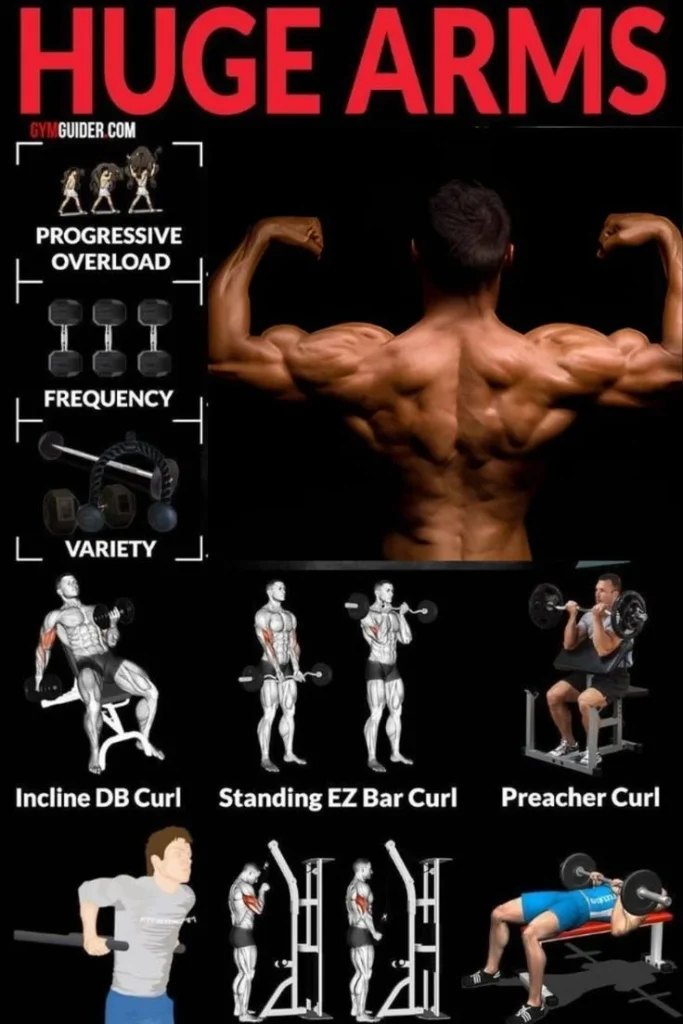
Effective arm day workout with isolation and compound exercises for biceps

Want to level up your arm day?

Level Up Your Arm Day

If you want bigger, stronger biceps, it isn’t about doing endless curls; it’s about choosing the right combination of compound and isolation moves, dialing in tempo and volume, and supporting recovery outside the gym. Before we dive in, consider whether your overall nutrition is supporting your goals; learning if you’re meeting your nutrient needs can change how fast you progress: check your nutrient strategy.

Why both compound and isolation matter

level up your arm day
  • Compound lifts (chin-ups, rows, pull-ups) recruit multiple muscles and let you handle heavier loads, which stimulates overall arm and back development and increases functional strength.
  • Isolation exercises (barbell curls, hammer curls, concentration curls) target the biceps more directly, allowing you to shape and fatigue the muscle after heavier compound work.
  • Using both types in the same session maximizes mechanical tension (from compounds) and metabolic stress / time under tension (from isolation), the two primary drivers of hypertrophy.

Core exercises to prioritize

  1. Chin-ups / assisted chin-ups — great for overall arm and lat strength; use varying grip widths.
  2. Barbell curl — classic mass-builder; allows heavier loading for progressive overload.
  3. Dumbbell hammer curl — targets the brachialis and brachioradialis to push the biceps up and make arms look thicker.
  4. Incline dumbbell curl — increases stretch on the long head of the biceps for fuller development.
  5. Cable curls or preacher curls — excellent for controlled tension through the entire range.

Tip: Alternate heavy compound-focused days with lighter, higher-volume isolation days to manage fatigue and ensure steady progress.

Programming tips that actually work

  • Frequency: Train biceps 2x per week if your recovery allows — one heavier day (6–8 rep range) and one moderate-to-high volume day (8–15 reps).
  • Sets: Aim for 8–16 total working sets per week for biceps (adjust by experience and recovery).
  • Progressive overload: Increase reps, sets, or weight gradually. Keep a simple log to track progress.
  • Exercise order: Start with compound moves while you’re fresh, then move to isolation work to finish with focused fatigue.

Form, tempo, and mind-muscle connection

  • Slow the eccentric (lowering) phase — a 2–4 second descent increases time under tension and muscle damage, which promotes growth.
  • Avoid swinging or using hip drive; strict form isolates the biceps and reduces injury risk.
  • Pause and squeeze at the top for a 1–2 second peak contraction. Visual focus on the biceps can improve neural recruitment.

Recovery, sleep, and supportive gear

Muscle growth happens between workouts. Prioritize sleep, adequate protein (roughly 1.6–2.2 g/kg bodyweight for many lifters), and progressive nutrition. Also, small practical details help: comfortable gym clothes and sleeves that support full range of motion can improve training consistency — find gear that suits your routine at apparel to fuel your odyssey.

Sample pair of arm workouts

Workout A (Strength-focused)

  • Chin-ups: 4 × 5–8
  • Barbell curls: 4 × 6–8
  • Hammer curls: 3 × 8–10

Workout B (Hypertrophy-focused)

  • Incline dumbbell curls: 4 × 8–12
  • Cable curls (rope or single-arm): 4 × 10–15
  • Preacher or concentration curls: 3 × 12–15

Alternate A and B across the week (e.g., Monday and Thursday), adjust based on recovery and overall program.

Common mistakes to avoid

  • Overusing momentum — reduces biceps stimulus and increases injury risk.
  • Neglecting triceps and forearms — balanced arm development improves aesthetics and strength.
  • Training too frequently without recovery — leads to stalled progress.
  • Chasing isolation only — neglecting compound lifts limits overall strength and mass gains.

Conclusion

To grow your biceps, combine heavy compound moves with focused isolation work, prioritize progressive overload and recovery, and fine-tune form and tempo. If you’re wondering whether pushing heavier weights is the right approach for you, read this guide: Is Lifting Heavier Weights Right for You? Discover the Truth! 💪🏻

Want to level up your arm day? Read More »

, , , ,
Debunking common myths about achieving a six pack

The Most Common Myths About the Six Pack You Need to Stop Believing

A defined six pack is a popular fitness goal, but the internet is full of half-truths and outright myths that make achieving it feel harder; or easier; than it really is. Before you waste time on ineffective routines or restrictive diets, it helps to separate marketing from reality. Along the way you’ll discover practical, science-backed choices that actually move the needle (including watching out for hidden diet pitfalls like the three food additives you should be worried about). Read on to learn the myths to stop believing and the sensible steps to take instead.

Myth 1 — You can “spot reduce” belly fat with targeted ab exercises

Fact: Fat loss doesn’t work that way. Doing thousands of crunches won’t make the fat above your abs disappear. Fat reduction happens systemically through a calorie deficit and consistent exercise. Targeted core work will strengthen and build the abdominal muscles, but their visibility depends on overall body fat.

What to do instead: Combine compound strength training, cardio or interval training, and a sensible calorie plan. Keep core work in your routine to build muscle and improve posture, but don’t expect it to magically remove belly fat.

Myth 2 — High reps and endless crunches are the key to a six-pack

Fact: Volume matters, but quality matters more. High-rep isolation work can build endurance in your abs, but the size and definition of your midsection respond best to progressive overload — just like any other muscle group.

What to do instead: Mix heavy compound lifts (that create metabolic demand) with progressive core variations: weighted planks, cable anti-rotation holds, hanging leg raises with added resistance. Aim for a range of loads and reps to build strength and hypertrophy.

Myth 3 — You need to be on a super-strict, miserable diet

Fact: Extreme restriction often produces short-term results that aren’t sustainable. A lean midsection comes from consistent dietary habits over time, not from crash diets. That said, what you eat matters: calorie balance and food quality influence body composition and energy for training.

What to do instead: Focus on a structured, sustainable nutrition plan that creates a modest calorie deficit, prioritizes protein, includes whole foods, and allows controlled treats so you can stick with it long-term. Also learn practical strategies for cravings and food environment—understanding why you crave sugary and processed foods can be a game-changer.

Myth 4 — Genetics decide whether you’ll ever have visible abs

Fact: Genetics affect fat distribution, muscle insertions, and how quickly you can get lean, but they’re not destiny. Most people can develop visible abs with the right combination of diet, training, and consistency; the final aesthetic may vary.

What to do instead: Focus on controllables — training consistency, nutrition, sleep, and stress management. Set realistic expectations based on your body type and celebrate progress that improves strength and health, not just appearance.

Myth 5 — Supplements are required to get a six-pack

Fact: Supplements like fat burners, fat-loss teas, or fancy pills are neither necessary nor magic. The fundamentals — caloric control, protein intake, and training — deliver results. Supplements can complement a solid plan (e.g., protein powder, creatine), but they won’t outwork poor habits.

What to do instead: Prioritize whole foods and sensible training. Use basic, evidence-backed supplements only if they help you meet dietary needs or training goals.

Myth 6 — Cardio alone will produce a flat stomach

Fact: Cardio can help create the calorie deficit needed for fat loss, but relying solely on steady-state cardio often leads to muscle loss and plateaus. Combining resistance training with cardio gives better body composition results and preserves lean mass.

What to do instead: Use a mix of resistance training, HIIT, and moderate-intensity cardio depending on your preferences and recovery capacity. Strength training protects muscle while you lose fat, improving the look of your midsection.

Practical roadmap — How to aim for visible abs sensibly

  • Nutrition: Aim for a moderate calorie deficit (about 10–20% below maintenance), prioritize protein (0.7–1.0 g/lb bodyweight), and include vegetables and whole foods for satiety and micronutrients.
  • Training: 3–5 days/week of strength training with targeted core work 2–3 times/week. Include progressive overload and compound lifts.
  • Cardio: Add 2–4 sessions/week depending on calorie needs and recovery — mix steady-state and intervals.
  • Recovery: Prioritize sleep, manage stress, and avoid chronic overtraining.
  • Patience: Expect gradual changes. Sustainable transformation takes weeks to months, not days.

Common pitfalls to avoid

  • Chasing quick fixes from social media influencers or extreme programs.
  • Ignoring sleep and stress, both of which impact fat loss hormones.
  • Overemphasizing abdominal isolation while neglecting total-body strength.
  • Falling for deceptive marketing on supplements and “magic” gadgets.

Conclusion

Getting a six-pack is less about gimmicks and more about consistent, evidence-based habits: a sustainable calorie strategy, progressive strength work, and recovery. If you want a deeper look at popular fitness claims and what actually holds up under scrutiny, check out this helpful resource: Debunking Common Fitness Myths: Get the Facts Straight!

Start by focusing on habits you can maintain long-term — the results will follow.

The Most Common Myths About the Six Pack You Need to Stop Believing Read More »

, , , ,
Transformation image showing weight-loss journey from 520 lbs to 158 lbs in 2 years

the best weight-loss ever From 520 lbs to 158 lbs. A 2 Years Transformation

best weight-loss story ever. I once weighed 520 pounds. Two years later I stepped on the scale at 158 pounds; a 362-pound change that reshaped my body, my health, and my life. That dramatic transformation didn’t happen overnight. It was the result of gradual habit changes, consistent nutrition, progressive training, and a mindset that refused to give up. Along the way I discovered practical strategies that any determined person can adapt to their own journey. For people looking for structured coaching on body-sculpting techniques, I found helpful resources like abs workout coaching and home routines that complemented my routine.

My starting point and goals to weight-loss

  • Starting weight: 520 lbs
  • Current weight: 158 lbs
  • Total lost: 362 lbs
  • Timeframe: ~2 years

This wasn’t about extreme restriction or dangerous shortcuts. The aim was sustainable change: steady calorie reduction, nutrient-dense meals, consistent activity, and patient progression. Below is an overview of how the routine was structured and the practical lessons learned.

Nutrition approach (what I actually ate)

  • Calorie target: A consistent daily calorie deficit tailored to my starting metabolic needs and adjusted as weight dropped. I tracked intake and progress weekly rather than obsessing daily fluctuations.
  • Protein focus: High-protein meals to preserve lean mass — lean meats, fish, eggs, legumes, and dairy or fortified plant alternatives.
  • Portion control + whole foods: Meals emphasized vegetables, whole grains or starchy vegetables in measured portions, healthy fats (avocado, olive oil, nuts) in moderation, and minimizing ultra-processed foods.
  • Meal frequency: Three main meals with 1–2 planned snacks, depending on training days and hunger. The structure helped avoid impulsive eating.
  • Hydration and fiber: Lots of water and fiber-rich foods to support digestion and satiety.

Exercise and progressive training

weight-loss-transformation-in-2-years
  • Start where you are: Early training emphasized low-impact, sustainable movement — walking, water aerobics, or stationary cycling — to build cardiovascular capacity without joint overload.
  • Strength training mattered: Building strength was crucial for metabolic health and body composition. I gradually introduced resistance work and bodyweight progressions. For those new to bodyweight training, routines like beginner calisthenics programs are a good blueprint to follow and adapt.
  • Progressive overload: I increased intensity and volume slowly — more reps, more sets, or heavier resistance over months, not days.
  • Recovery and mobility: Focused recovery days with mobility work, stretching, and sleep optimization to prevent setbacks.

Sample daily structure (conceptual)

  • Breakfast: Protein + whole grain + vegetable/fruit
  • Mid-morning: Light snack if needed (Greek yogurt, a piece of fruit, or a small handful of nuts)
  • Lunch: Large salad or cooked vegetables + lean protein + controlled starch portion
  • Afternoon: Movement break or short walk; small protein snack if training later
  • Dinner: Balanced plate with veggies, protein, and a modest healthy fat
  • Evening: Hydration and restful routine; no late-night heavy eating

Behavioral strategies that mattered

  • Small wins compound: Celebrating non-scale victories (improved energy, clothing fit, mobility) kept motivation alive.
  • Consistency over perfection: Missed workouts or indulgent meals happened. The priority was getting back on track rather than guilt.
  • Accountability and support: Family, friends, or community groups provided encouragement and practical help. Professional input from nutritionists, trainers, or medical providers made a big difference.
  • Tracking and adjustments: I tracked weight, measurements, and how clothes fit, and adjusted calories and training when progress slowed.

Common challenges and solutions

  • Plateaus: When weight loss stalled, I reviewed intake, increased non-exercise movement, or altered training intensity before cutting calories further.
  • Mental fatigue: Switching up activities (hiking, swimming, group classes) and scheduling rest weeks helped avoid burnout.
  • Loose skin and body changes: Surgery is an option some choose; for many, strengthening the underlying musculature and focusing on function improved confidence even with remaining loose skin. Medical consultation is important.

Safety and medical considerations

A transformation of this scale involves medical risk. Anyone contemplating substantial weight loss should consult healthcare providers to monitor metabolic health, nutrient needs, and potential medical or surgical options. Rapid changes require professional oversight.

Full meal plan

This article summarizes the nutritional approach rather than listing every meal. The full detailed meal plan I followed (macros, portion sizes, and daily examples) is available in the comment associated with the original account. Use any full plan as a template, then personalize it to your needs and medical guidance.

Final notes

Sustainable transformation combines realistic nutrition, consistent progressive training, psychological resilience, and ongoing medical supervision. Two years of steady effort changed my life. The goal is lasting health, not just a number on the scale.

Conclusion

If you want practice problems or structured exercise solutions to help build a disciplined study or training routine, see this helpful resource: 4 Solutions to Exercises.

the best weight-loss ever From 520 lbs to 158 lbs. A 2 Years Transformation Read More »

, , , ,
Person performing lat pulldowns to strengthen back muscles

Unlock the power of lat pulldowns for a stronger back!

Lat pulldowns are a fundamental back-builder;  ideal for anyone chasing a wider V-shape, better posture, and stronger pulling power. Whether you’re new to the gym or refining your routine, this quick guide breaks down the key benefits, smart technique tips, and a simple sample set to get immediate results.

Unlock the power of lat pulldowns for a stronger back! 💪 Here's a quick dive into the benefits and tips to get the most out of this exercise.
Benefits:Builds wide lats for that coveted V-shaped bac...

Introduction

  • Why lat pulldowns matter: They target the latissimus dorsi, reinforce scapular control, and transfer to improved performance in rows, pull-ups, and daily pulling tasks.
  • For balanced development, combine lat work with leg and lower-body training; check this Bulgarian split squat alternatives guide when planning full-body cycles.

Benefits

  • Wider lats and that V-taper: Lat pulldowns emphasize the outer fibers of the lats to broaden the back.
  • Strength and stability: Improved scapular retraction and shoulder extension for safer heavy lifts.
  • Scalable for all levels: Use lighter weight and higher reps or heavier weight for strength gains.
  • Posture improvement: Strengthening lats and upper back counters slouching from desk work.

How to perform an effective lat pulldown

  1. Setup: Sit tall, feet flat, chest lifted, knees secure under pads. Grip width matters; a slightly wider than shoulder-width grip emphasizes outer lats.
  2. Movement cue: Lead with your elbows, pull down to the upper chest while retracting your shoulder blades; avoid pulling with your hands or leaning back excessively.
  3. Tempo: 2 seconds down (concentric), 1–2 second squeeze at the bottom, 2–3 seconds controlled return.
  4. Rep ranges: 8–12 for hypertrophy, 5–8 for strength (heavier), 12–15+ for endurance or technique work.

Common mistakes to avoid

  • Using momentum: Excessive leaning or swinging removes tension from the lats.
  • Pulling to the stomach: Pull to the upper chest to maintain ideal lat activation.
  • Over-gripping: A death grip shifts work to forearms; focus on elbows driving the movement.
  • Skipping scapular retraction: Initiate each rep by pulling the shoulder blades down and together.

Programming tips

  • Frequency: 2x per week for most lifters; pair one heavier, lower-rep session with one higher-rep volume day.
  • Variation: Rotate grips (wide, neutral, underhand) to hit fibers differently and reduce joint strain.
  • Accessory pairing: Follow lat pulldowns with single-arm rows or face pulls to balance thickness and rear deltoid health; see advanced back routines like Damien Patrick’s Olympia back workout for ideas to progress width and thickness.

Sample lat-focused mini-workout

  • Warm-up: 5–8 minutes light cardio + band pull-aparts (2 sets of 15).
  • Lat pulldown: 4 sets; 12, 10, 8, 8 (increase weight as reps drop).
  • Single-arm cable row: 3 sets of 10–12 each side.
  • Straight-arm pulldown: 3 sets of 12–15 for lat stretch and finish.

Unlock the power of lat pulldowns for a stronger back! 💪 Here's a quick dive into the benefits and tips to get the most out of this exercise.
Benefits:Builds wide lats for that coveted V-shaped bac...

Conclusion

Want more movement ideas to build a toned back? Try these 4 Dumbbell Row Variations for a Toned Back to complement your lat pulldowns and accelerate width and detail.

Unlock the power of lat pulldowns for a stronger back! Read More »

, , , ,
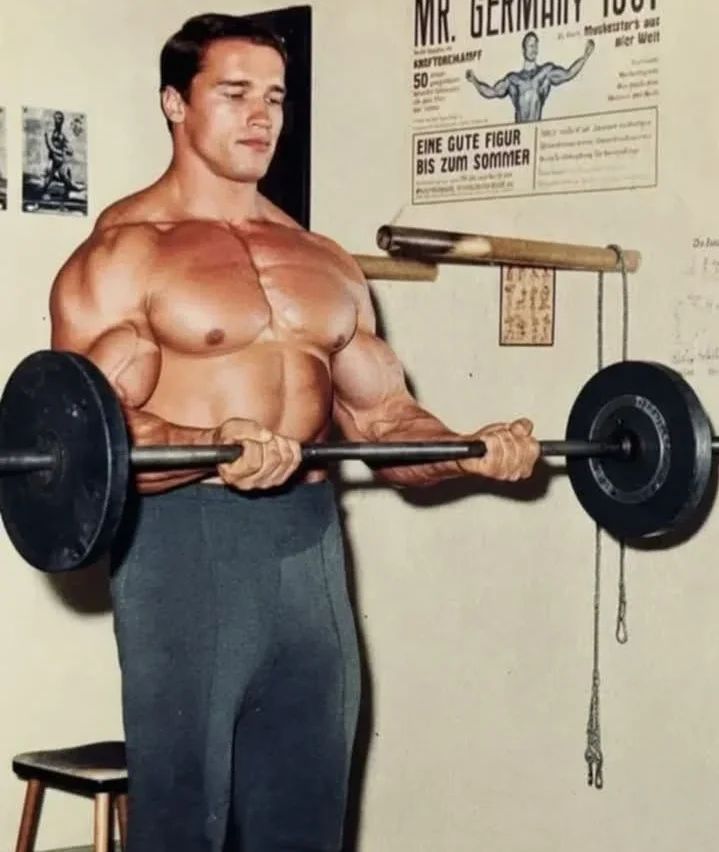
Arnold Schwarzenegger exemplifies strengths through struggle in bodybuilding.

Strengths does not come from winning. It comes from the struggle.

“Strengths does not come from winning. It comes from the struggle. When you go through hardship and decide not to surrender, that is strengths.” ;This idea, popularized by icons like Arnold Schwarzenegger, captures a universal truth: resilience is forged in pressure, not in easy victories.

In daily life, the choices we make; what we eat, how we rest, and how we respond, shape our capacity to endure. If you’re curious about how everyday decisions influence long-term resilience, consider how simple lifestyle choices like diet quality affect recovery and performance; for a practical look at the differences between food systems, see this piece on organic vs. non-organic choices and their journey from farm to fork.

The Nature of Strengths

Strengths isn’t only physical. It’s mental, emotional, and behavioral. When someone wins a competition, observers often see only the final score. What they don’t see are the sleepless nights, repeated failures, and course corrections that came before. That accumulation of small, difficult experiences; setbacks, pain, humility; creates a deeper durability than any single triumph ever could.

Key elements that define strengths:

  • Repeated exposure to challenge (progressive overload for the mind as well as the body)
  • Conscious choices to persist rather than retreat
  • Learning and adapting after each setback

This process mirrors how muscles grow: stress causes microdamage, and rest plus nutrition rebuilds tissue stronger than before.

How Struggle Builds Strengths

Strengths does not come from winning. It comes from the struggle.

Struggle teaches useful habits. When confronted with difficulty, you develop problem-solving routines, grit, and a tolerance for discomfort. These habits then compound over time: each tough episode becomes evidence you can handle the next one. Practically:

  • Break large obstacles into smaller, solvable steps.
  • Treat failures as data, not identity.
  • Celebrate small wins to keep motivation steady.

Importantly, choosing to face hardship doesn’t mean seeking unnecessary suffering—it means committing to growth when pain is a likely byproduct. This perspective shifts the narrative from “avoiding pain” to “optimizing the path to resilience.”

Nutrition, Recovery, and Practical Support

Building strengths requires fuel. Recovery and adaptation rely on proper nutrition and rest, which makes dietary strategy a practical pillar of resilience. If you consistently push your limits—physically or mentally—you need to support repair processes. One straightforward way to do that is by making protein a reliable part of every meal and snack. For easy, actionable tips on how to boost protein throughout your day, check out this guide on how to increase your protein intake.

Other recovery basics:

  • Prioritize sleep quality and duration
  • Include anti-inflammatory foods and adequate hydration
  • Use progressive rest days—active recovery rather than complete inactivity

When these foundations are in place, the body and mind can translate struggle into durable strengths rather than chronic wear and tear.

Applying the Lesson: Small Steps That Lead to Big Gains

You don’t need dramatic overhauls to build resilience. Aim for consistent, modest improvements:

  • Pick one uncomfortable habit—cold showers, early starts, or a difficult conversation—and practice it regularly.
  • Track setbacks and identify a single lesson from each one.
  • Support your body with simple nutrition and recovery habits so setbacks become learning opportunities, not breakdowns.

Over months and years, these micro-choices accumulate into a level of stamina and composure that feels effortless from the inside but is grounded in deliberate struggle.

Conclusion

True strengths is earned in the trenches of everyday challenge. By reframing struggle as growth, supporting your body with smart recovery and nutrition, and treating setbacks as steps rather than stops, you cultivate a resilient life—one in which not surrendering becomes your default response.

Strengths does not come from winning. It comes from the struggle. Read More »

, , , ,
Strength and confidence derived from overcoming struggles and challenges.

Confidence through Victory, Strength through Struggle

Confidence comes from victory, but strength comes from the struggle.” 💪
Forged under the sun, shaped by iron; this is what belief looks like.

Introduction of struggle

Victory rewards us with confidence, but victories are built on countless small battles: early mornings, extra reps, disciplined meals, and the mental grit to continue when progress stalls. Part of that process is learning how to develop the foundational power that carries you through setbacks — for example, targeted core work like the band twist core strength techniques that stabilize every other movement and make harder goals attainable.

The forge of physical training

When you train consistently, the body adapts to stress. Iron plates and heavy bars teach technique and resilience; slow progress trains patience. The “golden era” approach emphasizes quality over quantity: controlled lifts, proper breathing, and mindful tension. Strength gained this way is durable because it’s earned through methodical struggle, not flashy shortcuts.

Beyond the gym: challenge as teacher

True strength is more than muscle. It’s forged by situations that test patience, endurance, and resolve — long hikes in unpredictable terrain, cold mornings that demand discipline, or retreats that reset perspective. Immersive experiences like hiking retreats remind you that struggle can be nourishing: you return not only fitter, but clearer-minded and more confident in your ability to handle life’s climbs.

Practical habits that convert struggle into strength

  • Embrace progressive overload: increase challenge gradually so victories arrive regularly.
  • Prioritize recovery: sleep, mobility work, and consistency prevent setbacks from derailing progress.
  • Set process goals: focus on actions (training days completed, technique targets) rather than only results.
  • Build mental reps: practice discomfort in small doses so greater challenges feel manageable.

A final thought

Confidence will follow when you collect wins; strength will follow when you welcome the hard work that makes those wins possible. Keep showing up, lift with purpose, and let the daily struggles sculpt a stronger you.

Confidence through Victory, Strength through Struggle Read More »

, , , ,
Illustration of a bodybuilder facing common struggles in fitness and nutrition.

14 Things every Bodybuilder Struggles with in Life 😅😅⬇️⬇️

14 Things Every Bodybuilder Struggles With in Life (and How to Survive Them) 😅😅⬇️⬇️

Intro
Being a bodybuilder is equal parts discipline, sculpting, and everyday absurdity. Between meal prep, training cycles, and trying to look composed while your shirt refuses to cooperate, there are some universal struggles most lifters know all too well. If hitting your macros feels like navigating a maze, these practical ideas — like these 10 easy ways to increase your protein intake with every meal and snack — can make life a lot smoother.

  1. Social events vs. macros
    Invitations to dinner, birthdays, or potlucks suddenly become strategic operations. You either awkwardly explain your food plan or bring Tupperware like you’re smuggling gains.

  2. The perpetual bulk vs. cut dilemma
    Deciding whether to climb higher on the scale or reveal those gains is emotionally draining. Your jeans and mirror often disagree.

  3. Clothes that don’t fit right
    Finding shirts and suits that fit broad shoulders and small waists is an art form. Tailors are your unsung heroes.

  4. Getting judged for “just lifting”
    People assume “lifting” = vanity. Explaining hypertrophy, health benefits, and injury prevention usually takes longer than a set superset.

  5. Meal prep takes over your weekend
    Cooking for a week is satisfying — until you realize you’re eating chicken and rice for the tenth time in a row. Variety hack: rotate sauces and spices.

  6. Arm-day expectations vs. reality
    Everyone expects your biceps to be peak material every week. When arms lag, the comments start. Practical training tweaks (like focusing on getting bigger biceps with dumbbells) actually help more than random isolation exercises.

  7. Always being “on” for photos
    Relaxing on vacation and not taking a selfie that screams “cut season” is nearly impossible. Social media pressure is real.

  8. Injuries and nagging pains
    From tendinitis to lower back twinges, small injuries can derail weeks. Smart programming and rest are often the best medicine.

  9. Sleep — the overlooked gain
    You can out-plan your diet and crush workouts, but skimp on sleep and everything suffers: strength, mood, recovery.

  10. The mirror vs. the scale lie
    Muscle gain and fat loss move differently. A flat measurement can hide huge progress in strength or body composition.

  11. Supplement overwhelm
    Between protein powders, creatine, BCAAs, and dozens of fanciful jars, it’s easy to waste money chasing the newest miracle. Stick to basics first.

  12. Travel and training logistics
    Hotel gyms with one cable machine and two dumbbells don’t respect your plan. Learning to adapt with bodyweight or minimal equipment workouts is a survival skill.

  13. Meal timing weirdness
    Eating a heavy meal before cardio or leaving the gym starving after a hard session — timing matters, but life doesn’t always cooperate.

  14. Mental burnout and motivation dips
    Training consistently over months and years takes mental energy. Recognizing burnout and employing deloads, mini-goals, or hobby breaks keeps the fire lit.

Quick fixes and small wins

  • Prep flexible meals (mix-and-match components) so repetition doesn’t kill your vibe.
  • Prioritize sleep and hydration as non-negotiables.
  • Track progress with photos and strength numbers, not just the scale.
  • Learn to say “I’ll have the grilled option” at restaurants politely — you don’t need to explain your whole plan.
  • When a muscle lags, review technique, frequency, and targeted accessory work rather than doubling reps the next session.

Conclusion

Bodybuilding is as much about lifestyle management as it is about lifting. One often-overlooked area is pelvic and core health, which supports heavy lifts, improves stability, and helps prevent long-term issues — for practical guidance, check out these pelvic floor fitness resources: Connect Pelvic Floor Fitness.

14 Things every Bodybuilder Struggles with in Life 😅😅⬇️⬇️ Read More »

, , , ,
A fitness trainer demonstrating effective ab exercises for a stronger core.

The 5 Best Ab Exercises, According to Science⬇️⬇️

The 5 Best Ab Exercises, According to Science

A strong core improves posture, reduces back pain, and boosts performance in almost every sport and daily activity. Scientists assess abdominal exercises by measuring muscle activation (EMG), movement quality, and functional carryover — and some movements consistently come out on top. If you want efficient, evidence-based choices, start with these five.

If you’re new to structured core training or want male-specific progressions, see this guide on ab workouts for men for sample routines and progressions.

  1. Plank (and Progressions)
  • Why it works: Planks develop core endurance and anti-extension control across the rectus abdominis, transverse abdominis, and obliques without excessive spinal flexion.
  • How to do it: Keep a straight line from head to heels, engage glutes and ribs-down, breathe steadily. Hold on forearms or hands.
  • Progressions: Add single-leg lifts, shoulder taps, or move to weighted/plank-to-push-up variations.
  • Programming: 3–4 sets of 20–90 seconds depending on ability.
  1. Ab Wheel Rollout (or Rollouts from Knees)
  • Why it works: Rollouts produce high rectus abdominis activation and challenge anti-extension strength in a dynamic pattern. EMG studies show strong recruitment when performed correctly.
  • How to do it: From knees (or standing for advanced), roll the wheel forward with a neutral spine until you hit your stability limit, then retract without sagging the low back.
  • Cues: Keep hips tucked slightly, avoid overarching; stop short of loss of form.
  • Programming: 3–5 sets of 6–12 controlled reps.
  1. Hanging Leg Raise (or Captain’s Chair)
  • Why it works: Targets the lower rectus abdominis and hip flexors; variations can emphasize pelvic tilt and lower-ab control, which is often neglected in standard crunches.
  • How to do it: Hang from a bar, keep the torso stable, lift legs with a controlled pelvic tilt. Progress from bent knees to straight-leg raises.
  • Programming: 3–4 sets of 8–15 reps.
  1. Bicycle Crunch
  • Why it works: Among common crunch variations, the bicycle produces high rectus and oblique activation due to combined trunk flexion and rotation, making it efficient for abdominal development.
  • How to do it: Lie on your back, hands lightly behind your head, cycle opposite elbow to knee with controlled tempo — avoid pulling on the neck.
  • Programming: 3–4 sets of 20–40 total reps (10–20 per side), focusing on quality over speed.
  1. Pallof Press (Anti-Rotation Cable/Band Press)
  • Why it works: Core stability isn’t just about generating movement — resisting rotation is equally important. The Pallof press builds anti-rotational strength in the obliques and deeper stabilizers with low spinal load.
  • How to do it: Stand perpendicular to a cable or band anchored at chest height, press the handle straight out and hold/slowly return while resisting rotation.
  • Programming: 3–4 sets of 8–15 reps per side, or tall-kneel variations for progression.

Programming Tips (Putting It Together)

  • Frequency: Train core 2–4 times per week. Mix endurance (planks) with dynamic strength (rollouts, hanging leg raises) and anti-rotation work (Pallof).
  • Volume: Choose 2–4 exercises per session: one plank/hold, one dynamic flexion/rollout, one anti-rotation, and an accessory rotational movement or bicycle crunches.
  • Form over reps: High EMG doesn’t help if the movement is done poorly. Progress by improving control and increasing load or range.
  • Recovery: Core muscles recover relatively quickly but require progressive overload like any other muscle group.

Pairing Core Work with Full-Body Training
A strong core supports heavy lifts and leg work, so pair abdominal sessions with lower-body training for better transfer. If you want leg-focused options that reduce balance demands while still building strength, check this set of Bulgarian split squat alternatives. Pairing compound leg work with targeted core exercises enhances overall stability and athleticism.

Common Mistakes to Avoid

  • Overemphasizing flexion: Too many crunches can stress the spine; mix with anti-extension and anti-rotation work.
  • Using momentum: Especially on rollouts and hanging raises, control matters more than range.
  • Ignoring breathing: Breath control (exhale on effort) helps maintain intra-abdominal pressure and spinal support.
  • Neglecting progressive overload: Increase difficulty via reps, tempo, range, added weight, or harder variations.

Sample 20–30 Minute Core Session (Intermediate)

  • Plank: 3 x 60 seconds (30–60s rest)
  • Ab wheel rollout: 4 x 8–10 reps
  • Pallof press: 3 x 12 reps per side
  • Hanging knee-to-chest raises: 3 x 12–15 reps
  • Bicycle crunches: 3 x 30 seconds (light tempo, controlled)

Conclusion

Choosing the most effective ab exercises comes down to movement quality, balanced programming, and progressive overload. For a supportive group fitness environment in Boston focused on core strength and full-body conditioning, consider visiting Barre Groove: Boston’s Best Fitness Studio for Women | Cardio You to explore classes that integrate core stability with cardio and strength training.

The 5 Best Ab Exercises, According to Science⬇️⬇️ Read More »

, , , ,
A fit person demonstrating 5 essential back moves for a stronger back workout.

5 Must-Do Back Moves to Build A Massive Back👇👇

5 Must-Do Back Moves to Build a Massive Back

A powerful, wide, and thick back is one of the best indicators of full-body strength and athleticism. Whether your goal is to look impressive in a T-shirt, improve deadlift numbers, or prevent injury, these five foundational moves should be the backbone of your training. For balanced development, pair your back days with smart lower-body work such as these 5 Bulgarian split squat alternatives to build stronger legs without the balance struggle.

Below are the five essential exercises, how to perform them correctly, programming suggestions, and common mistakes to avoid.

1) Deadlift (Conventional / Trap Bar)

Why: The deadlift is a whole-posterior-chain builder—low back, erectors, lats, traps, glutes, and hamstrings all get stronger.

How to cue it:

  • Setup with feet hip-width, grip just outside legs.
  • Brace your core, pull lats down and back, and drive through the heels.
  • Keep a neutral spine and push the floor away rather than pulling the bar.

Programming:

  • Strength focus: 3–6 sets of 3–6 reps with heavy loads.
  • Hypertrophy: 3–4 sets of 6–10 reps with slightly lighter, controlled reps.

Common mistakes:

  • Hips rising too fast into a stiff-legged position.
  • Rounded upper back—pull the shoulder blades down to protect the spine.
  • Letting the bar drift away from the shins.

If you want a structured way to practice heavy pulls, try a dedicated protocol like the 15-minute heavy deadlift EMOM workout to build strength fast to build consistency under load.

2) Bent-Over Barbell Row (or Chest-Supported Row)

Why: Rows add thickness to the mid-back and reinforce horizontal pulling strength that balances pressing work.

How to cue it:

  • Hinge at the hips, keep a flat back, and pull the bar toward your lower rib cage.
  • Lead with the elbows and squeeze the shoulder blades together at the top.

Programming:

  • 3–5 sets of 6–12 reps for size and strength.
  • Use chest-supported rows if lower-back fatigue limits your ability to maintain position.

Common mistakes:

  • Using excessive torso momentum.
  • Dominating the movement with the arms instead of lats and scapular retraction.

3) Pull-Ups / Chin-Ups

Why: Bodyweight vertical pulling builds wide lats and functional strength. Changing grip width and hand orientation shifts emphasis across the back and biceps.

How to cue it:

  • Start from a full hang, initiate by pulling the chest toward the bar, and avoid shrugging the shoulders up.
  • Control the descent on the way down.

Programming:

  • Strength: weighted pull-ups, 3–6 sets of 3–6 reps.
  • Hypertrophy: bodyweight or assisted, 3–4 sets of 6–15 reps.

Common mistakes:

  • Kipping unless intentionally training for it.
  • Partial reps—aim for full range of motion.

4) Single-Arm Dumbbell Row (or One-Arm Cable Row)

Why: Unilateral work corrects left-right imbalances, improves lat shape, and allows full contraction at the top of the movement.

How to cue it:

  • Keep a braced torso, pull the elbow back and slightly up, and rotate the shoulder blade into the spine.
  • Pause and squeeze at the top for 1–2 seconds.

Programming:

  • 3–4 sets of 8–15 reps per side.
  • Use heavier sets for strength and higher reps for time under tension.

Common mistakes:

  • Twisting the torso to cheat.
  • Letting the shoulder hike—keep it down and active.

5) Face Pulls / Rear Delt Band Work

Why: The small muscles of the upper back and rear delts improve posture, shoulder health, and the upper-thickness of the back—important for aesthetics and injury prevention.

How to cue it:

  • Pull the rope or band toward your face with elbows high, externally rotating at the finish.
  • Focus on scapular retraction and posterior shoulder activation.

Programming:

  • 3–4 sets of 12–20 reps with controlled tempo.
  • Use as a finisher for back or upper-body days.

Common mistakes:

  • Using too heavy a load that turns the movement into a row.
  • Letting the head jut forward—keep neutral alignment.

Programming Template (Simple Week)

  • Day 1 (Heavy): Deadlift variant 4×4, Bent-over row 4×6, Face pulls 3×15
  • Day 2 (Volume/Width): Pull-ups 4×8, Single-arm rows 4×10, Rear-delt work 3×15
  • Swap in variations weekly (e.g., trap-bar deadlift, chest-supported rows) and prioritize progressive overload.

Recovery and Injury Prevention

  • Warm up with banded pull-aparts, light rows, and hip-hinge drills.
  • Maintain thoracic mobility to support a strong, safe pulling position.
  • Address residual soreness with mobility, foam rolling, and targeted recovery work.

Conclusion

If heavy pulling ever leaves your lower back sore or stiff, follow these practical 5 Steps to Treat Lower Back Pain from Deadlifts to recover safely and get back to building a massive back.

5 Must-Do Back Moves to Build A Massive Back👇👇 Read More »

, , , ,
Person experiencing symptoms of stress and fatigue, encouraging rest.

If you notice you have two or more of these symptoms, it’s time to back off and take some time to rest⬇️⬇️

If you notice you have two or more of these symptoms, it’s time to back off and take some time to rest⬇️⬇️.

Introduction
Many of us push through fatigue, soreness, and low motivation thinking we’re just having an off day. But when several warning signs cluster together, your body is telling you it needs recovery. Small changes in how you rest, eat, and move can rapidly reverse the trend. Nutrition plays a role in recovery — for practical ideas on boosting recovery-friendly meals, check out this guide to increasing protein at every meal and snack: 10 Easy Ways to Increase Your Protein Intake With Every Meal and Snack.

Common signs you need to rest
If you have two or more of the following symptoms, intentionally stepping back for a few days is wise.

  • Persistent, heavy fatigue — not relieved by a single night’s sleep. You feel drained throughout the day.
  • Trouble sleeping or insomnia — sleep becomes fragmented or you lie awake worrying.
  • Loss of motivation or decreased enjoyment in activities you normally like.
  • Persistent muscle soreness or joint pain lasting longer than usual after workouts.
  • Drop in performance — workouts feel harder, times are slower, or you can’t lift what you usually do.
  • Elevated resting heart rate or palpitations — a sign your nervous system is stressed.
  • Brain fog, poor concentration, or memory lapses.
  • Frequent minor illnesses, like colds, or slow healing of cuts and scrapes.
  • Appetite changes or unexpected weight loss/gain.
  • Mood swings, increased irritability, or low mood.

Why symptoms cluster
These signs are connected. Chronic stress (from work, poor sleep, hard training, or life events) taxes the nervous and immune systems and disrupts hormonal balance. Rather than treating each symptom separately, it helps to see them as parts of a systemic overload that will usually improve with coordinated rest and lifestyle adjustments.

How to back off effectively

  • Prioritize sleep: Aim for consistent bed and wake times, create a wind-down routine, and remove screens at least 30–60 minutes before bed. Short naps (20–30 minutes) can help without disrupting nighttime sleep.
  • Scale down training: Replace intense sessions with low-impact activities like walking, gentle cycling, or mobility work. Use active recovery days instead of hard efforts. If you want ideas for low-impact core work or altered movement patterns, this tutorial on building core strength can help: Band Twist: How to Build Core Strength.
  • Manage stress: Add brief daily practices — 5–10 minutes of breathing exercises, mindfulness, or light stretching. Even a short walk outdoors reduces cortisol and resets focus.
  • Eat for recovery: Prioritize protein, colorful fruits and vegetables for micronutrients, and steady carbohydrate intake around activity to support repair and glycogen replenishment. Hydration and limiting alcohol help too.
  • Reduce stimulants: Cut back on caffeine late in the day and avoid energy drinks that can mask fatigue and disrupt sleep.
  • Plan purposeful rest: Schedule 2–7 days of lower load depending on severity. For athletes, 1–3 complete rest days followed by a week of lower-intensity training often restores balance.

When symptoms are red flags
Most tiredness improves with rest and basic self-care. Seek medical evaluation if you experience:

  • Unexplained lumps (particularly in the neck, underarm, or groin), persistent fever, drenching night sweats, or unintentional weight loss.
  • Shortness of breath, chest pain, fainting spells, or rapidly worsening symptoms.
    These could indicate conditions beyond overtraining or stress and warrant timely assessment by a healthcare professional.

Practical mini-plan for a 5–7 day reset
Day 1–2: Prioritize rest and sleep. Stop intense exercise. Focus on hydration and protein-rich meals.
Day 3–4: Add gentle movement: short walks, mobility work, light strength with high reps and low load.
Day 5–7: Reintroduce moderate training if symptoms have eased; keep intensity low and monitor heart rate and perceived exertion.
If symptoms persist or worsen at any point, contact your healthcare provider.

Final tips
Listen to your baseline: what’s “normal” for you in energy, sleep, and mood. Track a few markers (sleep hours, resting heart rate, subjective fatigue) for a week to spot trends. Recovery isn’t weakness — it’s an investment that prevents injury, illness, and burnout.

Conclusion

If you have persistent lumps, night sweats, or other unexplained symptoms alongside fatigue, it’s important to learn more and seek medical advice. For reliable information on symptoms that may require evaluation, review this resource on Non-Hodgkin Lymphoma: Symptoms, Types & Treatment.

If you notice you have two or more of these symptoms, it’s time to back off and take some time to rest⬇️⬇️ Read More »

, , , ,
Simple oat and banana cake recipe using oats and ripe bananas

Jednoduchá buchta z ovesných vloček a banánů👇 Ingredience: 2 větší zralé banány 200 g ovesných vloček (můžeš použít jemné i klasické) 2 vejce 1 lžička prášku do pečiva 1…

Simple Oat and Banana Cake

Looking for a quick, wholesome baked treat that uses just a few pantry staples? This easy oat-and-banana cake is moist, naturally sweet, and ready in under an hour. It makes a great breakfast, snack, or even a pre- or post-workout bite — especially if you need fuel for a tough quad-focused leg day.

Ingredients

  • 2 large ripe bananas, mashed
  • 200 g rolled oats (fine or regular)
  • 2 eggs
  • 1 teaspoon baking powder
  • 1–2 tablespoons honey or maple syrup (optional, depending on sweetness of bananas)
  • 1 teaspoon cinnamon (optional)
  • Pinch of salt
  • 1–2 tablespoons milk (dairy or plant) if batter seems too thick
  • Optional add-ins: a handful of nuts, dark chocolate chips, or berries

Method

  1. Preheat oven to 180°C (350°F). Grease a small loaf pan or line it with parchment paper.
  2. In a bowl, mash the bananas until smooth. Stir in the eggs and sweetener (if using).
  3. Add the oats, baking powder, cinnamon, and a pinch of salt. Mix until combined. If the mixture feels dry, add 1–2 tablespoons of milk. Fold in any optional add-ins.
  4. Pour the batter into the prepared pan and smooth the top.
  5. Bake for 25–35 minutes, until the top is golden and a toothpick inserted in the center comes out mostly clean. Baking time will vary depending on the pan size and oven.
  6. Let cool for 10 minutes, then slice and serve warm or at room temperature.

Variations and Serving Ideas

  • For a fluffier texture, pulse the oats briefly in a food processor before mixing.
  • Make muffins instead of a loaf — bake for 15–20 minutes.
  • Top slices with nut butter, Greek yogurt, or a smear of ricotta and a drizzle of honey.
  • Stir in protein powder for an extra boost if you want a more filling post-workout snack.

Nutrition & Tracking Tips

This cake is largely whole-food based and can fit into many eating plans, but remember that weight and body composition tracking can be affected by many factors. If you weigh yourself regularly while adjusting portion sizes or ingredients, it’s helpful to understand why your weight fluctuates daily so you don’t over-react to normal short-term changes.

Storage

  • Store cooled slices in an airtight container in the fridge for up to 4 days.
  • Freeze individually wrapped slices for up to 3 months; thaw in the microwave or at room temperature.

Conclusion
Simple, adaptable, and nutritious, this oat-and-banana cake is a great go-to for busy mornings or quick snacks. Enjoy it plain or dress it up depending on your mood and needs.

Jednoduchá buchta z ovesných vloček a banánů👇 Ingredience: 2 větší zralé banány 200 g ovesných vloček (můžeš použít jemné i klasické) 2 vejce 1 lžička prášku do pečiva 1… Read More »

, , , ,
Fresh borůvky on a wooden table showcasing their health benefits and antioxidant properties

Zdravotní přínosy borůvek👇 Silný antioxidační efekt Borůvky obsahují velké množství antioxidačních látek, zejména anthocyaninů, které pomáhají bojovat proti volným radikálům…

Health Benefits of Blueberries

Blueberries are often praised not just for their delightful taste, but also for their remarkable health benefits. Among the array of advantages, one of the most significant is their strong antioxidant effect.

Strong Antioxidant Effect

Blueberries are rich in antioxidants, particularly anthocyanins, which are responsible for their vibrant color and numerous health properties. Antioxidants play a crucial role in protecting our bodies from free radicals—unstable molecules that can cause cell damage and contribute to chronic diseases, including cancer and heart disease.

The Role of Anthocyanins

Anthocyanins are a type of flavonoid that not only gives blueberries their characteristic hue but also enhances their nutritional profile. Research has shown that the high levels of anthocyanins in blueberries can help reduce inflammation, lower blood pressure, and improve overall cardiovascular health.

Benefits Beyond Antioxidants

In addition to their antioxidant properties, blueberries are packed with vitamins and minerals that contribute to overall health:

  • Vitamin C: Supports the immune system and helps the body absorb iron.
  • Vitamin K: Essential for proper blood clotting and bone health.
  • Fiber: Aids digestion and helps maintain a healthy weight by keeping you feeling full.

Incorporating Blueberries into Your Diet

Adding blueberries to your diet is both easy and delicious. They can be enjoyed in various ways, including:

  • Blending them into smoothies.
  • Sprinkling them over yogurt or oatmeal.
  • Adding them to salads for a sweet and nutritious kick.
  • Baking them into muffins or pancakes.

Conclusion

In summary, blueberries are not just a tasty treat; they are a powerhouse of health benefits. With their strong antioxidant properties and nutrient-rich profile, incorporating blueberries into your diet can play a significant role in promoting overall well-being. So, next time you’re looking for a healthy snack, remember to grab a handful of these little blue gems!

Zdravotní přínosy borůvek👇 Silný antioxidační efekt Borůvky obsahují velké množství antioxidačních látek, zejména anthocyaninů, které pomáhají bojovat proti volným radikálům… Read More »

, , , ,
Ovocná miska with oats, yogurt, bananas, and berries for a healthy breakfast.

🥣 Ovesná miska s jogurtem, ovocem a ořechy👇 Ingredience (1 porce): 4 lžíce ovesných vloček 150 g bílého jogurtu (ideálně řecký) 1 banán nebo hrst lesního ovoce 1 lžíce chia semi…

Oat Yogurt Bowl with Fruit and Nuts — a simple, nutritious breakfast

This oat bowl is a quick, delicious way to start the day: creamy yogurt, hearty oats, fresh fruit and crunchy nuts. It’s easy to prepare in the morning or the night before, and it makes a great pre- or post-workout snack for people with busy schedules — especially if you’re juggling workouts and family life and need ideas like quick workout strategies for busy parents to fit training into a packed day.

Why this works: oats provide slow-release carbs, yogurt supplies protein and probiotics, fruit adds vitamins and natural sweetness, chia seeds and nuts give fiber, healthy fats and texture. Together they keep you full and energized.

Ingredients (1 serving)

  • 4 tablespoons rolled oats (about 30–40 g)
  • 150 g plain yogurt (Greek yogurt is ideal for extra creaminess and protein)
  • 1 banana (sliced) or a handful of mixed berries
  • 1 tablespoon chia seeds
  • 1 tablespoon chopped nuts (walnuts, almonds, or hazelnuts)
  • 1 teaspoon honey or maple syrup (optional)
  • Pinch of cinnamon or vanilla extract (optional)

Method — 3 easy ways

  1. Overnight (no-cook, prep ahead)

    • In a jar or bowl, combine oats, yogurt, chia seeds and a drizzle of honey. Stir well, cover and refrigerate overnight. In the morning, top with sliced banana or berries and chopped nuts.
  2. Quick-mix (ready in 5 minutes)

    • Stir oats into yogurt, let sit 2–3 minutes to soften, then add fruit, chia and nuts. If you like things warmer, microwave for 30–45 seconds and then top with fruit.
  3. Toasted (for extra crunch)

    • Lightly toast the oats and nuts in a dry pan for 2–3 minutes until fragrant. Let cool slightly, then mix with yogurt and fruit.

Variations and add-ins

  • Protein boost: stir in 1 tablespoon nut butter or a scoop of protein powder.
  • Tropical: swap berries/banana for mango and shredded coconut.
  • Spiced: add ginger or cardamom with cinnamon for an aromatic twist.
  • Vegan: use plant-based yogurt and maple syrup instead of honey.

When to eat and pairing with training

This bowl is versatile: eat it as breakfast, a mid-morning snack, or a recovery meal after strength training. It provides the carbs and protein combination ideal for muscle recovery and replenishing glycogen. If your workout focuses on lower-body strength, you might pair this meal with a training plan that avoids balance-heavy moves or offers safe progressions — see options like Bulgarian split squat alternatives for ideas on effective leg exercises that suit different ability levels.

Timing tips:

  • Pre-workout: eat 60–90 minutes before exercise if you want more fuel; choose smaller portions if eating 30–45 minutes prior.
  • Post-workout: consume within 30–60 minutes to aid recovery — the yogurt’s protein helps repair muscles while the oats refill energy stores.

Nutrition snapshot (approximate)

  • Calories: ~350–420 (depends on toppings and portion sizes)
  • Protein: 12–18 g (higher with Greek yogurt or added protein)
  • Fiber: 6–9 g (from oats, chia and fruit)
  • Fats: 8–12 g (mostly from nuts and chia)

Practical tips

  • Use a mason jar for grab-and-go breakfasts.
  • Prepare several jars at once for busy mornings.
  • Keep nuts separate until serving to stay crunchy.
  • Adjust sweetness by adding fruit or a touch of syrup — no need to overdo it.

Conclusion
A simple oat and yogurt bowl is flexible, nourishing and quick to prepare. It supports an active lifestyle, fuels workouts, and can be tailored to taste and dietary needs with minimal effort. Enjoy experimenting with toppings and textures to make it your go-to breakfast or recovery snack.

🥣 Ovesná miska s jogurtem, ovocem a ořechy👇 Ingredience (1 porce): 4 lžíce ovesných vloček 150 g bílého jogurtu (ideálně řecký) 1 banán nebo hrst lesního ovoce 1 lžíce chia semi… Read More »

, , , ,

Jaké svalové partie budete procvičovat?

Which Muscle Groups Will You Train? Designing Smart, Efficient Workouts

Choosing which muscle groups to train each session is one of the most important decisions for making steady progress, avoiding overtraining, and keeping workouts interesting. Whether your aim is strength, hypertrophy, athletic performance, or general fitness, the way you divide muscle groups across the week will shape how often each muscle is stimulated, how much volume it receives, and how quickly you recover.

Below are clear principles and practical options you can use to build a program that fits your schedule, goals, and recovery capacity.

Key principles

  • Frequency matters: Hitting each muscle group 2–3 times per week tends to produce better strength and hypertrophy results than hitting it only once, assuming total weekly volume is similar.
  • Volume and intensity: Weekly sets per muscle (not just per session) drive adaptation. Beginners need less volume; intermediates and advanced lifters require more.
  • Compound-first, isolation-after: Start with multi-joint lifts (squat, deadlift, bench, row, overhead press) to build strength and systemic stimulus, then add isolation work to target weak points.
  • Balance push and pull: Maintain shoulder and spinal health by balancing pushing (chest, shoulders, triceps) and pulling (back, biceps) movements.
  • Recovery and sleep: Training layout must allow muscles, CNS, and joints time to recover—adjust splits when life stress or sleep is poor.

Common training splits (with when to use them)

  • Full-body (3×/week)
    • Best for beginners, time-crunched lifters, or when you want frequent practice of big lifts.
    • Example: Squat, bench or press, hinge, plus 1–2 accessory moves per session.
  • Upper/Lower (4×/week)
    • Great balance of frequency and volume. Easier to accumulate weekly sets for each muscle.
    • Example: Upper A, Lower A, rest, Upper B, Lower B, rest, rest.
  • Push/Pull/Legs (PPL) (3–6×/week)
    • Flexible: can be 3 sessions (P, P, L) or repeated twice for 6 sessions. Good for intermediate lifters focusing on volume.
    • Push: chest, shoulders, triceps. Pull: back, biceps. Legs: quads, hamstrings, glutes, calves.
  • Bodypart split (bro split) (5×/week)
    • Each session targets one or two muscle groups (e.g., chest, back, legs, shoulders, arms). Useful for bodybuilders who want lots of per-session volume, but muscles are often trained only once per week.
  • Hybrid splits
    • Mix elements (e.g., Upper/Lower + an accessory day, or conditioning + strength days) to suit sport or lifestyle.

How to pair muscle groups in a session

  • Push & triceps: triceps assist pressing, so placing them after push work is efficient.
  • Pull & biceps: biceps assist rows and pulls; train them after heavy back work.
  • Legs: combine quads and hamstrings in the same day or split them (e.g., quad-focus and hinge/hamstring-focus) depending on volume and recovery.
  • Core and calves: can be added at the end of sessions or on active recovery days.

Sample weekly plans

  • Beginner (3 days: Full-body)

    • Mon: Squat, Bench, Row, Core
    • Wed: Deadlift variation, Overhead Press, Pull-up, Hamstring curl
    • Fri: Front squat/leg press, Incline bench, Single-arm row, Farmers carry
  • Intermediate (4 days: Upper/Lower)

    • Mon (Upper A): Bench, Row, Overhead press, Facepulls, Biceps
    • Tue (Lower A): Squat, Romanian deadlift, Lunges, Calves, Core
    • Thu (Upper B): Incline, Chin-ups, Lateral raises, Triceps
    • Fri (Lower B): Deadlift, Leg press, Hamstrings, Glutes, Core
  • Advanced (6 days: PPL ×2)

    • P: Heavy bench, incline, dips, triceps
    • P: Overhead-focused day, light bench, shoulders, lateral raises
    • L: Heavy squat day, quad accessories
    • P: Repeat with volume emphasis
    • P: Rear delts and traps emphasis, chest light
    • L: Deadlift/hinge focus, hamstrings, glutes

Adjust sets/reps: strength (3–6 reps, higher intensity), hypertrophy (6–15 reps, moderate intensity), endurance/conditioning (15+ reps, lower intensity).

Programming tips

  • Start with progressive overload: increase reps, sets, or load gradually.
  • Track weekly volume per muscle (sets × reps × intensity) to ensure you’re within appropriate ranges.
  • Use deload weeks every 4–8 weeks depending on intensity and fatigue.
  • Prioritize weak points by placing them earlier in sessions or adding more weekly sets.
  • Manage technique before adding load—form reduces injury risk and improves transfer.

Warm-up and recovery

  • Warm-up: 5–10 minutes of light cardio, dynamic mobility, and movement-specific sets with lighter loads.
  • Mobility: address hips, thoracic spine, and shoulders frequently for stability and range of motion.
  • Recovery: sleep, nutrition (adequate protein and calories), hydration, and active recovery (light cardio, mobility work).

Tracking and adapting

  • Reassess every 4–8 weeks. If progress stalls, adjust volume, intensity, or frequency rather than immediately switching programs.
  • Use objective markers: strength increases, body composition changes, energy levels, and readiness to train.
  • If soreness persists for multiple days or performance drops, reduce volume or add extra recovery.

Practical examples of pairing choices

  • Want more arm growth? Keep biceps after heavy back work and add an extra 6–10 sets weekly.
  • Prioritize deadlifts? Reduce lower-body frequency but keep deadlift intensity and accessory work for hamstrings and glutes.
  • Limited to 30–40 minutes/day? Do upper/lower or push/pull with 4–6 focused exercises, emphasizing compound lifts.

Conclusion

If you want step-by-step guidance on splitting muscle groups into effective training sessions, this resource on how to properly divide muscle groups into workouts offers practical layouts and explanations to help plan your program.

Jaké svalové partie budete procvičovat? Read More »

, , , ,
Scroll to Top