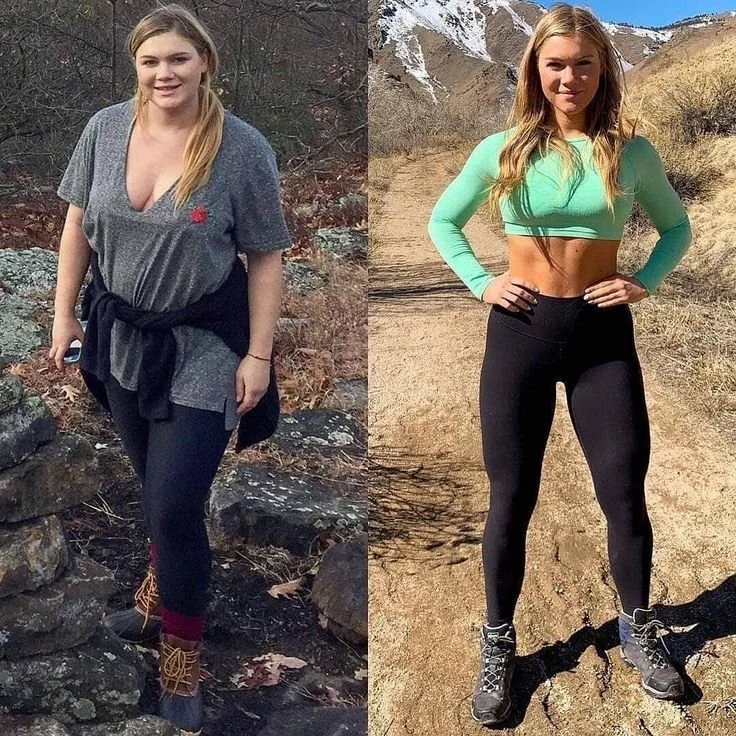
Elizabeth Keen

20 Minutes. One Workout. Full‐Body Transformation: The HIIT Secret Everyone’s Talking About

20‑Minute HIIT: The Full‑Body Fix

Short on time but serious about change? In just 20 minutes, one focused HIIT (High-Intensity Interval Training) session can ignite fat loss, build lean strength, and boost cardiovascular fitness — all without a gym membership. Whether you’re a beginner or returning to training after a break, this quick-session approach is designed to fit into any schedule and produce measurable results.

20 Minutes. One Workout. Full‐Body Transformation: The HIIT Secret Everyone’s Talking About

Why 20 minutes works

  • Intensity beats duration: HIIT pushes your heart rate into high zones for short bursts, which elevates calorie burn during and after exercise (the EPOC effect).
  • Full‑body engagement: Carefully chosen moves target major muscle groups so you hit strength, power, and endurance in one go.
  • Consistency over time: It’s easier to commit to short, effective workouts than hour-long sessions you dread. If you’re new to bodyweight work, consider this Calisthenics beginner guide to build foundational skills safely.

Quick science, zero fluff
HIIT causes metabolic and hormonal responses that support fat loss and muscle retention. Short high-intensity intervals followed by brief recovery spur adaptations in both aerobic and anaerobic systems. This dual demand is why many trainers call HIIT the efficient tool for full-body transformation.

20-minute full‑body HIIT — sample workout
Format: 4 rounds. Each round = 4 exercises x 40 seconds work / 20 seconds rest (including transition). Rest 60 seconds between rounds.

Round structure (choose a stable pace you can maintain):

  1. Jump squats — explosive lower-body power
  2. Push‑up variations (knees, standard, or incline) — upper-body strength
  3. Mountain climbers — core and cardio blast
  4. Alternating reverse lunges (plyo or controlled) — unilateral strength/stability

Warm-up (3–4 minutes): light jog in place, leg swings, shoulder circles, a few dynamic squats and hip hinges. Cool-down (3–5 minutes): gentle walking, hamstring stretch, chest opener.

Progressions and regressions

  • If a move is too intense, drop to a lower-impact option (e.g., step-back lunges instead of jump lunges, incline push-ups instead of floor push-ups).
  • To increase challenge, lengthen work intervals to 45–50 seconds, shorten rest to 10–15 seconds, or add resistance (vest, dumbbells).
  • Track rounds or total reps to measure progress session-to-session.

Programming tips for lasting change

  • Frequency: 3–4 HIIT sessions per week paired with 1–2 strength or mobility days yields balanced adaptation.
  • Recovery: Sleep and nutrition matter as much as the workout. Prioritize protein and whole foods, and be cautious of hidden sugars or additives — see this concise food additive guide for tips on cleaner choices.
  • Consistency: Small, repeated efforts (20 minutes, 3–4x weekly) compound into visible shifts in body composition and performance.

Safety and mindset

  • Listen to your body: push hard, but avoid sharp pain or dizziness. If new to high-intensity work, start with fewer rounds and build up.
  • Form first: quality movement beats quantity. A controlled rep preserves joints and produces better long-term results.
  • Celebrate small wins: improved reps, reduced perceived exertion, or better recovery are signs of progress.

Quick weekly sample plan

  • Monday: 20‑minute HIIT (full‑body)
  • Tuesday: Active recovery (mobility, walk)
  • Wednesday: Strength focus (lower or upper)
  • Thursday: 20‑minute HIIT (alternate exercise selection)
  • Friday: Mobility or light cardio
  • Weekend: Optional outdoor activity or rest

20 Minutes. One Workout. Full‐Body Transformation: The HIIT Secret Everyone’s Talking About

Conclusion

Want a simple, effective product to support skin and overall wellness as you transform? Consider trying these Asgg Glutathione Collagen Glow Gummies Apple Cider Vinegar as a supplement option to complement consistent training and nutrition: Asgg Glutathione Collagen Glow Gummies Apple Cider Vinegar.

Putting the plan into practice — twenty focused minutes, three to four times weekly — is all you need to begin a full‑body transformation.

20 Minutes. One Workout. Full‐Body Transformation: The HIIT Secret Everyone’s Talking About Read More »

, , , ,
Man demonstrating proper squat form for increased lower-body strength

Squat Like a Pro — 7 Secrets That Instantly Upgrade Your Lower‐Body Strength

Title: Squat Upgrade: 7 Pro Secrets for Instant Lower-Body Strength

Mastering the squat is the fastest way to build powerful legs, improve athleticism and protect your joints. These seven practical, science-backed tweaks make your squat safer and stronger without adding extra gym time — small changes, big results. Boosting your protein intake supports recovery as you implement them.

Squat Like a Pro — 7 Secrets That Instantly Upgrade Your Lower‐Body Strength

  1. Nail the Hip-First Descent
  • Think “hips back” before “knees forward.” Initiate the movement by hinging at the hips and sitting between your heels. This loads the glutes and hamstrings and prevents excessive forward knee travel that stresses the knees.
  • Drill: Slow three-count eccentric focusing on hip control.
  1. Find the Right Bar Path and Chest Position
  • Keep a vertical bar path over mid-foot. Maintain a proud chest (not hyperextended), which helps the bar track straight and reduces undue lumbar shear.
  • Cue: Imagine your sternum gently pointing up at the ceiling as you descend.
  1. Depth That Builds Strength (Not Pain)
  • Depth is individual. Aim to reach a point where your hips break parallel while maintaining a neutral spine and no knee pain. If mobility limits depth, work on ankle and thoracic mobility rather than forcing position.
  • Accessory: Glute bridges and banded ankle dorsiflexion drills produce measurable improvements.
  1. Tempo and Tension — Control Before Power
  • Use a controlled 2–3 second descent, a brief pause to remove elastic rebound, then an explosive ascent. Maintain full-body tension — brace your core, press the feet into the floor, and drive the hips forward.
  • Tip: Over-breathing ruins tension; inhale into your belly, brace, then hold that pressure through the rep.
  1. Progress Load Intelligently
  • Progress with micro-loads, volume cycling, and auto-regulation. If form breaks, reduce weight, not reps. Incorporate heavier triples and occasional singles for strength, and lighter higher-rep sets for technique.
  • Programming sample: 3 weeks build (3–5 reps), 1 week deload (6–8 reps).
  1. Use Accessory Movements that Transfer
  • Front squats and paused back squats build upright torso strength and top-end drive. Romanian deadlifts and split squats strengthen the posterior chain and single-leg stability for a balanced squat.
  • Include short bands, single-leg work, and weighted carries to shore up weak links.
  1. Mobility, Warm-Up & Fueling
  • Prioritize ankle dorsiflexion, hip external rotation, and thoracic extension mobility. A 6–8 minute dynamic warm-up focusing on these areas prevents breakdown mid-set.
  • Recovery and pre-workout choices matter. For consistent energy and fewer on-set drop-offs try targeted snacks that combine carbs and moderate protein; they help power your squat sessions without gut discomfort. Smart pre-workout snacks

Quick Weekly Mini-Program (8 weeks)

  • Day A (Heavy): Back squat 4×4 at 85% of your 4RM; paused squats 3×3 (60%).
  • Day B (Volume): Front squat 5×5 at moderate weight; Romanian deadlifts 3×8.
  • Day C (Speed/Control): Jump squats or box squats 6×3 (explosive), single-leg RDLs 3×8.
  • Rotate magnitudes and include a light recovery week every fourth week.

Common Mistakes to Watch

  • Letting knees collapse: strengthen glute med and use banded warm-ups.
  • Losing neutral spine: reduce depth or lighten load and focus on bracing.
  • Skipping accessory work: compound lifts hide imbalances; accessory work corrects them.

Squat Like a Pro — 7 Secrets That Instantly Upgrade Your Lower‐Body Strength

Conclusion

Use the safety squat bar to reduce shoulder strain and change leverage when regular back squats feel limiting — learn more in this helpful safety squat bar guide. Implement the seven tweaks above progressively: prioritize technique, dial in nutrition and recovery, and the pounds on the bar will follow.

Squat Like a Pro — 7 Secrets That Instantly Upgrade Your Lower‐Body Strength Read More »

, , , ,
Healthy foods to eat after a workout for recovery and energy replenishment

10 Best Foods to Eat After a Workout

Refuel Right: Top 10 Post-Workout Foods

Recovering well after a workout helps your muscles rebuild, restores energy, and keeps you ready for the next session. Aim for a mix of protein and carbohydrates within 30–60 minutes when possible, and choose whole-food options that also provide vitamins, minerals, and healthy fats. If you want to pair what you eat after exercise with what you eat before, check out best natural pre-workout foods for complementary fueling strategies.

10 Best Foods to Eat After a Workout

  1. Greek Yogurt with Berries
  • Why: High-quality protein (casein and whey) supports muscle repair; berries add antioxidants and carbs to refill glycogen.
  • Tip: Add a drizzle of honey or a handful of granola for extra carbs and flavor.
  1. Grilled Chicken and Quinoa
  • Why: Lean protein from chicken and complex carbs from quinoa provide sustained recovery nutrients and essential amino acids.
  • Tip: Toss with veggies and a squeeze of lemon for added vitamins and electrolytes.
  1. Chocolate Milk
  • Why: An easy, tasty option that delivers a near-ideal carb-to-protein ratio for recovery and rehydration.
  • Tip: Choose low-fat or regular depending on calorie needs; great for post-endurance sessions.
  1. Cottage Cheese and Fruit
  • Why: Cottage cheese is rich in casein protein, which digests slowly and helps with overnight muscle repair; fruit supplies quick carbs.
  • Tip: Pineapple or peaches pair well for flavor and vitamin C.
  1. Salmon and Sweet Potato
  • Why: Salmon supplies protein and anti-inflammatory omega-3s; sweet potato provides complex carbs and potassium to replace lost electrolytes.
  • Tip: Bake or grill with herbs to keep it light and nutrient-dense.
  1. Turkey Wrap with Whole-Grain Tortilla
  • Why: Turkey is a lean protein that rebuilds muscle; whole-grain wraps add complex carbs and fiber for steady energy.
  • For balanced training days, match this recovery meal to your session type and volume — for example, after full-body strength work, you might prefer the meals recommended for full-body workouts.
  • Tip: Add leafy greens and avocado for micronutrients and healthy fats.
  1. Protein Smoothie with Banana and Spinach
  • Why: Quick to make and easy to digest; combines whey or plant protein with carbs from banana and nutrients from spinach.
  • Tip: Blend with water or milk and a spoonful of nut butter for extra calories if needed.
  1. Eggs and Whole Grain Toast
  • Why: Eggs are a complete protein and provide essential amino acids; toast gives the carbs needed to top up glycogen.
  • Tip: Add a side of tomatoes or sautéed greens for antioxidants.
  1. Hummus and Pita with Veggies
  • Why: A plant-based combo giving protein, fiber, and carbs; chickpeas provide both protein and complex carbs.
  • Tip: Use whole-wheat pita and include cucumber, carrots, and peppers for crunch and vitamins.
  1. Oatmeal with Protein Powder and Fruit
  • Why: Oats are a slow-digesting carb source; stirring in protein powder boosts muscle-repairing potential while fruit supplies quick carbs.
  • Tip: Prepare with milk for added calories and calcium if desired.

Practical plating and timing tips

  • Aim for a 3:1 to 4:1 carb-to-protein ratio after endurance workouts; for shorter strength sessions, a 2:1 ratio often suffices.
  • Hydrate alongside food—water is usually enough, but include electrolytes for long or very sweaty workouts.
  • Prioritize whole foods most of the time; convenience options like smoothies or chocolate milk are useful when you’re short on time.

10 Best Foods to Eat After a Workout

Conclusion

For a deeper dive into what to eat after different types of workouts and evidence-based recommendations, read this guide on Post-Workout Nutrition: What to Eat After a Workout.

10 Best Foods to Eat After a Workout Read More »

, , , ,
Men over 40 building muscle with nighttime habits for faster results

6 Nighttime Habits that Build Muscle Faster (men over 40)

Night Gains After 40

Getting leaner and stronger at night isn’t magic — it’s strategy. Men over 40 can accelerate muscle growth by stacking simple, science-backed nighttime habits that improve recovery, hormone balance, and protein synthesis. For an easy bedtime nutrition boost, try incorporating high-protein options like high-protein smoothies into your evening routine to support overnight repair.

6 Nighttime Habits that Build Muscle Faster (men over 40)

1. Prioritize 7–9 Hours of Quality Sleep

Muscle repair and growth happen mostly during deep sleep when growth hormone and repair processes peak. Aim for consistent sleep and a dark, cool room (around 65°F / 18°C). Remove screens 60–90 minutes before bed to improve sleep onset and depth.

2. Nighttime Protein: Casein or Lean Choices

Consume a slow-digesting protein 60–90 minutes before bed (about 20–40g). Casein-rich dairy or a small cottage cheese bowl are classics because they supply amino acids steadily through the night. If you prefer whole foods after evening training, prioritize lean, lower-fat options and proven post-workout choices like those covered in lean meat and synthesis research.

3. Keep Evening Workouts Moderate and Focused

Intense late-night cardio can interfere with sleep; instead, schedule resistance training earlier, or do focused, moderate strength sessions in the evening that end at least 60–90 minutes before bed. Short, intense strength sessions still stimulate muscle protein synthesis without compromising sleep when timed properly.

4. Manage Late-Night Stress and Cortisol

Chronic elevated cortisol can blunt muscle-building pathways. Build a short wind-down routine: deep breathing, light stretching, or a 10-minute mindfulness practice to lower evening stress hormones and promote anabolic recovery overnight.

5. Limit Alcohol and Heavy Carbs Late

Alcohol and large late meals disrupt sleep architecture and hormone responses. Keep evening alcohol low or absent and favor a balanced small meal or snack that combines protein with slow carbs and healthy fats to support glycogen and muscle repair.

6. Consistency, Tracking, and Small Progressive Overload

Over-40 bodies respond to consistent stimuli. Track sleep, training, and evening nutrition for a few weeks to spot patterns. Gradual progressive overload in your workouts plus steady nightly recovery habits compound into faster gains than sporadic, intense efforts.

6 Nighttime Habits that Build Muscle Faster (men over 40)

Conclusion

Small, consistent nighttime changes can significantly boost muscle growth and recovery for men over 40. For a deeper look at why strength training and recovery matter as we age, read this resource on how strength training builds healthier bodies as we age.

6 Nighttime Habits that Build Muscle Faster (men over 40) Read More »

, , , ,
Healthy meals for optimal performance before and after lifting weights

What to Eat Before & After Lifting Weights

Lift Fuel: Pre & Post-Workout Eats

Whether you’re pushing through heavy sets or finishing with high reps, what you eat before and after lifting matters. Proper timing and food choices help power your workout, protect muscle, and speed recovery—so you get stronger, faster. For a comfortable, confident session, pair your nutrition plan with comfortable gym outfits like these comfortable gym outfits that stay out of the way while you train.

What to Eat Before & After Lifting Weights

Quick rules of thumb

  • Pre-workout: prioritize easily digested carbs + a little protein 30–90 minutes before lifting. Aim for a balance that prevents hunger but avoids GI distress.
  • During training: water is essential; for sessions >90 minutes or very intense work, consider electrolytes or a small carb drink.
  • Post-workout: focus on protein + carbs within 30–120 minutes to maximize muscle repair and glycogen replenishment.
  • Adjust portions to your body size, workout length, and goals (fat loss vs. muscle gain).

What to eat before lifting
Short workouts (under 45 minutes): A small carb snack such as a banana, rice cake with jam, or a slice of toast keeps energy steady. If you train fasted and feel fine, a small coffee and light carb may suffice.

Moderate workouts (45–90 minutes): Combine 20–40 g of carbs with 10–20 g of protein: yogurt with fruit, oatmeal and whey, or a turkey sandwich on whole grain. These choices provide fuel and reduce muscle breakdown.

Long or high-intensity sessions (>90 minutes): Add more carbs and a bit more protein. A plain bagel with nut butter and a scoop of protein, or a sports drink plus a protein bar, can help you sustain performance.

What to eat after lifting
The goal after lifting is repair and replenishment.

  • Protein: 20–40 g of high-quality protein (whey, dairy, lean meat, or plant-based blends) supports muscle protein synthesis.
  • Carbs: 0.5–1.2 g/kg body weight over the next 2–4 hours helps restore glycogen — more if you have another session the same day.
  • Fats: Include a small amount; large high-fat meals immediately post-workout can slow digestion but are fine later.

Quick post-workout options

  • Protein shake with banana and milk (fast, portable).
  • Chicken, rice, and steamed veggies (balanced and filling).
  • Greek yogurt with granola and fruit (protein + carbs).

Hydration and electrolytes
Drink water before, during, and after sessions. For long or very sweaty workouts, include sodium and potassium (sports drinks, salted snacks, or electrolyte tablets) to maintain performance and prevent cramps.

Timing and portion tips

  • If training early in the morning, a small easily digested snack (half a banana, toast) often works better than a big meal.
  • For muscle gain, ensure daily protein targets are met (around 1.6–2.2 g/kg body weight), not just the post-workout window.
  • If you’re unsure when to push heavier or increase volume, read about signs for progression and when to increase weight to match your nutrition plan.

Sample day for a 75–90 minute lifting session

  • 60–90 minutes before: oatmeal with fruit + small scoop of protein.
  • During: water; sip electrolytes if needed.
  • 0–60 minutes after: whey shake + banana or chicken and rice.
  • 2–4 hours later: balanced meal with vegetables, whole grains, and lean protein.

Practical meal ideas by goal

  • Strength/mass: larger portions, more total calories, frequent protein every 3–4 hours.
  • Fat loss: keep pre-workout carbs moderate, emphasize protein to preserve muscle, and create a controlled calorie deficit.
  • Performance/endurance: prioritize carbs around the session and replenish glycogen thoroughly.

What to Eat Before & After Lifting Weights

Conclusion

For a concise guide to tailoring pre- and post-workout meals by session type, see this helpful resource from UCLA Health: What to eat before and after a workout, based on your workout type.

What to Eat Before & After Lifting Weights Read More »

, , , ,
Protein before bed enhances muscle growth study results

Protein Before Bed – It DOES Build Muscle Faster? (New Study!)

Night Fuel: Protein’s Edge for Faster Muscle Gains

Is eating protein before bed really a shortcut to faster muscle growth? A recent wave of research suggests the answer is yes — when done right. In this article we’ll unpack what the new study implies, how nighttime protein affects muscle protein synthesis, practical dosing and food choices, and who benefits most from this strategy. If you already struggle to hit daily protein targets, adding a small pre-sleep shake or snack can be a simple fix — try incorporating high-protein smoothies into your routine for an easy bedtime option.

Protein Before Bed - It DOES Build Muscle Faster? (New Study!)

What the study found

  • The new research examined resistance-trained adults who consumed protein before sleep and compared their muscle growth and strength changes to those who did not.
  • Participants who took a slow-digesting protein (commonly casein) before bed showed improved overnight muscle protein synthesis and slightly larger gains in muscle mass over weeks of training.
  • The effect was greatest when total daily protein intake and training stimulus were already adequate — pre-sleep protein seems to augment, not replace, solid nutrition and workouts.

How pre-sleep protein works

  • During sleep your body is in an extended fasted state. Supplying amino acids overnight helps sustain muscle protein synthesis when otherwise it would drop.
  • Slow-digesting proteins like casein provide a steady release of amino acids for several hours, preventing prolonged catabolism and supporting overnight recovery.
  • Timing matters less than total intake; pre-sleep protein is most useful when it helps raise your daily protein to recommended levels for muscle growth.

Recommended amounts and types

  • Typical effective doses in studies range from 25–40 grams of high-quality protein taken 30–60 minutes before sleep.
  • Casein (found in cottage cheese or micellar casein powders) is ideal because it digests slowly. Whey works too but is faster-absorbing; combine forms if you prefer.
  • For those avoiding dairy, mixed plant proteins with complementary amino acid profiles can help, but you may need slightly higher amounts to match leucine delivery.

Practical bedtime protein ideas

  • Cottage cheese with berries and a sprinkle of nuts is an easy, whole-food option.
  • A small casein or mixed protein shake blended with water or milk keeps calories controlled.
  • Greek yogurt, a small omelet, or a serving of tofu scramble also work for variety and satiety.

How to use pre-sleep protein in your plan

  • Make sure your total daily protein is sufficient first — most people aiming for muscle gain should target ~1.6–2.2 g/kg bodyweight per day.
  • Use pre-sleep protein as a tool to reach daily goals or to support recovery after an evening workout.
  • If you train early in the evening and then go several hours without food before bed, the pre-sleep snack is especially helpful.

Who benefits most — and who should be cautious

  • Best candidates: resistance-trained individuals, those struggling to meet daily protein targets, and people doing evening workouts.
  • Be cautious if you’re trying to lose weight with a strict calorie deficit; additional bedtime calories can hinder fat loss unless accounted for in your daily plan.
  • Those with lactose intolerance should choose lactose-free or plant-based options; people with renal disease should consult a physician before increasing protein.

Quick do’s and don’ts

  • Do: aim for 25–40 g of a slowly digested protein before sleep if it helps meet daily protein.
  • Don’t: treat bedtime protein as a substitute for total daily protein or for progressive resistance training.
  • Do: monitor calorie balance — extra protein still adds energy.
  • Don’t: expect overnight protein alone to produce major gains; it’s an augmentative strategy.

Further reading and recipes

  • If you like ready-made options, try building a small bedtime shake or snack from recipes that emphasize protein density without excess calories.
  • For more ways to add protein across the day and for snack ideas beyond bedtime, see practical guides on how to increase protein with every meal.

Protein Before Bed - It DOES Build Muscle Faster? (New Study!)

Conclusion

The evidence suggests that ingesting protein before sleep can support overnight muscle protein synthesis and marginally improve muscle gains when combined with a robust training program and adequate daily protein. For a full review of the clinical evidence, read this detailed study: The Impact of Pre-sleep Protein Ingestion on the Skeletal Muscle …

Protein Before Bed – It DOES Build Muscle Faster? (New Study!) Read More »

, , , ,
Man doing exercises to reduce man boobs and build chest muscle

If You Have MAN BOOBS Do These Exercises (Not Push-Ups)

Beat Man Boobs: Effective Non-Push-Up Moves

If you’re dealing with "man boobs" (excess chest fat or gynecomastia), the answer isn’t more push-ups — it’s a smart combination of targeted resistance work, compound lifts, and fat-loss strategies. Strengthening surrounding muscle groups also improves posture and chest appearance; for tips on shoulder-focused work try these top cable shoulder exercises to build a stronger frame and improve chest presentation.

If You Have MAN BOOBS Do These Exercises (Not Push-Ups)

Why push-ups aren’t the only solution

  • Push-ups work, but they mostly use bodyweight and don’t always overload the pecs or address upper-chest development and posture.
  • Excess chest size is often a combination of fat and weak chest/upper-back balance — so you need hypertrophy, progressive loading, and fat loss.

Key exercises (do these instead of endless push-ups)

  1. Incline Dumbbell Press

    • Targets the upper chest to lift and firm the area under the collarbone.
    • 3–4 sets of 8–12 reps, controlled tempo, full range of motion.
  2. Cable or Dumbbell Flyes (High to Low)

    • Emphasizes the lower and inner chest, helps tighten the pectoral shape.
    • 3 sets of 10–15 reps, focus on the squeeze at peak contraction. For more lower-chest moves see this lower-chest exercise guide.
  3. Incline/Decline Bench Variation

    • Use both incline and slight decline angles across sessions to balance chest development.
    • 3 sets of 6–10 reps for strength, or 10–15 for hypertrophy.
  4. Cable Crossovers (Low Pulley)

    • Great for continuous tension and inner-chest definition.
    • Keep tension through the motion and pause at the finish.
  5. Rowing and Rear-Delt Work

    • Strong upper back pulls shoulders into a better position, reducing the "slumped" look that emphasizes chest sag.
    • Include face pulls, seated rows, and chest-supported rows 2x/week.

Programming tips

  • Frequency: Train chest 2x per week with 48–72 hours between sessions.
  • Progressive overload: Increase weight, reps, or time under tension week-to-week.
  • Combine with full-body compound lifts (squats, deadlifts, rows) to boost metabolic demand.
  • Cardio: Add 2–3 sessions of moderate cardio per week (20–40 minutes) for fat-loss support.

Nutrition and lifestyle

  • A calorie deficit of 300–500 kcal/day, prioritized protein (0.7–1.0 g/lb bodyweight), and adequate sleep will help reduce chest fat.
  • If gynecomastia is glandular or hormonal, consult a medical professional — exercise helps appearance but may not fully resolve glandular tissue.

Sample mini workout (twice weekly)

  • Incline Dumbbell Press 4×8–10
  • Cable Flyes (high-to-low) 3×12
  • Seated Cable Row 3×8–10
  • Face Pulls 3×15
  • Optional finisher: 10–15 minutes steady-state cardio or interval sprints

If You Have MAN BOOBS Do These Exercises (Not Push-Ups)

Conclusion

To reduce chest fat and improve shape, combine targeted chest work, upper-back strengthening, consistent caloric control, and cardio. For additional at-home movements and a simple exercise list focused on reducing chest size, see this helpful resource: 10 simple Breast Reduction exercises for at home | Pall Mall.

If You Have MAN BOOBS Do These Exercises (Not Push-Ups) Read More »

, , , ,
Healthy meal prep for workout nutrition before and after exercise

What To Eat Before & After EVERY Workout

Fuel Every Workout: Pre & Post Nutrition

Eating the right foods around your workout powers performance, speeds recovery, and helps you hit fitness goals — whether you’re lifting heavy, sprinting, or doing a steady-state session. Small choices before and after exercise make a big difference in energy, muscle preservation, and how quickly you can get back to training. For practical tips on boosting the protein in every meal to support recovery, check this guide: increase your protein intake.

What To Eat Before & After EVERY Workout

What to eat depends on workout length, intensity, and your goals. Below is a simple, flexible plan you can adapt.

Pre-workout: Fuel for Performance

  • Timing: 30–90 minutes before shorter, higher-intensity sessions; 2–3 hours before long or intense workouts.
  • Focus: Easily digestible carbs + a little protein. Avoid heavy fats and excessive fiber right before exercise.
  • Quick options (30–60 min before):
    • Banana with a tablespoon of nut butter
    • Yogurt with a drizzle of honey
    • Rice cake topped with turkey or almond butter
  • Larger pre-workout meals (2–3 hours):
    • Oatmeal with fruit and Greek yogurt
    • Chicken, sweet potato, and steamed veggies
  • Hydration: Drink 8–16 oz (250–500 ml) of water in the hour before exercise.

During longer workouts (60+ minutes)

  • Keep fueling with small amounts of carbs and fluids to maintain energy:
    • Sports drink, diluted juice, or electrolyte water
    • Energy gels, chews, or a banana for endurance sessions

Post-workout: Recover Faster and Build Muscle

  • Timing: Aim to eat within 30–90 minutes after training to replenish glycogen and start repair.
  • Focus: Carbs + high-quality protein (roughly a 3:1 or 4:1 carb-to-protein ratio for endurance; 2:1–3:1 for strength). Add fluids and electrolytes if you sweated heavily.
  • Easy recovery bites:
    • Chocolate milk (classic combo of carbs + protein)
    • Protein shake with a banana
    • Grilled chicken, quinoa, and mixed greens
    • Cottage cheese with pineapple or berries

Sample plans by goal

  • Strength/hypertrophy:
    • Pre: Whole-grain toast, scrambled eggs, and fruit
    • Post: Protein shake + a rice bowl with lean meat or tofu
    • (For routine ideas that pair well with strength work, see full workout plans that burn fat and build strength: full-body workout routines.)
  • Endurance/cardio:
    • Pre: Oatmeal with banana 2–3 hours before; sports drink during long efforts
    • Post: Bagel with nut butter + yogurt, or a recovery drink with carbs and protein
  • Quick gym visit / busy days:
    • Pre: Small snack like Greek yogurt or a smoothie 30–60 minutes prior
    • Post: Ready-made protein bar or a sandwich with lean protein

Special considerations

  • If you train fasted: Keep post-workout nutrition a priority to prevent excessive muscle breakdown — a balanced meal with protein and carbs within an hour helps.
  • Vegetarians/vegans: Use plant proteins (pea, soy, lentils) and pair with whole grains for complete amino acid profiles.
  • Weight loss goals: Prioritize adequate protein to protect muscle while creating a calorie deficit; time carbs around workouts for performance.

Practical tips

  • Prep simple combos (grilled chicken + rice, overnight oats, pre-portioned smoothies) so you always have the right food ready.
  • Listen to your stomach — practice pre-workout meals during training so you know what sits well.
  • Hydration matters as much as food: replace fluids lost through sweat and include electrolytes for longer or very hot sessions.

What To Eat Before & After EVERY Workout

Conclusion

For a concise slideshow of smart pre- and post-workout food choices and visual examples, see this guide on What to Eat Before and After a Workout.

What To Eat Before & After EVERY Workout Read More »

, , , ,
Essential muscle growth supplements that are effective and not just hype.

Stop Wasting Money: These 2 Supplements Actually Grow Muscle — The Rest Is Hype

Only Two Supplements That Actually Build Muscle

If you’re tired of buying the latest miracle powder that promises ripped results overnight, here’s the blunt truth: most supplements are marketing, not muscle. Two supplements have consistent, high-quality evidence showing they help you gain strength and lean mass when paired with progressive resistance training and adequate protein intake. For practical training guidance that pairs well with supplementation, see this beginner calisthenics guide: New to bodyweight training — calisthenics workout (beginners 2025)?.

Stop Wasting Money: These 2 Supplements Actually Grow Muscle — The Rest Is Hype

What actually works

  • Creatine monohydrate: The most-studied, safest, and cheapest ergogenic aid. Creatine increases muscle phosphocreatine stores, improving short, high-intensity performance, which over time produces larger strength and muscle gains. Typical dose: 3–5 g daily after any optional loading phase (20 g/day split for 4–7 days). Take with carbs/protein if you want slightly better uptake, but that’s optional.
  • Protein (whey or high-quality daily protein): Total daily protein intake drives muscle protein synthesis. Aim for ~1.6–2.2 g/kg bodyweight per day depending on training volume and goals. A fast-digesting whey serving of 20–40 g post-workout is convenient and effective, but whole-food sources work equally well when total intake is met. For meal ideas and the role of lean animal protein in recovery, see this discussion on lean meat vs high-fat meat for post-workout protein synthesis.

Why these two beat the noise

  • Strong clinical backing: Hundreds of trials and meta-analyses support creatine and adequate protein for greater strength and hypertrophy.
  • Direct mechanisms: Creatine improves short-term energy and training quality; protein provides the building blocks and stimulates muscle protein synthesis.
  • Safety and cost-effectiveness: Creatine monohydrate and dietary protein are inexpensive and have excellent safety profiles in healthy people when used appropriately.

Supplements that aren’t worth the money (usually)

  • BCAAs alone: If you’re already meeting daily protein goals, extra BCAAs add nothing measurable.
  • "Testosterone boosters" and many herbal potions: Most show minimal or no hormonal effects in real-world use.
  • Glutamine, HMB (modest benefit only in certain populations), many single-ingredient niche products: benefits are small or equivocal compared with cost.
  • Pre-workout stimulants can help motivation and perceived performance but don’t directly build muscle. Use cautiously and be mindful of sleep.

How to apply this practically

  • Prioritize food first: hit your calories and protein target from real food; use whey for convenience if needed.
  • Supplement smartly: take 3–5 g creatine daily and secure your daily protein target; consider timing that fits your routine.
  • Train progressively: supplements amplify the gains from consistent progressive overload, not replace it. If you’re new to training, a structured plan (even bodyweight progressions) will do more than any pill.

Quick dosing cheat-sheet

  • Creatine monohydrate: 3–5 g/day maintenance. Optional loading: 20 g/day split for 4–7 days.
  • Protein: 1.6–2.2 g/kg/day total; 20–40 g per serving, spread across 3–4+ meals.

Common safety notes

  • Stay hydrated with creatine; it’s been repeatedly shown safe in healthy adults.
  • If you have kidney disease or other medical conditions, consult a clinician before starting supplements.
  • Supplements are unregulated relative to medicines — choose reputable brands and third-party tested products when possible.

Stop Wasting Money: These 2 Supplements Actually Grow Muscle — The Rest Is Hype

Conclusion

Stick to the basics: creatine monohydrate and meeting your daily protein needs will give you the best return on investment for muscle growth. If you’re curious about other niche products like colostrum and what science says about them, read more about what are colostrum supplements from MD Anderson: What are colostrum supplements? | MD Anderson Cancer Center.

Stop Wasting Money: These 2 Supplements Actually Grow Muscle — The Rest Is Hype Read More »

, , , ,
This workout plan designed to build muscle 3X faster for effective strength training

This Workout Plan Builds Muscle 3X Faster (STEAL THIS)

Triple Gain Blueprint

This plan is built for lifters who want bigger muscle faster without gimmicks. It factors in heavy compound lifts, strict progression, focused recovery, and the nutrition tweaks that actually move the needle. If you want a simple, repeatable template for accelerating hypertrophy, this is it — and it works whether you prefer animal or plant proteins; see one breakdown on lean meat vs high-fat meat benefits for how protein quality affects recovery.

This Workout Plan Builds Muscle 3X Faster (STEAL THIS)

Why this approach speeds growth

  • Focus on high-quality compound lifts (squat, deadlift, bench, row, overhead press) to recruit maximum fibers and stimulate systemic anabolic responses.
  • More frequent stimulation: target each major muscle 2–3 times weekly rather than once — shorter, sharper sessions beat long, infrequent marathons.
  • Progressive overload with micro-increments: small, consistent increases in weight or volume beat sporadic big jumps and reduce injury risk.
  • Nutrition and recovery tuned to support the workload: protein timing, total calories, sleep, and deloads.

Weekly sample (8–12 week block)

  • Day 1 — Heavy lower: Squats 5×5, Romanian deadlift 3×8, calf raises 3×12.
  • Day 2 — Upper push/pull: Bench 5×5, bent-over rows 4×6, face pulls 3×12.
  • Day 3 — Active recovery or conditioning: low-impact cardio, mobility.
  • Day 4 — Volume lower: Front squats 4×8, lunges 3×10, hamstring curls 3×12.
  • Day 5 — Upper volume: Overhead press 4×6, incline dumbbell press 3×10, pull-ups 3×AMRAP.
  • Day 6 — Optional weak-point work: arms, traps, calves or technique work.
  • Day 7 — Rest.

Programming tips that triple results

  • Keep rep ranges focused: 4–6 reps for strength and size in compound lifts, 8–12 for accessory hypertrophy.
  • Track every set and aim for small weekly progressions (0.5–2.5 kg increases or an extra rep).
  • Manage fatigue with planned deloads every 4–6 weeks (drop volume 30–50%).
  • Use tempo and pause reps for added stimulus without heavy load increases.

Nutrition and recovery

  • Aim for a slight calorie surplus (200–350 kcal/day) while prioritizing ~0.8–1.2 g protein per pound of bodyweight for most lifters.
  • Spread protein evenly across meals to support synthesis throughout the day.
  • Strategically use carbohydrate timing around training for performance and glycogen replenishment.
  • Sleep 7–9 hours and prioritize stress management; muscles grow when you recover.

Accessory choices and technique

  • Pick accessory lifts that address your sticking points: glute ham raises for hip drive, rows for upper-back thickness, and farmer carries for core and grip.
  • Maintain clean technique on heavy sets; use a spotter or safety setup when pushing near failure.
  • Shorten sessions to 45–75 minutes to limit systemic fatigue and improve consistency.

Adapting for dietary preferences

  • Both animal-based and plant-based diets can support rapid muscle growth when total protein and calories are adequate — see research on how you can build muscle on a plant-based diet for implementation ideas. plant-based muscle research

Common mistakes to avoid

  • Chasing volume without progressive load increases.
  • Ignoring recovery and sleep.
  • Skipping compound lifts in favor of machines that don’t transfer as well to systemic growth.
  • Expecting dramatic overnight changes; compounding progress week-to-week is the goal.

This Workout Plan Builds Muscle 3X Faster (STEAL THIS)

Conclusion

If you want a proven, fast path to bigger muscles, pair this blueprint with a reliable strength routine like the StrongLifts 5×5 quick start guide to lock in consistent, measurable progress.

This Workout Plan Builds Muscle 3X Faster (STEAL THIS) Read More »

, , , ,
High-protein foods for muscle gains and those to avoid for saving money

High-Protein Foods Exposed: 7 You Need for Gains—and 5 You Should Stop Wasting Money On

Protein Picks: 7 Must-Haves & 5 Protein Flops

When it comes to building muscle, staying lean, or simply feeling satisfied between meals, choosing the right high-protein foods matters. This guide breaks down seven effective protein sources to prioritize and five common items that often waste your money or fall short of expectations. For fueling strategies that support training and recovery, check out 5 Expert Tips for 24/7 Body-Fueling.

High-Protein Foods Exposed: 7 You Need for Gains—and 5 You Should Stop Wasting Money On

Why prioritizing protein quality beats quantity

  • Protein isn’t just grams — it’s about amino-acid profile, bioavailability, and practicality. Whole foods that deliver complete proteins and additional nutrients generally give you more bang for your buck than isolated or gimmicky options.
  • Think about satiety, preparation time, cost per gram of usable protein, and how the food fits your tastes and training schedule.

7 high-protein foods you should include

  1. Eggs — Complete, versatile, and inexpensive

    • Protein: ~6–7 g per large egg.
    • Why: Excellent amino-acid balance, choline, and easy to prepare. Whole eggs are better than whites-only for nutrient density.
  2. Greek yogurt (plain, low-fat/full-fat depending on goals)

    • Protein: 15–20 g per 170 g (6 oz) serving.
    • Why: High protein per serving, probiotic benefits, and works in savory or sweet meals.
  3. Canned tuna or salmon

    • Protein: 20–25 g per 3 oz (85 g) serving.
    • Why: Affordable, shelf-stable, rich in omega-3s (especially salmon), and quick to add to salads, bowls, or sandwiches.
  4. Skinless chicken breast

    • Protein: ~26 g per 3 oz cooked.
    • Why: Lean, consistent protein source for volume eating and meal prep.
  5. Lean beef or bison

    • Protein: ~22–26 g per 3 oz cooked.
    • Why: Supplies bioavailable iron, B12, and creatine precursors — helpful for strength athletes.
  6. Cottage cheese

    • Protein: ~12–14 g per 1/2 cup.
    • Why: Slow-digesting casein protein ideal before bed to support overnight muscle protein synthesis.
  7. Legumes + whole grains (e.g., lentils + brown rice)

    • Protein: Varies; combined plate offers a complete amino-acid profile (roughly 15–20 g).
    • Why: Plant-based, budget-friendly, fiber-rich option that pairs well with vegetables for balanced meals.

How to use these: mix and match across meals (e.g., eggs for breakfast, tuna for lunch, chicken for dinner), and think in meal protein targets (20–40 g per meal depending on body size and goals).

5 protein items to stop wasting money on

  1. Novelty protein snacks with tiny portions

    • Trendy protein chips, puffs, or tiny bars sometimes advertise “10 g protein” but come with poor ingredients and low satiety. You’re often better off with a plain Greek yogurt or a homemade nut-and-seed mix.
  2. Overpriced “high-protein” cereals

    • Many cereals add isolated protein but remain high in sugar and low in real nutrition. Whole eggs or oats with whey/Greek yogurt are more cost-effective.
  3. Imported “superfood” protein powders with dubious sourcing

    • Some premium powders charge for exotic names rather than demonstrable benefits. Stick to reputable brands with transparent lab testing or simple whey/pea isolates.
  4. Pre-marinated, pre-sauced meats labeled as “meal solutions”

    • Convenience costs money and often increases sodium and sugar. Buying plain proteins and seasoning at home saves cash and improves control over macros.
  5. Single-ingredient pricey cuts for everyday eating

    • Fancy steaks are great occasionally, but for routine protein needs, leaner, cheaper cuts like chicken thighs, canned fish, and whole eggs give better value.

Quick practical tips to save money and boost protein intake

  • Buy versatile staples in bulk (eggs, frozen chicken, canned fish).
  • Cook once, eat twice: batch-cook proteins for 2–3 days to reduce waste.
  • Combine plant and animal proteins to control cost while keeping quality high.
  • Measure portions so you’re not overspending on more expensive protein than you need.

Mid-article note on nutrient balance
Protein is essential, but overall nutrient needs matter for performance and health. If you’re unsure whether your diet covers vitamins, minerals, and energy alongside protein, consider reviewing resources like Are You Meeting Your Nutrient Needs for Optimal Wellness?

High-Protein Foods Exposed: 7 You Need for Gains—and 5 You Should Stop Wasting Money On

Conclusion

Choosing the right protein sources saves money, supports gains, and keeps you healthy. For an inspiring look at a public figure’s transformation and the role lifestyle choices can play, read the story of Tim Allen Weight Loss The Inspiring Journey Behind His 30 Pound …

High-Protein Foods Exposed: 7 You Need for Gains—and 5 You Should Stop Wasting Money On Read More »

, , , ,
A person engaging in a high-intensity interval training workout for full-body transformation.

20 Minutes. One Workout. Full‐Body Transformation: The HIIT Secret Everyone’s Talking About

Transform in 20 Minutes

HIIT (High-Intensity Interval Training) is the fitness trend people swear by for good reason — it’s efficient, intense, and can deliver noticeable full-body results in a fraction of the time traditional workouts demand. In just one 20-minute session, you can torch calories, boost metabolism for hours afterward, and build strength and endurance when workouts are planned intelligently. If you’re curious how such a short routine can be this effective — and how to fit it into a busy life — read on. Newcomers to bodyweight training will find these principles especially useful.

20 Minutes. One Workout. Full‐Body Transformation: The HIIT Secret Everyone’s Talking About

Why 20 Minutes Works

  • Intensity over duration: Short bursts of near-max effort raise heart rate and recruit fast-twitch muscle fibers, stimulating both aerobic and anaerobic systems.
  • EPOC effect: After intense intervals your body consumes more oxygen post-workout, increasing calorie burn (excess post-exercise oxygen consumption).
  • Consistency: A 20-minute time commitment is easy to schedule daily, increasing adherence and cumulative gains.

The Science in Simple Terms
HIIT alternates high-effort work with short recovery. Effective progress relies on:

  • Progressive overload: gradually increase reps, intensity, or shorten rest.
  • Balanced movements: combine push, pull, hinge, squat, and core patterns to target the whole body.
  • Adequate recovery: sleep, nutrition, and active rest days prevent overtraining.

20-Minute Full-Body HIIT — Sample Workout (No Equipment)
Format: 40 seconds work / 20 seconds rest. Repeat circuit twice (total ~20 minutes including quick warm-up).

  1. Jump squats — explosive lower-body power.
  2. Push-up variations — standard or knees for scaling.
  3. Reverse lunges (alternating) — unilateral strength and stability.
  4. Mountain climbers — core and cardio.
  5. Plank-to-downward-dog — core and mobility.
  6. Burpees — full-body metabolic finisher.

Warm-up (3–4 minutes): light jogging in place, arm circles, hip swings.
Cool-down (3–4 minutes): gentle stretching, deep breathing.

Scaling & Progressions

  • Beginner: 30s work / 30s rest, reduce impact (step-back lunges, incline push-ups).
  • Intermediate: 40/20 as above, increase sets or add weight.
  • Advanced: 45/15 or add plyometric/weighted variations.

Programming Tips

  • Frequency: 3–5 sessions/week depending on goals and recovery.
  • Pair with strength days if focusing on maximal strength — make HIIT the metabolic day.
  • Track performance: record rounds, reps, and RPE (rate of perceived exertion).

Nutrition, Recovery & Common Mistakes
Fuel intelligently: prioritize protein, whole-food carbs around workouts, and hydration. Avoid the temptation to treat HIIT as a license for poor diet — nutrition determines how quickly you’ll see changes. For more on hidden diet risks and ingredients to watch out for, consider this analysis of common additives to be aware of: the three food additives you should be worried about.

Common mistakes:

  • Doing HIIT daily without rest (increases injury risk).
  • Prioritizing duration instead of intensity.
  • Neglecting mobility and proper form — speed must not kill technique.

Practical Weekly Plan (Example)

  • Monday: 20-min HIIT (full-body)
  • Tuesday: Strength training (upper focus)
  • Wednesday: Active recovery (yoga/walk)
  • Thursday: 20-min HIIT (lower focus)
  • Friday: Strength training (lower focus)
  • Saturday: Light HIIT or sport
  • Sunday: Rest

20 Minutes. One Workout. Full‐Body Transformation: The HIIT Secret Everyone’s Talking About

Conclusion

Short, well-structured HIIT sessions can produce outsized results when paired with smart nutrition and recovery. For those exploring supplements and wellness options that complement a fitness routine, consider resources like Asgg Glutathione Collagen Glow Gummies Apple Cider Vinegar for additional support — always consult a healthcare professional before adding supplements.

20 Minutes. One Workout. Full‐Body Transformation: The HIIT Secret Everyone’s Talking About Read More »

, , , ,
Person performing heavy lifts while considering joint health over 30.

Over 30? Why Heavy Lifts Could Be ‘Breaking’ Your Joints — And How to Save Them

Title: Joint-Smart Lifting After 30

Lifting heavy after age 30 can feel empowering — until nagging aches and stiffness start to show up. Changes in recovery capacity, subtle loss of connective tissue resilience, accumulated microtrauma and the temptation to chase numbers can all make heavy lifting feel like it’s "breaking" your joints rather than strengthening them. A few smart adjustments to programming, technique and recovery can keep you lifting strong for decades. For help with nutrition habits that affect recovery and inflammation, see this guide on why you crave sugary and processed foods — and how to stop.

Over 30? Why Heavy Lifts Could Be 'Breaking' Your Joints — And How to Save Them

Why joints become more vulnerable after 30

  • Slower tissue repair: Collagen turnover and soft-tissue healing slow with age, so tendons and cartilage take longer to recover from high loads.
  • Cumulative wear: Years of imperfect movement, heavy sets with poor form, or repetitive patterns create micro-damage that compounds.
  • Hormonal shifts: Subtle declines in anabolic hormones and growth factors reduce the speed of adaptation.
  • Mobility and control: Tight hips, ankles or thoracic spine change joint loading and can concentrate stress in vulnerable areas.
  • Training errors: Jumping straight to maximal loads, skipping deloads, and not addressing muscle imbalances all increase joint strain.

Signs heavy lifting is crossing the line

  • Persistent joint pain that lingers >48–72 hours and worsens with normal daily activity.
  • Sharp, localized pain (not the diffuse soreness of a hard workout).
  • Swelling, stiffness that doesn’t improve with light activity, or reduced range of motion.
  • Performance drops despite consistent training (strength or speed decreases).

Smart rules to lift heavy without breaking your joints

  1. Prioritize movement quality over load
    • Nail technique with lighter sets and deliberate tempo before adding weight. Small technical corrections often remove excessive joint stress.
  2. Use progressive overload intelligently
    • Increase weight or volume in small, planned increments (e.g., 2.5–5% or an extra rep across workouts), and include scheduled deload weeks every 4–8 weeks.
  3. Vary the stimulus
    • Mix heavy low-rep work (1–5) with moderate (6–12) and higher-rep hypertrophy sets. Use machines, bands and tempo work to reduce peak joint compression some days.
  4. Strengthen the whole kinetic chain
    • Add unilateral work, mobility drills, and glute/rotator cuff/hip-abductor strengthening to distribute loads evenly.
  5. Add eccentric and tendon-focused work
    • Slow eccentrics and isometric holds promote tendon resilience. Examples: 3–5 second slow lowers, controlled negatives, and heavy slow resistance for tendons.
  6. Manage volume and intensity
    • If a joint starts protesting, reduce weekly volume (sets) and frequency temporarily before cutting intensity (load).
  7. Warm up like you mean it
    • Dynamic movement prep, activation sets, and progressive loading prepare tissues for heavy work and reduce injury risk.
  8. Recovery: sleep, nutrition and inflammation control
    • Aim for adequate protein, vitamin C and overall calories to support tissue repair. Time-controlled refueling and sleep are crucial; consider targeted strategies when rehab is needed (more on boosting protein intake below).
  9. Use equipment and tempo strategically
    • Belts, sleeves, sleeves for knees, and adjusting bar path can reduce harmful shear. Slow tempos and partials can condition tissues safely.
  10. Seek professional help for persistent issues
  • If pain persists, get evaluated by a physical therapist or sports physician; targeted rehab beats guesswork.

Practical weekly example (balanced for joint health)

  • Day 1 — Heavy lower-body compound (e.g., squat variation): warm-up, 3–5 heavy sets at RPE 7–9; accessory single-leg work, glute activation.
  • Day 2 — Upper push/pull mix: moderate loading, emphasis on scapular control and rotator cuff work.
  • Day 3 — Active recovery + mobility: low-intensity movement, soft-tissue work, and core stability.
  • Day 4 — Speed/power or lighter technique work: focus on bar path and explosive control with lower absolute load.
  • Day 5 — Hypertrophy full-body: higher reps, controlled eccentrics, and conditioning as tolerated.
  • Day 6 — Optional low-impact cardio and mobility.
  • Day 7 — Rest or light movement.

Nutrition and connective tissue
Protein and certain nutrients support tendon and cartilage repair. Aim for consistent protein throughout the day and include vitamin C-rich foods to support collagen synthesis. For practical tips on increasing protein intake with every meal and snack, check this guide on 10 easy ways to increase your protein intake.

When to stop and see someone

  • Immediate medical attention for joint instability, severe swelling, or inability to bear weight.
  • If an issue persists despite reduced load and therapy, consult a clinician for imaging or structured rehab.

Over 30? Why Heavy Lifts Could Be 'Breaking' Your Joints — And How to Save Them

Conclusion

For an evidence-based look at how strength training supports healthier bodies as we age, see this resource: How can strength training build healthier bodies as we age.

Over 30? Why Heavy Lifts Could Be ‘Breaking’ Your Joints — And How to Save Them Read More »

, , , ,
Man demonstrating a pushup, showcasing strength training techniques.

You CAN do pushups, my dude (feat. Hybrid Calisthenics)

Pushups Unlocked

Get off the sidelines — you CAN do pushups, my dude. Whether you’re just starting or coming back after a break, pushups are a scalable, effective movement that builds strength, posture, and confidence. This guide breaks down progressions, common mistakes, and simple programming so you can progress without overthinking it. Spot reduction myths won’t stop your gains; consistency will.

You CAN do pushups, my dude (feat. Hybrid Calisthenics)

Why pushups matter
Pushups train the chest, shoulders, triceps, and core while reinforcing good shoulder mechanics. They’re accessible, require no equipment, and transfer to many daily activities and sports. More than aesthetics, pushups improve posture and resilience against common upper-body injuries when done with control.

Getting started: regressions and setup

  • Wall pushups: stand facing a wall, hands shoulder-width, lean and push back. Great for absolute beginners.
  • Incline pushups: use a table or bench to reduce load.
  • Knee pushups: keep a straight line from knee to head; build confidence with full range of motion.

Key setup cues:

  • Hands under shoulders, fingers spread.
  • Tight core, neutral spine, glutes engaged.
  • Lower chest toward the floor as a unit; avoid letting hips sag.

Progressions to full pushup

  • Negative (eccentric) pushups: slowly lower for 3–5 seconds, then reset at the top.
  • Tempo sets: slow lowering, controlled pause, then explosive push.
  • Partial-to-full reps: start with partial range and gradually increase depth.

Programming tips

  • Start with quality over quantity: 3–5 sets of 5–12 controlled reps, 2–3 times per week.
  • Use a simple progression: if you can do 3 sets of 10 reps with good form, increase difficulty (reduce incline or add tempo).
  • Rest and recovery are part of the plan — muscles grow between sessions.

Common mistakes and how to fix them

  • Hips sagging: engage the core and glutes; imagine a straight plank line.
  • Flaring elbows: aim for elbows at ~45 degrees to protect shoulders.
  • Too fast: slow, controlled reps build strength and reduce injury risk.

Pushups and the core: what to expect
Pushups are a compound movement that challenges the core isometrically. Don’t expect pushups alone to reveal abs; overall diet and targeted training matter — beware of fitness myths like those about spot reduction. For a deeper dive into abdominal training misconceptions, check out myths about six-pack and how they relate to functional strength.

Adding variety once you’re strong

  • Diamond pushups for triceps emphasis.
  • Decline pushups to overload the shoulders.
  • Explosive/clap pushups for power.
  • Weighted or tempo variations for further progression.

Sample 8-week mini-plan
Weeks 1–2: Wall/incline work, focusing on form (3x/week).
Weeks 3–4: Move to knee/negative pushups, add eccentric control.
Weeks 5–6: Full pushup attempts, 3 sets of 5–8 reps.
Weeks 7–8: Introduce variations (tempo, decline, plyo) and increase volume slowly.

Troubleshooting plateaus

  • Deload for a week if progress stalls.
  • Track rep quality, not just numbers.
  • Add accessory work: plank holds, shoulder mobility, and triceps strengthening.

Motivation and mindset
Start where you are, not where you want to be. Small wins compound — celebrate the first full pushup, the first unbroken set, and the way you feel stronger and more capable.

You CAN do pushups, my dude (feat. Hybrid Calisthenics)

Conclusion

If you’re ready to translate bodyweight progress into pulling strength and complementary skills, read the guide You CAN Do Pullups, My Friend! — Hybrid Calisthenics for practical, progressive advice that pairs well with your pushup journey.

You CAN do pushups, my dude (feat. Hybrid Calisthenics) Read More »

, , , ,
Sleeping muscles are vital for effective recovery and growth in fitness programs.

Muscles Won’t Grow If You Don’t Sleep — The Hidden Recovery Mistake Killing Your Progress

Sleep or Stall: The Recovery Mistake Killing Your Gains

You can grind in the gym and follow the perfect program, but if you’re shortchanging sleep, muscle growth will stall. Recovery happens when you rest — not while you’re counting reps — and poor sleep undermines hormones, repair, and training adaptations. If you struggle to gain size despite consistent effort, this invisible factor might be the missing piece.
Muscles Won’t Grow If You Don’t Sleep — The Hidden Recovery Mistake Killing Your Progress

Why sleep matters

  • Muscle protein synthesis and repair occur most efficiently during deep sleep stages.
  • Growth hormone and testosterone — both crucial for hypertrophy — are released in pulses tied to sleep quality.
  • Poor sleep increases cortisol, which can blunt recovery and increase catabolism.

How sleep affects hormones and recovery
Sleep deprivation alters the hormonal environment:

  • Lowered growth hormone secretion: Less repair and slowed tissue remodeling.
  • Decreased testosterone: Reduced anabolic signaling for strength and size.
  • Increased cortisol and insulin resistance: A catabolic environment that makes building muscle harder.

Common sleep mistakes that kill progress

  • Prioritizing extra sessions instead of rest days. More training isn’t always better if recovery is compromised.
  • Using caffeine or screen time late into the evening, which delays sleep onset and reduces deep sleep.
  • Inconsistent sleep timing: erratic bedtimes disrupt circadian rhythms and hormonal cycles.
  • Eating large meals or heavy stimulants right before bed, impairing sleep quality.

Practical strategies to fix sleep and reclaim gains

  1. Set a consistent sleep schedule: go to bed and wake up at the same time daily to stabilize circadian rhythms.
  2. Create a pre-sleep routine: 30–60 minutes of winding down (reading, stretching, light mobility).
  3. Optimize the bedroom: dark, cool (around 60–68°F / 15–20°C), and quiet.
  4. Limit blue light and screens at least an hour before bed.
  5. Use caffeine wisely: avoid it 6–8 hours before bedtime.
  6. Manage stress: mindfulness, breathing exercises, or brief evening journaling can lower nighttime arousal.
  7. Time training strategically: late-night heavy lifts can impair sleep for some; experiment with earlier sessions when possible.
  8. Nap smart: short naps (20–30 minutes) can boost performance without derailing nighttime sleep; avoid long late-afternoon naps.

Nutrition and sleep-friendly fueling

  • Protein before bed (slow-digesting sources like casein or cottage cheese) can support overnight muscle protein synthesis.
  • Avoid heavy, spicy, or high-sugar meals right before sleep.
  • Moderate alcohol may help you fall asleep but fragments REM sleep and reduces recovery quality.

Monitoring progress and recovery
Track more than just weight on the bar. Monitor:

  • Subjective energy and mood.
  • Sleep duration and perceived sleep quality.
  • Resting heart rate and morning readiness.
    If you want a simple way to measure overall recovery and health, try this simple assessment to see how well your body is coping with training loads.

When more training isn’t the answer
If weeks of consistent training aren’t producing gains, stop chasing more volume and evaluate recovery. Overtraining and poor sleep produce diminishing returns. Adjust volume, sleep habits, and nutrition, then reassess.

Small changes that compound

  • Add a 20–30 minute nap on heavy training days if you can.
  • Prioritize a protein-rich bedtime snack occasionally to fuel overnight repair.
  • Make one small sleep habit change per week and measure its effect.

If you need ideas to tweak your diet alongside these sleep improvements, here’s a useful resource on boosting protein intake across meals and snacks: 10 easy ways to increase your protein intake.

Muscles Won’t Grow If You Don’t Sleep — The Hidden Recovery Mistake Killing Your Progress

Conclusion

Fixing sleep is one of the highest-ROI steps you can take to accelerate muscle growth and strength. If progress has stalled, review your sleep strategy before adding more training. For broader troubleshooting on training plateaus and common mistakes that stop progress, check this guide: 9 Mistakes Why You are Not Making ANY Progress with Calisthenics …

Muscles Won’t Grow If You Don’t Sleep — The Hidden Recovery Mistake Killing Your Progress Read More »

, , , ,
Person performing exercises to achieve a WIDE V-Taper with dumbbells and calisthenics.

How to Build a WIDE V-Taper (Calisthenics OR Dumbbells)

Wide V-Taper Blueprint

Building a wide V-taper—broad shoulders and a narrow waist—comes down to targeted back and shoulder development, smart progressions, and consistent effort. Whether you prefer calisthenics or dumbbells, the same principles apply: emphasize lat width, upper-back thickness, and posture while keeping a tight, lean midsection.

How to Build a WIDE V-Taper (Calisthenics OR Dumbbells)

Why the V-Taper Works

A true V-taper combines expanded upper-back width (lats and rear delts), well-developed shoulder caps, and a slim waist. Prioritize exercises that pull your arms down and back while training the shoulder girdle to create visual breadth. Core stability is also crucial for transferring force and maintaining posture; consider adding banded core work to your routine like a focused band twist progression for better stability (band twist core routine).

Training Principles (Both Modalities)

  • Progressive overload: add reps, sets, or difficulty over weeks.
  • Vertical and horizontal pulls: mix pulling angles to hit lats and mid-back.
  • Frequency: train back and shoulders 2–3 times per week for best growth.
  • Form over ego: full range of motion and controlled negatives build width more than sloppy heavy reps.

Calisthenics Approach — Build Width Without Weights

Key calisthenics moves:

  • Australian rows/progressions: increase angle to make them harder and build mid-back thickness.
  • Wide-grip pull-ups and weighted pull-ups (as progressions): focus on initiating the pull with lats.
  • Archer pull-ups and typewriter pull-ups: great for unilateral overload and widening.
  • Front lever progressions: develop scapular control and lat strength.
  • Face pulls with bands and banded rear-delt raises: refine rear delts and posture.

Programming tips:

  • Use 3–5 sets per exercise, 6–12 reps (or time under tension for isometrics).
  • Add negatives and slow eccentrics for advanced progressions.
  • Include scapular pull-ups and active hang drills for shoulder health.

Dumbbell Approach — Simple, Effective Equipment-Based Workouts

Top dumbbell moves for a wide back and shoulders:

  • Single-arm dumbbell row (wide torso rotation emphasis): hit lats and create sweep.
  • Incline dumbbell rows: target upper lats and mid-back.
  • Dumbbell pullover: stretches and emphasizes the lats when done with control.
  • Lateral raises and seated rear-delt flyes: build shoulder width and rear-delt balance.
  • Renegade rows and dumbbell shrugs: add variety and thickness.

Programming tips:

  • Prioritize a heavy row movement first (3–5 sets of 6–10 reps) then higher-rep isolation.
  • Use unilateral work to correct imbalances and increase mind-muscle connection.

Sample Weekly Split (Intermediate)

  • Day 1 — Pull focus: Wide-grip pull-ups, single-arm dumbbell rows, face pulls
  • Day 2 — Push & shoulders: Overhead press, lateral raises, rear-delt work
  • Day 3 — Active recovery & core
  • Day 4 — Calisthenics strength: Archer pull-ups, front lever progressions
  • Day 5 — Volume back day: Higher-rep rows, pullovers, banded face pulls
  • Day 6 — Legs & posterior chain (keep legs strong to balance aesthetics)
  • Day 7 — Rest

Balance upper-body work with lower-body strength so you don’t develop disproportionally; stronger hips and posterior chain help posture and back thickness. For structured lower-body programming and glute development that complements upper-body symmetry, check this glute and leg guide (glute & leg growth guide).

Nutrition & Recovery

  • Aim for a slight caloric surplus if adding mass, or a slight deficit while maintaining protein to keep the waist lean.
  • Protein: ~0.7–1.0 g per lb of bodyweight.
  • Sleep and recovery: 7–9 hours per night and deloads every 6–8 weeks optimize growth.
  • Track progress with measurements and photos rather than only the scale.

How to Build a WIDE V-Taper (Calisthenics OR Dumbbells)

Conclusion

For a practical step-by-step dumbbell plan that targets width and shoulder development, see this comprehensive guide: The Best V-Taper Dumbbell Workout (Step By Step Guide) – Fitbod. Follow the principles above, stay consistent, and choose the modality—calisthenics or dumbbells—that you’ll stick with.

How to Build a WIDE V-Taper (Calisthenics OR Dumbbells) Read More »

, , , ,
Scroll to Top