Abs Workout: Build a Strong, Functional Core
A well-rounded abs workout does more than create a visible six-pack — it builds a stable, resilient core that improves posture, reduces injury risk, and enhances athletic performance. Whether you train at home or in a gym, consistent progress comes from balanced programming, solid technique, and gradual overload. If you want a quick at-home starter routine, see this Top 3 Abs Workout at Home for simple options you can do with minimal equipment.
Why Train the Abs (Beyond Aesthetics)
The abdominal muscles are central to nearly every movement pattern:
- They stabilize the spine during lifting and bending.
- They transfer force between upper and lower body (important for athletics).
- They assist breathing mechanics and pelvic alignment.
Training the abs with functional, multi-plane exercises improves real-world strength more than endless isolated crunches.
Core Anatomy — What to Target
Focus on these major players:
- Rectus abdominis: responsible for trunk flexion (the “six-pack”).
- External and internal obliques: rotate and side-bend the torso; key for anti-rotation strength.
- Transverse abdominis: deep stabilizer that compresses the abdomen and protects the lumbar spine.
- Hip flexors: contribute to leg-raise movements but can dominate if overused — balance is crucial.
Understanding each muscle’s role helps you pick exercises that develop both stability and movement.
Designing an Effective Abs Workout
Follow these programming principles:
- Frequency: 2–4 sessions per week depending on overall training volume.
- Volume: 8–20 working sets per week for the abs spread across sessions.
- Intensity: prioritize quality of contraction and progressive challenge (add resistance, increase time under tension, or reduce stability).
- Balance: combine anti-flexion (planks), anti-rotation (pallof press variations), rotational (Russian twists), and dynamic flexion (leg raises) movements.
If you want a structured routine that focuses on a few high-impact moves, consider the Top 4 Abs Exercises Routine for a concise template to follow.
Sample Workouts
Beginner (2–3x per week)
- Dead Bug — 3 sets of 8–12 reps per side
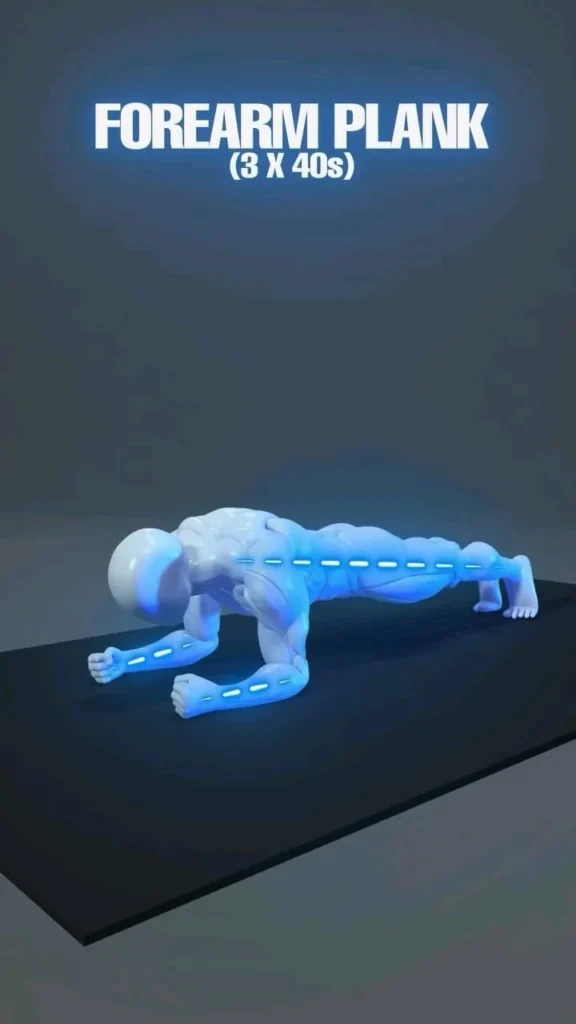
- Front Plank — 3 × 20–45 seconds
- Standing Pallof Press (light band) — 3 × 10–12 per side
Intermediate (3x per week)
- Hanging Knee Raises — 3 × 10–15
- Side Plank with Hip Drop — 3 × 8–12 per side
- Russian Twist (medicine ball) — 3 × 12–20 total
Advanced (2–3x per week)
- Hanging Leg Raises to Toes — 4 × 8–12
- Weighted Decline Sit-Up — 4 × 8–12
- Cable Anti-Rotation (heavy) — 4 × 8–10 per side
Mix stability-focused sets with higher-rep dynamic work to train both endurance and strength.
Technique Tips & Common Mistakes
- Breathe rhythmically: exhale during the effort (e.g., curl or crunch) and inhale during release.
- Control movement: avoid momentum-driven reps; slower eccentrics build strength and reduce injury risk.
- Protect the low back: if you feel lumbar pain during leg raises, regress to bent-knee variations or perform anti-extension planks.
- Progress sensibly: add resistance, range, or instability only after mastering form.
- Recovery: treat abs like other muscles — allow at least 48 hours when performing high-intensity sets.
Equipment Options
You don’t need a gym to train your abs well. Useful tools:
- Resistance bands for anti-rotation work
- Medicine ball or dumbbell for loaded rotation
- Pull-up bar for hanging leg raises
- Stability ball for rollouts and stir-the-pot variations
Choose tools that challenge your weak links while letting you maintain good form.
Conclusion
A complete abs routine blends stabilization, rotation, and dynamic flexion with progressive overload and smart recovery. For a large library of demonstrations to help you vary and execute effective exercises, check out this comprehensive guide to Abs Exercises: 150+ Free Video Exercise Guides | Muscle & Strength.