
Stronger Every Day
Building strength is about more than lifting heavy weights. It is a balanced commitment to exercise, nutrition, recovery, and consistency—habits that can improve mobility, increase energy, support metabolism, and make everyday activities easier.
Define Your Purpose
Start by identifying what you want to accomplish. Your goal might be to gain muscle, lose body fat, improve athletic performance, or simply feel stronger in daily life. Choose a specific, realistic objective and divide it into smaller milestones to stay focused and motivated.
Build a Balanced Routine
A well-rounded program should train all major muscle groups. Compound exercises are especially valuable because they engage several muscles at once and develop practical, full-body strength.
Effective movements include:
- Squats and lunges for the legs and hips
- Deadlifts or hip hinges for the posterior chain
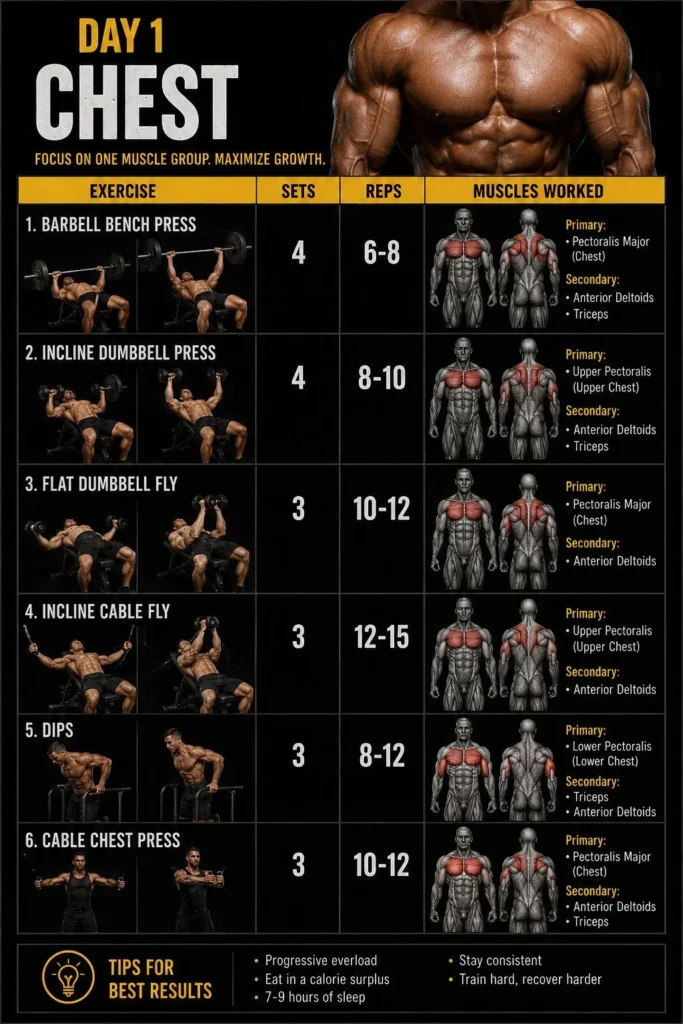
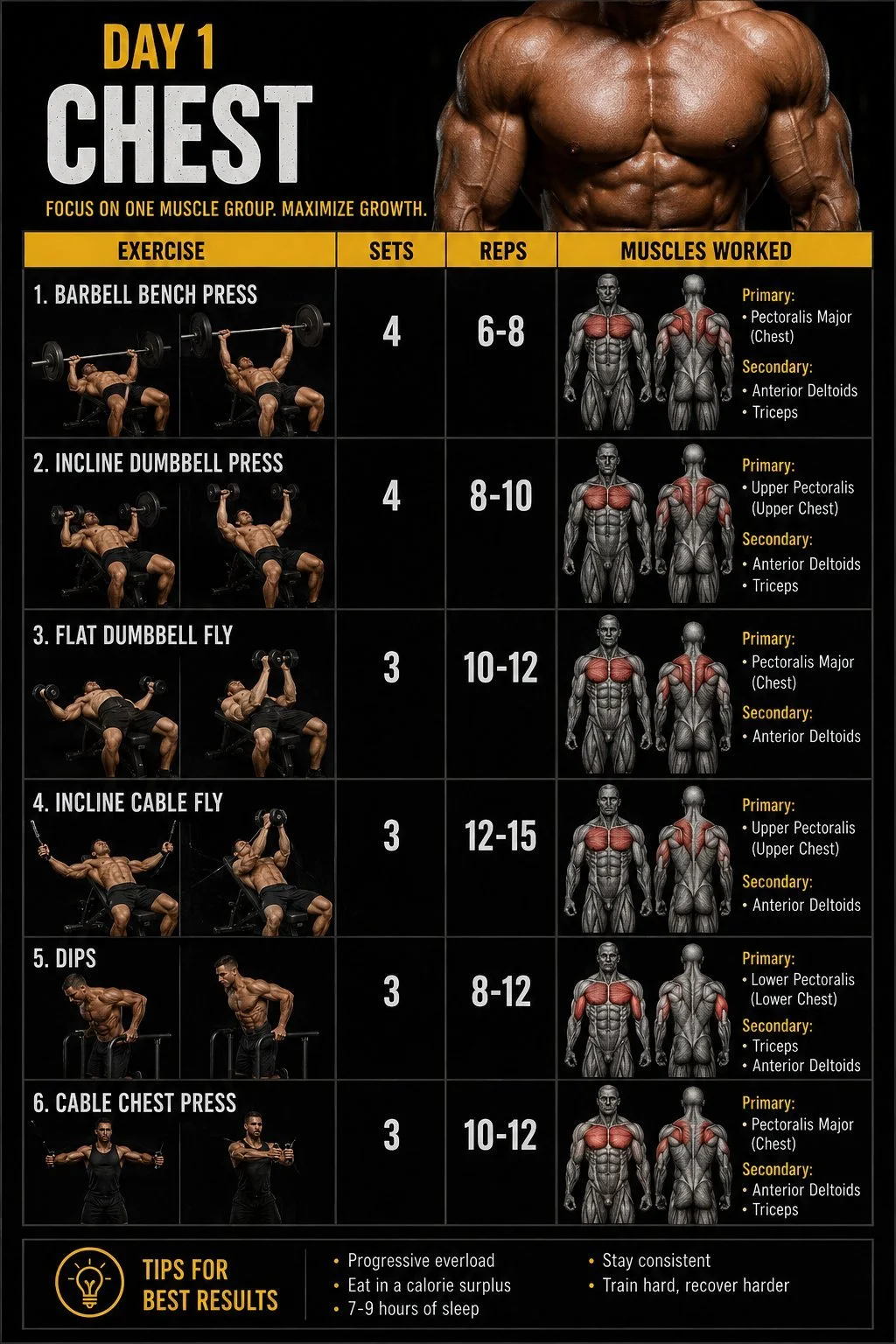
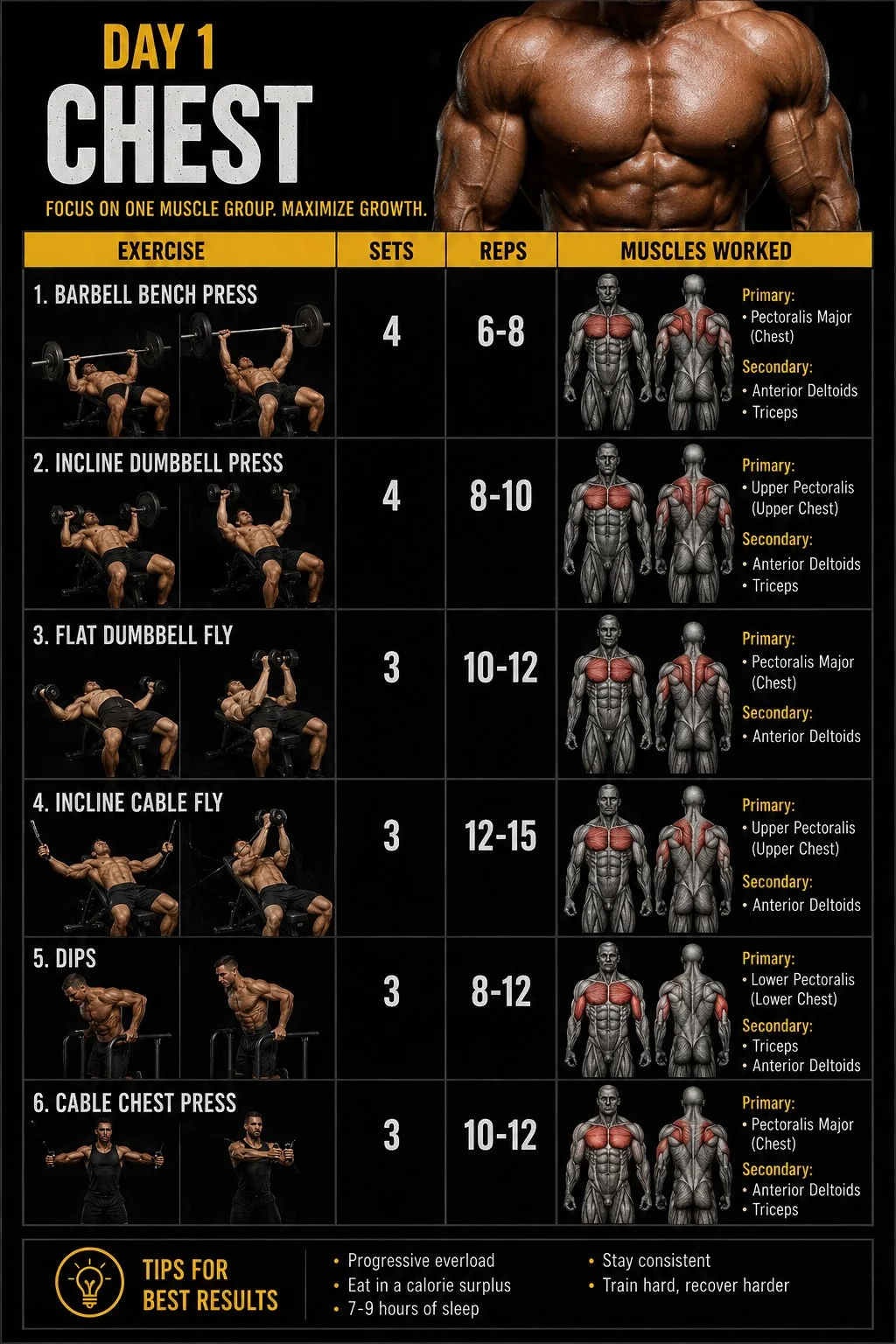
- Bench presses or push-ups for the chest and arms
- Rows and pull-ups for the back
- Overhead presses for the shoulders
- Planks and carries for core stability
Beginners should prioritize controlled movement and proper technique before adding heavier resistance. Good form improves results while reducing the risk of injury.
Progress at a Sustainable Pace
Muscles become stronger when they are gradually challenged beyond their current capacity. This process, known as progressive overload, can involve increasing weight, performing more repetitions, adding another set, improving technique, or shortening rest periods.
Progress does not need to happen during every workout. Small, steady improvements are usually safer and more sustainable than dramatic increases.
Support Training With Nutrition
Exercise creates the stimulus for growth, but nutrition provides the materials needed for recovery. Eat balanced meals that include protein, complex carbohydrates, healthy fats, fruits, and vegetables.
Protein supports muscle repair, while carbohydrates provide energy for demanding workouts. Healthy fats contribute to general health and normal body function. Staying hydrated is equally important, particularly before, during, and after exercise.
Make Recovery Part of the Plan
Rest is not a break from progress—it is part of the process. Muscles need time to repair and adapt after training. Schedule recovery days, aim for consistent sleep, and avoid repeatedly training the same muscle groups without adequate rest.
Pay attention to persistent fatigue, declining performance, unusual soreness, or joint discomfort. These signs may indicate that your body needs more recovery or an adjustment to your routine.
Track What Works
Record your exercises, sets, repetitions, resistance levels, and how each session feels. You can also monitor sleep, meals, measurements, or fitness milestones. A simple training journal makes patterns easier to recognize and helps you make informed changes over time.
Remember that progress is not measured only by appearance. Better posture, increased energy, improved technique, greater endurance, and easier daily movement are all meaningful signs of success.
Conclusion
A stronger body is built through clear goals, thoughtful training, gradual progression, supportive nutrition, and sufficient recovery. Stay patient and focus on consistent action rather than perfection. Every well-planned workout and healthy choice moves you closer to a stronger, more capable version of yourself.