
Stronger Every Day: A Balanced Fitness Blueprint
Building lasting strength requires more than lifting heavy weights. A well-rounded routine combines resistance training, cardiovascular exercise, core conditioning, mobility work, recovery, and nutritious food to improve performance while supporting long-term health.
Start With Bodyweight Training
Bodyweight exercises offer a practical foundation for strength development because they can be performed almost anywhere. They also help you learn proper movement patterns before adding heavier resistance.
Include exercises such as:
- Push-ups for the chest, shoulders, and arms
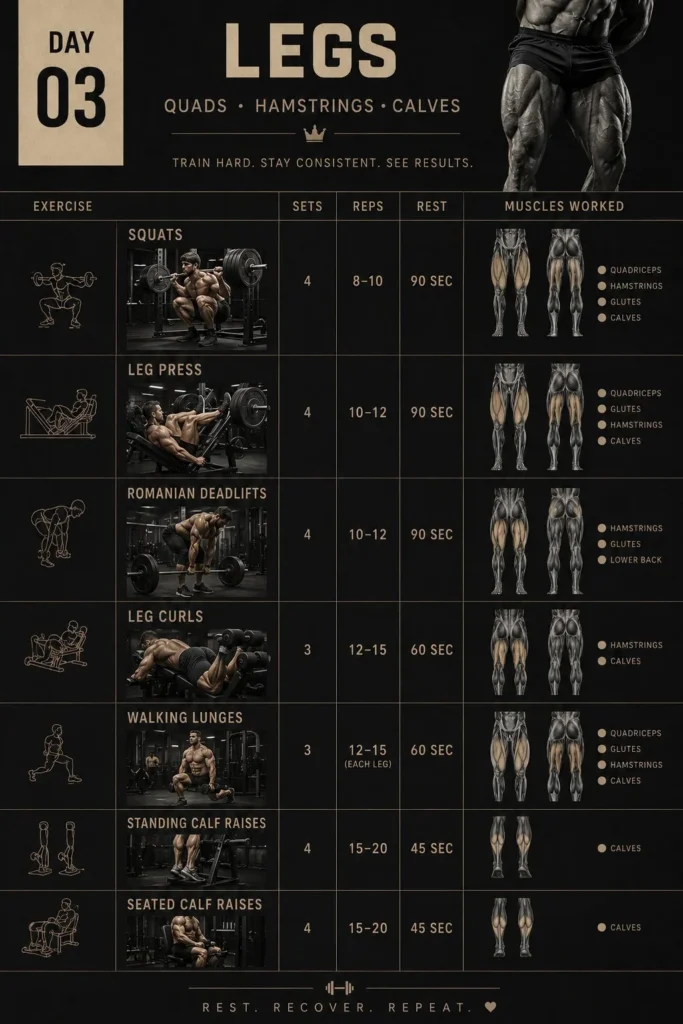
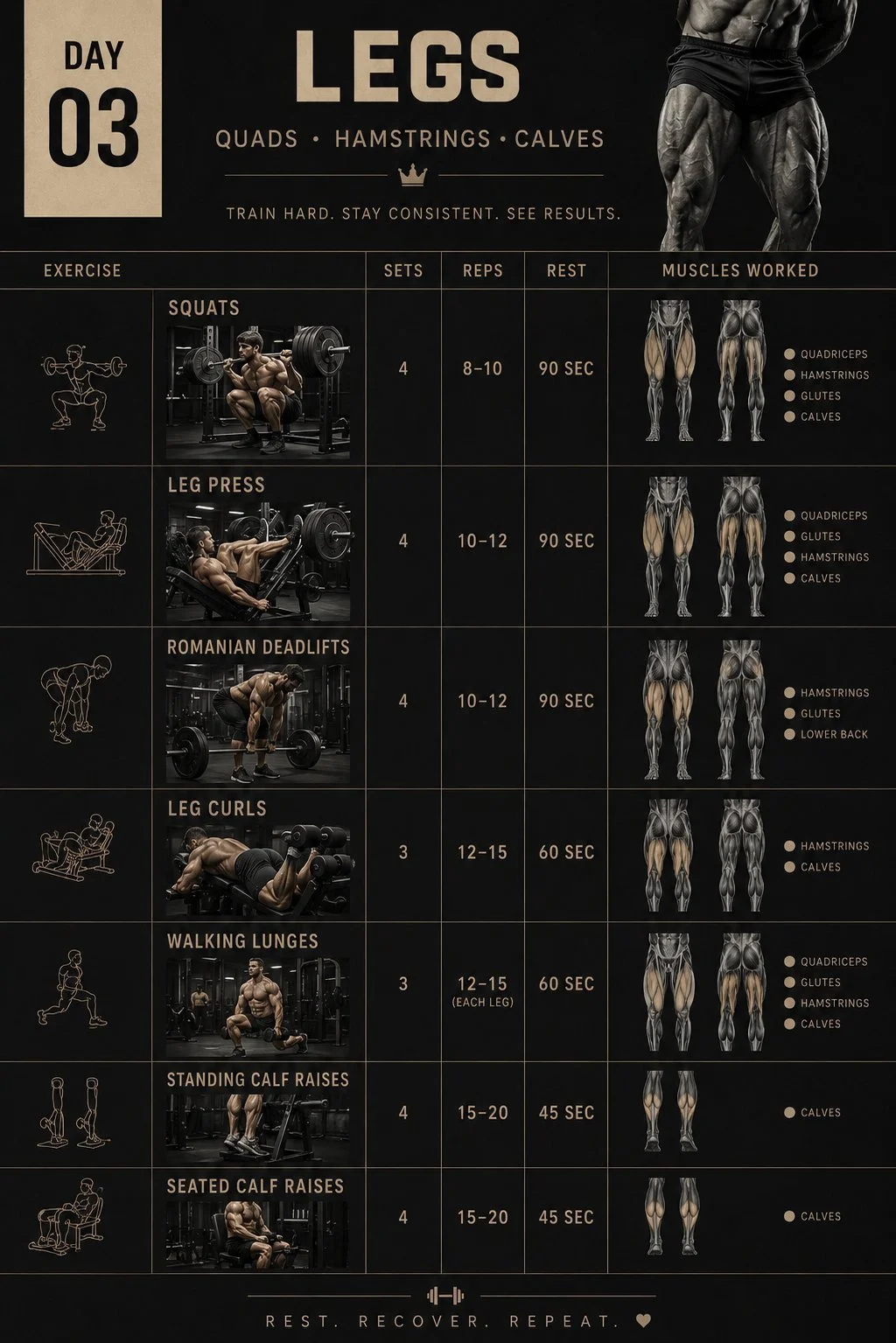
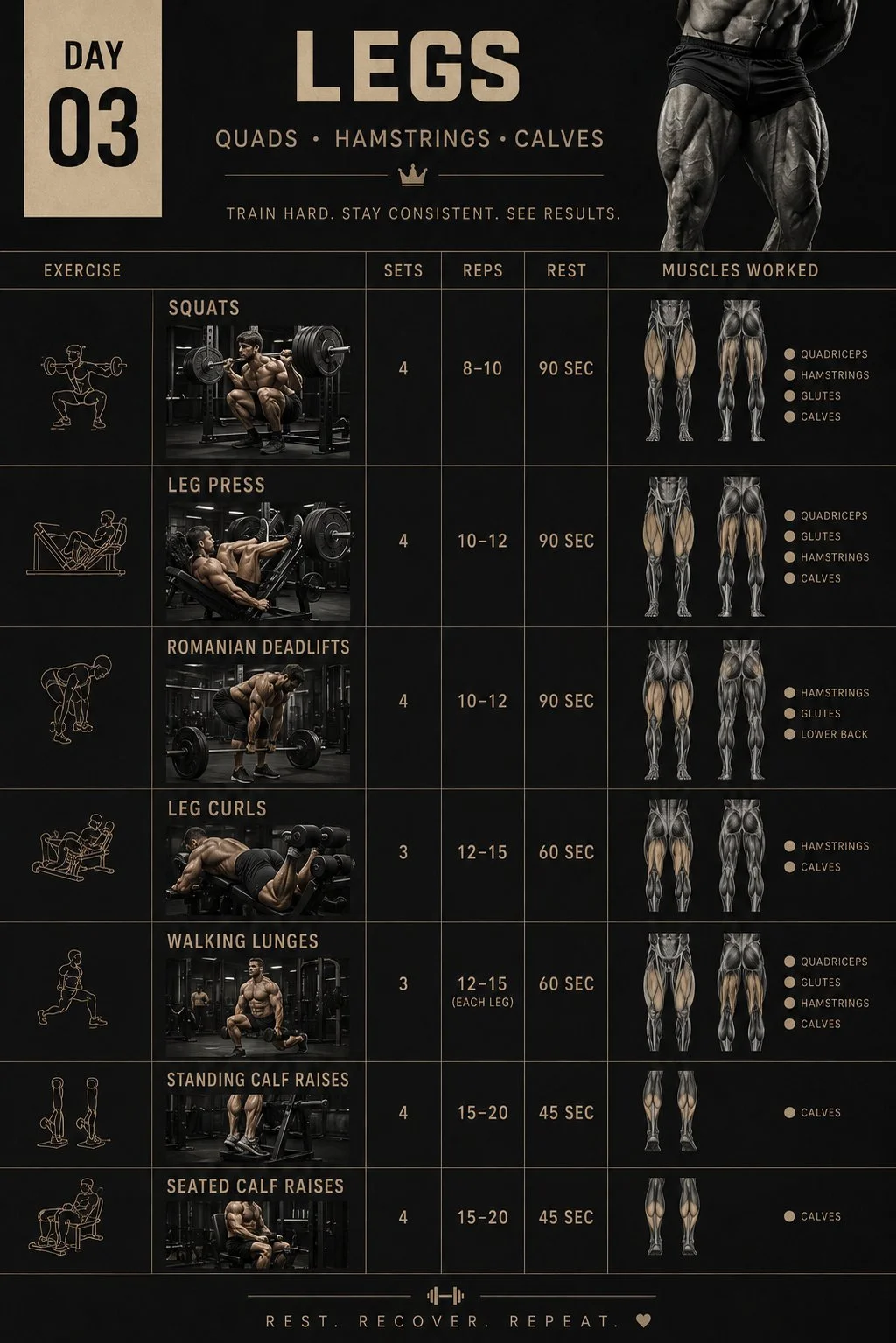
- Squats for the legs and hips
- Lunges for balance and lower-body strength
- Pull-ups or assisted pull-ups for the back and arms
Complete three or four sets of 8–15 controlled repetitions. Prioritize good form and gradually increase the difficulty as you become stronger.
Build Power With Resistance Training
Free weights and resistance machines allow you to challenge your muscles progressively. Compound exercises are especially valuable because they engage several muscle groups at once.
Deadlifts, bench presses, rows, and overhead presses can form the foundation of your program. Schedule two or three resistance-training sessions each week, allowing sufficient recovery time between workouts. Increase the weight gradually rather than sacrificing technique.
Strengthen Your Core
Your core stabilizes the spine, supports balance, and transfers power between the upper and lower body. Effective core training should target more than just the abdominal muscles.
Try adding these movements to your routine:
- Front and side planks
- Bicycle crunches
- Russian twists
- Bird dogs
- Dead bugs
Dedicate 15–20 minutes to core training two or three times per week. Slow, deliberate movements usually deliver better results than rushed repetitions.
Improve Endurance With Cardio
Cardiovascular fitness supports heart health, recovery, and workout stamina. Running, brisk walking, cycling, rowing, and swimming are all useful options.
Aim for approximately 150 minutes of moderate-intensity activity each week. You can divide this total into shorter sessions that fit your schedule. Keep most cardio workouts manageable so they do not interfere with strength recovery.
Make Mobility Part of Your Plan
Mobility exercises help maintain a healthy range of motion, while stretching can ease muscle tension after training. A short dynamic warm-up before exercise prepares your joints and muscles for movement.
Yoga, Pilates, foam rolling, and dedicated mobility sessions can complement your strength program. Focus on areas that commonly become tight, including the hips, ankles, shoulders, and upper back.
Fuel Strength and Recovery
Training creates the stimulus for improvement, but nutrition supplies the materials your body needs to recover. Build balanced meals around the following nutrients:
- Protein: Lean meat, fish, eggs, dairy, tofu, and legumes support muscle repair.
- Complex carbohydrates: Whole grains, vegetables, and fruit provide energy for demanding workouts.
- Healthy fats: Nuts, seeds, olive oil, and avocados contribute to overall health and normal hormone function.
- Fluids: Consistent hydration helps maintain performance and supports recovery.
Sleep is equally important. Most adults benefit from seven to nine hours per night, especially when following a demanding exercise routine.
Conclusion
A stronger body is built through consistency rather than quick fixes. Combine bodyweight movements, resistance exercises, core work, cardio, mobility, nutritious meals, and adequate rest. Progress gradually, listen to your body, and make each workout a sustainable step toward lasting strength.