A strong back improves posture, boosts pulling power, and reduces the risk of shoulder and spine injuries; making it a gym priority for any lifter. For a detailed breakdown of exercises and structure, check this comprehensive back workout guide.
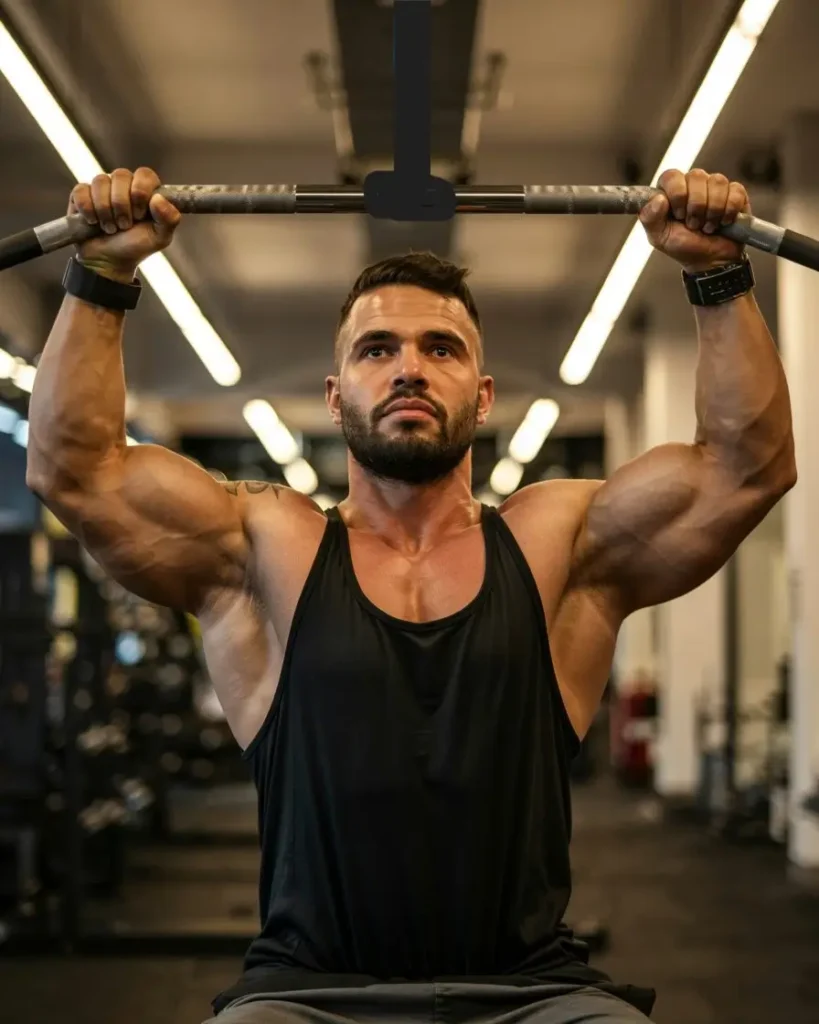
Warm up smart
Start every session with mobility and activation: band pull-aparts, thoracic rotations, and light face pulls prime the posterior chain and scapular muscles. Spend 5–10 minutes moving through these drills before heavy work to protect joints and improve movement quality.
Core exercises
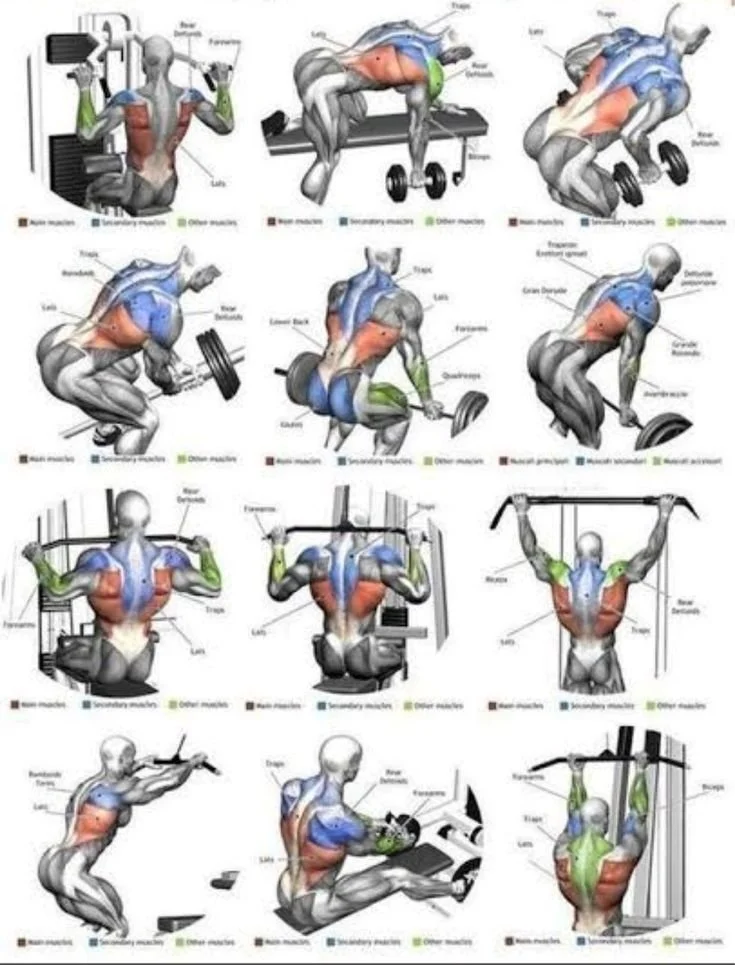
Build your routine around compound pulling movements:
- Bent-over rows (barbell or dumbbell) — 3–4 sets of 6–12 reps
- Pull-ups or assisted pull-ups — 3 sets to near failure
- Seated cable rows — 3 sets of 8–12 reps
Technique matters more than ego. Keep a neutral spine, lead with your elbows on pulls, and squeeze the shoulder blades at the top of each rep.
Accessory work and progression
Finish sessions with targeted accessories for width and thickness: single-arm dumbbell rows, lat pull-down variations, and reverse flyes. Progress by adding small weight increments, improving tempo control, or increasing total volume over weeks. If your goal is heavy pulls and maximal baack mass, consider a specialized program like the deadlift-focused routine that emphasizes posterior chain overload.
Form tips and recovery
Prioritize form over load; rounded backs or jerky reps invite injury. Rest 48–72 hours between intense back sessions, sleep well, and fuel recovery with protein and carbohydrates to support repair and growth.
Conclusion
For more exercise ideas and variations to level up your sessions, consult Gymshark’s guide to the best back exercises for a curated list of effective back moves and progressions.



Hi my friend! I want to say that this post is amazing, great written and include approximately all vital infos. I would like to see extra posts like this .
Thank you so much, my friend! I really appreciate your kind words. I’m glad you found the post helpful and informative—that’s exactly what I aim for. I’ll definitely keep sharing more content like this, so stay tuned!