
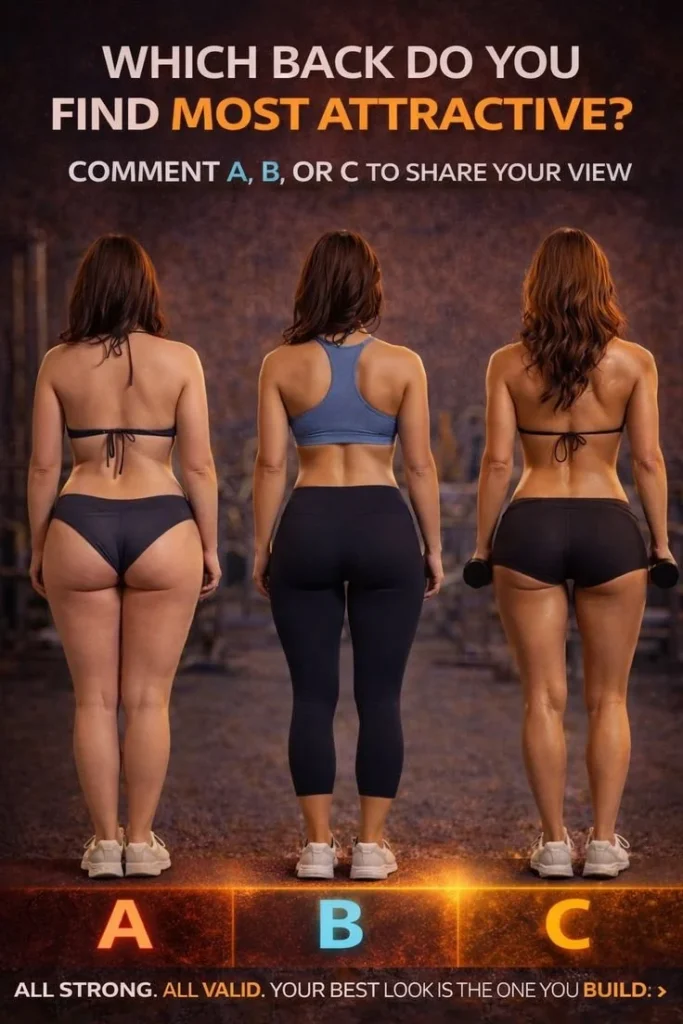
attractive body: At first glance, choosing which back; A, B, or C; you find most attractive feels like a snap judgment. That quick pick, however, reflects a mix of biology, culture, and personal experience: everything from shoulder-to-waist shape and muscle tone to posture and grooming plays a role in what you notice first. For example, training habits strongly influence back shape; learn more about how certain routines affect muscle growth in this discussion.
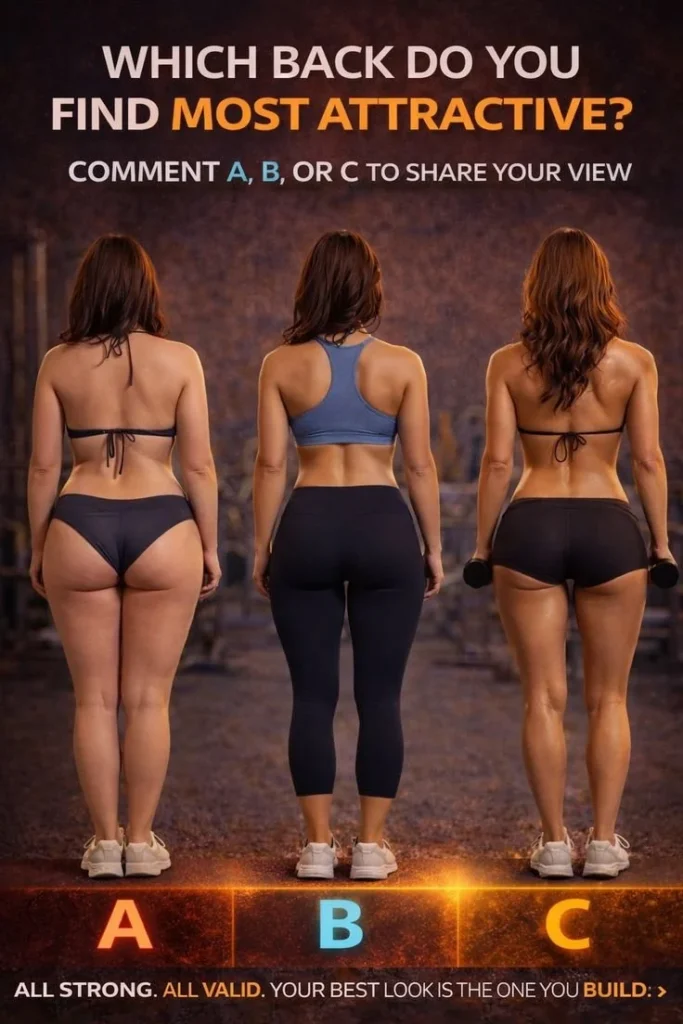
Why a back can grab your attention
- Shoulder-to-waist ratio: A wider upper back and tapered waist tends to register as physically strong and fit across many cultures.
- Symmetry and proportion: Our visual system favors balanced shapes; small asymmetries can make one back appear healthier or more attractive than another.
- Posture and carriage: A straight, confident posture accentuates the spine and shoulder blades, while rounded shoulders can detract regardless of musculature.
- Skin, scars, and grooming: Smooth skin, even tone, or tasteful grooming can influence immediate appeal as much as anatomy.
What “A, B, or C” might actually signal
- Fitness and function: Visible lat and trapezius development often indicates regular strength work and good functional capacity.
- Lifestyle cues: A fatigued or rounded back can suggest long hours sitting, whereas a toned back implies active habits.
- Health and age: Skin elasticity, fat distribution, and spinal curvature change with age; preferences may therefore vary across age groups.
Why people differ in their picks
- Cultural and social conditioning: Media and local beauty standards shape which body features are idealized.
- Personal history: If you grew up around certain body types or associate a back shape with someone admired (a parent, coach, or partner), that can bias your choice.
- Evolutionary shortcuts: Some preferences may reflect deep-seated cues—like indicators of strength or youth—but those are filtered through modern norms.
Practical implications: beyond aesthetics
Choosing a favorite back isn’t just vain curiosity; it can guide how you train or care for your body. If you want to improve posture and back endurance without committing to heavy bulking, short, focused routines can help—here’s a practical 10-minute calisthenics routine to get started today. Strengthening scapular control, stretching tight chest muscles, and adding targeted rowing variations can change the visual and functional quality of your back within weeks.
Quick tips to make any back look better
- Work posture daily: simple scapular retractions and thoracic mobility drills pay big visual dividends.
- Prioritize proportion: balanced pulling (rows, pulls) and core work prevent overdevelopment of one area.
- Maintain skin and grooming habits: sunscreen, moisturizing, and attention to posture while sitting help aesthetics.
- Consistency over intensity: steady, sustainable work beats sporadic heavy training for long-term shape and health.
Conclusion
Preferences for back types (A, B, or C) combine evolved sensitivities and modern cultural tastes; if you want to understand the research foundations of what attracts us visually, consider reading this overview of evolutionary approaches to attractiveness: evolutionary studies of facial attractiveness and their implications.


Hi my friend! I wish to say that this article is amazing, nice written and include almost all significant infos. I’d like to see more posts like this.
Hi my friend! Thank you so much for the kind words—I’m really glad you enjoyed the article and found it helpful. I’ll definitely keep working on more posts like this, so stay tuned!