You don’t need a new body; you need a clearer signal. Most women don’t fail because they don’t train hard enough; they fail because their workouts, cues, and feedback are noisy or misleading. A short, focused change in how you approach a lift or a rep can deliver far more progress than adding hours to your routine. For quick, structured options that prioritize signal over volume, consider starting with a 10-minute calisthenics workout to reboot your movement quality and awareness.
Why the “new body” myth is dangerous
- It sets an all-or-nothing mindset: if you don’t morph overnight, you’re failing.
- It encourages chasing aesthetics instead of training signals: posture, muscle engagement, breathing, and motor control.
- It pushes women into excessive cardio or low-impact “safe” routines that don’t teach the body to handle load or coordination.
Train hard, but train clear
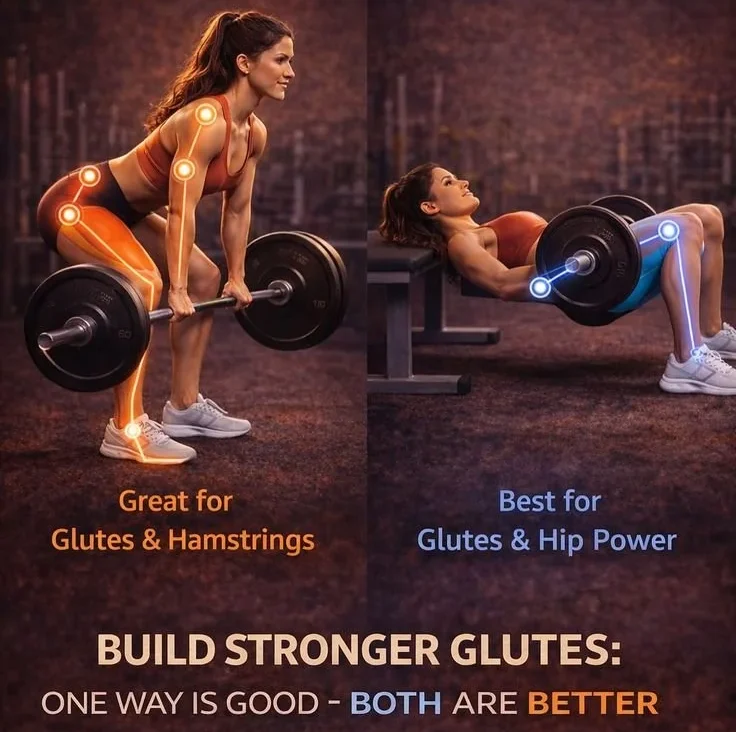
Training intensity has value, but intensity without clarity amplifies errors. A hard deadlift done with a rounded back or without proper hip drive can cement bad movement patterns and increase injury risk. Instead of only increasing load, spend sessions dialing in cues: where you feel the work, how the bar path moves, and whether your breathing and bracing are consistent.
Small experiments with big returns
- Swap vague cues (“lift with your back”) for precise ones (“brace your core, drive your heels, feel the glutes fire”).
- Record a set and compare rep 1 to rep 5 — the drift tells the story.
- Use single-leg or unilateral work to reveal asymmetries that bilateral lifts hide.
Workouts that teach engagement
High-quality progress often comes from exercises that teach you to find and maintain tension. If you struggle to feel certain muscles working, add deliberate drills that prioritize connection over fatigue. You can layer these into short sessions or use them as warm-ups before heavier lifts. For targeted arm and pulling strength that supports deadlift lockout and grip, try a focused bicep workout for strong arms to improve your grip and elbow support — small wins that compound into better lifts.
Practical cues to sharpen your signal (for deadlifts)
- Foot: feel the ground beneath all toes; push through midfoot to heel.
- Hip hinge: push hips back first, think “chest over knees” at the bottom.
- Tension before pull: take a deep breath, brace the core, pull slack from the bar.
- Pull path: keep the bar close; imagine it scraping your shins and thighs.
- Lockout: finish by squeezing glutes and pulling the shoulders slightly back, not hyperextending the lower back.
How to measure clarity, not just weight
- Track reps that meet your cues rather than total reps performed.
- Use video to score yourself: did the cue hold for every rep?
- Rate each session for signal quality (1–5). Aim to increase signal scores before increasing load.
When to push load vs. when to refine
If your signal score is high across reps and sets, it’s usually safe to add load. If it’s inconsistent, pause increases and invest time in technique, mobility, or assistance work. That investment saves time and setbacks later.
Conclusion
When progress stalls, ask whether you need more work or a clearer signal. Often the breakthrough is a cue, a focused drill, or a short practice session that teaches the body how to perform the movement correctly. If you’ve ever wondered whether difficulty engaging your back is part of the problem, this thread about engaging the back during lifts has practical experiences and tips from lifters addressing the same issue.