Stroke & Burn
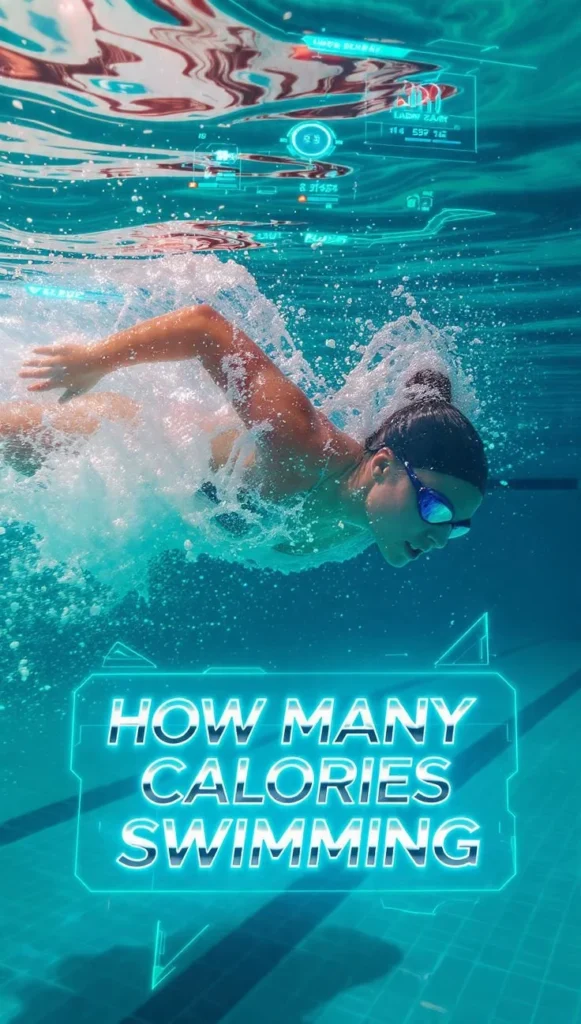
Swimming is one of the most efficient full-body workouts—gentle on joints but powerful for calorie burn, cardiovascular fitness, and muscle endurance. If you’re wondering how many calories you can torch in the pool and how to make each lap count, this guide breaks it down clearly and practically. For ideas on complementing swim training with studio work, consider options for choosing the right group fitness class that match your goals.
How calorie burn is estimated in swimming
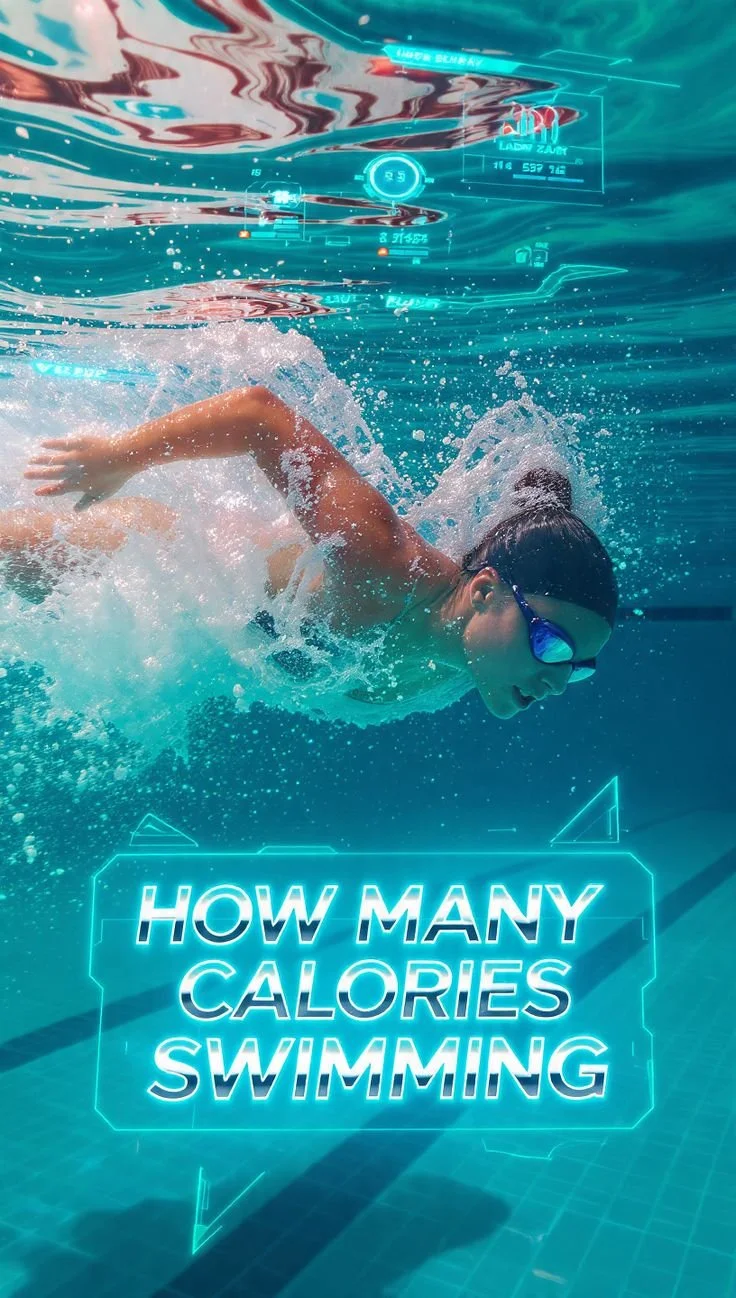
Swimming calorie estimates are based on body weight, swim intensity, stroke efficiency, and duration. Metabolic equivalents (METs) are often used: light swimming sits around 3–5 METs, moderate laps around 6–8 METs, and vigorous training or sprint sets can exceed 10 METs. Because water cools the body and reduces perceived effort, actual calorie burn can feel lower than the numbers suggest—so track consistent metrics (time and perceived intensity) for the best comparison.
Calories by stroke and effort
Different strokes recruit muscles differently:
- Freestyle (front crawl): efficient and fast—great for steady calorie burn.
- Breaststroke: slower but more muscle activation in the chest and legs; moderate intensity.
- Backstroke: similar to freestyle in efficiency but slightly less power generation for most swimmers.
- Butterfly: highest calorie burn per minute but technically demanding.
If you’re used to land HIIT sessions, swimming intervals can replicate that effect—see approaches from high-intensity workouts and adapt them to pool sets for big calorie returns.
Example estimates (approximate calories burned per hour)
Estimates vary by weight and intensity; these are rough figures for steady effort:
- 125 lb (57 kg): 400–700 kcal/hour depending on intensity
- 155 lb (70 kg): 500–850 kcal/hour
- 185 lb (84 kg): 600–1,000+ kcal/hour
Sprinting, drills, and butterfly work push the top end. For realistic tracking, combine a heart-rate monitor with perceived exertion and consistent set structure.
Tips to maximize calorie burn
- Increase intensity with interval training (short hard sets + rest).
- Improve stroke efficiency—better technique often means faster speeds at the same effort, which can increase distance and total calories.
- Minimize long rest periods during workouts to keep metabolic demand high; structured intervals help.
- Mix strokes to use different muscle groups and avoid plateaus.
For dryland core conditioning that translates to better rotations and faster strokes, incorporate exercises like the band twist core exercises to stabilize your torso during each stroke.
Swimming for fat loss vs. muscle tone
Swimming is excellent for fat loss because it burns calories while preserving lean tissue. To optimize body composition, combine swim cardio with resistance work and proper nutrition. Practical guidance on how to balance hypertrophy and fat loss is available in resources about building muscle while losing fat.
Programming: weekly sample and recovery
A balanced week might include:
- 2 moderate steady-state swim days (45–60 min)
- 2 interval or technique-focused sessions (30–45 min)
- 1 long aerobic swim or mixed-stroke session (60+ min)
- 1–2 dryland strength sessions for power and injury prevention
To support muscle growth and recovery while swimming more often, follow principles for nutrition and progressive overload like those in tips to boost muscle growth naturally.
Conclusion
Swimming can burn hundreds to over a thousand calories per hour depending on intensity and body weight, and it pairs well with land-based strength work for balanced fitness—learn more about energy use in aquatic activities by reading this scuba diving calorie guide that breaks down metabolic costs in the water.