
SheBurn: Female Fat-Loss Guide
Women have unique physiology and lifestyle needs when it comes to burning calories efficiently — from hormonal shifts to time-crunched schedules and strength priorities. Start small, focus on consistency, and choose routines that fit your life; for parents pressed for time, these quick parent-friendly workouts can keep progress steady without burnout.
Why female-focused plans work
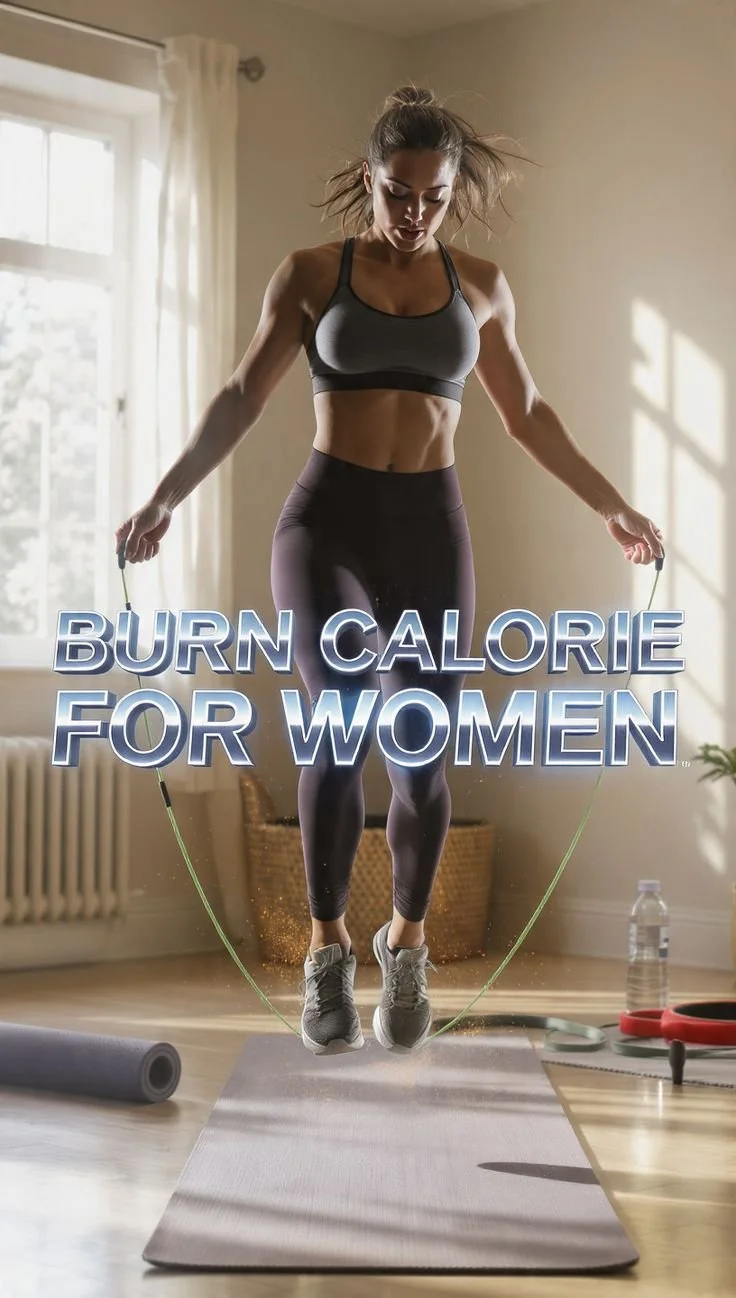
Women often benefit more from programs that balance strength work, metabolic conditioning, and recovery. Building muscle raises resting metabolic rate, while targeted conditioning helps preserve lean tissue during calorie deficits. A structured approach that includes resistance training and progressive overload delivers better long-term fat-loss than cardio-only plans.
Smart strength training (do this first)
Prioritize compound lifts and full-body sessions two to four times weekly — they recruit big muscle groups and spike calorie burn after workouts. If you prefer guided templates, try these full-body routines to burn fat faster that balance intensity and recovery.
Tone without endless reps
For sculpting arms and improving function, include focused resistance work that challenges muscles through full range of motion; short, consistent sessions beat occasional long ones. A practical reference for at-home upper-body progressions is this arm-toning at-home exercises.
Use HIIT and metabolic circuits wisely
High-intensity interval training elevates calorie burn in less time, but it’s best paired with strength work and adequate recovery to avoid hormonal stress. Integrate one to three sessions weekly alongside strength training; for inspiration, explore these high-intensity calorie-burn workouts that can be scaled to fit your level.
Target glutes and posture for functional strength
Strong glutes support everyday movement and increase overall metabolic demand; include hip hinges, lunges, and glute bridges in your plan. Learn effective progressions and tips from this guide to glute-sculpting moves to make sessions efficient and impactful.
Nutrition, recovery, and hormones
Balanced protein intake, modest calorie deficits, and meal timing geared to your schedule help preserve muscle while losing fat. Don’t underestimate sleep, stress management, and consistent meal patterns — they influence appetite hormones and recovery. Aim for a sustainable plan you can maintain for months, not weeks.
Conclusion
For a medically supervised plan that pairs nutrition structure with behavior support, consider the Ideal Protein program at WellnessMD, which can complement the training strategies above.